标签: Belize

伯利兹

  • Teen Dies One Day After Parents’ Release From ICE Custody

    Teen Dies One Day After Parents’ Release From ICE Custody

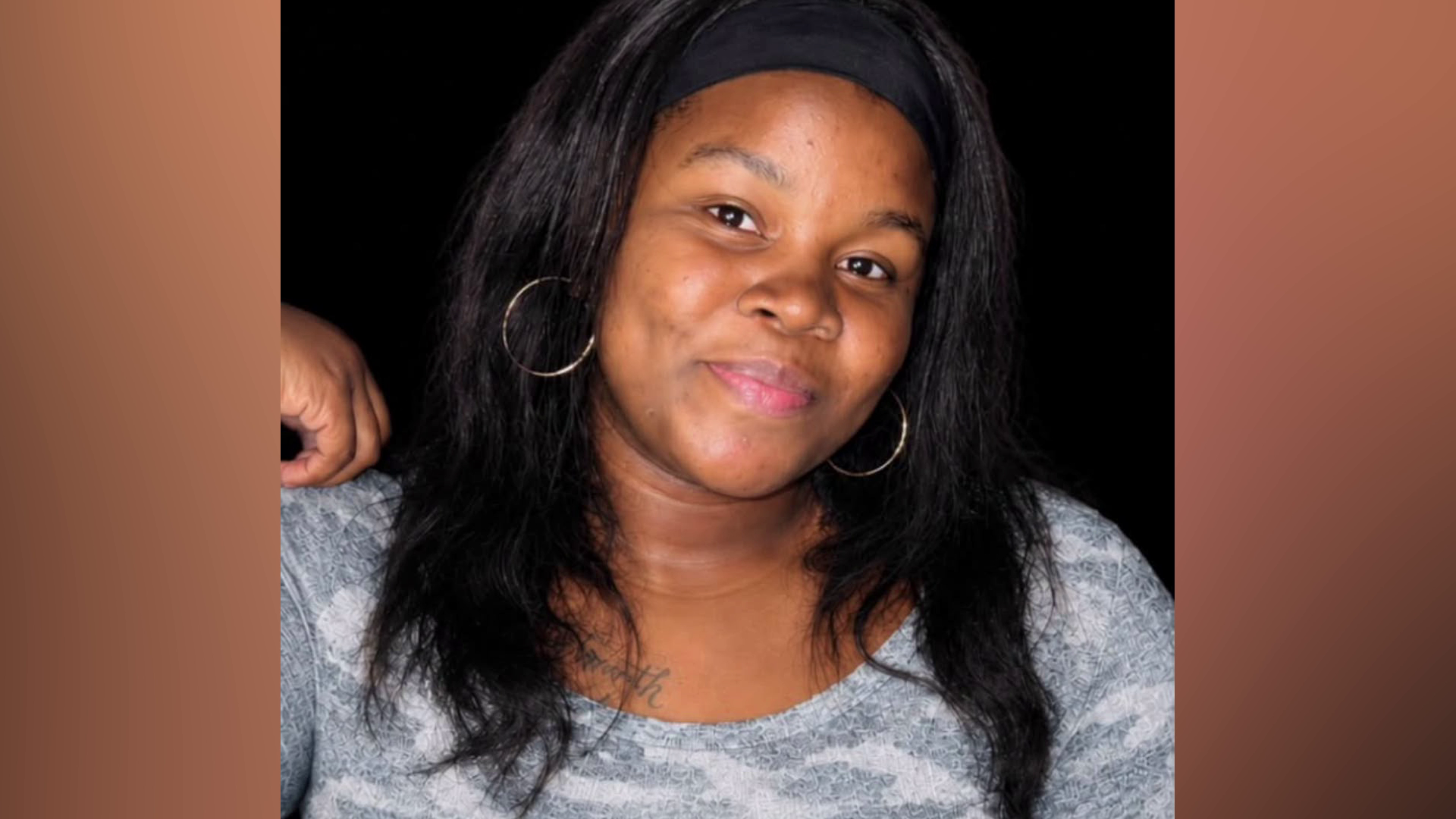
    In a devastating story that has drawn international attention to the human costs of U.S. immigration enforcement, an 18-year-old Chicago-born teen with terminal cancer has passed away only 24 hours after he was finally reunited with his parents following their release from U.S. Immigration and Customs Enforcement (ICE) custody. Kevin Gonzalez, who battled late-stage colon cancer, died Sunday afternoon in Durango, Mexico, with his recently released parents by his side, family members confirmed to local NBC and Telemundo affiliates.

    Kevin first sought medical care earlier this year in his native Chicago after experiencing intense, persistent stomach pain. A devastating diagnosis followed: stage 4 colon cancer that had already spread to his stomach and lungs. Clinicians determined the cancer was untreatable, and advised transitioning to palliative comfort care to ease his final days.

    When Kevin received his terminal diagnosis, his parents — Isidoro González Avilés and Norma Anabel Ramírez Amaya — attempted to cross the U.S. border from Mexico to be at their son’s side. But border authorities detained the couple in Arizona after they entered without prior authorization. U.S. Department of Homeland Security officials later confirmed the pair had been denied formal travel visas due to a history of previous unlawful presence and re-entry into the United States.

    While his parents were held in ICE detention, a gravely ill Kevin left Chicago to return to Mexico, where he moved in with his grandmother to wait for his parents’ release. As his health declined, he went public with an emotional plea to immigration officials, calling for his family to be reunited before it was too late.

    Earlier this week, a federal judge issued an order demanding the expedited release of Kevin’s parents. The couple was deported to Mexico on Friday, and the long-awaited reunion between Kevin and his parents finally took place in Durango on Saturday. Family members described the emotional meeting as a deeply moving, bittersweet moment. In the immediate aftermath of the reunion, Kevin’s mother shared her heartbreak at seeing her son’s condition, telling reporters, “I didn’t imagine seeing him so thin, the way he is.” His father added, recalling the moment he saw his dying son: “I knelt on his feet, I told him I was sorry if I ever disappointed him as a father and that I loved him.”

    After spending his final full day surrounded by the entire family he had waited months to see, Kevin passed away on Sunday afternoon with his parents holding his side. The tragedy has sparked renewed conversation about the human impact of U.S. immigration policy, particularly in cases involving terminally ill people seeking family reunification.

  • CARPHA Says Caribbean Risk Remains Low After Hantavirus Outbreak

    CARPHA Says Caribbean Risk Remains Low After Hantavirus Outbreak

    As global health authorities investigate an international hantavirus outbreak tied to the Dutch-flagged cruise ship MV Hondius that has caused multiple deaths, the Caribbean Public Health Agency (CARPHA) has reaffirmed that the overall risk of transmission across the Caribbean region remains minimal, per official statements released on May 11, 2026.

    During a press briefing held Monday, CARPHA Executive Director Dr. Lisa Indar outlined that the agency is collaborating closely with the World Health Organization (WHO), the U.S. Centers for Disease Control and Prevention (CDC), and multiple global health partners to track the outbreak and support ongoing international investigations. As of the May 11 reporting cutoff, health officials have documented eight confirmed and suspected hantavirus cases linked to the vessel, three of which have resulted in fatalities. Passengers and crew members aboard the MV Hondius hail from 28 different countries, including the United States, United Kingdom, Philippines, and Netherlands. Multiple infected individuals have already been medically evacuated or repatriated to their home countries, and contact tracing efforts are currently being rolled out across affected nations.

    The outbreak timeline traces back to April 1, 2026, when the cruise ship departed from Argentina. A cluster of unexplained severe respiratory illness was reported among people on board, prompting an official notification to the WHO on May 2. Further genetic testing has linked the outbreak to the Andes strain of hantavirus, the only documented hantavirus variant capable of person-to-person spread – though public health experts emphasize this transmission only occurs in rare circumstances, requiring close, prolonged contact between individuals.

    Dr. Indar clarified key facts about hantavirus to dispel growing public concern: the pathogen is primarily a rodent-borne illness that is endemic to many regions across the globe, but the specific rodent species that carries the Andes strain is not native to any Caribbean territory. This absence of a local reservoir means there is no sustained source of community transmission within the Caribbean, a core factor driving the low-risk assessment.

    Unlike widely circulating respiratory viruses such as COVID-19 and influenza, hantavirus does not transmit easily between humans, Dr. Indar added. “COVID-19 spreads easily between people. Hantavirus does not,” she stated, noting that the probability of large-scale community spread of the pathogen is extremely low. Currently, hantavirus has an incubation period ranging from one to six weeks, and no targeted antiviral treatment or widely approved vaccine exists for the infection. Clinical care for infected patients focuses on supportive interventions, including supplemental oxygen and close intensive care monitoring.

    Immediately after receiving formal notification of the outbreak, CARPHA activated its regional public health surveillance infrastructure. Measures implemented include a regional alert issued on May 5, daily risk monitoring across all member states, and ongoing coordination with local health authorities throughout the Caribbean. Following a joint assessment with the WHO, CDC, and UK health authorities, CARPHA has confirmed that the risk to Caribbean populations remains unchanged at low.

    To help residents protect themselves, CARPHA is urging the general public to maintain routine basic hand and food hygiene, avoid any contact with wild rodent populations, and only rely on official public health updates for accurate information about the outbreak.

  • Rude Boy Billboard Removed In Jamaica: Will Belize Do The Same?

    Rude Boy Billboard Removed In Jamaica: Will Belize Do The Same?

    A recent decision by Jamaican municipal authorities to take down a sexually suggestive alcohol advertising billboard has amplified a parallel public debate in neighboring Belize over appropriate content for shared public spaces.

    The Kingston and St. Andrew Municipal Corporation (KSAMC) confirmed it ordered the removal of the disputed advertisement, located in eastern Kingston, following dozens of complaints from local residents. According to KSAMC’s official announcement, regulators were alerted to the billboard last Thursday. After an expedited review of the content, the agency issued a 24-hour compliance notice requiring advertisers to take down the sign, and the order was fully carried out by Friday, May 8.

    The billboard was created to promote “Rude Boy Original”, an alcoholic beverage brand. Its graphic design featured a bottle of the spirit placed between the raised legs of a figure clad in black fishnet stockings and high-heeled boots, paired with the marketing hashtag “#DrinkRude”.

    While KSAMC acknowledged and responded to widespread public concern over the ad, the agency noted that it does not have formal regulatory authority over the creative content of outdoor advertising. Even so, KSAMC emphasized that it routinely encourages brands and advertising firms to exercise intentional judgment, prioritize community sensibilities, and avoid content that would offend general audiences in shared public spaces.

    The controversy quickly divided public opinion across Jamaican social media. Some commentators argued the billboard was simply edgy, creative marketing that fell within acceptable boundaries for commercial advertising, while others insisted the overtly sexualized imagery crossed a line of public decency, especially for advertisements visible to children and families.

    The Jamaican action has thrown new fuel onto an ongoing debate in Belize, where a separate Rude Boy Original billboard at the entrance to the capital city of Belmopan has already drawn fierce criticism from public and religious leaders. Church Senator Louis Wade Jr. has publicly called for the immediate removal of the Belizean billboard, which features Trinidadian recording artist Nailah Blackman holding the Rude Boy Original product in a pose opponents call sexually suggestive.

    Wade argued that the ad represents an affront to Belize’s shared public morality, pointing to already pressing social crises in the country including widespread alcohol abuse, gender-based domestic violence, and the over-sexualization of women in media and advertising.

    “I stand with thousands of Belizeans across Belmopan and the entire country who say this billboard must go: it violates the basic sensibilities of respectable people across our nation,” Wade stated in an interview with Plus TV News.

    Wade also accused the brand behind the campaign of deliberately targeting women with aggressive alcohol marketing, while normalizing hypersexualized imagery that harms public standards. As of this reporting, Belizean authorities have not yet announced whether they will follow Jamaica’s lead and order the disputed billboard removed.

  • 35-Year-Old Fighting for Life After Stabbing in Ladyville

    35-Year-Old Fighting for Life After Stabbing in Ladyville

    A violent public dispute has left a local construction worker clinging to life in a Belize hospital following a stabbing incident in Ladyville Village, with law enforcement officials confirming that one suspect has been taken into custody as of May 11, 2026.

    According to initial investigative updates from local police, the victim has been identified as 35-year-old Nelson Rene Rosa Ramirez, a resident of the Ladyville community. Responding patrol officers and emergency medical teams were dispatched to a local construction site on Sunday afternoon, where they located Ramirez with multiple penetrating stab wounds. First responders immediately transported the injured worker to a nearby medical facility, where he remains listed in critical, life-threatening condition as of the latest update.

    Preliminary statements from law enforcement outline that the attack unfolded during a casual social gathering between Ramirez and his uncle. What began as a routine meeting quickly escalated into a heated verbal argument, which ultimately devolved into the fatal altercation that left the 35-year-old stabbed. Authorities have not yet released the identity of the detained individual, nor have they shared details on potential charges that may be filed as the investigation continues to progress. Local policing units are still reviewing evidence and interviewing witnesses to establish a full timeline of events and confirm the exact circumstances leading up to the stabbing.

  • One Detained After Fatal Stabbing in Belize City

    One Detained After Fatal Stabbing in Belize City

    On the morning of May 11, 2026, a violent fatal stabbing incident in Belize City left a 56-year-old local man dead, and law enforcement officials have taken one suspect into custody as they work to untangle the details of the attack.

    According to preliminary information from investigators on the case, the victim, identified as Marl Longsworth, was spotted moving at speed along Mopan Street at approximately 12:30 a.m. local time. Moments later, he collapsed at the intersection of Mopan and Ebony Streets, where responding officers found him with multiple penetrating stab wounds across his body.

    Emergency first responders immediately transported the injured man to Belize’s main public medical facility, Karl Heusner Memorial Hospital. Despite medical teams’ efforts to stabilize and treat his critical injuries, Longsworth was pronounced dead shortly after arriving at the hospital.

    As of the latest update from the Belize Police Department, the investigation into the circumstances of the stabbing is still actively ongoing. Officials have not yet released information about a possible motive for the attack, nor have they shared additional details about the detained individual. Longsworth’s remains are currently being held pending a formal post-mortem examination, which will be conducted to confirm the official cause and manner of his death.

  • Your Backyard Could Be Making People Sick

    Your Backyard Could Be Making People Sick

    As cases of mosquito-transmitted illnesses climb across the Caribbean region, public health organizations have launched a regional campaign urging residents to tackle mosquito breeding sites starting at home, warning that unaddressed standing water in residential backyards has become a key contributor to the growing public health threat.

    From May 11 to 15, 2026, the Caribbean Public Health Agency (CARPHA), in partnership with the Caribbean Community (CARICOM) and the Pan American Health Organization (PAHO), is hosting Caribbean Mosquito Awareness Week. This year’s initiative carries the central theme: “Stop Disease Transmission, Start Source Reduction,” shifting focus from information sharing to collective community action.

    Dr. Lisa Indar, Executive Director of CARPHA, emphasized that individual and community action is the foundation of effective mosquito control. “This observance is not just about sharing information; it is about encouraging action. It is about reminding each Caribbean citizen that mosquito control starts at home, in our schools, in our workplaces and in our communities,” Indar explained in her opening remarks for the campaign.

    Public health officials are sounding the alarm over accelerating disease spread across the region. Once-controlled illnesses including dengue, malaria, yellow fever and chikungunya are seeing consistent increases in case counts. CARPHA has specifically flagged the reemergence of yellow fever and chikungunya in South America, noting that the viruses are spreading quickly and pose an immediate cross-border risk to the entire Caribbean basin.

    Experts point to multiple interconnected factors driving the current surge, many of which originate in residential spaces. Stagnant water that accumulates in common backyard items, combined with inadequate regional waste management and shifting climate patterns that extend mosquito breeding seasons, have created near-perfect conditions for mosquito populations to explode in communities across the Caribbean. Standing water that collects in unmaintained containers, clogged gutters, and outdoor gardening supplies is one of the most common unaddressed breeding sites that allow mosquito populations to grow rapidly close to where people live and gather.

    The campaign provides clear, actionable steps that every resident can take to reduce local mosquito populations and protect their households. Key recommendations include sealing all water storage drums and barrels, emptying or disposing of any outdoor containers that can catch rainwater, clearing debris from gutters on a regular schedule, and scrubbing vases and flower pot saucers weekly to remove mosquito eggs. Residents are also advised to use registered insect repellent and wear long, protective clothing when spending time outdoors, and to seek immediate medical care if they develop symptoms of illness after a mosquito bite.

    Indar closed by reinforcing the core message of the week: small, consistent actions taken by individual households add up to large regional change. “Keep mosquitoes away; clean up today,” she urged, noting that collective commitment to source reduction is the most effective way to slow disease transmission and protect Caribbean communities.

  • 18 Cruise Passengers Quarantined in U.S. After Hantavirus Outbreak

    18 Cruise Passengers Quarantined in U.S. After Hantavirus Outbreak

    A multi-state public health monitoring and quarantine operation is underway in the United States, after 18 passengers exposed to a hantavirus outbreak linked to an international cruise ship returned to American soil, according to updates from U.S. public health authorities. As of May 11, 2026, these passengers have been placed under targeted medical observation as officials work to stop further spread of the rare but dangerous pathogen and calm public anxiety over broader community transmission.

    Sixteen of the 18 monitored individuals, which includes at least one person who has already tested positive for hantavirus, are being held at the University of Nebraska Medical Center, one of the nation’s leading facilities for treating and isolating emerging infectious diseases. The remaining two passengers have been transferred to Emory University Hospital in Atlanta for more in-depth clinical evaluation and specialized care.

    Health officials confirmed that all 16 patients in Nebraska currently show no signs of hantavirus infection. However, at least one of the two patients receiving care in Atlanta is already exhibiting hallmark symptoms of the virus. Patients range widely in age, from people in their late 20s to those in their early 80s.

    The outbreak is traced back to the expedition cruise vessel MV Hondius, with the first cases emerging shortly after the ship began its voyage in mid-April 2026. To date, three passengers connected to the outbreak have died, and multiple other people who were aboard the vessel have developed confirmed or suspected infections. The World Health Organization has noted that while hantavirus is most commonly transmitted to humans from rodent excrement, the crowded enclosed environment of the cruise ship may have allowed for limited person-to-person spread of the Andes strain of the virus involved in this outbreak.

    U.S. health leaders have moved quickly to address widespread public concern over the outbreak, emphasizing repeatedly that the overall risk of hantavirus transmission to the general American public remains extremely low. Dr. Brian Christine, a senior official with the U.S. Department of Health and Human Services, emphasized the low risk in a public statement, noting that the Andes strain requires extended, close intimate contact with an infected symptomatic person to spread between people. Casual contact in public spaces does not pose a meaningful transmission risk, he explained.

    The U.S. Centers for Disease Control and Prevention confirmed that all U.S.-based passengers who returned home from the MV Hondius are under daily active monitoring by state and local public health departments. Officials have also prepped protocols to immediately isolate any individual who develops hantavirus symptoms while completing their monitoring period at home, to prevent secondary spread.

    Beyond the 18 passengers placed in dedicated medical facilities, an additional nine people across six U.S. states are also undergoing routine monitoring after potential exposure to the virus through their connection to the outbreak, CNN reported. Public health agencies have not released further details about the identities of the exposed individuals to protect patient privacy.

    Hantavirus infections, while rare, can cause severe respiratory and systemic illness with a relatively high mortality rate, which has prompted the proactive, precautionary response from global and U.S. health authorities in this outbreak.

  • World Lupus Day 2026: Belize Stands with Warriors Whose Battles Aren’t Always Visible

    World Lupus Day 2026: Belize Stands with Warriors Whose Battles Aren’t Always Visible

    On May 10, 2026, communities across the globe mark World Lupus Day, an annual observance dedicated to shedding light on a chronic, often misunderstood autoimmune condition that impacts millions of lives quietly every year. In Belize, the local Lupus and Rheumatoid Arthritis Association (LARA Belize) has stepped to the forefront of the global movement, amplifying the voices of people living with lupus and challenging widespread public ignorance that perpetuates isolation for patients.

    In its official World Lupus Day statement, LARA Belize emphasized the invisible nature of the disease that many patients navigate daily. “Today we stand for the warriors whose battles aren’t always visible,” the organization wrote. “Lupus doesn’t always look like sickness. Sometimes it looks like strength, it looks like pushing through pain with a steady smile, or sometimes it looks like cancelling plans and choosing rest and that, too, is courage.”

    These words cut to the core of what makes lupus such a uniquely challenging condition: it is a chronic autoimmune disorder where the body’s immune system mistakenly attacks healthy tissues and organs, including the joints, skin, kidneys, heart, lungs, and brain. The disease is wildly unpredictable, notoriously difficult to diagnose, and complex to treat, with severe cases proving fatal. Even with these grave stakes, global public awareness of lupus remains shockingly low.

    Ahead of this year’s World Lupus Day, the World Lupus Federation released a new global survey that lays bare the stark gap in public knowledge about the disease. The findings paint a worrying picture: 58% of respondents worldwide reported knowing little to nothing about lupus. Nearly half of all participants were unaware that lupus can damage any organ in the body, 46% did not know the condition can be fatal, and 41% were unsure that symptoms vary dramatically from one patient to another.

    Misconceptions extend far beyond simple lack of knowledge, creating harmful stigma that isolates patients. Even though lupus is a noncommunicable condition, one in five survey respondents incorrectly believed the disease can be spread from person to person. Twenty-one percent said they would feel uncomfortable sharing a meal with someone living with lupus, and 18% admitted they would hesitate to hug a person with the disease. This discrimination, rooted in misinformation, cuts off patients from the social support they need to manage their condition.

    Survey respondents identified two key barriers to improving public understanding: inadequate public education about lupus’s serious health impacts and insufficient coverage of the disease in mainstream media. To address this gap, participants overwhelmingly agreed that expanded educational content across both social media and traditional news platforms would be the most effective way to boost awareness.

    Despite these challenges, advocates point to small but meaningful signs of progress. Slowly growing public recognition of lupus’s most common symptoms—extreme fatigue, persistent skin rashes, and painful swollen joints—shows that long-term outreach and education efforts are beginning to shift public understanding.

    In Belize, LARA Belize has been at the forefront of these local efforts, serving as a consistent source of education, advocacy, and compassionate support for patients and their loved ones. The organization’s message extended beyond patients to acknowledge the critical role of informal caregivers: “And to the families, the friends, the quiet supporters holding hands behind the scenes, thank you for loving loudly and gently at the same time. Awareness matters. Compassion matters. Research matters.”

    The local campaign also received a vote of confidence from the private sector this year, with LARA Belize announcing that Atlantic Bank Limited has donated $2,500 to support the organization’s ongoing work to support lupus patients across the country.

  • Cruise Ship Passengers Evacuated After Deadly Hantavirus Outbreak

    Cruise Ship Passengers Evacuated After Deadly Hantavirus Outbreak

    In a developing global public health incident that has drawn international attention, a deadly hantavirus outbreak that claimed three lives on the expedition cruise ship MV Hondius has triggered a large-scale coordinated evacuation of nearly 100 passengers from multiple countries. The event unfolded on Sunday, after the vessel docked at the port of Tenerife, part of Spain’s Canary Islands, according to initial reports from CNN.

    Spanish public health authorities confirmed that 94 passengers hailing from 19 different nations were safely removed from the ship in a carefully organized operation. To minimize the risk of cross-contamination during transit, passengers were ferried to shore in small, staggered groups before being transferred via chartered buses to Tenerife’s airport, where they boarded repatriation flights arranged by their home governments.

    Prior to the full evacuation, specialized medical response teams had boarded the MV Hondius to conduct comprehensive testing for all passengers and remaining crew members, to identify potential cases as early as possible. Several major countries including the United States, France, Canada, Ireland, and the Netherlands stepped in to organize special repatriation flights to bring their citizens home safely, in a demonstration of cross-border public health cooperation.

    United States public health officials have implemented strict monitoring protocols for 18 American-bound passengers, who will remain under active public health observation for a 42-day period. As of the latest update, none of these passengers have displayed any visible symptoms of hantavirus infection.

    French health authorities, meanwhile, confirmed one case of symptomatic infection detected mid-repatriation: a French passenger developed characteristic symptoms during their flight home, prompting officials to place that individual and four other close contacts into immediate isolation as a precaution.

    The first official notification of the outbreak was submitted to the World Health Organization on May 2, more than a week before the evacuation operation. Global and local health authorities have moved quickly to reassure the public, emphasizing that the overall risk of widespread transmission to the general public remains low at this stage of the incident.

    Following the completion of the evacuation, the MV Hondius is scheduled to sail to Rotterdam, the Netherlands, where it will undergo a full, professional disinfection process to eliminate any remaining traces of the virus before it is cleared for any future operations.

  • Coastlines Overwhelmed, Tourism at Risk, But Solutions Are Emerging

    Coastlines Overwhelmed, Tourism at Risk, But Solutions Are Emerging

    As the 2026 Atlantic sargassum season hits its early stride, Belize is grappling with the most severe seasonal seaweed invasion in its recent history. A thick, growing blanket of sargassum is smothering popular shorelines across the country from southern coastal hubs like Placencia and Hopkins to northern island destinations including San Pedro and Caye Caulker, bringing severe disruption to local communities and putting the nation’s critical tourism industry under unprecedented strain. Even amid the crisis, however, cross-sector collaboration and creative problem-solving are opening new pathways to turn this persistent environmental challenge into an unexpected economic and ecological opportunity.

    Warnings of the impending mass influx emerged as early as April, when Belize’s National Meteorological Service issued an official alert forecasting major sargassum landings along the country’s southern coastline, with moderate but still significant impacts expected for northern island communities. The forecast has since proven far more severe than initial projections, leaving local authorities struggling to keep up with the continuous flow of seaweed washing ashore daily.

    In the southern coastal town of Placencia, one of the hardest-hit locations, the scale of the crisis has left local leaders overwhelmed. By mid-April, crews had already removed 15 full dump truck loads of sargassum from the town’s main tourist beach, yet the shoreline remains entirely blanketed as new masses of seaweed continue to drift ashore. “Sargassum continues to come in quite heavily, and we will continue with efforts to remove as much as possible,” a spokesperson for the Placencia Village Council confirmed in a statement. Local residents have grown increasingly frustrated with the ongoing disruption, with many taking to social media to complain about the putrid rotting smell that lingers across coastal communities. Tourists have also felt the impact: one visitor to the region reported only being able to swim in the Caribbean twice during their entire vacation, even as they noted they still enjoyed their stay overall. Local clean-up crews, already stretched thin by daily removal efforts, say they are fighting an uphill battle, lacking the specialized machinery, dedicated staffing, and financial resources to match the volume of sargassum arriving on Belize’s shores each day.

    The crisis is not isolated to southern Belize. Significant sargassum landings have also been reported across northern hotspots including Ambergris Caye, Caye Caulker, and Hopkins Village, with forecasters warning that sargassum levels are on track to hit record highs by the peak of summer this year. In response to the growing emergency, Belize’s national government has mobilized an immediate response, allocating BZD$250,000 in emergency grant funding for local clean-up operations and launching a long-term, BZD$50 million initiative to develop technology that converts excess sargassum into usable fuel.

    Industry leaders have wasted no time coordinating with public authorities to address the growing threat to Belize’s tourism sector, which forms the backbone of the national economy. Efren Perez, President of the Belize Tourism Industry Association, confirmed that his organization has maintained active communication with the Ministry of Tourism, Ministry of Blue Economy, and Ministry of Environment to align on coordinated response efforts and evaluate on-the-ground progress. Perez emphasized that the damage caused by the sargassum invasion extends far beyond the unsightly mess on local beaches, noting that growing visitor awareness of the crisis has already led to rising booking cancellations and hesitation among potential travelers to plan trips to Belize. Perez also framed the challenge as a shared regional issue, pointing out that Caribbean nations across the basin continue to struggle to develop consistent, effective strategies to manage and mitigate recurring sargassum influxes.

    While many stakeholders are focused on the immediate threat of the 2026 season, other groups are already turning the crisis into an opportunity to test long-term, sustainable solutions. In San Pedro, the Town Council has rolled out an innovative, science-backed beach restoration program supported by World Bank financing and academic partnerships that repurposes collected sargassum to reverse decades of coastal erosion. The initiative works by extracting sand naturally trapped within sargassum masses, which is then used to rebuild eroding shorelines. Valentine Rosado, a biodiversity scientist leading the research component of the project, shared a key finding from 2025 pilot work: 40% of the total volume of sargassum cleared from local beaches is actually trapped sand, a valuable coastal resource that would otherwise be lost to the ocean. This approach not only removes sargassum from tourist beaches but also restores critical shoreline habitat that protects inland communities from storm surge and sea level rise.

    In the private sector, one domestic Belizean firm is developing an even more ambitious plan to turn sargassum into a marketable commodity. Building Belize Better Manufacturing Co. is currently exploring ways to process raw sargassum into two high-demand products: eco-friendly construction blocks and sustainable livestock feed. Co-founder Gregory Lavalley explained that the project targets an existing supply gap of between 2 million and 7 million construction blocks in northern Belize alone over the next five years, creating a built-in market for the processed seaweed. Lavalley noted that the initiative would deliver multiple economic benefits to vulnerable communities: it would create new, stable jobs in rural fishing villages that have been hit hardest by repeated sargassum invasions, reduce Belize’s reliance on costly imported construction materials, and serve as a model for public-private collaboration that turns an environmental burden into a homegrown, sustainable industry. Initial product testing is scheduled to launch later this month, and if the project receives full regulatory approval, full commercial production could be operational within six to 12 months.