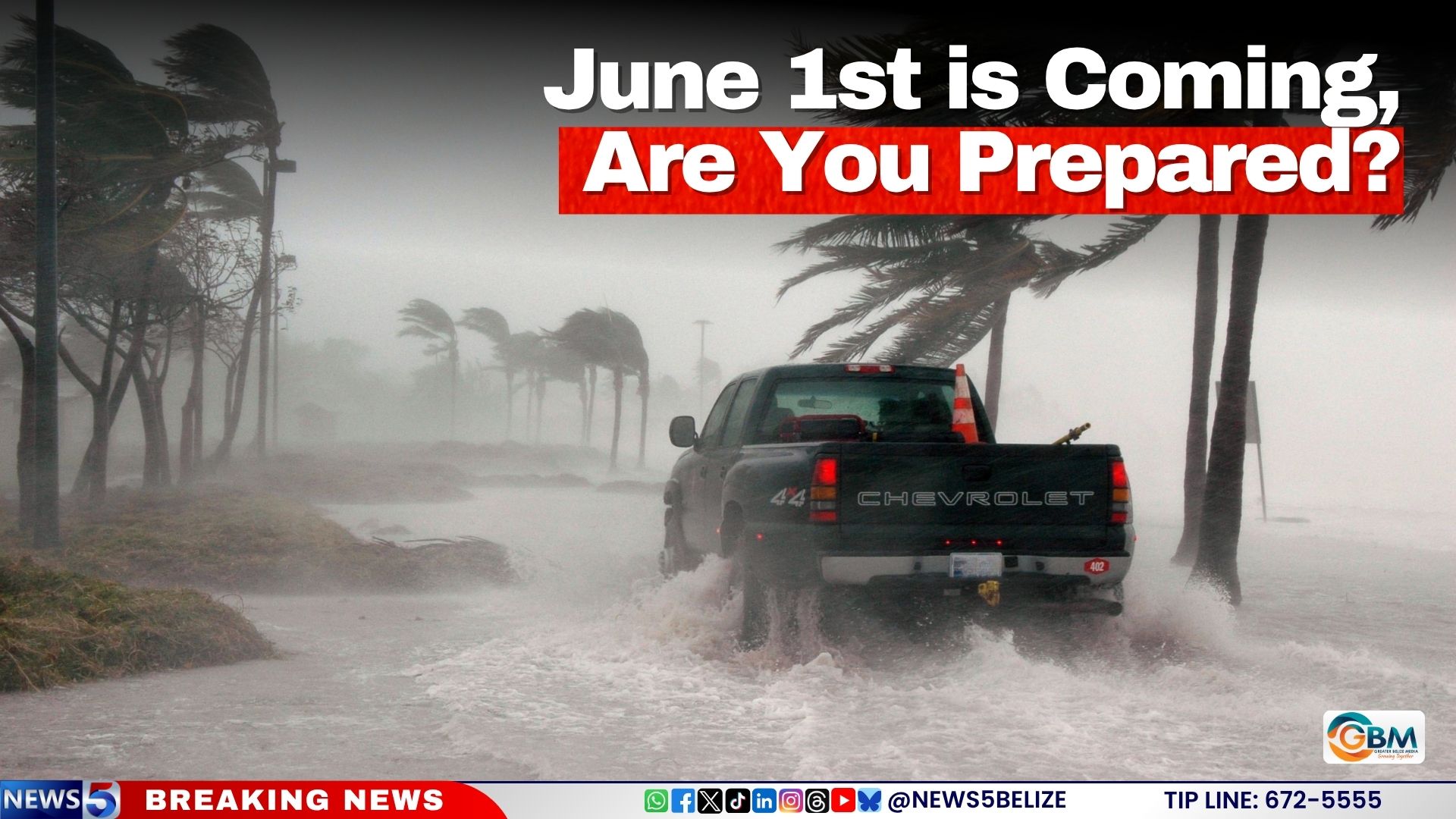
With less than three weeks remaining before the 2026 Atlantic hurricane season officially kicks off on June 1, Belize is accelerating national readiness efforts to ensure the country can withstand and respond to potential storm threats. Government disaster management officials have moved to verify that all critical infrastructure, emergency stockpiles, and response systems are fully operational and positioned to protect communities across the nation.
On Monday, Minister of Disaster Risk Management Henry Charles Usher held a high-stakes coordination meeting with the National Emergency Management Organisation (NEMO) at the organization’s headquarters in Belmopan. During the working session, National Emergency Coordinator Daniel Mendez and NEMO’s team of technical specialists walked Minister Usher through every phase of ongoing preparedness work, from developing granular response strategies to outlining top operational priorities for the coming months.
Three key actionable initiatives emerged from the meeting to strengthen national readiness. First, officials will conduct a full review and update of the official national hurricane shelter roster to ensure all locations are accounted for and accessible. Second, the Shelter Repair Committee will be convened imminently to carry out structural and functional assessments of all officially designated storm shelters. Third, district-level teams will deploy across the country to audit emergency equipment and stockpiles of critical supplies, filling any gaps identified before the season begins.
As national-level preparations accelerate, disaster authorities are issuing a public call to action for all Belizean households: review your family emergency plans now and begin personal preparedness steps without delay. Early personal preparation can drastically reduce risk of injury, property loss, and disruption during a storm event.
Meteorological officials have offered a mixed outlook for the 2026 season: the National Meteorological Service projects this year’s storm activity will likely land slightly below the historical average, driven by the anticipated formation of El Niño, a climate pattern triggered by abnormally warm sea surface temperatures in the eastern and central Pacific Ocean. El Niño typically boosts wind shear across the Caribbean basin, a atmospheric condition that inhibits hurricane development and weakens existing storms.
Even with this favorable projection, forecasters are stressing that complacency is a dangerous risk for the public. One powerful storm making landfall in Belize is enough to cause catastrophic damage to coastal communities, infrastructure, and livelihoods, they warn. Compounding this uncertainty, climate scientists are closely monitoring the possibility that a strong “Super El Niño” could develop this year. Such an event would increase the likelihood of extreme weather events across the globe and push global average temperatures to new record highs.
In addition to hurricane preparedness, Belize is already grappling with a separate ongoing climate-driven coastal crisis: a massive, record-breaking influx of sargassum seaweed along its shorelines. The latest regional data shows the massive sargassum belt stretching across the Atlantic has hit an unprecedented all-time high of 40 million metric tons this season, placing ongoing strain on Belize’s coastal management resources.