标签: Barbados

巴巴多斯

  • Two injured in collision involving electric, hybrid vehicles

    Two injured in collision involving electric, hybrid vehicles

    A low-speed collision between an electric passenger vehicle and a hybrid car left two people with minor injuries on a wet roadway in St. George early Friday, prompting local emergency responders to issue a public warning for drivers navigating changing road conditions amid wet weather.

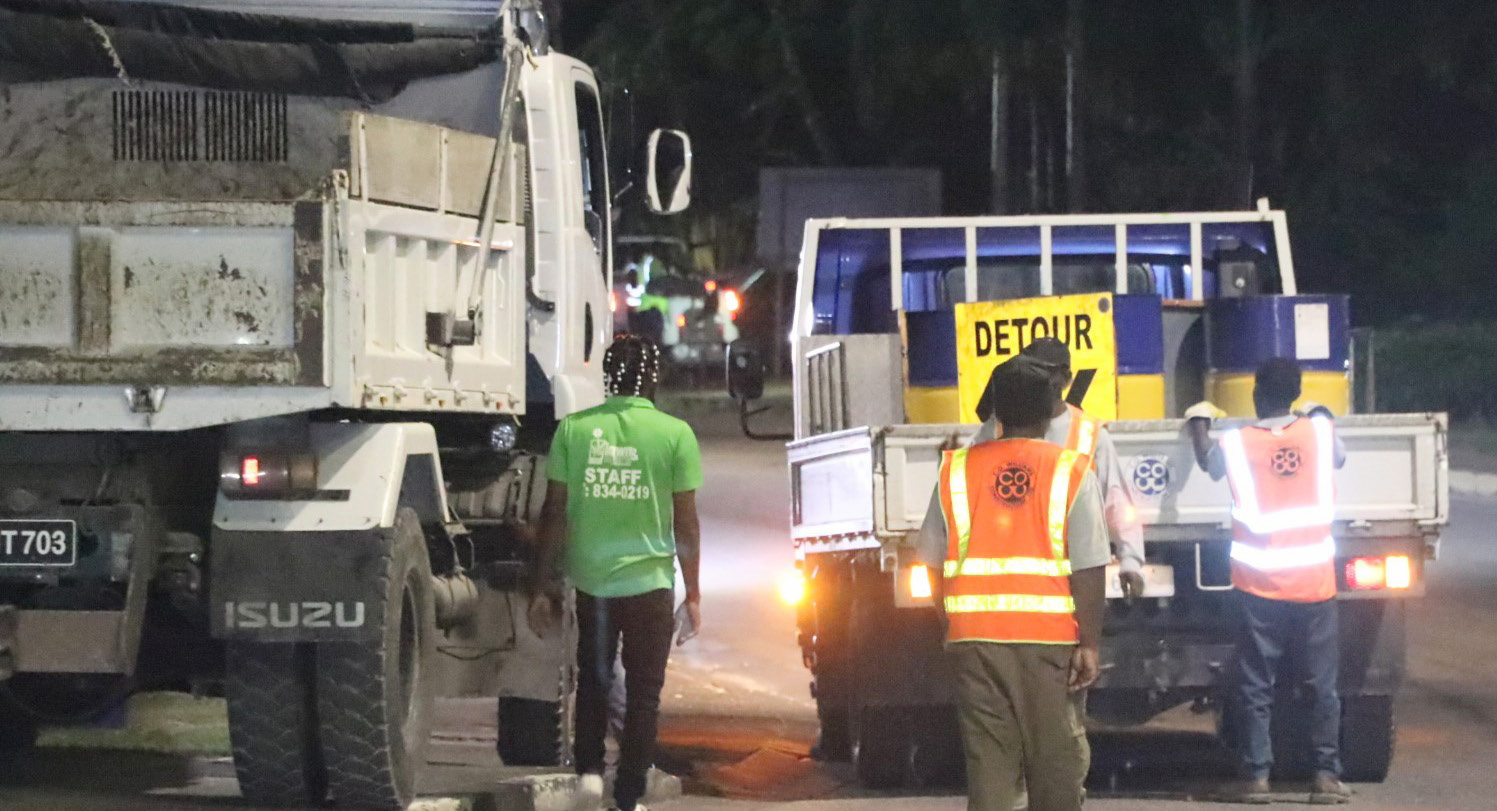
    The crash unfolded close to the intersection of Windsor and Brighton streets just after 8 a.m., according to Station Officer Roger Bourne from the Bridgetown Fire Station, the first emergency unit dispatched to manage the scene. When crews arrived, both vehicles had already sustained damage from the impact on the slick, moisture-covered surface, which had reduced tire traction significantly.

    To eliminate potential safety hazards such as unexpected electrical fires, fire and rescue teams deployed specialized stabilizing gear to secure both damaged vehicles. As an extra precaution, responders disconnected the high-voltage battery pack on board the hybrid vehicle before beginning any further on-site work. Bourne confirmed in a post-incident statement that the crash did not result in any life-threatening or serious harm to the people involved.

    “All injuries are minor, mostly soft tissue bruising caused by seatbelt tension during the sudden impact,” Bourne explained. Two ambulance teams—one operated by the government emergency medical service, and a second from a local urgent care provider—arrived promptly to assess and treat the two vehicle occupants. Both patients were recorded as being in stable condition at the scene, and they opted to seek additional follow-up medical care after being cleared from the crash site.

    Bourne emphasized that wet pavement conditions were the key contributing factor to Friday’s collision, noting that a separate, similar crash had already occurred just a short distance away along the same road corridor earlier that same morning, also tied to slippery surfaces. He issued a sharp reminder to all motorists driving through the region amid current wet weather to adjust their driving habits to match changing road conditions.

    “As I drove to the incident, it was immediately obvious how slick the road surface was. When you transition from a stretch of dry pavement into a wet patch, traction drops off much faster than many drivers expect,” Bourne said. “We all have places to be and often find ourselves in a hurry, but it’s critical to slow down and give yourself extra reaction time. A little extra caution goes a long way to preventing these avoidable crashes.”

  • Farm expert urges healthy foods subsidies to fight obesity crisis

    Farm expert urges healthy foods subsidies to fight obesity crisis

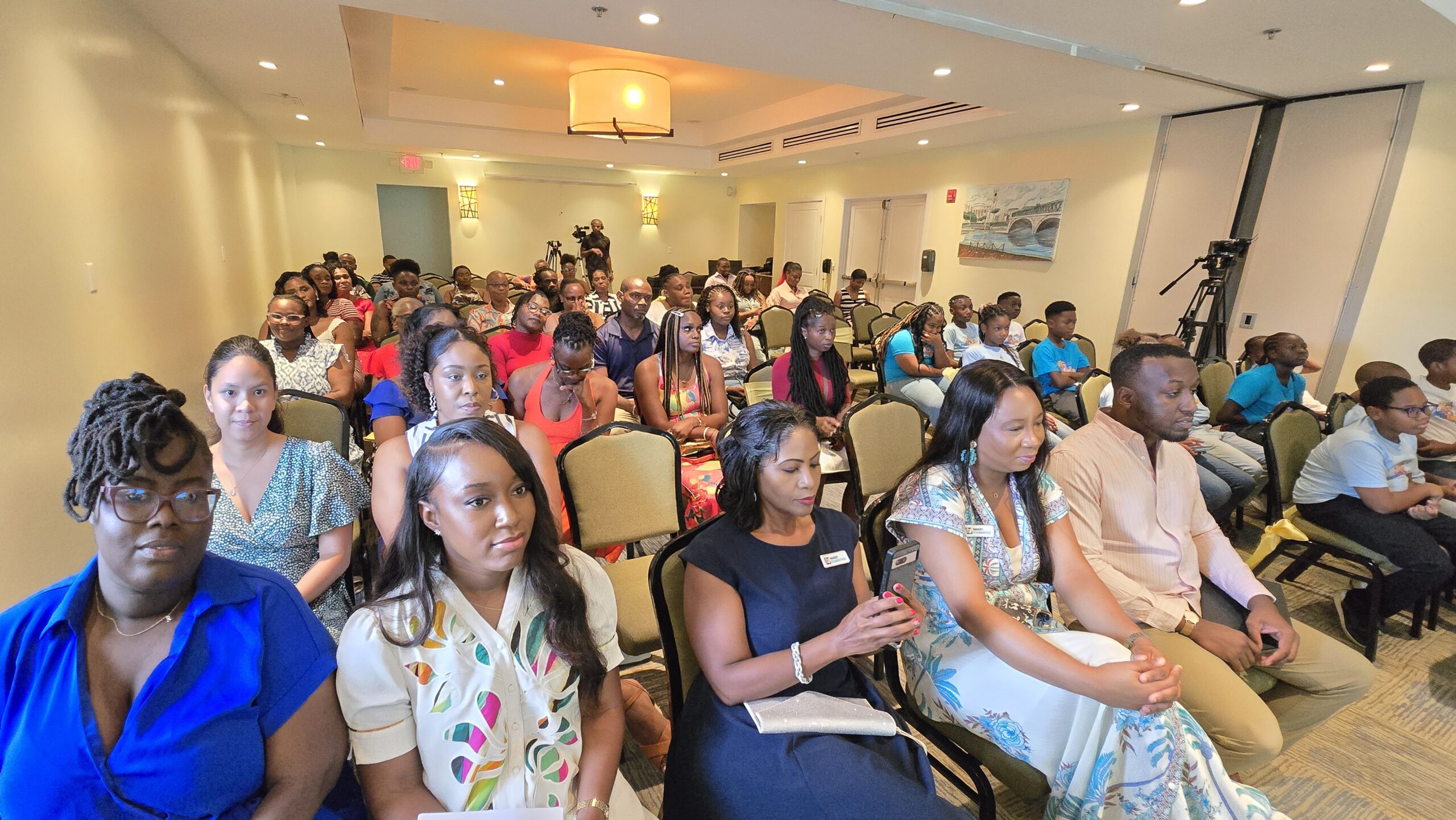
    Barbados is facing a growing public health emergency fueled by rampant overconsumption of sugar and processed fats, and a veteran agricultural specialist is pushing for urgent government intervention to reverse the dangerous trend. Keely Holder, a former chief agricultural officer, experienced farmer and leading agri-systems expert, laid out a comprehensive policy proposal during a Thursday press conference hosted by the Barbados Childhood Obesity Prevention Coalition (BCOPC) at the University of the West Indies Cave Hill Campus, calling for targeted subsidies and tax breaks for at least 30 to 40 nutrient-dense whole food items.

    Holder, who serves as a BCOPC member, presented startling new consumption data that puts Barbados’ dietary habits far outside World Health Organization (WHO) recommendations. Per WHO guidelines, the average daily caloric intake for the island’s population should sit at roughly 2,250 calories. But current data shows Barbadians are exceeding that target by a staggering 70 percent on average, she confirmed.

    The overconsumption crisis is even more pronounced when broken down by food group. Holder explained that the average Barbadian consumes around 583 calories per day from sweets and added sugars — nearly three times the 180 daily calorie limit recommended by the WHO. For oils and fats, the gap is equally dramatic: daily consumption hits 389 calories, more than double the WHO’s 160 calorie guideline. These high-calorie, low-nutrient food groups now make up a disproportionate share of the average Barbadian diet, directly driving rising national rates of obesity and diet-related chronic disease.

    Against this backdrop, Holder argues that making nutrient-dense healthy foods more affordable for all households is the most effective first step to curbing overconsumption of harmful products and addressing Barbados’ worsening obesity crisis. She outlined that the first phase of the coalition’s proposed plan would involve identifying 30 to 40 priority whole, nutritious foods aligned with public health needs, with the goal of helping consumers shift their palates and long-term dietary habits toward options that meet their nutritional requirements. These priority items would primarily be low-carbohydrate options to offset excess sugar intake, and foods rich in Omega-3 fatty acids to counterbalance the high levels of inflammatory Omega-6 fatty acids in the current average diet.

    To incentivize this shift, Holder is calling for these priority healthy items to be added to the country’s existing zero-rated goods basket — a list of products exempt from consumption taxes — with additional direct subsidies to bring down retail prices. She also emphasized the need for coordinated, integrated policy across government portfolios, specifically calling for aligned trade and tariff reform. Under that proposal, healthier foods would face lower or zero tariffs to boost accessibility, while higher tariffs would be placed on unhealthy processed products to raise their price and reduce consumer demand.

    Beyond fiscal and trade policy, Holder highlighted public health education as a core pillar of any effective intervention. Many consumers, she noted, lack critical awareness of misleading industry practices in imported food products, which make up a large share of Barbados’ food supply. A common example is misleading serving size labeling: food manufacturers often list serving sizes based on current average consumption patterns rather than evidence-based healthy portions, leading consumers to unknowingly eat far more calories than they intend. Public education campaigns are needed to help consumers spot these misleading practices and make informed choices about their diets, she argued.

    Holder closed by calling for closer collaboration between government agencies and civil society organizations to tackle the unhealthy overconsumption crisis, noting that coordinated multi-sector action is required to create sustainable, long-term change for public health in Barbados.

  • Fiery ABC Highway crash hurts five; road safety chief urges caution

    Fiery ABC Highway crash hurts five; road safety chief urges caution

    A devastating early-morning collision involving four vehicles on Barbados’ ABC Highway left five people hospitalized on Thursday, after two of the involved cars burst into flames following impact. The crash unfolded at the height of the Thursday rush hour, around 7:30 a.m., along the stretch between the Kingsland junction near Deighton Griffith Secondary School and the Henry Forde Roundabout in Newton.

    Initial accounts of the incident confirm that three of the vehicles were traveling in the direction of Kingsland, while the fourth was moving along the opposite carriageway when the collision occurred. Emergency response teams rushed to the scene immediately after reports of the fire broke out, and all five injured casualties were quickly transported via ambulance to the Queen Elizabeth Hospital to receive urgent medical care. Local law enforcement has launched a full investigation into the crash, with no definitive findings on contributing factors released to the public as of yet.

    In the wake of the incident, the president of Barbados’ Road Safety Association, Roland Lowe, spoke exclusively to Barbados TODAY to renew urgent calls for heightened driver vigilance across the island, pointing to a troubling upward trend in road accidents in recent months. Lowe, who has personally observed the increasing frequency of both minor and serious collisions during his own travels, emphasized that the growing rate of incidents is a major cause for public concern.

    Lowe highlighted driver inattention as one of the most persistent, preventable causes of collisions across the country, singling out mobile phone distraction as a particularly common dangerous habit. “It only takes a split second of looking away from the road to cause a catastrophic crash,” he noted, urging all road users to remain fully focused on their surroundings behind the wheel.

    He also called out the rising trend of reckless risky overtaking, especially among less experienced drivers, warning that attempting to overtake multiple vehicles in unsafe conditions endangers not just the reckless driver, but every other person sharing the road. “There is no reason to take these unnecessary, dangerous risks,” Lowe stressed. Given Barbados’ small geographic size, he added, cutting corners behind the wheel to save a few minutes makes no sense: “If you have an appointment to keep, the simplest solution is to plan ahead and leave your home a few minutes early, rather than risking lives to make up time.”

    Lowe also flagged a relatively new potential hazard on Barbados roads: the growing fleet of electric vehicles. Having tested multiple electric models himself, Lowe noted that the sharp, instant acceleration of EVs catches many drivers new to the technology off guard, as the relationship between accelerator input and vehicle response differs significantly from traditional gasoline-powered cars. “Drivers who are not familiar with how EVs handle need to take extra time to adjust and exercise extra caution on the road,” he said. It remains unclear whether any electric vehicles were involved in Thursday’s ABC Highway crash.

    Closing his statement, Lowe reiterated his call for consistent patience, attentiveness, and responsibility from all drivers, framing these simple habits as the most effective tools to cut collision rates and make Barbados roads safer for everyone.

  • Banks urged to remove disability barriers under new law

    Banks urged to remove disability barriers under new law

    A landmark shift in how the Barbadian financial sector approaches disability inclusion is gaining momentum, as human rights and disability advocates warn that the era of treating accessibility as optional charity has formally ended, replaced by binding legal obligations under a landmark national law.

    At an accessibility training session hosted for banking and credit union leaders at CIBC’s Warrens location, Human Rights Commissioner Kerryann Ifill and prominent disability advocate and attorney Andwele Boyce jointly called on the industry to reframe its approach to serving disabled customers from a framework of goodwill to one of legal and human rights accountability. Their push comes months after the Rights of Persons with Disabilities Act, the nation’s first comprehensive legislation codifying accessibility protections for disabled people, entered into force in January 2025.

    Ifill, who was appointed Barbados’ first human rights commissioner in December 2024, challenged long-standing harmful misconceptions about disability. Citing global data showing 15% of the world’s population lives with some form of impairment, she argued that disability is not inherently rooted in an individual’s physical or sensory condition — instead, it is created by systemic societal failure to remove barriers that exclude disabled people from full participation.

    “Disability is not the impairment,” Ifill stated. “The disability is the barriers that society has put in place that prevent people from enjoying full participation in everyday life. Disability does not have to create dependency. It does not mean that we cannot determine our own path.”

    Drawing from her own lived experience, Ifill shared how adaptive technology allowed her to resolve a transportation crisis independently when her regular service failed unexpectedly. But she also opened up about ongoing systemic frustrations within the banking sector, noting that everyday transactions often become dehumanizing, independence-denying experiences for disabled customers.

    “Sometimes, I gotta tell you, the most upsetting parts of my life have to do with the bank,” she said. “You’re asking your clients to give up their right to independence… What you need to see is opportunities to create a pathway to independence.”

    Ifill also pointed to inclusive financial innovations such as the digital platform First Pay as proof that accessible design is not just a legal requirement — it is also smart economic policy. “Inclusion is just smart economics,” she explained. “If I can easily access my money, I can easily transact business, it drives growth. I don’t need, when I travel next week, to leave my debit cards at home… nobody needs to help me out.”

    Boyce, who serves as a national disability advocate, laid out the clear technical requirements and enforceable penalties of the new law, which codifies the United Nations Convention on the Rights of Persons with Disabilities — ratified by Barbados back in 2013 — into domestic legislation. Under Section 75 of the new act, all financial services and facilities must be made fully accessible to disabled customers. Existing buildings have a three-year window to complete retrofits to meet accessibility standards, while mandatory immediate requirements include accessible ATMs, inclusive digital banking services, and a ban on denying credit or lending based on disability.

    The law establishes formal accountability measures, including a specialized complaints tribunal led by a High Court judge and heavy fines for non-compliance: institutions that fail to meet their obligations face fines of up to BBD $100,000 per violation. Boyce added that the recently activated Social Empowerment Agency (SEA) also has authority to investigate discrimination claims brought by disabled customers against financial service providers.

    During the training, advocates outlined common accessibility gaps that persist across Barbadian financial institutions, ranging from physically inaccessible features like high service counters that exclude wheelchair users to exclusionary digital tools such as CAPTCHA tests that block access for visually impaired customers. Boyce also highlighted the need for reasonable accommodations, such as waiving rigid identical signature requirements for customers with motor impairments and adjusting ATM session timeouts to accommodate the needs of elderly and disabled users.

    Most critically, both advocates emphasized that outdated, harmful attitudes remain the single largest barrier to full inclusion. Boyce, a disabled person himself, shared his own experience of service providers speaking to his companions rather than directly to him, a common infantilizing practice that undermines autonomy. “Speak directly to a person with a disability,” he advised industry professionals. “I will tell you that even as a thirty-something-year-old who has lived life and gone to school… there are lots of times in which service providers still speak to the people with me as opposed to me.”

    Closing the training, Boyce urged financial institutions to reframe accessibility: rather than viewing it as an unnecessary financial burden, he said, it should be recognized as a fundamental human right that strengthens inclusion and drives broad-based growth for the entire Barbadian economy.

  • Aquatic Centre reopens following completion of maintenance work

    Aquatic Centre reopens following completion of maintenance work

    After a month-long shutdown to address a critical faulty filtration system, the Wildey Aquatic Centre has officially resumed operations, bringing relief to local and national swimming teams that were forced to rearrange their training schedules ahead of key upcoming competitions.

    The facility was first ordered closed by Barbados’ Ministry of Health on March 12, forcing the country’s CARIFTA Aquatic Championships national squad to relocate all training sessions to the pool at Ursuline Convent. Following extensive remedial work carried out largely through community and private support, the Aquatic Centre welcomed swimmers back through its doors on Monday.

    In an interview with Barbados TODAY, Glyne Harrison, president of the Barbados Amateur Swimming Association (BASA), outlined the new operational changes introduced to extend the facility’s lifespan and prevent future system failures. Under the updated protocols, the pool will close daily from 2 p.m. to 3:15 p.m. for scheduled maintenance. This 75-minute window falls just before the daily peak period when dozens of club swimmers arrive for training, allowing staff to conduct system checks, adjust chemical levels — including chlorine — and let treatments fully dissipate before the facility fills with users.

    Harrison emphasized that BASA is prioritizing proactive maintenance over reactive problem-solving to avoid future unexpected shutdowns. “Our job at the association level is to face issues when they’re highlighted, and we prefer that to be proactively rather than reactively. We also make sure we operate in a way that prevents them from coming back,” he said.

    In addition to the scheduled daily maintenance break, the facility has also been updated with new clear signage reminding all visitors of basic hygiene protocols, including mandatory showering before entering the pool. Harrison explained that natural body oils, topical creams and hair products introduced by swimmers add extra strain on filtration systems, so reinforcing these simple rules helps reduce long-term wear on the equipment.

    Most of the renovation and repair work was completed pro bono, a gesture Harrison said would not have been possible without the support of the local aquatic community. A majority of the work was funded through a trust established to honor the legacy of Angus Edghill, with additional pro bono support from local service providers who stepped up to assist the non-government facility. Harrison noted that operating the Aquatic Centre is a “mammoth task” — unlike many public sports facilities, it receives no direct government funding, and all upkeep costs are covered by membership fees.

    The reopening has been widely celebrated across Barbados’ swimming community, including by David Farmer, the veteran head coach of the recently returned record-breaking CARIFTA Games squad. Farmer said the entire swimming community is thrilled to have the facility back online, with the Sonia O’Neill International Invitational competition just five weeks away, scheduled for the third weekend of May.

    “Everybody is very excited about the fact that the pool has reopened and we are expecting strong attendances. Everybody has started training with that in mind so the pool is quite busy at this point in time,” Farmer said. He added that attendance has dipped slightly this week due to the upcoming school break, but expects numbers to return to normal once classes resume next week, bringing the facility back to its regular operational rhythm.

  • UWI Cave Hill mourns slain law student

    UWI Cave Hill mourns slain law student

    The tight-knit academic community at the University of the West Indies (UWI) Cave Hill campus is grappling with devastating grief following the tragic killing of 26-year-old Daquan Roberts, a standout final-year law student on track to graduate with honors. Roberts lost his life in a drive-by shooting Tuesday night on Spruce Street in Bridgetown, The City, just weeks before the campus community was set to begin final examinations. The senseless violence has sent profound shockwaves through the institution, leaving students, faculty, and staff reeling from an unexpected and devastating loss.

    In an official statement released Thursday, university leadership confirmed that the entire campus is “deeply shocked and saddened by this tragic and senseless death.” In response to the tragedy, the institution has organized a campus vigil and public anti-gun violence walk to honor Roberts’ life and push back against the gun violence that cut his future short. Roberts enrolled in the UWI Cave Hill Faculty of Law for the 2023/2024 academic year, and quickly earned a reputation as a deeply committed, high-achieving student whose promise was evident to all who taught and worked alongside him. That bright, unfulfilled potential has made the loss even more devastating for every member of the law faculty community.

    Cave Hill Principal Professor Clive Landis acknowledged that grief has spread across all sectors of the campus, with the timing of the killing amplifying the emotional strain on students already gearing up for high-stakes final exams. “At this difficult time, our thoughts are with the family of Daquan Roberts, his friends, classmates, and all who knew him, and who are understandably affected by this loss,” Landis said. To support impacted students, the university has activated flexible provisions in its examination regulations, allowing any student unable to sit their scheduled exams to postpone them. This accommodation comes as the campus navigates a period of collective mourning unfolding mid-examination season, with the heaviest sorrow concentrated within the Faculty of Law.

    Interim Dean of the Faculty of Law Dr Antonius Hippolyte described a somber mood across the department, noting that Roberts was universally well-liked by peers and had left an enduring positive impression on all his lecturers. “Daquan, who was a bright and promising student, will be greatly missed. I wish to extend condolences to his friends and family as they navigate this difficult period,” Hippolyte said.

    Lecturer Carla Ali offered a more personal portrait of Roberts, capturing the full range of his character beyond his strong academic transcript. “Humble in spirit and generous in nature, Daquan was always ready to lend a helping hand to those around him. He became an integral part of the Faculty’s community and a familiar presence within the Law Library,” Ali said. She highlighted that Roberts’ consistent strong grades over his academic career reflected his natural discipline and sharp intellectual ability, but emphasized that he will be remembered far more for his warmth and kindness. “his warm smile, kind heart, and engaging personality,” she said, adding “his life, though far too brief, leaves behind a legacy of diligence, humility, and compassion that will not be forgotten.”

    Ajay Gordon, president of the UWI Cave Hill Guild of Students and a three-year classmate of Roberts, shared that the pair had planned to continue their legal studies together at the Hugh Wooding Law School in Trinidad and Tobago starting the next academic year. Gordon saw Roberts on campus just hours before the shooting, and noted that this marks the second time he has lost a classmate to violent death in recent years. “I remember fondly how easily he broke down difficult concepts of law to me and how passionate he was in lectures and tutorials. He always sat at the front and was intrigued by jurisprudence,” Gordon recalled. “I always remember that he would never pass by without giving me a fist bump. He was a very spiritual person.”

    Beyond academics, Roberts was deeply engaged in campus and community initiatives: he served as an ambassador and executive committee member for the UWISTAT Vice Chancellor’s Ambassador Corps, where he demonstrated consistent commitment to regional integration, volunteer service, and climate action, Gordon added.

    UWI officials confirmed that free professional counselling support has been made available to all students and staff as the community processes this devastating loss. The memorial vigil and anti-gun violence walk are scheduled for April 25 at the campus Peace Pole, a landmark installed in 2022 through an initiative by the Rotary Club of Barbados South that bears the message: “May Peace Prevail on Earth”.

    As of Thursday, law enforcement officials have not made any arrests in connection with Roberts’ killing, and detectives continue active investigations into the attack.

  • DEM: Be prepared for more than natural disasters

    DEM: Be prepared for more than natural disasters

    As the Caribbean island nation of Barbados prepares to enter the 2026 Atlantic hurricane season running from June to November, emergency management officials are calling on the country’s critical tourism and hospitality industry to expand its disaster planning beyond traditional hurricane and flood response to address a broader spectrum of evolving hazards.

    The call to action was delivered by Simon Alleyne, a programme officer with Barbados’ Department of Emergency Management (DEM), during the official launch of the Barbados Hotel and Tourism Association (BHTA)’s 2026 Emergency Management Workshop, hosted at The Crane Resort in the parish of St. Philip. Alleyne emphasized that while most hospitality preparedness efforts have long centered on natural hazards, the modern risk landscape demands preparation for man-made threats as well.

    “In our current social context, emergencies are not limited to the damage caused by natural disasters,” Alleyne told reporters on site. “We could face a scenario where armed intruders attempt to gain access to a hotel property. That means alongside regular evacuation drills, the industry must also develop and practice robust lockdown protocols. Hoteliers need to have clear, actionable plans to secure their properties, protect guests, and keep staff safe if an armed assailant seeks to cause harm.”

    Barbados sits in a geologically active region that exposes the island and its key tourism sector to a wide range of overlapping hazards that can strike at any time, even during the traditional hurricane window, Alleyne stressed. Beyond hurricanes and flooding, the island faces potential threats including volcanic eruptions, tsunamis, and earthquakes. Given that tourism is one of the backbone sectors of Barbados’ national economy, a robust, all-hazards preparedness framework is non-negotiable, he added.

    Alleyne went on to outline that effective preparedness relies on three core pillars: proactive planning, regular hands-on training, and cross-sector collaboration. The goal of his workshop presentation, he explained, was to reorient hoteliers to the value of documented, tested emergency plans, regular small-scale drills and evacuation exercises at individual properties, and leveraging BHTA’s existing public information networks to share best practices across the industry. “Hotels have so much to learn from one another when it comes to refining their emergency planning approaches,” he noted.

    The DEM official also highlighted major technological advancements that have boosted the island’s hazard forecasting and emergency response capabilities, spearheaded by the Barbados Meteorological Services (BMS). BMS has upgraded its monitoring infrastructure, including radar systems, that allow for faster data collection and more timely responses to everything from hurricane alerts to earthquake and tsunami warnings. Alleyne specifically called out the growing use of drone technology for post-disaster damage assessment, noting that aerial imagery and mapping allow response teams to quickly survey areas impacted by storm surge, flooding, or hurricane damage to prioritize relief efforts.

    He also drew attention to BMS’ expanded national multi-hazard early warning system, which is designed to ensure hazard alerts reach all segments of the Barbadian population. Warnings are now distributed via multiple channels: mobile phone notifications, radio broadcasts, and television alerts. For hearing-impaired residents and visitors, television alerts include on-screen text and sign language interpretation, a step that aligns with broader efforts to center accessibility in all emergency planning.

    Alleyne commended local hotels for already integrating accessibility considerations into their emergency protocols, but noted small, actionable adjustments can further improve outcomes for disabled guests. Simple measures such as offering accessible ground-floor accommodation to guests with mobility impairments can make a major difference during evacuations, he explained, since elevators often go out of service during emergencies, requiring disabled guests to be assisted down staircases. He added that accommodation providers and on-site caregivers must coordinate closely to ensure no person with a disability is left behind during an emergency evacuation or response.

    Beyond the tourism industry, Alleyne issued a call to action for all Barbadian households to take proactive steps to prepare for the coming hurricane season and potential hazards. He urged communities to prioritize pre-season cleanup work, including clearing clogged drains and gutters, removing overgrown vegetation from public rights of way, and assembling emergency supplies that go beyond the usual stock of canned goods. Households should keep essential tools such as hammers and nails on hand, alongside adequate bottled water, portable battery packs for electronic devices, and cash – a critical resource if power outages disable digital payment systems.

    Alleyne also encouraged families to assemble personalized emergency “grab bags” for every member of the household, accounting for the specific needs of children, elderly relatives, and even household pets. Finally, he reminded property owners that having up-to-date home and property insurance is a core component of long-term disaster resilience, helping families and businesses recover more quickly after a major hazard event.

  • Season of Emancipation launches as $4 tn reparations estimate revealed

    Season of Emancipation launches as $4 tn reparations estimate revealed

    Barbados has kicked off its 2026 Season of Emancipation with renewed momentum, centered on newly released economic research that quantifies the cumulative damage of transatlantic chattel slavery on the island at up to 4 trillion Barbadian dollars, or 2 trillion U.S. dollars. For organizers and government officials, this landmark figure brings long-overdue visibility to the intergenerational harm that continues to shape Barbados’s social and economic trajectory today.

    The launch event was held at Golden Grove Plantation in St. Philip, a site of profound historical significance: it was one of the core battlegrounds of the 1816 Bussa Rebellion, a pivotal uprising led by an enslaved African-born man named Bussa that marked a turning point in the fight for abolition in the Caribbean. Unlike most Caribbean nations that mark Emancipation with a single day of celebration on August 1, Barbados’s Season of Emancipation stretches across four months, starting on the anniversary of the 1816 rebellion on April 14 and running through late August. Program advisor Rodney Grant, from the island’s Office of Pan-African Affairs and Heritage, noted that this extended calendar makes Barbados unique across the region, framing the season as a sustained “long journey” of public education and cultural reclamation that centers African diaspora identities long suppressed by colonial rule.

    The centerpiece of this year’s opening ceremony was the official presentation of research commissioned to quantify the economic legacy of slavery, led by American economist Dr. Coleman Bazelon. Dr. Bazelon emphasized that the 3 to 4 trillion Barbadian dollar figure is not a formal financial invoice demanding immediate payment from former colonial powers, but rather a evidence-based starting point for honest national and global dialogue about reparations and reconciliation. “This research is an accounting of the harm that was done,” Dr. Bazelon explained. “A recognition of that harm is the necessary first step toward meaningful reconciliation.” His analysis estimates that more than 792,000 people were enslaved in Barbados over the course of the slave trade, resulting in roughly 25 million years of stolen labor and stolen life that created intergenerational wealth for colonial powers while leaving Barbados with persistent structural inequities. “Enslaving a few hundred people on one plantation is a crime, but enslaving hundreds of thousands over centuries is a crime against humanity,” Dr. Bazelon noted, adding that the large final figure simply reflects the staggering scale of harm inflicted.

    This local research aligns with broader regional efforts to quantify reparations claims. A 2023 report commissioned by the American Society of International Law and the University of the West Indies estimated that total reparations for stolen labor and lost life across all Caribbean and American slaveholding territories would amount to 110 trillion U.S. dollars as of 2020, equal to roughly 2.8 million U.S. dollars per enslaved person. Dr. Bazelon’s study, carried out in partnership with the U.S.-based economic consultancy Brattle Group, is designed to build a formal legal and economic framework to support Barbados’s reparations advocacy.
    Trevor Prescod, Barbados’s Minister for Pan-African Affairs and Heritage, used the launch to call for radical transparency about the island’s colonial past and its ongoing impacts. “You can’t erase history,” Prescod said, outlining his mandate to deliver Afrocentric redress for the systemic inequities created during slavery. He acknowledged that conversations around reparations often spark heated debate across the island, but urged residents and global stakeholders alike to engage with the uncomfortable truths of the past. “We must have these hard conversations that we sometimes are very uncomfortable about,” he said. “The Pan-Africanist movement has always been in the forefront of the struggle for the various steps of the mind.”

    Prescod also highlighted upcoming cultural and historic preservation projects tied to the 2026 season, including the exploration and formal recognition of a cave at Bayley’s Plantation—another key 1816 rebellion site where Bussa served as an enslaved ranger—believed to have sheltered enslaved rebels during the uprising. The full 2026 Season of Emancipation calendar includes a full slate of events spanning four months: April 28 marks National Heroes Day; May 25 is Africa Day, with focused African heritage education programs in primary and secondary schools; the entire month of June is designated Heritage Month, with the unveiling of a bust of Cuffee (a symbolic anti-colonial figure) on June 12, after the artefact spent a year submerged off the coast of Speightstown. July and August will integrate events with the popular annual Crop Over Festival, with July 26 designated a Day of National Significance, August 1 marking official Emancipation Day, August 17 hosting a homage to civil rights leader Marcus Garvey focused on Black economic empowerment, August 23 marked as the National Day for the Remembrance of the Slave Trade, and August 27 reserved to celebrate the legacy of Barbadian activist Jackie Opel. Organizers have invited all Barbadians to participate in the season through both in-person community events and digital outreach platforms.

  • Experts ‘deeply worried’ as four in ten children now overweight or obese

    Experts ‘deeply worried’ as four in ten children now overweight or obese

    Barbados is grappling with a fast-growing public health emergency that experts warn demands immediate, coordinated action across every sector of society: more than 40 percent of the nation’s children now qualify as overweight or living with obesity, according to newly released research from local public health advocates.

    New analysis of World Health Organization (WHO) global observatory data reveals a stark 9 percentage point jump in childhood overweight and obesity rates over a decade, climbing from 33 percent of 5 to 19-year-olds in 2012 to 42 percent in 2022. Dr. Madhuvanti Murphy, a senior lecturer at the George Alleyne Chronic Disease Research Centre, unveiled these worrying statistics during a press conference hosted Thursday by the Barbados Childhood Obesity Prevention Coalition (BCOPC) at the 3Ws Oval on the University of the West Indies Cave Hill campus.

    Murphy emphasized that the upward trajectory shows no signs of slowing, a trend that has persisted consistently since the 1990s. This long-term, systemic increase makes clear the crisis is not rooted in individual choices or personal failure, she explained, but in deep-seated structural gaps that require coordinated systemic intervention. Critically, Barbados’ current rate of childhood overweight and obesity is more than double the 2022 global average of 20 percent, placing the small island nation far above international norms.

    “Two in five of our children are carrying excess weight, and that number is more than double what we see across the rest of the world,” Murphy noted. To reverse this trend, she argued, a whole-of-society response is non-negotiable, one that targets the root systemic drivers of unhealthy weight gain in children. Key contributing factors include unregulated commercial influences on unhealthy food access, inconsistent access to affordable nutritious options for family households, and unregulated food environments in school settings, all of which create conditions that make unhealthy choices the default for young people.

    Murphy pointed to ongoing collaborative work between the BCOPC and the Heart and Stroke Foundation of Barbados that has identified critical leverage points for intervention, with school environments at the top of the list. “This is not a failure of individuals, it is a failure of the systems that surround children. To change outcomes, we have to change the environment to make the healthy choice the easy choice,” she said.

    For current school nutrition guidelines to deliver meaningful impact, however, Murphy stressed they must be made mandatory rather than advisory. Global evidence from similar public health initiatives confirms that voluntary recommendations deliver far weaker results than policies that are enforced, audited, and held accountable by law. This mandatory legal enshrinement is the core demand of the coalition’s advocacy.

    Nicole Foster, chair of the BCOPC and head of the UWI Cave Hill Law and Health Research Unit, echoed Murphy’s concern, acknowledging that the government has made incremental progress in prioritizing lifestyle disease and nutritional health over recent years, but warning that the rising childhood obesity trend remains deeply alarming.

    “Too many of our children develop unhealthy weight at very young ages, which puts them on track for dramatically higher risks of diabetes, hypertension, and other life-altering non-communicable diseases later in life,” Foster explained. “The numbers are moving in the wrong direction, and we cannot afford to delay action.”

    While the coalition emphasizes that no single policy can solve the crisis on its own, it identifies mandatory, enforceable school nutrition policy as a foundational pillar of any effective national response. Drawing on global case studies, the BCOPC notes that school nutrition policies only deliver on their promised public health benefits when they are sustained, fully operational, and backed by legal enforcement.

    To meet this standard, the coalition is calling for new regulatory frameworks under the nation’s Education Act that will formalize implementation and enforcement mechanisms for the policy. “Legislation will guarantee consistent implementation, hold stakeholders accountable, protect children from unhealthy food environments in schools, and create a fair, level playing field for all food and beverage suppliers operating in school settings,” Foster explained.

    The coalition also addressed the government’s recently launched school breakfast programme, noting that a well-designed, properly executed breakfast initiative can complement existing nutrition policy. However, it stressed that the programme must be fully aligned with the national school nutrition standards and must be structured to avoid conflicts of interest that could allow promotion of unhealthy products.

    Additionally, successful rollout of the breakfast programme depends on significant upgrades to Barbados’ existing school meals service infrastructure, with targeted retrofitting needed at many under-resourced facilities. Foster confirmed that the coalition recently met with the Minister of Educational Transformation to discuss these requirements, and has received positive assurances from the minister that infrastructure investment will be a core component of the programme’s rollout going forward. The coalition says it remains encouraged by this commitment and will continue pushing for urgent systemic change to address the growing childhood obesity crisis.

  • Gov’t secures $160m IDB deal to tackle water infrastructure

    Gov’t secures $160m IDB deal to tackle water infrastructure

    As one of the world’s 15 most water-scarce nations, Barbados is moving forward with a transformative, multi-year upgrade of its crumbling national water network, backed by an $80 million investment from the Inter-American Development Bank (IDB). The funding agreement was formally signed Thursday, during Prime Minister Mia Mottley’s attendance at the International Monetary Fund and World Bank’s annual spring meetings in Washington D.C.

    This initial $80 million investment marks the first phase of a broader $200 million financing package the IDB approved in December 2025, designed to boost the resilience of Barbados’ potable water systems. An additional $4 million in grant funding is also earmarked for climate-focused components of the initiative, addressing growing climate-related pressures on the island’s water supplies.

    For decades, Barbados has grappled with persistent failures across its water infrastructure: ageing pipelines, rampant unaccounted-for water loss, and inconsistent service that has disrupted daily life for households and hindered operations for local businesses. Prime Minister Mottley emphasized the urgent need for this investment during the signing ceremony, noting that between 40% and 50% of all treated water pumped across the island is lost before it reaches end users, due to leaky, outdated infrastructure.

    “Water is at the centre of Barbados’ future economic development,” Mottley said, reframing the funding not as a loan, but as a critical investment in the country’s long-term resilience.

    The five-year program centers on a sweeping upgrade of Barbados’ water distribution network. Of the initial $80 million allocation, $55 million is dedicated to replacing roughly 100 kilometers of ageing, deteriorating water mains. Government data reveals that less than 5% of the island’s existing mains have been replaced to date, leaving the vast majority of the network prone to breakdowns and massive efficiency losses. An additional $20 million will target non-revenue water — the portion of water lost before reaching consumers — through modern leak detection technology, upgraded bulk metering, real-time system monitoring, and network sectorization, all designed to channel more treated water to households and businesses.

    Beyond physical infrastructure upgrades, the initiative also invests in strengthening the institutional and operational capacity of the Barbados Water Authority. A $2.5 million allocation supports institutional strengthening, including workforce training, updated planning tools, and enhanced monitoring systems aligned with the country’s long-term water management goals, specifically the national Water Resources Management Plan and Water and Sanitation Master Plan. Another $2.5 million is set aside for program execution, covering staffing, independent audits, ongoing monitoring and evaluation, and adherence to environmental and social safeguards.

    IDB projections estimate that once the first phase is complete, the program will improve water service reliability and continuity for more than 150,000 residents, and support over 2,000 local businesses — including key players in the island’s critical tourism sector. On a national level, all Barbadians will benefit from improved long-term water management systems and enhanced preparedness for ongoing climate-related water challenges.

    Mottley praised the IDB as a consistent, trusted partner to her administration, noting that the collaboration extends far beyond financing. “Since coming to government, the IDB has walked every step of this journey with us,” she said. “It is not just the financing. The technical assistance matters too, particularly at a time when the country must confront a very real skills deficit while still pushing ahead with urgency and purpose.”

    The Mia Mottley administration has framed the project as a fundamental shift in Barbados’ approach to water infrastructure. Moving beyond decades of piecemeal, reactive fixes, the program targets the root causes of the island’s water crisis to build a more sustainable, resilient system for future generations.