Barbados is grappling with a fast-growing public health emergency that experts warn demands immediate, coordinated action across every sector of society: more than 40 percent of the nation’s children now qualify as overweight or living with obesity, according to newly released research from local public health advocates.
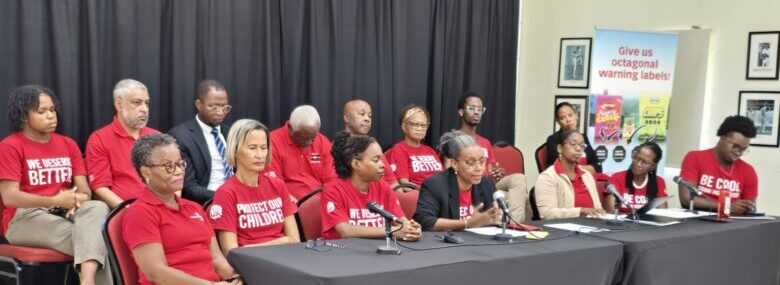
New analysis of World Health Organization (WHO) global observatory data reveals a stark 9 percentage point jump in childhood overweight and obesity rates over a decade, climbing from 33 percent of 5 to 19-year-olds in 2012 to 42 percent in 2022. Dr. Madhuvanti Murphy, a senior lecturer at the George Alleyne Chronic Disease Research Centre, unveiled these worrying statistics during a press conference hosted Thursday by the Barbados Childhood Obesity Prevention Coalition (BCOPC) at the 3Ws Oval on the University of the West Indies Cave Hill campus.
Murphy emphasized that the upward trajectory shows no signs of slowing, a trend that has persisted consistently since the 1990s. This long-term, systemic increase makes clear the crisis is not rooted in individual choices or personal failure, she explained, but in deep-seated structural gaps that require coordinated systemic intervention. Critically, Barbados’ current rate of childhood overweight and obesity is more than double the 2022 global average of 20 percent, placing the small island nation far above international norms.
“Two in five of our children are carrying excess weight, and that number is more than double what we see across the rest of the world,” Murphy noted. To reverse this trend, she argued, a whole-of-society response is non-negotiable, one that targets the root systemic drivers of unhealthy weight gain in children. Key contributing factors include unregulated commercial influences on unhealthy food access, inconsistent access to affordable nutritious options for family households, and unregulated food environments in school settings, all of which create conditions that make unhealthy choices the default for young people.
Murphy pointed to ongoing collaborative work between the BCOPC and the Heart and Stroke Foundation of Barbados that has identified critical leverage points for intervention, with school environments at the top of the list. “This is not a failure of individuals, it is a failure of the systems that surround children. To change outcomes, we have to change the environment to make the healthy choice the easy choice,” she said.
For current school nutrition guidelines to deliver meaningful impact, however, Murphy stressed they must be made mandatory rather than advisory. Global evidence from similar public health initiatives confirms that voluntary recommendations deliver far weaker results than policies that are enforced, audited, and held accountable by law. This mandatory legal enshrinement is the core demand of the coalition’s advocacy.
Nicole Foster, chair of the BCOPC and head of the UWI Cave Hill Law and Health Research Unit, echoed Murphy’s concern, acknowledging that the government has made incremental progress in prioritizing lifestyle disease and nutritional health over recent years, but warning that the rising childhood obesity trend remains deeply alarming.
“Too many of our children develop unhealthy weight at very young ages, which puts them on track for dramatically higher risks of diabetes, hypertension, and other life-altering non-communicable diseases later in life,” Foster explained. “The numbers are moving in the wrong direction, and we cannot afford to delay action.”
While the coalition emphasizes that no single policy can solve the crisis on its own, it identifies mandatory, enforceable school nutrition policy as a foundational pillar of any effective national response. Drawing on global case studies, the BCOPC notes that school nutrition policies only deliver on their promised public health benefits when they are sustained, fully operational, and backed by legal enforcement.
To meet this standard, the coalition is calling for new regulatory frameworks under the nation’s Education Act that will formalize implementation and enforcement mechanisms for the policy. “Legislation will guarantee consistent implementation, hold stakeholders accountable, protect children from unhealthy food environments in schools, and create a fair, level playing field for all food and beverage suppliers operating in school settings,” Foster explained.
The coalition also addressed the government’s recently launched school breakfast programme, noting that a well-designed, properly executed breakfast initiative can complement existing nutrition policy. However, it stressed that the programme must be fully aligned with the national school nutrition standards and must be structured to avoid conflicts of interest that could allow promotion of unhealthy products.
Additionally, successful rollout of the breakfast programme depends on significant upgrades to Barbados’ existing school meals service infrastructure, with targeted retrofitting needed at many under-resourced facilities. Foster confirmed that the coalition recently met with the Minister of Educational Transformation to discuss these requirements, and has received positive assurances from the minister that infrastructure investment will be a core component of the programme’s rollout going forward. The coalition says it remains encouraged by this commitment and will continue pushing for urgent systemic change to address the growing childhood obesity crisis.