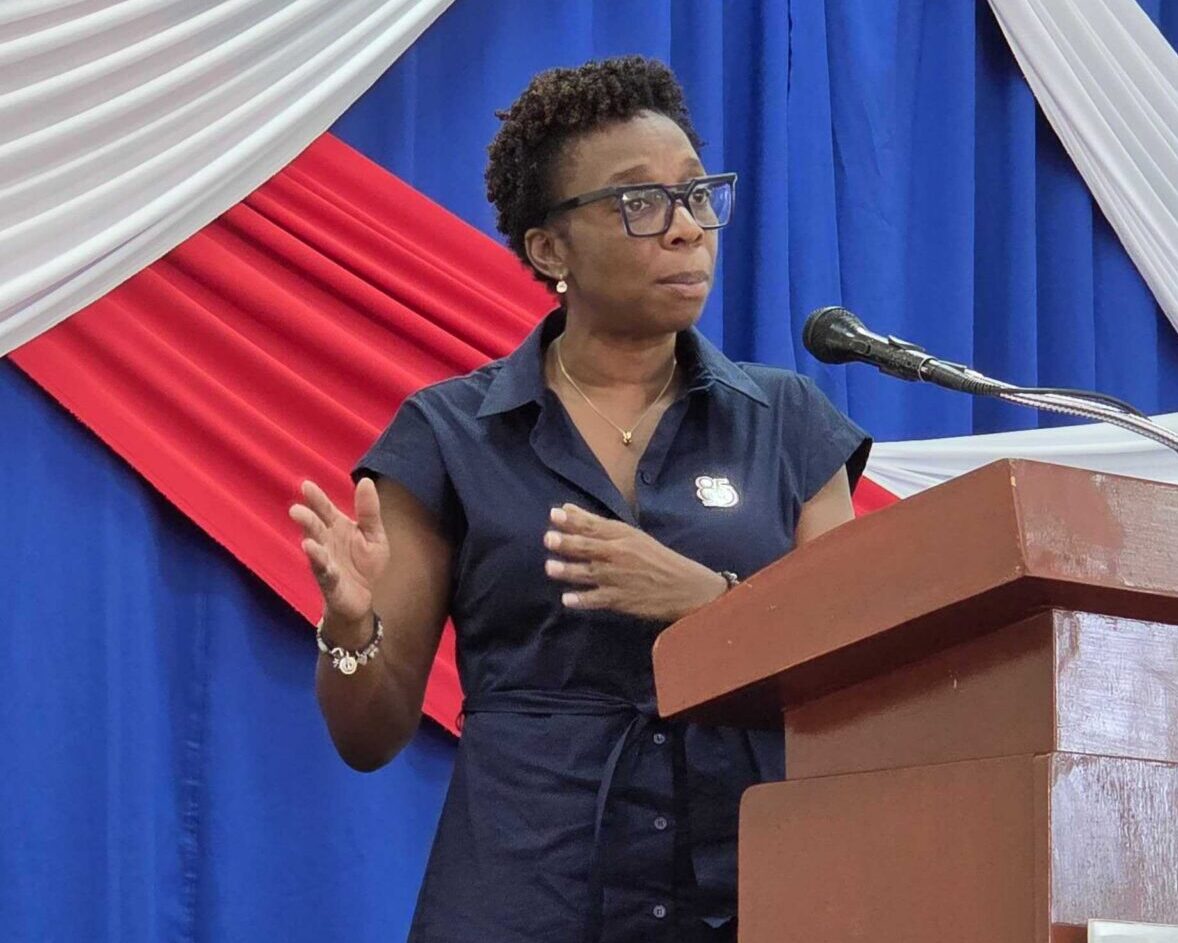
After months of coordinated advocacy and bureaucratic negotiations over three years of unresolved labor disputes, a landmark agreement has been reached that will see Berger Paints clear all outstanding financial obligations to its former employees by September 11. The breakthrough was confirmed at the Barbados Workers’ Union (BWU) 84th Annual Delegates’ Conference, held at the union’s Solidarity House headquarters, by BWU General Secretary Toni Moore.
标签: Barbados
巴巴多斯
-

Narine stars as Knight Riders defeat Tridents
The 2024 Republic Bank Caribbean Premier League (CPL) delivered another thrilling encounter on Friday, as a dominant all-round display from player-of-the-match Sunil Narine guided the Trinidad and Tobago Knight Riders to a comfortable seven-wicket victory over the Barbados Tridents at Port of Spain’s Queen’s Park Oval.
Barbados Tridents won the toss and opted to bat first, a decision that would ultimately backfire against a tight Knight Riders bowling unit. The Tridents got off to a sluggish start that they never recovered from: by the end of the mandatory powerplay, the side stood at 31 for the loss of just one wicket, and consistent pressure from the opposition bowling attack prevented any late-order breakthrough. The Tridents ultimately closed their 20-over innings at 127 for 9, a total that never looked competitive enough on paper.
Leading the charge for the Knight Riders’ bowling was Narine, who turned in a disciplined, economical spell to finish with figures of 2 wickets for just 14 runs. Veteran all-rounder Kieron Pollard backed him up with 2 wickets for 19 runs, helping to squeeze the Tridents’ batting lineup throughout the innings. For the Tridents, opener Zachary Carter led the scoring with a 27-ball 28, while captain Chris Green provided a late flash of aggression with 27 runs off 17 balls—no other Tridents batter managed to hit more than 20 runs, a gap that ultimately cost the side the match.
Chasing a modest total, the Knight Riders got off to a flying start that put the result out of reach early. By the end of the powerplay, the home side had already cruised to 60 runs without losing a wicket, putting the Tridents on the back foot immediately. Opening pair Narine and Collin Munroe built a match-winning 96-run first-wicket stand before Munroe was dismissed for 37. Narine continued his stunning match, hitting a quick-fire 55 runs off just 33 balls to guide the Knight Riders across the finish line. The home side reached the target of 128 in the 15th over for the loss of just three wickets, securing a convincing seven-wicket win.
The result has caused a shift in the CPL standings: the win lifts the Trinidad and Tobago Knight Riders up to fifth place in the league table, while the Tridents slide to sixth following their second consecutive loss.
-
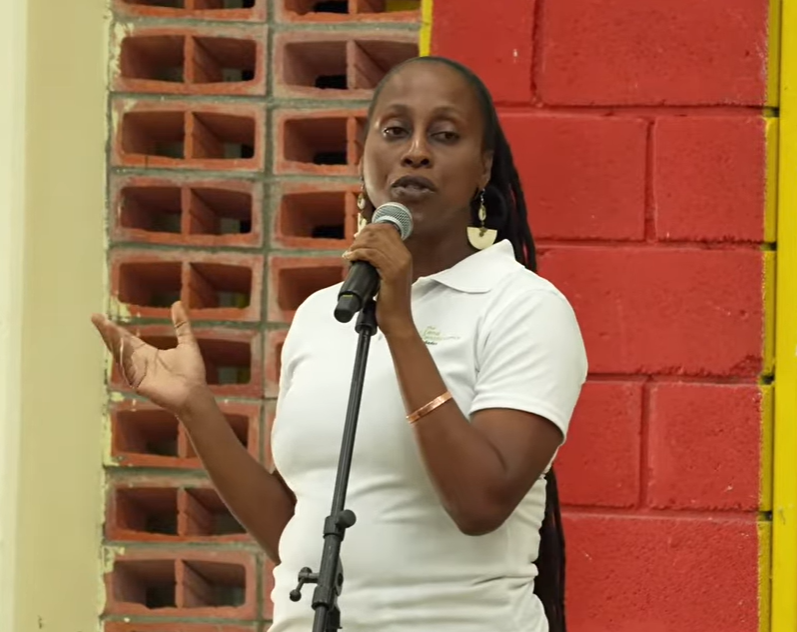
St Andrew folk: Protect Long Pond beach
Local residents and environmental campaigners in St. Andrew have banded together to press national authorities for stronger protections for Long Pond, a ecologically and culturally significant coastal wetland that they warn is facing irreversible damage from unregulated off-road vehicle use, unchecked littering, and lax visitor management.
The collective made their case at Thursday’s St. Andrew Ideas Forum, hosted at Alleyne School, where they emphasized that the designated natural heritage site is not receiving the respect and protection it mandates, and outlined a series of urgent reforms centered on expanded community participation in the area’s governance.
Long Pond project coordinator Kellyann Alicott led calls for a community co-management model, arguing that local residents should not be sidelined in decisions about a landscape that forms part of their daily lives. “The people in the community don’t want to be seen as just a visitor in their own home,” Alicott said. “If we’re positioning Long Pond as a conservation area with shared community stewardship, we have to center their needs and priorities in all planning.”
Alicott stressed that formal, clear usage guidelines must be implemented for all visitors—both local and international—to set clear boundaries for activity in sensitive zones. Without universal standards for conduct, she argued, long-term preservation of the site will be impossible. She also called for expanded environmental education that builds a culture of respect for natural heritage sites from early childhood through secondary and tertiary education, extending beyond Long Pond to other sensitive sites across Barbados including Turner’s Hall Wood.
Framing Long Pond as far more than just an environmental asset, Alicott described it as a space of collective memory, cultural heritage, and community relaxation with the potential to become a landmark for St. Andrew. She called for the site to be integrated into broader national park development plans.
Selena King, co-founder and director of the St. Andrew’s Community Development Commission, echoed these concerns, highlighting ongoing damage to Long Pond’s beach and critical sand dune systems from unregulated off-road vehicle activity. Her organization is currently partnering with environmental scholar Professor Robin Mahon on dune restoration and protection efforts, noting that the wetland and dunes play an irreplaceable role in shielding St. Andrew’s low-lying coastal communities from coastal erosion and storm surge.
“Off-road drivers are tearing up the beach, destroying native vegetation and wildlife habitat on the dunes,” King explained. “We need government officials to partner with us to protect this landscape. The wetland here is non-negotiable to protect, especially for our vulnerable coastal communities.”
King also pointed to the untapped potential of St. Andrew to grow community-led ecotourism, an industry that could generate new local jobs while expanding and diversifying Barbados’ overall tourism product. To resolve the conflict between off-road recreation and conservation, she proposed the government create a designated, dedicated off-roading zone—similar to the Bushy Park motor racing facility—to draw activity away from sensitive areas, and formally ban off-road vehicle access to Long Pond beach and other ecologically critical landscapes. “Long Pond is home to hundreds of vulnerable bird and animal species, and we have a duty to protect those habitats,” she added.
Environmental researcher Dr. Ariana Marshall told the forum that both clearer governance rules and deeper community engagement are critical to Long Pond’s future, adding that the site offers a unique opportunity to connect young Barbadians to hands-on environmental stewardship and eco-entrepreneurship. She argued that young people should be included in planning from the earliest stages, rather than only learning about conservation in abstract classroom settings.
“Long Pond can be the foundation for coordinated programs that tackle environmental challenges while giving young people tangible opportunities,” Dr. Marshall said. “They can see people creating documentaries, developing sustainable eco-products, and build careers around this work—they don’t just have to follow instructions about conservation.” She proposed launching a formal eco-entrepreneurship program tied to the Ministry of Education’s existing community service learning initiative, a model that would build young people’s environmental appreciation while creating economic opportunities for surrounding communities.
Minister of Education Chad Blackman confirmed that the national community service learning program, branded “60 hours at 60,” will roll out across all Barbadian schools this coming September. All students will complete 60 hours of structured community engagement working with local groups and institutions over the academic year, with a focus on building capacity in sustainability, agriculture and other public interest areas. Blackman encouraged all Barbadians to volunteer and participate in the initiative, which is designed to give young people clear pathways to contribute to national development.
Long-time St. Andrew resident Hedda Phillips-Boyce raised additional concerns about widespread littering across the parish, noting that plastic bottles, food packaging and other waste accumulate in storm gutters, a problem that becomes even more visible after public gutter cleaning operations. She called for targeted public service announcements to reinforce a culture of keeping public spaces clean across the island, as well as more strategically placed waste skips to improve public waste access. She also urged greater policy focus on expanding recycling infrastructure, particularly for plastic waste.
Collectively, the stakeholders emphasized that Long Pond’s value extends far beyond its biodiversity: it is a core part of St. Andrew’s cultural identity, a natural barrier protecting coastal communities, and an untapped economic asset that requires urgent government partnership to preserve for future generations.
-
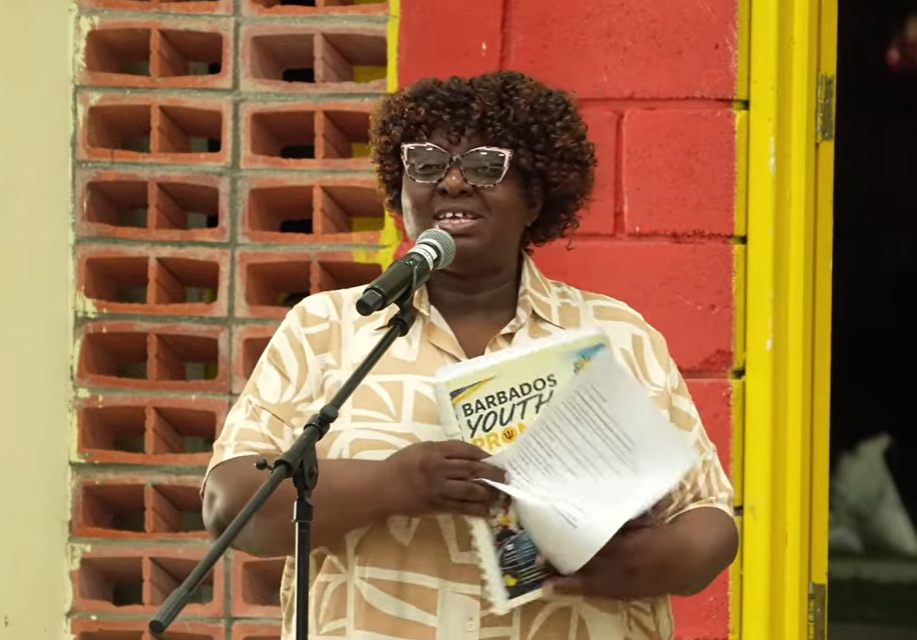
Advocate pitches ‘national youth opportunity framework’
Youth advocate and social worker Natalie Murray has put forward a bold proposal to address a growing gap in post-school support for young Barbadians: the creation of a unified national framework that consolidates scattered government-run youth opportunities into a single, accessible system. Speaking at the St Andrews Ideas Forum hosted at the Alleyne School on Thursday, Murray explained that while dozens of programs for young people exist across public agencies, their fragmentation leaves many graduating students unable to find clear pathways to productive next steps after leaving secondary school.
Murray outlined that the core mission of the proposed framework is not to dictate young people’s future choices, but to meet them where they are, connect them to existing resources, and clear the navigation barriers that leave many adrift. Whether a young person’s goal is enrolling in university, pursuing technical training, starting an apprenticeship, entering full-time employment, launching a small business, working in agriculture, tech, the creative industries, or stepping into community leadership, the framework would ensure they can easily identify and access the support tailored to their path.
Key components of Murray’s plan include a centralized national online portal that lists every government-aligned youth program, regardless of which department oversees it. She noted during her research that current programs are siloed across labor, youth affairs, and education departments, leaving even motivated young people unaware of opportunities that could change their trajectories. She also called for mandatory youth transition planning to begin six to 12 months before a student graduates from secondary school, a step that is currently missing from most schools’ support structures. Too many young people leave school without any clear plan, she argued, not because no opportunities exist, but because no one has sat down with them early to map out a personalized path forward.
Murray added that the framework should also include a national database to track outcomes for young people after they leave school, allowing policymakers and support providers to identify disconnected youth and intervene early. She specifically highlighted the 19 to 29 age group, where a large share of young people have become disconnected from education, work, and training. Research links this disconnection to higher rates of involvement in harmful activity, she noted, and the proposed system would partner with existing government initiatives such as the life coach program run by the Ministry of People Empowerment to reach disconnected youth and reintegrate them as productive members of Barbadian society. The framework would also embed mental health screening into early transition planning, ensuring that young people struggling with psychosocial challenges are connected to the support they need to get back on track, rather than being left behind.
Barbados Prime Minister Mia Mottley has publicly endorsed Murray’s proposal, confirming that it aligns with the current government’s youth-focused policy agenda. However, Mottley emphasized that systemic change alone is not enough: the effort requires ordinary Barbadians to step up as volunteer mentors to support the next generation. She pointed to the planned expansion of 60 hours of experiential co-curricular learning as a core curriculum requirement, which exposes young people to opportunities ranging from cadets and youth groups to sports and cultural activities. This expansion can only succeed if enough adult volunteers step forward to lead and mentor these programs, she said.
Mottley reiterated the government’s long-stated goal of building a Barbados that centers young people while upholding care for aging citizens. She stressed that the nation cannot advance if young people cannot see a future for themselves at home or choose to leave for opportunities elsewhere. Mottley added that successful local youth programs should be scaled into national initiatives rather than remaining isolated, small-scale projects, noting that piecemeal efforts cannot deliver nationwide transformation.
Drawing on a formative experience from 2017, Mottley recalled meeting 15 young men between the ages of 25 and 30 under a roadside shed, where she learned at least 12 had been unemployed since leaving school. She admitted that a previous national initiative to track youth outcomes, called Youth Traces, eventually collapsed, leaving the government without clear data on disconnected youth. Moving forward, she said, communities have a critical shared responsibility to support young people, alongside government: cultural and social values that anchor young people cannot be taught through policy alone, they must be modeled and passed on by community members.
Mottley issued a public call for all Barbadians to volunteer three to four hours each week to help mentor and shape the next generation, warning that failing to engage leaves young people’s outcomes to chance. She has also directed Minister of Education Transformation Chad Blackman to conduct a full review of gaps in existing youth organizations, publicize all available opportunities via local media, and encourage more Barbadians to volunteer their time to support youth.
-

130 tourism stakeholders trained for critical incidents
Barbados’ leading tourism authority is taking decisive steps to elevate its visitor safety standards, bringing roughly 130 tourism industry professionals through a specialized training program focused on emergency response for incidents involving travelers. The initiative, led by the Barbados Tourism Marketing Inc. (BTMI), aims to strengthen the island nation’s capacity to manage high-stakes critical situations that can arise during a visitor’s trip.
Althea O’Neal, BTMI’s Guest Experience Manager, emphasized that how local tourism operators respond to an emergency can leave a lasting impression on how visitors perceive the entire Barbados travel experience. In an address ahead of the training, O’Neal noted that preparedness and competent response are non-negotiable in today’s competitive global tourism landscape, saying, “We want to ensure that our tourism partners, our tourism professionals, are equipped to manage these situations well because the world is watching.”
Hosted on Friday at the Lloyd Erskine Sandiford Centre, the workshop marked the first official Critical Incident Awareness & Response training program tailored specifically for Barbados’ tourism workforce. O’Neal pointed out that travelers today have no shortage of alternative destinations to choose from, making the island’s handling of crises a key differentiator for its long-term tourism success. She explained that a complete, high-quality visitor experience extends far beyond the enjoyable moments of a vacation, encompassing how stakeholders respond when the unexpected occurs.
“A seamless guest experience covers every touchpoint, from the moment a visitor books their trip through their arrival at the airport, interactions with taxi drivers, stays at accommodation, and visits to local attractions,” O’Neal explained. “But it also includes how we respond to critical incidents that occur right here at Destination Barbados.” She added that a wide range of unplanned events can impact travelers, and it falls to all connected tourism stakeholders to act efficiently, contain potential damage, and reassure visitors that their well-being is the island’s top priority.
The workshop brought together a cross-sector team of expert facilitators to cover all key dimensions of critical incident response. Marlon Charles led sessions focused on crisis support for affected visitors, while Station Sergeant Jamal Mohan from the Barbados Police Service shared insights on core safety and security protocols. Simon Alleyne, a representative from Barbados’ Department of Emergency Management, led discussions on emergency preparedness frameworks, and practicing medical experts guided participants through best practices for handling medical and injury-related emergencies.
Critical incidents can occur in any corner of the tourism ecosystem, O’Neal noted, from hotel properties and watercraft excursions to popular visitor attractions across the island. “That initial response really makes a difference to the outcome of these situations so we felt that it was very important to equip our stakeholders as it relates to critical incidents in the tourism space,” she said.
O’Neal closed by reaffirming the shared responsibility of all Barbados tourism professionals to protect travelers who choose the island for their vacation. The Caribbean destination has long been celebrated for its warm hospitality, and O’Neal argued that this reputation should extend to crisis management too. “We should also strive to be known as a destination that protects life, responds with compassion, and manages difficult situations with excellence,” she said. “When a visitor is having the best holiday of their life, we want to make that experience memorable for all the right reasons. But when something unexpected and potentially traumatic happens, we also need to make sure that visitors know that Barbados cares, and that is the experience we want to create.”
-

Leah Nurse finds her calling in classroom
For many people, their career path unfolds in ways they never could have predicted at the start. Leah Nurse, a teaching assistant at Bridgetown Seventh-Day Adventist Primary School in Barbados, knows this experience firsthand. Two years ago, she never imagined building a career in education – but today, she describes working in schools as nothing short of a calling.
Speaking during an interview at Barbados’ Chelston Park on Friday, Nurse opened up about the winding journey that led her to the classroom. “It would not have been my first choice to teach, but since I’ve been in this field for the past two years, I can say that God definitely has plans for me here,” she explained. Currently working toward her undergraduate degree in education, Nurse adds that her decision to enter the profession was rooted in the positive impact that her own childhood teachers had on her. “I had a lot of amazing teachers in school that poured into me in so many different ways,” she recalled. “And seeing how I grew from their empowerment, I really longed to carry on that legacy and to do that for others.”
That commitment to lifting up young learners shapes every part of Nurse’s work with young children. Initially, she had planned to work with older students preparing for the Common Entrance examination, a key academic milestone for Caribbean primary school students. But after being placed with children aged three to six, her perspective shifted entirely. “Before I started, I wanted to teach Common Entrance age, but since I’ve been with these little people, I’ve really fallen in love with them, and they’re just amazing, so I really enjoy it here,” she said.
Working with young children comes with no small share of unexpected challenges, Nurse acknowledges. Lesson plans crafted days in advance can be upended by shifting attention spans, changing moods, and the spontaneous curiosity that defines early childhood. For her, flexibility is non-negotiable for any effective educator. Nurse describes her teaching philosophy as adaptable, student-centered, joyful, and persistent. “You could come with a great lesson plan, but they will also have their own plans, attention span, their moods, everything can be very different from one day to another,” she noted. “Being able to adapt to what I see in front of me and being able to adjust depending on how they’re feeling on any given day is very important to me.”
Beyond adaptability, Nurse prioritizes recognizing each child as a unique learner, rejecting the idea that every student should progress at the same pace or master content in the same way. “Not everyone is good at everything,” she said, emphasizing that effective teaching means centering each student’s individual strengths and gaps – whether that means supporting a student who is struggling to grasp a concept, or challenging a student who has already mastered the material.
This focus on meeting diverse student needs has led Nurse to develop a particular passion for supporting gifted students, an underserved group she argues needs far more attention across the Caribbean region. Her own personal experience as a gifted learner sparked this interest: she explained that she never found traditional school work challenging growing up, a experience that gave her unique insight into the unmet needs of advanced learners.
Nurse defines gifted students as children who develop far faster than their peers in specific academic areas, such as mathematics or language arts. All too often, these students are misunderstood by educators, she says. When their advanced needs are not addressed in the standard classroom, they grow bored with the curriculum, leading to behaviors that are often mislabeled as disruptive or unengaged. “Gifted students often become resentful, they often become disruptive, and then you’re wondering why you have this student in your class that’s not focusing,” Nurse explained. “It’s because they’re bored. They’re beyond the curriculum already.”
For Nurse, identifying the root cause of these behaviors is the first step to building an inclusive classroom where every learner can thrive. She argues that the needs of gifted children are “sadly neglected in the Caribbean”, and is calling for greater educator training and public awareness around how to support these students.
No matter what type of learner she is working with, Nurse says patience and persistence are the backbone of good teaching. “It doesn’t always come to them the first time that you teach it. You might have to teach it five times before they get it,” she noted. On the most challenging days – when the classroom becomes chaotic, and the work feels unglamorous – Nurse returns to the core purpose that drew her to education in the first place.
“Teaching is not always easy, so it’s important to remember why you do it. I do it because I want to inspire others the way that I was inspired,” she said. That sense of purpose is enough to keep her grounded even when “everybody’s crying”, she adds. For any new educators feeling overwhelmed, Nurse shares this advice: “So, I would say remember why you chose to teach in the first place. It keeps you grounded.”
-
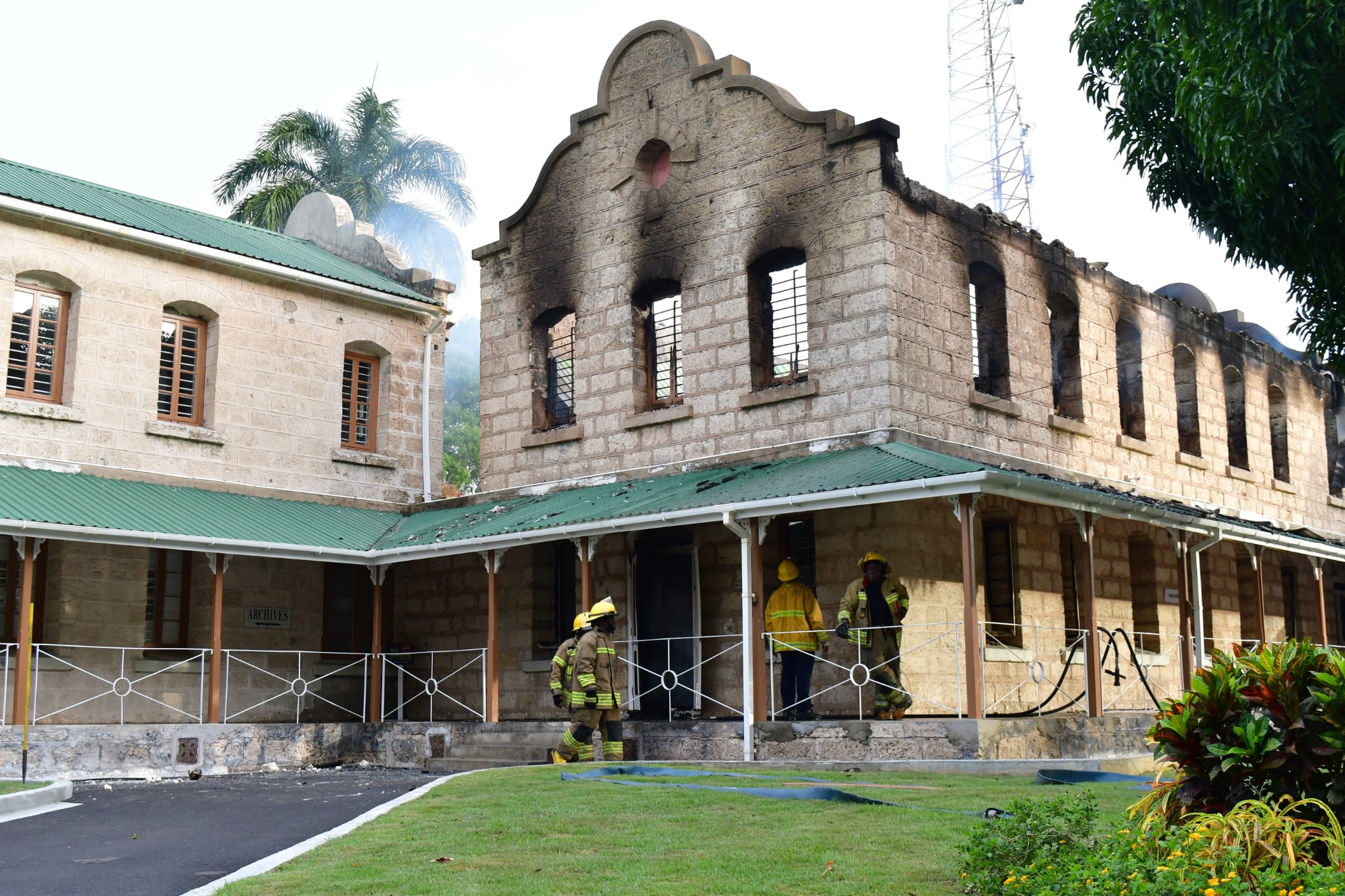
Archives restoration work continues after fire
Nearly two years after a devastating lightning strike triggered a catastrophic fire at Barbados’ national Archives Department, ongoing recovery, structural repair and heritage protection work is still progressing, according to the island’s Minister of Pan African Affairs and Heritage Trevor Prescod. The destructive blaze broke out just minutes before midnight on June 18, 2024, ripping through a two-story building at the department’s Black Rock, St. Michael campus that held generations of irreplaceable historic national documents. In the immediate aftermath of the fire, chief archivist Ingrid Thompson confirmed that only a small fraction of the records stored in the damaged Block D could be saved from the destruction. Prescod recently spoke with local publication Barbados TODAY following an on-site inspection of the recovery work, where he received a full briefing from department leadership on the status of structural repairs, new specialized equipment installations, and safety protocols put in place to protect surviving archival collections. “It is clear that while we have restored the roof over the burned area, we have not yet completed interior finishing work on that section of the building,” Prescod explained. Beyond patching up fire-related damage, government authorities have prioritized hardening the entire archives facility against future natural and environmental hazards, rolling out new specialized protective infrastructure to mitigate risks to the remaining buildings and their holdings. “We are installing a wide range of specialized devices and safety equipment designed to reduce the threat of similar damage to the entire site,” Prescod noted. In response to growing public concern over the safety of surviving one-of-a-kind historical documents, Prescod moved to reassure residents that all valuable archival materials have already been relocated away from the high-risk damaged zone. “Right now, all surviving collections are secured in an alternative location away from the area where lightning struck and hit the building,” he said. “We are making consistent progress, and all materials remain protected.” Basic construction and technical supplies have been imported to support the ongoing work, Prescod confirmed, though he added that key technical installation processes are still ongoing and have not yet been finalized. When asked whether a full public report detailing the full scope of damage, a breakdown of lost versus salvaged items, and a formal damage assessment had been completed, Prescod said he could not provide a firm timeline for the document’s release. He did note, however, that work is ongoing to restore as many damaged records as possible, and that off-site preservation and large-scale digitization projects are underway in partnership with other local organizations. A selection of surviving records has already been transferred to the R.O.A.D (Restoring Our Atlantic Destiny) digitization initiative based on Harbour Road, where they will be digitized for long-term preservation and public access. In addition to fire recovery work, Prescod confirmed that structural maintenance and masonry repairs are ongoing across other sections of the broader archives campus, pushing back against recent rumors that construction of a completely new standalone facility had already begun. “We are carrying out targeted repairs across the existing site right now; masons are on-site doing that work,” he explained. He also revealed that maintenance teams are currently addressing a separate major structural issue on the site’s eastern perimeter, caused by invasive tree roots that have compromised the building’s outer wall. “Tree roots have grown through and penetrated the eastern wall of the archives building, which has created a major structural integrity issue,” Prescod said. Technical engineering teams are currently evaluating two potential solutions to fix the damage: constructing a new reinforced interior supporting wall, or demolishing and fully reconstructing the compromised section of the outer wall. Prescod emphasized that despite the range of complex operational and environmental challenges the department has faced since the fire, the dedicated teams leading recovery work remain fully committed to stabilizing the facility’s infrastructure, protecting the island’s priceless historical heritage, and completing all critical repairs to return the archives to full public functionality.
-

Ayub’s century leads Kingsmen to third win
In a thrilling Thursday night clash at Basseterre’s Warner Park, a sensational individual innings from Saim Ayub carried Jamaica Tallawahs to a hard-fought 11-run victory over hosts St Kitts & Nevis Patriots in the 2024 Republic Bank Caribbean Premier League. This knock marked the second century of this year’s tournament, cementing Ayub’s status as one of the competition’s breakout performers.
Jamaica Tallawahs won the pre-match toss and opted to set a target first, a decision that looked questionable at the very start of their innings. Pakistani paceman Naseem Shah delivered a dream opening for the home side, removing opener Keacy Carty with the very first delivery of the match, leaving Tallawahs 1-0 inside the first minute. The side recovered slightly through the powerplay, reaching 42 for 2 at the end of the six-over powerplay restriction, but wickets continued to tumble steadily as the innings progressed. By the ninth over, Tallawahs were in serious trouble at 63 for 4, with only Ayub offering consistent resistance against a disciplined Patriots bowling attack.
The left-hander refused to be bogged down by the falling wickets around him, hammering deliveries to every corner of the ground as captain Rovman Powell joined him in the middle. The pair put on a critical 72-run partnership for the fifth wicket, dragging the total from a underwhelming 63 to a competitive 135 before Powell was dismissed for 21 in the 17th over. Ayub eventually fell with six balls remaining in the innings, but his explosive 58-ball knock produced 102 runs, including 6 fours and 8 maximums. With support from Kemo Paul’s unbeaten 25 – the second-highest score of the entire Tallawahs innings – the side closed on a challenging 182 for 7 from their 20 overs. For Patriots, the bowling unit shared the wickets evenly: Wanindu Hasaranga finished with 2 wickets for 18 runs, Naseem Shah claimed 2 for 37, and Obed McCoy picked up 2 for 43.
Chasing 183 to claim their third win of the tournament, Patriots got off to a rocky start, losing key top-order batters Kyle Mayers (10), Johnson Charles (14), and Kevin Wickham (1) to finish the powerplay on 42 for 3. The home side fought back through middle-order contributions, with veteran all-rounder Andre Russell hitting a team-high 55 runs from 38 deliveries, including 4 fours and 3 sixes. Captain Jason Holder added a useful 34 runs, and Sri Lankan all-rounder Dasun Shanaka hit an unbeaten 35 from just 18 balls to keep the chase alive late into the innings. However, a consistent flow of wickets from the Tallawahs bowling attack prevented the hosts from building the match-winning partnership they needed. Patriots closed their innings on 171 for 6, falling 11 runs short of the target. For Tallawahs, Hunain Shah took 2 wickets for 23 runs, while Jediah Blades claimed 2 for 50.
The result pushes Jamaica Tallawahs up to fourth place in the 2024 CPL table with six points from three wins, keeping them firmly in contention for a playoff spot. Meanwhile, the defeat leaves St Kitts & Nevis Patriots rooted at the bottom of the seven-team standings with just two points from their campaign so far.
-
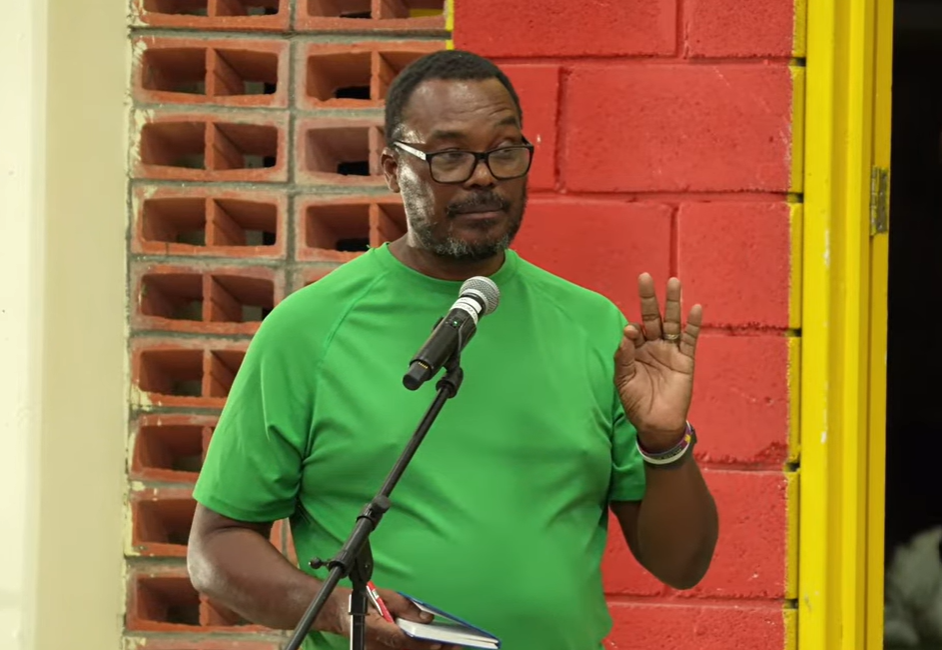
Ex-cop urges more chances for young offenders
At Thursday evening’s St Andrew Ideas Forum, a 36-year veteran of law enforcement made a forceful case for expanding supervised rehabilitative programs for young people charged with low-level offences, warning that permanent criminal convictions create lifelong barriers to economic and personal advancement.
Jonathan Best, who retired after a decades-long career in policing, laid out a structured alternative model for handling minor youth offending that would keep young people out of prison and free of permanent criminal records. He used a common example of a young person involved in a first-time physical altercation to illustrate his proposal: instead of immediate conviction and sentencing, the young person would be released to supervised home custody with clear conduct requirements, and their court case would be adjourned for a 90-day probationary period.
During those three months, Best explained, the young person would be required to return to school or another learning program, or secure stable employment, with magistrates able to connect participants to pre-vetted job openings through court support staff. If the young person meets the requirements after the initial three-month period, the case would be extended for an additional three months. After a full year of consistent positive progress – no reoffending, steady enrollment in education or full-time work – the case could be dismissed entirely, leaving the young person with no permanent criminal conviction on their record.
Best emphasized that even minor, decades-old convictions continue to derail young people’s lives long after they have turned away from crime. He shared firsthand observations of young people who were fired from jobs after employers discovered old minor convictions on their police clearance certificates, and others who were blocked from employment and international travel entirely due to their criminal records. “For petty offences, people should be given multiple chances,” Best argued. “We talk about second chances, but we should be willing to give third, even fourth chances if that is what it takes. I know it sounds unusual coming from a former police officer, but locking young people out of opportunity for minor mistakes only pushes them deeper into a cycle of crime. We do not want a 16-year-old ending up involved in violent armed offending because we closed off every other path to them.”
In response to Best’s proposal, Attorney General Wilfred Abrahams clarified that the current government already follows a diversion-first philosophy for minor youth offending, and has rejected the practice of issuing permanent convictions for simple mistakes that would ruin young people’s life prospects. Abrahams noted that a range of existing social programs, including the Youth Advanced Corp, already work to divert at-risk young people away from the criminal justice system entirely, rather than pushing them into conviction and punishment. He confirmed that diversion programs would not be extended to serious violent offences, however – anyone caught with a firearm, or involved in a shooting, regardless of age, would face full criminal prosecution and penalties.
“This government is not seeking to stain anybody’s record and cripple them for life over something that is just a mistake,” Abrahams said. “Our policy is to divert people out of the traditional criminal justice system and into rehabilitative, corrective, nurturing environments that help them get back on track. We recognize that not every young person has the same stable family support that many of us took for granted growing up, so we need to meet them where they are.”
Abrahams added that the government is currently building new dedicated facilities to accommodate youth diversion programming, which is focused on intervening early with at-risk young people still in the school system, providing targeted support before they end up involved in crime or in conflict with the law.
-

Brittons Hill man admits all cannabis charges
In a sudden turn of proceedings at a local magistrates court, a 51-year-old man from Reece Road, Britttons Hill has reversed his initial partial guilty plea and admitted to all three cannabis-related offenses brought against him.
When the case was first called, magistrate Manila Renee read out the three charges against Winston St Alban Alleyne. The defendant initially only entered a guilty plea for simple possession of cannabis, maintaining not guilty pleas for two more severe charges: trafficking a quantifiable amount of the controlled substance and possessing cannabis with intent to supply. All three offenses are alleged to have occurred on a Thursday evening.
Prior to the change of plea, law enforcement officer Sergeant Kenmore Phillips had already confirmed he had no objections to granting bail to Alleyne, but no approved surety was present at the court when the hearing began. By the time Alleyne’s surety arrived at the courthouse, the defendant made an unexpected request: he asked for all charges to be read a second time to the court. After the charges were re-read, Alleyne changed all of his pleas to guilty.
Details of the arrest were presented to the court, outlining that uniformed police were conducting routine patrols along Fairchild Street in the Vincy Town district when they spotted Alleyne rolling a cigarette. Officers detected a strong, distinct odor of marijuana emanating from the area where Alleyne was standing, so they approached him to share their suspicions and request to search his person and belongings. Alleyne consented to the search without objection, and during a check of his haversack, law enforcement found a clear plastic bag holding the suspected cannabis.
Forensic testing confirmed the seized substance weighed 37.19 grams, with an estimated street value of $190. A review of Alleyne’s criminal history showed his most recent prior conviction dated back to 2010, for a similar cannabis-related offense.
In her sentencing decision, Magistrate Renee chose to convict, reprimand and discharge Alleyne on all three charges, including the possession, trafficking, and intent to supply counts. She explained her lenient decision in open court, noting “It was not a large amount, you did not waste the court’s time and your antecedents are very old. So you can go.”