As the Caribbean island nation of Barbados prepares to enter the 2026 Atlantic hurricane season running from June to November, emergency management officials are calling on the country’s critical tourism and hospitality industry to expand its disaster planning beyond traditional hurricane and flood response to address a broader spectrum of evolving hazards.
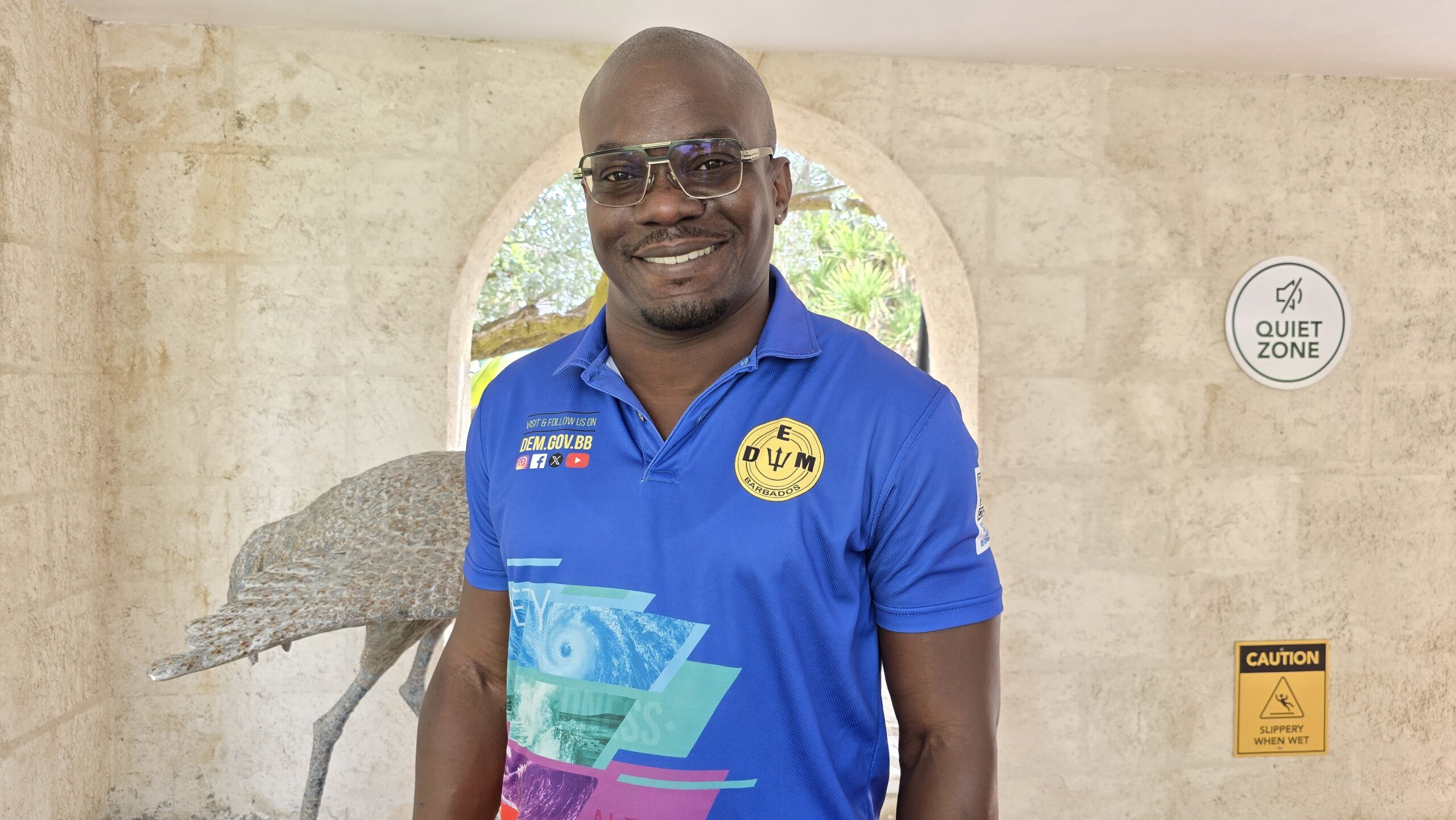
The call to action was delivered by Simon Alleyne, a programme officer with Barbados’ Department of Emergency Management (DEM), during the official launch of the Barbados Hotel and Tourism Association (BHTA)’s 2026 Emergency Management Workshop, hosted at The Crane Resort in the parish of St. Philip. Alleyne emphasized that while most hospitality preparedness efforts have long centered on natural hazards, the modern risk landscape demands preparation for man-made threats as well.
“In our current social context, emergencies are not limited to the damage caused by natural disasters,” Alleyne told reporters on site. “We could face a scenario where armed intruders attempt to gain access to a hotel property. That means alongside regular evacuation drills, the industry must also develop and practice robust lockdown protocols. Hoteliers need to have clear, actionable plans to secure their properties, protect guests, and keep staff safe if an armed assailant seeks to cause harm.”
Barbados sits in a geologically active region that exposes the island and its key tourism sector to a wide range of overlapping hazards that can strike at any time, even during the traditional hurricane window, Alleyne stressed. Beyond hurricanes and flooding, the island faces potential threats including volcanic eruptions, tsunamis, and earthquakes. Given that tourism is one of the backbone sectors of Barbados’ national economy, a robust, all-hazards preparedness framework is non-negotiable, he added.
Alleyne went on to outline that effective preparedness relies on three core pillars: proactive planning, regular hands-on training, and cross-sector collaboration. The goal of his workshop presentation, he explained, was to reorient hoteliers to the value of documented, tested emergency plans, regular small-scale drills and evacuation exercises at individual properties, and leveraging BHTA’s existing public information networks to share best practices across the industry. “Hotels have so much to learn from one another when it comes to refining their emergency planning approaches,” he noted.
The DEM official also highlighted major technological advancements that have boosted the island’s hazard forecasting and emergency response capabilities, spearheaded by the Barbados Meteorological Services (BMS). BMS has upgraded its monitoring infrastructure, including radar systems, that allow for faster data collection and more timely responses to everything from hurricane alerts to earthquake and tsunami warnings. Alleyne specifically called out the growing use of drone technology for post-disaster damage assessment, noting that aerial imagery and mapping allow response teams to quickly survey areas impacted by storm surge, flooding, or hurricane damage to prioritize relief efforts.
He also drew attention to BMS’ expanded national multi-hazard early warning system, which is designed to ensure hazard alerts reach all segments of the Barbadian population. Warnings are now distributed via multiple channels: mobile phone notifications, radio broadcasts, and television alerts. For hearing-impaired residents and visitors, television alerts include on-screen text and sign language interpretation, a step that aligns with broader efforts to center accessibility in all emergency planning.
Alleyne commended local hotels for already integrating accessibility considerations into their emergency protocols, but noted small, actionable adjustments can further improve outcomes for disabled guests. Simple measures such as offering accessible ground-floor accommodation to guests with mobility impairments can make a major difference during evacuations, he explained, since elevators often go out of service during emergencies, requiring disabled guests to be assisted down staircases. He added that accommodation providers and on-site caregivers must coordinate closely to ensure no person with a disability is left behind during an emergency evacuation or response.
Beyond the tourism industry, Alleyne issued a call to action for all Barbadian households to take proactive steps to prepare for the coming hurricane season and potential hazards. He urged communities to prioritize pre-season cleanup work, including clearing clogged drains and gutters, removing overgrown vegetation from public rights of way, and assembling emergency supplies that go beyond the usual stock of canned goods. Households should keep essential tools such as hammers and nails on hand, alongside adequate bottled water, portable battery packs for electronic devices, and cash – a critical resource if power outages disable digital payment systems.
Alleyne also encouraged families to assemble personalized emergency “grab bags” for every member of the household, accounting for the specific needs of children, elderly relatives, and even household pets. Finally, he reminded property owners that having up-to-date home and property insurance is a core component of long-term disaster resilience, helping families and businesses recover more quickly after a major hazard event.