标签: Barbados

巴巴多斯

  • Commonwealth Sport to meet in Barbados

    Commonwealth Sport to meet in Barbados

    Next week, the Caribbean island of Barbados will play host to one of the most important annual gatherings of global sporting governance, as the Commonwealth Sport Executive Board convenes for its latest in-person meeting. The gathering forms a key part of the organization’s long-running “on the road” initiative, designed to break away from a fixed headquarters model and bring decision-makers directly into the communities and member nations they serve.

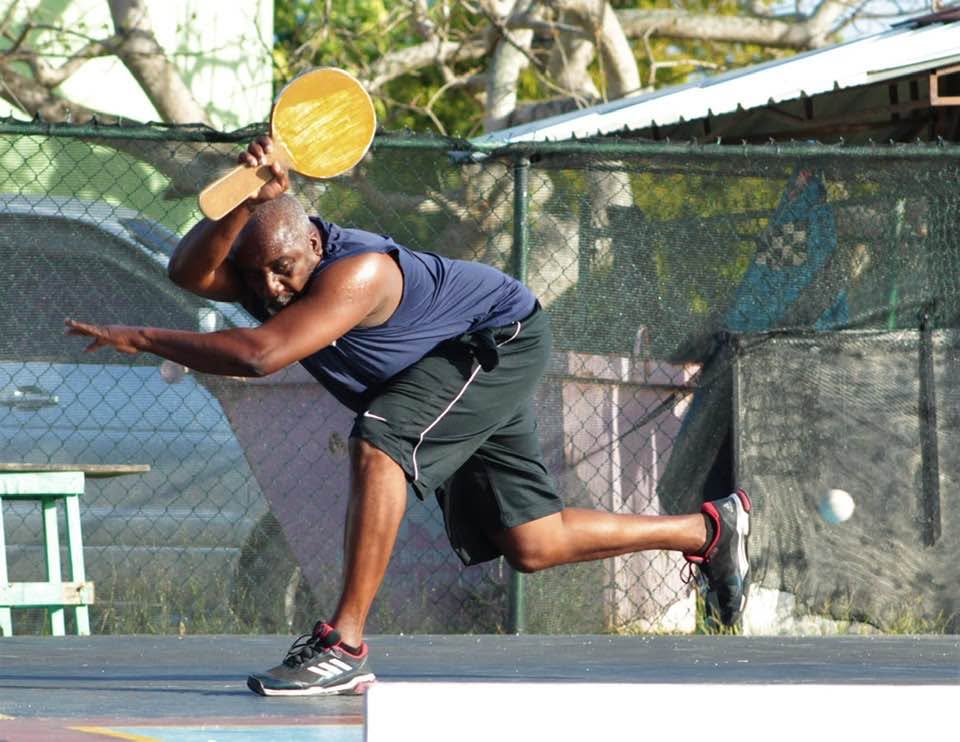
    The on-the-road strategy was crafted to foster closer, more meaningful connections between the central governing body and its 72 member associations and regional partners across the globe. Unlike closed-door, centrally held meetings, this approach prioritizes on-the-ground engagement that lets board members grasp the unique challenges, priorities, and strengths of local sporting ecosystems. This session in Barbados will pair formal strategic governance work with a full schedule of stakeholder engagement activities, including structured roundtable discussions with senior Barbadian government representatives, and a full day dedicated to celebrating the island’s unique cultural and sporting heritage. The day of cultural activity will close with a high-profile showcase of road tennis, Barbados’ homegrown, community-centered indigenous sport that has become a beloved pastime across the island.

    Once the Barbados meeting concludes, Commonwealth Sport President Dr. Donald Rukare will lead a small official delegation on a follow-up visit to Antigua and Barbuda. During that trip, the delegation will hold talks with senior government leaders and representatives from the Antigua and Barbuda Commonwealth Games Association to advance coordination and planning for Commonwealth Sport’s participation in the 2026 Commonwealth Heads of Government Meeting (CHOGM), scheduled to take place in November next year.

    In a statement previewing the visit, Dr. Rukare framed the on-the-road board model as core to the organization’s identity as a truly global, member-centric sporting body. “Taking our board meetings on the road is an essential part of who we are as a truly global sports organisation. It allows us to connect directly with our members, understand local contexts and challenges, and build the relationships that are vital to delivering meaningful impact through sport,” he said.

    Dr. Rukare added that holding the meeting in Barbados carries extra strategic and cultural weight, strengthening the organization’s long-standing partnership with Caribbean member nations while elevating the unique sporting traditions that bind the Commonwealth movement together. “By meeting in Barbados, we are not only advancing our strategic work, but also strengthening our partnership with the Caribbean region. Celebrating cultural and indigenous sports, such as road tennis, is a vital part of the Commonwealth Sport Movement, recognising the unique sporting traditions that bring communities together and define our shared identity,” he explained.

    Sandra Osborne, who serves as both President of Commonwealth Sport Barbados and Vice-President of the global Commonwealth Sport organization, called the selection of Barbados as host a significant honor for the island nation. “It is a great honour for Barbados to host the Commonwealth Sport Executive Board and to welcome colleagues from across the Commonwealth to our island,” Osborne said. “This visit is an opportunity to showcase not only our strong sporting culture, but also the richness of our heritage, which reflects the creativity, resilience and community spirit that defines our nation. We’re looking forward to welcoming everyone, sharing a bit of what makes Barbados special, and giving them a real sense of how important sport is to everyday life here.”

  • St Joseph folk welcome water project but demand relief

    St Joseph folk welcome water project but demand relief

    For weeks, communities across St Joseph have struggled with intermittent, unreliable water access that has upended daily life, leaving families scrambling to secure basic supplies even as local leaders and national officials move forward with a landmark $100 million infrastructure overhaul designed to fix the island’s long-standing water woes permanently.

    While attending the International Monetary Fund and World Bank Spring Meetings in Washington D.C. last Thursday, Prime Minister Mia Mottley formalized a $160 million Barbadian dollar (equivalent to US$80 million) financing agreement with the Inter-American Development Bank to fund full modernization of St Joseph’s aging water network. The long-planned project targets the replacement of corroded, decades-old water mains that have been the root cause of repeated supply disruptions across the region.

    Despite broad public support for the transformative initiative, affected residents are sounding the alarm that immediate relief remains out of reach for hundreds of households that have gone weeks without consistent running water. Many question how long they will have to endure unsafe, inconvenient conditions before the upgrades deliver tangible change.

    Bernard Brown, a long-term resident of Lower Parks, told reporters that his household has gone eight full weeks without proper running water. “I recognize the Prime Minister is working to solve this problem long-term, but right now we need water today,” Brown said. “How many more weeks are we going to go without before anything changes?”

    Brown outlined the daily struggles his community faces, noting that water trucks dispatched to fill gaps in service rarely arrive at convenient times. “Sometimes you don’t even see the water trucks during the day; they roll in the middle of the night when everyone is asleep. We have a regional water tank, but it sits at the top of the hill, and we live downhill – nothing ever reaches us.”

    Like many residents, Brown pushed back on the requirement to pay full water bills despite receiving no consistent service. “If we could just get water two or three times a week, we could manage – wash clothes, flush toilets, take care of our kids. School starts next week, and people can’t even get their children ready. It’s unfair that we’re still expected to pay for a service we aren’t getting, when we’re already paying out of pocket for alternative laundry or to haul water ourselves,” he said.

    Ingrid Knight, a resident of the Dark Hole neighborhood, described her experience as cautiously optimistic about the future project but stressed that current conditions are untenable for her large household. “The proof will be in the pudding – if this project delivers uninterrupted water, we’ll all be the first to celebrate it,” Knight said. For now, though, she added, water only trickles through for a few short hours in the early morning before cutting out again. “Last week, I got up at 3 a.m. when I noticed it was on, filled a few bottles, and by 7 a.m. it was gone again.”

    With four children and a grandson living in her home, Knight says she has to make weekly trips to secure water from an outside source. “I have a car, so I pack all my buckets and bottles and drive up to Coconut Grove, where there’s a public standpipe that always runs. Sometimes we even bathe and wash clothes up there before coming back. The water tanker rarely comes – my daughter called multiple times last week, and it only showed up once.”

    Residents of upper Parks Road, also known as Saddle Back, report similar struggles, with some going up to three weeks without consistent service and water trucks arriving sporadically with no advance warning. Kimberley Yearwood, a beekeeper and landscaper who has been waiting days with empty buckets and drums for a tanker delivery, shared her experience from last week: “The Water Authority showed up at 11 p.m. By the time the driver got to my house, he only had enough water for four buckets, and all my neighbors down the road got nothing.”

    Yearwood added that many residents miss deliveries entirely because the trucks do not sound an alert to notify the community – people have to wait outside constantly just to catch a delivery when it arrives. She also raised public health concerns about a nearby storage tank that is regularly refilled but has unknown maintenance and cleaning schedules. She echoed other residents’ frustration that repair work in upper sections of the community has not translated to improved service for Lower Parks and Fruitful Hill, where outages are most severe.

    Another resident, who only gave his name as Blenman, criticized the utility for a lack of backup infrastructure and transparent communication with affected communities. “If one pump breaks down, you have to have a backup system ready to go – there’s just no excuse for leaving people without water for this long,” he said. “It feels like we aren’t even on the map. No one updates us on what’s happening, no one tells us when to expect service back. I don’t think anyone should be paying their water bills right now under these conditions.”

    Local Member of Parliament Ryan Brathwaite, who is himself a St Joseph resident affected by the outages, confirmed that he has repeatedly called on the Barbados Water Authority (BWA) to increase the frequency of tanker deliveries to impacted neighborhoods.

    In response to public outcry, BWA officials confirmed that they have repaired roughly 40 burst mains, leaks, and faulty hydrants across St Joseph in the first three months of 2024, all stemming from the aging infrastructure the new project will replace. In a late Friday statement, the authority said it is deploying additional field teams to conduct full inspections of affected areas, identify unreported leaks, and restore normal service as quickly as possible. “Field teams continue to actively conduct service checks in the impacted areas to identify the root causes of the decreased levels and supply interruptions. To date, a number of leaks have been detected and repaired,” the statement read.

  • ‘Student TV’ planned as national student council elections begin

    ‘Student TV’ planned as national student council elections begin

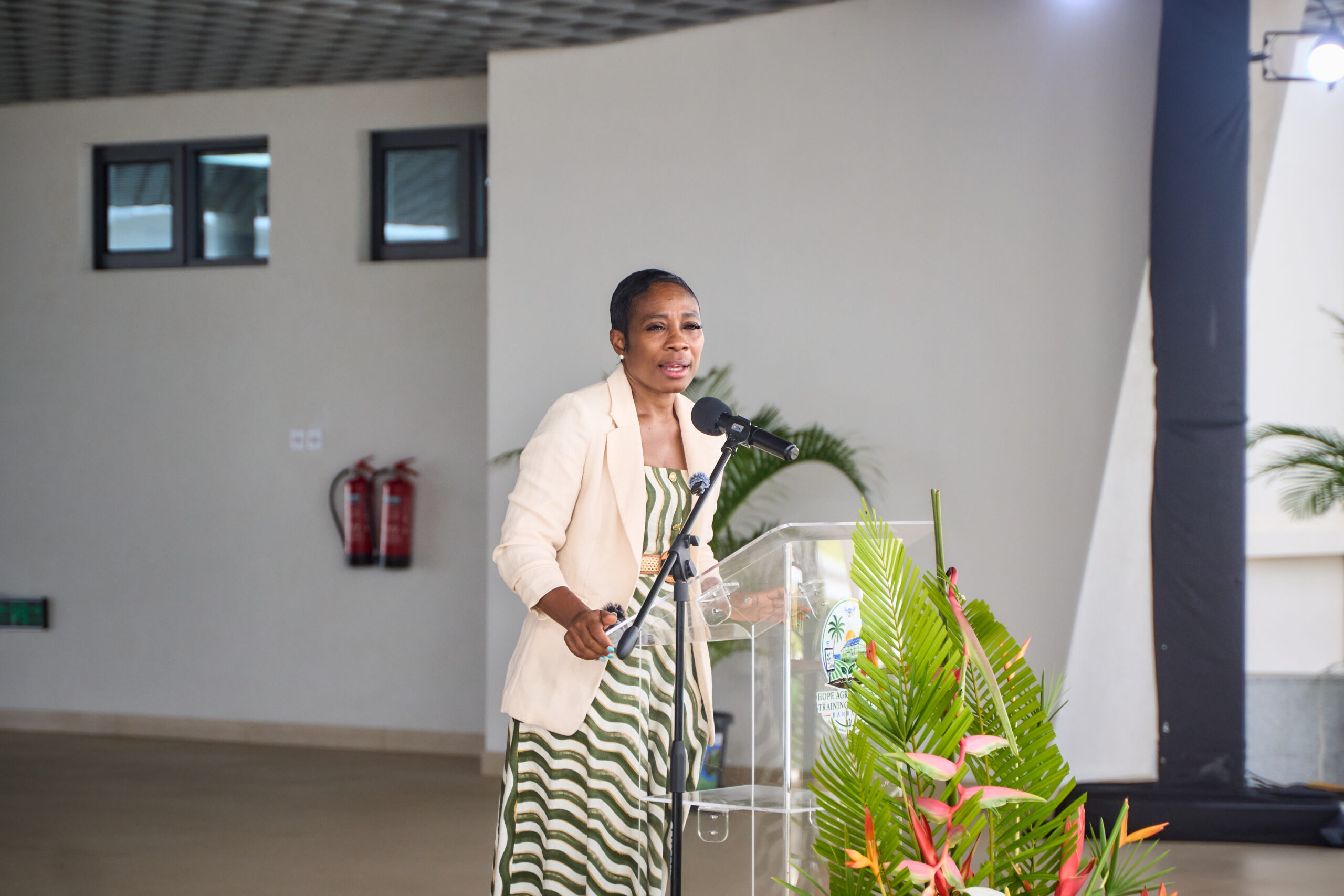
    Barbados’ government announced on Friday two landmark initiatives to elevate student participation in national education policy and public discourse: a permanent headquarters for the National Student Council (NSC) and a new national student-led media platform, both set to launch this September. The announcement came during the official opening of the 2024 NSC election proceedings held at the Lloyd Erskine Sandiford Centre, with Minister of Education Transformation Chad Blackman laying out the government’s vision to turn students from passive observers into active architects of national education development.

    Starting in September, the NSC will move into a purpose-built, fully resourced office space within the Ministry of Education Transformation’s headquarters in Bridgetown. The facility will be outfitted with all the administrative hardware and digital technology required for the student body to coordinate national operations, host general meetings, and carry out its governance work independently. Minister Blackman emphasized that the permanent base marks a critical shift away from the historical pattern of ad-hoc student inclusion in policy making, where young voices were only invited to the table when convenient for institutional leaders.

    “Student agency means being active contributors to the learning environment, participants in institutional processes, and partners in shaping the future of education in this country,” Blackman told the assembled audience of students, educators, and UNICEF representatives.

    Beyond physical infrastructure for the NSC, Blackman revealed plans for “Student TV”, a multi-format national digital platform that will integrate video broadcasting, radio programming, and podcast production. The initiative is designed to create a professional, student-run space to share original news coverage, host national debating competitions, showcase student arts and cultural projects, and report on school sports across the country.

    Blackman noted that for too long, young Barbadians have lacked a formal outlet to share their achievements and perspectives with national and global audiences. “From September, Student TV must now be the mouthpiece and articulation of what is happening with our students,” he said. “Imagine students with their branded microphones, engaging stakeholders and telling their stories on global matters like technology, climate, and health.”

    The rollout of these initiatives is a core component of the government’s six-year ambition to build one of the world’s top-performing education systems. Blackman stressed that ongoing reforms — including the revision of the national Education Act and the restructuring of the Caribbean Examinations Council framework — cannot be effective without direct input from the students who are the primary beneficiaries of the education system.

    “Retooling and reforming what education looks like means giving students a stronger platform and a stronger voice. You are there to shape and reshape the institutions that you must one day lead,” he added.

    Friday’s event also kicked off the final phase of competitive NSC executive elections. After a full cycle of online campaigning and preliminary selection rounds, nine candidates remain in the running for the three top leadership positions: president, vice president, and general secretary.

    Minister Blackman reminded candidates that their prospective roles serve as a foundational training ground for future public leadership, requiring a deliberate balance of commitment to national student advocacy and maintaining academic excellence. “To whom much is given, much is expected,” he said. “Being on the student council does not mean that you’re exempt from doing your schoolwork. This is the building block for the future. The world expects you to be able to deliver excellence all at the same time.”

    Drawing from his own career trajectory, which began in student leadership during secondary school and eventually led to roles as Barbados’ Ambassador to the United Nations in Geneva and later a cabinet minister, Blackman encouraged the emerging young leaders to embrace meaningful advocacy over superficial gains. Before his current cabinet appointment, Blackman also led the development of the Commonwealth Students Association framework during his tenure at the Commonwealth Secretariat in London.

    “Long before I was Minister of Economic Affairs or working as an ambassador, I started where you are today,” he told the audience. “Your role is not just about saying ‘I am a member of my school’s student council.’ You do so with the clear objective of being able to articulate your own vision for how you reimagine the development of your world.”

    He urged the incoming executive to reject the mindset of treating council roles as mere resume enhancements, urging them to prioritize tangible cultural change and student advocacy. “This is really about changing the culture for the better. Lead with courage, integrity, and purpose,” Blackman said.

    The event closed with an official directive for the incoming NSC leadership to launch formal collaborative consultations with the National Parent Teachers Association (NPTA) and private sector non-governmental organizations, with the goal of embedding student perspectives across all levels of national public policy discussion.

  • Haynes appointed chairman of youth cricket selection panel

    Haynes appointed chairman of youth cricket selection panel

    The Barbados Cricket Association (BCA) has confirmed a reshuffle of leadership roles across its national youth cricket selection panels, bringing a familiar name from top-level cricket into the chairmanship of the men’s junior selection body while retaining key institutional knowledge to support continued development.

    Forty-five-year-old Jason Haynes, a former first-class cricket competitor, will step into the role of chairman of the national youth men’s cricket selection panel, taking over from previous chair Elvis Howard. Howard will not depart the committee entirely, however; he will retain his seat as one of the five members of the panel, joining fellow existing members Shirley Clarke, Roderick Estwick and Nhamo Winn.

    In an official press statement issued by the BCA, the governing body publicly recognized Howard’s years of dedicated leadership in the role, noting that his continued presence on the new-look panel delivers the critical stability that youth cricket programs depend on. The association highlighted that Howard’s deep, firsthand understanding of emerging junior players across Barbados remains an invaluable asset for the selection process.

    Haynes will not be leaving his existing post with the senior men’s selection panel, and will continue to serve in that capacity while taking on his new youth-focused responsibilities. The remit of the men’s junior selection panel remains unchanged: its core mandate is to oversee talent selection for Barbados’ Under-13, Under-15, Under-17 and Under-19 men’s national squads, and it will also continue to provide strategic input for the Sir Everton Weekes Centre of Excellence, the island’s elite development hub for young cricketers.

    In a parallel update, the BCA confirmed that Patricia Greenidge will retain her position as chair of both the national women’s junior and senior selection panels. She will be joined on the women’s selection committees by Ulric Batson and former West Indies international cricketer Sherwin Campbell. Campbell, a former captain of the Barbados men’s national side who earned 52 Test caps and 90 One Day International caps for the West Indies during his playing career, has been appointed to a new dual role: he will now serve as head coach for both the women’s junior and senior national squads.

    Campbell’s first task in his new coaching position will be leading the Barbados Under-19 women’s squad at this year’s Cricket West Indies (CWI) regional youth competition, where the island’s emerging female talent will compete against teams from across the Caribbean.

  • Bajan named to UN Africa ratings council

    Bajan named to UN Africa ratings council

    A leading Barbadian development economist and sovereign credit expert, Kelvin Dalrymple, has secured a prestigious appointment to a high-profile United Nations council focused on lifting credit ratings for sovereign nations across Africa. With more than two and a half decades of global experience spanning central banking, multilateral financial institutions, and credit analysis, Dalrymple brings unparalleled expertise to this new role.

    Dalrymple, who previously served as lead analyst for Sub-Saharan Africa and multilateral development banks at top global credit rating agency Moody’s Investors Service, will join the 12-member elite Consilium of Advisors under the United Nations Development Programme. The council operates in service of the Africa Credit Ratings Initiative (ACRI), a targeted program designed to upskill African governments and strengthen their institutional capacity to navigate the complex, often opaque sovereign credit rating process. By helping countries improve their credit profiles, ACRI aims to unlock more favorable borrowing terms and expand access to low-cost international capital for critical development projects.

    The announcement of Dalrymple’s appointment came alongside his participation in the annual Barbados Risk & Insurance Management Conference (BRIM), hosted by the Association for Global Business (BIBA) in Bridgetown. Addressing nearly 300 hybrid-format international conference delegates, Dalrymple emphasized the growing urgency of investment-grade credit ratings for developing economies worldwide. As traditional donor and development financing continues to contract across much of the Global South, an increasing number of low- and middle-income nations are turning to open global capital markets to fund infrastructure, social programs, and economic growth.

    “Many countries are at a critical juncture where donor funds have dried up, and they now have to turn to capital markets to borrow for development,” Dalrymple explained to attendees, referencing his decades of work across the Caribbean and Sub-Saharan Africa. As founder and chief executive officer of The Ratings Advisory Clinic (TRAC), a boutique strategic advisory firm, Dalrymple already supports emerging and frontier economies across multiple core areas: sovereign credit rating strategy, fiscal reform design, debt sustainability planning, and the development of inclusive, effective development policy frameworks.

    Dalrymple’s career trajectory spans key leadership roles across public and private global finance. He began his professional journey as an economist at the Central Bank of Barbados, before rising to Director of Research and Planning and later serving as Economic Advisor to the Prime Minister of Barbados. He went on to hold the position of Chief Economist at the Caribbean Development Bank, and has also served as alternate executive director at the World Bank and senior advisor to the executive director at the International Monetary Fund, where he represented the interests of Canada, Ireland, and a bloc of Caribbean nations. Prior to launching TRAC, he held the role of vice president and senior credit officer at Moody’s London office, cementing his expertise in global sovereign credit analysis.

  • Fun rivalry at Erdiston Teacher’s Training College Sports

    Fun rivalry at Erdiston Teacher’s Training College Sports

    The halls of academia quieted down on Friday at Erdiston Teacher’s Training College, as the annual inter-house sports event took center stage at the Pine Hill campus in Barbados. This year, defending champions Yellow House stepped onto the field to defend their hard-won title against fierce rivals Red House and Green House, turning the grounds into a hub of energy and friendly competition.

    Unlike typical academic days on campus, the 2024 sports meet blended classic track races with lighthearted novelty events, drawing enthusiastic participation from trainee teachers across all three residential houses. Both Red and Green House earned a reputation for their raucous, passionate support—with participants and cheering fans alike chanting loudly for their teammates from the opening sprint to the final novelty event.

    In an interview with local media outlet Barbados TODAY, Dr. Sonia St Hill, Meet Director and Social Studies tutor at the college, framed the annual gathering as far more than a simple athletic competition. She described the event as a deliberate effort to nurture the collaborative, community-focused skills that future Barbadian teachers need to support young people across the island.

    Addressing growing concerns about youth crime and social disconnection in Barbadian society, St Hill emphasized that character and community building begins in teacher training. “We want people to come together to show love, to show cooperation, because we know right now in our society we’re having a spillover when it comes to our young people and crime, and this is where it starts in terms of teachers’ education,” she explained.

    The college’s goal, St Hill noted, is to equip new trainee teachers with the soft skills needed to foster connected, supportive learning environments once they enter primary and secondary schools across the country. “So we want to equip our novice teachers with all of the skills necessary, so that when they get into the school they can continue what we’re doing here, building family, building relationships, and building a community,” she added.

    Even the meet’s family-focused novelty events, which include races that bring young children and their parents together to compete as teams, are designed to model this collaborative spirit. While competitors fight for placement on the podium, every participant leaves with a reward, reinforcing that community connection matters more than winning. So far, trainee teachers have shown deep investment in the event’s core mission, St Hill said.

    Friday’s meet also marked a key milestone for the college: it is the third full in-person active sports event held since COVID-19 restrictions lifted. St Hill shared that the overwhelming excitement and enthusiasm among participants this year far exceeds expectations, signaling a full return to the campus’s beloved pre-pandemic community traditions.

  • Schools cleared for reopening, new guidelines ‘coming’

    Schools cleared for reopening, new guidelines ‘coming’

    As Barbados prepares to welcome the start of the Trinity school term this coming Monday, the country’s Ministry of Education Transformation has announced new steps to safeguard environmental health standards across all school campuses, responding to disruptive incidents earlier this year that forced multiple school closures. Minister of Education Chad Blackman confirmed that a dedicated interdepartmental team has been assembled to draft formal, nationwide protocols that will set binding standards for maintaining clean, safe learning environments, with a full public unveiling of the framework expected in the near future.

    The catalyst for this policy push came in March, when six primary and secondary schools across Barbados — St Bartholomew Primary, St Paul’s Primary, Charles F Broome Memorial Primary, Mount Tabor Primary, Christ Church Girls’ School, and Hilda Skeene Primary — experienced serious environmental hazards that upended normal teaching and learning operations. The widespread issues forced some campuses to send students home early, while others were forced to suspend classes entirely for multiple days, prompting outcry from educators and families.

    The Barbados Union of Teachers (BUT) had previously publicly called for a standardized national set of guidelines to address environmental health risks in schools, arguing that consistent rules for routine cleaning, sanitation, regular infrastructure inspections, and preventive maintenance were critical to avoiding repeated disruptions. Minister Blackman, speaking to Barbados TODAY on the sidelines of the Barbados National Student Council’s Elections held at the Lloyd Erskine Sandiford Centre, confirmed the ministry had answered that call, noting that the working group has already made substantial progress on the policy framework.

    Beyond updating internal protocols for campus maintenance, Blackman also issued a direct appeal to private businesses and private property owners located adjacent to school grounds, urging them to take greater responsibility for maintaining clean, pest-free surroundings. He emphasized that unkempt adjacent properties — ranging from food retail outlets to parking lots and vacant lots — often create conditions that attract pests such as rodents, which can easily cross onto school property and put student and staff health at risk.

    “Our schools have been kept clean. We’ve intensified our cleaning efforts and we’re ramping up even further, but we also want to use this and, as Minister of Education, really plead with our stakeholders outside of the school to keep their facilities clean because it impacts our schools, it impacts learning, it impacts teaching,” Blackman stated.

    The minister also offered a formal assurance that all six schools affected by the March environmental incidents have undergone full professional sanitization and remediation work, and are fully prepared to welcome students and staff back for the new term. He added that ministry inspectors have confirmed all remediated campuses meet full health and safety standards, but reiterated that unregulated conditions on adjacent private property remain an ongoing, uncontrollable risk that requires cooperation from local business owners to mitigate.

  • Walters demands accountability over $160m IDB water loan

    Walters demands accountability over $160m IDB water loan

    A senior opposition lawmaker in Barbados is sounding the alarm over a multi-million-dollar Inter-American Development Bank (IDB) loan earmarked for national water infrastructure upgrades, calling on the ruling administration to embrace full accountability to the public over how the debt will be managed and repaid.

    Ryan Walters, finance and economic affairs shadow senator for the Democratic Labour Party (DLP), is pushing for what he terms “radical transparency” surrounding the $160m regional facility, an initial $80 million tranche of which has already been drawn down for key projects focused on rehabilitating decades-old leaking water mains and modernizing the state-run Barbados Water Authority (BWA).

    While Walters openly acknowledges the urgent need for infrastructure overhauls amid a national water security crisis, with non-revenue water loss reaching as high as 50 percent across the island’s distribution network, he warns that framing the borrowing as a simple “investment” risks masking the long-term repayment burden that will fall on Barbadian taxpayers.

    “The scale of what is being proposed here cannot be ignored but neither can the responsibility that comes with it,” Walters stated in his remarks. He emphasized: “There is no question that the rehabilitation of our water infrastructure is both necessary and urgent…. However, while the importance of the project is clear, the financing behind it deserves equal attention and transparency.”

    Structured with a 25-year repayment term and a 5.5-year grace period on principal payments, the IDB loan has left Walters questioning how the government will meet its financial obligations once the grace period ends. He has raised two pressing scenarios that could impact ordinary households: steep increases to residential water rates, or new broad-based taxation measures to cover the annual repayment costs.

    “These are not small sums, and while they are framed as ‘investments’, they remain loans that must be repaid by the people of Barbados,” he cautioned. “The question then becomes: how will these repayments be financed given the amount of debt the country is and will be servicing at that time?”

    A core pillar of Walters’ critique centers on the government’s longstanding lack of public accountability for prior water sector funding. He is demanding a full public status update on all completed and ongoing past infrastructure projects, including a breakdown of how previous disbursements were spent, the exact number of water mains replaced across the island, and a clear list of communities that received tangible benefits. He also raised the pressing question of whether this new round of borrowing is necessary to fix gaps and failures that should have been resolved under earlier, already funded programs.

    Walters stressed that without a full, auditable accounting of how past public funds were deployed, public trust in this new borrowing will remain fragile. He called on the government to publish a clear, incremental public timeline of project milestones, so Barbadians can track improvements in real time rather than waiting years to see tangible results from the new debt.

    Beyond fiscal transparency, Walters is also pressing the administration to guarantee that local Barbadian construction and engineering firms get a meaningful share of the project contracts. He questioned whether the government plans to award most of the high-value work to international contractors, rather than prioritizing domestic professionals and businesses that could reinvest earnings back into the local economy.

    “This project presents an opportunity not only to fix infrastructure but to build local capacity and create economic participation for Barbadian professionals and businesses,” he said. “That opportunity must not be missed.”

    Drawing a parallel to the government’s own messaging around water accessibility, Walters argued that if the administration claims to support transparent water governance, the implementation and oversight of this loan must match that standard. He confirmed that the DLP supports the critical goal of upgrading Barbados’ water infrastructure, but insisted that good governance requires clear public communication to accompany large-scale public borrowing.

  • Exclusive: Landmark push to create first regulated conservation areas First regulated conservation areas at Long Pond, Turners Hall Wood

    Exclusive: Landmark push to create first regulated conservation areas First regulated conservation areas at Long Pond, Turners Hall Wood

    For a quarter of a century, Barbados has planned to create its first formally protected national forest and regulated conservation area – and this March, that long-held vision finally moved from planning to implementation. In an exclusive report to Barbados TODAY, conservation leaders have confirmed that on-the-ground work is now underway at two ecologically irreplaceable sites in the parish of St Andrew: Turners Hall Woods, the island’s last remaining intact patch of original rainforest, and Long Pond, a biologically diverse coastal lagoon on Barbados’ East Coast. The two-year initiative is backed by nearly $184,000 in grant funding from the Barbados Environmental Sustainability Fund (BESF), and is being led by the local chapter of global conservation nonprofit The Land Conservancy Barbados.

    Robin Mahon, chair of The Land Conservancy Barbados and emeritus professor at the University of the West Indies Centre for Resource Management and Environmental Studies, emphasized that the team is prioritizing responsible use of existing funding before pursuing additional support. “We need to get on and do what we have been funded to do. I am not going to be going for any more funding from them until I finish with the funding I already have,” Mahon explained, noting the project officially launched on March 1 and is still in its early setup phases. The immediate next steps include recruiting a full-time project coordinator, building collaborative relationships with local communities, and coordinating with relevant national government departments to align work with existing national planning frameworks.

    The project’s core objectives, laid out in Barbados’ national Physical Development Plan, have been 25 years in the making: to establish a formal protected conservation area at Long Pond and the country’s first official national forest at Turners Hall Woods. To date, no protected conservation areas or national forests have been formally established on the island, so this project marks a historic milestone for Barbados’ conservation movement. Leaders chose these two sites for the pilot phase to demonstrate what can be accomplished, with hopes of expanding protection to other pre-identified sites in coming years.

    Turners Hall Woods spans 50 acres of land and is the only stretch of original rainforest that survived more than 400 years of human settlement and colonial-era deforestation on the island. It hosts thriving populations of ecologically significant native tree species, including sandbox, silk cotton, fustic, cabbage palm, trumpet tree, locust, and the macaw palm – a species indigenous exclusively to Barbados.

    Long Pond, by contrast, is a dynamic coastal lagoon fed by the Bruce Vale and Walkers Rivers, which drain the island’s second and third largest watersheds respectively. The site hosts a rare mosaic of distinct native habitats, including a naturally formed sand dune system, mature mangrove forests, a marshy woodland ecosystem, and the coastal lagoon itself. Geographically, the site is bounded by Walker’s Reserve to the north, the community of Belleplaine to the west, and private landholdings to the south.

    Mahon explained that the majority of the project budget will be allocated to the coordinator role and extensive community engagement work, as the initiative is designed to be community-led from its inception. “We want to establish community groups to run the conservation area and the national forest site long-term,” Mahon said. The project team will also resolve outstanding land ownership questions and draft formal management plans for both sites. At the conclusion of the two-year project, the team will submit a detailed outline development plan for each site to Barbados’ Planning and Development Department for formal approval.

    Budget breakdowns show the Long Pond project carries an estimated price tag of $108,000, while the Turners Hall Woods initiative is budgeted at $76,000. While the team is focused on delivering results with the current funding, Mahon noted that community-centered conservation is resource-intensive, and the organization is actively seeking additional private donors to expand impact. “Community-based work takes a lot of time and trouble… you spend a lot of time chasing down people and holding meetings and that kind of thing,” he explained. “We always need more money, but we are going to do the best we can with what we have got.”

    The BESF, which provided the seed funding for this initiative, is currently accepting applications for its second cycle of grant awards, after disbursing more than $1.2 million to eight local environmental projects during its first funding round last year. Beyond project grants, the fund has also invested millions of dollars in national marine spatial planning and broad sustainability initiatives across the island. For this second cycle, only organizations registered and operating within Barbados are eligible to apply, with funding available up to $300,000 per project focused on environmental conservation, climate resilience, and sustainable development.

    Grants are structured in three tiers to support projects of all sizes: small grants up to $50,000, medium grants ranging from $50,001 to $100,000, and large grants from $100,001 to $300,000. To be considered for funding, projects must demonstrate clear scalability, long-term financial and ecological sustainability, and measurable environmental impact. Eligible applicants include registered nonprofits, community-based organizations, government agencies, academic institutions, and private sector entities based in Barbados, with applications due by March 26.

    Established in 2022, BESF is a dedicated conservation trust fund created through a strategic Conservation Funding Agreement between the Government of Barbados and global conservation organization The Nature Conservancy. Its core mission is to mobilize financial resources to support impactful local projects that advance environmental sustainability and protect Barbados’ unique native biodiversity, safeguarding the island’s natural heritage for future generations.

  • BCA president looking past Kensington Oval debacle

    BCA president looking past Kensington Oval debacle

    The long-running public disagreement between the Barbados Cricket Association (BCA) and Cricket West Indies (CWI) over the allocation of international matches to Kensington Oval has reached a formal standstill, after BCA President Calvin Hope announced he will no longer engage in further public debate on the issue. Hope made his position clear in an exclusive interview with Barbados TODAY, responding to recent public comments from CWI Vice-President Azim Bassarath, noting that the conflict has already been discussed extensively across public platforms and it is time to bring the conversation to a close. Hope added that he already laid out his full position during a recent appearance on the Mason and Guest Cricket Show, and has no new statements to add to the public record.

    “As far as I am concerned, Mr Bassarath knows very well what my concerns are and what I said. All others involved would have known what my concerns are as well, and these are not new things,” Hope told reporters. “I don’t have anything more to add at this time. I made my comment, that’s the end of that as far as I’m concerned. Cricket West Indies will do what they have to do, and I just hope that things would improve, that’s all I could say.”

    The core of the dispute stems from CWI’s 2025 decision to exclude Barbados and its iconic Kensington Oval from the year’s schedule of international cricket matches. Hope has long criticized the call as unreasonable, a position he says is shared by ordinary cricket fans across the country. “But I really don’t want to get into it because Barbados shouldn’t have to be trying to justify why cricket should be held in Barbados or anything like that. Reasonableness should always be obtained, and basically I would say that there was no reasonableness in this,” Hope explained. “Anybody looking on, the average man on the Black Rock bus would hold that view, given the number of international matches that are scheduled to be hosted across the Caribbean region this year. So I don’t want to get into anything more.”

    With the public dispute put aside, Hope is now turning his full attention to growing the domestic game, as the 2026 BCA season officially got underway on April 4. The association has launched a series of new initiatives aimed at strengthening grassroots cricket, which Hope calls the backbone of the Caribbean sport. Key priorities include upgrading club administration, boosting competitive standards across all levels of domestic play, and rolling out new incentive programs designed to keep emerging players motivated.

    Thus far, the response to the new reforms has been encouraging, according to the BCA president. “Well it appears that there’s some enthusiasm with the new initiatives and things got off to a reasonable start. I think clubs are enthusiastic, certainly at the elite level,” Hope noted. “We will be working with the clubs going forward in an effort to have a successful season as usual. Our domestic cricket is usually very successful, with no major incidents and so forth.”

    For the BCA, sustaining the legacy of grassroots club and school cricket is a non-negotiable long-term priority, as these levels are the foundation for developing future elite international talent. “To sustain the legacy of our club cricket is very, very important, it is the mainstay of all cricket. And when I say club cricket, I include schools’ cricket [because] schools are the bedrock of the production line,” Hope said. “These are things for a number of years that the BCA has been cognizant of that need to be strengthened, and we just need to provide support where we can and encourage and support each other.”

    Hope also threw his full support behind a recent call from Cricket Legends of Barbados Chairman Joel Garner to increase television coverage of local domestic matches, a move designed to attract younger audiences and deepen public connection to the sport. Echoing Garner’s vision, Hope confirmed the BCA has long prioritized expanding media access to domestic cricket, and has already secured regular weekly radio commentary for match days. The association now aims to translate that success to television broadcast.

    “The plan is always to promote cricket, and we are engaging all the time with the media to broadcast cricket. For years now we have had the (radio) commentary going every Saturday. I want cricket shown on TV and I share The Most Honourable Joel Garner’s concern and my desire would be to have cricket on television too,” Hope said.

    While building a polished, viewer-friendly television broadcast requires significant investment in equipment and production infrastructure, Hope says the goal is well within the BCA’s long-term capabilities. “It’s all about building a media product. You need equipment and the various things of how you put that product together for people for it to be attractive to the viewer. It’s not a straightforward situation, but it is not outside of our capability,” Hope said. “I certainly will continue to work towards that and try to engage with the board and relevant authorities to see how we can pull off things like that in the future. It’s all about promotion of the game.”