标签: Antigua and Barbuda

安提瓜和巴布达

  • Epicurean Workers Secure Wage Increase and Enhanced Benefits Under New Collective Bargaining Agreements

    Epicurean Workers Secure Wage Increase and Enhanced Benefits Under New Collective Bargaining Agreements

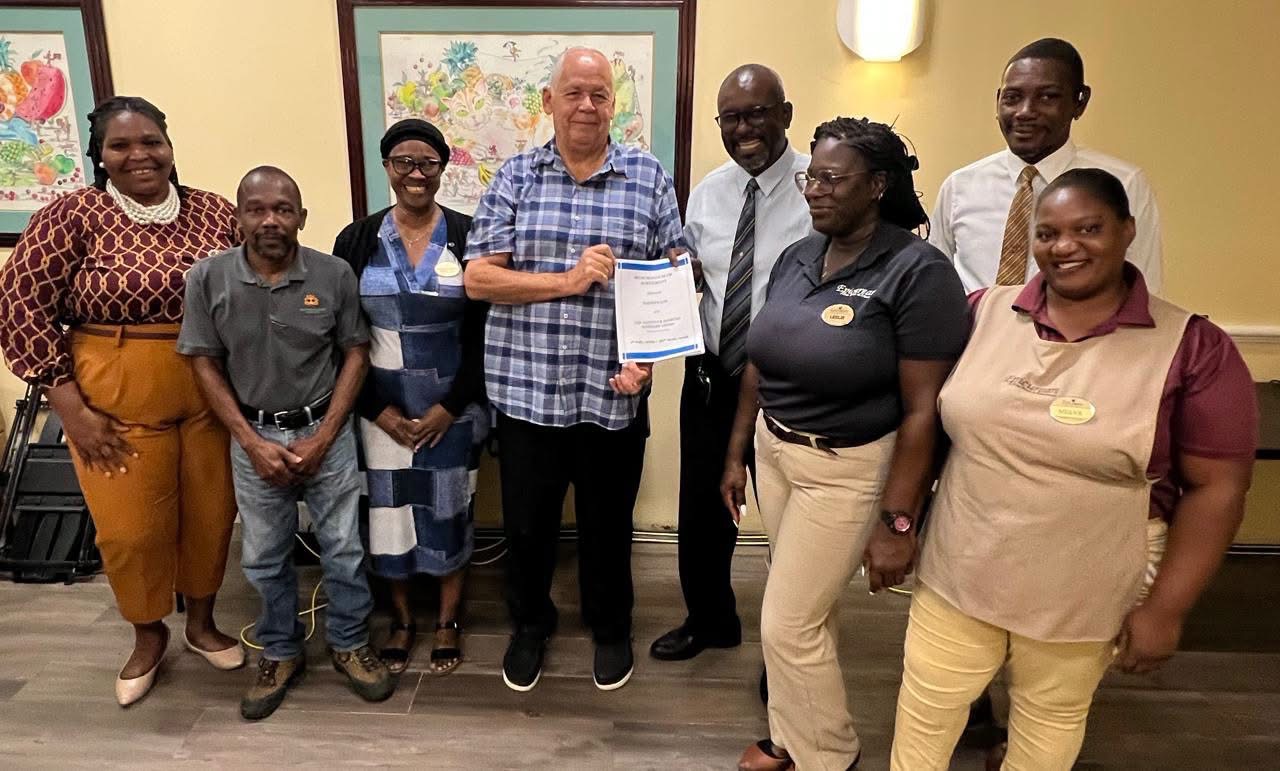
    Workers at Antigua and Barbuda-based pastry firm Pastry Ltd., which operates under the trade name Epicurean, are set to see tangible improvements to their compensation and working conditions after the company finalized a new three-year collective bargaining agreement with the Antigua & Barbuda Workers’ Union (ABWU).

    The landmark deal, which will take effect July 1, 2025 and run through June 30, 2028, delivers structured annual pay increases for both frontline line staff and supervisory personnel. Entry-level and frontline line employees will gain a $0.50 hourly raise each year of the agreement, a adjustment that works out to an annual pay increase of nearly 4 percent for most workers. For supervisory staff, the annual hourly raise is set at $0.80, which also delivers an annual average pay increase close to the 4 percent mark.

    Beyond base salary adjustments, the agreement expands a range of supplementary benefits designed to ease workers’ job-related costs and improve work-life balance. Both worker cohorts will see upgrades to their meal allowances and call-out pay, while supervisory staff will receive an increased uniform allowance to cover the cost of work attire. One notable policy update expands paternity leave for eligible workers from three days to five full days, giving new fathers extra time to care for their newborns and build early bonds with their growing families.

    The deal also addresses transportation safety and convenience for workers working late shifts. Under the previous company policy, workers ending shifts after 9 p.m. only received transportation to a local bus terminal; the updated agreement guarantees direct private transport from the workplace to employees’ homes, eliminating the need for late-night public transit connections.

    A new death-in-service benefit has also been added to the contract, providing critical financial support to the families of employees who pass away while still actively employed by the company.

    Kem Riley, who serves as both ABWU President and Senior Industrial Relations Officer, characterized the negotiations as collaborative and productive. “We are pleased to conclude these negotiations which resulted in a fair package of benefits for the workers,” Riley said in a statement following the signing. He added that the union’s core priority throughout the bargaining process was to ensure worker compensation kept up with the country’s rising cost of living, while supplementary benefits would cut down on out-of-pocket job-related expenses and reduce daily inconveniences for employees.

  • Woman files lawsuit against Barbados gov’t over COVID-19 vaccine

    Woman files lawsuit against Barbados gov’t over COVID-19 vaccine

    A Barbadian woman has launched a legal claim against the Barbados government, arguing she developed life-altering, chronic health complications tied to two doses of the AstraZeneca COVID-19 vaccine she received in 2021. Court documents from the 2024 filing name the Office of the Attorney General as the defendant, holding the Ministry of Health and Wellness legally responsible for the harm she claims to have endured.

    Represented by prominent constitutional attorney and King’s Counsel Larry Smith, the claimant alleges the vaccine administered to her was defective. She argues the government failed to deliver a product that met the reasonable safety standards guaranteed to consumers under the island’s Consumer Protection Act.

    Timeline details laid out in the court filing outline that the claimant received her first AstraZeneca dose around April 23, 2021, with the second dose following in June that same year. Approximately eight weeks after her second injection, she first noticed a swollen bruise paired with intense pain beneath her right knee. As additional troubling symptoms emerged, including sharp chest pain and persistent difficulty breathing, she sought medical care twice; both visits ended with doctors unable to identify the root cause of her distress, local outlet Barbados TODAY reports after obtaining a copy of the court documents.

    Her condition continued to deteriorate, with bruising spreading across her entire body, breathing becoming increasingly labored, and her energy levels dropping dramatically. When she returned to care, her primary provider referred her to a hematology specialist for targeted testing and evaluation. The pharmacovigilance division of the Barbados Drug Service launched its own investigation into the incident, labeling it a suspected adverse drug reaction linked to the specific batch of the final vaccine dose the woman received. Blood samples analyzed at the Barbados Reference Laboratory confirmed the patient’s symptoms were consistent with vaccine-induced blood clotting, leading medical examiners to conclude her condition was a suspected case of vasculitis triggered by the June 25, 2021 vaccine administration.

    In the two years following her diagnosis, between January 2022 and July 2023, the claimant sent five formal letters to the government alerting officials to the state’s alleged liability for her health condition. According to the lawsuit, no substantive response was ever provided to her inquiries. A pre-action formal notice was later delivered to Barbados’ chief medical officer, demanding compensation for the vaccine injury.

    The lawsuit accuses the government of multiple counts of negligence: officials failed to put in place support systems for people who experience severe adverse reactions to vaccines distributed through the national COVID-19 vaccination program, and they refused to engage with the claimant despite being fully informed of her debilitating condition. The woman is now seeking multiple forms of legal remedy: general damages for ongoing pain, suffering, and loss of quality of life; special damages to cover lost earnings; full coverage of legal costs; six percent annual interest on awarded damages; and any additional relief the court deems appropriate given the circumstances.

  • Prime Minister Browne Calls for Strategic OECS Partnership with Panama to Reduce Costs and Expand Trade Opportunities

    Prime Minister Browne Calls for Strategic OECS Partnership with Panama to Reduce Costs and Expand Trade Opportunities

    Against a backdrop of growing regional economic integration efforts, Antigua and Barbuda Prime Minister Gaston Browne has publicly outlined a bold vision for a strategic collaborative partnership between the Organization of Eastern Caribbean States (OECS) and the Republic of Panama. Browne, who is currently spearheading discussions on expanding regional trade connectivity, argues that this alliance would address long-standing cost burdens that have held back Eastern Caribbean businesses while opening untapped commercial channels for the bloc’s member nations.

    The core of Browne’s proposal centers on leveraging Panama’s established position as a global maritime and logistics hub. Panama’s flagship Panama Canal already serves as a critical artery for global maritime trade, and Browne points out that formalized cooperation between the OECS and Panama could streamline shipping routes, reduce transit fees, and cut down on customs delays that currently inflate the cost of imports and exports for the small island economies that make up the OECS. For these nations, which rely heavily on international trade for both domestic consumption and export-led growth, even marginal reductions in logistics costs can translate into significant competitive advantages for local producers and lower prices for consumers.

    Beyond infrastructure and logistics, Browne also highlights the potential for expanded market access. A formal partnership could create new pathways for OECS agricultural products, tourism services, and specialty goods to reach global markets through Panama’s extensive trade networks, while also attracting increased foreign investment from Panamanian and international firms that use Panama as a regional base. Browne made the call during a recent diplomatic engagement, noting that the geographic proximity of the OECS bloc to Panama creates natural synergies that have yet to be fully exploited. He added that aligning trade regulations and facilitating cross-border business collaboration would lay the groundwork for more inclusive, sustainable economic growth across the entire Caribbean region.

    Regional trade analysts have noted that the proposal comes at a time when small island developing states in the Caribbean are actively seeking ways to diversify their economies and reduce their vulnerability to global supply chain disruptions, which were amplified during the COVID-19 pandemic. A strategic partnership with Panama, they argue, could help the OECS address multiple pressing economic challenges simultaneously, from high trade costs to limited market access, while also creating new opportunities for cooperation in areas like tourism, maritime security, and climate resilience.

  • Antigua and Barbuda May Import Construction Workers to Meet Housing Targets

    Antigua and Barbuda May Import Construction Workers to Meet Housing Targets

    The twin-island nation of Antigua and Barbuda is facing a critical bottleneck in its ambitious national housing expansion initiative, with Prime Minister Gaston Browne confirming that overseas recruitment of construction labour is now on the table to overcome widespread workforce gaps.\n\nSpeaking during his regular weekly broadcast to the public, Browne framed labour scarcity as one of the most pressing barriers to delivering much-needed new housing across the country, even as the government pushes to ramp up construction output. The administration has a clear goal: scale annual housing production to 500 units per year, a target that the current domestic workforce simply cannot support, according to the Prime Minister.\n\nBrowne clarified that while securing sufficient funding remains an ongoing challenge for the programme, acute shortages of both skilled tradespeople and general unskilled labour have equally slowed the pace of new home development. To unlock progress, the government is actively evaluating all options to expand the available construction workforce, with bringing in additional workers from international markets emerging as a viable solution to supplement local teams.\n\nThese remarks accompanied the Prime Minister’s formal outline of the government’s 10-year housing strategy, which sets a minimum target of 5,000 new residential units to be delivered across the country by the end of the decade. Browne emphasized that this ambitious target is designed to directly address unmet demand and lift living standards for a large share of the population.\n\n“Over the next 10 years, we must deliver no fewer than 5,000 new homes to our people,” Browne stated. He projected that the initiative could improve housing outcomes for as many as 15,000 Antiguans and Barbudans: based on an average occupancy of three people per home, the programme would move roughly that number of residents into quality, middle-income housing stock.\n\nThe scale of unmet demand for housing in the country far outpaces the 10-year target, official data shared by the Prime Minister shows. Currently, roughly 7,500 completed housing applications are waiting to be fulfilled, and demand continues to climb even as new units are completed and allocated to applicants.\n\nAlongside workforce expansion, the government is working to lock in additional financing to support the scaling of the housing programme. Browne revealed that negotiations are currently ongoing for a proposed $100 million housing bond, which would allow the government to lift annual construction output to between 300 and 400 units in the near term, before ramping up to the full 500-home annual target. The National Housing Development and Urban Renewal Company, the state entity leading the initiative, has also been directed to step up its own recruitment efforts as part of the broader push to accelerate construction.\n

  • PM Browne Says U.S. Travel Restrictions Hurt Both Sides

    PM Browne Says U.S. Travel Restrictions Hurt Both Sides

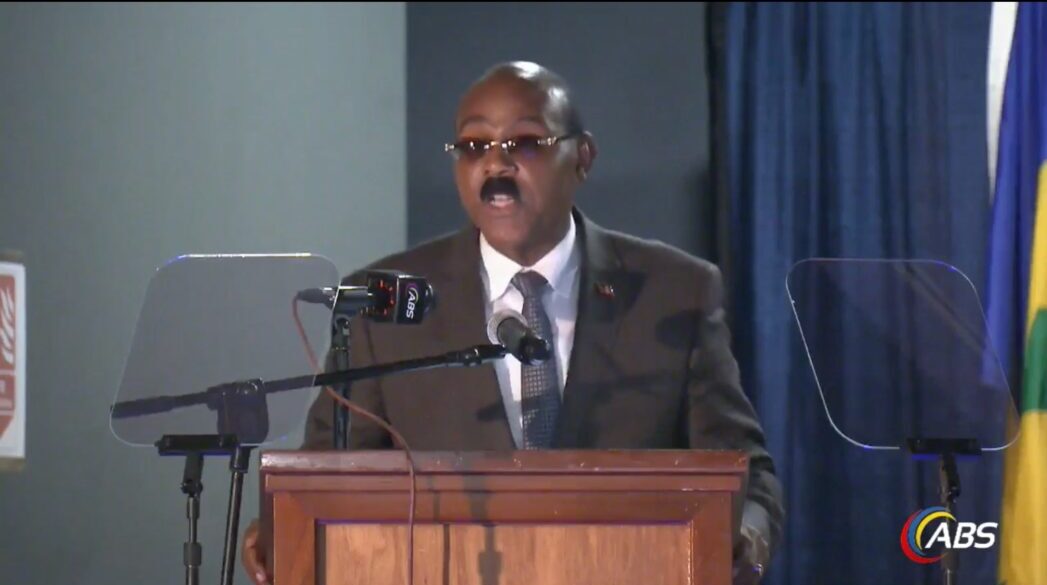
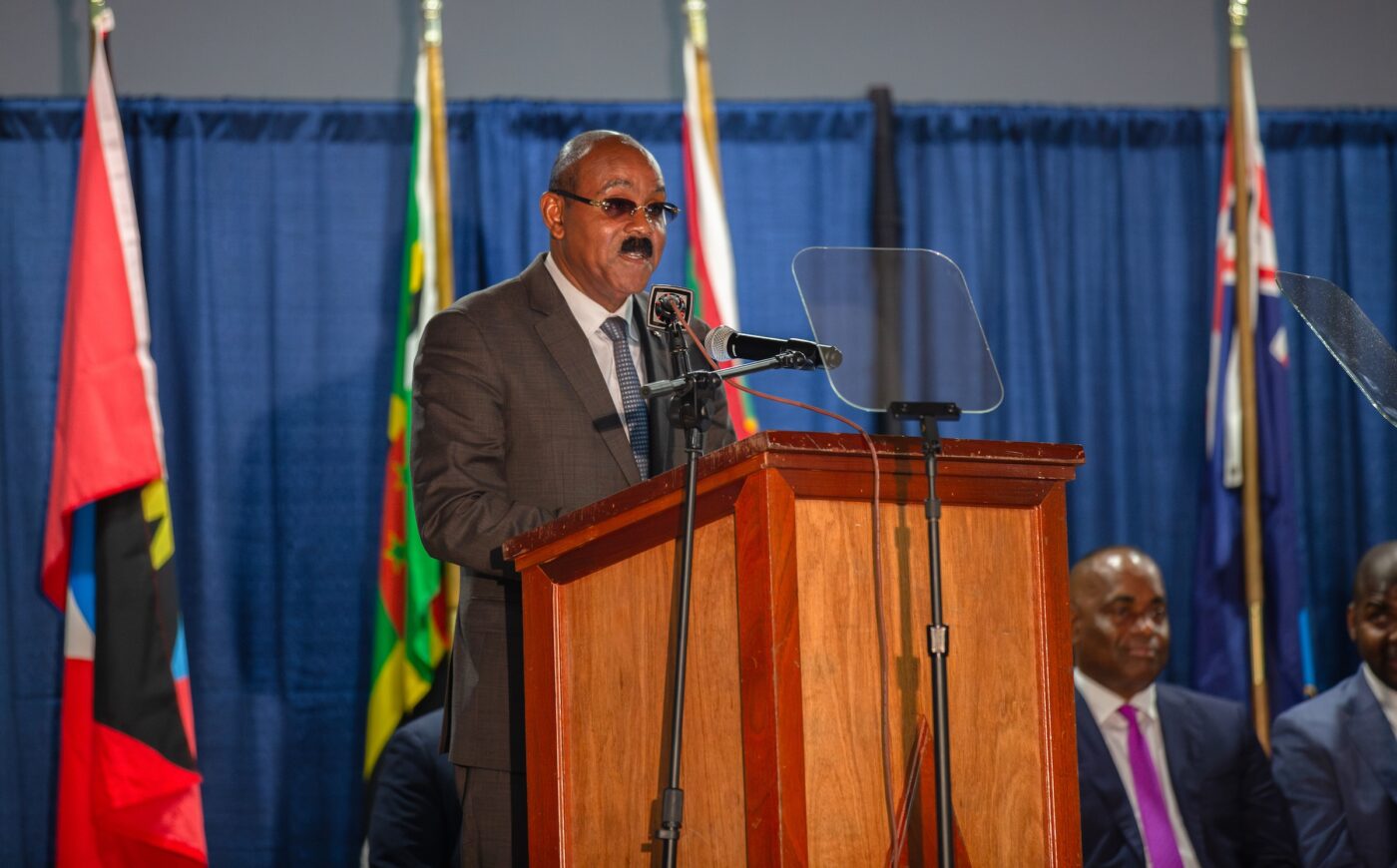
    In his inaugural address as the new chairman of the Organisation of Eastern Caribbean States (OECS) Authority on Sunday, Antigua and Barbuda Prime Minister Gaston Browne delivered a clear, firm warning: current and proposed travel restrictions targeting Caribbean nations risk eroding decades of close economic and interpersonal bonds between the region and the United States. Browne stressed that Caribbean countries are valuable, mutually beneficial partners to the U.S., not security threats that require punitive border measures.

    Browne opened his remarks by acknowledging a fundamental principle of international relations: every sovereign nation holds the inherent right to set its own immigration and border security policies. However, he urged U.S. policymakers to step back and consider the broader, long-term consequences of restrictive travel measures for both Caribbean citizens and the interconnected transatlantic economy. “We acknowledge the sovereign right of all states to determine their border security policies,” Browne stated. “We ask only that such rights be exercised with due regard for a historically close and mutually beneficial relationship.”

    The OECS chairman laid out extensive evidence of the Caribbean’s positive contribution to the U.S. economy, noting that the region drives growth across multiple key sectors including trade, tourism, higher education, and financial services. Caribbean consumers regularly purchase American manufactured and agricultural goods, rely on U.S.-based financial institutions, and invest billions of dollars annually in American higher education by sending students to U.S. colleges and universities. Most notably, Browne pointed out that the United States already maintains a significant trade surplus with Caribbean nations, meaning restrictive travel policies would not just harm Caribbean economies – they would cut into U.S. economic gains as well. “There are huge benefits to the U.S. economy,” Browne explained. “The relationship is not one-sided.” “We are beneficial partners for the American economy, not adversaries to be restricted,” he added.

    Beyond economic ties, Browne highlighted the deep family connections that link Caribbean communities to the large Caribbean diaspora already residing in the United States. For generations, cross-border travel has kept extended families connected, and these people-to-people bonds have formed the foundation of stronger economic, cultural, and social cooperation between the two regions. “Our largest diaspora is in the United States,” Browne said. “We need to ensure that the diaspora here in the Caribbean and certainly our people in the United States can move freely.”

    Browne’s address came as he took over the OECS Authority chairmanship from St. Vincent and the Grenadines Prime Minister Dr. Godwin Friday, and his comments on U.S. travel policy were part of a broader discussion of the unique geopolitical and economic challenges facing small island developing states. Even as he pushed back against restrictive travel measures, Browne reaffirmed the Caribbean region’s ongoing commitment to collaboration with the United States on shared security priorities, including countering transnational drug trafficking and organized crime. “We particularly stand with the U.S. in opposing drug trafficking and organized crime,” Browne said. “That is our mutual interest. We too want to make sure that we have safe and secure societies.”

    In addition to his remarks on Caribbean-U.S. relations, Browne used his inaugural address to call for deeper regional integration across the OECS, stronger coordinated economic cooperation, and a more unified regional approach to tackling global challenges ranging from climate change to economic volatility. He emphasized that Caribbean nations will continue to pursue constructive engagement with all global partners, while remaining steadfast in defending the interests and rights of their citizens.

  • PM Browne Seeks OECS Support for Regional Airline

    PM Browne Seeks OECS Support for Regional Airline

    In a push to strengthen regional connectivity and economic integration across the Eastern Caribbean, Prime Minister Gaston Browne of St. Kitts and Nevis has formally launched an effort to secure coordinated support from member states of the Organization of Eastern Caribbean States (OECS) for the establishment of a shared regional airline.

    Addressing a recent gathering of regional leaders, Browne framed the proposal as a critical solution to longstanding challenges plaguing air travel across the Eastern Caribbean: exorbitant ticket prices, inconsistent flight schedules, and limited connectivity between smaller island nations that have stifled tourism, trade, and cross-border movement of people for decades. Currently, most intra-regional routes are served by international carriers that prioritize larger tourist markets over inter-island travel, leaving many smaller OECS members underserved.

    The prime minister argued that a collectively owned and operated regional airline would leverage the combined market power of OECS member states to drive down operational costs, make air travel more affordable for local residents and visitors alike, and create new economic opportunities across every participating island. He noted that the initiative would also enhance the region’s resilience by reducing dependence on external carriers, which have repeatedly scaled back service to small island markets during global economic downturns and public health crises such as the COVID-19 pandemic.

    Browne has already held preliminary bilateral discussions with several OECS heads of government, and says the initial feedback has been largely constructive. While the proposal remains in the early planning stages, the prime minister has called for a formal working group to be convened in the coming months to conduct feasibility studies, outline governance structures, and explore potential public-private partnership models to launch the venture.

    Regional stakeholders have echoed that a unified regional air service has long been a missing pillar of Eastern Caribbean integration. If successful, the initiative would not only transform intra-regional travel but also position the OECS as a more cohesive player in the global tourism and aviation sectors, delivering shared economic benefits to millions of residents across the bloc.

  • Youth Arise Antigua Opens Membership Registration for 2026

    Youth Arise Antigua Opens Membership Registration for 2026

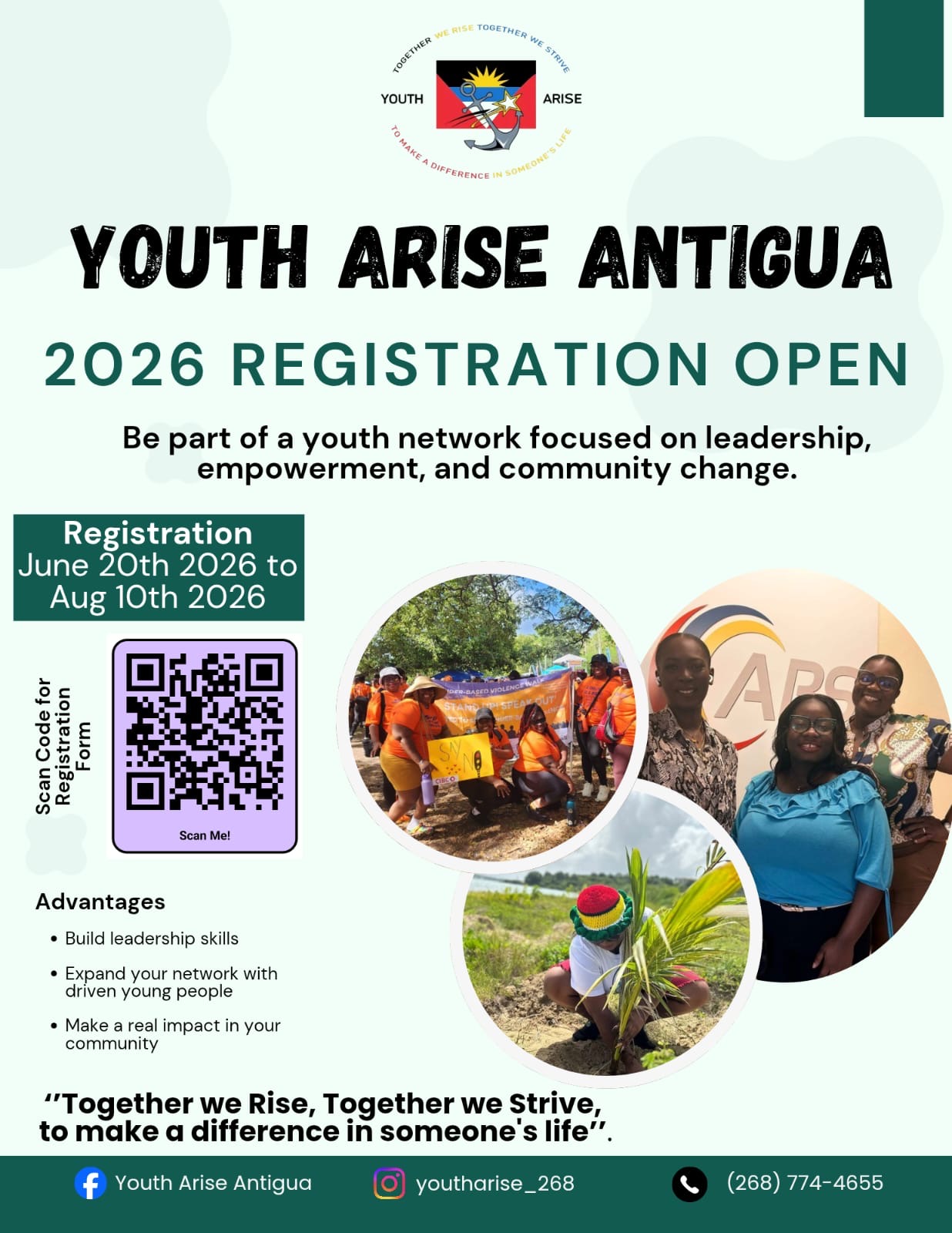
    In St. John’s, Antigua, a local youth-focused non-profit initiative, Youth Arise Antigua, has officially launched its 2026 membership recruitment campaign, opening applications for young people across the island aged 16 to 35. The drive comes as the organization scales up two core pillars of its work: community outreach programming and targeted leadership development training for emerging young voices.

    Online and in-person registration for the new membership cohort opened to the public on June 20, 2026, and will remain available to interested applicants through August 10 of the same year, according to official details released by the organizing team.

    Youth Arise Antigua has outlined clear priorities for this year’s recruitment: the group is specifically seeking driven, proactive young people who hold genuine interest in leadership building, volunteer service, local community engagement, and intentional personal growth. Organizers frame the membership program as more than just a club—it is a structured platform that empowers young people to sharpen actionable leadership competencies, grow their professional and personal networks, and directly contribute to grassroots projects that create tangible, positive change for communities across Antigua.

    “In this recruitment cycle, we are welcoming applications from 16 to 35-year-olds who are eager to contribute their energy, learn new skills, and take meaningful action in their communities,” the organization shared in its official public announcement.

    For accepted members, the benefits extend far beyond a membership card. Participants will gain structured opportunities to connect with like-minded young leaders from across the island, develop hands-on practical skills that translate to both academic and professional settings, and take part in a range of curated activities centered on youth empowerment and increased civic participation. The group noted that these experiences are designed to help young people turn their passion for change into action, building a pipeline of engaged community leaders for Antigua’s future.

    In a call to action shared across local social media channels and youth centers, Youth Arise Antigua encouraged all eligible young people to submit their applications before the deadline, reminding prospective applicants that “every great change begins with individuals who are willing to step forward and take action.”

    This year’s membership campaign is being carried out under the unifying theme: “Together We Rise, Together We Strive, to Make a Difference in Someone’s Life,” a motto that reflects the organization’s core mission of collective growth and community service.

  • PM Browne Hopes Strait of Hormuz Reopens as Antigua Seeks Relief From High Fuel Costs

    PM Browne Hopes Strait of Hormuz Reopens as Antigua Seeks Relief From High Fuel Costs

    As a small island nation heavily dependent on imported fossil fuels to power its transportation networks, electricity grids and entire economy, Antigua and Barbuda is currently facing the strain of sky-high global energy prices. To ease the burden on local households and businesses, Prime Minister Gaston Browne confirmed the government has stepped in with financial support, including backing for the Antigua Public Utilities Authority (APUA) to cap spikes in electricity fuel surcharges, absorbing a share of rising international costs through sustained subsidies. These intervention measures have kept local costs stable for months despite extreme volatility in global oil markets, but long-term relief depends entirely on shifting global conditions.

    Speaking during an interview on the *Brown and Brown Show* this past Saturday, Browne laid out the connection between global energy infrastructure and Antigua and Barbuda’s domestic financial outlook, centered on the strategically vital Strait of Hormuz. The narrow waterway, sandwiched between Iran and Oman, is one of the world’s most consequential maritime chokepoints, handling a large share of daily global oil exports. Any disruption to shipping through the strait sends immediate shockwaves through international energy markets, driving prices upward for net fuel importers like the Caribbean nation.

    Browne shared that he initially felt encouraged by recent reports confirming the strait remained open to traffic, a development that had already pushed global crude prices down significantly from recent peaks. When he addressed the country’s executive leadership the previous evening, he noted prices had fallen to roughly $79 per barrel, down from a recent high of $120, at one point dipping as low as $77 before a modest uptick. This downward trend had raised cautious optimism that the government would soon be able to roll back emergency subsidy measures and pass lower costs directly to consumers, bringing much-needed relief to strained household and public budgets.

    That optimistic outlook was quickly tempered, however, when Browne confirmed he had received new reports that the strait had been closed again to shipping, throwing the recent downward price trend into uncertainty. With the route’s future still in question amid ongoing regional tensions, the prime minister stressed that a swift return to normal operations is critical for Antigua and Barbuda’s economic stability. Browne emphasized that reopening the strait would allow global oil prices to continue their downward trajectory, easing pressure on government finances and delivering immediate, tangible benefits to consumers across the country. Sustained higher prices, by contrast, would drive up operating costs across every sector of the nation’s economy, hitting both businesses and households with new financial strain. Looking ahead, Browne said he remains hopeful that regional tensions will de-escalate quickly, the strait will reopen, and Antigua and Barbuda’s residents will see lower energy costs in the coming months.

  • Antigua and Barbuda reaffirms commitment to United Nations charter at symbolic signing

    Antigua and Barbuda reaffirms commitment to United Nations charter at symbolic signing

    Eight decades after the United Nations Charter was first signed by 50 allied nations in San Francisco at the close of World War II, the foundational treaty continues to shape global cooperation, and small island nations remain vocal in their steadfast support for its guiding principles. Last Thursday, Antigua and Barbuda stood alongside other member states of the Caribbean Community (CARICOM) at United Nations Headquarters in New York for a symbolic ceremony marking this milestone anniversary, reaffirming its unwavering dedication to the values enshrined in the document that forms the bedrock of the modern rules-based international order.

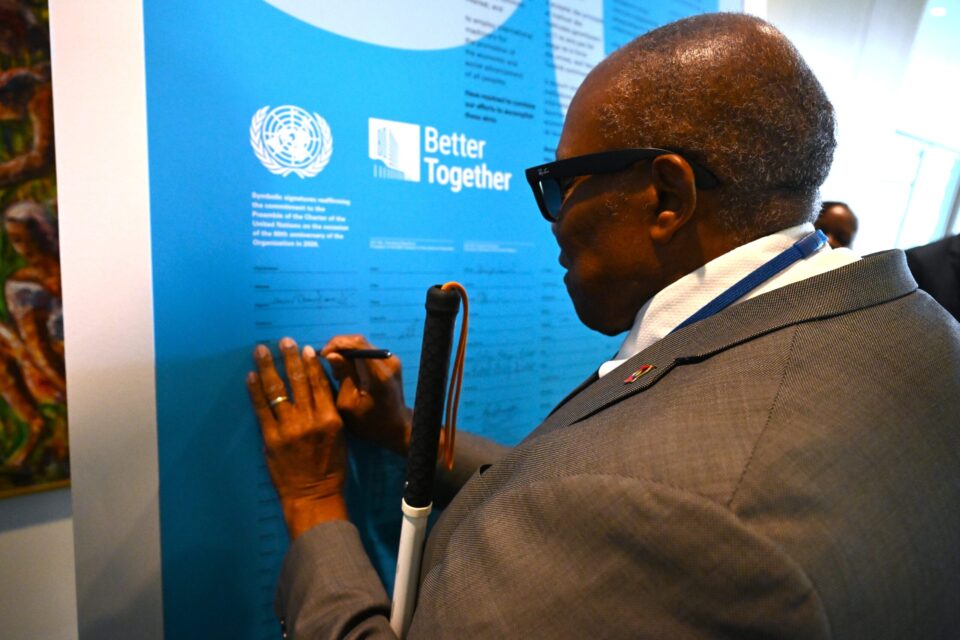
    The event was organized to highlight the enduring importance of the UN Charter in advancing inclusive multilateralism and coordinated collective action — two frameworks widely recognized as essential to tackling interconnected 21st century global challenges, from climate change to public health crises and cross-border security threats. At the ceremony, Antigua and Barbuda was represented by its Permanent Representative to the United Nations, Ambassador Walton Webson, who joined fellow permanent representatives from across the globe in adding his signature to a symbolic replica of the original 1945 charter.

    Historical context underpins the nation’s long-standing alignment with the UN mission: 51 original founding nations finalized and signed the charter in 1945, created in the wake of the devastation of the Second World War as a promise to prevent large-scale future conflict and prioritize collaborative diplomacy over unilateral aggression. Antigua and Barbuda, which gained full sovereignty in 1981, moved swiftly to join the UN and become an official signatory to the charter shortly after independence, embedding the document’s principles into its foreign policy from the earliest days of nationhood.

    “As a committed member of the United Nations, Antigua and Barbuda recognizes that the principles enshrined in the Charter remain as relevant today as they were when the Organization was founded in 1945,” Webson stated following the symbolic signing. Beyond the CARICOM collective ceremony, the 2025 milestone marks the 80th anniversary of both the UN Charter and the founding of the United Nations itself, sparking a series of commemorative and advocacy initiatives across UN offices. The Antigua and Barbuda Permanent Mission in New York has maintained active, full participation in all these related activities, underscoring the nation’s consistent support for multilateral solutions to shared global problems. The symbolic re-signing served not just as a commemoration of history, but as a public demonstration of the Caribbean nation’s ongoing, wholehearted backing for the United Nations and its core mission of maintaining global peace and collective progress.

  • PM Browne Says Attorneys Urging Him to Sue Malaka Parker Over Pedophile Claim

    PM Browne Says Attorneys Urging Him to Sue Malaka Parker Over Pedophile Claim

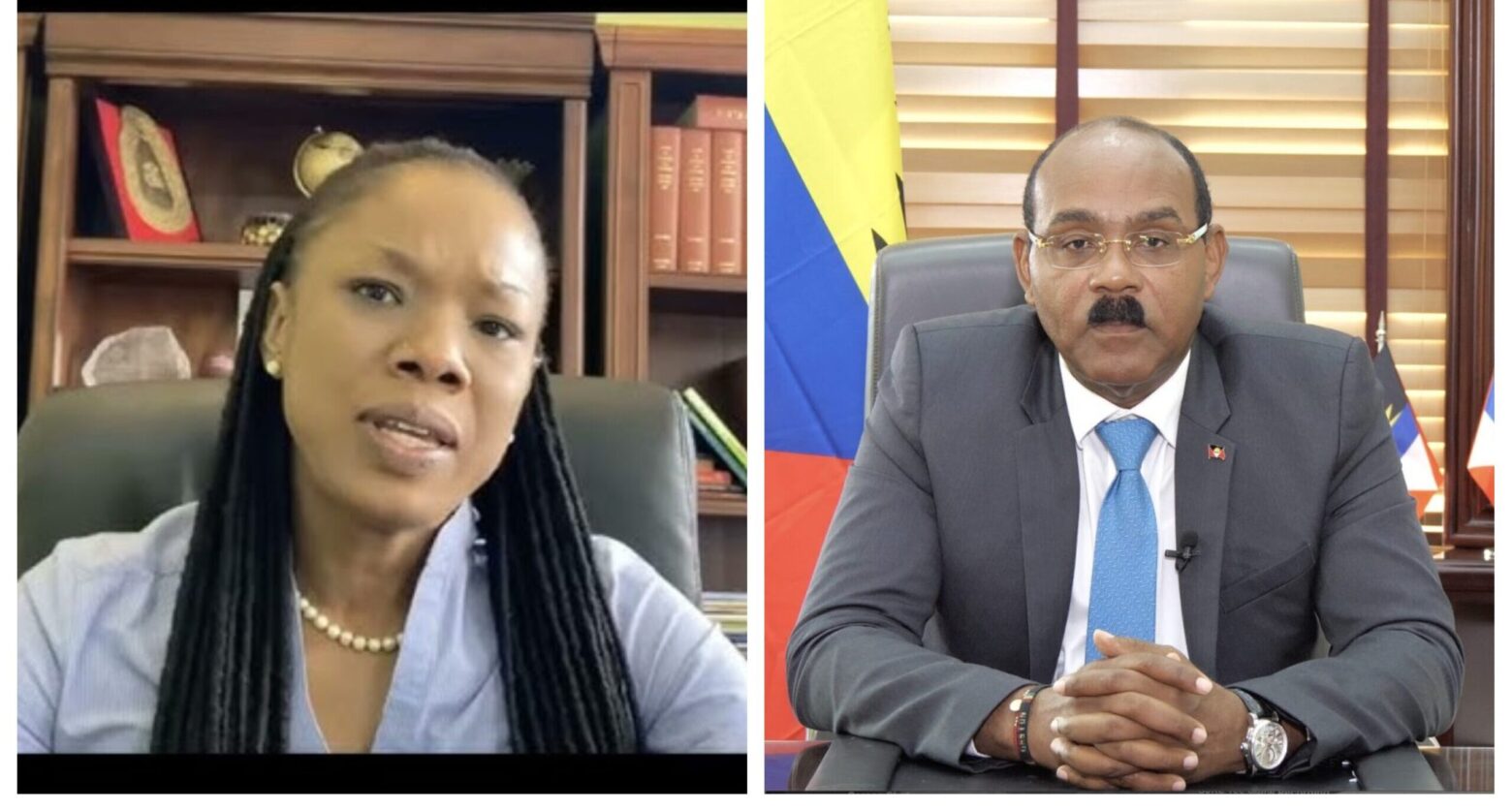
    A growing political conflict between Antigua and Barbuda Prime Minister Gaston Browne and Senator Malaka Parker has taken a sharp legal turn, with Browne confirming that his legal team is pushing him to launch a defamation lawsuit after Parker allegedly labeled him a paedophile during a public verbal exchange.

    Browne made the revelation during an appearance on his own program, the Browne and Browne Show, this past Saturday. He detailed that his legal counsel has formally advised him to preserve all digital and public records of the incendiary comment, and has repeatedly pressed him to move forward with formal legal proceedings.

    “My attorneys have insisted that I sue Malaka. They’ve asked me to screenshot everything and to save everything,” Browne told listeners of the program.

    Though the prime minister has not yet signed off on a final decision to file the suit, he made clear that the allegation crossed a line that separates acceptable political critique from harmful, legally actionable speech. Browne argued that Parker, who holds a professional law degree, should have been fully aware of the serious legal ramifications of making such a false public claim. He described the comment as a deliberate, reckless overstep rather than an unplanned remark amid political tension.

    Browne acknowledged that harsh criticism, mockery, and banter are inherent parts of competitive political life across every nation, and that politicians must accept ridicule as a standard part of public service. But he stressed that public figures engaging in heated debate must maintain a baseline of responsibility to avoid making false, reputation-damaging statements that meet the legal definition of defamation.

    “Not convinced I should. But I mean, I’m under some pressure from my attorneys to sue her because I feel that she ought to have known better and it is deliberate,” Browne said. “You can’t escape ridicule in politics. It is part of the game. It happens in every country. But you have to mature enough to know that when you respond, that you don’t respond with statements that are defamatory.”

    Calling out Parker’s particular professional background, Browne added: “For somebody who did a law degree, she also knows better.”

    The prime minister also referenced a prior legal conflict centered on identical allegations, recalling that he previously brought a defamation suit against another public figure who made the same false claim about him on a public radio broadcast. “The last person who called me a pedophile on radio, I took him to court,” he said.

    During the program, Browne drew a clear distinction between factual political criticism and false, harmful allegations that irreparably damage a person’s personal and professional reputation. He warned that when political tensions push individuals to make reckless, defamatory claims, they open themselves up to serious legal consequences. “When you become so reckless because somebody criticizes you or they roast you to the extent that your statement is defamatory, then you’re getting yourself in trouble,” he said.

    Browne firmly maintained that the allegation Parker made against him is both false and defamatory by any legal standard. His comments on Saturday came during a broader conversation about responsible political discourse, where he urged all politicians, activists, and members of the public to approach heated public exchanges with greater care and accountability.

    This latest public exchange marks a new escalation in a long-running war of words between Browne and Parker, who have clashed repeatedly in public over government policy and broader political issues.

    As of Saturday afternoon, Browne had not issued a final confirmation on whether he will follow his legal team’s recommendation to file the defamation suit. Parker has also not yet issued any public response to Browne’s latest remarks.