标签: Antigua and Barbuda

安提瓜和巴布达

  • Education Minister Calls on Antigua and Barbuda Students to Stand Against Violence

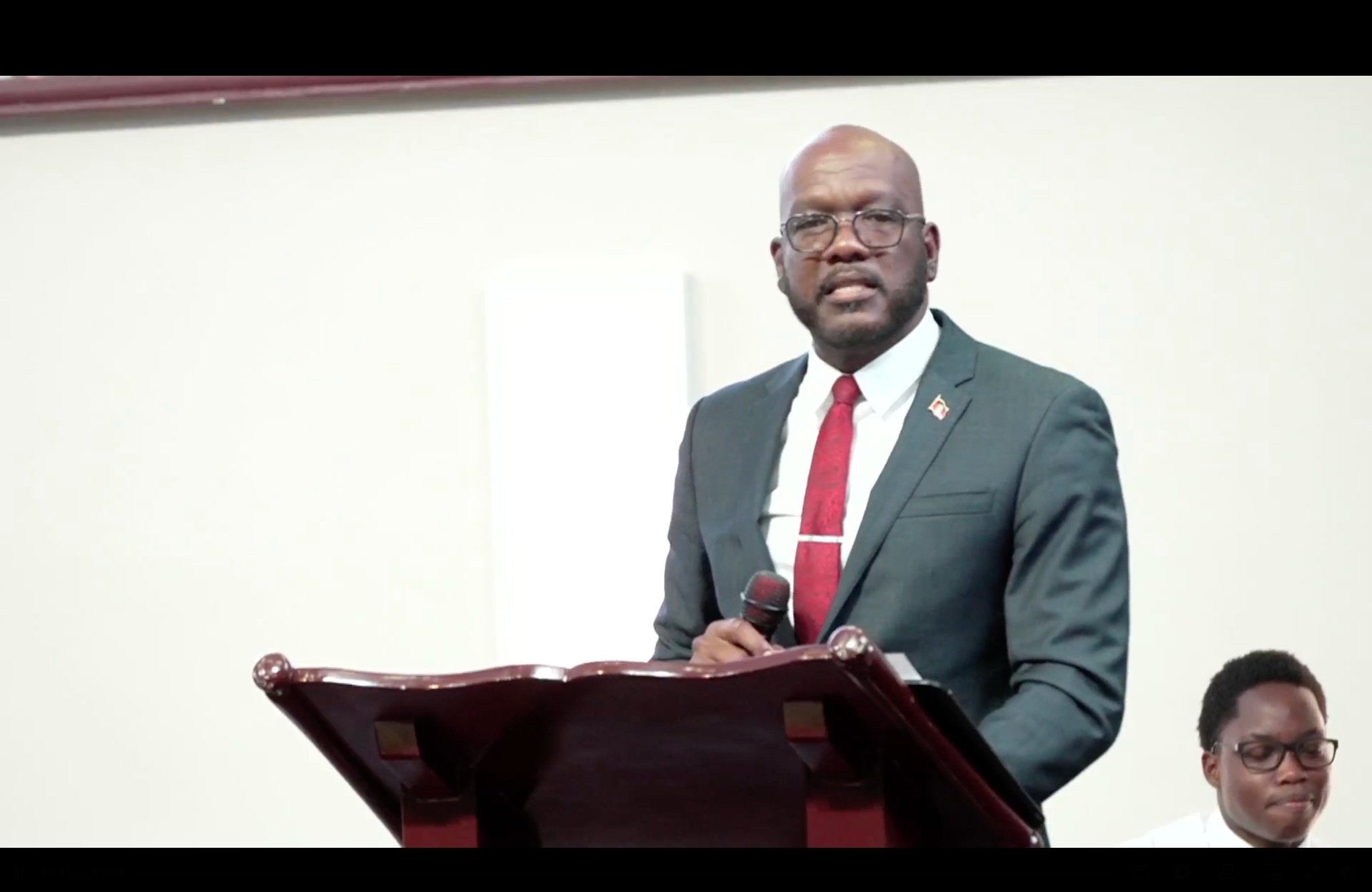
    Education Minister Calls on Antigua and Barbuda Students to Stand Against Violence

    At the annual Thanksgiving Service hosted by Antigua and Barbuda’s Ministry of Education, Education Minister Daryl Matthew has delivered a direct and impassioned appeal to young people across the nation, urging them to stand firmly against violence, foster a culture of mutual respect, and embrace greater personal responsibility for caring for their peers.

    Matthew’s message to the nation’s youth was clear and concise: “Look out for one another. Stand against violence. Choose respect.” This call to action came as the ministry kicked off its 2026-2027 academic year under the overarching theme “Colouring Outside the Lines: Empowering and Transforming Students, Building Safer, Stronger Communities Together.”

    Beyond addressing students directly, the minister emphasized that building safer, more resilient communities is a collective effort that cannot be shouldered by education authorities alone. He stressed that meaningful progress requires active engagement from schools, family households, local churches, government agencies, and every segment of the wider community. The Ministry of Education and individual campuses lack the capacity to create safe learning environments in isolation, he argued, making cross-sector collaboration non-negotiable.

    At the core of Matthew’s address is the fundamental belief that every child has an inherent right to learn in a space where they feel secure on physical, mental, and emotional levels. “Every child in our country deserves to walk through the gates of a school and feel safe,” he stated. The minister expanded on this idea, noting that protecting youth means shielding them from bullying, pervasive fear, and other harmful societal pressures that can derail their development. When students feel safe, he explained, they are far better positioned to focus on learning and reach their full academic potential.

    Matthew also issued a direct challenge to parents across the nation, urging them to move beyond passive involvement and take an active role in their children’s educational journeys. “I invite every parent to be a partner and not a spectator,” he said. Alongside this call for parental engagement, the minister also encouraged local churches and community organizations to partner with schools and offer mentorship opportunities to young people, guiding them through the challenges of growing up in an increasingly complex world.

    Reflecting on what makes strong communities, Matthew argued that their foundation lies in intentional relationships and consistent, everyday investment in the lives of children. This includes teachers paying close attention to students who may be struggling with personal or academic challenges, neighbours checking in on at-risk youth, and parents prioritizing consistent presence in their children’s lives. “Strong communities produce strong children,” Matthew said, “and strong children ultimately become the leaders the country needs.” This closing remark framed the collective effort to build safe learning environments as an investment in Antigua and Barbuda’s long-term future, positioning today’s youth as tomorrow’s decision-makers and community builders.
  • UWI Global Campus Re-Accredited for Six Years Through 2032

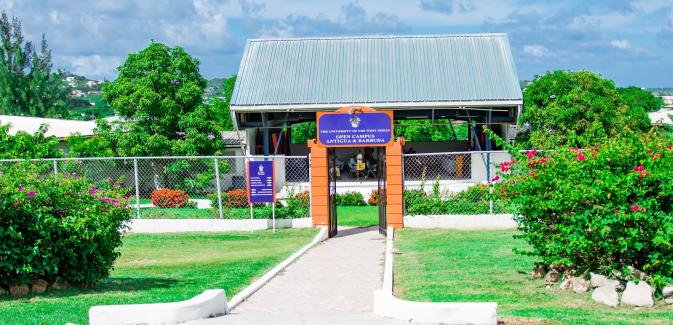
    UWI Global Campus Re-Accredited for Six Years Through 2032

    A major milestone for open and distance learning in the Caribbean has been achieved, as the University of the West Indies (UWI) Global Campus has been granted full institutional re-accreditation for an additional six-year term, extending its validated quality status through mid-2032. Per the official announcement from the campus’s Antigua and Barbuda branch, the new accreditation cycle will officially run from June 18, 2026, to June 17, 2032. This renewal comes as the institution prepared for the expiration of its prior accreditation, prompting a comprehensive re-evaluation process completed earlier this year. In a move that demonstrates its commitment to transparency and quality improvement, UWI voluntarily initiated an independent external peer review to assess its operations. The full review process includes an extensive internal self-evaluation conducted by the campus, followed by an on-site re-accreditation visit scheduled for March 2026. Previously known as the UWI Open Campus, the Global Campus holds its institutional accreditation through the Barbados Accreditation Council, the regional body responsible for upholding tertiary education quality standards across the area. Its first accreditation, awarded in 2019, covered a seven-year term that was set to conclude on June 17, 2026. Unlike program-specific accreditation that focuses on individual degrees, institutional accreditation conducts a holistic review of a tertiary institution’s governance structures, operational systems, and support services to confirm that the institution as a whole has the capacity to deliver programming and student support that meets or exceeds established regional quality benchmarks. For UWI, the re-accreditation process delivers more than just validation: it provides independent external confirmation that the campus’s operational quality aligns with international standards, while also highlighting targeted areas for future growth and enhancement. With physical regional hubs across dozens of Caribbean nations including Antigua and Barbuda, the UWI Global Campus distinguishes itself from traditional on-campus institutions by delivering the vast majority of its tertiary education coursework through flexible online and distance learning pathways, making higher education accessible to non-traditional students across geographically isolated island communities. In its public statement on the re-accreditation outcome, the Antigua and Barbuda campus emphasized that the successful renewal is a powerful reaffirmation of the entire Global Campus system’s unwavering commitment to delivering accessible quality education, upholding rigorous academic excellence, and pursuing continuous incremental improvement across all areas of operation. This recent achievement follows closely on the heels of a similar milestone for another UWI affiliate: the university’s Cave Hill Campus also secured re-accreditation through 2032 from the Barbados Accreditation Council in a recent decision, marking a period of successful quality validation across multiple UWI campuses.

  • Antigua and Barbuda Leads Caribbean Push to Fight Illegal Fishing and Track Seafood

    Antigua and Barbuda Leads Caribbean Push to Fight Illegal Fishing and Track Seafood

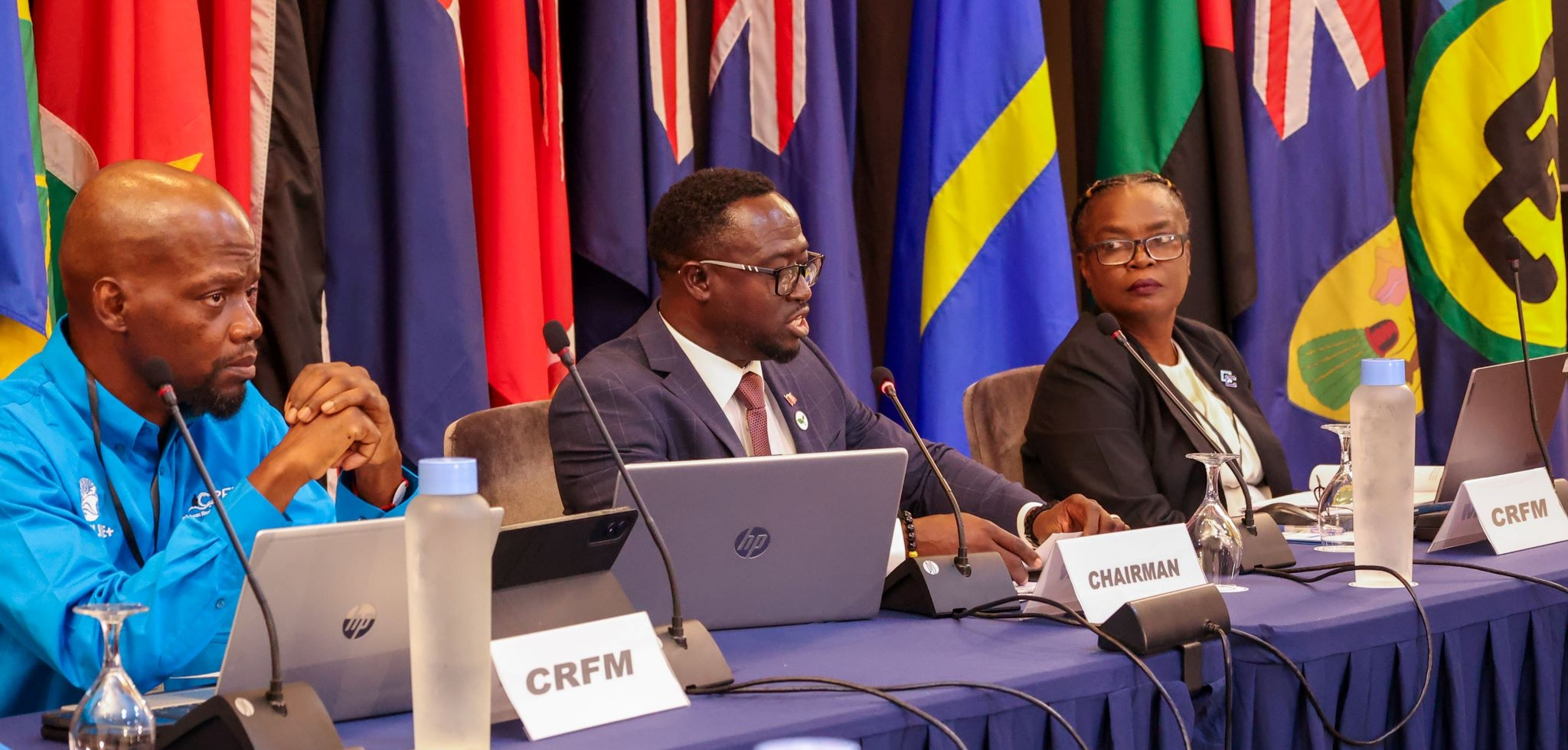
    In a landmark gathering held on September 28, 2026, at Jamaica’s Ocean Coral Spring Resort during the 20th Caribbean Week of Agriculture, the Ministerial Council of the Caribbean Regional Fisheries Mechanism (CRFM) advanced regional ocean governance with a historic package of policy approvals. Chaired by Antigua and Barbuda, the high-level meeting brought together fisheries, aquaculture and blue economy ministers from across the bloc, who backed 12 binding resolutions that set a new sustainable policy trajectory for the region’s critical fishing and aquaculture industry.

    Opening the 17th Special Ministerial Council meeting, CRFM Chair Hon. Randy Baltimore, Minister of State in Antigua and Barbuda’s Ministry of Agriculture, Lands, Fisheries and the Blue Economy, emphasized the tight alignment between the gathering’s work and the 2026 Caribbean Week of Agriculture theme: “The New F.A.C.E. of Caribbean Food Systems,” which centers on four core priorities: food security, agri-business expansion, climate-smart innovation, and export growth. “Fisheries and the blue economy are non-negotiable pillars of every one of these goals,” Baltimore told delegates. “Our sector does more than feed our populations and deliver critical nutrition: it sustains millions of livelihoods, drives regional trade, and anchors economic stability for coastal communities across the Caribbean. Still, we confront persistent, growing threats: climate change degradation, overpressure on shared marine resources, rampant IUU fishing, and volatile global market shifts that put small-scale fishers at particular risk.”

    Before deliberations, the CRFM Secretariat presented updated, comprehensive sector data to assembled policymakers, offering a clear snapshot of the industry’s current scale and trajectory. CRFM Statistics and Information Analyst June Masters shared that across the bloc’s 17 member states, more than 500,000 people now rely on the fisheries and aquaculture sector for employment, including roughly 133,000 active fishers and 5,000 aquaculture workers. Between 2020 and 2025, Masters reported, every member state recorded consistent, steady employment growth across the sector.

    The new data also revealed a striking shift in the industry’s economic value: the total ex-vessel value of catch from the region’s domestic fleet, which encompasses more than 30,000 vessels and reflects the direct payment fishers receive for their catch, nearly doubled over the five-year period, jumping from US$431 million in 2020 to US$856 million in 2025 – a 99% increase. By contrast, total catch volume grew far more modestly, rising just 14% from 141,000 tons to 160,000 tons over the same window, a trend officials attribute largely to rising global seafood market prices rather than increased extraction.

    Against this backdrop of growing employment and economic value paired with persistent systemic challenges, ministers debated long-term strategic direction for the sector, as well as the capacity needs of both the CRFM Secretariat and individual member states to advance sustainable growth. The Council reviewed findings from a recently completed capacity and training needs assessment, carried out by CRFM in partnership with the GRÓ Fisheries Training Programme under UNESCO auspices. Delegates committed to fast-tracking targeted interventions to close identified capacity gaps across the region.

    The meeting’s defining milestone came with the unanimous approval of three new binding protocols to the Caribbean Community Common Fisheries Policy (CCCFP): the Protocol on Marine Spatial Planning, the Protocol on Aquatic Foods Traceability, and the Protocol on Combating Illegal, Unreported and Unregulated (IUU) Fishing.

    CRFM Executive Director Dr. Marc Williams framed the approvals as a transformative step forward for regional marine stewardship. “Adopting these three new protocols marks a turning point for strengthening governance, boosting long-term sustainability, and building economic resilience for Caribbean fisheries and marine resources,” Williams said. “Together, these frameworks give our member states cohesive, robust regional tools to manage conflicting demands on ocean space, build transparency and consumer confidence in Caribbean seafood, and shield our shared fish stocks from illegal exploitation.”

    Williams added that the new regulations deliver tangible benefits to frontline communities: they protect the livelihoods of law-abiding small-scale and commercial fishers, improve access to premium regional and global export markets, strengthen regional food and nutrition security, and ensure the economic benefits of marine resources are shared fairly and sustainably across current and future generations.

    In closing the special meeting, Chair Baltimore emphasized the power of regional collaboration to address shared challenges. “Our nations confront a host of common threats, but every member brings unique, valuable experience and innovative solutions to this partnership,” he said. “I urge all of us to continue learning from one another, share successful strategies, and follow through fully on the commitments we have made here. That is the only way we will build a stronger fisheries sector and an inclusive blue economy that delivers lasting, equitable benefits to our fisherfolk and coastal communities.”

    Looking ahead, CRFM Ministerial Council representatives will participate in the 127th Special Meeting of the Council for Trade and Economic Development (COTED) – Agriculture, scheduled for this Friday, which will mark the official conclusion of the 20th Caribbean Week of Agriculture in Jamaica.

  • Joy-Marie King Calls For Greater Focus On SIDS Resilience At UN Consultation

    Joy-Marie King Calls For Greater Focus On SIDS Resilience At UN Consultation

    As global stakeholders work toward advancing collective sustainable development goals, a senior official from Antigua and Barbuda has issued a urgent call to reframe global development planning around resilience, centering the unique structural vulnerabilities that small island developing states (SIDS) navigate daily.

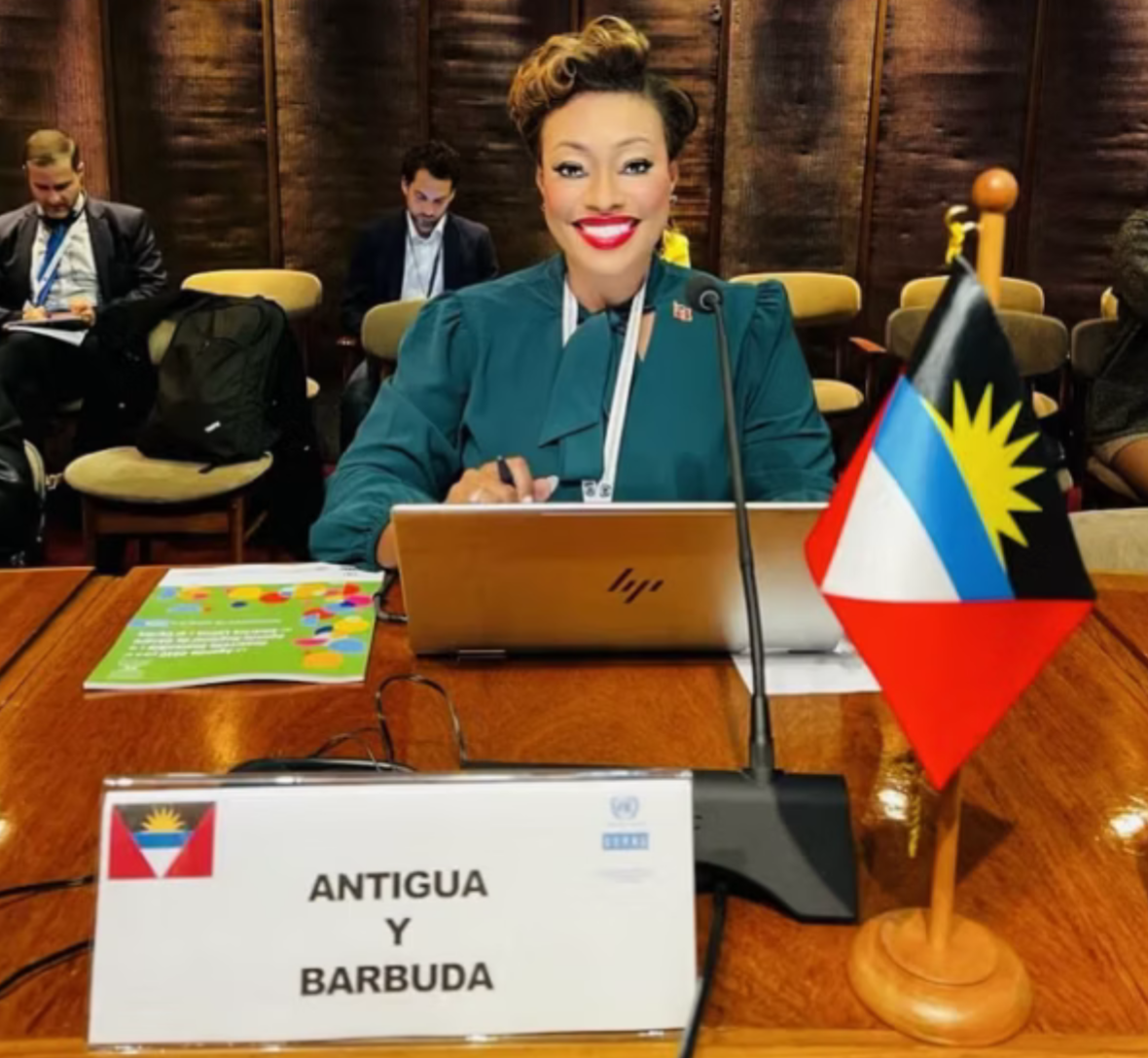
    Joy-Marie King, Antigua and Barbuda’s Director of International Trade and national focal point for the United Nations Sustainable Development Goals (SDGs), delivered this appeal during a high-level regional consultation held in Quito, Ecuador, between September 29 and October 1. The gathering, which brought together a diverse cross-section of development stakeholders, was convened to collect regional insights and on-the-ground evidence to inform the upcoming UN Global Sustainable Development Report 2027.

    King emphasized that SIDS must leverage empirical evidence to design targeted, context-appropriate policies, unlock adequate financing tailored to their needs, and accelerate progress on internationally agreed development commitments. She further called for greater strategic alignment between the global 2030 SDGs, the Antigua and Barbuda Agenda for SIDS, and individual national development frameworks.

    This coordinated approach, King explained, would allow small island nations to maximize the impact of their limited resource pools, while building stronger systemic resilience across critical sectors of their economies. Unlike larger economies, SIDS face disproportionate risks from climate change, economic volatility, and external shocks, making resilience not a secondary priority but a foundational requirement for long-term sustainable development.

    The Quito consultation drew participation from a wide range of groups, including national government delegations, United Nations agencies, regional intergovernmental organizations, academic researchers, civil society coalitions, youth delegates, and national SDG coordination focal points. Over the course of the three-day meeting, attendees delved into core themes critical to advancing sustainable development across Latin America and the Caribbean: sustainable financing mechanisms, governance reform, integration of science and technology, innovation scaling, institutional capacity building, and strategies to replicate successful development initiatives across borders.

    Discussions also extended to cross-cutting issues that shape equitable development progress: accessible education, closing persistent inequality gaps, strengthening accountability for development commitments, and navigating difficult policy trade-offs that many nations face as they work toward the 2030 SDG targets and long-term development beyond that deadline.

    For this regional process, Antigua and Barbuda’s participation filled a critical gap by bringing a frontline SIDS perspective to conversations about bridging the divides between science, policy, and civil society. By centering the specific needs of small island states, the consultation’s outcomes will help ensure the 2027 global report reflects the realities of the nations most vulnerable to systemic shocks, and most in need of resilience-centered development strategies.

  • Pastor Ivor Davis Says Prayer Must Be Backed by Action to Tackle Crime in Antigua and Barbuda

    Pastor Ivor Davis Says Prayer Must Be Backed by Action to Tackle Crime in Antigua and Barbuda

    At the weekly Cabinet meeting held this Wednesday, Pastor Ivor Davis opened proceedings with a spiritual meditation that blended religious guidance with a urgent call to address pressing national challenges facing the twin-island nation of Antigua and Barbuda.

    Drawing his core message from the New Testament book of Hebrews Chapter 4, Davis framed the work of governing around the importance of intentional listening amid a chaotic, noisy modern world. He reminded assembled Cabinet members that countless competing ideological, cultural and political voices constantly vie for the attention of leaders, making it critical to remain rooted in divine truth. The power of scripture, he explained, cuts through superficial divides to reveal hidden truth, correct missteps, and orient leaders toward just decision-making. Echoing the biblical text, he noted that believers have access to a higher source of understanding that grasps the full weight of human vulnerability and daily struggles, granting leaders permission to approach that source boldly to receive mercy, wisdom and timely support during crises.

    Turning from general spiritual guidance to the specific challenges confronting Antigua and Barbuda, Davis zeroed in on one of the nation’s most troubling crises: the growing involvement of young people in gun violence and other severe criminal activity. He acknowledged the deep concern that Prime Minister Gaston Browne has already voiced over the trend of teenagers and young adults being drawn into illegal activity, and reflected on the complex, unanswered questions about the systemic and social factors pushing youth toward harm.

    A key takeaway from Davis’ address was his rejection of the false divide between prayer and practical action. While he emphasized the critical role of faith and intercession in guiding national leadership, he stressed that prayer alone is not enough to resolve the nation’s challenges. “There are moments when God calls His people not only to pray but also to act decisively in confronting the problems before them,” he told the Cabinet. He further noted that bold governance will never satisfy every segment of the population, but expressed confidence that with wise counsel and divine guidance, leaders can craft policies that prioritize the long-term well-being of all Antigua and Barbuda residents.

    In his closing prayer, Davis asked for divine wisdom to guide every deliberation and decision the body would make in the coming term. Citing the biblical promise that God freely grants wisdom to all who ask, he prayed that the Prime Minister and every Cabinet member would align their decisions with what he described as God’s purpose for the nation. He offered a special, extended prayer for the nation as it grapples with ongoing crime and violence, calling not only for divine intervention but also a collective shift in how society engages vulnerable youth. Davis urged parents, adult community members, churches and local leaders to carve out intentional time to listen to the unmet needs of young people and struggling families, noting that many cries for help go unheard simply because society is too busy to pause and pay attention.

    As the country approaches the final quarter of 2026, Davis extended prayers for grace, collective healing and divine presence across every home, church and community in Antigua and Barbuda. He prayed for recovery for people living with illness, safety for travelers, and renewed strength for public servants across all sectors who dedicate their work to the nation. He closed with a special blessing for Prime Minister Gaston Browne, asking for a double portion of guidance, courage and strength to support the Prime Minister as he carries out his duties leading the nation.

  • Cabinet Welcomes All-Girls STEM Team Ahead of FIRST Global Competition in South Korea

    Cabinet Welcomes All-Girls STEM Team Ahead of FIRST Global Competition in South Korea

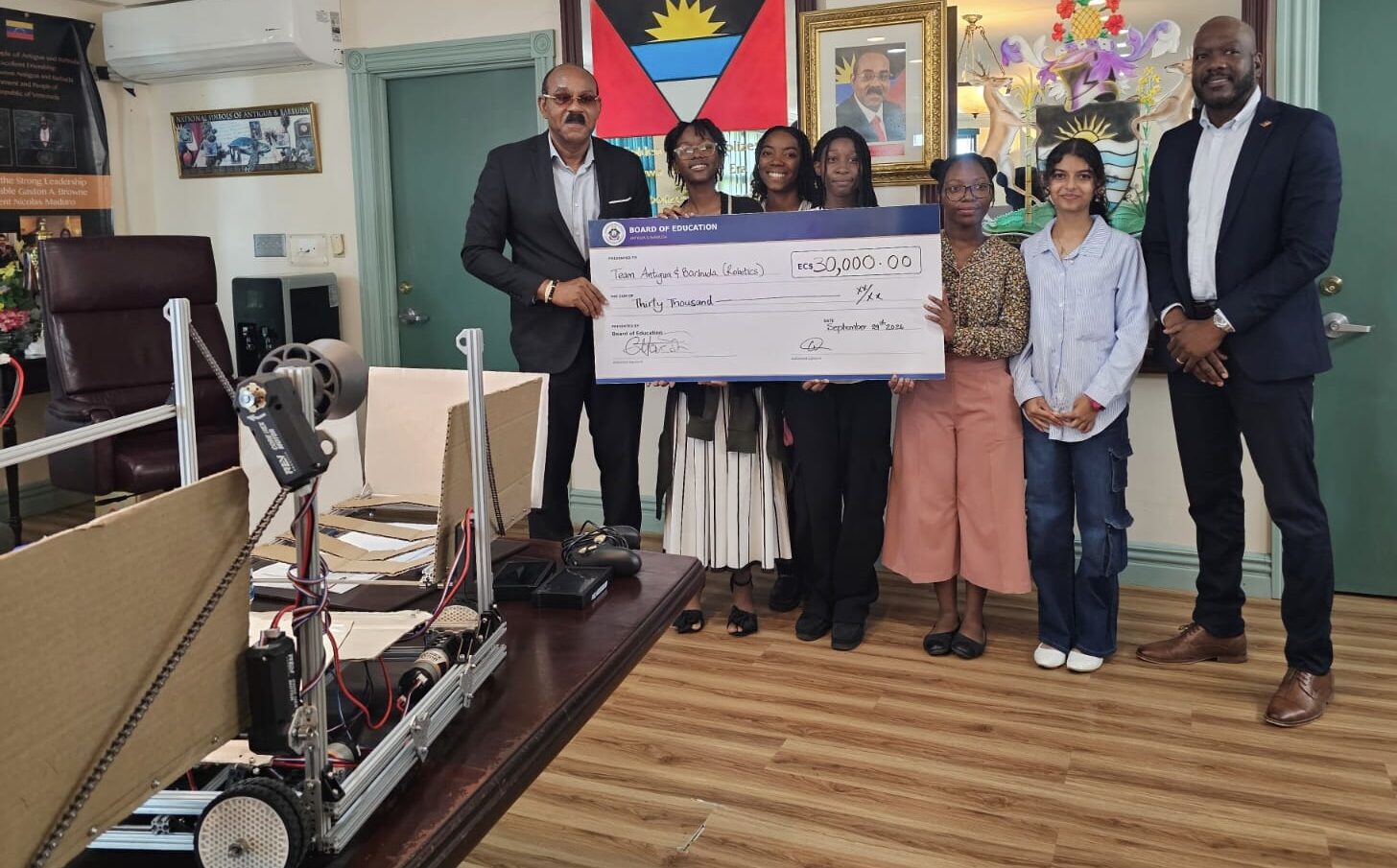
    In a landmark moment for youth STEM engagement and gender diversity in technical fields, the Cabinet of Antigua and Barbuda officially hosted an all-girl team of young scientists and innovators this Wednesday, ahead of their upcoming participation in the FIRST Global STEM competition set to take place in South Korea.

    Drawn from multiple secondary schools across the twin-island nation, the 14 to 16-year-old team members earned their spot on the national delegation through a government-funded annual STEM outreach initiative designed to cultivate creative problem-solving and early interest in science, technology, engineering and mathematics among secondary students. This year’s delegation carries particular significance: it is the country’s first all-female national team for the competition, marking a notable shift in participation trends in fields that have long been male-dominated globally.

    During their visit to the Cabinet, the young innovators did not only introduce themselves to government officials and outline their distinct roles on the team — covering everything from mechanical engineering and software coding to robot operation — they also gave a full live demonstration of their custom-built competition robot, which the team has affectionately named “Hot Spill”.

    Per the rules of the FIRST Global competition, all participating teams must build their robots from standard kit parts, and must complete a series of structured challenge tasks. For the core collection task, the Antigua and Barbuda team engineered a unique expandable collection mechanism that allows Hot Spill to gather more game pieces than a standard design, paired with an integrated lifting system that can deposit multiple pieces into the required target container at once, rather than one at a time. The robot is also being refined to complete the competition’s climbing challenge, with bonus points awarded for helping other competing robots complete the climb. Team members told Cabinet that ongoing testing and iterative modifications are still underway to optimize the robot’s performance ahead of the competition.

    The national team was selected through the country’s annual government-supported STEM Camp, a free outreach program that opens access to STEM training for young people across Antigua and Barbuda. This year, 300 students took part in the camp, working in collaborative teams and competing in a series of skill assessments before the top performers were chosen to form the national delegation. The Antigua and Barbuda Board of Education has allocated roughly EC$30,000 to cover the team’s travel and competition costs, backing their participation on the global stage.

    Cabinet members highlighted that this youth STEM initiative aligns with the government’s broader education strategy: to nurture a new generation of creative thinkers, problem-solvers and innovators equipped to tackle 21st-century challenges with science and technology. Government officials also emphasized that expanding access to STEM, innovation and financial literacy training creates critical pathways for young people to access higher education, launch their own entrepreneurial ventures, and secure high-skill future employment.

    Prime Minister Gaston Browne joined all members of the Cabinet in congratulating the team on their achievement so far, praising the young women for their creativity, technical skill and confidence, and extending warm wishes for success as they prepare to represent Antigua and Barbuda at the international competition.

  • Hopeful Hearts Foundation and Antigua and Barbuda Scout Association Join Forces to Support Sickle Cell Unit

    Hopeful Hearts Foundation and Antigua and Barbuda Scout Association Join Forces to Support Sickle Cell Unit

    A new collaborative community service initiative in Antigua and Barbuda is paving the way for greater support for vulnerable residents living with sickle cell disease, as two local organizations have joined forces to deliver critical essential supplies to the country’s Sickle Cell Unit.

    The partnership between the Hopeful Hearts Foundation and the Antigua and Barbuda Scout Association brought young volunteers and organizational leadership together for a common goal: boosting the unit’s capacity to deliver high-quality care and improving the daily well-being of patients who depend on its services. Beyond the tangible donation of core care items, the event also centered on elevating youth engagement in addressing gaps in local community support.

    Kristina Louisa, who serves as both Founder and CEO of the Hopeful Hearts Foundation and Country Leader for Good Deeds Day Antigua and Barbuda, emphasized that cross-organizational teamwork and youth participation are foundational to meeting the unique needs of vulnerable community groups. This event is far more than a one-off donation: it embodies both organizations’ shared long-term mission to nurture a widespread culture of empathy, active volunteerism, and social accountability among the nation’s younger generations.

    To mark the milestone of this collaboration, a special commemorative badge was presented to the Sickle Cell Unit during the event. This symbolic piece serves as a lasting reminder of what collective action can achieve, highlighting how individual commitment and coordinated organizational work can drive tangible, meaningful change for local communities.

    As Antigua and Barbuda gears up for the official launch of Good Deeds Day scheduled for October 9, 2026, this successful partnership stands as a powerful model for other groups across the country. It showcases how uniting around shared values of service can create impact that extends far beyond a single initiative.

    Moving forward, the Hopeful Hearts Foundation remains committed to its core mission: empowering young people to take action, lifting up vulnerable populations across the nation, and nurturing a lasting spirit of community service throughout Antigua and Barbuda through ongoing cross-sector partnerships and community-led projects.

  • Antigua and Barbuda Launches Facial Recognition System for Citizens Arriving at Airports

    Antigua and Barbuda Launches Facial Recognition System for Citizens Arriving at Airports

    Antigua and Barbuda is advancing its immigration infrastructure with the launch of an innovative biometric processing system, Welcome Home Antigua, which is set to transform the airport arrival experience for the nation’s returning citizens by cutting wait times and simplifying entry procedures.

    The new system received a soft launch this Thursday and will be rolled out across the country’s two major international air hubs: Antigua’s V.C. Bird International Airport and Burton-Nibbs International Airport on the island of Barbuda. A core change brought by this initiative is the elimination of a longstanding paperwork requirement: citizens will no longer need to fill out physical or digital Embarkation/Disembarkation forms when re-entering the country.

    To use the new service, eligible travelers are required to download the Welcome Home Antigua mobile application, compatible with both Apple iOS and Google Android devices, and complete a one-time enrollment process. Once registered, the system leverages cutting-edge facial recognition biometric technology to scan and verify a passenger’s identity on arrival, slashing the time spent clearing immigration checks.

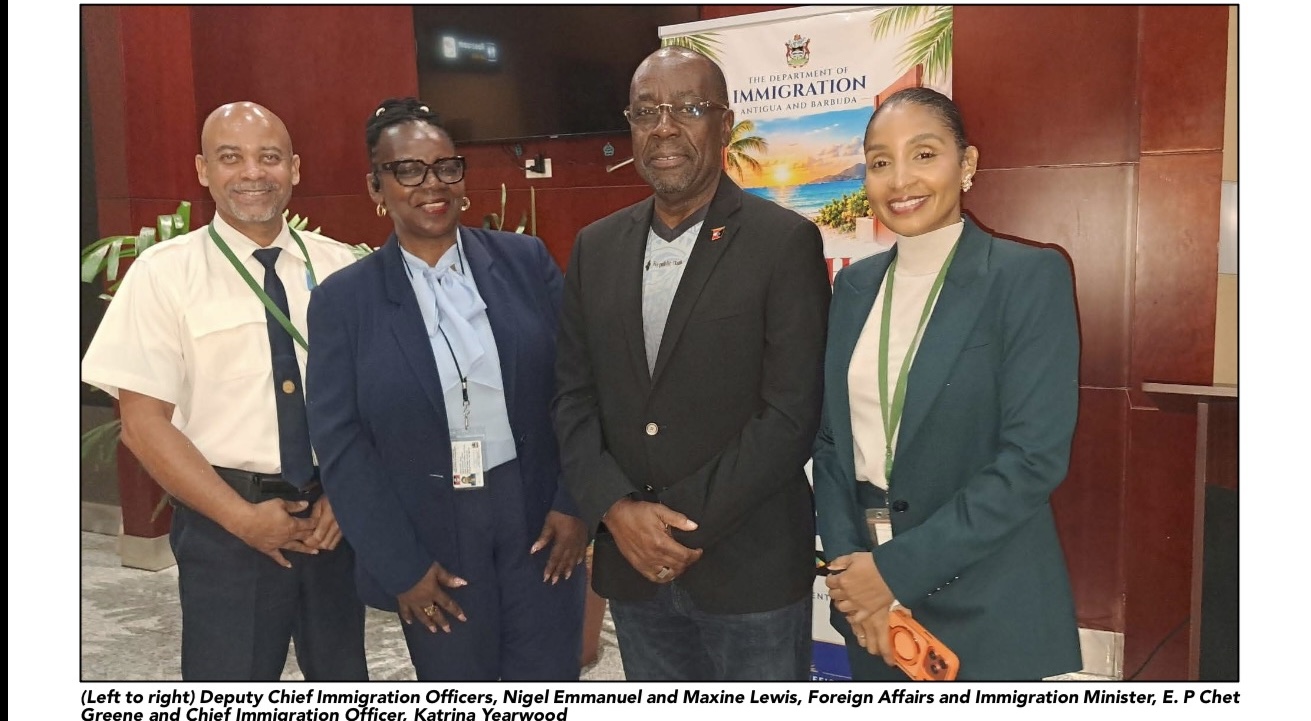
    Katrina Yearwood, Chief Immigration Officer of Antigua and Barbuda, noted that this digital upgrade positions the country as one of the Caribbean region’s leaders in adopting advanced biometric solutions for border management. To mark the launch, two senior cabinet members — E.P. Chet Greene, Minister of Foreign Affairs, Trade and Immigration, and Charles Fernandez, Minister of Tourism and Civil Aviation — became among the first users of the system after returning to the country from official overseas trips.

    Minister Greene framed the introduction of Welcome Home Antigua as a key milestone in the nation’s ongoing push to modernize its public services and border infrastructure. For his part, Minister Fernandez emphasized that while digital innovation will streamline processes, technology is intended to support — not replace — the high-quality, personalized service that immigration and airport staff provide to visitors and returning residents alike.

    Following the soft launch period, the Welcome Home Antigua biometric system is scheduled to enter into full operational effect across both airports starting October 15.

  • Health Ministry Staff Undergo Fire Safety Training in Antigua and Barbuda

    Health Ministry Staff Undergo Fire Safety Training in Antigua and Barbuda

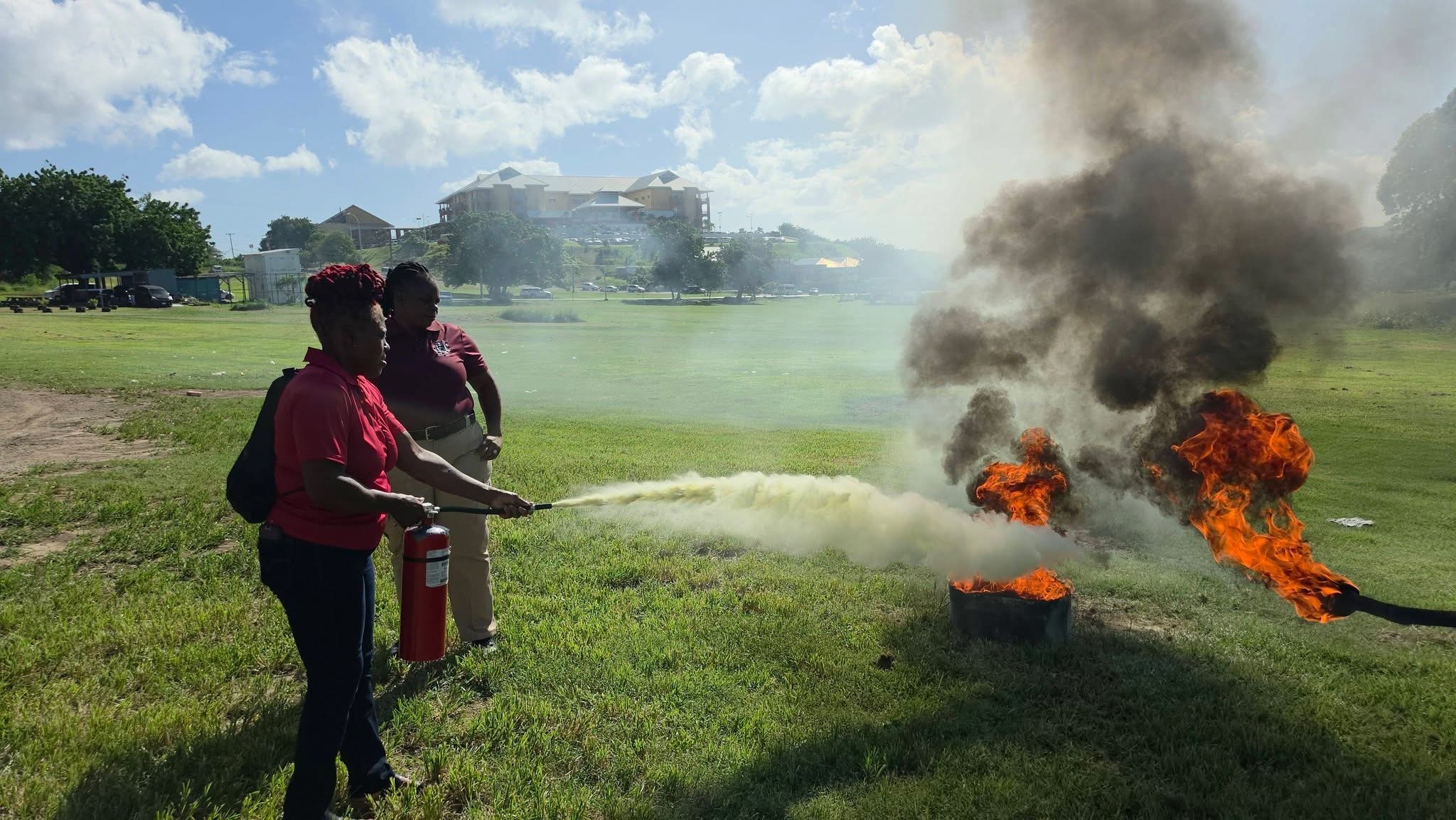
    On September 30, hundreds of administrative and clinical staff across Antigua and Barbuda’s national health system gathered at the Environment Division Conference Room for a comprehensive fire safety training and practical drill, organized to strengthen emergency response capacity across public health workplaces. The initiative brought together employees from three key health bodies: the national Ministry of Health, the Central Board of Health (CBH), and the national Medical Division, with frontline teams including CBH Vector Control Unit staff, nurses’ aides, and support personnel counted among the participants.

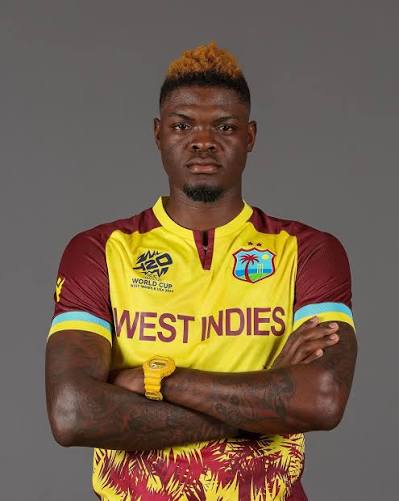
  • Alzarri Joseph Lands US$230,000 Deal With Gulf Giants in ILT20 Auction

    Alzarri Joseph Lands US$230,000 Deal With Gulf Giants in ILT20 Auction

    The DP World International League T20 (ILT20) Season 5 player auction, held in Dubai on Thursday, delivered a career milestone for Antigua and Barbuda fast bowler Alzarri Joseph, who secured a lucrative $230,000 contract with the Gulf Giants. As one of the most sought-after international quicks in the pool of 200+ players from 23 nations, Joseph’s price tag cemented his status as one of the highest-valued signings at this year’s event. The 29-year-old paceman, a core component of the West Indies international attack across all three cricket formats, brings extensive franchise cricket experience to the Gulf Giants’ already star-studded roster. The franchise targeted multiple top international talents throughout the auction, led by England all-rounder Liam Livingstone, who became their biggest acquisition with a $350,000 bid. Afghanistan wicketkeeper-batter Rahmanullah Gurbaz also rejoined the club via the Right to Match mechanism for $310,000. The Gulf Giants added a second West Indian pace talent, Shamar Joseph, for $80,000, followed by Namibia all-rounder David Wiese at $70,000, Afghanistan batter Ibrahim Zadran at $65,000, and West Indies batter Alick Athanaze, the final Caribbean addition, who joined for just $10,000. Across the entire auction, Afghanistan fast bowler Fazalhaq Farooqi claimed the highest bid of the day, with MI Emirates securing him for a tournament record $380,000. Other top-valued signings included Faf du Plessis, the former South Africa captain, who went for $300,000. When combining spending on retained players, pre-auction direct signings and Thursday’s auction purchases, the Gulf Giants have invested a total of $1.972 million to build their Season 5 squad. The roster already boasts a host of global cricket stars, including South African batting standouts David Miller and Heinrich Klaasen, Zimbabwe pace bowler Blessing Muzarabani, and Afghanistan all-rounder Azmatullah Omarzai. Joseph’s signing brings renewed representation for Antigua and Barbuda in one of the world’s fastest-growing elite T20 franchise competitions. When ILT20 Season 5 kicks off, the paceman will share the field with many of the biggest names in the short format of the sport, adding another high-profile chapter to his already impressive cricket career.