As a small island nation heavily dependent on imported fossil fuels to power its transportation networks, electricity grids and entire economy, Antigua and Barbuda is currently facing the strain of sky-high global energy prices. To ease the burden on local households and businesses, Prime Minister Gaston Browne confirmed the government has stepped in with financial support, including backing for the Antigua Public Utilities Authority (APUA) to cap spikes in electricity fuel surcharges, absorbing a share of rising international costs through sustained subsidies. These intervention measures have kept local costs stable for months despite extreme volatility in global oil markets, but long-term relief depends entirely on shifting global conditions.
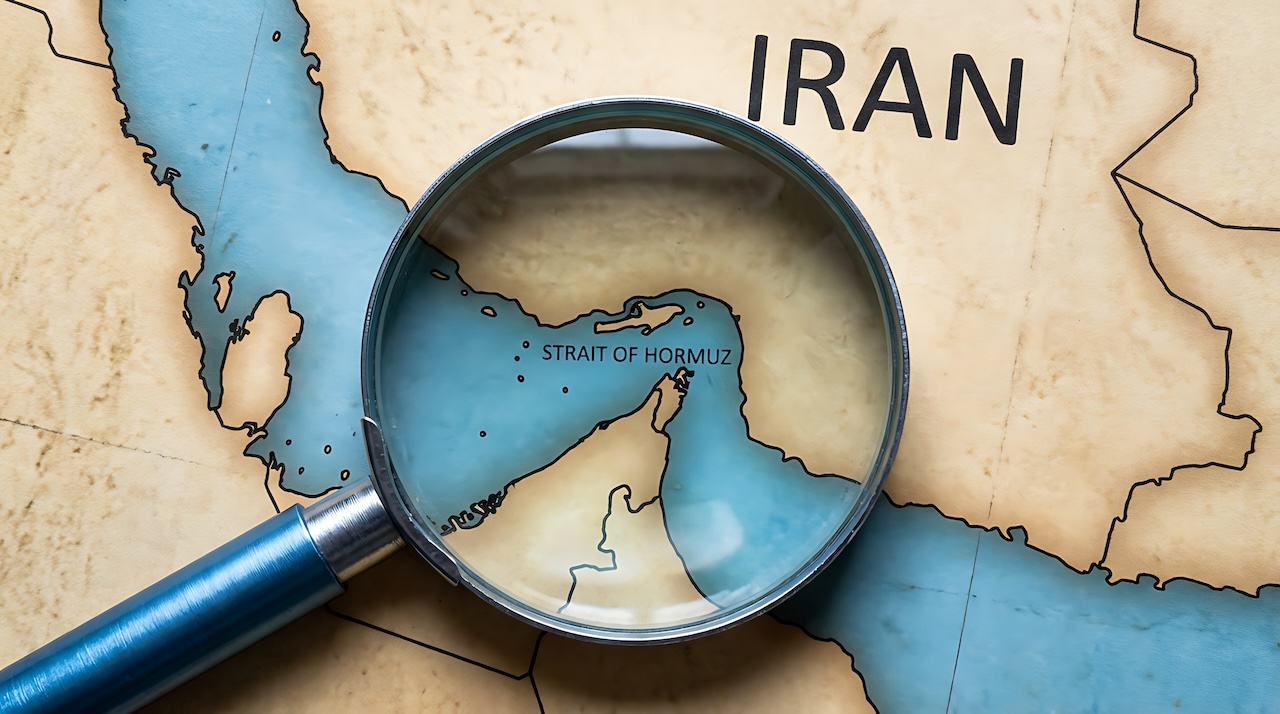
Speaking during an interview on the *Brown and Brown Show* this past Saturday, Browne laid out the connection between global energy infrastructure and Antigua and Barbuda’s domestic financial outlook, centered on the strategically vital Strait of Hormuz. The narrow waterway, sandwiched between Iran and Oman, is one of the world’s most consequential maritime chokepoints, handling a large share of daily global oil exports. Any disruption to shipping through the strait sends immediate shockwaves through international energy markets, driving prices upward for net fuel importers like the Caribbean nation.
Browne shared that he initially felt encouraged by recent reports confirming the strait remained open to traffic, a development that had already pushed global crude prices down significantly from recent peaks. When he addressed the country’s executive leadership the previous evening, he noted prices had fallen to roughly $79 per barrel, down from a recent high of $120, at one point dipping as low as $77 before a modest uptick. This downward trend had raised cautious optimism that the government would soon be able to roll back emergency subsidy measures and pass lower costs directly to consumers, bringing much-needed relief to strained household and public budgets.
That optimistic outlook was quickly tempered, however, when Browne confirmed he had received new reports that the strait had been closed again to shipping, throwing the recent downward price trend into uncertainty. With the route’s future still in question amid ongoing regional tensions, the prime minister stressed that a swift return to normal operations is critical for Antigua and Barbuda’s economic stability. Browne emphasized that reopening the strait would allow global oil prices to continue their downward trajectory, easing pressure on government finances and delivering immediate, tangible benefits to consumers across the country. Sustained higher prices, by contrast, would drive up operating costs across every sector of the nation’s economy, hitting both businesses and households with new financial strain. Looking ahead, Browne said he remains hopeful that regional tensions will de-escalate quickly, the strait will reopen, and Antigua and Barbuda’s residents will see lower energy costs in the coming months.