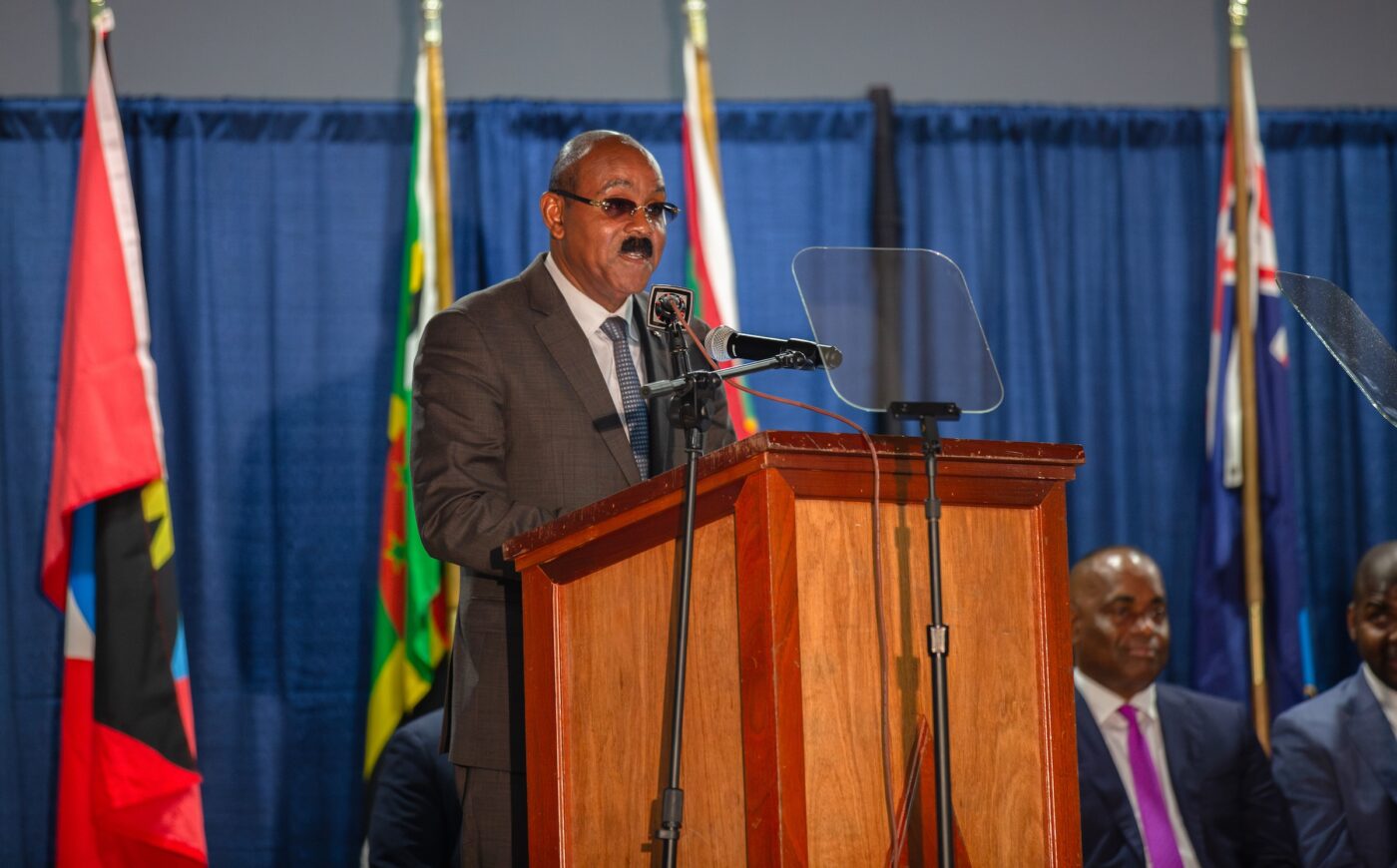
Against a backdrop of growing regional economic integration efforts, Antigua and Barbuda Prime Minister Gaston Browne has publicly outlined a bold vision for a strategic collaborative partnership between the Organization of Eastern Caribbean States (OECS) and the Republic of Panama. Browne, who is currently spearheading discussions on expanding regional trade connectivity, argues that this alliance would address long-standing cost burdens that have held back Eastern Caribbean businesses while opening untapped commercial channels for the bloc’s member nations.
The core of Browne’s proposal centers on leveraging Panama’s established position as a global maritime and logistics hub. Panama’s flagship Panama Canal already serves as a critical artery for global maritime trade, and Browne points out that formalized cooperation between the OECS and Panama could streamline shipping routes, reduce transit fees, and cut down on customs delays that currently inflate the cost of imports and exports for the small island economies that make up the OECS. For these nations, which rely heavily on international trade for both domestic consumption and export-led growth, even marginal reductions in logistics costs can translate into significant competitive advantages for local producers and lower prices for consumers.
Beyond infrastructure and logistics, Browne also highlights the potential for expanded market access. A formal partnership could create new pathways for OECS agricultural products, tourism services, and specialty goods to reach global markets through Panama’s extensive trade networks, while also attracting increased foreign investment from Panamanian and international firms that use Panama as a regional base. Browne made the call during a recent diplomatic engagement, noting that the geographic proximity of the OECS bloc to Panama creates natural synergies that have yet to be fully exploited. He added that aligning trade regulations and facilitating cross-border business collaboration would lay the groundwork for more inclusive, sustainable economic growth across the entire Caribbean region.
Regional trade analysts have noted that the proposal comes at a time when small island developing states in the Caribbean are actively seeking ways to diversify their economies and reduce their vulnerability to global supply chain disruptions, which were amplified during the COVID-19 pandemic. A strategic partnership with Panama, they argue, could help the OECS address multiple pressing economic challenges simultaneously, from high trade costs to limited market access, while also creating new opportunities for cooperation in areas like tourism, maritime security, and climate resilience.