标签: Antigua and Barbuda

安提瓜和巴布达

  • Antigua and Barbuda Owes WIOC EC$6 Million as Fuel Subsidies Continue

    Antigua and Barbuda Owes WIOC EC$6 Million as Fuel Subsidies Continue

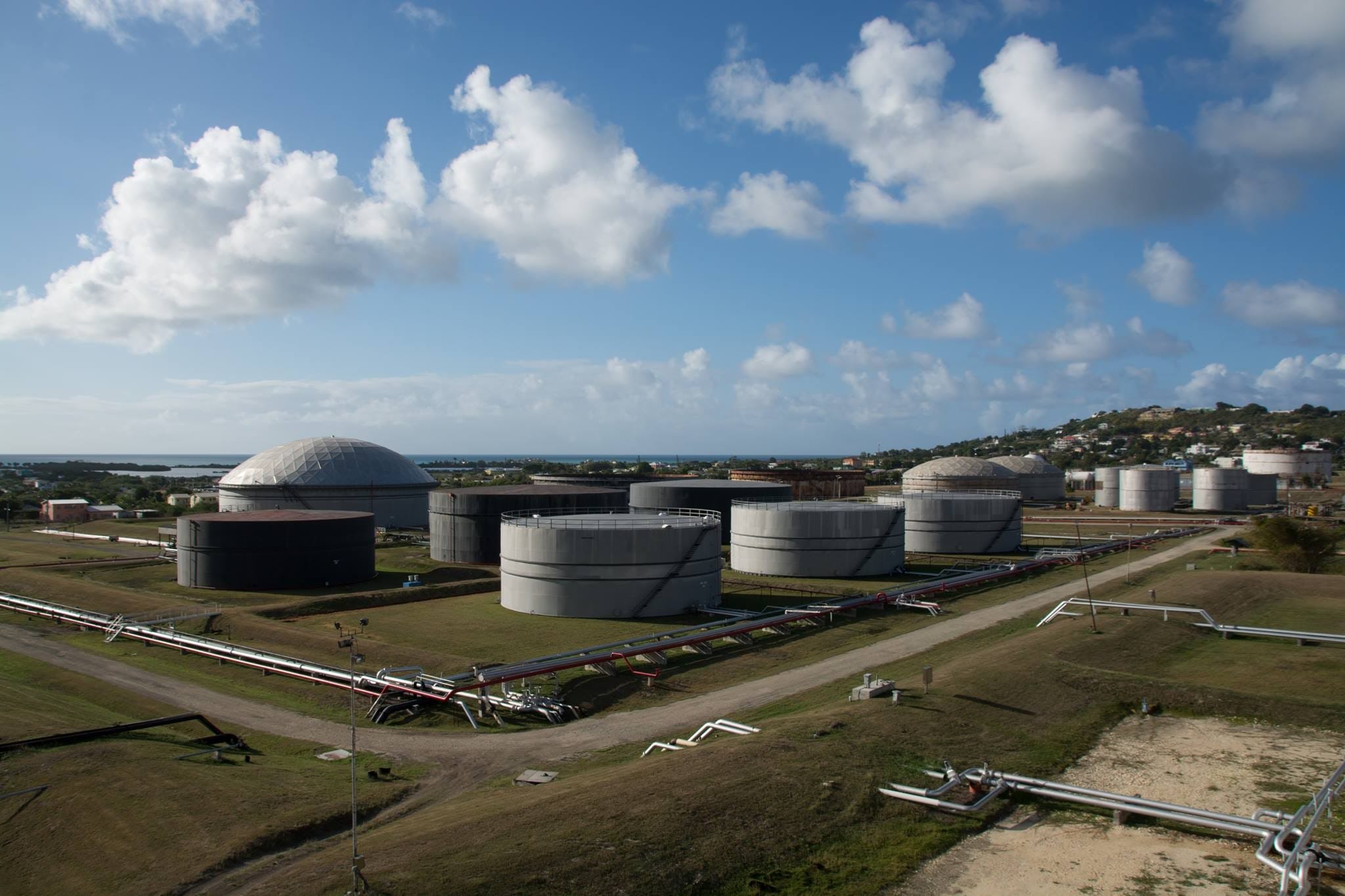
    Amid persistent volatility in the global energy market that has driven up international crude oil costs, the government of Antigua and Barbuda has accumulated more than 6 million Eastern Caribbean dollars in outstanding arrears to the West Indies Oil Company (WIOC). The unpaid balance stems from a deliberate policy implemented by the administration to shield everyday consumers and local businesses from skyrocketing retail fuel prices, according to Prime Minister Gaston Browne, who also holds the portfolio of Finance Minister.

    For months, Browne confirmed in public remarks, the government has been covering a fixed share of fuel costs to prevent dramatic jumps in the retail prices of both gasoline and diesel. Without this targeted intervention, he explained, motorists and commercial operators would be forced to pay far more per gallon at fuel pumps across the twin-island nation. Instead of passing the full weight of global price increases directly to households that are already grappling with broader cost-of-living pressures, the administration made the decision to absorb the additional expenses as part of a wider initiative to stabilize economic conditions.

    Browne characterized the policy as a people-first measure designed to benefit all Antigua and Barbudans, but acknowledged that the growing unpaid debt is creating significant financial strain for the government. “This is a very benevolent position taken by my administration to contain the price of diesel and gasoline for the benefit of the people, but it is hurting us financially,” he stated.

    Despite the mounting fiscal pressure, the Prime Minister pointed out that Antigua and Barbuda still boasts one of the lowest fuel price points in the entire Caribbean region. The core goals of the subsidy program extend beyond immediate relief for drivers: it is also intended to insulate the broader national economy from sudden, disruptive fuel price spikes and protect the purchasing power of local consumers, who would otherwise see their disposable incomes eroded by higher energy and transportation costs.

    Looking ahead, Browne issued a caution that the government’s ability to sustain this level of support could come under threat if international oil prices remain at elevated levels for a prolonged period. Sustained high global prices would continue to widen the gap between the subsidized retail price and the actual cost of fuel, increasing the government’s financial obligations and challenging the long-term viability of the current subsidy framework.

  • Crown of Glory Father’s Day Charity Dinner Deemed a Success

    Crown of Glory Father’s Day Charity Dinner Deemed a Success

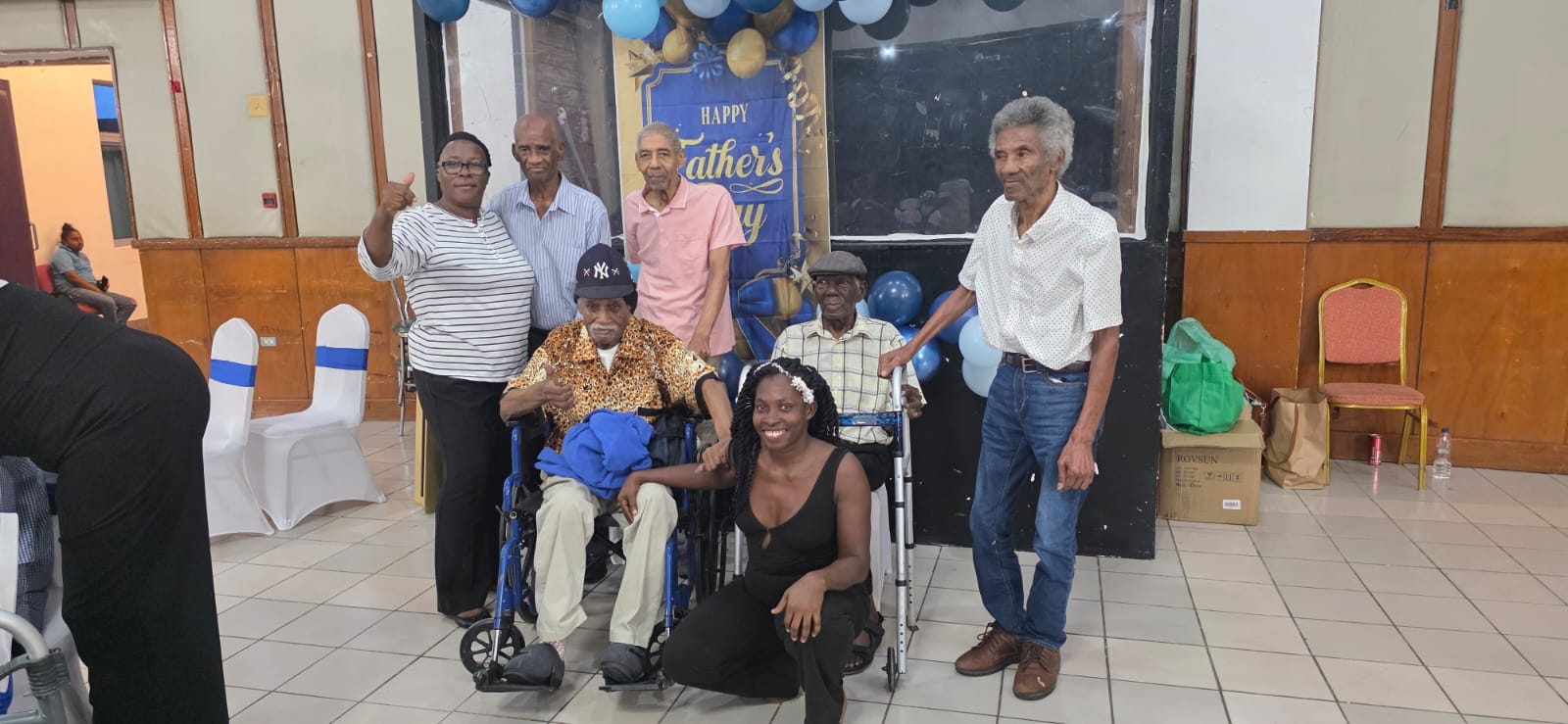
    A collaborative community charity initiative held in Antigua has wrapped up to widespread acclaim, with organizers offering sincere gratitude to every individual and entity that contributed to its positive impact. The Crown of Glory Father’s Day Charity Dinner, jointly organized by Wanmei Transforming Lives Disability Services and Jamaica Patriots Antigua, was created to lift up vulnerable groups across the local community, including low-income residents, the Fiennes Institute, regional nursing homes, and local church communities.

    In a public statement released following the event, co-founder Joedian Samms highlighted the critical role that local business sponsors played in making the dinner a meaningful experience for all attendees. Among the supporting local partners were major Antiguan establishments including Christo’s Supermarkets, Mega Distributors Ltd, Carlisle Bay Resort, Jolly Beach Antigua Resort, Connie’s Comfort Suites, Shakera’s Tamarind Fusion, Antigua Digest, ANROP, The National School Bus, St. John Development, Little Canton, and Cool and Smooth.

    Beyond corporate and institutional sponsorship, organizers emphasized that the participation of individual attendees, community partners from nursing homes, the Fiennes Institute, and local congregations was equally vital to the initiative’s success. Every contribution, whether financial, in-kind, or simply through personal attendance, helped the event deliver on its core mission of supporting community welfare.

    Samms noted that the dinner stood as a powerful testament to what collective community care and intentional giving can achieve. The evening brought together people from across different sectors of Antiguan society united by a shared commitment to lifting up their neighbors, aligning perfectly with Wanmei Transforming Lives Disability Services’ long-term mission of creating tangible, positive change for people across the community. To allow the public to engage with the joy and connection of the occasion, event organizers have shared photos capturing key moments from the evening, preserving the memory of the successful celebration of giving.

    As the organization looks ahead to future community outreach projects, Samms extended a final note of appreciation to all who stood with the initiative this Father’s Day, reaffirming the group’s commitment to continuing its work of transforming lives through targeted, compassionate social services.

  • From Antigua to London: Windrush descendant shares powerful story of separation, identity and legacy

    From Antigua to London: Windrush descendant shares powerful story of separation, identity and legacy

    On June 20, 2026, London’s Jacksons Lane Arts Centre opened its doors to the 78th Windrush commemoration, hosting a special exhibition and event titled *Windrush Stories: Portraits & Voices* inside the venue’s Studio 1 in Highgate. At the gathering, established Antiguan and Barbudan author William took the stage to share a raw, deeply personal account of how his experience of migration, familial separation and fractured belonging has shaped every layer of his literary work to this day.

    William’s journey begins in the small New Winthropes Village of Antigua and Barbuda, where he spent his entire childhood without any connection to his parents. As part of the mid-20th century Windrush migration wave that saw thousands of Caribbean citizens move to the United Kingdom to fill post-war labor gaps, William’s parents had relocated to Britain years before he was born. It was not until 1970, when William was just an unaccompanied minor, that he made the transatlantic crossing to reunite with them – a meeting that marked the first time he had ever laid eyes on the people who gave him life. Growing up, he had never even seen a photograph of his parents or heard the sound of their voices, making the transition to a new life with strangers in an unfamiliar country all the more disorienting.

    In his address to attendees, William unpacked the layered emotional weight of that life-altering journey, while also pushing back against gaps in how the Windrush generation is often historicized. He pointed out that mainstream narratives around Windrush almost exclusively center the pioneers who made the initial voyage to Britain, leaving the lived experiences of their children and subsequent descendants unacknowledged and sidelined.

    “Our voices matter too, and it is long past time they got the same attention as those of the first generation,” William told the crowd. He explained that every piece of his writing is crafted specifically to reframe the Windrush story through the lens of the descendants who came after the initial migration.

    This mission is embodied in his published work *Betwixt 2 Shores*, a book centered entirely on the unique perspective of Windrush descendants. The text dives deep into themes of fractured identity, forced displacement, and intergenerational cultural memory, seeking to expand public understanding of the Windrush legacy beyond the common focus on arrival stories. For William, the most important story to tell is that of generations who grew up caught between two distinct cultural worlds, navigating the everyday realities of belonging to neither fully.

    A tangible, evocative symbol of William’s decades-long journey is the worn small suitcase, called a “grip”, that he carried with him when he left Antigua more than 50 years ago. Today, the tattered case is preserved as a personal historical artifact, one that William says carries every ounce of his experience: the pain of leaving his childhood home behind, the struggle to adapt to a new country, and the quiet resilience that carried him through.

    “The grip holds everything I went through,” he shared. “It is proof of what it means to leave one entire life behind and build another from scratch.”

    The 78th Windrush celebration and accompanying *Windrush Stories: Portraits & Voices* exhibition are part of a broader, ongoing push to protect and amplify under-told Windrush narratives. Through visual portraiture, firsthand testimony, and creative literary expression, organizers work to ensure that both the original Windrush pioneers and their descendants are formally recognized as core parts of Britain’s ever-evolving cultural history.

    For William, the 2026 commemoration was more than a moment to look back on his own story. It was another step forward in his lifelong mission: to pull the voices of Windrush descendants out of the margins of history and place them firmly at the center of the full Windrush narrative.

  • Two Men Arrested After Police Seize Jewellery During Hatton Searches

    Two Men Arrested After Police Seize Jewellery During Hatton Searches

    St. John’s, Antigua and Barbuda – Law enforcement operations carried out across two separate residential locations in the Hatton district have left two individuals in police detention, as investigators continue to unpack an alleged stolen jewelry ring operating in the area. The coordinated early-morning raids, executed on June 22 by joint teams from the Royal Police Force of Antigua and Barbuda, marked a major milestone in ongoing probes into reports of widespread jewelry theft.

    According to official details released by the force’s Office of Strategic Communications on June 23, the operation kicked off just before 6 a.m. that Monday, when handpicked units from the Criminal Investigations Department Task Force and the Special Services Unit moved in simultaneously on the targeted properties. The multi-unit collaboration was structured to eliminate the risk of evidence being destroyed or moved between locations before searches could be completed.

    During the systematic searches of both premises, law enforcement personnel recovered a cache of evidence tied to the theft investigation. Among the items seized were an undisclosed quantity of suspected stolen jewelry, a personal mobile phone, and multiple other pieces of physical evidence that investigators say will help them build their case against the two detained men. Both suspects have been arrested on formal charges of receiving stolen property, a criminal offense under Antigua and Barbuda’s penal code.

    As of the latest official update, the investigation remains active and ongoing. Law enforcement officials have not yet released the identities of the two detainees, nor have they shared details on the total estimated value of the recovered jewelry, or whether additional arrests are expected as the probe progresses. The Royal Police Force has indicated that it will issue further public updates as new developments emerge in the case.

  • Long Bay Zen Resort to Feature AI Concierge, Robotic Services and Over-Water Chapel

    Long Bay Zen Resort to Feature AI Concierge, Robotic Services and Over-Water Chapel

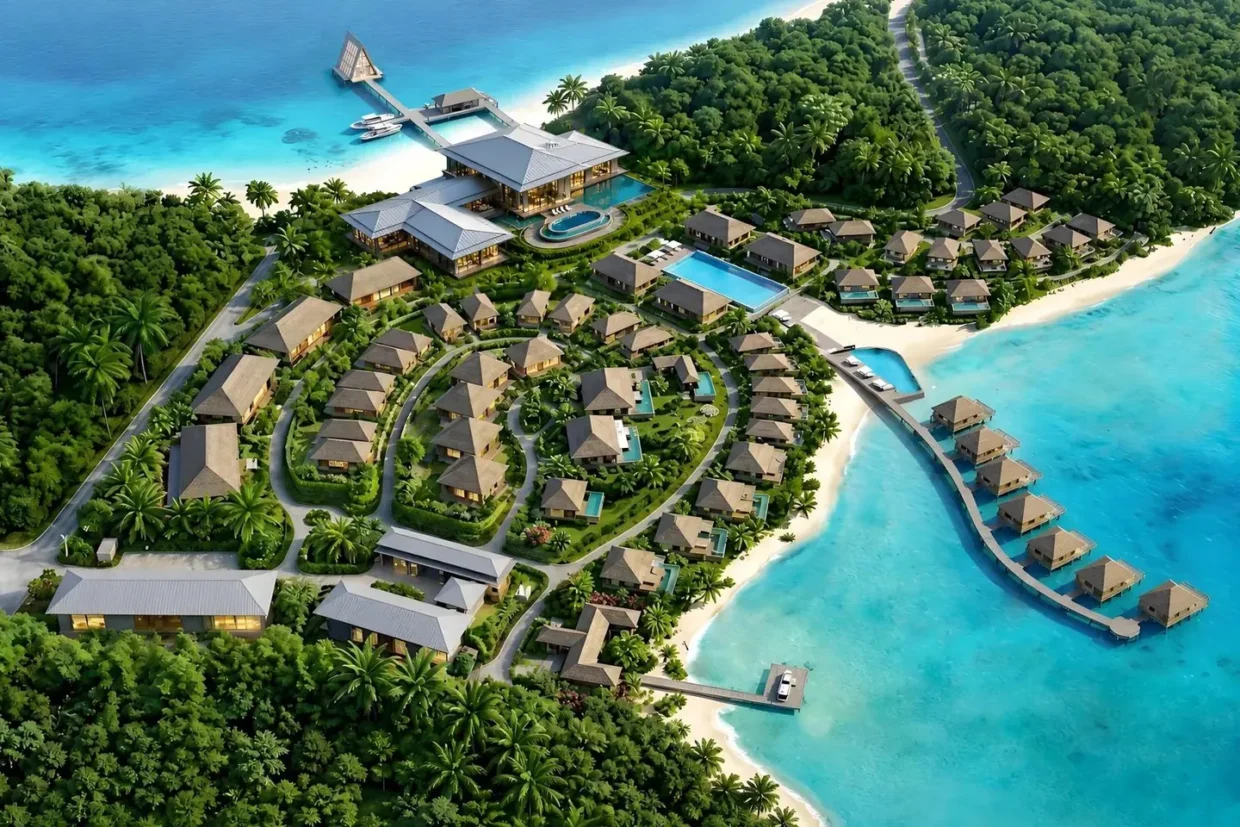
    Antigua and Barbuda is set to welcome a game-changing luxury tourism development that blends cutting-edge smart technology, sustainable operations, and one-of-a-kind experiential offerings, as developers unveil plans for the $200 million Long Bay Zen Resort. Positioned to attract high-value travelers to the Caribbean island nation, the 113-room property is being constructed on the former grounds of the iconic Long Bay Hotel, with major construction kickoff slated for later this year, carried out by China Civil Engineering Construction Corporation.

    At the core of the resort’s unique value proposition is its approach to integrated technology, framed by developers as “invisible service”. The centerpiece of the resort’s smart ecosystem is an AI-powered concierge, engineered to craft fully customized travel itineraries, coordinate all guest reservations and services, and even predict visitor preferences before they are requested. Beyond the concierge, the property will deploy automated transportation carts for guest movement across the grounds, smart in-room systems that automatically adjust lighting and climate to guest habits, and autonomous robots that manage routine operational tasks from amenity deliveries to facility maintenance. Unlike many tech-forward hospitality concepts that push innovation to the forefront, project lead Sophie Zhong emphasized that the technology is designed to stay in the background, amplifying rather than distracting from the resort’s core focus on tranquility.

    “Guests will feel only peace, comfort, and the rhythm of the sea. But behind that stillness is a world-class smart system for operations,” Zhong explained during the project’s official launch event.

    One of the resort’s most anticipated standalone attractions is a custom-built over-water chapel perched above Long Bay’s iconic turquoise coastal waters. Developers say the venue is purpose-built to tap into the fast-growing luxury destination wedding market, boosting Antigua and Barbuda’s overall appeal as a top choice for high-end romantic getaways and events.

    Sustainability is woven into every layer of the development, addressing both local infrastructure needs and global climate goals. The project includes purpose-built renewable energy systems and an on-site desalination plant, designed to cut strain on local public utilities while drastically reducing the resort’s overall carbon footprint. The coastal site, a known critical nesting ground for endangered sea turtles, has also required rigorous environmental planning, with all sustainability frameworks aligned to support Antigua and Barbuda’s national goals for balanced tourism growth and marine conservation.

    The project has earned full backing from the Antigua and Barbuda government, with senior officials noting it aligns perfectly with the nation’s shift toward quality-focused tourism growth. Rather than prioritizing sheer increases in visitor arrivals, the administration is targeting higher-spending travelers who deliver greater economic benefit to local communities. Prime Minister Gaston Browne praised the development’s vision, noting that its design fits seamlessly with the nation’s natural landscape and cultural identity.

    “We’re looking for quality, more so than quantity,” Browne said. “They have come up now with the most exciting design, one that is in keeping with our environment and the cultural ethos of the country.”

    Tourism Minister Charles Fernandez added that the Long Bay Zen Resort reflects a broader shift in global luxury traveler expectations, as modern high-end visitors increasingly prioritize wellness, authentic local experiences, and fully personalized service over generic hospitality offerings. For Antigua and Barbuda, the development marks a key step in evolving its tourism product to meet 21st-century traveler demands while advancing long-term environmental and economic goals.

  • UWI Five Islands to Host Blue Finance Side Event During CHOGM 2026

    UWI Five Islands to Host Blue Finance Side Event During CHOGM 2026

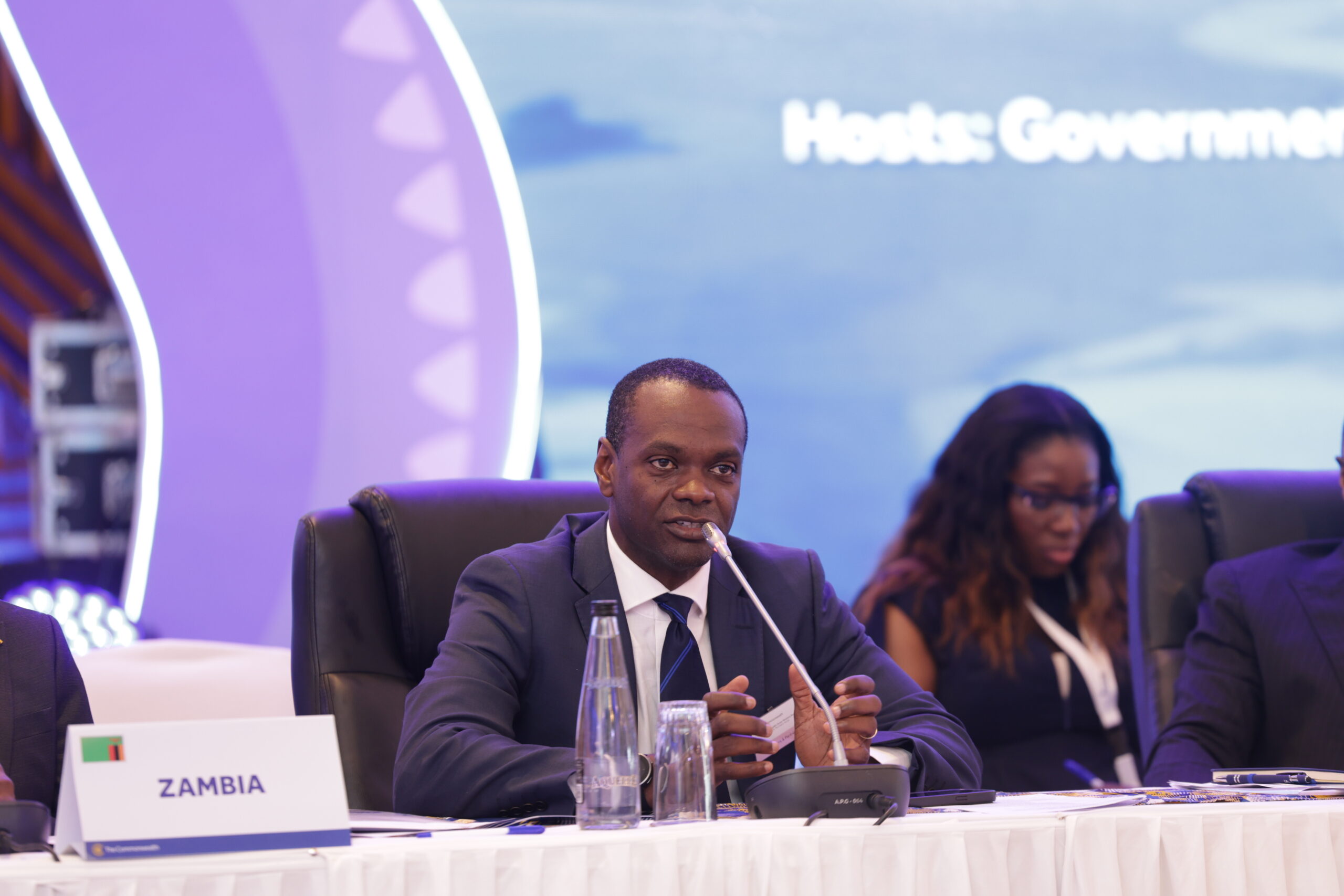
    A landmark initiative to accelerate sustainable ocean development across the Commonwealth has been unveiled, with the Centre of Excellence for Oceanography and the Blue Economy (COBE) at The University of the West Indies (UWI) Five Islands Campus announcing plans for a high-profile Blue Finance and Ocean Innovation Side Event. The event is scheduled to run alongside the 2026 Commonwealth Heads of Government Meeting (CHOGM) this November, with the formal reveal made June 16 during the 11th Our Ocean Conference.

    The announcement took place during a partner update session at the Commonwealth Ocean Ministers Roundtable, a gathering co-hosted by the government of Kenya and the Commonwealth Secretariat that brought together senior ocean policy leaders from across the bloc. During the session, Dr. Branson Belle, COBE’s Executive Director, shared context about the UWI Five Islands Campus and its specialized ocean research center before walking attendees through the full agenda for the upcoming side event.

    Organizers have planned a multi-segment program designed to connect project developers, finance leaders, and heads of government around shared ocean priorities. The event will kick off with a public exhibition showcasing ocean conservation initiatives from local, regional, and international organizations working across Commonwealth nations. Following the exhibition, a casual but substantive “beachside chat” moderated by Charles Goddard of Economist Impact will bring together chief executives and top sector leaders to explore pressing challenges and opportunities in blue finance and ocean innovation. The program will also feature formal addresses from participating heads of government before concluding with a networking reception.

    For the Commonwealth, ocean protection and restoration remain top policy priorities, rooted in the bloc’s unique geographic footprint. Commonwealth member nations control one-third of the world’s total ocean area under national jurisdiction, hold 45% of the planet’s coral reefs, and count 25 small island developing states among their ranks – economies disproportionately dependent on healthy marine ecosystems. In 2024, member states solidified this commitment by adopting the Apia Commonwealth Ocean Declaration, a landmark agreement calling for accelerated global action to restore and protect vulnerable marine environments.

    The upcoming side event aims to turn policy commitments into tangible action, by highlighting the ocean’s irreplaceable role in supporting global livelihoods and economic growth, and catalyzing new investment flows for ocean innovation and conservation projects across the Commonwealth. COBE is leading event organizing efforts in formal partnership with the Commonwealth Secretariat and the Association of Commonwealth Universities.

    Host COBE is based at the relatively new but fast-growing UWI Five Islands Campus, which was founded in 2019 as the fifth campus of the UWI system, the top-ranked higher education network in the Caribbean. Located in Antigua and Barbuda, the campus was established to expand access to world-class tertiary education across the region, and it upholds the same academic standards that have earned the UWI consistent placement among top global universities in Times Higher Education rankings. Today, UWI Five Islands offers more than 45 undergraduate and postgraduate degree programs across four academic schools: the School of Humanities and Education, School of Business and Management, School of Health and Behavioural Sciences, and School of Science, Computing and Artificial Intelligence. Hosting COBE aligns with the campus’s core mission to advance research and training in areas critical to Caribbean development, particularly marine science and sustainable blue economic growth.

  • Reparations: Give Us the Cash and Let the Results Speak for Themselves by Brent Simon

    Reparations: Give Us the Cash and Let the Results Speak for Themselves by Brent Simon

    For hundreds of years, the intergenerational narrative passed down to descendants of enslaved Africans has centered on a familiar mantra: pull yourself up by your bootstraps. Work harder, set aside more savings, make shrewd investments, build intergenerational wealth, and earn your place in society, the story goes.

    This advice sounds reasonable on its surface—but it overlooks a fundamental, unaddressed injustice. Before anyone can lecture Black communities about pulling themselves up by their bootstraps, they first need to answer one critical question: how can you pull on boots you were never given in the first place?

    The transatlantic slave trade was far more than an unfathomable human tragedy. It stands as one of the largest, most consequential transfers of accumulated wealth in recorded human history. Over centuries of exploitation, millions of kidnapped Africans were systematically stripped of their labor, their land, their personal property, their autonomy, and any shot at a self-determined future. The massive, uncompensated wealth generated from this stolen labor went on to finance the growth of global industries, bustling trade ports, powerful national banks, prestigious academic institutions, and entire national economies that continue to thrive to this day.

    What did the descendants of the enslaved inherit from this system? Not generational wealth, not capital, not a head start—just the intergenerational trauma and economic disadvantage that persists centuries after abolition. This stark reality is the foundation of the global reparations movement, yet the conversation around reparations has consistently sidestepped the needs and agency of the people most affected. When the topic arises, discussions almost immediately shift to indirect forms of redress: development programs, institutional grants, technical support, large-scale infrastructure projects, capacity-building schemes, and government-led initiatives.

    What rarely gets centered is the most obvious, logical question: If wealth was extracted directly from a group of people, if the harm and injustice was inflicted directly on them, why should compensation not be paid directly to their descendants?

    The response from opponents of reparations is telling enough. Critics often argue that direct cash payments to descendants would be fiscally wasteful and economically irresponsible. While this position is deeply flawed, it is at least consistent coming from those who oppose any form of reparations whatsoever. Far more troubling, however, is the growing trend of even self-identified advocates for reparations echoing this same paternalistic argument.

    These advocates claim descendants of enslaved Africans should not receive direct compensation because they supposedly cannot be trusted to manage the money wisely. They insist governments, independent commissions, established institutions, outside experts, and formal programs are far better positioned to administer these funds for the benefit of the community.

    This mindset inflicts a deep, lasting injustice on Black communities across the diaspora. It implies that Caribbean people, and Black people around the world, can build sovereign nations, run successful small businesses, cultivate productive farms, captain commercial fishing vessels, earn advanced degrees, raise thriving families, and contribute meaningfully to modern global economies—but somehow cannot be trusted to manage compensation that is rightfully theirs. If this is not overt paternalism, what could it be called?

    The irony of this position is impossible to miss. For decades, mainstream economic discourse tells Black communities that economic success relies on individual ownership, intentional investment, entrepreneurship, personal savings, and access to capital. We are told to build our own assets, grow our own wealth, and take ownership of our economic futures. Yet when the conversation turns to reparations—the very mechanism that could finally place capital in the hands of the descendants of the people whose stolen labor built modern global empires—suddenly many policymakers and advocates become deeply uncomfortable with ordinary people having direct control over that money.

    Why is that? Why can a government be trusted to manage millions in reparations funds, but an individual citizen cannot? Why is a distant bureaucracy seen as a responsible steward, but a small-scale Black farmer is not? Why is an outside consultant deemed more trustworthy than a local fisher? Why can a large institution manage funds better than a Black family building intergenerational wealth?

    At its core, this debate is not ultimately about money or fiscal policy. It is a debate about trust and power. Do we truly believe that descendants of enslaved Africans are capable of shaping and determining their own economic futures, or do we not? If the answer is yes, then direct reparations should not be a controversial policy.

    It is true that not every recipient will use the funds in the same way: some will save for the future, some will invest in assets or businesses, some will purchase land, some will pay for their children’s education, some will pay down crippling debt, and a small number will make poor financial decisions. But this is not a unique outcome—this is how any population across any society on Earth uses capital. No group should be denied justice and rightful compensation because outside observers assume they might spend it imperfectly. Descendants of slavery should not be required to pass a financial literacy test to receive what they are owed.

    Reparations are not charity, nor are they foreign aid or development assistance. They are compensation for decades of state-sanctioned theft and exploitation. And that compensation belongs first and foremost to the people who suffered the harm and their descendants—not to institutions, government agencies, unelected committees, or self-appointed gatekeepers who claim they know what is best for the communities they purport to represent.

    Basic economic theory teaches a simple, widely accepted principle: access to capital creates opportunity, opportunity creates wealth, and that wealth compounds and grows across generations. This same principle built the massive fortunes and prosperous nations that grew rich from the exploitation of enslaved people. It is long past time to apply that same principle to the community that paid the original, deadly cost of that prosperity.

    For centuries, we have been told to pull ourselves up by our bootstraps. Fine. Then give us the boots. Give us the capital. Then stand aside, and let the results speak for themselves.
  • MP Greene Encouraged by Strong Turnout at First Liberta Town Hall Meeting

    MP Greene Encouraged by Strong Turnout at First Liberta Town Hall Meeting

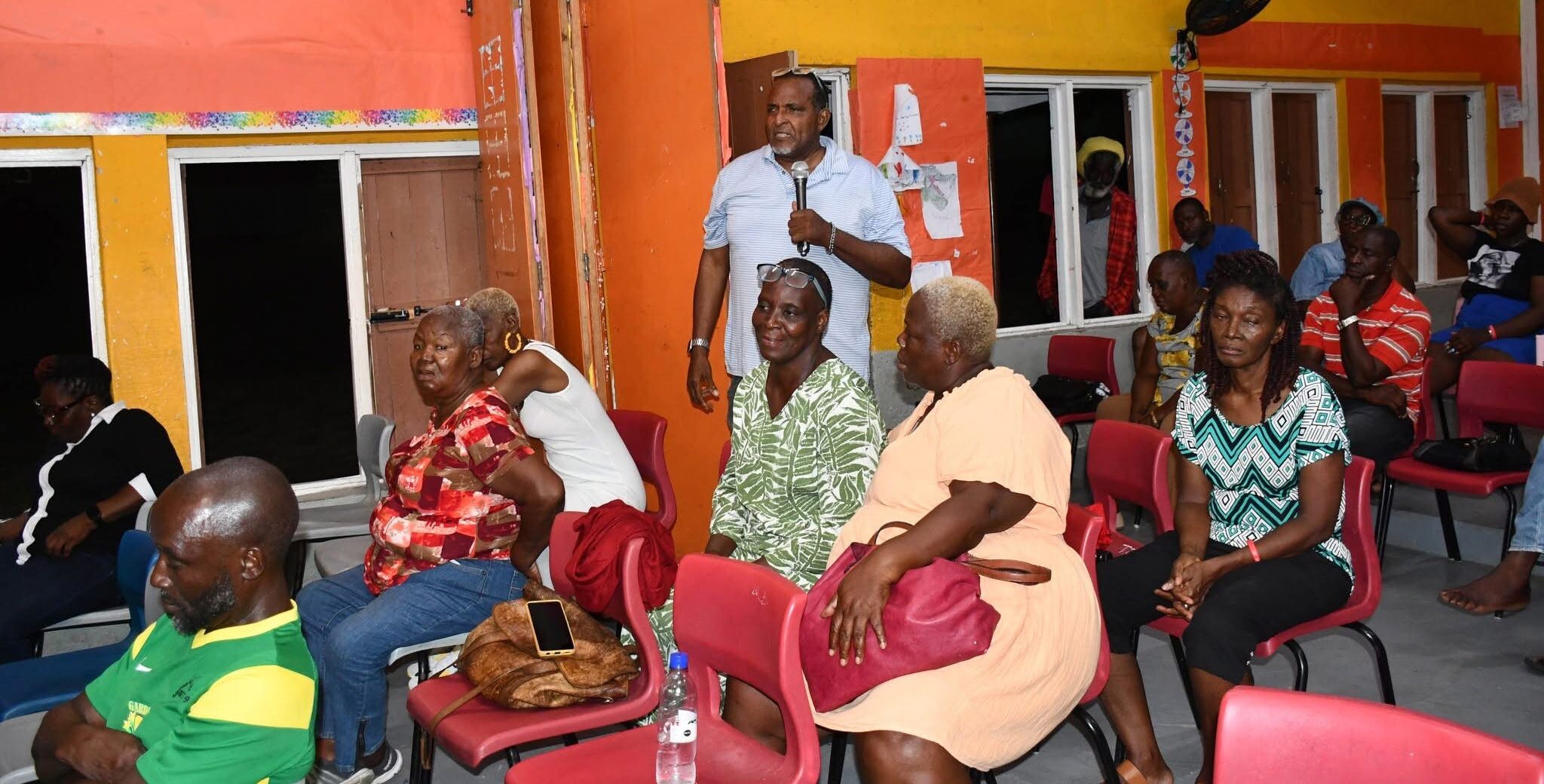
    Antigua and Barbuda’s St. Paul constituency has wrapped up its first public town hall meeting, held June 18 at Liberta Primary School, and local Member of Parliament Chet Greene says he is deeply encouraged by the turnout and active participation from area residents. Speaking during a recent interview on WTP Media’s popular talk show *Morning with Sly J*, Greene framed the inaugural community forum as a clear success, highlighting that local constituents showed striking eagerness to open dialogues about neighborhood challenges and learn more about upcoming development projects for the area.

    “It was clear that people had been waiting for this chance to speak directly to their representative,” Greene shared during the interview. Conversations at the gathering centered on three core priorities for residents: ongoing infrastructure upgrades, public service accessibility, and community safety.

    At the top of resident concerns is the persistent water shortage plaguing Liberta, a problem exacerbated by the prolonged drought conditions that have impacted the entire nation of Antigua and Barbuda throughout recent months. Locals pushed the Antigua Public Utilities Authority to implement urgent changes to deliver more consistent water access to households across the neighborhood. Greene confirmed that residents outlined a clear baseline expectation: receiving scheduled water deliveries at least three times weekly would give families enough time to refill their private household storage tanks and rain catchment systems, a critical buffer during extended dry periods.

    While Greene acknowledged that local residents have shown remarkable patience as the government works to address drought-related public service strains, he emphasized that community tolerance has clear limits. “Residents have made it clear their patience is not infinite,” he noted. “They expect tangible improvements to water access in the near term.”

    Beyond water access, Greene shared an update on one of the constituency’s key infrastructure projects: the rehabilitation of Evergreen Road in Liberta. Repaving work on the corridor continued through the most recent weekend, and the project is currently roughly 60 percent complete, on track for its scheduled finish.

    Greene added that the town hall also revealed a broader undercurrent of optimism among constituents, with many saying they can feel the national economic growth stimulated by current government policies. Even so, some attendees raised that development benefits have been slower to reach rural and smaller neighborhoods like those within St. Paul, leaving many local residents still waiting to see tangible improvements to their daily lives.

    A third major topic raised during the open forum was community anxiety around underage access to marijuana, following the country’s recent decriminalization of the drug for adult use. Residents of Liberta specifically voiced alarm over multiple reports that cannabis is being made available to minors in the area, and called for coordinated action to address the risk to young people. To move forward with community-led solutions, locals proposed a dedicated working meeting that will bring together neighborhood representatives, Greene’s parliamentary office, and leadership of Ras Freeman to review resident reports and draft actionable next steps.

    For constituents who were unable to attend the first forum, the St. Paul constituency has already scheduled its second public town hall for the same evening of Greene’s interview, to be held at Cobbs Cross Primary School, giving more residents a chance to share their concerns and priorities directly with their representative.

  • ABFC Launches Panorama 2026, Presents $165,000 to Pan Association

    ABFC Launches Panorama 2026, Presents $165,000 to Pan Association

    After a wildly successful staging of the beloved preliminary cultural showcase *Pan in the City*, the Antigua and Barbuda Festivals Commission (ABFC) has formally launched the 2026 edition of the State Insurance Company Limited Panorama, one of the nation’s most cherished cultural traditions. The opening event included a major milestone: the presentation of a $165,000 cheque to the Antigua and Barbuda Pan Association, disbursed as part of a three-year collaborative agreement between the two organizations that is now entering its final year. This funding installment underscores the ABFC’s long-standing commitment to growing and strengthening the country’s iconic steelband movement, marking a substantial new investment in cultural heritage and officially opening the 2026 Panorama season.

    *Pan in the City*, which turned downtown St. John’s Redcliffe Street into a lively hub of Caribbean rhythm, community connection, and cultural celebration, featured performances from all nine competing steelbands. Each ensemble represents a different community across Antigua and Barbuda, turning every performance into a demonstration of local pride and artistic skill. The event’s infectious energy drew crowds of locals and visitors alike, building widespread excitement ahead of the 2026 Panorama Finals scheduled for August 1.

    Speaking at the launch ceremony, Hon. Dwayne George, Minister of Sports and Creative Industries, highlighted the far-reaching impact of corporate partnership in cultural preservation. He extended public gratitude to lead sponsor State Insurance Company Limited (SICL), noting that the firm’s support goes far beyond traditional event sponsorship. “Their support over the years has gone beyond sponsoring an event; it has been an investment in our people, our communities, and our culture,” George stated.

    The minister also emphasized the unique role that pan yards play in Antigua and Barbuda’s cultural ecosystem: “Every pan yard is a space where talent is nurtured, friendships are formed, and our cultural heritage is preserved for future generations.” Looking ahead to the future of the steelband movement, George shared an ambitious growth vision, saying he expects to see 10 competing bands in coming years, including the first ensemble from the St. Mary’s community.

    Aarion Nicholas, Chief Executive Officer of SICL, echoed that sentiment, expressing his company’s pride in its ongoing multi-year partnership with both the ABFC and the Antigua and Barbuda Pan Association. “At State Insurance, we believe in investing in the people, traditions, and institutions that strengthen our nation,” Nicholas explained. “Panorama is more than a competition; it is a celebration of discipline, creativity, community pride, and cultural excellence. We are proud to continue our partnership as we help preserve and grow the steelpan movement for future generations.”

    Organizers have confirmed that the State Insurance Company Limited Panorama Finals will kick off at 8:00 p.m. on Saturday, August 1, 2026, at Carnival City. Tickets are currently on sale for $40 each at official outlets across the island, and the ABFC has issued a call to the entire nation to turn out to support the competing steelbands as they showcase the artistry and passion that has made Panorama a staple of Antigua and Barbuda’s cultural calendar. The commission also extended thanks to all stakeholders who contributed to the success of *Pan in the City*, including SICL, the Pan Association, participating bands, vendors, secondary sponsors, and attendees.

  • UWI to Host Vice-Chancellor’s Forum on Cuba’s Current Crisis

    UWI to Host Vice-Chancellor’s Forum on Cuba’s Current Crisis

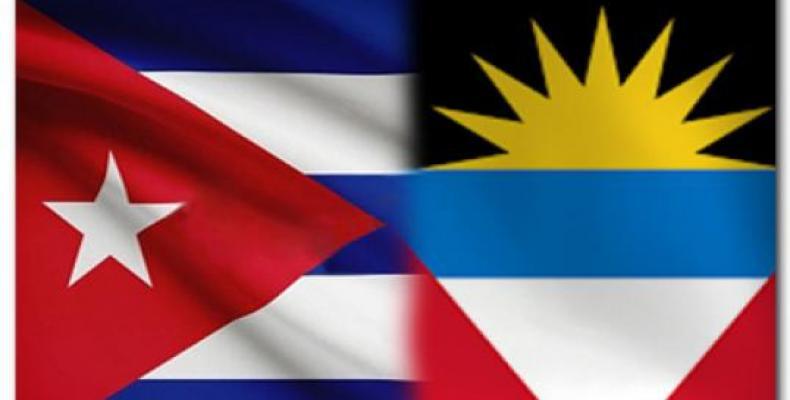
    As Cuba grapples with deepening socio-economic instability that has drawn regional and international scrutiny, the Caribbean’s leading higher education institution, The University of the West Indies (UWI), is stepping forward to foster constructive dialogue and deliver tangible support to its neighboring island nation.

    On Thursday, June 25, 2026, UWI will convene a special Vice-Chancellor’s Forum, branded “Perspectives on the Current Cuban Crisis: Issues, Impact, and Imperatives.” The hybrid event will kick off at 11:00 a.m. Atlantic Standard Time (Eastern Caribbean) and 10:00 a.m. Jamaica Time, hosting in-person attendees at the Eon Nigel Harris Council Room in UWI’s Regional Headquarters in Kingston, Jamaica, while opening global access via a free live stream on UWI TV.

    Cuba’s current challenges extend far beyond its borders, creating ripple effects that touch the entire Caribbean community. The country is currently confronting cascading crises: widespread shortages of life-sustaining essential goods, persistent energy sector disruptions that cripple daily life and economic activity, and mounting systemic economic pressures. Compounding these domestic strains are long-running external headwinds, including decades-old international trade restrictions, volatile fluctuations in tourism revenue—Cuba’s largest foreign exchange earner—and growing migration pressures that strain regional stability. As global geopolitical and economic dynamics continue to shift, Cuba’s situation has become an urgent priority for coordinated regional dialogue and collective action.

    Recognizing its unique mandate as the Caribbean’s preeminent thought leader, UWI has paired its convening role with a concrete humanitarian commitment. Throughout the month of June, the university is running the “One-UWI Humanitarian Effort,” a campus-wide initiative that mobilizes staff, students, alumni, and institutional partners across all five of UWI’s physical campuses to raise monetary donations for critical essential supplies for the Cuban people. The campaign frames support as a collective regional responsibility, turning institutional solidarity into direct, on-the-ground assistance.

    The upcoming forum will bring together a diverse, globally recognized panel of experts, diplomats, and academic leaders to unpack the multifaceted dimensions of Cuba’s crisis. Opening remarks will be delivered by UWI Vice-Chancellor Professor Sir Hilary Beckles and Her Excellency Tania López Larroque, Cuba’s Ambassador to Jamaica. Confirmed panelists include Professor Emerita Jessica Byron-Reid, former head of UWI’s Institute of International Relations; Professor Bert Hoffmann, Lead Researcher at the German Institute for Global and Area Studies (GIGA); Professor Andy Knight, Distinguished University Professor at the University of Alberta; Dr. Miriam Nicado, Rector of the University of Havana; and Dr. Indira Rampersad, Head of the Department of Political Science at UWI St. Augustine. The discussion will be co-moderated by Professor Canute S. Thompson, UWI Pro Vice-Chancellor for Undergraduate Studies, and Professor Don D. Marshall, Director of UWI’s Sir Arthur Lewis Institute of Social and Economic Studies (SALISES), with Ambassador Gillian Bristol, Director of UWI’s Latin American-Caribbean Centre (LACC), serving as chair of the in-person event.

    The Vice-Chancellor’s Forum series, a flagship UWI public engagement platform that has operated for more than a decade under Beckles’ leadership, is designed to bring cross-sector expertise to bear on the most pressing challenges facing the Caribbean and the broader global community. The series regularly convenes leading academics, policymakers, and frontline practitioners to unpack complex socio-economic, political, and developmental issues, translating expert analysis into actionable insight for regional stakeholders.

    Members of the public worldwide are invited to join the discussion for free via UWI TV’s official website, www.uwitv.global, or through the platform’s regional Flow cable channels, offering anyone the chance to engage with the critical conversation around Cuba’s future.

    Donations to the One-UWI Humanitarian Effort can be made at any time through June via the official campaign portal: https://bit.ly/ONEUWI4CUBA.

    Founded in 1948 as a small medical college affiliated with the University of London, UWI has grown over 75 years into a globally recognized, comprehensive public research university serving the entire Caribbean. Today, the institution counts nearly 50,000 students across five core campuses: Mona in Jamaica, St. Augustine in Trinidad and Tobago, Cave Hill in Barbados, Five Islands in Antigua and Barbuda, and its fully remote Global Campus, alongside partnership research and study centers across North America, Latin America, Asia, Africa, and Europe. UWI offers more than 1,000 academic programs spanning certificate, undergraduate, and postgraduate levels across 10 broad disciplinary areas, holding the distinction of being the only English-speaking Caribbean university featured in four of the Times Higher Education (THE) prestigious global ranking lists, including the World University Rankings, Golden Age University Rankings, Latin America Rankings, and Impact Rankings, which assess institutional contributions to the United Nations Sustainable Development Goals.