标签: Antigua and Barbuda

安提瓜和巴布达

  • Kenyatta Benjamin to Be Arraigned June 30 in Fatal Andre Simon Crash Case

    Kenyatta Benjamin to Be Arraigned June 30 in Fatal Andre Simon Crash Case

    Nearly two years after a devastating Mother’s Day road collision claimed the life of elite national cyclist Andre Simon, the man charged in connection with the fatal crash is set to make his next court appearance for formal arraignment next month. Kenyatta Benjamin, a resident of Hatton, appeared before High Court Justice Ann Marie Smith this Monday, where the judicial schedule for the next procedural step was officially set. On June 30, Benjamin will formally answer the charge of dangerous driving brought against him, which stems from the 2022 incident that left Simon critically injured and ultimately dead. If Benjamin enters a plea of not guilty during the upcoming arraignment, court officials will move forward with setting a date for a full public trial.

    The tragic incident unfolded in May 2022 along the Sir George Walter Highway, during a scheduled training ride for a group of four competitive cyclists. Prosecutors’ case rests on the allegation that Benjamin’s vehicle collided with all four cyclists who were on the road that day. The cyclists involved were Andre Simon, Sean Weathered, Ghere Coates, and Tiziano Rosignoli, all of whom were rushed to a local medical facility immediately after the crash for emergency care.

    Three of the four riders — Weathered, Coates, and Rosignoli — eventually made full recoveries from their injuries and were released from care within a short period. Simon, however, was not as fortunate. The 36-year-old competitor, who left behind one child, suffered catastrophic, life-altering damage in the impact, including severe traumatic brain injury and life-threatening internal bleeding. He spent multiple weeks in the Intensive Care Unit at the Sir Lester Bird Medical Centre as medical teams worked to stabilize his condition. Due to the severity of his injuries, Simon was airlifted to the TIRR Memorial Hermann specialized trauma care facility in Houston, Texas on July 2, 2022, to access advanced treatment that was not available locally.

    Despite months of intensive medical intervention in the United States, Simon succumbed to his injuries roughly 13 months after the initial collision, becoming the fatal fatality of the crash. Now, after nearly two years of procedural progress, Benjamin is scheduled to return to the High Court for his long-awaited arraignment on the charge connected to Simon’s death.

  • Antigua and Barbuda Among Nations Confronting Slow Progress on Sustainable Development Goals

    Antigua and Barbuda Among Nations Confronting Slow Progress on Sustainable Development Goals

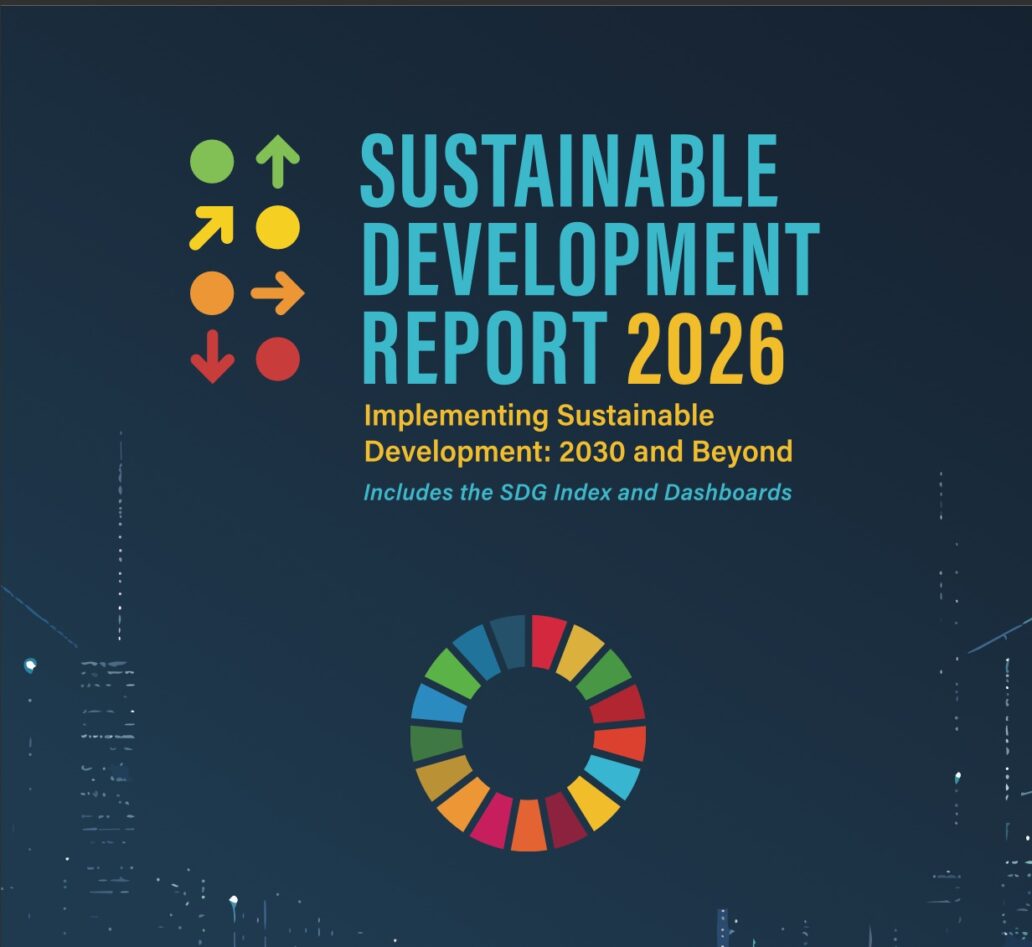
    Five and a half years out from the 2030 deadline for the United Nations’ transformative Sustainable Development Goals (SDGs), a landmark annual assessment has delivered a sobering verdict: none of the 17 global goals are currently on track to be fully achieved by the target date, with systemic barriers blocking progress across climate action, environmental stewardship, and global governance. The findings are outlined in the 2026 edition of the Sustainable Development Report, published by the UN Sustainable Development Solutions Network, which tracks performance across all 193 UN member states each year.

    The report’s comprehensive analysis finds that less than one-fifth of the hundreds of specific targets tied to the SDGs are progressing at a pace that will meet 2030 milestones. Among the 17 goals, four stand out as facing the most severe headwinds: Sustainable Cities and Communities (SDG 11), Life Below Water (SDG 14), Life on Land (SDG 15), and Peace, Justice and Strong Institutions (SDG 16). The assessment also notes that despite broad global rhetorical and policy support for the 2030 Agenda since the SDGs were adopted in 2015, progress has stagnated across multiple core priority areas.

    Climate change remains an especially urgent flashpoint for vulnerable nations, particularly Small Island Developing States. These low-lying nations continue to see growing vulnerability to the impacts of rising global temperatures, including more frequent and intense extreme weather events, accelerating coastal erosion, and widespread environmental degradation that threatens both livelihoods and national sovereignty.

    While nearly all nations have formally committed to the SDG framework, turning commitments into tangible action has proven to be a persistent, widespread challenge. Survey data included in the report identifies four key bottlenecks that continue to slow progress: insufficient development financing, weak governance frameworks, limited institutional capacity to design and execute programs, and inadequate integration of scientific evidence and data into policymaking.

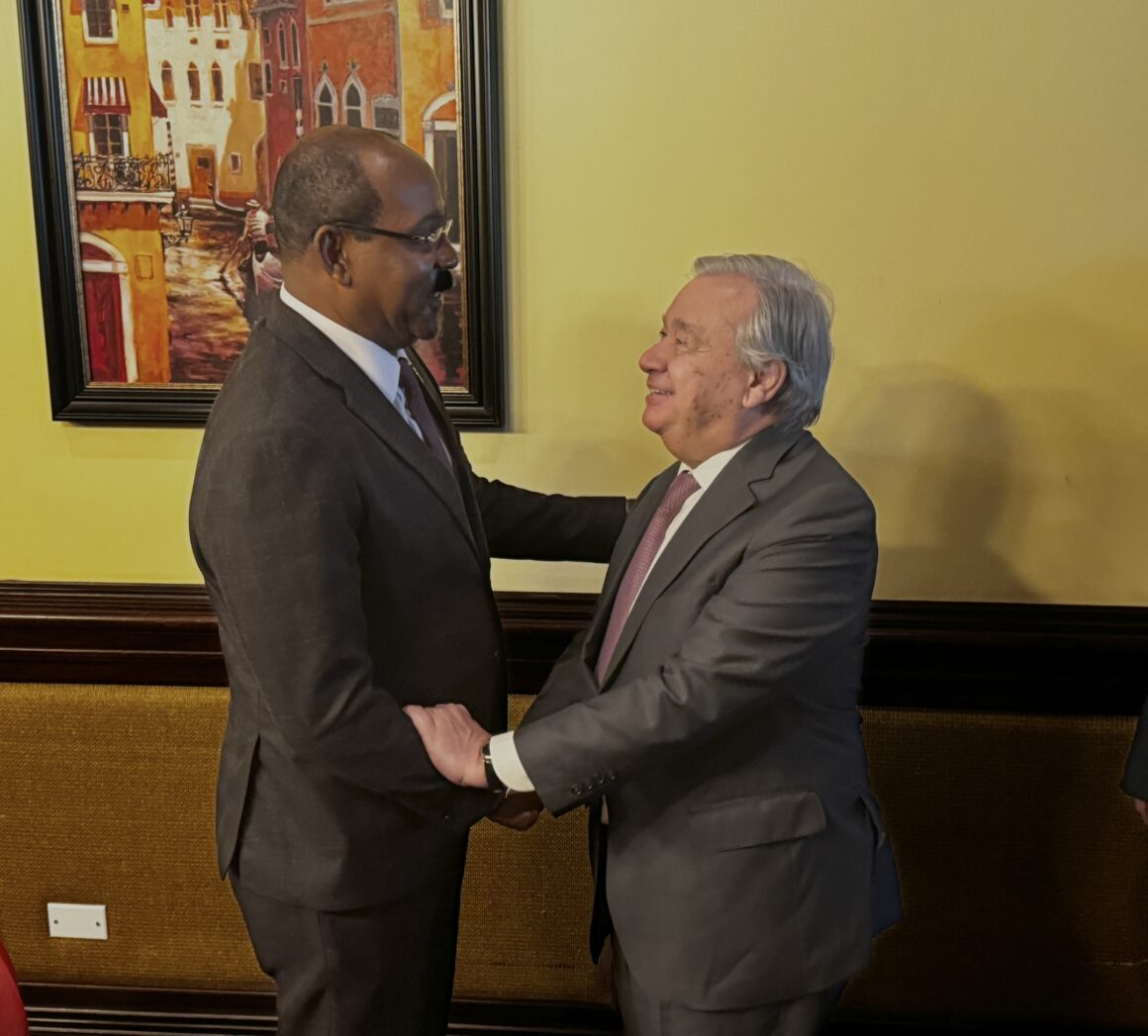
    In a bright spot amid the overall gloomy assessment, Antigua and Barbuda earned international recognition for its leadership in global cooperation. The Caribbean nation was ranked second globally in the report’s separate Index of Countries’ Support for UN-Based Multilateralism, a reflection of its consistent and robust engagement with global collective action efforts.

    The report closes with a clear call to action for the global community: accelerating progress toward the SDGs in the remaining five years will require urgent investment in strengthened national implementation mechanisms, as well as coordinated action to unlock the adequate, accessible financing that developing nations need to deliver on their sustainable development commitments.

  • Antigua and Barbuda Ranked Second in World for Support of UN System

    Antigua and Barbuda Ranked Second in World for Support of UN System

    In a recent global assessment measuring commitment to the United Nations system, the small twin-island nation of Antigua and Barbuda has claimed an impressive second position worldwide, highlighting its consistent and unwavering dedication to multilateral cooperation. The ranking, compiled based on a range of metrics including voting alignment with UN priorities, financial contributions to UN agencies, participation in peacekeeping missions, and engagement with UN-led development initiatives, places Antigua and Barbuda ahead of dozens of larger, more economically powerful nations. For decades, this Caribbean nation has positioned itself as a staunch advocate for the UN’s core mission of maintaining global peace, advancing sustainable development, and upholding international law. As a small island developing state, Antigua and Barbuda has repeatedly leveraged its participation in the UN system to amplify the voices of similarly vulnerable nations, particularly on pressing issues such as climate change adaptation, sea-level rise, and equitable access to global development resources. Observers note that this high ranking reflects not just a formal commitment to the UN, but a deep-seated belief among the nation’s leadership and public that multilateral collaboration is the only effective path to addressing transnational challenges that no country can solve alone. The outcome of the assessment has drawn attention to the outsized role that small nations can play in advancing global governance, challenging the common narrative that only major world powers shape the direction of international institutions. Diplomatic analysts point out that Antigua and Barbuda’s consistent support for the UN system has also helped it build strong diplomatic ties across the global community, strengthening its own position in international negotiations while contributing to the legitimacy and effectiveness of the world body.

  • More young adults are being diagnosed with gastrointestinal cancers

    More young adults are being diagnosed with gastrointestinal cancers

    For years, public health awareness has centered on the growing trend of colorectal cancer striking younger adults under the age of 50. But new expert insight from leading oncology specialists makes clear that this alarming increase in early diagnoses is not limited to just one type of digestive system cancer. According to Dr. Christina Wu, an oncologist with the Mayo Clinic Comprehensive Cancer Center in Arizona, a wide range of gastrointestinal (GI) cancers are now being detected far more frequently in patients below the 50-year threshold, challenging outdated assumptions that young adults are not at risk.

    “People under 50 are not too young to develop gastrointestinal cancers,” Dr. Wu emphasized in an interview. “If young adults notice new or persistent symptoms, it’s important to get them worked up.”

    At Mayo Clinic, early-onset GI cancers are formally defined as any digestive system tumor diagnosed in patients younger than 50. Global research data confirms that colorectal cancer remains the most prevalent form of early-onset GI cancer, followed in frequency by stomach cancer, esophageal cancer and pancreatic cancer. Rarer subtypes, including bile duct, gallbladder, appendix, neuroendocrine and small bowel cancers, also occur in this age group.

    While the upward trend in diagnoses is well-documented, Dr. Wu notes that key questions about its root causes remain unanswered. “More research needs to be done to understand what causes the rise in incidence of early-onset GI cancers,” she said. “We know that certain factors can increase the risk of developing GI cancers, and early detection gives patients a better chance of successful treatment.”

    ### Known Risk Factors for Early-Onset GI Cancers
    Clinical research has identified a set of modifiable and non-modifiable risk factors that raise the likelihood of developing these cancers in younger adults. Genetic and hereditary conditions top the list: Lynch syndrome and familial adenomatous polyposis, both inherited disorders, are strongly linked to higher risk of early-onset colorectal cancer.

    Chronic inflammatory conditions also contribute significantly: Inflammatory bowel disease increases colorectal cancer risk, while primary sclerosing cholangitis is tied to a higher chance of developing cholangiocarcinoma, a type of bile duct cancer.

    Lifestyle and environmental factors also play a major role. A sedentary routine, obesity, diets heavy in processed foods, regular alcohol consumption, tobacco use, and ongoing exposure to environmental carcinogens have all been associated with elevated GI cancer risk in younger populations.

    ### Early Detection Warning Signs and Screening Guidance
    Recommendations for routine colorectal cancer screening for average-risk adults vary across nations, but most guidelines now recommend starting screening in a person’s 40s or early 50s. In the United States, official guidance advises average-risk adults to begin regular screening at age 45, while those with elevated risk factors such as a family history of colorectal cancer are encouraged to start screening even earlier.

    Dr. Wu advises young adults to maintain an ongoing relationship with a primary care provider, attend routine checkups, and raise any unusual or persistent symptoms with a medical professional to determine what testing or screening is appropriate for an individual’s risk profile.

    In many cases, early-onset GI cancers present distinct symptoms that correspond to the affected area of the digestive system. Unintentional weight loss paired with jaundice and abdominal pain may be an indicator of pancreatic cancer. Unexplained weight loss, persistent pain, and difficulty eating or swallowing are often linked to stomach cancer. A lasting change in bowel habits, ongoing abdominal discomfort, and iron-deficiency anemia are common warning signs of colorectal cancer.

    “Any new symptoms that are persistent or worrisome should prompt a visit to a healthcare professional to get checked out,” Dr. Wu explained. “If symptoms are ignored or not investigated, young adults may experience a delay between when they first experience symptoms and a cancer diagnosis. Recognizing symptoms early is important.”

    ### Specialized, Personalized Care for Younger Patients
    Young adults diagnosed with GI cancer have unique care needs that differ from older patient populations, due to variations in cancer biology as well as distinct social and life-stage requirements. As a result, multidisciplinary care that addresses both medical and non-medical needs is standard for this group.

    “Before starting treatment, we perform genetic testing and tumor profiling to identify mutations that may guide targeted therapies,” Dr. Wu said. “These advances allow us to provide more personalized and effective treatment for our patients.”

    Beyond clinical treatment, younger patients often require additional support, including fertility preservation services and mental health resources to navigate the emotional and practical upheaval of a cancer diagnosis. To meet these needs, Mayo Clinic launched the Early-Onset and Hereditary GI Cancers Program, which delivers specialized, coordinated multidisciplinary care tailored to this patient population.

    ### Recent Innovations Advancing GI Cancer Care
    Breakthroughs in diagnostic and treatment technology have dramatically improved outcomes for early-onset GI cancer patients in recent years. Wider access to genetic testing and advanced tumor profiling allows care teams to design personalized, targeted treatment plans, including the use of immunotherapy for eligible patients, and connect patients with cutting-edge clinical trial opportunities. Detailed analysis of tumor genetics now guides nearly all treatment decisions for many GI cancer subtypes, ensuring patients receive the therapies most likely to be effective.

    For many GI cancers, treatment combines multiple approaches: chemotherapy, radiation therapy (including advanced proton beam therapy), and surgical intervention. Modern advances, including minimally invasive surgical techniques and improved immunotherapy drugs, have boosted survival rates and quality of life for many patients.

    Mayo Clinic researchers are also exploring new tools to improve early detection, including the use of artificial intelligence to assist clinicians in identifying early signs of GI cancers such as colorectal and pancreatic cancer, with the goal of catching more cases at earlier, more treatable stages.

    ### About Mayo Clinic
    Mayo Clinic is a non-profit organization committed to innovation in clinical practice, education and research, and providing compassion, expertise and answers to everyone who needs healing. Visit the Mayo Clinic News Network for additional Mayo Clinic news.

  • Antigua and Barbuda Among Commonwealth States Eligible for New US$200,000 Climate Grants

    Antigua and Barbuda Among Commonwealth States Eligible for New US$200,000 Climate Grants

    Against the backdrop of accelerating global climate disruption that disproportionately threatens low-lying coastal nations, the Commonwealth Secretariat and Azerbaijan’s COP29 Presidency have launched a new request for proposals, opening access to $5 million in dedicated climate funding for on-the-ground projects across 25 Commonwealth Small Island Developing States (SIDS). The announcement was timed to coincide with the kickoff of London Climate Action Week, marking the next phase of collaboration between the two bodies that launched two joint flagship climate initiatives in April 2026.

    At the core of this partnership is the COP29 Presidency–Commonwealth Fund for Small Island Developing States, a five-year resiliency initiative that allows national governments of all eligible Commonwealth SIDS to apply for project grants of up to $200,000. The fund will prioritize three core impact areas: boosting community-level climate resilience, reversing declining ocean health, and scaling up accessible sustainable energy solutions across SIDS. This funding pool is designed to translate national climate action plans laid out by SIDS governments into tangible, on-the-ground progress by strengthening domestic institutional capacity, refining local policy and regulatory frameworks, attracting additional public and private climate investment, and leveraging collaborative partnership platforms developed through COP29 Presidency programming. Project selection will prioritize practical, implementable, high-impact proposals that deliver inclusive benefits, with a specific focus on marginalized groups including Indigenous peoples, local communities, women, and youth.

    Commonwealth Deputy Secretary-General for Programmes, Ambassador Tanmaya Lal, emphasized that coordinated collective action is the only viable path forward to address the global climate crisis. “Climate change is a global challenge. It requires action, and none of us can do it alone, and it requires partnership – partnerships such as the one that brings us together today,” Lal noted. He added that this initiative builds on the inaugural SIDS Leaders’ Summit on Climate Change, convened by the COP29 Presidency in Baku two years prior, and aligns with the core focus of the Commonwealth’s 2025-2030 Strategic Plan, which centers on leveraging cross-stakeholder partnerships to drive climate action.

    His Excellency Elshad Isgandarov, Ambassador at Large of Azerbaijan’s Ministry of Foreign Affairs and representative of the COP29 Presidency, reaffirmed Azerbaijan’s long-term commitment to deepening collaborative ties with SIDS. “Azerbaijan is firmly committed to deepening its partnership with Small Island Developing States. Our successful chairmanship of the Non-Aligned Movement and the convening of the first-ever SIDS Leaders’ Summit on Climate Change during COP29 in Baku have fostered greater trust, confidence, and understanding among our nations,” Isgandarov said. Amid a global contraction in available international development finance, Isgandarov noted that the partnership with the Commonwealth aims to support country-led, innovative climate solutions that can attract scaled blended finance through expanded collaboration with global climate funds, multilateral development banks, and private sector investors. The initiative is framed as a core part of the lasting COP29 legacy, with new partnership platforms and programming continuing to be developed in coming years.

    The fund is structured to support at least one government-endorsed project in each of the 25 eligible Commonwealth SIDS. Priority funding areas cover a broad range of climate needs: climate mitigation and adaptation, ecosystem restoration, conservation and sustainable natural resource management, and a just transition to renewable energy. Proposals focused on complementary priorities including early warning climate systems, climate risk planning, nature-based climate solutions, marine protection, sustainable fisheries management, and resilient renewable energy infrastructure will also receive strong consideration.

    This joint funding initiative underscores the Commonwealth’s longstanding commitment to advancing partnership-driven action that delivers direct support to climate-vulnerable member states and helps local communities build safer, more resilient, and more prosperous futures. It aligns directly with the official theme of the 2026 Commonwealth Heads of Government Meeting (CHOGM): “Accelerating partnerships and investment for a prosperous Commonwealth”. CHOGM will convene in Antigua and Barbuda this coming November, just weeks before the next UN climate conference, COP31, which will be hosted in Antalya, Türkiye, and co-hosted by Commonwealth member Australia. Proposals will be reviewed and selected by the partnership in due course.

  • Connect2Reconnect Delegation Strengthens Antigua, Barbuda and Dominica Ties

    Connect2Reconnect Delegation Strengthens Antigua, Barbuda and Dominica Ties

    After nearly three weeks of diplomatic, cultural and community engagement across three Caribbean destinations, the Waltham Forest, Antigua & Barbuda and Dominica Twinning Association (WFTA) has successfully concluded its landmark Connect2Reconnect (C2R) Pilot 2025 delegation visit, an initiative designed to deepen long-standing people-to-people and institutional bonds between the London Borough of Waltham Forest and its Caribbean twin partners.

    Helmed by WFTA Chair Mervin Caesar-John, the cross-functional delegation departed the UK for the Caribbean on April 20 and wrapped up its on-the-ground activities before returning on May 8. Throughout the trip, members prioritized open dialogue and collaborative planning, scheduling a packed itinerary of formal and informal engagements with senior government representatives, local community leaders, and grassroots cultural organizations across all three islands.

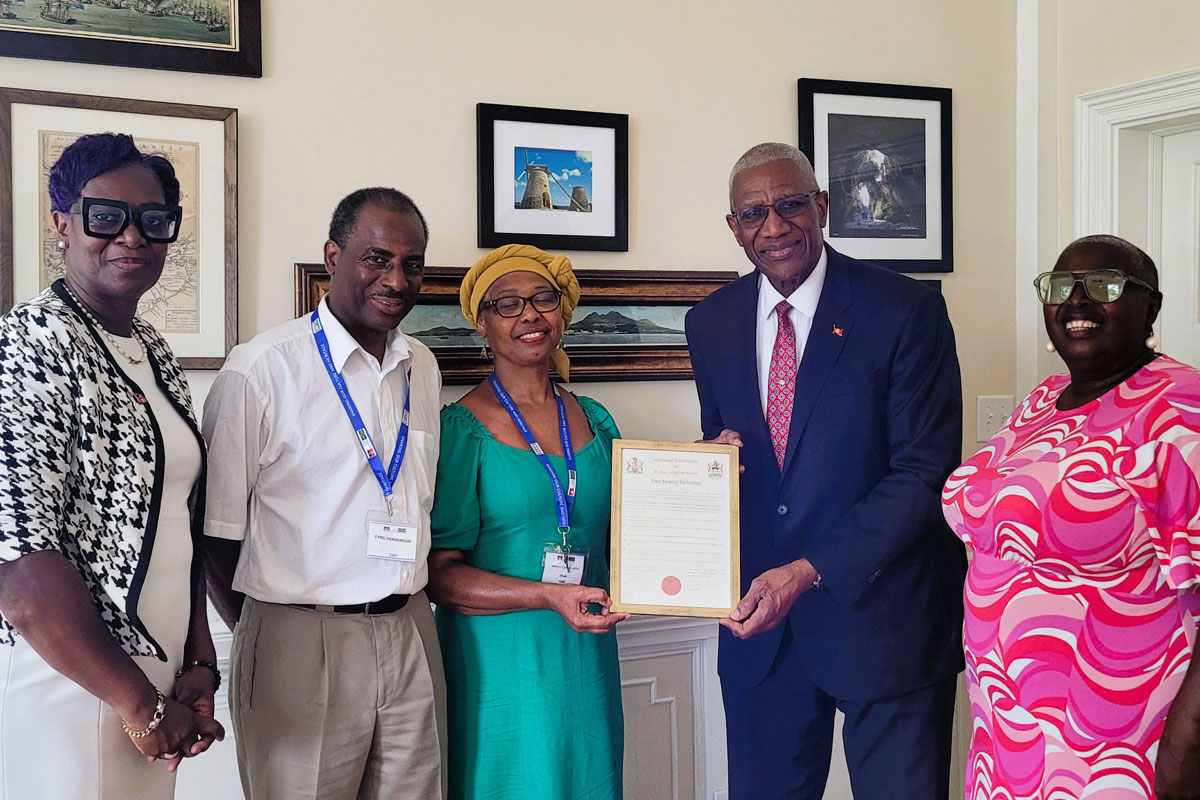
    On Barbuda, the delegation held productive working sessions with Member of Parliament Trevor Walker and John Mussington, Chair of the Barbuda Council, before touring The Lit! Project, a local community literacy and youth empowerment initiative that has drawn regional acclaim for its work expanding access to educational resources for remote island communities. The trip then moved to Antigua, where delegation members held an audience with Governor General Sir Rodney Williams. Their discussion centered on pressing shared priorities, including advancing community public health initiatives and expanding global awareness of dementia care and support.

    From Antigua, the group traveled to Dominica, the final stop on their itinerary. There, WFTA delegates joined multi-stakeholder planning meetings to align on future collaborative projects, took part in the island’s iconic annual Jazz ‘n Creole Festival to celebrate local cultural heritage, and participated in a series of media engagements and cultural exchange activities to share the goals of the C2R initiative with local audiences.

    A core ceremonial component of the visit saw the delegation present official framed twinning declarations to governing bodies in each of the three destinations. These documents serve as a public reaffirmation of the official partnership first established between Waltham Forest and the three Caribbean nations back in April 1999. In a post-visit statement, WFTA framed the C2R Pilot 2025 delegation as a critical milestone in the association’s 27-year history of cross-regional partnership, highlighting the visit’s success in reactivating connections after years of limited in-person exchange and laying the groundwork for future collaborative projects.

  • OECS Forms Advisory Team as U.S. Seeks Regional Help with Third-Nation Deportees

    OECS Forms Advisory Team as U.S. Seeks Regional Help with Third-Nation Deportees

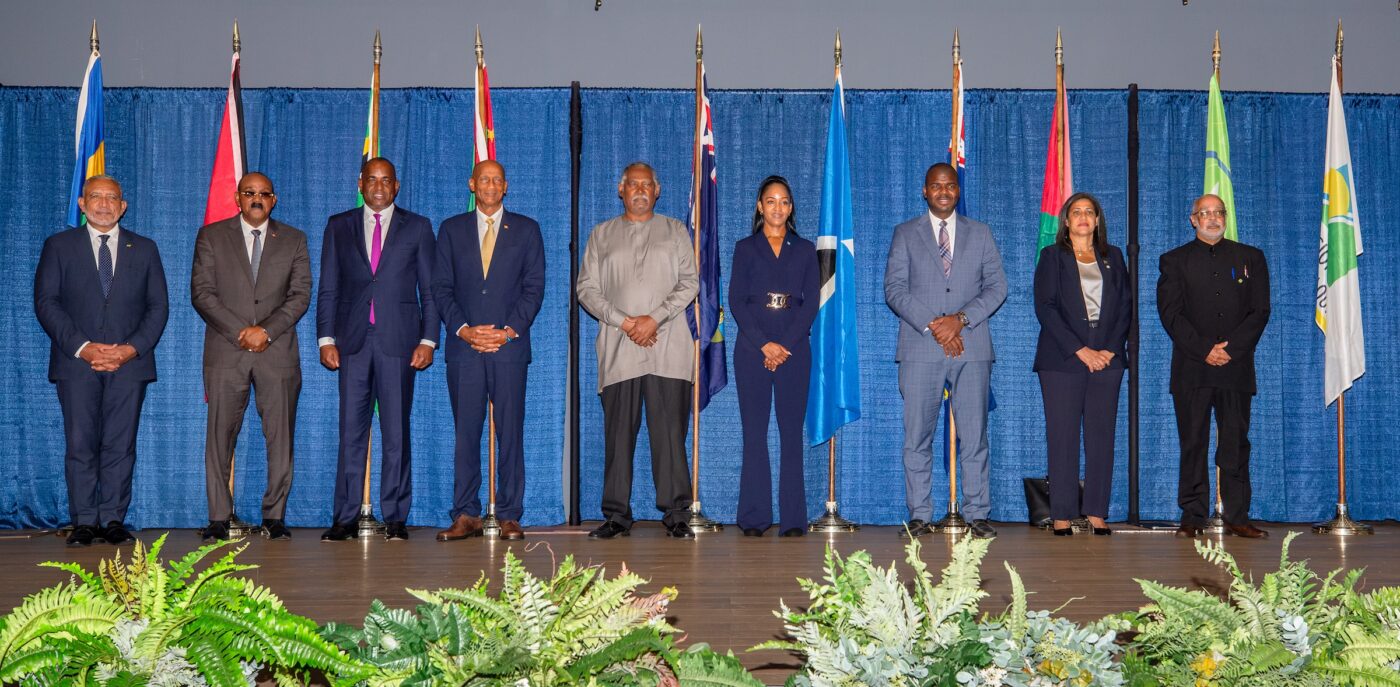
    Amid rising geopolitical tensions and growing global uncertainty, leaders from the Organisation of Eastern Caribbean States (OECS) have greenlit the creation of a specialized high-level advisory team to coordinate regional negotiations with the United States over Washington’s controversial request to accept third-country deportees. This landmark decision was unveiled during the official opening of the 78th OECS Authority Meeting, hosted at the Royalton Resort in Deep Bay, where outgoing OECS Chairman and Prime Minister Godwin Friday formally passed the leadership gavel to incoming chair Gaston Browne.

    In his opening remarks to the assembly of regional leaders, Friday framed the U.S. request as one of the most pressing policy challenges the Eastern Caribbean bloc has confronted in decades, emerging at a moment of unprecedented global instability that already strains the region’s critical systems. “We are navigating an era of profound geopolitical uncertainty, the most impactful our region has seen in a generation,” Friday told delegates. “Broader tensions across our hemisphere send ripples that touch every part of our collective life: our national security, energy security, household living costs, migration patterns, and diplomatic standing.”

    The U.S. proposal, first brought to OECS member states early this year, asks small Caribbean nations to take in migrants deported from the United States who do not hold citizenship in the receiving countries. Friday emphasized that the bloc has approached the request with extreme caution, as its potential ramifications cut to core national interests across the sub-region. To date, the matter remains under active review, with leaders flagging serious risks to public safety, strained limited national budgets, threats to long-term economic stability, and compromises to national sovereignty that could come from accepting additional non-citizen deportees.

    “We are still working through this issue with great care because it carries serious implications for our economy, the personal safety of our citizens, the allocation of already scarce public resources, and our sovereign autonomy,” Friday explained. In response to the complexity of the negotiations, regional leaders voted unanimously to form the cross-bloc advisory body, which will bring together technical experts and senior representatives from all OECS member states to coordinate unified negotiating positions, whether members engage with Washington individually or as a collective group.

    Beyond the immediate deportation issue, Friday used the platform to reaffirm the unique vulnerability of small island developing states to external global shocks. “What register as mere small tremors for large, powerful nations are felt as catastrophic earthquakes for us,” he noted. “As small island developing states, we end up bearing the worst, and longest-lasting, consequences of international events we had no hand in creating.”

    For Caribbean governments across the region, the challenge of third-country deportations has grown increasingly urgent in recent years. Leaders are forced to strike a precarious balance between upholding long-standing diplomatic ties and humanitarian obligations, and protecting their limited institutional capacity, national security frameworks, and sovereign right to control entry into their territories.

  • Clayton Jeffery Pleads Guilty to Scalding Sister with Boiling Water

    Clayton Jeffery Pleads Guilty to Scalding Sister with Boiling Water

    A Bolans resident has entered a guilty plea to a violent assault charge that left his own sibling with life-altering injuries and months of painful recovery. Clayton Jeffery admitted in court on Monday to intentionally wounding his sister in the unprovoked October 29, 2023 attack, which unfolded in public along a residential road in the community.

    Court documents and prosecution accounts detail a chilling sequence of violence: Jeffery armed himself with a kettle full of boiling water, chased his fleeing sister down the street, and caught up to her before pouring the scalding liquid directly across her back. After the woman collapsed to the ground from the burn pain, Jeffery continued his assault, kicking and punching her repeatedly before local bystanders stepped in to stop the attack and call for emergency assistance.

    The victim was rushed immediately to a local hospital for urgent care, where clinicians diagnosed her with third-degree burns across her back, a fractured left leg, and a broken right hand. She required three weeks of inpatient hospital treatment to stabilize her injuries, followed by an additional eight months of forced bed rest at home as she worked to regain her health. What makes the attack even more shocking, court records confirm, is that there was no pre-existing argument or conflict between the two siblings before the violence erupted.

    Jeffery later told investigating officers that he had been tipped off by neighbors to rumors about his personal life, and he incorrectly assumed his sister was the person who had spread the gossip. That misplaced anger was the sole trigger for the brutal attack, according to his statement to police.

    Following Monday’s guilty plea, the High Court has scheduled Jeffery’s sentencing hearing for July 20, where he will face a judge’s determination of the penalty for his violent crime. The case has drawn local attention to the devastating harm that can stem from unchecked anger and unconfirmed gossip, even within immediate family units.

  • Antigua and Barbuda May Need Higher Water Rates, Browne Warns

    Antigua and Barbuda May Need Higher Water Rates, Browne Warns

    The twin-island nation of Antigua and Barbuda is facing a growing fiscal dilemma over its water supply, as Prime Minister Gaston Browne has confirmed that gradual rate increases may be unavoidable in the coming years. The revelation came during Browne’s weekly public radio segment *Browne and Browne* on Saturday, where he outlined the heavy financial burden the government already carries to keep running the country’s water systems.

    Each year, the Antigua and Barbuda government pours an estimated 40 million Eastern Caribbean dollars into direct subsidies for water production and distribution, costs that have surged as the country has shifted away from traditional groundwater extraction to far more energy-intensive reverse osmosis desalination. Unlike pulling water from natural underground aquifers, desalination requires specialized infrastructure, large amounts of energy, and ongoing maintenance that drive production costs far higher. To prevent consumers from absorbing the full brunt of these expenses, the state has stepped in to cover the gap, but the strain on public finances is becoming unsustainable.

    Even with this pressure, Browne emphasized that the government has no plans to implement sudden, drastic rate hikes that would disrupt household budgets. Instead, he framed any future changes as modest, manageable adjustments that align with the actual value of the resource Antiguan and Barbudan consumers receive. For context, he pointed to the current flat rate structure: consumers currently pay $22 for access to 1,000 gallons of water, and even a potential increase to $30 would still represent an affordable rate for the volume provided.

    Beyond balancing the government’s books, Browne noted that fairer pricing also serves a critical public goal: encouraging water conservation at a time when the country is battling one of the most severe multi-year droughts it has seen in decades. The prime minister argued that artificially low water prices have incentivized wasteful use, even amid the ongoing dry spell. He cited the persistent practice of residential lawn watering as one example of unnecessary water use that cheap pricing enables.

    As climate conditions push Antigua and Barbuda to deepen its reliance on desalination to guarantee a consistent water supply for residents, responsible consumption will only grow in importance, Browne added. Currently, the government is already pouring investment into upgrading water distribution infrastructure and expanding the country’s reverse osmosis production capacity to address long-standing gaps in service and the ongoing impact of the drought. Moving forward, Browne stressed that any future rate adjustments will be crafted to strike a careful balance: keeping water accessible and affordable for all households, while acknowledging the real costs of producing and delivering this essential resource in a small island nation that must increasingly turn to desalination.

  • Anthony Stuart Delivers Financial Management and Leadership Session for Youth

    Anthony Stuart Delivers Financial Management and Leadership Session for Youth

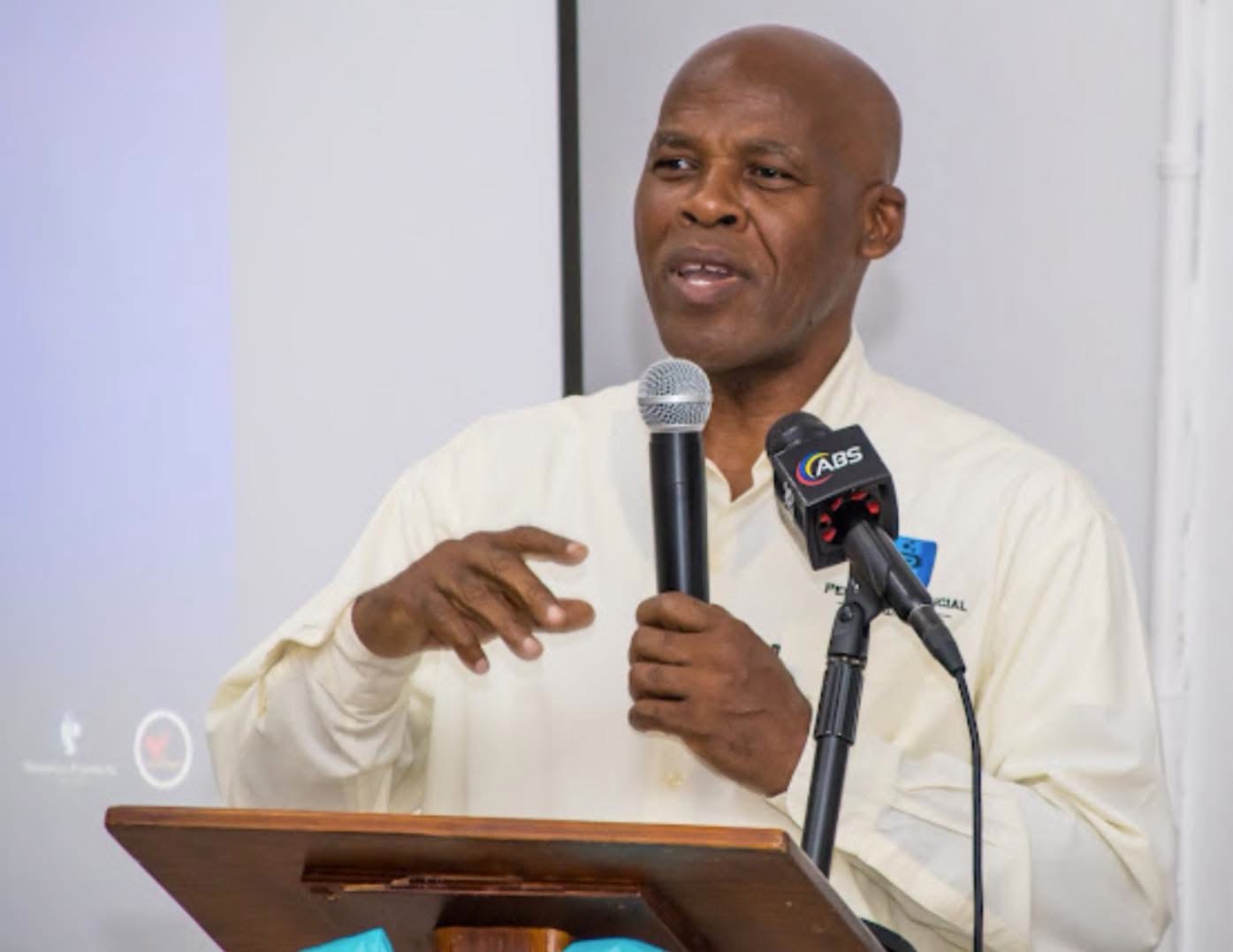
    On June 22, Antigua and Barbuda’s Department of Youth Affairs hosted a targeted youth development workshop focused on two critical pillars for young professional growth: practical financial management and principled ethical leadership. Following the event, department officials publicly extended their gratitude to the session’s lead speaker, veteran financial and business consultant Anthony Stuart, as well as local coordinator Kelly-Ann Boatswain, for making the engaging, skill-focused session a success. Officials also highlighted the foundational support of the program’s two major sponsors, the Sandals Foundation and Flow Antigua, whose contributions turned the community-focused initiative from a planned project into a tangible, impactful event for local youth.

    A native of Antigua, Stuart brings unparalleled professional expertise to this youth outreach work, boasting more than three and a half decades of hands-on experience spanning the finance, banking, insurance, and business development sectors. His academic and professional credentials underscore his authority in the field: he holds a Bachelor of Science degree in Accounting and Economics, a Master of Business Administration with a specialized focus on Finance, and holds professional certifications as a Certified Public Accountant, Certified Fraud Examiner, and Certified Anti-Money Laundering Specialist. Beyond his private consulting work, Stuart also serves as a business lecturer at the School of Business and Management at The University of the West Indies Five Islands Campus, giving him extensive experience translating complex financial concepts for emerging professionals.

    Stuart’s cross-sector career background further enriches his perspective for youth audiences: he has held leadership and technical roles in both the public and private spheres, including stints with Antigua and Barbuda’s Customs Department and Audit Department. He previously served as Executive Director of the St. John’s Development Corporation, and currently works as Senior Financial and Business Consultant at Personal Financial Solutions, a locally owned Antiguan consultancy firm.

    For the Department of Youth Affairs, this workshop is far more than a one-off community event. It is part of a sustained, ongoing strategy to arm young Antiguans and Barbudans with the practical, real-world skills they need to thrive in modern workplaces and launch their own ventures. Beyond hard financial skills, the program prioritizes fostering a culture of ethical decision-making, strong leadership capabilities, and entrepreneurial ambition among the nation’s youth. Department representatives emphasized that the ongoing program continues to deliver long-term value, nurturing innovation, ethical practice, and professional resilience among the next generation of young leaders and entrepreneurs across Antigua and Barbuda.