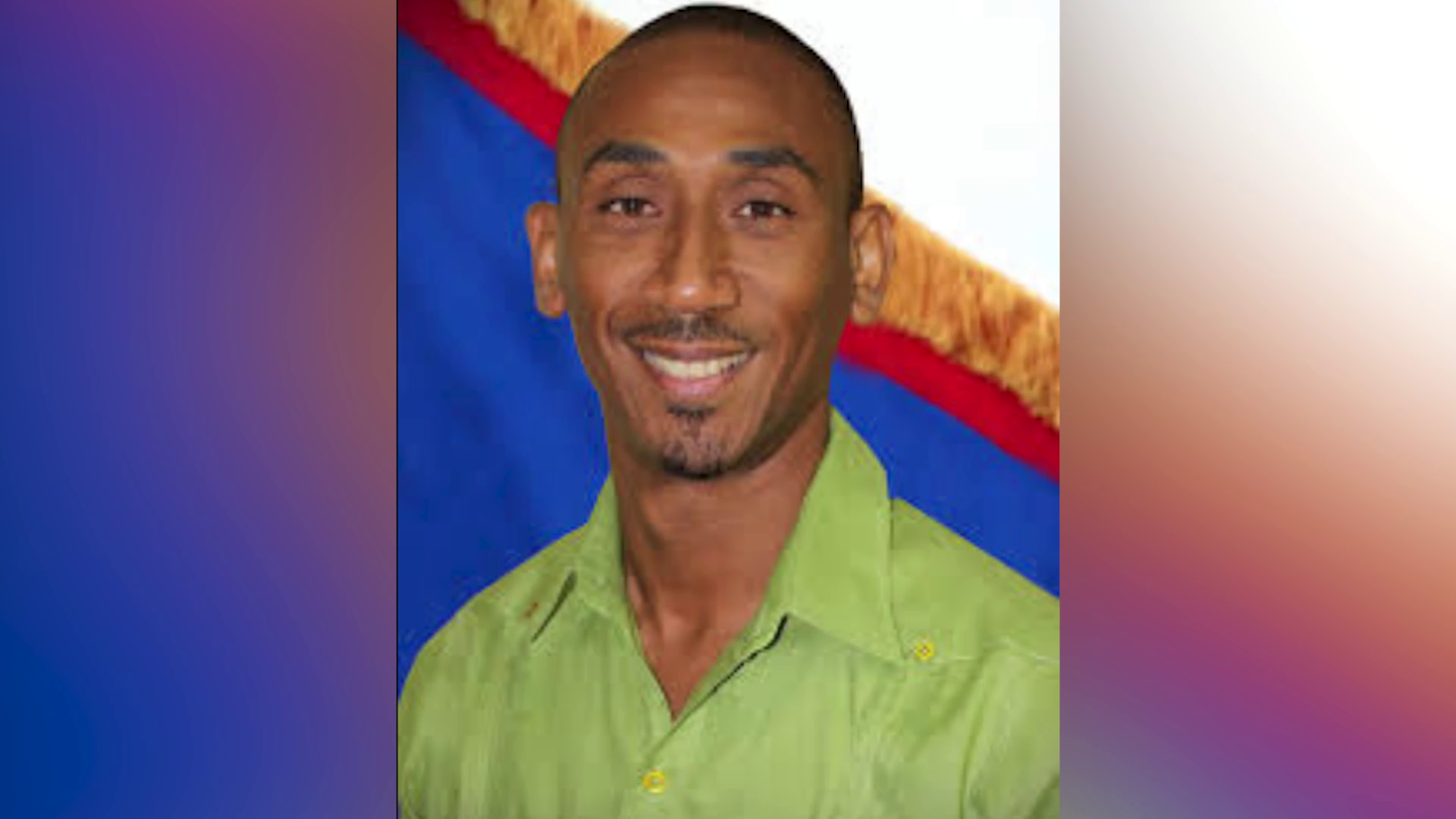
A sweeping financial audit of Belmopan’s City Hall has uncovered more than $4.6 million in potentially unaccounted-for funds linked to the final term of former mayor Khalid Belisle, laying bare systemic gaps in governance and accountability that have sparked new political debate in the Belizean capital. Released in June 2026, the audit flags a range of problematic practices, from unapproved land transactions to opaque asset exchanges that left the municipal council facing major financial losses. In an interview with local reporters, current mayor Pablo Cawich, who succeeded Belisle in office, acknowledged that clear wrongdoing emerged from the audit, but stopped short of demanding law enforcement take the former mayor into custody. Cawich detailed that the losses stemmed in large part from undervalued asset deals, many of which were structured as barter arrangements rather than direct cash sales. “When I say sold, I don’t necessarily mean that they were sold at cash exchange. In some cases, it was in exchange of services. For example, I ask you to do a job and then I can’t pay you, so I give you land instead. Again, those types of practices is where the council lost a lot of funding or money because the exchanges were not always one-to-one,” Cawich explained. When pressed directly on whether Belisle should face arrest for the documented irregularities, Cawich deferred to law enforcement and audit oversight bodies, noting that the question of criminal charges falls outside the scope of the current municipal administration. “I can’t necessarily speak to that. I can say personally that wrongdoing was committed. I wouldn’t know if I would go as far as to say anybody should be incarcerated. That is more of a police and auditor’s perspective,” he said. The timing of the audit’s public release has fueled speculation among political observers that the announcement was intended to distract public attention from an ongoing separate controversy involving Mira, a political rival of Belisle. But Cawich rejected that claim outright, emphasizing that the public release of the audit findings was scheduled weeks in advance of the unrelated political controversy breaking. “I don’t see how an allegation like that could be made. This audit is regarding local government. We obviously release information at public meetings, which is when we released it. The public meeting had been scheduled weeks ahead of that time so there is absolutely no correlation between both topics,” Cawich said. This report is based on a transcribed broadcast from local Belizean news, with original quotes retained for accuracy. As the audit process moves forward, questions remain about whether any individual will face formal consequences for the millions in documented losses, and how the findings will shape local political discourse ahead of future municipal elections.
博客
-

UDP Signals Early Show of Force for 2027 Municipal Elections
In an early show of organizational strength ahead of the 2027 Belize municipal elections, the country’s United Democratic Party (UDP) has announced a robust surge in candidate interest, signaling the opposition’s aggressive preparation to unseat the incumbent People’s United Party (PUP) government. UDP Chair Sheena Pitts shared details of the party’s nomination cycle, which ran from February 26 to March 31, 2026, revealing that more than 90 aspiring politicians have already submitted their applications to run on the UDP ticket. The flood of early contenders demonstrates far greater grassroots momentum than many observers expected, Pitts said, countering any narrative that the party lacks widespread public and political support ahead of the upcoming vote. The candidate pool already holds competitive races for top municipal posts across the country. In Belize City, the nation’s largest urban center, three candidates have already put their names forward for the mayoral nomination, with 18 more hopefuls vying for city council seats. In the national capital of Belmopan, the contest is similarly competitive: two candidates are seeking the UDP’s mayoral endorsement, while 11 residents have applied to run for city council positions. Beyond the two major urban centers, the UDP has already secured full candidate slates for multiple municipalities: three complete slates for Dangriga, and full slates for Orange Walk, Punta Gorda, Benque Viejo del Carmen, San Pedro, and Corozal. Pitts emphasized that the early nomination surge is a deliberate strategy, not an accident. Rather than waiting until the final months before the 2027 election to begin organizing, the UDP has moved months ahead of schedule to lock in candidates and build campaign infrastructure across the country. “If unu mih think Belizean nuh ready, the report we have gotten from our nomination chair show proof positive that there are a number of Belizeans ready to join with the UDP leadership to take down this PUP government,” Pitts said, speaking in Kriol, transcribed in standard spelling per the outlet’s translation policy. The party has already begun the vetting process for applicants, and has sent acceptance notices to the first wave of successful candidates, Pitts confirmed. All remaining notification letters will be sent out by the end of the week, she added, noting that not all applicants passed the party’s vetting requirements to appear on the UDP ticket. This early display of force positions the UDP as an organized, energized opposition more than a year out from the municipal contests, setting the stage for a competitive campaign cycle across Belize’s municipal governments. This report is adapted from a transcript of an evening television news broadcast.
-

UDP Demands Budget, Contractor Details on NHI Expansion
As the Government of Belize pushes forward with a nationwide expansion of its National Health Insurance (NHI) Scheme, the country’s main opposition United Democratic Party (UDP) is escalating demands for accountability by invoking the Freedom of Information Act (FOIA) to obtain unshared critical administrative and financial records.
The formal request for documents, announced publicly by UDP leader Tracy Panton on June 16, 2026, comes after the party’s representatives on the official NHI oversight committee were repeatedly blocked from accessing key details through standard legislative and committee channels. Panton emphasized that this lack of transparency is a major cause for concern for all Belizean residents, who deserve clarity on how the public-funded health scheme is being managed as it scales up.
Among the core documents the UDP has requested are detailed budget allocations for the NHI program for both the current fiscal year and the upcoming fiscal cycle. The party is also demanding a complete, public roster of all public and private primary care providers contracted to deliver NHI-covered services, alongside full disclosures of the ownership of each contracted provider entity.
Panton pointed to conflicting and incomplete remarks made by the Minister of Health during a recent sitting of Belize’s National Assembly to underscore the need for full disclosure. During that assembly session, Panton noted, the health minister only confirmed that seven public health facilities currently hold NHI contracts, leaving the vast majority of participating providers unaccounted for.
“What that leaves unaccounted for is the next ninety percent of providers,” Panton said. “We need to know the names of these providers, the names of the owners.”
Beyond administrative and ownership details, the UDP has also directed a request to Belize’s Financial Secretary for a line-by-line breakdown of all medical services covered under the expanded NHI scheme, as well as the full list of reimbursement rates that the government pays to contracted providers for each covered service.
The formal FOIA filing marks a significant intensification of public pressure on the ruling administration to open its books on the NHI expansion, a major public health policy initiative that affects access to care for all Belizeans. Transparency advocates have long flagged that large public health schemes with contracted private providers carry inherent corruption risks without regular public disclosures, making the UDP’s demand a key test of the government’s commitment to open governance as it rolls out the expanded program nationwide.
This report is adapted from a transcript of an evening television newscast originally published by local Belizean media.
-
UDP Questions $73M BEL Share Purchase
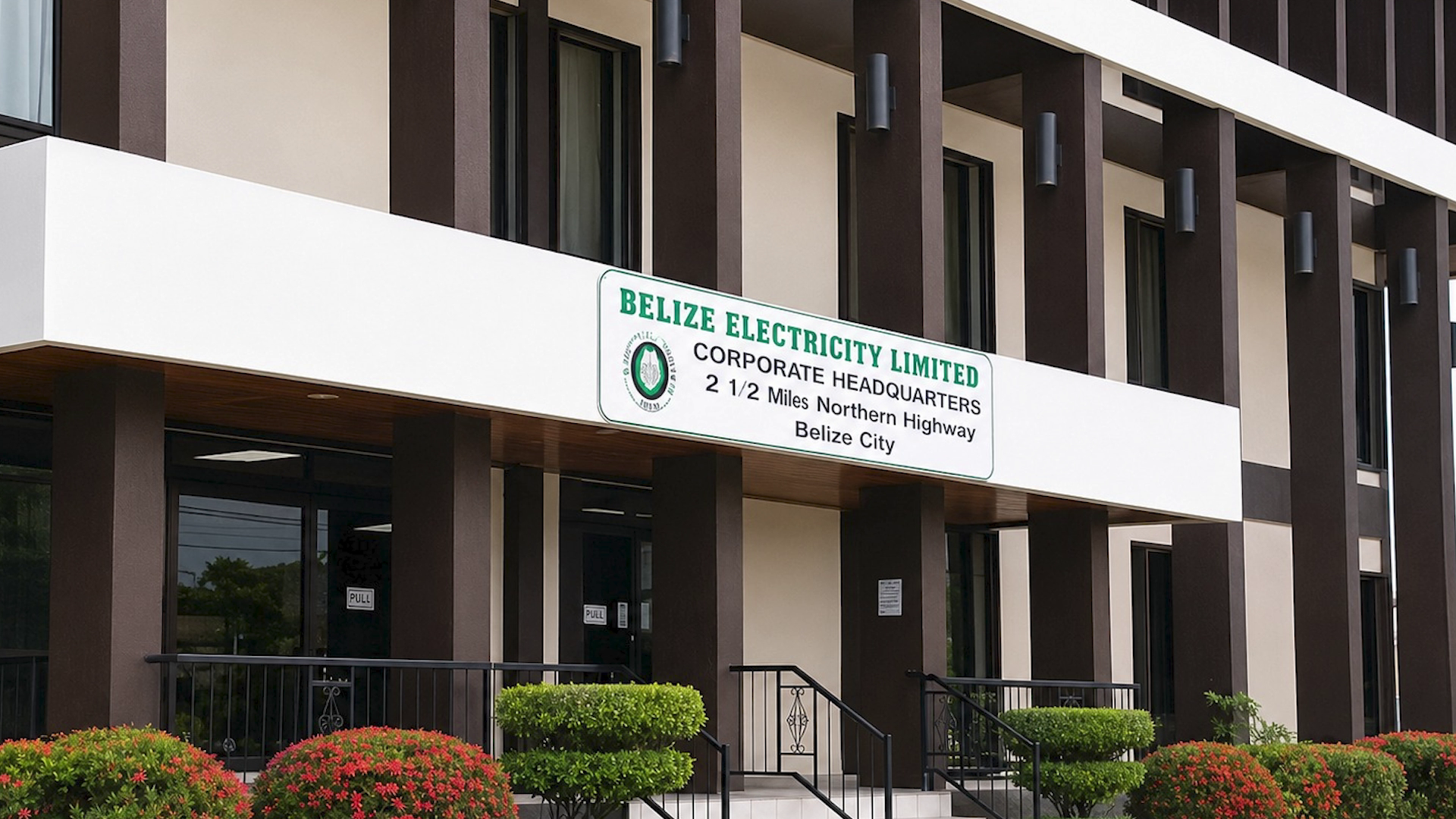
Nearly two weeks after Belize’s Prime Minister John Briceño unveiled a controversial $73 million plan to acquire shares in national utility BEL, the opposition United Democratic Party (UDP) is escalating scrutiny over the proposal, pressing the administration to answer critical questions about funding sources and the ultimate purpose of the transaction. The plan, which calls for the government to buy just over 8.1 million BEL shares at a price of $9 per share, has sparked fierce political debate over whether it amounts to a hidden bailout for the struggling utility, with growing concerns that public social security funds could be tapped to cover the massive cost.
Tracy Panton, leader of the UDP and the country’s opposition, told reporters that the party has repeatedly pushed the ruling People’s United Party (PUP) administration for full transparency, and is set to demand clear answers when the proposal goes before a House Committee meeting on Wednesday. Panton emphasized the staggering scale of the proposed expenditure, noting that the $73 million price tag is no trivial sum at a time when the country’s total national debt is already approaching $1 billion.
Drawing a parallel to the earlier controversial BTL acquisition, Panton declined to pre-empt her party’s formal position ahead of Wednesday’s committee review, where the party will conduct a line-by-line critical examination of the legislation backing the share purchase. She did, however, warn the public of the risks tied to the plan, noting that when she questioned a senior PUP government official about the funding source during a recent visit to Belmopan for separate legislative business, the official could not provide a definitive answer — only offered an unconfirmed denial that funds would come from the Social Security Board (SSB) Investment Fund.
Panton stressed that regardless of where the administration sources the $73 million, the ultimate cost will fall on ordinary Belizean taxpayers. She added that while the public might be willing to accept the expenditure if it delivered tangible benefits like lower electricity bills and more reliable service, there is no evidence those outcomes will materialize from the proposed purchase. If the committee meeting reveals any concrete indication that SSB public funds will be used for the transaction, Panton said the UDP will immediately alert the Belizean public to the plan’s risks.
The proposal marks the latest high-stakes political flashpoint between the ruling PUP and opposition UDP, with public accountability for public spending emerging as a central campaign and legislative issue ahead of upcoming political processes.
-

Women in Fisheries Push for Power and Progress
Opening on June 16, 2026 at Old Belize, the second annual Women in Fisheries Forum has kicked off, turning a long-overdue spotlight on the underrecognized women who form a critical backbone of Belize’s coastal blue economy. Co-hosted by the Wildlife Conservation Society and Belize’s National Women in Fisheries Association, the two-day gathering unites working fishers, small business owners, and marine conservation leaders to address the overlapping systemic and environmental challenges that have long sidelined women in the industry, from soaring operational costs and climate-driven ecological shifts to limited access to capital and professional opportunities.
For generations, commercial fishing has been the economic lifeline of Belize’s coastal communities, supporting nearly 20,000 households and contributing millions of dollars annually to the national economy. Yet despite this outsized impact, women remain vastly underrepresented, holding less than 4% of formal industry roles. The forum’s organizers and attendees are working to shift that imbalance, centering conversations that elevate women’s lived experience and push for greater leadership access, expanded market opportunities, and equitable sustainable financing for women across the marine sector.
Paula Jacobs Williams, chair of the National Women in Fisheries Association and a third-generation fisher from Punta Negra, says fishing is embedded in her identity. “I grew up in a fishing community. My mom and dad were fisher folk, and I always tell people I’ve been fishing from inna di belly — when I was pregnant with my children, I was still out fishing, so they didn’t know a life without it,” she shared at the event. Like many women in the industry, Williams has adapted to mounting pressures in recent years: rising fuel costs, shifting fish populations driven by climate change, and new regulatory changes have forced many small-scale fishers to diversify their income streams. Williams and her family have expanded into coastal tourism to supplement their fishing income, allowing her to continue working on the water she has called home her whole life.
Ralna Lamb Lewis, marine conservation director at the Wildlife Conservation Society, explained that outdated cultural perceptions of fishing as a “male-only” industry have created systemic barriers that lock women out of critical resources. “When there’s a widespread perception that only one group belongs in this space, it limits access for everyone else to the resources and opportunities the sector offers,” Lewis said. “Our focus right now is identifying what resources and opportunities exist for women to fully participate in the growing blue economy, and supporting innovative ideas that let them generate sustainable income for themselves, their families, and their whole communities.”
The 2020 national ban on gill nets, implemented to protect vulnerable marine ecosystems, reshaped fishing practices across Belize — but it also created new challenges for small-scale operators. With net fishing restricted, many fishers have shifted to fish traps, increasing competition for limited fishing grounds. Vonetta Dawson, a small-scale fisherwoman from Dangriga, says southern coastal communities have borne the brunt of these new pressures. “Since the net ban, more and more fishers are using traps, so more fishing area is taken up, leaving less space for small operators like me,” Dawson explained. She added that skyrocketing operational costs have made it nearly impossible to earn a living wage: “Gas prices are incredibly high, and a sack of ice costs $20 here, compared to just $5 in other parts of the country. For most of us, it’s hand to mouth — there’s no extra money to reward ourselves after a long day out on the water.”
Despite these persistent challenges, the forum has become a space for collective action and solidarity. As the Belizean fishing industry continues to evolve amid climate and economic change, the country’s fisherwomen are organizing to claim their space, supporting one another, advocating for policy change, and building a more inclusive, sustainable future for the nation’s marine economy.
-

Belmopan Divided Over Nailah Blackman’s ‘Rude Boy’ Billboard
Weeks after Trinidadian soca artist Nailah Blackman wrapped up her performance tour in Belize and departed the country, a public advertisement featuring the singer has become the center of a growing culture clash in the nation’s capital, Belmopan. The billboard, placed at a high-traffic major intersection, has split local public opinion sharply, with critics speaking out against its imagery as inappropriate for a public space accessible to all ages.
At a recent municipal public meeting, multiple local residents and religious leaders formally pushed back against the display, reigniting a long-simmering broader conversation about where to draw the line between acceptable community content standards and the right to artistic and commercial self-expression. The debate has put Belmopan’s municipal leadership in the position of mediating between opposing sides of the community.
Belmopan Mayor Pablo Cawich has argued that public concern over the billboard may be out of proportion to the actual issue at hand. In comments at the meeting, Cawich framed the advertisement as a standard commercial placement no different from countless other marketing displays across the city. “It is a regular advertisement sign like any other sign,” he told attendees. “As I mentioned to the pastors, if there is an issue with the content, I am prepared to join forces with them to fight the content and to legislate content. But I see no benefit in limiting how anybody advertises, especially if in my view and from checking with other people, you have a split in perspective.”
Cawich noted that opinion across the capital is already evenly divided: some residents share the view that the imagery is offensive, while others see no problem with the display. He added that other commercial brands across the city already use similar aesthetic and marketing approaches for their own public advertising, creating an inconsistent standard if the Blackman billboard is targeted for removal. The mayor drew a clear line between the current controversy and cases involving public nudity, which he acknowledged would warrant formal municipal action. “We as a city cannot try to put any type of restriction on marketing if it reaches a level where nudity or something like that would be involved and that’s a completely different case,” he explained. “I believe nudity is a real problem if it were at that level. But in this case, that’s not the case.”
Notably, an identical advertisement featuring Blackman has been installed at a major intersection in Belize City, at the corner of Central American Boulevard and Pine Street, and no public objections or petitions have been filed against the display there to date. The discrepancy in public reaction between the two cities has further highlighted how differing community norms can shape responses to public art and commercial advertising, leaving the debate over the Belmopan billboard ongoing with no clear resolution in sight as both sides continue to make their cases.
This report is adapted from a transcript of a televised evening news broadcast from Belize.
-

Major Rural Drive Targets 15 Communities with Tools and Upgrades
On June 16, 2026, a landmark large-scale rural development initiative brought tangible support to 15 underserved rural communities, marking a deliberate shift in how government approaches local growth: from small, scattered interventions to coordinated, inclusive action that leaves no village behind.
Organized by the country’s Ministry of Rural Transformation, the effort brought government officials directly together with local village councils and regional water boards to distribute hundreds of thousands of dollars’ worth of critical equipment and infrastructure supplies on a single afternoon. Unlike previous programs that typically supported just three to five communities per distribution event, this expanded iteration prioritized scaling up to reach a much larger group of rural areas at once.
The support package addresses three core everyday needs for rural communities: maintenance of shared public spaces, improved access for agricultural transportation, and more sustainable water system management. Village councils received landscaping and groundskeeping equipment including commercial-grade lawnmowers and weed eaters to keep community parks, sidewalks, and public gathering areas clean and accessible. For agricultural routes, pre-fabricated culverts were delivered to repair drainage gaps and improve all-season access on rural farm roads, reducing flood risk for growing operations and making it easier for farmers to transport crops to market.
For local water boards, the distribution included hundreds of new water meters to support ongoing system expansion projects. According to Charles Galvez, Director of Rural Development, the new meters do more than improve service: they enable water boards to build long-term self-sufficiency through more accurate consumption tracking. This, in turn, helps boards boost stable revenue that can be reinvested in local infrastructure upgrades, creating a closed loop of self-directed growth for communities.
Valentino Shal, CEO of the Ministry of Rural Transformation, emphasized that the expanded scale of the initiative reflects the government’s core commitment to equitable rural development. “Before 2020, we saw how many rural communities were overlooked in smaller, scattered development programs,” Shal explained. “This time, we decided to go bigger to make sure we don’t leave any village behind. Every rural community in this country matters, and this effort is proof that government can work hand-in-hand with local people to deliver real, immediate change.”
For Galvez, the ultimate goal of the program extends far beyond distributing equipment and materials. “This isn’t just about routine maintenance,” he noted. “It’s about giving communities the tools they need to take control of their own long-term growth and build lasting self-reliance.”
This report is a transcribed excerpt from an evening television newscast focused on domestic rural development.
-

Derde helft WK 2026: Irak strijdend ten onder tegen Noorwegen
In the second Group I World Cup qualifying match held at Boston Stadium, Norway claimed a comfortable 4-1 victory over Iraq on June 16, with star striker Erling Haaland leading the charge by scoring two goals. Gabonese referee Pierre Atcho oversaw the fixture, which brought together two nations with relatively sparse histories of World Cup appearances.
Norway entered the match carrying heavy expectations from fans and pundits alike, thanks to its roster of elite global talents including Haaland of Manchester City and Arsenal captain Martin Ødegaard. In contrast, Iraq lacks household-name football stars, meaning the side had to rely on tight collective organization to challenge its more fancied opponent.
The match got off to a tense start, with Iraq putting up a brave fight against Norway’s physically dominant side. As early as the 7th minute, Haaland outcompeted defender Merchas Doski in the penalty box with a well-timed run, but his cross was easily intercepted by Iraq goalkeeper Jalal Hassan. Six minutes later, Iraq earned its first clear scoring opportunity, but striker Ali Al-Hamadi failed to convert the chance and test the Norwegian goal.
By the mid-point of the first half, Norway had seized control of possession and territory, but the side relied heavily on long balls directed toward Haaland and his strike partner Alexander Sørloth, a tactic that left the game lacking attacking flair in this period. No goals were recorded before the first scheduled hydration break.
Just moments after play resumed, Norway executed a brilliant attacking sequence that ended with Haaland slotting home a tidy finish from David Møller Wolfe’s assist, putting the Scandinavian side up 1-0. Around 10 minutes later, Ødegaard found himself in a promising goalscoring position but fired his effort just wide of the post.
The miss seemed to wake Iraq up, and the side responded almost immediately. Ali Jasim pulled off a brilliant individual run to shake off his marker before delivering a perfectly weighted cross to Aymen Hussein, who rose above taller Norwegian defenders to power a header into the net, equalizing the score at 1-1. Just one minute later, however, Iraq’s defense gifted Haaland an unmissable opportunity, which he calmly converted to restore Norway’s lead at 2-1. In the dying seconds of the first half, Iraq had another great chance to level the score, but Al-Hamadi’s poor finishing let him down, sending the two sides into halftime with Norway holding a one-goal advantage.
After the break, Iraq pushed hard for an equalizer and created several promising openings early in the half, but could not find the back of the net. With 15 minutes of regular time remaining, Norway extended its lead when Leo Østigård headed a corner kick past Hassan, making the score 3-1. Late in the game, Haaland came close to completing his hat-trick, but a fantastic save from Hassan kept the scoreline unchanged. In the final minute of regulation, Kristian Thorstvedt put the final nail in the coffin with Norway’s fourth goal, sealing a 4-1 win for the side.
The result keeps Norway on track in their Group I qualifying campaign, while Iraq will need to regroup for their upcoming fixtures to keep their World Cup qualification hopes alive.
-
UDP Calls for Mira’s Resignation After Deadly Weekend
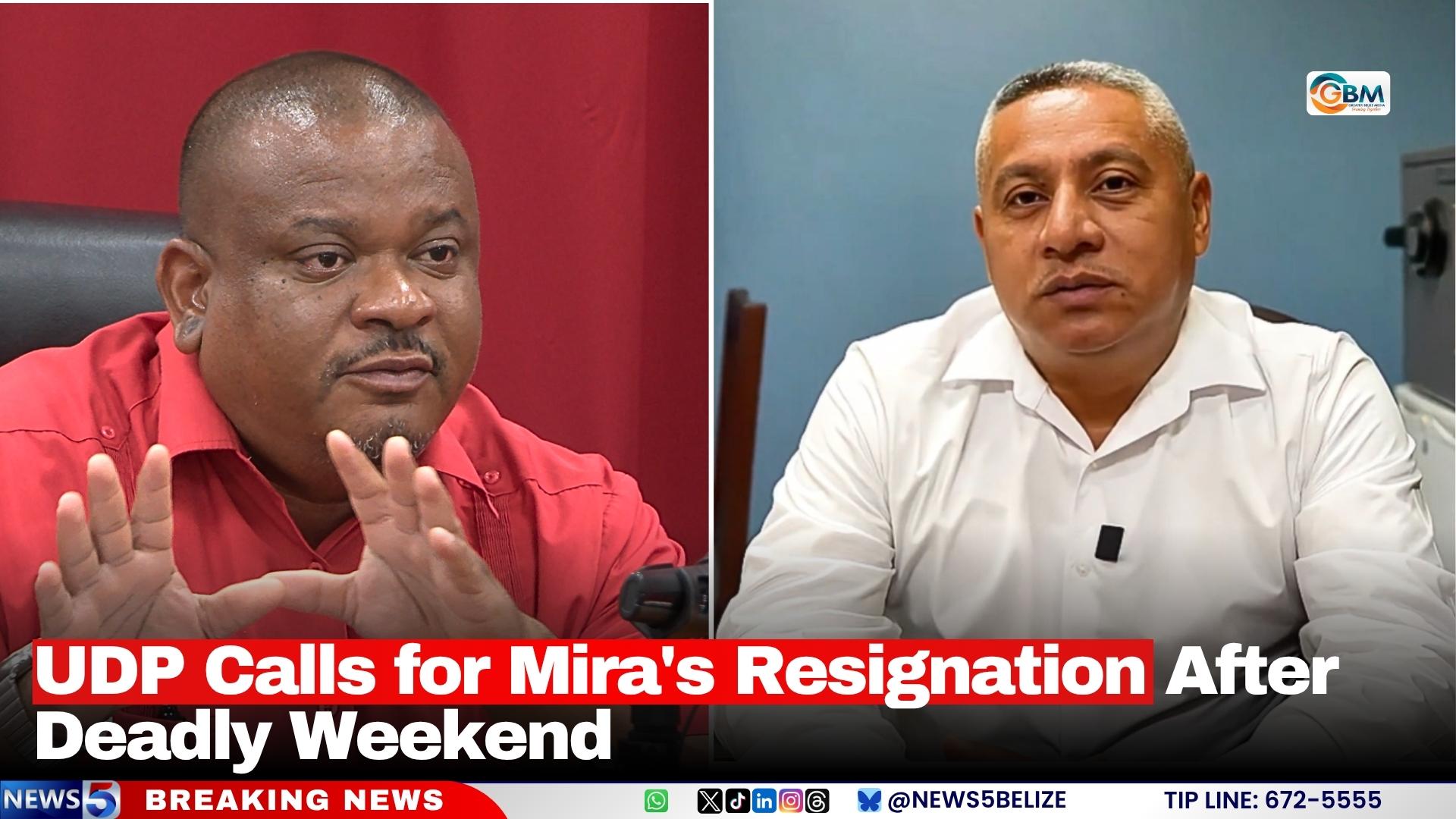
On June 16, 2026, Belize’s main opposition United Democratic Party (UDP) has launched a formal demand for the resignation of national Home Affairs Minister Oscar Mira, triggered by a wave of brutal fatal violence that left multiple people dead across the country over a single weekend.
Speaking on behalf of the UDP, opposition Senator Patrick Faber laid out the specifics of the three high-profile killings that have sparked public outrage and political backlash. The first victim, Dr. Bonilla, was murdered in front of his own daughter, who remained trapped in the back seat of the vehicle during the attack. Second, Kiffer McKenzie was shot dead in a public shooting on busy Albert Street while his own young children were seated inside his parked car. The third victim, 25-year-old Eric Nelson, was killed in what investigators allege was a senseless gang-related killing, targeted solely for wearing a shirt of the wrong color in a territory controlled by a rival gang.
Faber argued that Mira has lost all credibility to lead the ministry tasked with curbing violent crime and protecting public safety, stating bluntly: “Minister Mira must go before he is completely impotent. He has no meaningful agenda to fight crime.” The senator drew a sharp contrast between the current administration’s delayed, low-profile response to the bloodshed and the protocols of previous governments, noting that former prime ministers would immediately address the nation to outline next steps and acknowledge public grief following any major outbreak of fatal violence. In Faber’s assessment, Mira’s prolonged public silence and the complete absence of visible, decisive action following the weekend violence are clear proof that he is unfit to hold his post overseeing national public security.
Senior officials within the Home Affairs Ministry have pushed back against the opposition’s demands, however. Rear Admiral Elton Bennett, Chief Executive Officer of the Home Affairs Ministry, told local outlet News 5 that Minister Mira remains fully focused on his official duties and has not been distracted by what Bennett characterized as “noise in the market” – a direct dismissal of the opposition’s calls for resignation.
Full additional details on the unfolding political dispute and the ongoing investigations into the three weekend killings are set to be broadcast during News 5 Live’s prime time 6 p.m. broadcast Monday evening.
-
National Cultural Centre for major overhaul
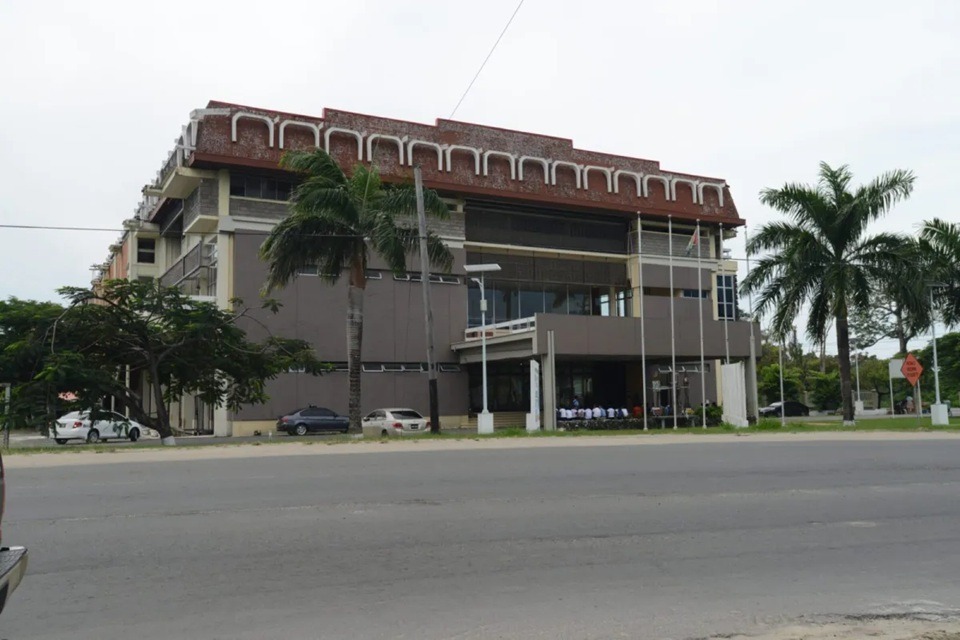
As of Tuesday, June 16, 2026, the Guyanese government has confirmed that the country’s iconic National Cultural Centre (NCC), Georgetown’s premier venue for national performing arts and major cultural events located on Homestretch Avenue, will launch a comprehensive, all-encompassing restoration and modernization project before the end of the year. This announcement comes months after prominent local cultural advocate, award-winning playwright and filmmaker Andre Wiltshire publicly raised alarms about the venue’s widespread decay and functional failures, putting pressure on authorities to address longstanding neglect.
Junior Culture Minister Stephen Jacques shared details of the plan in an interview with the government’s Department of Public Information (DPI), noting that the project is currently advancing through its design phase, carried out in partnership with specialized technical consultants. Once design work and public procurement processes are finalized, the full overhaul will get underway, addressing both the building’s deteriorating external aesthetics and its failing core internal infrastructure. According to Jacques, one of the key priorities of the upgrade is a full overhaul of backstage dressing rooms and public and performer restroom facilities, which will create a far more functional and comfortable space for all artists, staff and patrons using the venue.
“We recognize the National Cultural Centre’s irreplaceable importance to our national identity, and the president has made it clear that full restoration is non-negotiable,” Jacques stated in comments carried by the DPI. “Our goal is to transform the facility, inside and out, into a space every Guyanese can be proud of, that serves the growing needs of the diverse artists and organizations that rely on it every single day.” This project marks a renewed government commitment to preserving and elevating the country’s leading cultural institution, following a partial 2022 upgrade that focused on the main auditorium: that round of work saw the installation of 2,002 new theater seats, plus updates to the venue’s lighting, acoustics and core security systems.
That 2022 update, however, failed to address the host of long-running problems Wiltshire outlined in a detailed letter sent to senior Culture Minister Charles Ramson Jr earlier this year. Wiltshire documented that critical communication infrastructure linking the stage manager’s station to backstage dressing rooms, lighting and sound departments has been completely out of service since the late 1980s. He added that the venue’s core sound system remains unreliable, with regularly malfunctioning equipment and too few working microphones, forcing local production teams to pay extra to rent replacement gear for every show.
The cultural advocate also flagged that front-of-stage lighting has been non-functional for years, despite new equipment having been purchased more than two years earlier and sitting uninstalled. Backstage space on the stage right wing, he noted, is crammed into just six feet of usable area, severely limiting cast movement and slowing set changes between acts. A temporary VIP room built for a past state visit was never removed, and it has permanently eaten into backstage functionality, leaving performers with just one working downstairs restroom during large productions.
Wiltshire’s assessment extended to widespread systemic issues beyond physical infrastructure: he reported that both male and female performer dressing rooms only have one working toilet each, while public foyer restrooms—especially women’s facilities—suffer from multiple broken fixtures and cracked pipes that have never been repaired. Building-wide ventilation and air conditioning, from the main auditorium to the upper balcony foyer, is insufficient, creating uncomfortable, unsafe conditions for both audiences and performers during long events. Even the main auditorium ceiling shows visible decay, with peeling plaster that poses both an aesthetic eyesore and a potential falling hazard to those below.
“The general state of disrepair makes clear there has been no systematic, long-term maintenance plan for this critical institution for decades,” Wiltshire wrote. He also pointed to gaps in human resources, noting that inconsistent technical training for in-house staff leaves many unable to meet the demands of modern theater production, forcing producers to hire external specialists at extra cost just to deliver basic, high-quality events.
Alongside his call for urgent infrastructure repairs, Wiltshire put forward a series of structural recommendations to improve long-term management of the NCC. He called for the creation of an independent Board of Management made up of experienced professionals from across Guyana’s cultural and creative industries, including working theater practitioners, musicians, technicians and arts administrators. This board would provide strategic oversight, enforce accountability, and set clear standards for programming and daily operations, he argued.
Additional recommendations include recruiting professionally trained full-time staff for key leadership roles including Theatre Manager, Stage Manager and Technical Director, rolling out ongoing professional training and certification programs for all operational and technical staff, and establishing clear performance metrics and accountability frameworks for venue management. Wiltshire also pushed for strategic revenue and marketing reforms: he called for the NCC to maximize revenue and visibility by using all available billboard and digital advertising space to promote upcoming events, build an in-house marketing unit to support independent producers and grow audience engagement, and explore public-private partnerships to improve the venue’s long-term financial sustainability.