博客

  • Speech by SG António Guterres before leaving Haiti

    Speech by SG António Guterres before leaving Haiti

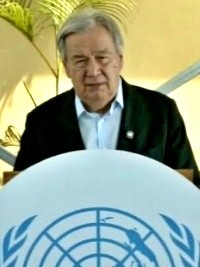
    During a one-day visit to Haiti that concluded on June 16, 2029, United Nations Secretary-General António Guterres delivered a stark, urgent appeal to the international community, warning against continued indifference to the Western Hemisphere’s most severe and rapidly worsening humanitarian and security catastrophe.

    Addressing local and international journalists ahead of his departure, Guterres opened his remarks by emphasizing that the suffering of Haitians would remain with him long after he left the country. “I came to Haiti with a simple message: you are not alone. The United Nations stands with you. And the world cannot turn a blind eye,” he stated.

    Guterres painted a grim portrait of the crisis gripping the Caribbean nation, where gang violence has unraveled daily life for millions. “I have seen a crisis of extraordinary proportions, rooted in insecurity. Gangs are terrorizing the country. Entire families have been uprooted. Children are deprived of protection, education, and a future. For too many Haitians, every day is a struggle for survival,” he said.

    Official figures underscore the scale of the emergency: more than half of Haiti’s population — 6.4 million people — currently require humanitarian assistance, a marked increase from 5.5 million just two years prior. Nearly 1.5 million people have been internally displaced by ongoing violence, and close to 6 million face acute food insecurity. Women and children bear the brunt of the chaos, with an average of more than 20 women and girls reporting sexual assault daily in the first quarter of 2029 alone. Child recruitment by gangs has tripled in the last 12 months, with children now making up half of all gang members in some areas, their childhoods stolen by violence, exploitation, and hunger. “This is absolutely intolerable. It must stop,” Guterres stressed.

    Even amid the widespread chaos, Guterres highlighted the remarkable resilience of the Haitian people, recounting his visit that morning to a camp for internally displaced families. “I met families who have lost everything and yet are holding on, together, with a courage and dignity that command admiration. Their resilience deeply moved me. And it compels us all. These families didn’t ask me for compassion. They are waiting for action,” he said.

    Guterres paid tribute to local and international humanitarian workers, most of whom are Haitian themselves, who continue to deliver life-saving support despite constant threats to their safety, reaching 3 million people in need last year. However, he warned that the international community’s response has fallen drastically short: the $880 million humanitarian response plan, designed to support 4.2 million vulnerable Haitians, is only 25 percent funded. Addressing global donors directly, he clarified: “Haiti is not asking for charity. Haiti is asking the world to keep its word. And Haiti cannot wait.”

    Beyond the humanitarian emergency, Guterres emphasized that Haiti’s crisis is fundamentally rooted in widespread insecurity. Since the start of 2029 alone, gang violence has killed more than 2,300 people and wounded more than 1,100, paralyzing state institutions, the national economy, education systems, and aid delivery. Guterres called global indifference to the crisis the “greatest shame” of the current situation, noting a direct link between the international community’s long-standing disengagement and the lack of safety for ordinary Haitians.

    Yet he pushed back against narratives of irreversible decline, pointing to early signs of progress that offer a rare, narrow window for change. Local security forces have already retaken key neighborhoods in downtown Port-au-Prince, and the Haitian Council of Ministers has resumed holding meetings at the National Palace for the first time in more than three years — a shift Guterres called more than symbolic, marking the gradual return of state authority. During his visit, he met with members of Haiti’s new Anti-Gang Force in Camp Vertières, whose deployment he described as a real opportunity to reduce violence and rebuild state control. “We cannot afford to squander this opportunity,” he said.

    While the Anti-Gang Force is not a United Nations operation, Guterres confirmed it receives full logistical and operational support from the UN’s Integrated Office in Haiti (BINUH). He thanked the governments of Haiti and the Dominican Republic for their critical cross-border cooperation, and praised Haitian police and security personnel who continue to hold the line against gangs, often at the cost of their lives. To sustain these early gains, he said, the force needs enhanced training, equipment, and coordinated support, all delivered in strict compliance with international human rights standards. “Human rights and the fight against impunity are not an obstacle to security: They are a prerequisite and the foundation of public trust,” he explained.

    Guterres outlined the core long-term steps needed to lock in progress: the full disarmament, dismantling, and reintegration of gang members under Haitian national leadership, the rebuilding of a functional justice system, and an end to the flow of illegal weapons into the country — most of which are manufactured outside Haiti’s borders. Security progress alone, he added, is not enough: it must be paired with accelerated political progress.

    During his visit, Guterres held frank talks with Haitian Prime Minister Alix Didier Fils-Aimé and representatives from across Haitian civil society, delivering a clear message that the Haitian people have already waited too long for change. “The opportunity before us today may not come again — I am counting on Haitian leaders to seize it,” he said. He called for an accelerated inclusive political transition, the restoration of public trust, and the organization of credible democratic elections — the only legitimate path to restoring constitutional order and functional democratic institutions, a process that must be led entirely by the Haitian people. The UN, led by Special Representative Carlos Ruiz Massieu through BINUH, remains fully committed to facilitating dialogue and supporting homegrown Haitian solutions, he confirmed.

    With early transition gains creating new momentum for change, Guterres outlined three core responsibilities the international community must now meet: rapidly and fully deploying the security support mission with resources scaled to match on-the-ground progress, supporting political transition and long-term recovery in core sectors including education, health, and job creation to give young Haitians a dignified alternative to gang life, and providing sustained, fully funded humanitarian aid aligned with existing needs. Above all, he said, the world must center the voices and priorities of the Haitian people.

    Closing his remarks, Guterres said he left Haiti with a message of cautious hope, noting that for the first time in years, there is a visible light at the end of the tunnel. Haiti, he argued, is not defined by its current hardships: it is home to a vibrant, creative young population, a engaged global diaspora, and a cultural legacy that resonates across the world. Recalling the 1803 Battle of Vertières, where Haitian revolutionaries defeated colonial forces to win the world’s first successful Black slave uprising, Guterres said he is confident the Haitian people will once again achieve the impossible. “This people, I am convinced, will free themselves from the grip of the gangs — and reclaim their security, their institutions, their future,” he said. “Our role is not to act in your place. Our place is by your side. And we will be there — until the very end.”

  • CEO Bennett Says Mira Unshaken Amid Contract Controversy

    CEO Bennett Says Mira Unshaken Amid Contract Controversy

    As the Briceño administration faces mounting public pressure over alleged impropriety in government contracting, a top official at Belize’s Ministry of Home Affairs has publicly pushed back against growing criticism, insisting that minister Oscar Mira remains fully focused on his portfolio despite weeks of unaddressed controversy.

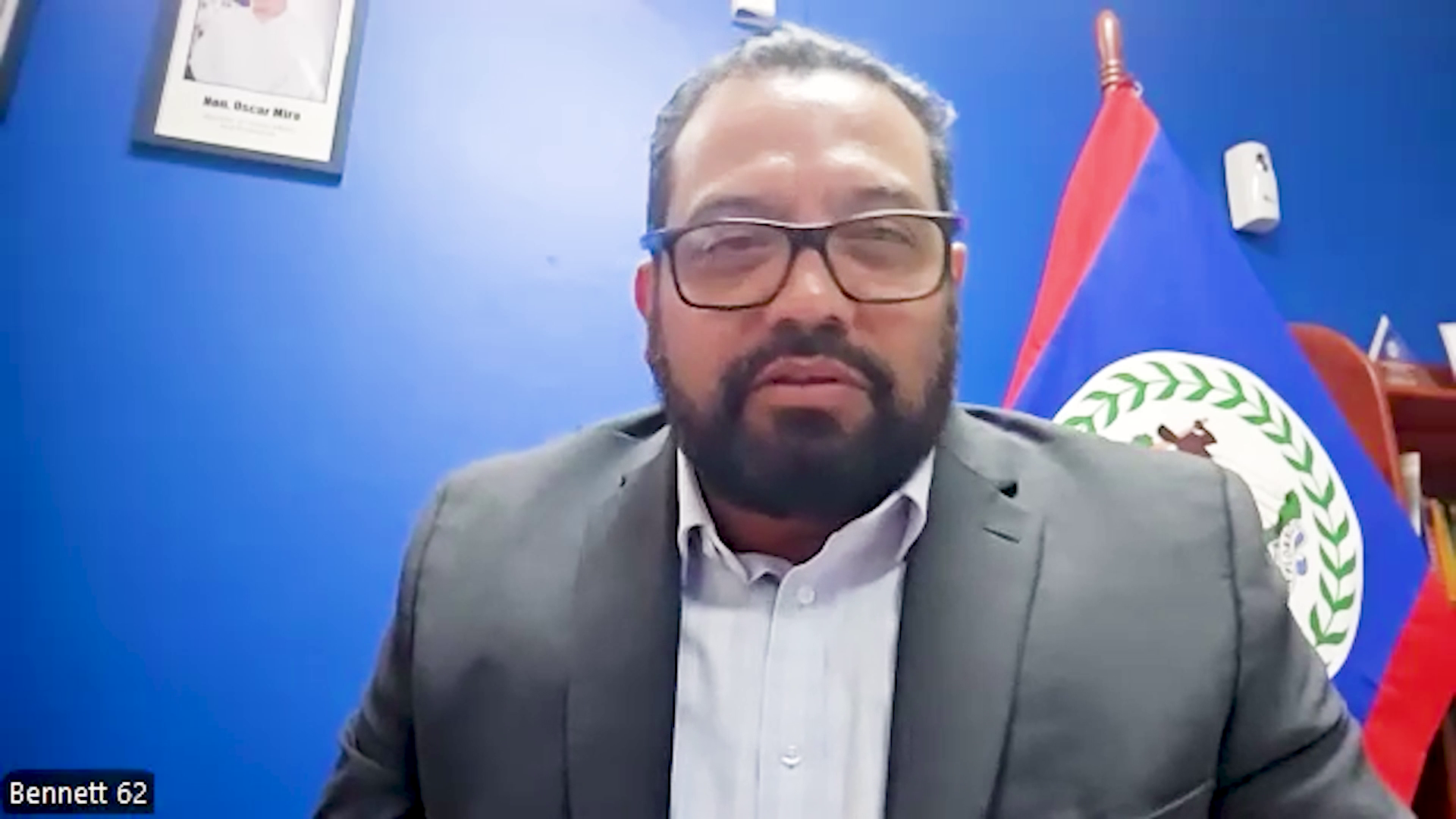
    After Mira maintained a public silence for multiple weeks following the emergence of reports linking his family members to lucrative state food supply contracts, Rear Admiral Elton Bennett, chief executive officer of the Ministry of Home Affairs, broke ranks to speak out on the minister’s behalf. In an on-the-record interview with local media, Bennett rejected the growing backlash against Mira, framing the allegations as nothing more than distracting “noise in the market” that has had no impact on the minister’s ability to lead.

    Bennett emphasized that Mira has continued to oversee core ministry functions without interruption, including ongoing work across the Forensics Services and national Police Department, two key agencies under the home affairs portfolio. “From what I see, the noise out there has little or no impact on his ability to provide leadership to the ministry,” Bennett stated, adding that the ongoing controversy has no connection to public trust in the minister or the integrity of his work. When asked whether the scandal undermines ongoing efforts to rebuild public confidence in law enforcement, Bennett flatly rejected the link, saying he sees no threat to the minister’s integrity.

    The controversy ignited after opposition figures from the United Democratic Party (UDP) raised alarms over reports that multiple government food provision contracts, covering everything from fresh vegetables to bulk staples, were awarded to companies tied to Mira’s close relatives. UDP leader Tracy Panton confirmed that the party has formally filed a Freedom of Information request to force full public disclosure of all agreements between the government and any entities linked to the Mira family.

    The request opens the door to a broader investigation into the full lifecycle of the contracts, with Panton’s party demanding answers to a long list of unresolved questions: the identity of the winning bidders, the total value of the awards, whether public tenders were properly advertised, how bids were evaluated and approved, whether required procurement protocols were followed, whether mandatory conflict of interest disclosures were submitted, and whether any politically exposed persons held stakes in the awarded companies. The opposition is also probing claims that invoices may have been split, stacked or inflated to avoid regulatory scrutiny, that public officials faced improper pressure to approve early payments before goods were delivered, and whether the government received fair market value for the public funds spent.

    The unfolding scandal has put the sitting Briceño administration under intense public and political scrutiny, turning what began as isolated contracting reports into a major test of the government’s commitment to transparent procurement ethics. As of publication, Minister Mira has yet to issue a public response to the allegations himself.

  • Saldivar’s Possible Political Comeback Faces Party Roadblock

    Saldivar’s Possible Political Comeback Faces Party Roadblock

    As political intrigue builds in Belmopan ahead of upcoming general elections, former area representative John Saldivar has made an unexpected return to the public political sphere, launching a vocal campaign targeting sitting Minister Oscar Mira. After years on the political sidelines, where he was widely regarded as a persona non grata within opposition circles, Saldivar has leveraged social media to position himself as the leading critic of Mira’s tenure, stoking widespread speculation that he intends to mount a comeback for his old Belmopan legislative seat.

    However, the United Democratic Party (UDP), the party Saldivar once represented, has moved quickly to shut down any path for his return to frontline electoral politics. In a public statement confirming the party’s pre-set candidate plans, UDP Leader Tracy Panton acknowledged that all opposition figures — including Saldivar — have a constitutional right to criticize what the party frames as corruption under Minister Mira. During a nearly two-hour strategy meeting focused largely on addressing Mira’s alleged misconduct, Panton made clear that the UDP has already locked in its candidate for the upcoming Belmopan race.

    That candidate is Khalid Belisle, a well-established local political figure who served two consecutive terms as mayor of Belmopan between 2015 and 2021. Panton emphasized that Belisle has been fully prepared and endorsed as the party’s official caretaker for the constituency, leaving no opening for Saldivar to secure the UDP nomination. While Saldivar’s social media blitz has drawn significant public attention and reignited interest in his political career, Panton’s announcement makes clear that any comeback attempt will face a major institutional roadblock from the party’s top leadership.

  • Educators Struggle to Balance Mourning and Discipline Amid Tragedy

    Educators Struggle to Balance Mourning and Discipline Amid Tragedy

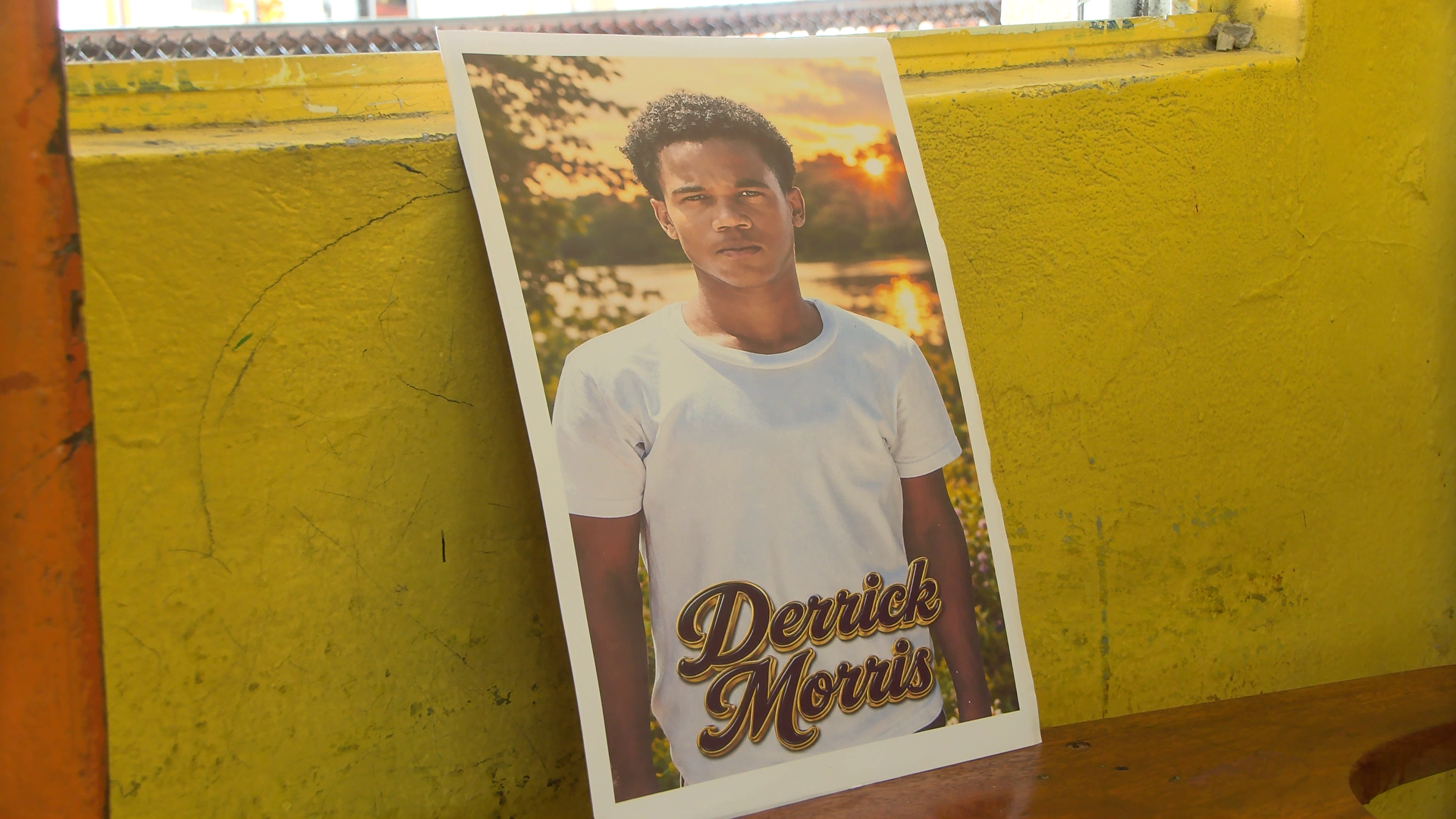
    The fatal shooting of 17-year-old Derick Morris, a third-form student at Belize’s Sadie Vernon High School, has sent ripples of shock and grief across the small Central American nation, while forcing a long-simmering national debate about school safety and the impacts of pervasive community violence onto the forefront of public discourse. Morris’ violent death is the latest in a growing string of young lives cut short by gun violence in Belize, leaving educators, students and policymakers grappling with the dual crisis of unaddressed community trauma and under-resourced support for schools located in high-violence neighborhoods.

    Located in one of Belize City’s most violence-plagued areas, where gang activity is a routine part of daily life, Sadie Vernon High School serves local students who rely on the institution for access to education and stability. But as Principal Deborah Martin explained in an interview, the school’s proximity to community violence means threats often spill beyond neighborhood boundaries into the classroom. Even after a devastating loss such as Morris’ murder, the rhythm of academic life cannot stop: exams are scheduled, assignments must be submitted, and graduation requirements remain unchanged. This leaves little time for students and staff to process their grief, creating a cruel cycle that Martin warns normalizes violent loss for young people growing up in high-risk areas.

    “Grieving and the sorrow behind losing somebody is tough and we don’t have enough time to [process it] – it is like it happens and we have to move on,” Martin said. She added that the risk of violence is not unique to her campus: schools across Belize located in gang-affected neighborhoods face the same constant threat, leaving many students afraid to attend class, uncertain when the next tragedy will strike. “You don’t know who might want to come to school, there is the risk you take in moving around in this community and the entire city, because it is not limited to this area alone,” she noted.

    For Patrick Faber, a UDP senator and currently practicing high school teacher based in Belize City’s Southside neighborhood, the tragedy hits close to home. Faber explained that even for schools that function as lifelines for low-income youth, a single violent death upends the entire school community. “I could only imagine the very same scenario at the school in Southside where I teach where the very same students who are his everyday friends come to school ready to take an exam but his classmates have a candle on his desk, that spot where that student should be,” Faber said. “Not only will he not be able to take the exam, but it has destroyed the psyche of every one of the students in that school.”

    The tragedy has also reignited criticism of the Briceño administration’s flagship free education policy for government high schools across Belize City, which was designed to position these institutions as stabilizing buffers for at-risk youth in high-violence communities. Faber, who helped craft previous school funding reform policies, noted that the framework allocates increased per-student funding to schools serving low-socioeconomic students to cover essential support services, from meal programs to mental health check-ins that address the impacts of community violence. But he argued the current government’s funding level is woefully insufficient to meet these needs.

    “Nuh tell me bout the government free education program where they provide two-ninety-five per student, everybody know that cant feed a child for the day,” Faber said, challenging the administration’s claim that its policy adequately supports vulnerable schools and students.

    As the Belizean community continues to mourn Morris’ senseless killing, educators and stakeholders alike are left asking a pressing, unanswered question: are current policies and investments enough to protect the country’s young people from the escalating violence that surrounds their daily lives, both inside and outside the classroom gates. Reporting for News Five, Paul Lopez delivered this update from Belize.

  • Video Evidence Seals 30-Year Sentence for Cacho

    Video Evidence Seals 30-Year Sentence for Cacho

    In a dramatic high-profile murder trial that concluded at the High Court, Lyson James Cacho has been sentenced to 30 years in prison for his role in a fatal daytime shooting, after damning surveillance evidence convinced him to change his plea to guilty halfway through proceedings. The sentence was handed down late Monday by Justice Candace Nanton, who built the penalty from a 35-year benchmark before applying targeted reductions. While Cacho’s guilty plea spared him from a potential life sentence, his late decision to admit guilt meant he did not qualify for the full one-third sentence reduction typically granted to defendants who plead guilty at the earliest stage of legal proceedings. The court also granted Cacho credit for 770 days he had already spent in remand detention leading up to the trial. Justice Nanton outlined several mitigating factors that shaped the final sentence, including Cacho’s expression of what the court ruled as genuine remorse, his early admission to carrying out the shooting, positive behavioral records during his pre-sentencing detention, and his completion of four structured rehabilitation programs hosted by the Kolbe Foundation. The pivotal turning point in the case came on April 29, 2026, when prosecutors presented clear surveillance footage capturing the public killing on Barbara Harris Street. The video footage, recorded in broad daylight, documents Cacho riding up behind the unsuspecting victim, who was walking away from the shooter, before firing a single fatal shot to the back of the victim’s head. After the footage was played for the jury and key witnesses delivered their testimony against Cacho, the defendant chose to end the trial following in-depth legal consultations with his defense attorney, Ian Gray. In his final address to the court ahead of sentencing, Cacho reiterated his deep regret for the crime, claiming he had carried out the shooting under external threat. Justice Nanton acknowledged the defendant’s statement but emphasized that the severe gravity of the offense required a substantial fixed-term sentence. Court records also show that Cacho had previously been tried on serious criminal charges, including murder and attempted murder, in 2015. He was ultimately acquitted of all charges in that earlier case. This news comes as part of regular court coverage from a transcribed broadcast of evening television news, with appropriate transcription standards applied for any local Kriol language testimony included in the original reporting.

  • Crime Spike in Belize City Prompts Urgent Response from Officials

    Crime Spike in Belize City Prompts Urgent Response from Officials

    A sharp uptick in violent criminal activity across Belize City has placed significant public and political pressure on national security officials to implement urgent interventions, following a particularly deadly weekend that left multiple innocent people dead and deepened public fear over community safety.

    In an official statement addressing the crisis, Rear Admiral Elton Bennett, Chief Executive Officer of Belize’s Ministry of Home Affairs, outlined the targeted operational adjustments authorities have already rolled out to counter the rising violence. Bennett explained that the Belize Police Department has reallocated personnel and resources to launch focused patrols and investigations in the city’s most violence-plagued neighborhoods. Specialized investigators and intelligence units have been reassigned to proactively map high-conflict zones and defuse escalating tensions between rival criminal groups, with additional support from the department’s Gang Suppression Unit, now working directly within at-risk communities to broker de-escalation and restore calm.

    Bennett also extended sincere condolences to the families of victims of what he called “heinous crimes”, noting that the challenge of violent crime extends far beyond the scope of traditional law enforcement action. He emphasized that the root of the crisis lies in a profound erosion of respect for human life among criminal actors, requiring long-term cultural and value-based changes within families and local communities to address.

    The bloody weekend of violence has also ignited fierce political backlash, with the main opposition United Democratic Party (UDP) calling for the immediate resignation of Home Affairs Minister Oscar Mira, holding him directly accountable for the escalating security crisis. UDP Senator Patrick Faber delivered scathing criticism of Mira’s leadership, accusing the minister of prioritizing personal and family financial gain over public safety, and claiming he has been completely ineffective in leading the fight against organized violent crime.

    Faber pointed to the contrast between Mira’s inaction and the swift response of previous administrations, recalling that past prime ministers would immediately travel to crime scenes and address the nation directly alongside senior police leadership following major violent events. He argued that Mira has become completely impotent in addressing the crisis and must step down to make way for new, more accountable leadership.

    In a particularly emotional rebuke, Faber highlighted the case of 25-year-old Eric Nelson, an innocent regular worshiper at St John’s Cathedral who was killed simply for wearing a red shirt in a neighborhood controlled by a rival gang. Nelson left behind a wife and young child, joining other innocent victims including Dr. Bonilla, murdered in front of his daughter, and Mr. McKenzie, gunned down on Albert Street while his children waited in his car. Faber questioned what Mira could possibly say to the grieving families of these unnecessary deaths.

  • Home Affairs Ministry Defends Strategy Amid Post-SOE Violence

    Home Affairs Ministry Defends Strategy Amid Post-SOE Violence

    Less than a fortnight after Belize wrapped up a one-month State of Emergency (SOE) targeting gang-related criminal activity, a fresh wave of deadly violence has reignited public and political debate over whether the emergency security measures delivered on their promises. With growing public skepticism over the effectiveness of the government’s high-profile crackdown, local reporters pressed senior leadership at the Ministry of Home Affairs to address lingering questions: did the SOE achieve its core goals, or does the recent spike in killings prove the initiative fell short of its objectives?

    In an exclusive response to media queries, Rear Admiral Elton Bennett, chief executive officer of the Ministry of Home Affairs, defended the multi-pronged policing strategy implemented during the SOE, pushing back against claims that the renewed violence invalidates the emergency measure’s impact.

    Bennett explained that during the State of Emergency, authorities deployed a layered approach to address chronic gang violence concentrated in Belize City. The first pillar of the strategy was a aggressive, targeted law enforcement crackdown focused on high-risk hardened criminals and known gang affiliates. What was initially framed as a Belize City-focused operation was later expanded to outlying regional areas to ensure no high-priority targets could evade capture, Bennett said, noting that this hard-line intervention produced clear, positive results in disrupting criminal networks.

    Crucially, Bennett emphasized that the hard enforcement action was always paired with complementary intervention and mediation initiatives designed to de-escalate long-standing inter-gang tensions. Even for suspects detained and incarcerated at the Kobe Foundation during the SOE, the League of Indigenous Unions (LIU) conducted regular engagement sessions, hosting between two and three mediation sessions for incarcerated individuals to address root causes of conflict between rival groups.

    When directly asked whether the surge in violent incidents over the most recent weekend serves as a full indictment of the SOE’s work, Bennett flatly rejected that framing. “Not at all,” he stated, arguing that the individuals driving the recent violence are deeply entrenched in criminal activity and extremely resistant to behavioral change, regardless of the intervention efforts deployed by authorities.

    “These individuals are very hard to crack and regardless of what intervention effort we may make attempt at, these individuals are very hard to deal with when it comes to changing their intent,” Bennett explained. “All we can do is to make every effort to have the hard police presence and try to achieve deterrence through policing efforts and make every effort to go into these individual communities, which we did to a large extent.”

    The SOE, which covered Belize City and its surrounding rural communities, remained in effect for a full 30 days before being lifted by authorities earlier this month. This report is adapted from a transcript of an evening television newscast originally published by the local outlet.

  • Quick visit to Haiti by António Guterres, UN Secretary-General

    Quick visit to Haiti by António Guterres, UN Secretary-General

    In a high-profile, unannounced brief trip to Haiti on June 16, 2026, United Nations Secretary-General António Guterres touched down in Port-au-Prince after flying in via UN helicopter from the neighboring Dominican Republic’s capital, Santo Domingo. Guterres was first greeted at Toussaint Louverture International Airport by Haiti’s Prime Minister Alix Didier Fils-Aimé, who framed the surprise visit as a clear demonstration of the international community’s unwavering solidarity with the Haitian people amid the country’s ongoing political and security crisis.

    Following the airport welcome, Prime Minister Fils-Aimé hosted Guterres and his full diplomatic delegation at Haiti’s National Palace, where senior members of the Haitian cabinet joined the working discussions. The two sides centered their talks on four core priorities that sit at the heart of Haiti’s path out of crisis: the rapidly evolving on-the-ground security situation, national efforts to rebuild institutional stability, the strengthening of fragile state agencies, and the roadmap for restoring democratic governance through the holding of free, inclusive, and internationally credible general elections.

    After the closed-door discussions, Guterres publicly acknowledged the incremental but meaningful progress that Haitian national authorities have made in recent months to curb widespread gang violence that has displaced hundreds of thousands and paralyzed large swathes of the country. He specifically praised the bravery and relentless commitment of frontline Haitian security forces, including the Haitian National Police (PNH), the Armed Forces of Haiti (FAd’H), and the specialized Gang Suppression Force (GSF) that has led recent anti-gang operations.

    The UN chief also used the visit to reaffirm the world body’s long-term commitment to Haiti, stating that the United Nations will continue to provide critical political, logistical, and humanitarian support to help the country consolidate recent security gains, deliver much-needed aid to vulnerable populations, and work toward a lasting, comprehensive resolution to the multi-layered crisis that has gripped the Caribbean nation for years.

  • GBM Leads Region with Record 93 CBU Award Nominations

    GBM Leads Region with Record 93 CBU Award Nominations

    As the regional media landscape prepares for one of its most prestigious annual gatherings, a Belizean media powerhouse has made history by securing an unprecedented number of nominations for the 37th Caribbean Broadcasting Union (CBU) Media Awards, set to take place this August.

    Greater Belize Media (GBM), the parent organization of leading Belizean news outlet News Five, has outpaced every other participating broadcaster across the Caribbean region this awards cycle, racking up a record-breaking 93 nomination nods ahead of the August 19 ceremony. The landmark haul cements GBM’s position as the most-nominated media entity entering this year’s awards program.

    The company’s impressive showing spans nearly every major award category, demonstrating consistent quality across multiple content verticals. GBM has secured heavy representation in core television categories, ranging from daily news programming and long-form documentaries to in-depth investigative journalism, live sports coverage, and general entertainment content. Beyond these mainstream categories, the media organization achieved a clean sweep of all nominations in the awards’ dedicated child rights programming categories, highlighting its long-standing commitment to elevating critical social issues through its work.

    GBM’s cross-platform excellence is further reflected in nominations across digital media projects, radio programming, and the publicly voted People’s Choice awards, marking a strong all-around performance that touches every corner of modern media production.

    This year’s CBU Media Awards will be hosted in Georgetown, Guyana, where hundreds of regional media leaders, producers, journalists, and industry stakeholders will gather not only to celebrate outstanding journalism and broadcasting from across the Caribbean, but also to address one of the most pressing challenges facing the industry today: the growing influence of artificial intelligence on journalistic practice, content creation, and media ethics.

    As the countdown to the August announcement begins, all eyes will be on GBM to see if its record-breaking number of nominations will translate into an equally historic haul of awards at this year’s ceremony.

  • Despite Mira Scandal, Cawich Confident in Belmopan PUP Victory

    Despite Mira Scandal, Cawich Confident in Belmopan PUP Victory

    As scrutiny tightens around Belmopan’s City Hall, local political attention is already turning to the upcoming 2027 municipal election, with a critical nomination deadline just days away for candidates of the People’s United Party (PUP). By June 19, all PUP hopefuls must submit their candidacy applications, and political observers have been buzzing with two key questions: will incumbent Mayor Pablo Cawich face an internal challenge for his spot, and can the PUP municipal ticket survive the growing controversy surrounding Belmopan’s Area Representative Oscar Mira? For his part, Cawich is dismissing concerns that the ongoing Mira scandal will drag down his campaign, and says he remains confident in a PUP victory at the polls.

    In an on-the-record interview with local media, Cawich confirmed that he and his full incumbent slate have already submitted their applications to run for re-election under the PUP banner, laying out their commitment to another term serving Belmopan residents. “My team and I have submitted our application, the full team. We are running again as a team. The deadline you’re referring to is the PUP application deadline, so yes, we are running under the PUP banner again. We do all have intentions to continue serving the people of Belmopan,” Cawich stated.

    When asked directly whether sustained public allegations against Area Representative Oscar Mira would spill over and damage his municipal ticket’s electoral prospects, Cawich pushed back on the idea. He framed ongoing political friction as an unfortunate but expected part of electoral politics, noting his long-standing opposition to negative campaigning. During his 2021 campaign, Cawich recalled, he already called for toning down partisan attacks, arguing that elections should be decided on candidates’ track records and policy merits rather than personal or scandal-driven attacks.

    While Cawich is unphased by the Mira controversy, he does acknowledge that one of his administration’s key policy pushes could be a harder sell for voters: the stricter, more aggressive tax compliance regime his team has implemented over the last term. “I know that is a problem that all citizens complain about. It is a reality that funds don’t take you as far away as they used to so any extra expense does hurt. But we also have a responsibility as the municipal administration to try and ensure that everyone is compliant so that we can invest the funds into the city,” Cawich explained.

    The mayor added that the push for stricter compliance has already delivered measurable results, with far more property owners and businesses meeting their tax obligations than when he took office. This transcript is adapted from an original evening television broadcast, with all remarks preserved accurately for online publication.