博客

  • Antigua and Barbuda International TJ Bramble Signs with Tamworth

    Antigua and Barbuda International TJ Bramble Signs with Tamworth

    Tamworth Football Club has bolstered its midfield options with two high-profile new additions ahead of the upcoming campaign, landing 25-year-old Antigua and Barbuda international TJ Bramble and fellow 25-year-old central playmaker Morgan Roberts.

    For Bramble, the transfer to the Lambs comes after a deliberate period of deliberation over his future. The midfielder spent the 2023-24 season with National League South side Maidstone United, where he put in a string of impressive performances that caught the eye of multiple suitors across the division. When his contract expired at the end of the term, Maidstone tabled a fresh contract extension to convince him to stay at the Gallagher Stadium. However, Bramble ultimately opted to reject that offer in favor of a move to Tamworth, ending weeks of speculation around his next club.

    The second new arrival, Roberts, brings a wealth of EFL experience to Tamworth’s squad. A dynamic attacking midfielder by trade, Roberts previously plied his trade at EFL League Two clubs Northampton Town and Swindon Town, cutting his teeth in professional football before dropping into the non-league pyramid ahead of the 2022-23 season. He spent the most recent campaign at National League side Brackley Town, but followed the club out of the division after Brackley suffered relegation at the end of the season. Out of contract following their drop, Roberts jumped at the chance to move to Tamworth’s base in Staffordshire, linking up with the Lambs as they prepare for their own upcoming league campaign.

  • Antigua to Welcome Aman at Sea’s Luxury Yacht for Caribbean Debut

    Antigua to Welcome Aman at Sea’s Luxury Yacht for Caribbean Debut

    Ultra-luxury hospitality brand Aman is making a landmark expansion of its yachting division, naming Antigua and Barbuda the official starting point for its first luxury vessel, Amangati, as the brand kicks off its debut Caribbean cruise season in November 2027. The yacht is scheduled to dock at St. John’s, Antigua’s capital, to mark the start of its first regional operations after completing an introductory Mediterranean sailing season and a 13-night transatlantic crossing from southern Spain. Reservations for the highly anticipated 5- to 8-night inaugural Caribbean itineraries, which will run from November 21, 2027 through January 2, 2028, are now open to global travelers. The entire season will be anchored out of St. John’s, which will serve as the vessel’s official homeport in the Caribbean, with multiple Windward Island voyages set to depart directly from the Antiguan port. Upon embarkation, guests will set sail across a curated route spanning the Leeward Islands, Windward Islands, and Dutch Caribbean. The itinerary includes a dedicated full day at a Barbuda marina, plus stops at other top Caribbean destinations: St. Kitts and Nevis, St. Barthélemy, the British Virgin Islands, Sint Maarten, Saba, Montserrat, and Anguilla. Before reaching its Caribbean homeport, Amangati will wrap up its first Mediterranean sailing season with a transatlantic departure from Malaga, Spain. The 13-night crossing includes two intermediate stops: the Spanish coastal city of Cadiz and the Portuguese archipelago of the Azores, before the yacht makes its first Caribbean landfall in Antigua. The 47-suite Amangati is built to deliver the ultra-luxury experience Aman is known for worldwide. Every suite comes with private ocean-facing outdoor terrace, and the vessel boasts four distinct dining venues, a full-service luxury spa, dedicated wellness facilities, and a custom marina platform designed to support a wide range of on-the-water activities and water sports. Differentiating Aman at Sea’s itineraries from many standard cruise offerings, the brand confirmed its Caribbean voyages will prioritize extended overnight stays at ports and late departures, allowing guests more time to immerse themselves in each destination. Every itinerary will include hand-curated cultural experiences, local culinary explorations, and guided nature-focused outings tailored to the unique character of each stop. The inaugural Caribbean season will wrap up with a special New Year’s celebration hosted in Nevis, after which the Amangati will continue its regional cruise operations across the Caribbean.

  • Thank You for Joining the OECS 45th Anniversary Fun Walk in Antigua & Barbuda

    Thank You for Joining the OECS 45th Anniversary Fun Walk in Antigua & Barbuda

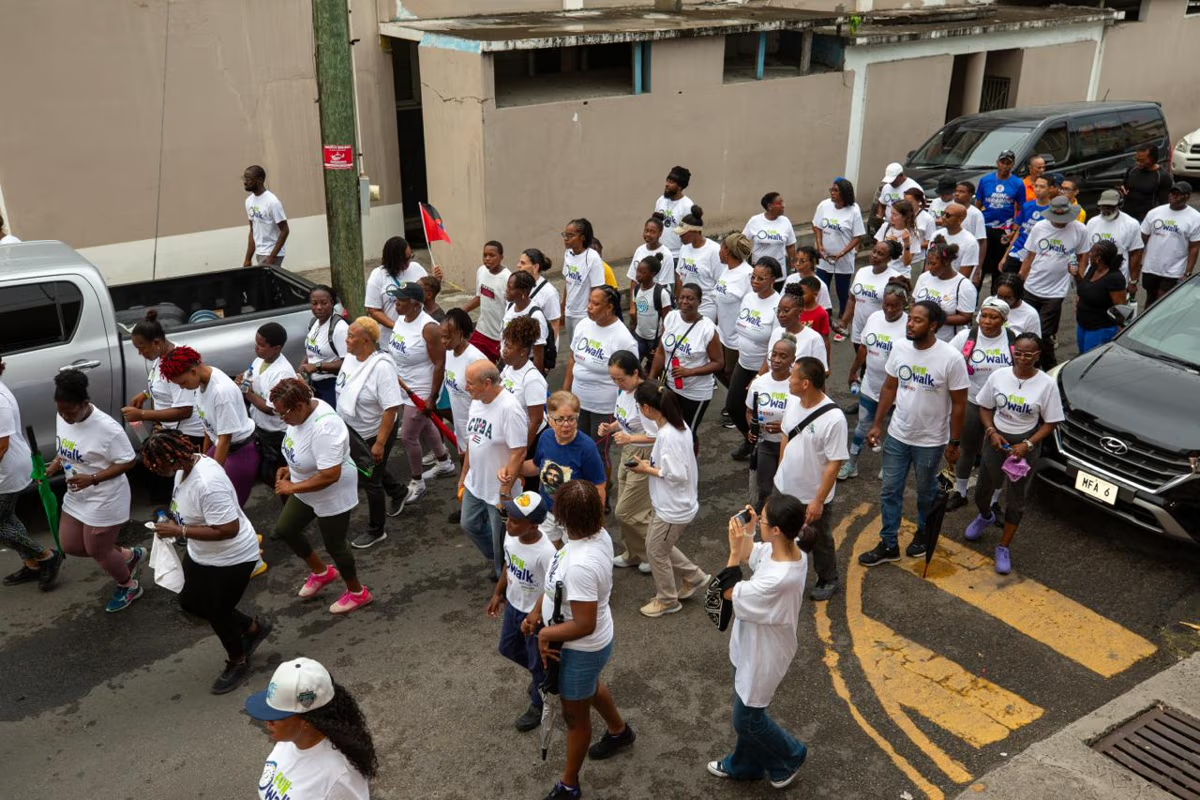
    On June 18, 2026, the Organisation of Eastern Caribbean States (OECS) marked OECS Day with a special celebratory Fun Walk hosted in Antigua and Barbuda, wrapping up the regional bloc’s 45th anniversary commemorations. Now, the OECS Commission has issued a formal statement of gratitude to every individual and group that took part in this unifying community event. Centered around the anniversary theme “One Vision, One Voice: Navigating Challenges, Shaping Our Future,” the Fun Walk was designed to do more than just mark a milestone: it aimed to bring together diverse stakeholders to celebrate nearly half a century of regional integration and collaborative progress, while highlighting shared values of collective wellness and community cohesion. When participants gathered early at the starting point outside Antigua and Barbuda’s Ministry of Health Headquarters, unforeseen rain showers rolled across the area. Rather than dampening spirits, the light rain only reinforced the event’s message of solidarity. Walkers of all backgrounds — local citizens, permanent residents, regional integration supporters, and representatives from partner organizations — stuck to the route, walking side-by-side with government delegates, OECS Commission officials, development partners, and community leaders to complete the journey. In its statement, the OECS Commission extended special recognition to key institutional partners that made the event possible. These partners include the Government of Antigua and Barbuda, the national Medical Benefits Scheme, and the Geothermal Energy: Capacity Building for Utilization Investment and Local Development (GEOBUILD) Project, whose collaborative planning and resource support turned the commemorative idea into a successful public gathering. The Commission also emphasized the critical role of behind-the-scenes contributors, from event volunteers and lead coordinators to security teams, on-site medical staff, and media partners. Their consistent dedication and attention to detail ensured the event ran smoothly from start to finish, even with the unexpected weather disruption. In closing, the Commission reaffirmed that the Fun Walk’s success perfectly encapsulated the OECS’s 45-year mission: when regional stakeholders move forward as one collective, they can achieve goals that no individual or single nation could deliver alone. Every participant, the Commission noted, helped turn the event into a powerful demonstration of the Eastern Caribbean’s shared commitment to a cohesive, prosperous future.

  • Regional Trade Union Leader Urges Unions to Rethink Engagement with Young Workers

    Regional Trade Union Leader Urges Unions to Rethink Engagement with Young Workers

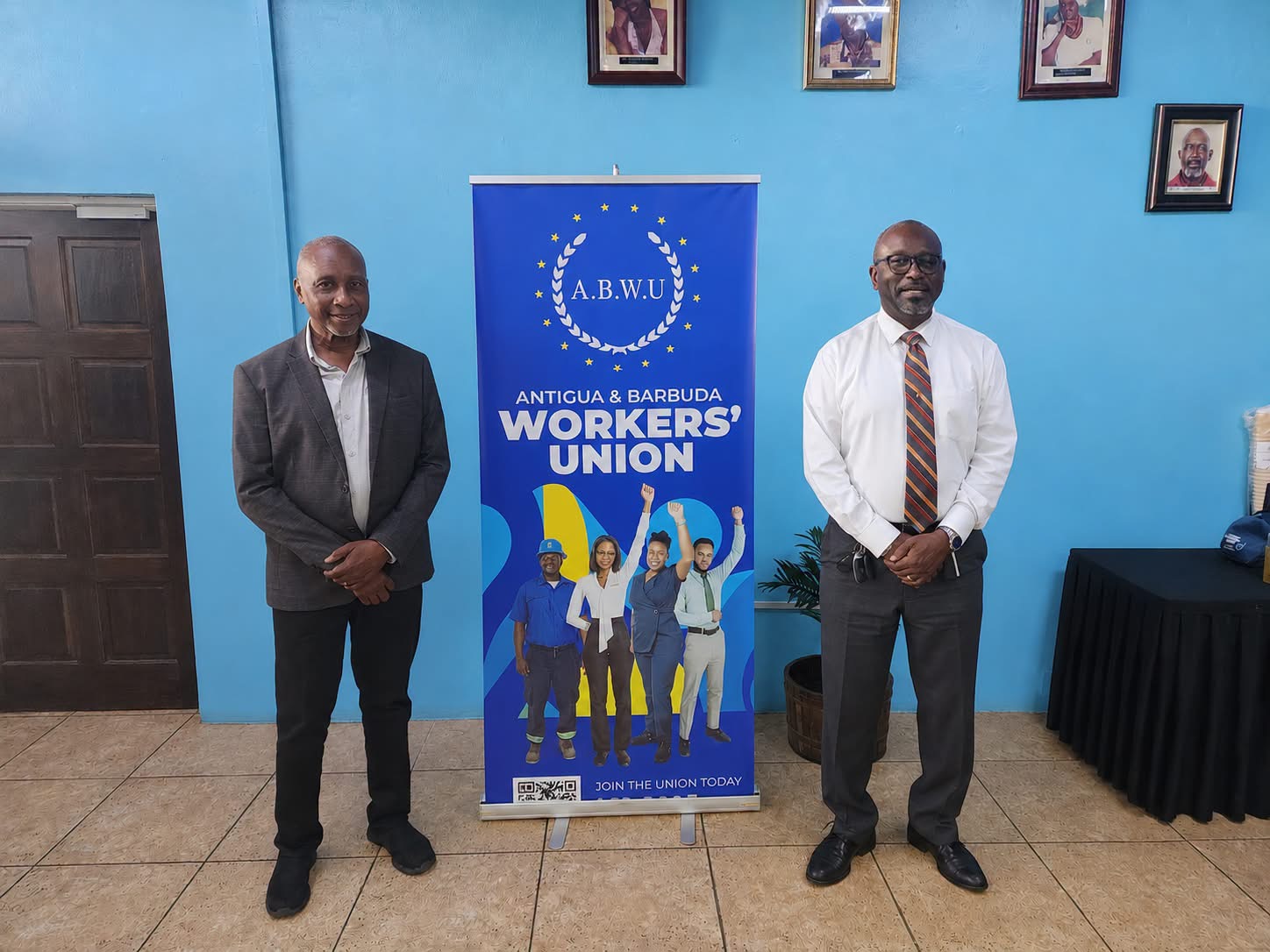
    As labor organizations across the Caribbean grapple with shifting membership demographics, a top global labor leader is calling for sweeping strategic overhauls to reverse stagnant engagement and attract the next generation of workers. Trevor Johnson, Vice President of Union Network International (UNI) and former General Secretary of Trinidad and Tobago’s Banking, Insurance and General Workers’ Union, made the case for reform in a recent interview, pushing back against the widespread narrative that young people are inherently apathetic toward organized labor.

    Johnson argues that the real barrier to growth is not youth disinterest, but outdated organizing and communication strategies that fail to align with the daily lives and expectations of modern workers. What resonated with veteran union members who joined the movement decades ago, he says, does not work for today’s workforce—and it is time for established labor groups to adapt rather than blame young people for declining membership numbers.

    “We need to discover what will attract a young person today, which is not necessarily the same thing that attracted me,” Johnson explained. He pointed to the massive shift in how people access information as a clear example: decades ago, posting physical notices on union office bulletin boards was enough to draw attention from members, but that strategy is obsolete now. “A young person isn’t doing that today. It has to come on their phone, and it has to be one swipe,” he said.

    Beyond digital communication, Johnson added that organizers need to leave their office spaces and meet young workers where they already are, rather than relying on traditional, time-consuming phone calls that many younger workers find unappealing. Successful engagement, he stressed, requires actively listening to the specific concerns and goals of younger generations instead of forcing old frameworks onto new audiences.

    Johnson also highlighted another critical gap in modern trade union organizing: the need to better include and support women workers. Today’s workforce has a far higher share of women than previous generations, he noted, but most existing collective bargaining agreements are still framed around the needs of male workers. To boost women’s participation, unions must center the unique challenges facing women workers and build outreach strategies tailored to their priorities.

    Despite the significant hurdles facing Caribbean labor organizations, Johnson struck an optimistic tone about the future of collective organizing. He emphasized that the core value proposition of union membership—stronger workplace protections, better wages, and collective bargaining power—remains just as relevant today as it was decades ago. The main challenge, he argued, is not the value of the product unions offer, but how it is packaged and presented to new audiences.

    “The product that we offer is still a valid product,” Johnson stated. “We simply need to repackage it to ensure that people understand what we’re about.” He closed by reminding the region’s labor movement that unionized workers continue to access far stronger workplace protections than non-unionized peers, and urged leaders to prioritize modernization to secure long-term growth, relevance, and inclusion for the Caribbean labor movement.

  • Eastern Caribbean countries to negotiate migrant agreement with US

    Eastern Caribbean countries to negotiate migrant agreement with US

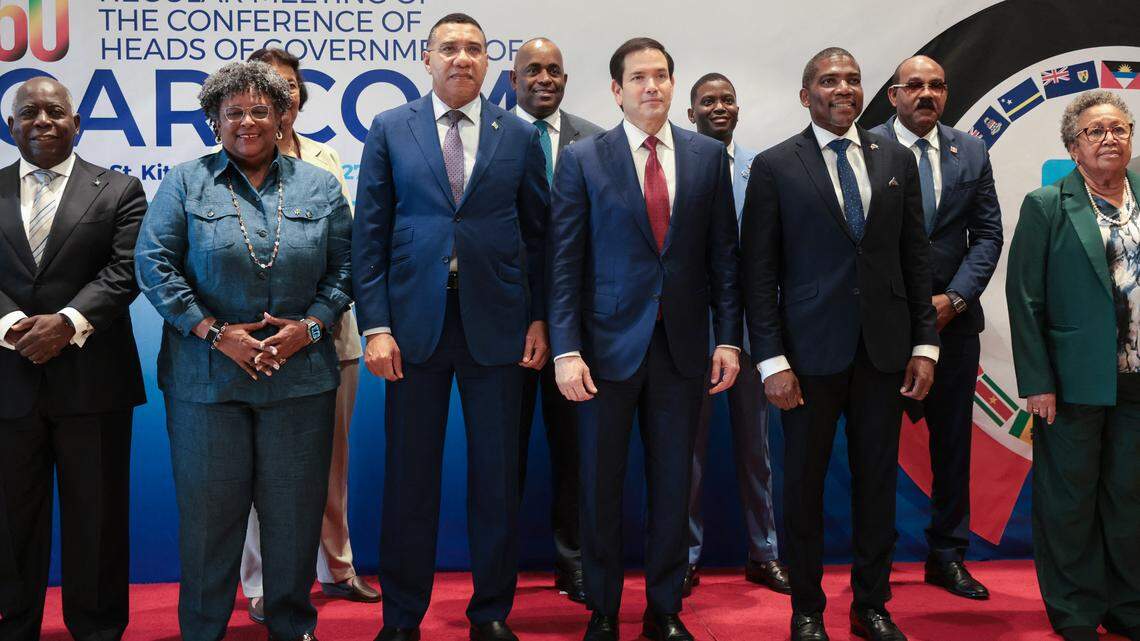
    Against a backdrop of escalating global geopolitical instability, the 78th summit of the Organisation of Eastern Caribbean States (OECS), which concluded on Monday, has resulted in a collective decision to set up a broad, high-level cross-member advisory task force. This team will steer coordinated technical discussions and negotiations with the United States over Washington’s request for OECS member states to accept a limited quota of non-criminal third-country nationals and refugees currently held by U.S. authorities.

    St Vincent and the Grenadines Prime Minister Dr. Godwin Friday, addressing delegates at the summit, framed the current global context as the most challenging period of geopolitical uncertainty the Caribbean region has seen in a generation. Broader hemispheric tensions, he noted, ripple through every layer of small island life, impacting national security, energy access, already sky-high cost of living, migration patterns, and diplomatic alignment. “What register as minor tremors for large global powers hit small island developing states like full-blown earthquakes,” Friday emphasized. “Our small size leaves us far more vulnerable to external shocks, and we bear the worst, longest-lasting consequences of decisions made beyond our borders.”

    The U.S. request, raised earlier this year by the longstanding development partner, asks OECS members to accept deported individuals who are not citizens of any OECS country. Friday stressed that the issue demands careful deliberation and unified regional action, given its far-reaching implications for local economies, public safety, strained domestic resources, and national sovereignty. “This is a delicate and serious matter, and we are still working through it carefully to secure the best possible outcome for all our member states,” he said. Out of this commitment to coordinated action, the advisory team was born, tasked with guiding both individual and collective negotiations with Washington.

    Not all member states have taken identical stances on the proposal, however. OECS Chairman and Antigua and Barbuda Prime Minister Gaston Browne drew a hard line against the U.S. plan to resettle 120 deportees on his island, calling the ongoing pressure from Washington a form of economic coercion deployed as a foreign policy tool. “I cannot willingly cooperate with any foreign power to damage our beautiful twin island state,” Browne told fellow OECS leaders. He stressed that Antigua and Barbuda has repeatedly ruled out accepting any criminal detainees, and has rejected the 120-person quota as entirely unacceptable. Instead, the country submitted a counter-proposal offering to accept a maximum of 10 non-criminal individuals annually. Browne clarified that the position is not a rejection of cooperation, but a necessary protection of the country’s limited resources and public interest.

    The OECS’s deliberations come amid parallel negotiations elsewhere in the Caribbean. Last Wednesday, Jamaica confirmed it has reached an initial agreement with the U.S. to accept no more than 25 non-criminal third-country nationals and refugees. National Security and Peace Minister Dr. Horace Chang said the deal was reached after extensive talks, with a binding cap on the total number of arrivals. “At no time will the number exceed 25,” Chang confirmed, noting that Jamaica retains the right to reject any individual at any time, and either party can terminate the full agreement without lengthy advance notice. Chang also pushed back against unsubstantiated media leaks that claimed Jamaica had secretly agreed to accept 10,000 deportees from the U.S., calling the reports false.

  • Antigua and Barbuda Among 14 Caribbean Nations in New Saudi Maritime Project

    Antigua and Barbuda Among 14 Caribbean Nations in New Saudi Maritime Project

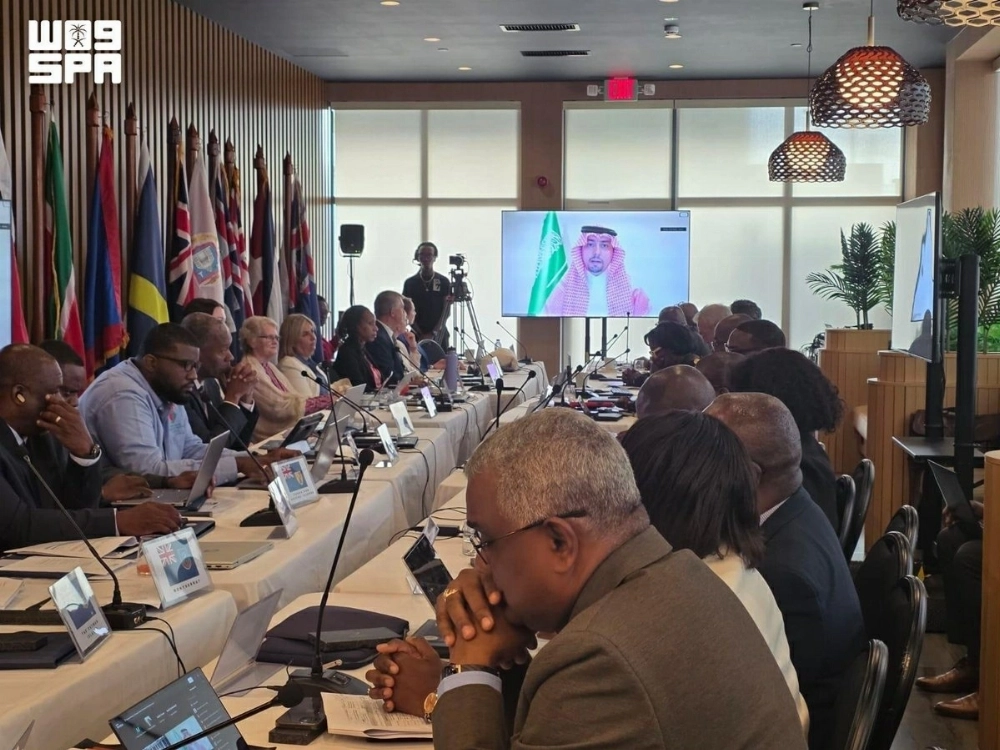
    A groundbreaking new initiative aimed at boosting maritime governance across the Caribbean region has officially launched, with Saudi Arabia joining forces with the International Maritime Organization (IMO) to deliver targeted support to 14 developing island and coastal states across the region.

    The partnership, dubbed the Caribbean Maritime Transport Sustainability project, was formally unveiled during the Fifth Regional Meeting of Directors and Heads of Maritime Administrations, held this week in Georgetown, Guyana. Over its two-year implementation period, the program will focus on addressing critical gaps in maritime regulatory and institutional capacity across beneficiary nations, which include Antigua and Barbuda, The Bahamas, Barbados, Belize, Dominica, Grenada, Guyana, Jamaica, Saint Kitts and Nevis, Saint Lucia, Saint Vincent and the Grenadines, Suriname, and Trinidad and Tobago.

    At its core, the project is designed to bring national policy frameworks in line with global IMO standards, creating clear pathways for participating countries to ratify and put into practice the organization’s highest-priority international maritime agreements. Working in close coordination with the IMO’s regional office, the initiative will also provide hands-on support for drafting updated national maritime legislation and crafting long-term, sustainability-focused national maritime policy strategies.

    Speaking at the launch event during the Georgetown meeting, Kamal Al-Junaidi, Saudi Arabia’s Permanent Representative to the IMO, emphasized the outsized role that ocean resources play in the daily life and economic prosperity of Caribbean communities. “For the countries of this region, the sea is not merely an aspect of life, but life itself,” Al-Junaidi stated, noting that Saudi Arabia draws on its own deep historical and economic ties to maritime activity to understand this core reality.

    Al-Junaidi stressed that the long-term success and prosperity of all Caribbean nations depend entirely on maintaining waters that are safe, secure, and environmentally sustainable. Protecting these vital resources for future generations, he added, is a shared global responsibility that requires targeted investment in institutional and regulatory capacity for developing coastal states.

    Central to the project’s design is the guiding principle that international maritime agreements only deliver meaningful public and environmental benefits when they are translated into enforceable, effective national law. Al-Junaidi concluded by outlining the project’s expected long-term outcomes: stronger national maritime legal frameworks, more efficient and capable regulatory institutions, and higher rates of global compliance that will ultimately allow Caribbean nations to take a more prominent and influential role in shaping global maritime governance.

  • Antigua-Backed Candidate Makes Case for UN’s Top Job

    Antigua-Backed Candidate Makes Case for UN’s Top Job

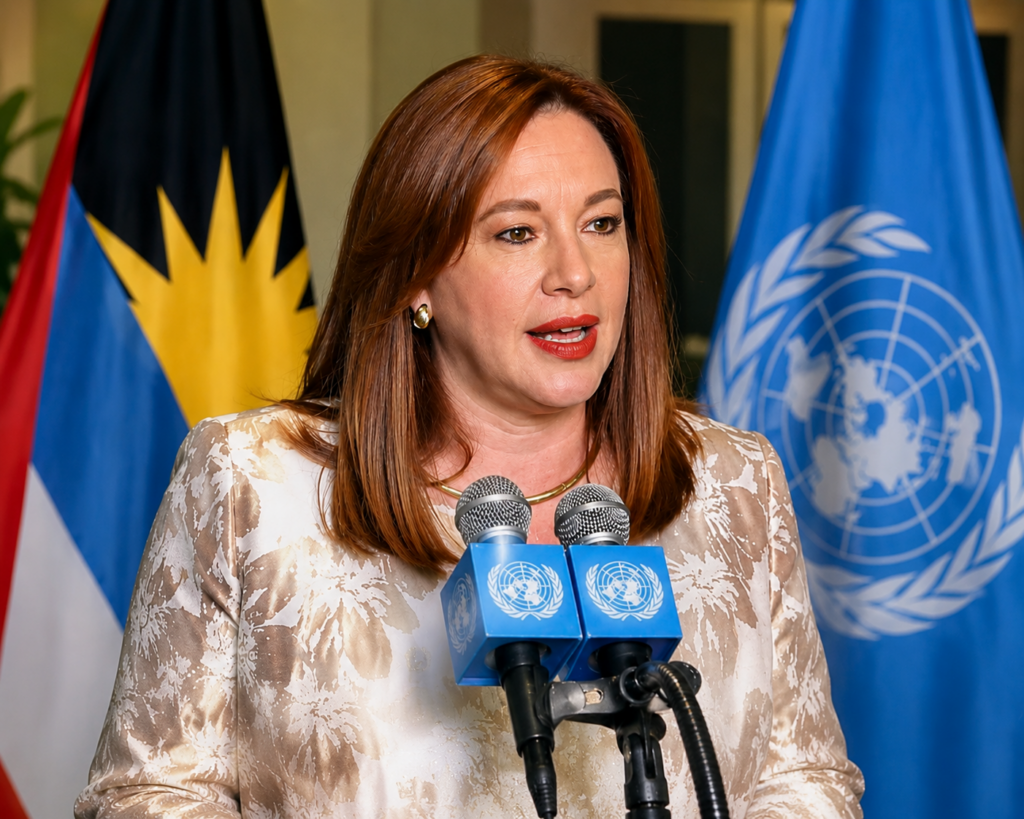
    As the global selection process for the next United Nations Secretary-General enters its next phase, the nominee put forward by Antigua and Barbuda has officially laid out her strategic vision for leading the 78-year-old international organization.

    María Fernanda Espinosa Garcés, a veteran Ecuadorian diplomat and former President of the UN General Assembly, joined an interactive exchange with representatives from UN member states and global civil society groups on June 15. During the session, she detailed her core policy priorities that would guide her tenure if she is selected to replace outgoing Secretary-General António Guterres, whose second five-year term concludes on December 31, 2026.

    First nominated for the role by Antigua and Barbuda back in May, Espinosa emphasized that her candidacy centers on two foundational goals: rebuilding public and intergovernmental trust in the United Nations, and boosting the institution’s capacity to deliver tangible, measurable outcomes for all member nations, particularly small island developing states that are disproportionately affected by global crises.

    Espinosa’s formal policy platform is structured around five key priority areas: upholding global peace and security, accelerating progress toward the 2030 Sustainable Development Goals, advancing just energy transition and inclusive digital transformation, narrowing the persistent gap between international commitments and on-the-ground implementation, and reforming internal structures to strengthen the UN’s ability to fulfill its core mandate.

    The interactive dialogue with candidates is a core component of the General Assembly’s commitment to a transparent, inclusive selection process. This structured framework gives every contender the chance to articulate their goals and respond directly to questions from government delegations and civil society stakeholders before the UN Security Council puts forward a formal recommendation for the role.

    Espinosa is one of six confirmed candidates vying to become the UN’s 10th Secretary-General. The competitive field also includes Rafael Mariano Grossi of Argentina, former Chilean President Michelle Bachelet, incumbent Senegalese President Macky Sall, and Carolyn Rodrigues Birkett, Guyana’s long-serving Permanent Representative to the United Nations.

    The candidate who ultimately secures the position will take office in January 2027, starting with an initial five-year term. If elected, Espinosa will make history as the first woman to hold the post of UN Secretary-General since the organization’s founding in 1945.

    Antigua and Barbuda first made its nomination public on May 11, throwing its support behind the former General Assembly president as the small Caribbean nation works to contribute meaningfully to shaping the future leadership of the world’s leading multilateral body.

  • Moderate Saharan Dust Conditions Expected to Affect Antigua and Barbuda Until Friday

    Moderate Saharan Dust Conditions Expected to Affect Antigua and Barbuda Until Friday

    A fresh wave of Saharan dust has drifted across Antigua and Barbuda, dragging regional air quality down into the moderate range, with conditions forecast to stay unchanged through the end of the week, the nation’s official Meteorological Service confirmed this week. In a public air quality advisory published Wednesday afternoon, the service confirmed current Air Quality Index (AQI) readings across the country fall between 51 and 80, the official threshold for classification as moderate air quality. Meteorologists have traced the degraded air conditions directly to a spike in fine particulate matter linked to this surge, which marks the 14th significant outbreak of Saharan dust to impact the Caribbean nation in 2024. While the overall population faces minimal widespread health risk from the current dust levels, vulnerable groups with heightened sensitivity to air pollution are being urged to stay vigilant and closely track developing forecasts. The populations at highest risk of adverse effects include people living with chronic respiratory or cardiovascular conditions, older adults, and young children. Health authorities emphasize that even though overall air quality remains broadly acceptable for most people, a small subset of people with extreme sensitivity to pollution may experience mild to moderate health complications as a result of the elevated particulate concentrations. In addition to health guidance for sensitive groups, the Meteorological Service is also advising active children, healthy adults engaging in outdoor work or exercise, and anyone with pre-existing respiratory conditions such as asthma to cut back on extended, strenuous outdoor activity for as long as dust concentrations remain elevated. National officials have set the current air pollution alert at Level II, the second tier of public warning, and are urging all local residents to get regular updates on conditions through the Meteorological Service’s official communication channels and local media networks.

  • New Winthorpes Primary Crowned 2026 Primary School Boys’ Cup Champions

    New Winthorpes Primary Crowned 2026 Primary School Boys’ Cup Champions

    The 2026 Cool & Smooth/Joma Caribbean Primary School Boys’ Cup has a new champion, as New Winthorpes Primary School outperformed Five Islands Primary School to take home the top honor with a decisive 3-1 victory in the tournament’s final match. From kickoff to the final whistle, New Winthorpes displayed consistent, commanding energy on the pitch, turning solid game strategy and sharp play into a well-earned championship title that capped off an impressive run through the annual inter-school football competition. The Antigua and Barbuda Ministry of Sport has since issued an official statement celebrating the young team’s achievement, highlighting the core strengths that fueled their success: exceptional technical skill, unwavering discipline on and off the field, seamless teamwork, and relentless determination across every stage of the tournament. Beyond recognizing the players themselves, the ministry extended praise to the full support network behind the winning squad, including the team’s dedicated coaches, the school’s teaching staff, supportive family members, and the entire local community that rallied behind the team throughout the competition. This championship marks a standout milestone for New Winthorpes Primary, capping off a flawless, memorable campaign in one of the region’s most anticipated youth football events.

  • Antigua and Barbuda Eligible for New UNHCR Protection and Refugee Assistance Grants

    Antigua and Barbuda Eligible for New UNHCR Protection and Refugee Assistance Grants

    The United Nations High Commissioner for Refugees (UNHCR) has opened a global call for expressions of interest from qualified organizations to partner in expanding protection, assistance, and long-term solutions for vulnerable displaced populations across 16 countries and territories in the Eastern and Southern Caribbean. With an application deadline set for July 24, 2026, the initiative fills a critical gap in regional response, as UNHCR does not maintain permanent in-country presences across all covered locations, relying instead on collaborative partnerships with local, national, and international actors.

    Managed through UNHCR’s Multi-Country Office based in Panama, this regional programme aligns with the agency’s broader global and regional protection mandates, with 10 core strategic goals: strengthening national protection frameworks, streamlining access to fair asylum and statelessness determination procedures, delivering targeted legal assistance and formal representation, expanding access to identity and legal documentation, scaling up life-saving humanitarian assistance for at-risk groups, promoting sustainable livelihoods and self-reliance, improving equitable access to education and essential public services, advancing meaningful socio-economic inclusion, building institutional and community capacity, and upholding universal human rights protections through targeted advocacy and legal reform.

    The geographic scope of the initiative covers Aruba, Saint Kitts and Nevis, Curaçao, Antigua and Barbuda, Suriname, Dominica, Saint Lucia, Montserrat, Barbados, the UK Virgin Islands, Guyana, Trinidad and Tobago, Saint Vincent and the Grenadines, Grenada, and Anguilla. Eligible applicants must demonstrate operational capacity to deliver activities in at least one of these locations, and are welcome from a range of organizational types, including civil society groups, non-governmental organizations, community-based organizations, legal aid clinics, human rights advocacy groups, and specialized service delivery organizations with relevant expertise.

    The programme centers on nine key intervention areas: strengthening national protection systems, expanding legal access and justice pathways, supporting documentation acquisition, delivering targeted humanitarian aid, building livelihoods and self-reliance, expanding education access, driving advocacy and legal reform, building institutional capacity, and advancing durable socio-economic inclusion solutions. The primary target populations include recognized refugees, asylum seekers, stateless persons, individuals at risk of statelessness, forcibly displaced people, vulnerable migrants requiring international protection, displaced families, and people with urgent or heightened protection needs.

    Selected partner organizations will be able to deliver a broad range of activities tailored to local needs, including legal counseling and representation for asylum and statelessness claims, documentation support, emergency humanitarian aid, livelihoods training and small enterprise support, education access navigation, policy advocacy for legal reform, institutional capacity building for government and civil service providers, community outreach, and protection-sensitive referral services.

    Critical components of the programme address longstanding barriers facing displaced populations: documentation support, for example, helps individuals acquire refugee identity cards, asylum seeker documentation, and other formal identity papers required to access education, healthcare, employment, and legal protection, a fundamental need that many displaced people in the region currently lack. Humanitarian assistance addresses immediate survival needs while connecting recipients to long-term inclusion pathways, while livelihoods programming includes vocational skills training, job readiness support, private sector engagement, and support for small income-generating projects to help displaced people achieve economic self-reliance.

    To be considered for partnership, applicants must meet clear organizational capacity requirements, including verifiable experience working with displaced or vulnerable populations, existing knowledge of local legal and service delivery systems, established relationships with national authorities and local communities, robust safeguarding and ethical standards, demonstrated monitoring and evaluation capacity, sound financial and administrative management systems, and a demonstrated commitment to human rights and protection principles. Selection is not guaranteed by submission, with final decisions based on alignment with UNHCR operational priorities, geographic relevance, technical expertise, organizational capacity, availability of funding, and ability to deliver measurable results.

    UNHCR has released a step-by-step guide for applicants to prepare strong expressions of interest, starting with confirming geographic eligibility and identifying target populations, before outlining core intervention areas, demonstrating relevant protection expertise, describing proposed practical activities, outlining coordination plans with local stakeholders, detailing monitoring and evaluation frameworks, addressing safeguarding and ethical protocols, demonstrating long-term sustainability plans, and submitting all materials in line with official UNHCR guidelines. The agency also outlines common mistakes to avoid, including submitting generic proposals without clear geographic focus, failing to demonstrate relevant experience, proposing activities misaligned with UNHCR priorities, and overlooking requirements for monitoring, evaluation, and safeguarding.

    This initiative addresses a critical unmet need in the Eastern and Southern Caribbean, where displaced and stateless populations routinely face systemic barriers to legal protection, documentation, education, livelihoods, and essential services. By leveraging local and regional partnerships, UNHCR aims to build sustainable, nationally led protection systems that advance dignity, resilience, and inclusion for vulnerable displaced groups, moving beyond short-term emergency aid to support long-term durable solutions.

    Organizations interested in applying can access full guidelines and submission instructions through the official UN Partner Portal.