博客

  • Signing of a private Haitian tourist complex project worth nearly $20M

    Signing of a private Haitian tourist complex project worth nearly $20M

    On June 24, 2026, Haitian government officials and private sector developers signed a preliminary agreement to launch a nearly $20 million world-class tourist complex in the country’s northern coastal region, marking a key milestone in the nation’s strategy to expand tourism as a driver of economic growth.

    The deal, formalized at a signing ceremony overseen by Haiti’s Investment Facilitation Center (CFI), was signed by Tourism Minister Stéphanie Smith representing the state, and Suze Maurice, the lead promoter and investor for the MAAJEWV project consortium, which brings together private stakeholders from both local Haiti and the Haitian diaspora. Structured as a public-private partnership (PPP), the development combines private capital investment with regulatory and customs incentives from the Haitian government, delivered through the CFI and Ministry of Tourism.

    Slated for construction in Carénage, a coastal district of Cap-Haïtien, the MAAJEWV complex is tailored specifically to grow Haiti’s emerging business tourism sector, alongside catering to leisure travelers. The site will host 120 upscale accommodation units, ranging from bay-view standard rooms and business-ready executive suites with dedicated workspaces to luxury presidential suites with personalized concierge services. For corporate and large-scale events, the development will include a flexible 500-person convention hall suitable for international congresses, galas and product launches, plus three smaller technology-equipped meeting rooms for executive board meetings and industry workshops.

    To enhance visitor experience and serve both international tourists and local clients, the complex will feature two themed restaurants serving a mix of local Haitian and international gourmet cuisine, a rooftop bar offering sweeping panoramic views of the historic Carénage neighborhood and the Caribbean Sea, and a full suite of wellness amenities including an infinity-edge pool, a modern fitness center, and a full-service spa.

    A standout feature of the project is its commitment to sustainable infrastructure, a rare focus for large-scale tourism developments in the region. The resort will install a large photovoltaic solar array paired with industrial battery storage to meet a substantial share of its own energy needs, powering all lighting and energy-efficient air conditioning systems. To reduce strain on local municipal waste management services, the complex will integrate a source-separated waste system and an industrial composter for all organic waste generated by its restaurants. It will also operate an on-site micro wastewater treatment plant to process all effluent, with treated water reused for irrigating the property’s green spaces, alongside a built-in rainwater harvesting system to cut freshwater reliance.

    Total investment for the project totals $19.8 million, with construction expected to take 24 months. If the timeline holds, the resort is on track to open to guests in the second quarter of 2028.

    Beyond its core tourism offering, the development is projected to deliver significant social and economic benefits for the greater Cap-Haïtien region. During construction, the project will generate approximately 1,200 temporary and indirect jobs across local construction crews, agricultural suppliers, artisan producers, and tourist transport services. Once operational, it will create more than 350 permanent full-time positions across hotel operations, food services, and event management.

    To date, no public visual materials including architectural renderings, 3D models, or full site plans have been released to the public. While the project has already secured all required legal and fiscal approvals, final blueprints remain confidential. This follows standard industry practice for Haitian tourism developers, who typically only release public visual materials once construction has commenced or marketing campaigns are set to launch.

    For the CFI, the signing of the MAAJEWV project reaffirms the center’s long-term commitment to growing Haiti’s tourism sector, which has been identified as a strategic priority for national economic development. In a statement following the signing, the CFI emphasized that it continues to center tourism in its investment promotion work, recognizing the sector’s outsized role in driving national wealth creation, enhancing the profile of Haiti’s cultural and natural heritage, and boosting the country’s international appeal as a travel destination.


  • The MP Farms Story: A Trail of Payments and Questions

    The MP Farms Story: A Trail of Payments and Questions

    An ongoing investigative probe by local outlet News Five has uncovered a series of troubling financial irregularities in government payments made to MP Farms, a private company tied to the sibling of Oscar Mira, Belmopan’s sitting Area Representative. The investigation, which traced hundreds of processed invoices dating back to late 2024, reveals a shifting pattern of disbursements that has sparked urgent questions about oversight and potential mismanagement of public funds.

  • Top Finance Officer Suspended Amid Payment Probe

    Top Finance Officer Suspended Amid Payment Probe

    In a developing controversy centered on irregular government payments, a top finance official who authorized multiple high-profile questionable transactions has been removed from active duty pending a formal probe. Local outlet News Five has verified that Salvador Alas, the financial officer who oversaw payment approvals at Belize’s Ministry of Defense and National Security before a recent departmental transfer, has been placed on paid administrative leave while investigators examine the case.

    Multiple sources with direct knowledge of the probe confirmed the development, noting that Alas was recently reassigned from the defense ministry to the Ministry of Sustainable Development prior to the launch of the formal investigation. The transfer, which was initially framed as a routine personnel change, has now drawn additional scrutiny as auditors begin tracing the full paper trail of the transactions in question.

    At this stage of the inquiry, investigators have not publicly confirmed whether the approvals granted by Alas constitute intentional misconduct, administrative error, or another unreported issue. The focus of the probe remains on documenting the full scope of the questionable payments and clarifying the role Alas played in authorizing each transaction. Government officials have not yet released an official statement on the timeline for concluding the audit or announcing any potential disciplinary action if wrongdoing is uncovered.

  • Shyne Lashes Out at UDP Hypocrisy, Including His Father and Brother

    Shyne Lashes Out at UDP Hypocrisy, Including His Father and Brother

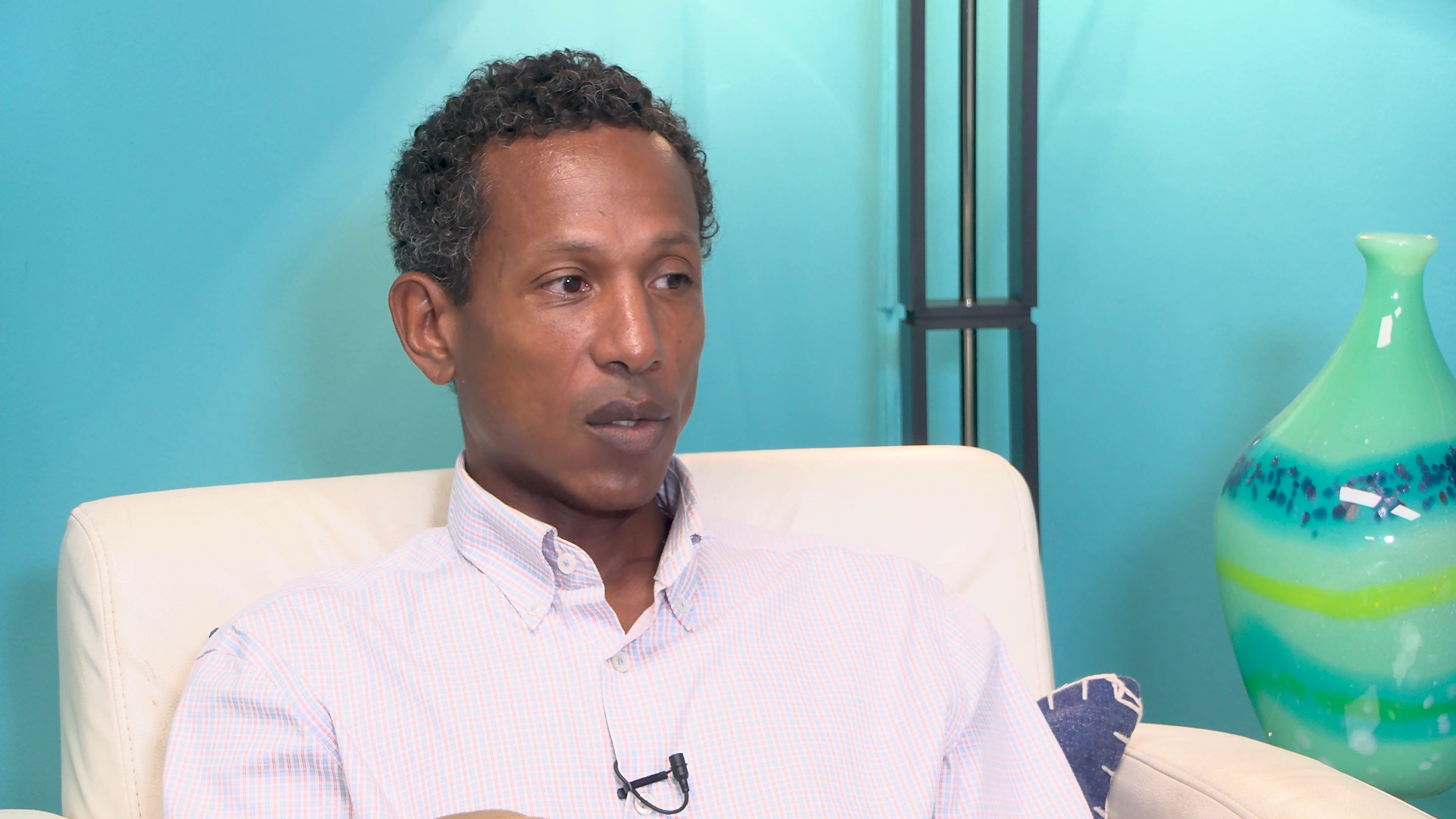
    In a startling rebuke of his own party dated June 24, 2026, former United Democratic Party (UDP) opposition leader Shyne Barrow has launched a scathing attack on senior party leadership, calling out widespread hypocrisy over recent corruption allegations leveled against party figure Oscar Mira. Barrow argues that the claims facing Mira mirror long-unaddressed controversies tied to top UDP officials — including members of his own immediate family.

    Barrow’s criticism centers directly on current UDP leader Tracy Panton, whom he accuses of turning a blind eye to systemic corruption within the party’s own ranks while targeting others for similar misconduct. At the heart of his argument is the high-profile Boledo lottery contract, a decades-old controversial deal that Barrow calls the most “flagrant and deviant” example of the party’s corruption. He alleges that the deal, worth hundreds of millions of dollars, was awarded to shell corporations and trusts where the then-prime minister’s son held hidden shares — a relationship that party insiders deliberately concealed from public view.

    That son, Barrow confirms, is his own brother. Barrow stresses that he was never involved in the transaction and did not benefit from it, a fact that he says gives him the standing to call out the misconduct openly. He further pushes back on Panton’s criticism of another party member, Khalid, drawing parallels between Khalid’s ties to controversial figure Lev Derman and corruption allegations against John Saldivar. Barrow confirms he has photographic evidence showing Khalid traveling with both Saldivar and Derman, the same connections that have led to corruption claims against Saldivar. Adding another layer of scrutiny, the Belmopan City Council is currently conducting an audit into Khalid over claims millions of dollars in public funds went missing during his tenure.

    Barrow also extended his criticism to another senior UDP figure, Patrick Faber, arguing that Panton’s ongoing public support for Faber and other tainted party members automatically disqualifies her from positioning the UDP as a trustworthy alternative government. Until the party confronts the corruption allegations within its own ranks, Barrow says, it cannot credibly claim to offer Belizean voters a clean alternative to the current administration.

    This report is adapted from a verbatim transcript of an evening television newscast.

  • Deadly Crash Shocks Hummingbird Highway Travelers

    Deadly Crash Shocks Hummingbird Highway Travelers

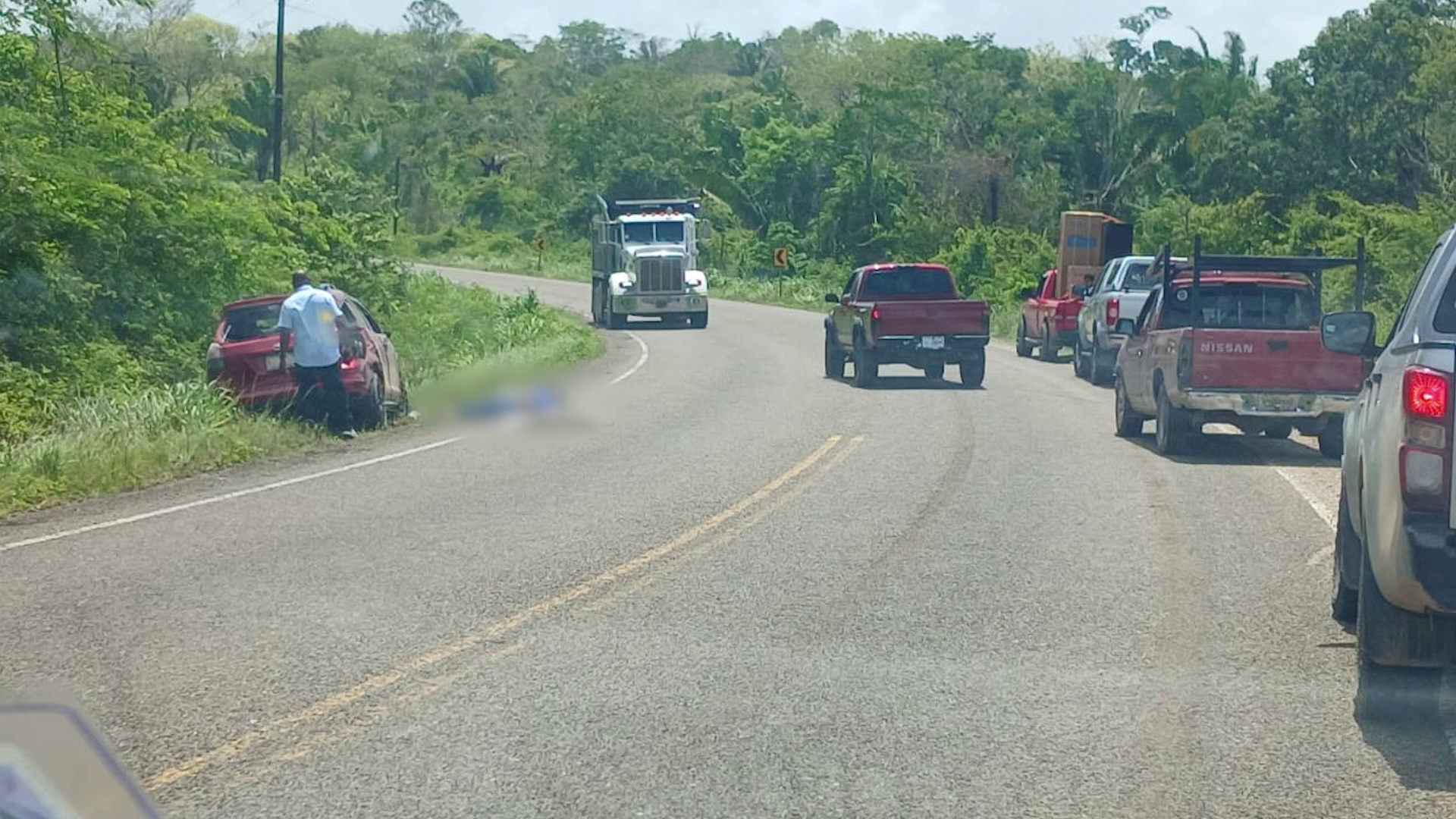
    A devastating fatal traffic collision has shaken communities and travelers along Belize’s Hummingbird Highway, leaving one person dead on Wednesday afternoon just outside Armenia Village in the Cayo District. The crash unfolded shortly before 1 p.m. along the heavily traveled stretch connecting the capital city of Belmopan to Armenia, catching both regular commuters and passing travelers off guard.

    Scene documentation from first responders on location shows the deceased victim lying on the highway pavement, as emergency personnel and local law enforcement raced to the site to secure the area and render aid. As of the initial public announcement, official investigators have not released any identifying information about the person killed in the collision, nor have they confirmed key details including what caused the crash, how many vehicles were involved, or whether any additional parties suffered injuries.

    The tragedy has already reignited long-simmering safety concerns among area residents, who report that this busy major thoroughfare has seen a steady and concerning uptick in severe, life-threatening crashes in recent months. Local authorities note that investigations into the collision are still ongoing, and a full briefing with additional official details is expected to be released to the public once preliminary probe work is completed.

    This report is adapted from a televised evening newscast originally published online, with transcribed speaker content standardized for written distribution.

  • Two Realities: Rising Incomes, Falling Earnings for the Underemployed

    Two Realities: Rising Incomes, Falling Earnings for the Underemployed

    Newly released labor market data from Belize paints a complex, uneven portrait of the country’s economy in mid-2026, with aggregate growth masking deep hardship for a significant segment of the workforce. According to the Statistical Institute of Belize (SIB), the nation’s average monthly income has ticked upward in recent months, a gain driven largely by growth in formal employment positions and a small overall increase in the average number of hours worked across the labor force. But a closer breakdown of the statistics exposes a stark divide in economic outcomes between fully employed workers and their underemployed peers.

    Underemployed workers – defined as individuals who are currently employed but do not receive enough working hours to meet their financial needs or full employment expectations – have seen a dramatic collapse in their monthly earnings, SIB manager Christian Orellana confirmed in an interview with local broadcaster Paul Lopez. At the start of 2025, the average monthly earnings for underemployed Belizeans stood at $1,009. As of mid-2026, that figure has plummeted to just $603, representing a $406 monthly drop that has left this group significantly worse off financially than 18 months prior.

    Orellana noted that the steep decline is directly tied to the core challenge of underemployment: underemployed workers are now working fewer average hours on aggregate than they did at the beginning of 2025, cutting deeply into their total take-home pay. The aggregate income growth recorded across the entire labor force, by contrast, is entirely fueled by gains in the formal sector, where expanded hours and stable positions have pushed the overall average income up by $27 per month.

    The conflicting numbers have sparked new discussion among labor analysts and policymakers about what metrics truly reflect economic health in Belize. While headline employment growth and rising aggregate incomes are typically framed as positive economic indicators, the sharp decline in earnings for underemployed workers raises urgent questions about job quality, rather than just raw job counts. Many analysts argue that the diverging trends show that broad economic growth is not benefiting all workers equally, with marginalized members of the workforce seeing their financial stability erode even as the national headline numbers improve.

    Full additional analysis of the SIB’s latest labor force survey findings is expected to be published in a subsequent newscast from the outlet. This report is a transcript of a televised evening news broadcast, with translated Kriol speech adapted to a standardized spelling system for the online publication.

  • Unsafe at Home: Two-Thirds of Belizean Children Face Abuse

    Unsafe at Home: Two-Thirds of Belizean Children Face Abuse

    For millions of children around the world, home is supposed to be the ultimate sanctuary – a space of safety, care, and unconditional support. But in the small Central American nation of Belize, newly released survey data paints a deeply disturbing picture of this foundational expectation failing. According to the latest round of UNICEF’s Multiple Indicator Cluster Survey (MICS 7), nearly 66 percent of Belizean children experience some form of abuse, ranging from physical violence and emotional trauma to chronic neglect, most often within their own households.

    This alarming statistic, featured in a recent collaborative investigative segment from News Five’s *Five Point Breakdown* series produced in partnership with UNICEF, goes far beyond raw numbers to unpack the systemic gaps that leave Belize’s youngest citizens vulnerable. Reporter Britney Gordon explores the layered structure of Belize’s national child protection system, examining how current frameworks operate, where they fall short, and what collective action is needed to better safeguard children across the country.

    Experts across the sector agree that formal child protection infrastructure – including court systems, government agencies, and law enforcement – can only do so much. “Protection starts at home, with families as the first line of defense,” explained Michelle Segura-McGann, Child Protection Officer for UNICEF Belize. When that foundational line of defense breaks down, Segura-McGann says communities become the next critical safeguard. “If there is no protection or protective mechanisms in the home, the next network or safeguard could be the community. So the community could offer spaces where children can come report cases where they have been abused, neglected, where they have experienced violence, and people in the community could refer.”

    To equip communities with this critical capacity, UNICEF and local partners have invested in widespread outreach campaigns such as the Blue Teddy Bear initiative, which educates community members on how to recognize abuse and properly report concerns through official referral channels. The stakes of inaction at the community level are high: when bystanders choose to look the other way or dismiss child safety concerns as “private family business,” at-risk children fall through the cracks of the formal system, experts warn.

    Shakira Sutherland, Executive Director of Belize’s National Commission for Families and Children (NCFC), emphasized that effective child protection is not the sole responsibility of any single government agency or institution. Mandatory reporters – including teachers, medical professionals, and law enforcement officers – are required by law to report suspected abuse, but consistent follow-through and cross-sector coordination remain ongoing challenges. “We want to ensure that we have the community at large to speak up when they see something,” Sutherland said. “It’s not only one institution.”

    Across the system, different stakeholders carry distinct but complementary roles. Government social services, led by the Ministry of Human Services, deliver ongoing care and case management for vulnerable children and families, while non-governmental organizations and community groups step in to fill unmet needs and reach isolated at-risk households. Shawn Vargas, Director of Belize’s Department of Human Services, framed investment in child protection as a critical investment in the nation’s long-term future. “The children are the future for Belize, and if you have a country that is not protecting their children, the next generation and the other generation, then you’re going to be in problems,” Vargas said.

    Beyond responding to reported abuse, Vargas highlighted the system’s growing focus on proactive prevention, through initiatives such as the Community and Parent Empowerment Program, which delivers early childhood education and evidence-based parenting support to at-risk families. For reported cases, the department maintains a policy of investigating 100 percent of all referrals, whether they come from mandatory reporters in schools, hospitals, or law enforcement, or from community members themselves. Assigned social workers conduct on-the-ground investigations and coordinate follow-up support centered on the best interests of the child, connecting families and children with the resources they need to heal and thrive. Inclusive initiatives such as the children’s parliament, which elevates children’s own perspectives on policy, have also helped center youth needs in government planning, with outcomes directly incorporated into national policy.

    UNICEF plays a supporting role in strengthening Belize’s child protection ecosystem, focusing on improving national legislation, training personnel, and ensuring systems are adequately resourced to meet demand. Sajid Ali, UNICEF Representative for Belize, explained that the organization acts as a convener and technical advisor rather than a frontline implementer, partnering with the Belizean government and local agencies to align systems with international child protection standards. “We are here to strengthen systems,” Ali said. “We wanna be there at least for the standards that are set and to be advising at every aspect.”

    In a landmark step toward improving coordination, the Government of Belize, UNICEF, and national partners have recently launched a joint Child Protection and Child Justice Steering Committee, bringing all key stakeholders to the table to break down long-standing institutional silos. The goal of the new committee is to build a more coordinated, responsive, and proactive protection system that puts children’s needs first. As Gordon concluded in her reporting, when it comes to protecting children from abuse, neglect, and violence, cross-sector collaboration is not an optional add-on – it is a critical requirement for success. Protecting children is everyone’s responsibility, and collective action from families, communities, and institutions is the only way to build a safer Belize for every child.

  • Investments : USD$69 for the modernization of Les Cayes airport and the rehabilitation of RN2

    Investments : USD$69 for the modernization of Les Cayes airport and the rehabilitation of RN2

    In a landmark move to boost economic connectivity and regional development in southern Haiti, the Inter-American Development Bank’s (IDB) Board of Executive Directors greenlit $69 million in non-reimbursable financing on Wednesday, June 24, 2026, for two critical infrastructure projects: the full modernization of Les Cayes International Airport and the rehabilitation of high-priority segments of National Route 2 (RN2).

    The airport modernization initiative marks a pivotal turning point for connectivity across southern Haiti, a region that has long faced limitations in reliable transportation for people, commercial cargo, and life-saving emergency supplies. The project is structured to bring the facility’s aviation safety protocols fully in line with global international standards, creating a resilient alternative transportation hub for the entire southern corridor. Work will be rolled out in sequential phases to minimize disruptions to existing operations, with capacity expansions designed to accommodate projected passenger and cargo demand through 2045.

    Key upgrades to Les Cayes Airport include expanding the main runway to a width of 30 meters, resurfacing the aircraft apron and updating pavement navigation markings, installing state-of-the-art aeronautical lighting and enhanced approach systems to support safer operations in all weather conditions, deploying cutting-edge meteorological observation technology, and constructing a reinforced perimeter fence to improve site security. The project also includes new purpose-built operational infrastructure, including a modern air traffic control tower and a dedicated rescue and firefighting facility.

    Complementing the airport upgrades, the initiative will deliver structural rehabilitation to 11 kilometers of RN2 along the busy Étang de Miragoâne–Carrefour Moussignac corridor. As southern Haiti’s primary arterial roadway connecting the region to Port-au-Prince and Haiti’s core economic centers, improved RN2 will create a more continuous, safe, and reliable route for all traffic.

    When completed, these two projects will work in tandem with other ongoing infrastructure investments in the region, including upgrades to the Port of Saint-Louis du Sud and the Les Cayes–Jérémie road link, to create a synergistic, interconnected transport network. The combined upgrades are expected to lower trade barriers, strengthen the country’s capacity to respond to natural disasters and public health emergencies, expand local access to national and international markets and essential services, generate sustained local job opportunities, and deepen regional economic integration across the Caribbean.

    The initiative will deliver immediate, tangible benefits to more than 61,000 annual air travelers and 6,500 daily roadway users, who will experience more reliable schedules, reduced travel times, and vastly improved safety. Beyond physical infrastructure, the program also includes dedicated technical assistance to build the institutional and operational capacity of Haiti’s Ministry of Public Works, Transport and Communications (MTPTC). This capacity building will improve the country’s ability to manage and execute major infrastructure projects, ensure the long-term sustainability of the new investments, and boost efficiency in future infrastructure maintenance and development across the country.

  • Preserving Belize’s Rich and Diverse Food Heritage

    Preserving Belize’s Rich and Diverse Food Heritage

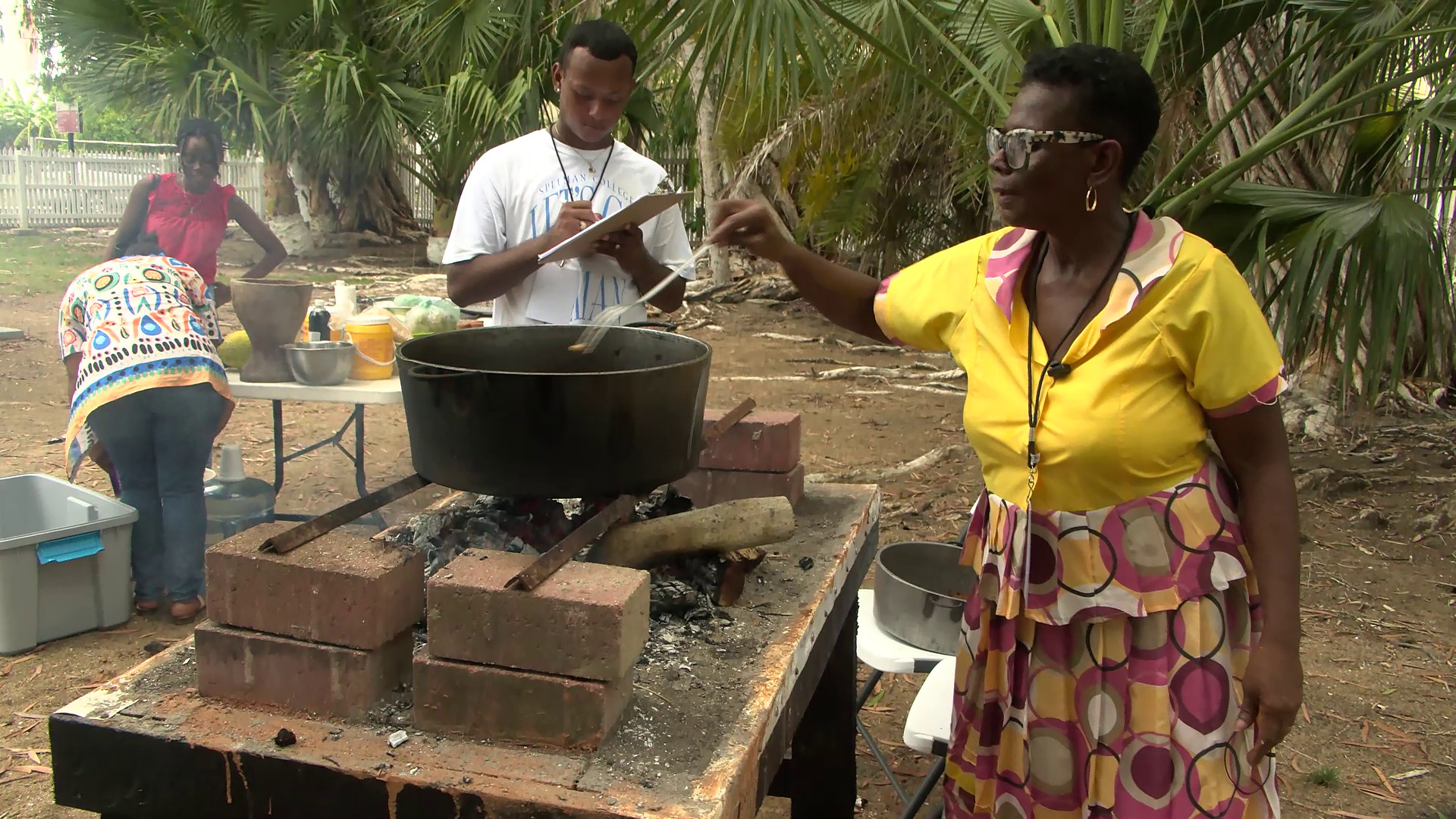
    On June 24, 2026, the Museum of Belizean Arts in Belize City came alive with the sizzle of frying banana fritters and the rich, savory scent of spiced fried snapper, as the Belize Food Heritage Project hosted a community-focused cookout and workshop. This hands-on gathering brought together a diverse group of stakeholders: seasoned local chefs, lifelong cultural practitioners, everyday community members, and avid food lovers, all united by a shared mission to document, protect, and celebrate the extraordinary mosaic of Belize’s food culture.

    At the core of the initiative is an ambitious long-term goal: securing a spot for Belizean culinary traditions on the UNESCO Representative List of the Intangible Cultural Heritage of Humanity, according to Rolando Cocom, Director of the Institute for Social and Cultural Research, which leads the project. Cocom explained that by the project’s conclusion, the team aims to catalog 80 distinct Belizean food traditions, complete with verified recipes, high-quality visual documentation, and oral histories. To build local capacity for this work, participating community members have received training in professional photography and videography, skills they put into practice at the cookout, where they documented their own cooking processes to add to the project’s growing national inventory.

    This inventory, Cocom noted, is the same foundational resource that supported Belize’s successful 2025 nomination of Christmas Brammen Sambar to the UNESCO intangible heritage list, clearing a path for future international recognition of the country’s food culture.

    The event was far more than a showcase: it was a hands-on exchange of intergenerational knowledge centered on traditional cooking techniques that have been passed down through centuries. Many chefs prepared their dishes on a fiyahaat, Belize’s traditional open-hearth cooking apparatus, and shared the closely guarded secrets that give local dishes their distinct character.

    Baselio Pook, a chef from Racho Dolores who has cooked on open hearths for more than 18 years, summed up his approach simply: proper seasoning is everything. Pook explained that balanced seasoning, with a careful hand for salt, makes all the difference, and he swears by oak wood for heating his hearth, as it infuses a one-of-a-kind smoky flavor into his dishes. He also highlighted the superior flavor of free-range local Belizean chicken, noting that while the commercially raised broiler chicken has a softer texture, the slower-cooking, foraged local chicken delivers a far deeper, richer taste that can’t be replicated.

    Another participating chef, Ainsley Castro, tested his own open-hearth skills preparing a hearty beef soup served with callaloo and chaya white rice infused with fresh coconut milk, after years away from traditional open-fire cooking. Castro emphasized that the core ingredient for any great traditional Belizean dish is not a spice or cut of meat, but intention: “The key to a good fire heart beef soup is starting with the love that you’re preparing it with your mind, and make sure that it come out good.” After years off the hearth, Castro found his skills remained sharp, proving that practice and passion keep culinary traditions alive.

    For emerging chef Sasha Eiley, who worked alongside veteran cook Dorla Guiterez to prepare fried fish, banana fritters, hiu, and grapefruit porridge, the workshop offered far more than just cooking tips. She learned little-known regional variations of staple dishes, including “sweat rice,” a unique preparation from the Flowers Bank area that involves harvesting unripe green rice, boiling it, sun-drying it, and processing it by hand to produce a distinct brown finished rice. Beyond recipes, Eiley gained insight into the cultural histories and community stories that make Belizean cuisine unique.

    Beyond cultural preservation, the initiative also frames Belize’s food heritage as a driver for sustainable growth across the country. Project leaders are exploring how elevating traditional food practices can boost cultural tourism, create new economic opportunities for small-scale food producers and chefs, and strengthen resilient, sustainable local food systems. Cocom noted that food heritage is a core draw for tourism, offering both returning Belizeans from the diaspora and international visitors an authentic, immersive connection to the country’s history and identity.

    As the day of cooking, sharing, and documenting came to a close, the event reinforced a simple truth at the heart of Belize’s culinary traditions: behind every iconic dish is generations of knowledge, community connection, and love – the secret ingredient that ties Belize’s food heritage to its people, past and future.

  • Morales Ojeda denounces U.S. intention to take over Cuba

    Morales Ojeda denounces U.S. intention to take over Cuba

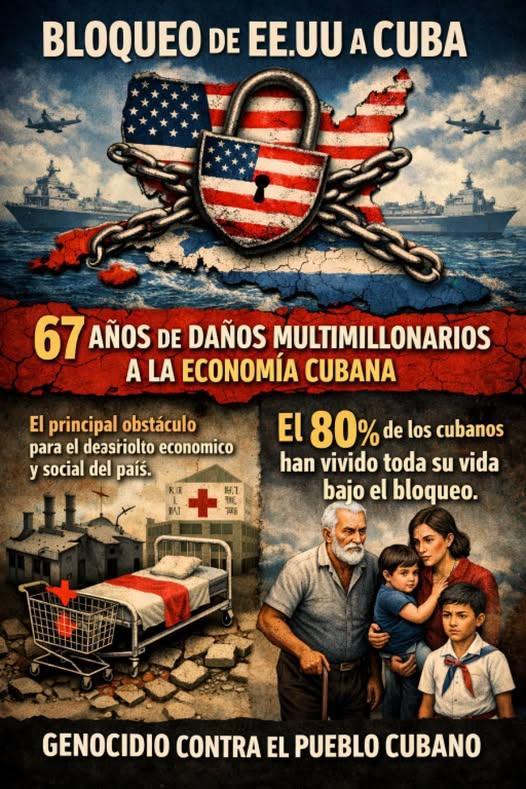
    HAVANA, June 24 – A top leader of Cuba’s ruling Communist Party has publicly condemned long-standing United States policy toward his country, saying Washington’s end goal is to achieve complete political and economic domination over the Caribbean island. Roberto Morales Ojeda, who serves as a member of the Political Bureau of the Communist Party Central Committee and the body’s Organization Secretary, made the accusation in a post published to his official Facebook profile, echoing longstanding Cuban pushback against decades of U.S. pressure.