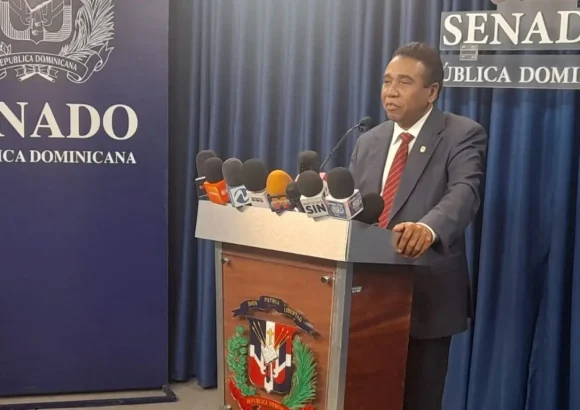
In a strategic move to boost the competitiveness of Dominican export products in the U.S. market, Senator Félix Bautista has introduced landmark legislation to the Dominican Senate that would ban all imports of goods produced, either entirely or partially, through forced labor. The proposed bill, Bautista argues, creates a clear policy foundation to negotiate a reduction of existing U.S. tariffs on Dominican goods, a change that could save the country’s export sector millions of dollars annually.
Currently, Dominican exports entering the U.S. are subject to a 12.5% tariff, a full 2.5 percentage points higher than the rate applied to several peer economies including El Salvador, Guatemala, Honduras, Mexico and Malaysia. This tariff discrepancy, Bautista explains, places Dominican exporters at an unfair disadvantage, cutting into their profit margins and pricing some domestic goods out of the competitive U.S. market. He estimates the annual cost of this gap to the Dominican export sector ranges between $127 million and $182 million, a significant hit to an economy deeply reliant on access to the U.S. consumer market.
To address both the ethical issue of forced labor and the economic priority of tariff relief, the proposed legislation outlines a robust regulatory framework. If passed, it would enact a permanent ban on forced-labor-produced imports and mandate enhanced supply chain traceability across all import categories. Enforcement of the new rules would fall to the General Directorate of Customs, while the Ministry of Labor would act as the designated technical body responsible for confirming instances of forced labor in foreign supply chains.
The bill includes a series of concrete provisions to ensure compliance: it requires mandatory importer affidavits confirming goods are not produced with forced labor, grants authorities temporary power to seize suspected shipments, establishes a searchable public registry of banned imports, and outlines stiff penalties for importers that submit false declarations. For high-risk sectors that supply Dominican production chains—including textiles, agriculture, fishing, mining and construction—exporters would face stricter due diligence and traceability requirements to ensure full compliance with the new rules.
Bautista notes that the new legislation builds on the existing legal foundation laid by July’s Decree 502-26, strengthening and codifying the country’s commitment to eliminating forced labor from its trade networks. This strengthened framework, he argues, gives the Dominican Republic solid leverage to request the U.S. close the tariff gap and align the country’s rate with the 10% applied to comparable trading partners.
Looking ahead, the senator plans to launch an aggressive outreach campaign to build support for the bill, holding meetings with key stakeholders including export industry leaders, free-trade zone representatives, and multiple government agencies as he pushes the legislation through both the Senate and Chamber of Deputies.
The urgency of the reform underscores the Dominican Republic’s deep economic ties to the U.S. market. Data shows between 52.5% and 53.5% of all Dominican exports are destined for the U.S. The country recorded total exports of $14.645 billion in 2025, and 2024 free-trade zone exports hit $8.426 billion, with more than $6.117 billion of those goods sent to U.S. buyers.