SANTO DOMINGO – Against the backdrop of a growing diplomatic controversy over the Dominican government’s order expelling nine Cuban embassy officials, a leading Dominican historical and civic leader has publicly called on the nation to prioritize its sovereign self-determination when crafting all foreign policy positions.
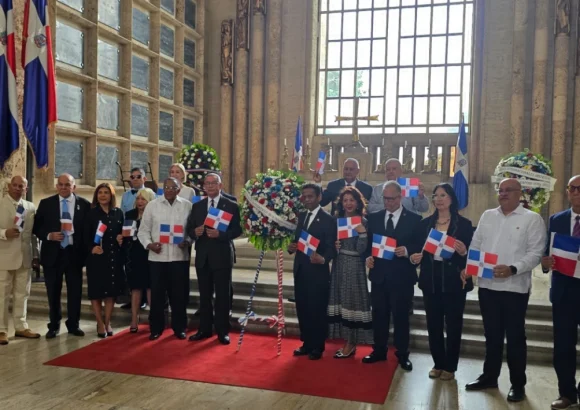
Wilson Gómez Ramírez, president of the Duartian Institute – an organization dedicated to upholding the nation’s founding independent ideals – delivered these remarks during a solemn Sunday ceremony held at the Pantheon of the Fatherland. The event was organized to commemorate the 163rd anniversary of the Dominican Restoration War, a defining 19th-century conflict that secured the nation’s independence after foreign occupation.
Gómez Ramírez, a former constitutional judge, emphasized that the Dominican Republic must uphold its longstanding tradition of strategic prudence in global affairs, grounding all diplomatic decisions in the nation’s own national interests rather than external influence. He specifically called on sitting Dominican President Luis Abinader to open a public explanation of widespread reports claiming U.S. pressure was the driving force behind the government’s decision to give the nine Cuban diplomatic personnel seven days to leave the country.
The institute leader pushed back against any assumption that the Dominican Republic’s close bilateral relationship with the United States must limit its sovereign right to set independent diplomatic stances toward Cuba and other nations around the globe. All foreign policy, he argued, should be anchored in core international principles: binding international law, reciprocal respect between states, the right to national self-determination, and mutual respect for every country’s territorial and political sovereignty.
Tying his appeal directly to the meaning of the Restoration War being honored that day, Gómez Ramírez noted the 1863 conflict remains a permanent reminder of the Dominican people’s long struggle to defend their political independence and retain control over their own national future.
Beyond its commemoration of the Restoration War, the ceremony also included two additional key actions. First, participants paid tribute to all Dominican fighters who gave their lives to restore the nation’s independence in the 1860s. Second, the Duartian Institute publicly announced its support for a pending legislative bill that would authorize the exhumation of former leader Pedro Santana’s remains from their current resting place in the Pantheon of the Fatherland, a move rooted in ongoing historical debate over Santana’s legacy of allying with foreign powers.
The commemorative event concluded with traditional ceremonial acts: a formal floral offering at the site, a military honor tribute before the Pantheon’s permanent votive flame, and the signing of the national landmark’s honorary guest book by attendees.