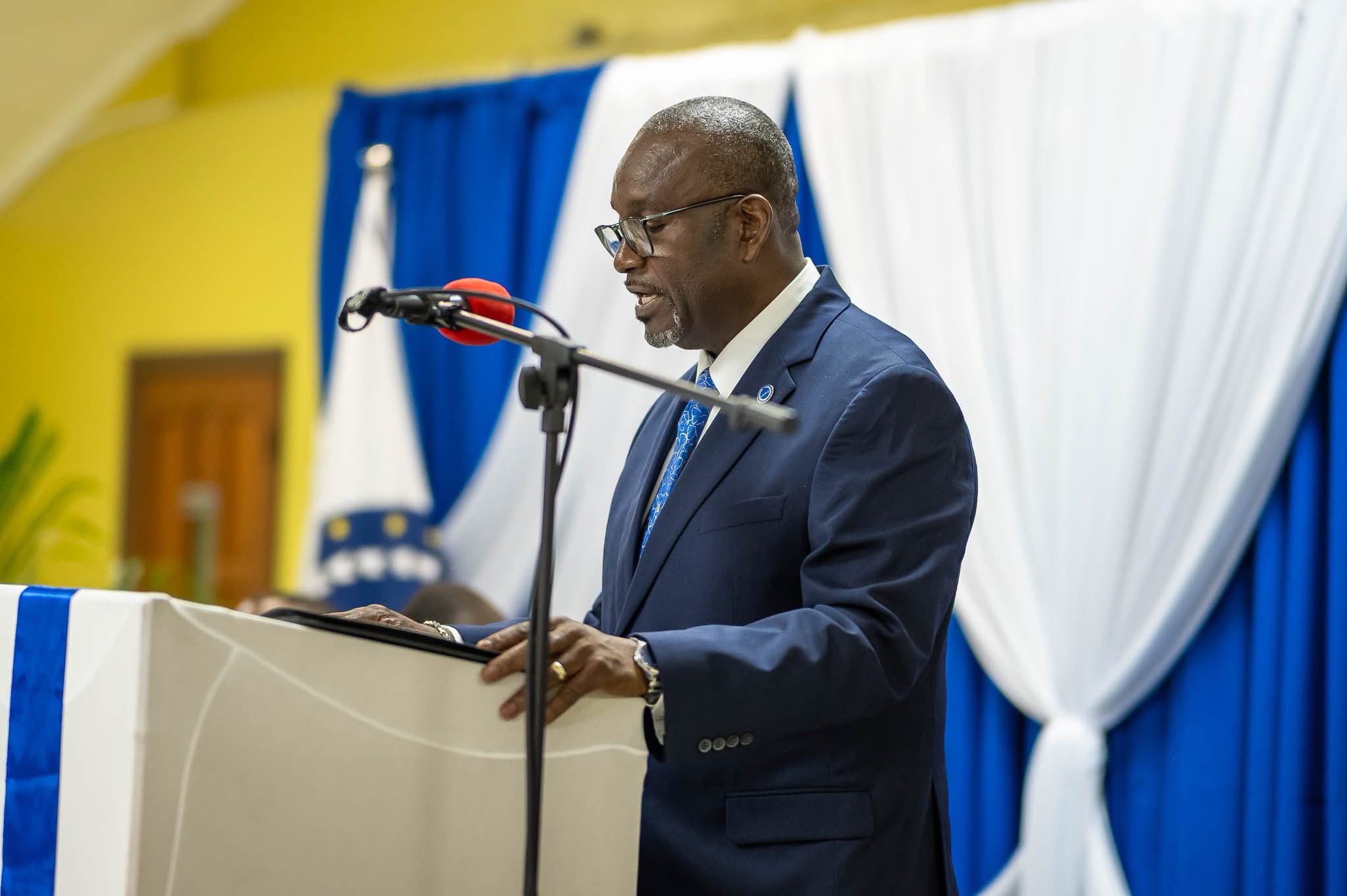
As artificial intelligence continues to integrate into workplaces across the globe, small island nations are not immune to its disruptive impacts. David Massiah, General Secretary of the Antigua and Barbuda Workers’ Union (ABWU), has issued a stark call to action for local workers, stressing that AI is already reshaping the national workforce and that employees must proactively adapt to keep pace with rapid technological change.
Speaking at the ABWU’s 59th Annual Delegates Conference, Massiah pushed back against the common misconception that AI remains a distant, hypothetical innovation limited to science fiction lore and elite industry gatherings. “AI is here, and it is real,” he emphasized to assembled delegates, underlining that the technology has already moved beyond theoretical discussion to become a tangible presence in local work environments.
The transformative effects of AI are already visible across the country’s labor landscape, Massiah explained. It is restructuring core workplace processes: altering how organizations handle data processing, reshaping the delivery of public and private services, and rewiring the day-to-day responsibilities of employees across nearly every sector. In the long term, he warned, this shift could even redefine the fundamental concept of what constitutes work itself.
Massiah outlined that the most immediate change will come in the form of evolving job roles: many existing positions will be restructured to incorporate AI tools, while workers in heavily impacted sectors will need to pursue upskilling or complete retraining to transition into entirely new roles. While he acknowledged that the full scope of AI’s impact on Antigua and Barbuda’s local economy and labor market remains unclear, he stressed that workers can no longer afford to assume their livelihoods will remain untouched by the shift. “It has already started to affect the workforce,” he reiterated.
Instead of approaching AI with two common unproductive mindsets—unfounded fear or unexamined blind optimism—Massiah urged trade unions and their members to take a balanced, proactive approach. The key to navigating the transition, he argued, is building foundational AI literacy, leaning into uniquely human durable skills that cannot be automated, and committing to lifelong learning as job requirements continue to evolve.
Among the critical skills that will grow in importance for workers, Massiah named analytical reasoning, complex problem-solving, and active listening—all interpersonal and critical thinking abilities that AI cannot replicate at scale. He also called for a widespread cultural shift away from the long-held assumption that a single set of professional qualifications can support a worker through an entire 40-plus-year career.
Massiah also emphasized that workers and their union representatives must have a seat at the table when organizations make decisions about AI adoption in the workplace. Their input should shape what upskilling and retraining programs are offered to employees, as well as what safeguards are put in place to ensure that the transition to AI-powered workplaces is implemented fairly, without leaving vulnerable workers behind. As workplaces continue to evolve, he added, shop stewards will take on an increasingly critical role in educating members about changes and advocating for their interests. He also encouraged unions to leverage the existing technical familiarity of younger workers, who often have more hands-on experience with emerging technologies like AI.
Looking internally, Massiah said the ABWU itself must evaluate its own readiness for the AI shift: assessing whether it is communicating effectively with members, delivering timely information and training, leveraging technology to improve member services, and cultivating a new generation of union leaders prepared for the changing labor landscape.
While Massiah acknowledged that new technologies can offer tangible benefits to both unions and workers, he made clear that no digital tool can replace the core collective strength that has always been the foundation of trade unionism. To ensure workers have a meaningful voice in shaping the future of work, he called for stronger collective bargaining, expanded union-led education programs, and greater cooperation among workers across sectors. “We need to be involved in the discussions, the decision-making, the training, the fairness and the changes that will affect the workplace,” Massiah said.