博客

  • CAF approves US$200,000 grant to strengthen disaster-resilient housing in Caribbean

    CAF approves US$200,000 grant to strengthen disaster-resilient housing in Caribbean

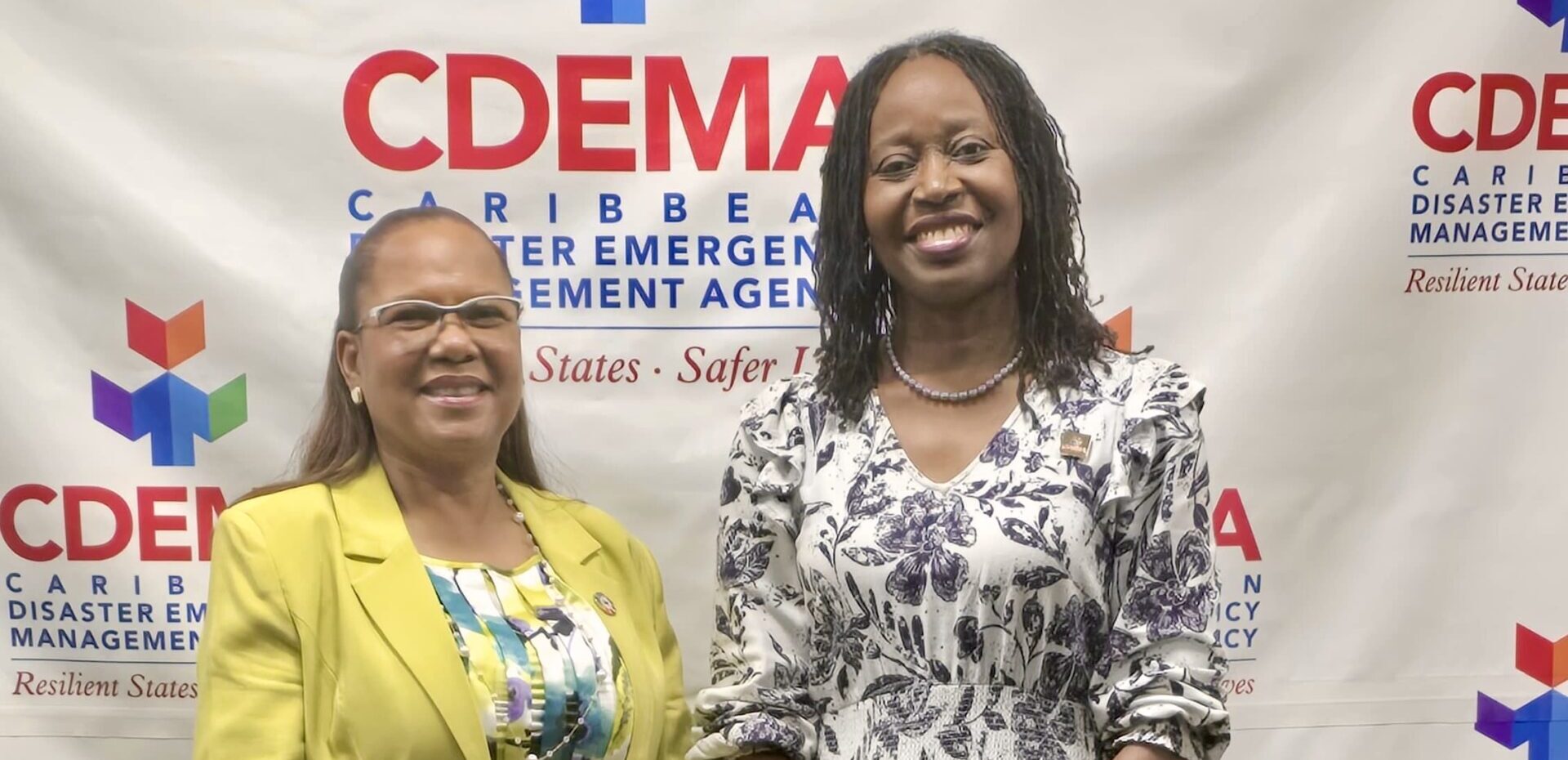
    Across the Caribbean, recurring climate-driven and geophysical disasters—including hurricanes, flash floods, deadly landslides, and earthquakes—have repeatedly exposed vulnerabilities in residential infrastructure, destroying homes, erasing decades of development progress, and threatening the lives and livelihoods of regional communities. To address this growing risk, CAF – Development Bank of Latin America and the Caribbean has greenlit a $200,000 technical assistance grant to the Caribbean Disaster Emergency Management Agency (CDEMA) for a new 18-month Regional Resilient Residential Construction and Reconstruction Project.

    This new initiative builds on the foundation of CDEMA’s long-running Safer Building Programme, shifting focus from post-disaster recovery to proactive pre-disaster preparedness by targeting the people and institutions that shape residential construction standards across the region. Unlike traditional disaster response efforts that center on rebuilding after damage occurs, the project prioritizes capacity building for key stakeholders: builders, skilled artisans, general contractors, and regional Technical and Vocational Education and Training (TVET) institutions.

    Under the project framework, frontline construction workers will receive hands-on training in modern hazard-resilient building techniques. TVET institutions will also receive targeted support to integrate the official Regional Code of Practice for Residential Construction into their core training curricula, ensuring that future generations of construction professionals enter the workforce with disaster-resilient skills. Beyond industry training, the initiative will run public and institutional outreach campaigns to raise awareness of resilient building standards among homeowners, lending institutions, policymakers, and community stakeholders, with the goal of driving widespread adoption of safer construction practices across the region.

    Dr. Stacy Richards-Kennedy, CAF’s Regional Manager for the Caribbean and the bank’s lead representative in Barbados, emphasized that proactive investment in pre-disaster resilience delivers far greater impact than post-disaster reconstruction. “Rebuilding after a disaster will always be necessary, but preparing before one strikes is where we can make the greatest difference. Resilience begins with the way residential infrastructure is designed and built,” Dr. Richards-Kennedy noted. She added that the project embodies CAF’s broader commitment to the Caribbean: beyond financing large-scale resilient infrastructure, the bank prioritizes investing in knowledge, technical capacity, and cultural change to build a robust regional culture of disaster preparedness.

    CDEMA Executive Director Elizabeth Riley echoed this perspective, noting that decades of disaster response experience have made clear that resilience is rooted in pre-event decision-making, not post-event recovery. “Every disaster reminds us that resilience is not built in the aftermath of an event, but through the decisions we make before it occurs. Strengthening the way our homes and communities are designed and built is therefore a critical investment in protecting lives, livelihoods and our development gains,” Riley explained. She added that the partnership with CAF will not only improve construction practices and build technical capacity across the region but also strengthen broader disaster preparedness efforts that protect hard-won development gains for Caribbean communities.

    Ultimately, the project forms a key part of regional efforts to reduce disaster risk, with safer residential construction acting as a foundational pillar for protecting lives, property, and community well-being across the hazard-prone Caribbean.


  • 13 New Medical Interns Begin Their Journey at KHMH

    13 New Medical Interns Begin Their Journey at KHMH

    Central America’s Belize is taking a key step to strengthen its domestic healthcare workforce, as the nation’s flagship referral medical center, Karl Heusner Memorial Hospital (KHMH), has formally welcomed 13 newly graduated doctors into its national Medical Internship Program.

    Administered through Belize’s Ministry of Health and Wellness, the 12-month intensive training initiative is designed to help recent medical school graduates gain the practical skills and experience required to earn full medical licensure to practice across the country. Unlike traditional classroom-based learning, the program centers on immersive, hands-on clinical training that puts interns in direct contact with real patient care scenarios under the supervision of seasoned KHMH medical professionals.

    Over the course of their training year, the new cohort will rotate through a wide range of critical medical disciplines at the hospital. Trainees will gain experience in settings ranging from general inpatient wards to specialized operating rooms, with focused rotations in high-demand areas including emergency medicine and internal medicine. KHMH emphasized in an official public statement that the mentorship-driven model prioritizes “learning by doing”, noting that attending physician mentors are equally committed to nurturing the interns’ professional growth and delivering high-quality care to every patient.

    Recent documentation from the hospital shows the 13 new interns participating in an orientation tour of the KHMH facility ahead of starting their rotations. In its remarks marking the orientation, the hospital called the program’s launch the start of “a transformative year that will shape the next generation of Belizean doctors.”

    The new internship cohort joins KHMH during a period of facility expansion for the hospital. Earlier this September, the institution celebrated its 31st year of public service by opening two new specialized care units, one of which is an expanded, upgraded Hemodialysis Unit that will increase access to critical kidney care for patients across Belize.

  • Jehovah’s Witnesses Change Policy on Accepting Blood

    Jehovah’s Witnesses Change Policy on Accepting Blood

    In a landmark shift for one of the world’s most recognizable religious groups, the Governing Body of Jehovah’s Witnesses has announced a revised policy governing the use of donor blood components in medical care, marking one of the most significant adjustments to the faith’s long-held medical ethics rules in decades.

    Unveiled on September 18, 2026, the policy change alters the group’s previous absolute ban on blood products by allowing individual members to make their own choices about four key blood components derived from another person’s blood: red blood cells, white blood cells, plasma, and platelets. Where once acceptance of these components was a violation of religious doctrine that could lead to expulsion from the community, the rule now positions the final decision as a matter of personal conscience for each Jehovah’s Witness.

    The revision also extends to blood donation: individual members are now free to choose whether to donate blood specifically for the purpose of extracting these components and blood fractions for use by other patients. This removes another layer of restriction that previously barred Jehovah’s Witnesses from participating in targeted donation for these medical uses.

    Crucially, the Governing Body emphasized that the update does not represent a complete overhaul of the faith’s core stance on blood, which has been rooted in the biblical instruction to “abstain from blood” for more than a century. The long-standing absolute ban on whole-blood transfusions remains fully in place, unchanged by the new policy. The clarification confirms that the group’s core theological interpretation of biblical commandments on blood remains intact, with the adjustment limited only to the four separated major components.

    The policy shift is expected to have wide-ranging implications for Jehovah’s Witnesses around the world, who number more than 8.5 million globally. For patients and medical providers, the new flexibility could reduce conflicts between religious beliefs and life-saving medical treatment, opening up additional care options that were previously off-limits for observant members.

  • Taxis seek Uber probe, C-plates crackdown

    Taxis seek Uber probe, C-plates crackdown

    As Barbados prepares for its upcoming peak cruise tourism season, licensed traditional taxi operators are pushing for urgent government intervention, calling on Transport Minister Kirk Humphrey to launch a formal investigation into Uber’s local operations and push through targeted legislation to regulate the rapidly growing ride-hailing sector.

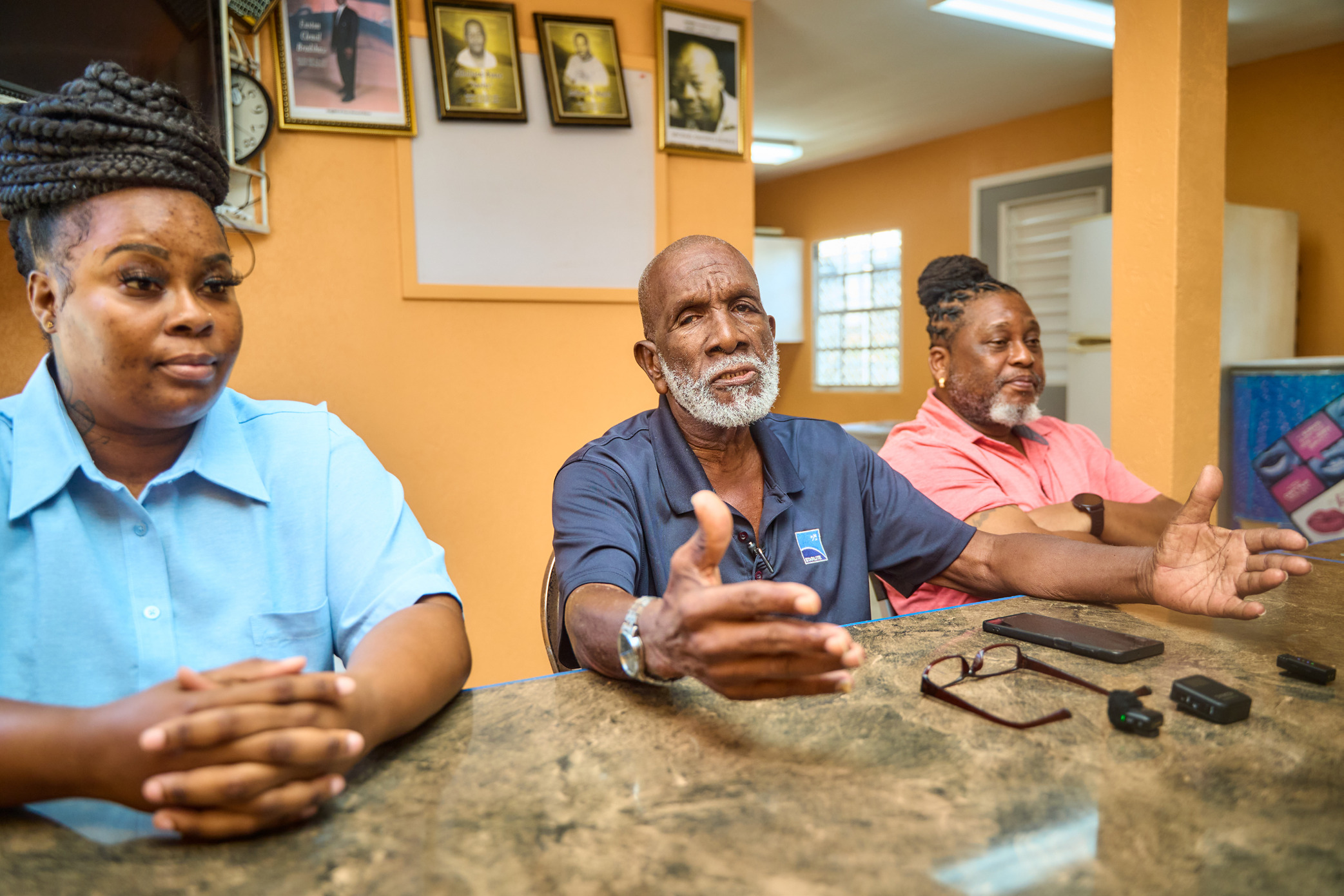
    At a public press conference held Tuesday, veteran taxi driver Colvin Yarde, speaking on behalf of the island’s licensed taxi operator community, claimed that Uber has violated existing agreements and government guidelines by allowing unauthorised private vehicles and C-plate commercial vehicles to operate as for-hire passenger vehicles on its platform. Yarde confirmed that operators have gathered concrete evidence to back up these allegations, though they have chosen not to release the documentation publicly at this stage of the process.

    “We have proof that Uber is using private vehicles here in Barbados, which is contrary to the agreement and to the understanding that the government outlined,” Yarde stated. He explained that the unauthorised operation of these unregulated vehicles has amplified the already significant financial strain facing traditional taxi providers, who are required to cover steep costs including permits, mandatory licensing, specialised insurance, regular vehicle maintenance, and access fees for high-traffic locations such as Grantley Adams International Airport, the Bridgetown Seaport, and major coastal hotels.

    Yarde also noted that C-plate commercial vehicles, which are not legally permitted to function as taxi services under Barbados’ current transportation regulations, are also being integrated into Uber’s local service network. He added that there has been no meaningful communication or follow-up discussions between taxi operator representatives and the Ministry of Transport since initial talks with Prime Minister Mia Amor Mottley and then-Transport Minister Santia Bradshaw ahead of Uber’s initial launch on the island.

    Calling for dedicated legislative framework to govern ride-hailing platforms, Yarde emphasized that individual small-scale taxi operators are placed at an extreme, unfair disadvantage when competing against large multinational ride-hailing corporations. “Those [in power] that see how vulnerable we are should put measures in place to protect us from what is going on,” he said.

    Alongside their concerns over Uber’s alleged rule-breaking, operators have renewed longstanding objections to the widespread unauthorised use of C-plate vehicles as unlicensed taxis. Yarde pointed out that currently, the Barbados government has issued more than 2,600 active standard taxi permits alongside approximately 1,050 maxi-taxi (ZM) plates, bringing the total number of government-authorised for-hire passenger vehicles on the island to more than 3,000. He argued that the unregulated operation of unlicensed C-plate taxis directly siphons much-needed work away from licensed operators, while only licensed providers bear the financial burden of mandatory government fees and regulatory compliance.

    “If you have these C taxis operating illegally, will that not put strain upon those legitimate ones who are paying the government the necessary fees and so on? Will that not also deprive us of work that should be coming to us?” Yarde asked. He stressed that Barbados’ existing vehicle licensing classification rules must be strictly enforced, saying: “After all, if you are going to issue a licence plate for a particular purpose, that should be adhered to and should be policed before putting pressure on the over 3 000 taxis that operate in Barbados.”

    Taxi operator Sharice Walrond-Sealy also raised new concerns over the impact of promotional pricing strategies deployed by ride-hailing platforms on the earnings of drivers who work with these apps as well as traditional taxi providers. She recalled that the government previously introduced a guideline capping ride-hailing platform commissions at no more than 20 percent of a single trip’s total fare, but argued that platforms have found loopholes to cut driver earnings through discounted and premium pricing schemes for passengers.

    “They’re finding ways to cut our money, our income by offering that premium offer where the passenger will pay a fee to have access to cheaper rides,” Walrond-Sealy explained. As an example, she noted that a local trip that typically retails for $24 BBD can be discounted to as low as $10 BBD for platform users, leaving drivers with just a small fraction of that standard fare after the platform’s commission is deducted. Walrond-Sealy also argued that ride-hailing platforms contribute nothing to Barbados’ local transportation infrastructure or to the operating community, while local taxi operators bear all the costs of maintaining their vehicles and meeting regulatory requirements. “They give nothing to taxi operators, to the transportation system. They provide nothing to Barbados, and that’s the perspective that people don’t seem to get,” she added.

  • Dominica invites world to help build ‘living laboratory’ for climate resilience

    Dominica invites world to help build ‘living laboratory’ for climate resilience

    Against the backdrop of escalating global climate crisis that disproportionately threatens low-lying and small island developing states, Dominica has launched a bold new call for international partnership at the 81st United Nations General Assembly, positioning the Caribbean nation as a dedicated demonstration and living laboratory for cutting-edge climate resilience.

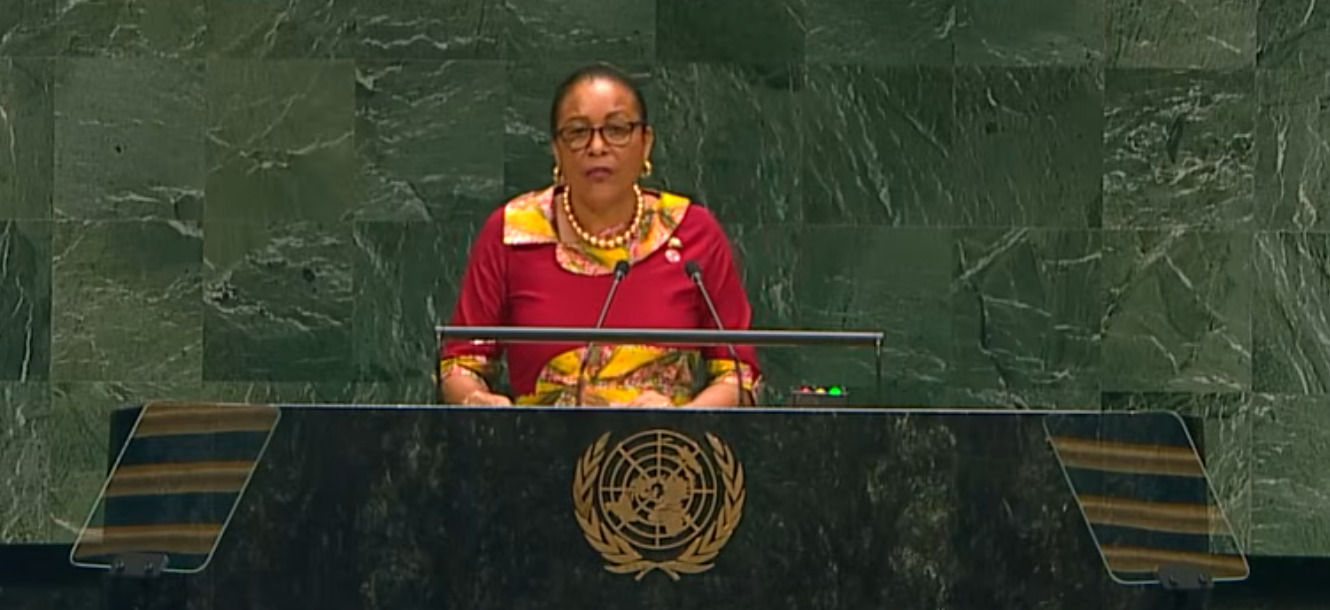
    Addressing the assembly in New York City, President Sylvanie Burton made a direct appeal to global stakeholders: bring cutting-edge research, transformative climate technology, targeted investment, and innovative solutions to Dominica, to jointly build a blueprint for what a climate-resilient small island economy can accomplish.

    Burton outlined that the proposed collaborative framework will span across seven critical high-impact areas: climate-resilient housing and core infrastructure, large-scale renewable energy adoption, climate-smart agricultural practices, modernized water resource management, expanded digital public services, and nature-based climate adaptation solutions. Unlike top-down development models, Burton framed this initiative as a reciprocal, shared learning partnership, highlighting that Dominica brings invaluable on-the-ground experience to the table from its years of community-led recovery and reconstruction after the devastating 2017 Hurricane Maria, one of the most destructive tropical cyclones to hit the Caribbean in modern history.

    While the island has already made significant progress in rebuilding with climate resilience in mind, Burton emphasized that additional global resources and expertise are still required to scale up existing resilience plans and deliver long-term, systemic change. She also tied the climate resilience initiative directly to youth development, noting that strategic investment in key sectors including renewable energy, digital connectivity, sustainable tourism, and climate-smart agriculture will ultimately create meaningful local career pathways and business opportunities for Dominica’s young population, curbing brain drain and building intergenerational prosperity.

    Most notably, Burton stressed that the model developed through this partnership is designed to be replicable, with lessons and tested approaches intended to benefit other climate-vulnerable small island and coastal nations around the world that face similar existential climate threats.

  • Korea Invests US$3.4 Million to Strengthen Belize’s Data System

    Korea Invests US$3.4 Million to Strengthen Belize’s Data System

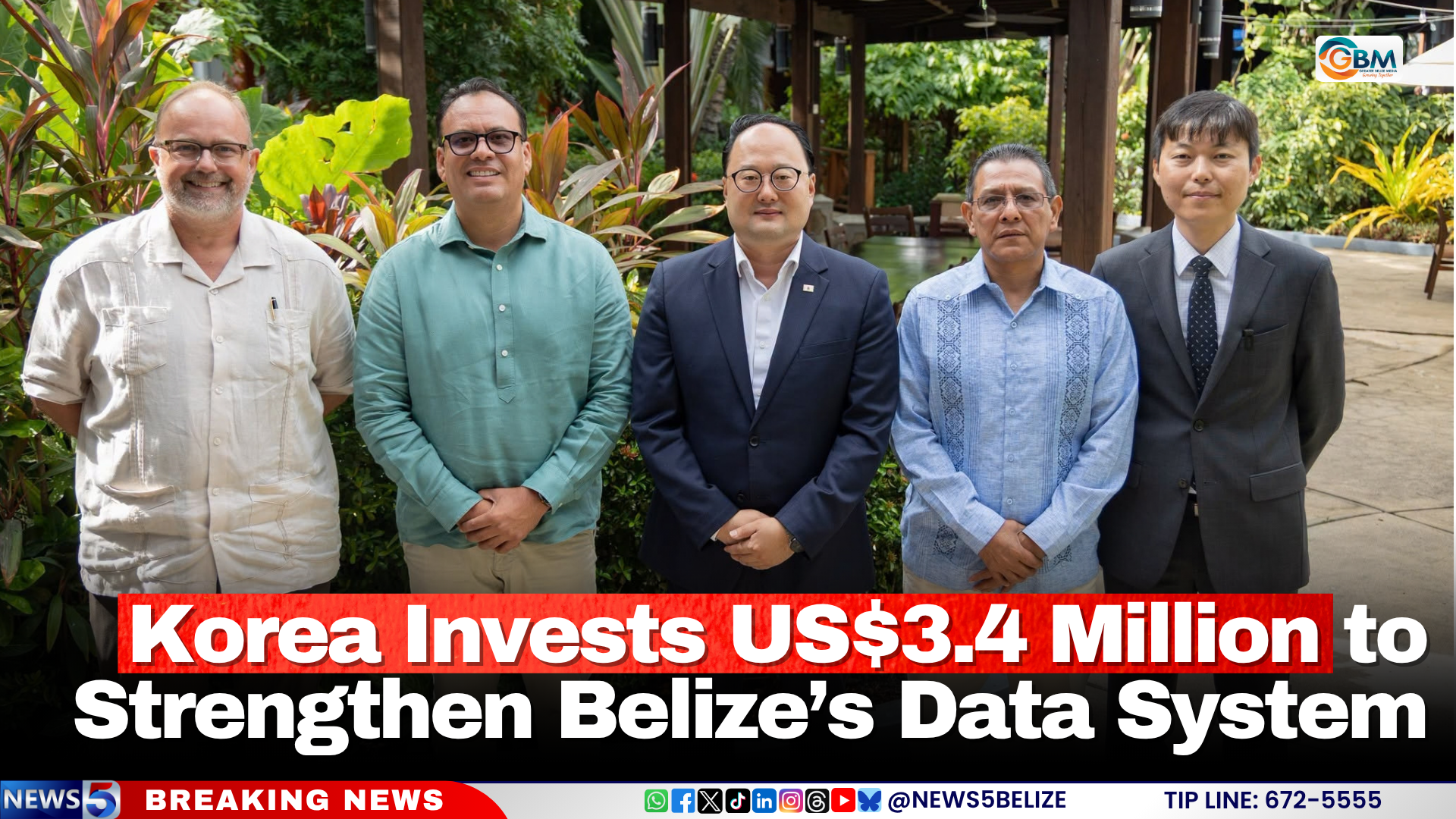
    In a development cooperation initiative set to enhance evidence-based policy making in Central America, the Republic of Korea has committed a $3.4 million grant to upgrade Belize’s national statistical infrastructure, aimed at refining data collection processes and expanding the Belizean government’s capacity to leverage data for core national decision-making. This funding is channeled through the Korea International Cooperation Agency (KOICA) as part of the Enabling Belize’s Statistical System Project, a targeted effort to address gaps in the country’s data ecosystem.

    At the center of the project is the Statistical Institute of Belize (SIB), which has already received tangible support ranging from cutting-edge digital technology and new office equipment to specialized training that builds the technical proficiency of SIB staff and overhauls outdated institutional systems and operational workflows.

    Carlos Pol, Chief Executive Officer of Belize’s Ministry of Economic Transformation, explained that the initiative is delivering dual benefits: it is expanding the country’s domestic pool of trained, professional statisticians while directly strengthening SIB’s core ability to gather and process high-quality data. “The project is also improving the capabilities of the officers, improving the methodologies, improving the processes, so that we can have accurate and timely data,” Pol noted in a statement on the project’s outcomes to date.

    A key innovation being rolled out under the program is the integration of advanced digital tools, including artificial intelligence, into SIB’s daily operations. These technologies are designed to streamline workflows, reduce processing time, and unlock more sophisticated analytical capacity for both routine and complex data projects.

    For the Belizean government, the improved statistical system translates directly to more effective governance. “More data means that Cabinet can make more informed decisions, can make more informed policies and projects,” Pol emphasized. Beyond supporting day-to-day governance, the project is also enabling SIB to assist the Government of Belize (GOB) in building a formal monitoring and evaluation framework for the country’s Medium-Term Development Strategy. This framework will allow officials to track key performance indicators consistently across all government agencies, ensuring development initiatives stay aligned with national goals.

    As the current project nears its completion, Belize has already begun discussions to secure a larger follow-up investment from South Korea. If approved, the expanded support would extend upgrades to SIB and bring improved data capacity to additional government entities across the country, deepening the long-term impact of the initial partnership.

  • OECS foreign ministers push for stronger regional diplomatic coordination

    OECS foreign ministers push for stronger regional diplomatic coordination

    Against the backdrop of a rapidly shifting global geopolitical landscape, the Organisation of Eastern Caribbean States (OECS) is moving to amplify its collective diplomatic influence, as member states work to navigate growing international uncertainty. The push for stronger unified action emerged as a central focus of the 10th Meeting of the OECS Council of Ministers: Foreign Affairs (COM:FA), held on September 20 in New York. The gathering took place on the sidelines of the 81st Session of the United Nations General Assembly, bringing together top diplomatic officials from across the sub-region.

    Opening the meeting, OECS Director General Dr. Didacus Jules emphasized that sustained coordination between member states and adaptive diplomatic institutions are critical to responding effectively to evolving global challenges. “Our region’s strength has always rooted in our ability to act in concert,” Jules stated, per the official OECS press release. “This gathering reaffirms that our diplomatic framework must evolve alongside the rapidly changing world around us.”

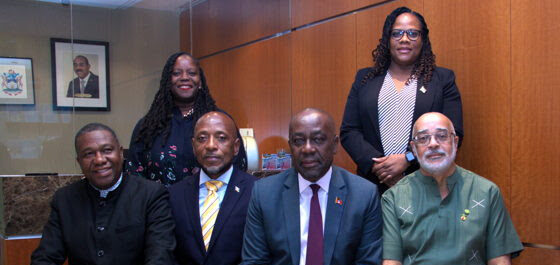
    Hosted by the Permanent Mission of Antigua and Barbuda to the United Nations, the meeting also marked a formal handover of the Council’s Chairmanship. D. Fitzgerald Bramble, Foreign Affairs and Trade Minister of St. Vincent and the Grenadines, the outgoing chair, formally transferred the role to E.P. Chet Greene, Minister of Foreign Affairs of Antigua and Barbuda.

    Bramble noted that the leadership transition occurs at a time when long-standing norms of the international system are facing unprecedented strain. “As established international certainties face growing tests, this handover reinforces the urgent need for a more cohesive, strategically aligned OECS,” he explained.

    In accepting the chairmanship, Greene underscored the unique economic and geopolitical vulnerabilities that small island developing states face, and renewed the call for deeper unity and cross-regional coordination. He outlined key infrastructure priorities to drive regional integration, including strengthened inter-island transportation links: improved air connectivity, reliable passenger and cargo sea routes, and expanded market access across Central and South America.

    “Governments can lay out the necessary policy frameworks, but building functional, sustainable transport networks will require collaboration from airlines, port authorities, exporters, importers, financial bodies and private investors,” Greene added.

    Per OECS officials, Greene also argued that foreign policy should be intentionally leveraged to advance the economic and development goals of all member states. His outlined priorities for his term include safeguarding the OECS Economic Union, securing fair global regulatory treatment for Citizenship by Investment and regional financial services programs, expanding access to international climate finance, advancing air and maritime connectivity improvements, and upholding multilateralism and international law.

    Meeting attendees also reached consensus on plans to boost the diplomatic implementation capacity of the OECS Commission. This institutional strengthening is designed to improve cross-member coordination and policy delivery, ultimately giving OECS member states greater collective leverage on the international stage.

    Discussions across the meeting covered a wide range of strategic topics, including expanding the OECS’s network of external partnerships, advancing trade and maritime connectivity, addressing regional developments with both humanitarian and diplomatic ramifications, and continuing to strengthen shared diplomatic and institutional structures. Ministers reviewed ongoing regional programs and reaffirmed their commitment to regular cross-member consultation.

    The Council also scheduled a special Foreign Ministers’ Retreat to take place before the end of 2026. The retreat will provide a dedicated space for ministers to conduct in-depth strategic planning for the OECS’s positioning and priorities in the face of ongoing global order changes.

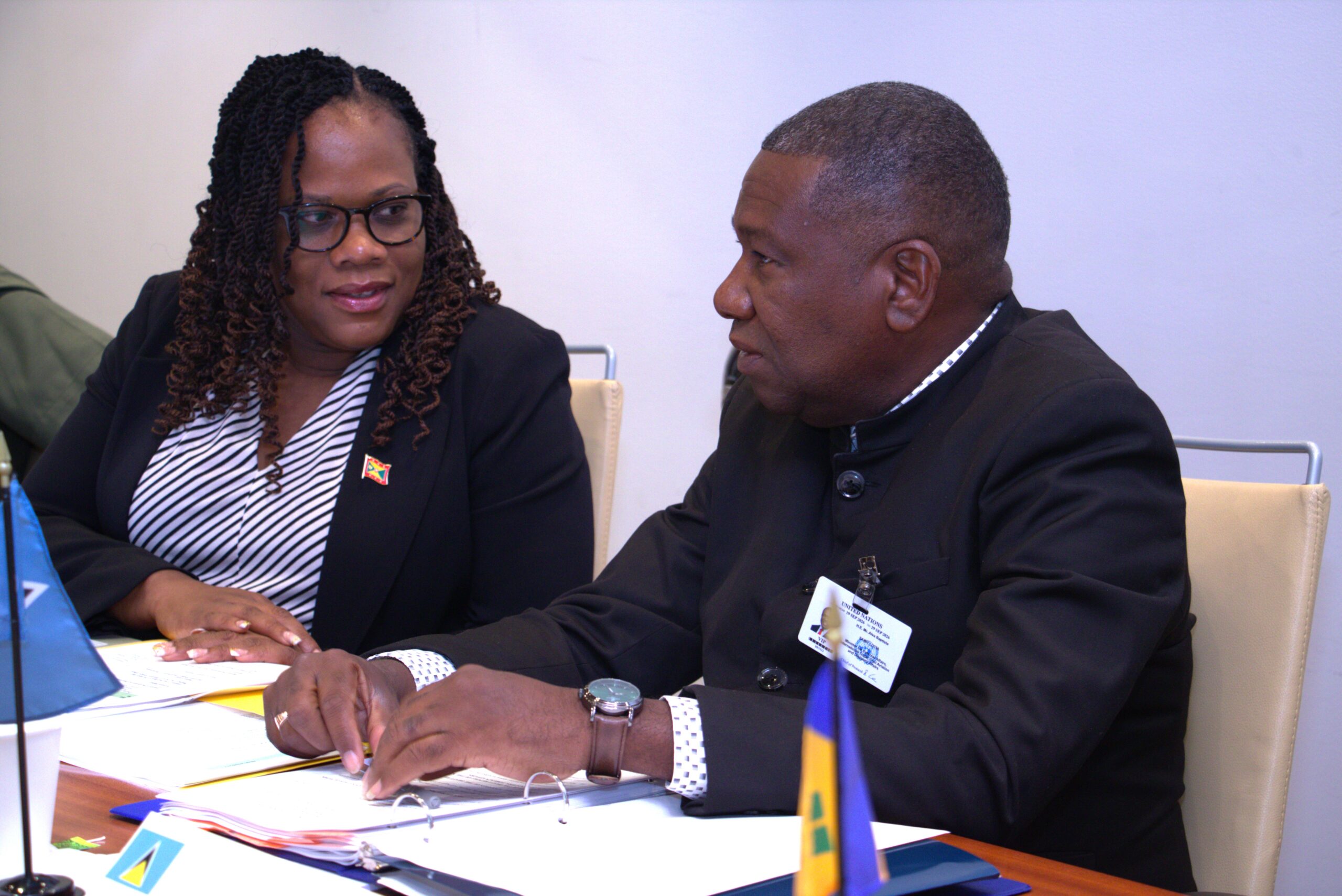
    In addition to the leadership representatives from the outgoing and incoming chair states, the meeting was attended by senior diplomatic figures from across OECS membership. These included St. Lucia’s Foreign Minister Alva Baptiste, Grenada’s Permanent Secretary for Foreign Affairs Roxie McLeish-Hutchinson, St. Kitts and Nevis’ UN Permanent Representative Dr. Mutryce Williams, Antigua and Barbuda’s UN Ambassador Walton Webson, First Secretary of Antigua and Barbuda’s UN Mission Asha Challenger, and OECS Chief of Staff and Strategic Diplomacy Dr. Kisha Grant.

    In a closing statement, OECS officials reaffirmed the organization’s commitment to a unified, forward-looking foreign policy agenda, and its mission to strengthen the region’s collective ability to advance and defend the shared interests of member states on the global stage. The chairmanship transition has also been independently confirmed by the government of St. Vincent and the Grenadines, which officially noted Bramble’s exit from the role and Greene’s succession in its public accounting of the September 20 meeting.

  • Major disruption of One Communications’ services

    Major disruption of One Communications’ services

    On Wednesday, 23 September 2026, regional telecom provider One Communications confirmed a widespread outage impacting its core mobile data and fiber internet services, tracing the root cause to an unspected issue with subsea cable infrastructure. The company released an official advisory to customers just after midday, but stopped short of disclosing specific details about what went wrong with the critical undersea network that serves as the backbone of its digital services.

    In a small relief for users, the provider noted that basic mobile voice calling functionality remains operational across most of its coverage area as of the update. However, the company has not released any estimated timeline for when full service will be restored, leaving thousands of residential and business users uncertain about when their connectivity will return.

    According to the statement from One Communications, the company’s in-house technical response teams have already been mobilized and are working around the clock to diagnose and resolve the issue as rapidly as possible. Additional support teams from third-party infrastructure specialists are also expected to be brought in to assist with repairs, given the complexity of subsea cable work.

    The telecom provider issued a formal apology for the widespread inconvenience caused by the outage, stating that it appreciates the patience of its customer base during the repair process. It also confirmed that it will publish incremental updates as new information about the outage and restoration progress becomes available. Beyond mobile data and home fiber internet, the outage has also spilled over to impact mobile money and top-up services at multiple locations across the coverage area, adding further disruption to daily commercial activities.

  • Royal Caribbean takes US$3 billion stake in Sandals

    Royal Caribbean takes US$3 billion stake in Sandals

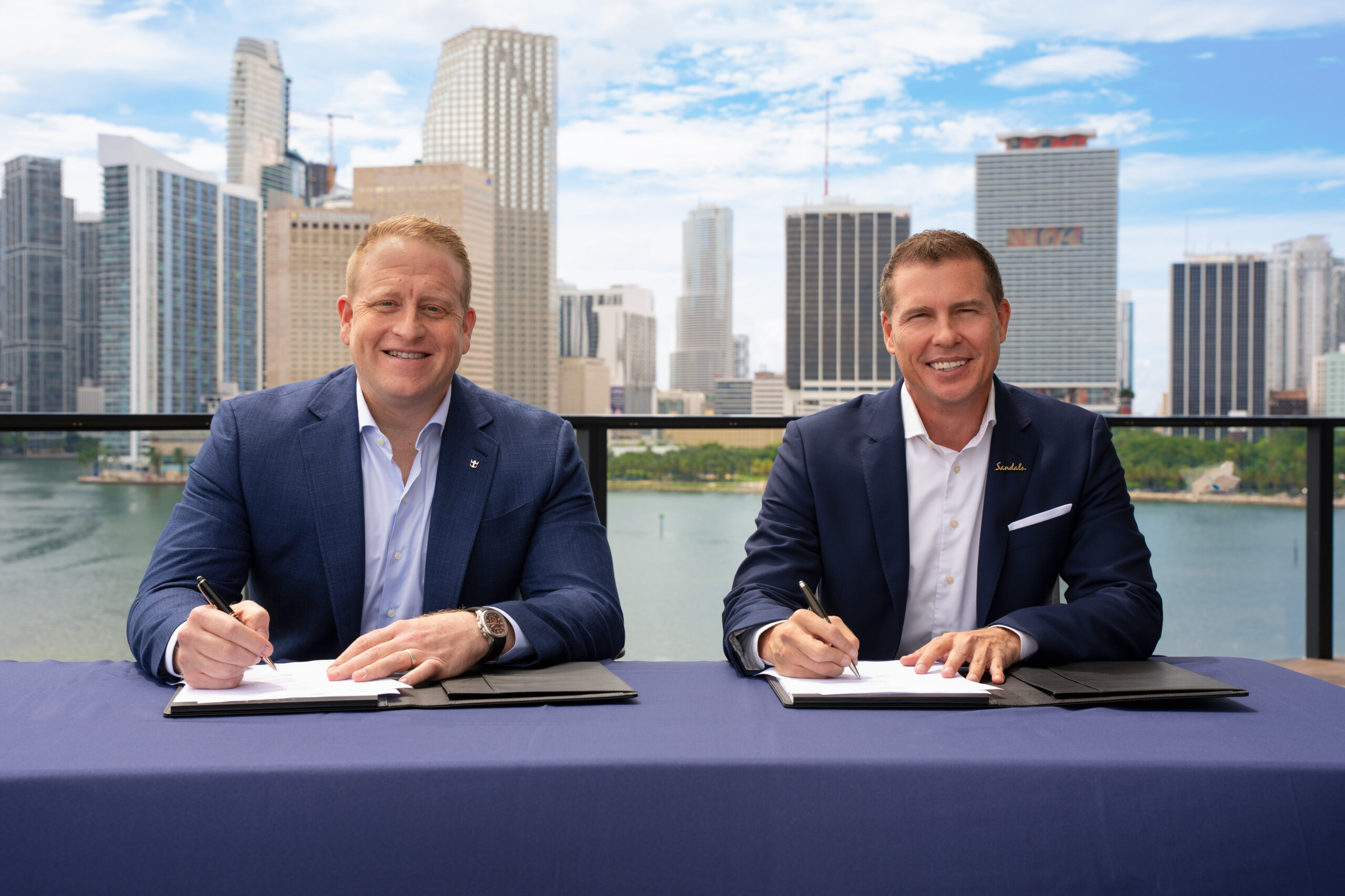
    One of the travel industry’s most anticipated cross-sector partnerships was officially announced this week, as global cruise giant Royal Caribbean Group has struck a landmark deal to acquire a 50% ownership stake in iconic Caribbean-born hospitality brands Sandals Resorts and Beaches Resorts for an investment of roughly $3 billion. The agreement, unveiled in an official joint statement released Wednesday, will establish an equal 50-50 joint venture between the two players, bringing together Royal Caribbean’s global vacation industry clout and Sandals’ decades-long legacy as a leading Caribbean resort operator.

    Founded in 1981 by legendary Jamaican entrepreneur Gordon “Butch” Stewart, who passed away in 2021, Sandals Resorts has grown from a small Caribbean startup into one of the most recognized all-inclusive hospitality brands in the region. Today, the company is helmed by Stewart’s son, Adam Stewart, who serves as executive chairman of Sandals and Beaches Resorts. In the wake of the announcement, Adam Stewart moved quickly to reassure stakeholders that the partnership will not alter the brand’s core Caribbean identity. In a social media post, he emphasized: “Sandals will remain Sandals. Beaches will remain Beaches. Our home is the Caribbean.”

    Stewart added that the collaboration will retain the company’s existing team of employees, network of independent travel advisers, and signature hospitality philosophy at the core of operations, while unlocking new resources to accelerate international growth. Echoing his father’s founding vision, Stewart noted that the elder Stewart launched Sandals with the belief that a Caribbean-founded company could compete alongside the most respected global hospitality brands on the world stage. “Today is proof of how far that vision can go,” he said in the official statement. “This partnership is the natural next step in building on that conviction. It gives us the ability to grow faster with a partner that shares our values of exceptional hospitality, long-term investment, and the power of enduring brands.”

    For Royal Caribbean Group, the joint venture marks a key milestone in the company’s long-term strategy to expand beyond its core cruise business and build a comprehensive, multi-experience global vacation platform. Jason Liberty, chairman and chief executive officer of Royal Caribbean Group, called the Sandals partnership “an important next step” in that ongoing expansion effort.

    Under the terms of the agreement, the new joint venture will be overseen by a shared governing structure, with both Liberty and Stewart serving as co-chairmen of the venture’s board of directors. The transaction is targeted to close in early 2027, and remains subject to standard closing conditions as well as required regulatory approvals from relevant governing bodies.

    Currently, Sandals and Beaches Resorts operate a combined portfolio of 20 premium all-inclusive properties spread across 10 different Caribbean island nations and territories, including Jamaica, Antigua, The Bahamas, Saint Lucia, Grenada, Barbados, Curaçao, St Vincent and the Grenadines, and Turks and Caicos.

  • OECS Foreign Affairs Ministers meet in New York at UNGA81

    OECS Foreign Affairs Ministers meet in New York at UNGA81

    Against the backdrop of the 81st United Nations General Assembly, foreign affairs leaders from across the Organisation of Eastern Caribbean States (OECS) gathered on September 20 for the 10th Meeting of the Council of Ministers: Foreign Affairs (COM:FA), hosted by Antigua and Barbuda’s Permanent Mission to the UN. The high-level gathering centered on one core mission: building stronger collective diplomatic power, deepening cross-regional coordination, and equipping the bloc to respond strategically to a fast-changing global order.

    In his opening remarks to the assembled ministers and senior diplomatic representatives, OECS Director General Dr. Didacus Jules underscored that regional unity has long been the bloc’s greatest asset amid mounting global uncertainty. “Our region’s strength has always been our capacity to act together, and this meeting reaffirms that our diplomatic architecture must keep pace with a world that is changing quickly around us,” Jules said, stressing that sustained coordination between member states is critical to keeping regional diplomatic institutions responsive to evolving global challenges.

    The meeting marked a formal leadership transition for the council, with the chairmanship passing from Honourable D Fitzgerald Bramble, Foreign Affairs and Trade Minister of Saint Vincent and the Grenadines, to Honourable E P Chet Greene, Antigua and Barbuda’s Minister of Foreign Affairs. The handover comes at a defining moment for OECS members, which face growing pressures as small states navigating shifting geopolitical alliances, rising demands for coordinated action on trade, climate action, finance, connectivity, and global diplomacy.

    Outgoing chair Bramble emphasized the unprecedented strain on long-held international norms in his farewell remarks, noting that “the established certainties of the international system are increasingly being tested, reinforcing the need for a more cohesive and strategically aligned OECS.”

    In his first address as incoming chair, Greene highlighted the unique vulnerabilities that small island developing states face in the current global landscape, and called for renewed sub-regional unity, strategic alignment, and collective action to advance shared interests. He pointed to critical infrastructure gaps holding back regional integration, noting: “We need stronger air links among our islands, regular sea transport for people and cargo, and new connections to nearby markets in Central and South America. Governments can create the policy framework, but carriers, ports, exporters, importers, financial institutions and investors must help design, finance and manage viable services.”

    Greene laid out a clear set of core policy priorities to reframe OECS foreign policy as a deliberate tool to drive economic growth and development across member states. The five key priorities include safeguarding the OECS Economic Union, securing fair, equitable treatment for the bloc’s Citizenship by Investment and financial services sectors, expanding access to affordable climate finance for climate adaptation and mitigation, strengthening resilient air and maritime connectivity across the sub-region, and upholding multilateralism and international law as foundational pillars of global order.

    Ministers also unanimously backed Greene’s proposal to strengthen the diplomatic implementation capacity of the OECS Commission, a change designed to boost the bloc’s collective diplomatic influence on the global stage through tighter coordination and more effective execution of shared policy goals.

    Over the course of the meeting, ministers held wide-ranging strategic discussions on pressing issues impacting the OECS, including diversifying the bloc’s external partnerships, advancing trade and maritime connectivity, addressing regional developments with humanitarian and diplomatic ramifications, and further strengthening the bloc’s shared diplomatic and institutional frameworks. Leaders also reviewed progress on ongoing regional integration programs and reaffirmed their commitment to regular, close consultation in the coming months.

    To further refine the bloc’s collective strategic response to global shifts, ministers agreed to convene a dedicated Foreign Ministers’ Retreat before the end of 2024. The closed-door retreat will create space for deep, focused discussion of OECS’s strategic positioning and core priorities in an increasingly fragmented global order.

    The 10th COM:FA drew broad high-level participation from across OECS member states, with attendees including St Lucia Foreign Minister Honourable Alva Baptiste, Grenada Permanent Secretary for Foreign Affairs Roxie McLeish-Hutchinson, St Kitts and Nevis Permanent Representative to the UN Dr Mutryce Williams, Antigua and Barbuda Permanent Representative to the UN Ambassador Walton Webson, and OECS Chief of Staff and Strategic Diplomacy Dr Kisha Grant, among other senior officials.

    In closing, the meeting reaffirmed the OECS’s unwavering commitment to a unified, forward-looking foreign policy agenda, and to strengthening the region’s collective capacity to advance and protect the interests of all member states in an increasingly complex international landscape.