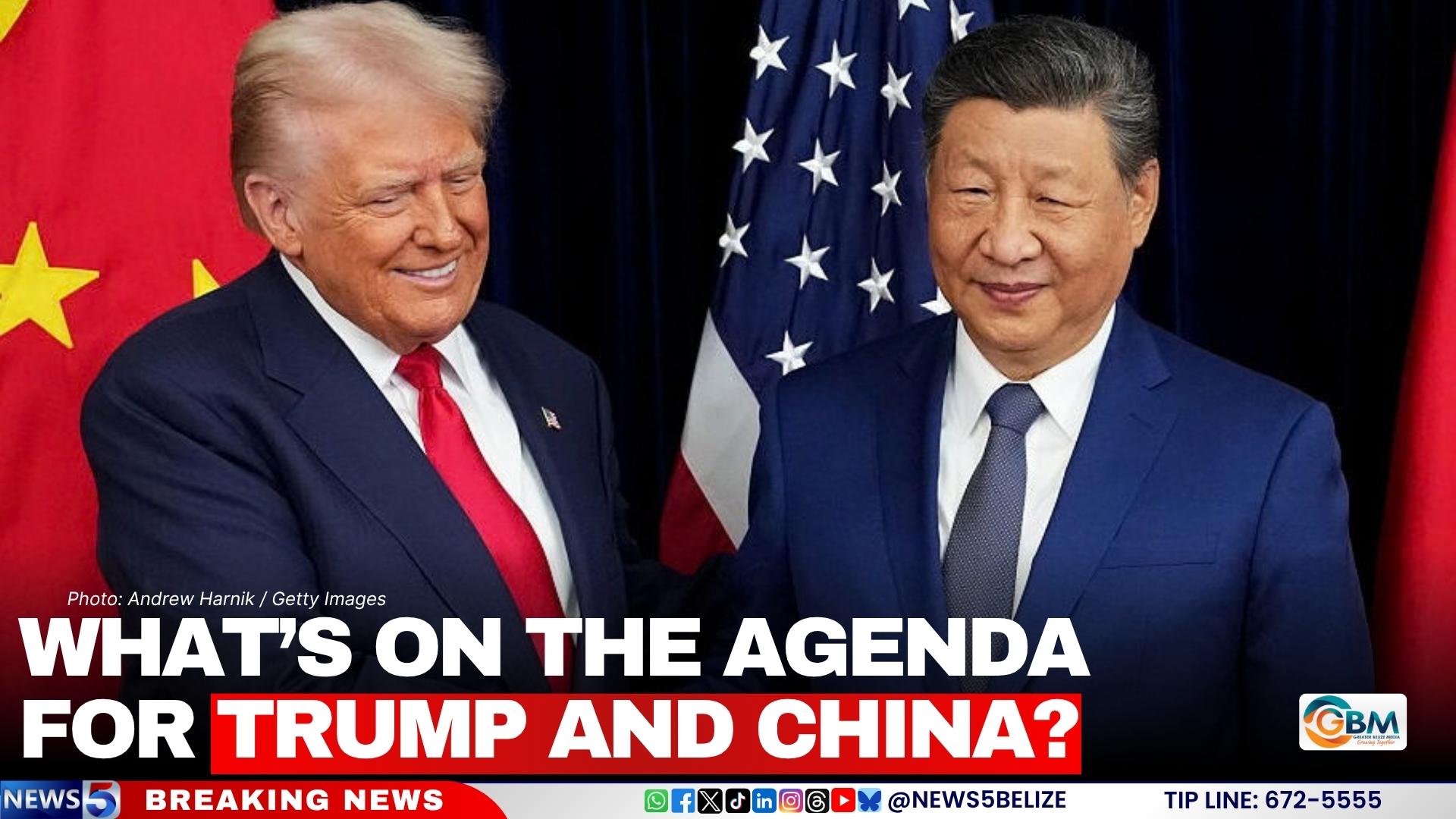
In a pivotal diplomatic moment set to reshape the trajectory of U.S.-China relations, Chinese President Xi Jinping will kick off a three-day state visit to Washington this week, marking his first trip to the United States in that official capacity since 2015 and his third face-to-face meeting with U.S. President Donald Trump in just 12 months. Top policymakers and analysts from both nations have identified three core issues—trade, artificial intelligence governance, and the sensitive question of Taiwan—that will take center stage across the scheduled negotiations.
The most time-sensitive topic on the agenda is the future of U.S.-China trade ties, anchored to a temporary truce that is set to expire in November 2026. The agreement, reached in October 2025, saw Washington pause a planned round of steep tariff increases on Chinese goods, while Beijing agreed to roll back strict export restrictions on rare earth minerals, critical components for everything from advanced electronics to defense systems. However, preliminary talks held on the margins of this week’s United Nations General Assembly failed to yield any meaningful breakthrough ahead of Xi’s arrival in Washington, multiple sources familiar with the discussions have confirmed.
Persistent economic frictions continue to strain progress on a longer-term trade deal. Official data places the U.S. trade deficit with China at more than $91 billion, and exports of rare earths from China to the U.S. have remained below pre-agreement levels, despite the relaxed restrictions outlined in the 2025 truce. These lingering discrepancies have left both sides looking for concrete concessions from the upcoming summit.
Artificial intelligence safety governance has also emerged as a top priority for both global powers, as rapid advances in generative AI and military AI applications have raised urgent cross-border national security concerns. U.S. Treasury Secretary Scott Bessent has confirmed that Washington has tabled a formal proposal for a bilateral AI safety notification mechanism. Under the framework, the two countries would commit to alerting one another immediately of any AI-related incidents that rise to the level of a national security threat, creating a formal communication channel to reduce the risk of miscalculation amid escalating technological competition.
The third and most politically sensitive topic for the summit is the status of Taiwan. In a stark pre-summit warning, China’s ambassador to the United States reiterated this week that Taiwan and human rights remain non-negotiable “red lines” for Beijing that “must not be challenged.” Any U.S. move toward deeper official or military engagement with Taipei is expected to draw sharp pushback from Chinese negotiators during the talks.
Beyond the formal agenda, the visit arrives at a moment of profound shift in China’s global economic and technological standing, compared to Xi’s last state visit to the U.S. more than a decade earlier. Today, China holds substantial, often dominant, global influence across key high-growth sectors including advanced manufacturing, electric vehicles, renewable energy infrastructure, artificial intelligence research and development, and global rare earth supply chains—altering the bargaining dynamic for both sides in this round of negotiations.