博客

  • Trump’s $100,000 H-1B visa fee is unlawful, US judge rules

    Trump’s $100,000 H-1B visa fee is unlawful, US judge rules

    In a landmark legal ruling that has sent ripples through America’s immigration and employment sectors, a federal judge has determined that the $100,000 H-1B visa fee imposed by the Trump administration was implemented outside the bounds of U.S. law. The H-1B visa program, a long-standing framework that allows U.S. companies to hire skilled foreign workers in specialized fields such as technology, healthcare, and engineering, has been the subject of fierce policy debate for decades. The Trump administration first introduced the steep fee increase as part of a broader set of immigration restrictions aimed at curbing what it framed as excessive reliance on foreign labor and protecting domestic job opportunities for U.S.-born workers.

    The legal challenge to the policy was brought by a coalition of business groups, technology companies, and industry associations who argued that the administration had overstepped its executive authority when it imposed the fee. They claimed the unprecedented fee would create crippling financial burdens for businesses that rely on the H-1B program to fill critical skill gaps that cannot be met by the domestic workforce, particularly in fast-growing tech sectors.

    In his final ruling, the judge agreed with the challengers, finding that the administration had failed to follow proper administrative rule-making procedures required by federal law when enacting the fee change. The decision marks a significant reversal of one of the Trump administration’s most controversial immigration policies, and it is expected to provide immediate relief to thousands of employers who would have faced the exorbitant cost. The ruling also reignites debates over the balance of executive power in shaping immigration policy, and it comes as the future of the H-1B program remains a key point of contention in national policy discussions. Supporters of the program have welcomed the ruling, noting that it preserves access to global talent that drives U.S. economic growth and innovation, while critics of the H-1B program have expressed disappointment, arguing that higher fees were necessary to protect domestic workers.

  • BEMA condemns slaughter of Leatherback turtle

    BEMA condemns slaughter of Leatherback turtle

    Grenada’s Ministry of Blue Economy and Marine Affairs (BEMA) is investigating a recent illegal killing of a critically endangered leatherback sea turtle, an incident that took place on May 13 at a beach adjacent to the Solamente Guesthouse in Lance Aux Épines, St George. The ministry has issued a firm condemnation of the act, emphasizing that the harvesting of leatherback turtles has long been outlawed under Grenadian fisheries regulation.

    The targeted species, the leatherback sea turtle, is classified as vulnerable globally, with distinct protections in place through Grenadian law. BEMA has reiterated the terms of long-standing regulatory framework: SRO 9 of 1987, as amended by SRO 24 of 1996 and SRO 2 of 2001, Regulation 17. These rules institute a total ban on all interactions with leatherback turtles of any size at any time, including fishing, capturing, trading, holding possession of the animals or disturbing their nesting sites. The regulations also prohibit any tampering, capture, trade or possession of turtle eggs, as well as the harvesting of undersized turtles of any species and all turtle fishing outside of open seasons, and interference with any turtle nests during closed periods.

    Beyond the permanent ban on leatherback turtle hunting, BEMA has reminded the public of other active seasonal protections for marine species across Grenada. From April 1 to August 31 annually, all harvest of turtles and sea urchins is prohibited. A similar closed season for lobster harvesting runs from May 1 to August 31, while Levera Beach in St Patrick parish is entirely closed to all leisure activities and fishing from April through August to protect critical nesting habitats.

    In the wake of this latest illegal killing, BEMA is calling on the public to assist with the ongoing investigation. Any individual with information related to the incident, including details about the perpetrators or anyone in possession of the turtle’s shell or meat, is urged to contact the ministry directly at (473) 440-3814 or (473) 438-5050, or reach out to their local police station.

    To strengthen protections for vulnerable marine species during the annual nesting season, BEMA announced that it will expand routine beach patrols in partnership with the Royal Grenada Police Force (RGPF). However, ministry officials stressed that collaborative action is required to protect Grenada’s unique marine ecosystems. Conservation of these resources is critical not only for preserving biodiversity, but also for safeguarding local livelihoods, upholding environmental responsibility, and ensuring these natural assets are preserved for future generations, the ministry added.

  • Belize: ‘Friends of All, Enemies to None’

    Belize: ‘Friends of All, Enemies to None’

    As Belize navigates an increasingly fragmented and complex global geopolitical landscape, the Central American nation’s long-standing core diplomatic principles of self-determination and non-intervention in the affairs of other states remain fully intact, according to the newly appointed Chief Executive Officer of Belize’s Ministry of Foreign Affairs.

    In an exclusive interview with local outlet News 5, the top foreign affairs official, identified only as Arnold, opened up about how historical alliances continue to shape Belize’s modern foreign policy, specifically highlighting the decades-long friendship between Belize and Cuba. He emphasized that Belize has not forgotten the critical support Cuba provided during Belize’s fight for independence and in the fragile early years of its sovereignty as a young nation. This deep-rooted solidarity, Arnold noted, continues to guide the country’s diplomatic decision-making to this day.

    “You don’t turn your back on the partners that stood by you when you needed it most,” Arnold stated. “True friendship does not get discarded when global pressures shift.”

    Despite this unwavering commitment to the bilateral friendship, Arnold acknowledged that the long-running Cuban Medical Brigade program in Belize was always structured as a temporary initiative. With the program’s scheduled end rapidly approaching, he confirmed that Belize’s Ministry of Foreign Affairs and Ministry of Health are currently grappling with weighty policy decisions. The challenge stems from Belize’s heavy reliance on Cuban medical professionals to fill critical specialist healthcare positions that would otherwise remain unfilled due to local staffing gaps.

    Arnold was careful to clarify that Belize’s close ties to Cuba do not equate to opposition to the United States, Belize’s largest trading partner by a significant margin. “Our diplomatic approach has always been clear: extending friendship to one nation does not require us to treat another as an adversary,” he explained. “We maintain an open posture of friendship to every country in the global community, and we do not seek out conflict with any nation.”

    This balanced diplomatic approach was on full display just days before the interview, when Belize joined neighboring Mexico to deliver a 1,700-tonne shipment of humanitarian aid to Cuba. The aid arrives as Cuba continues to grapple with the far-reaching impacts of a long-standing U.S. oil blockade that has reshaped daily life for the island nation’s approximately 10 million residents.

  • World Ocean Day 2026: Belize Looks to the Sea It Cannot Afford to Lose

    World Ocean Day 2026: Belize Looks to the Sea It Cannot Afford to Lose

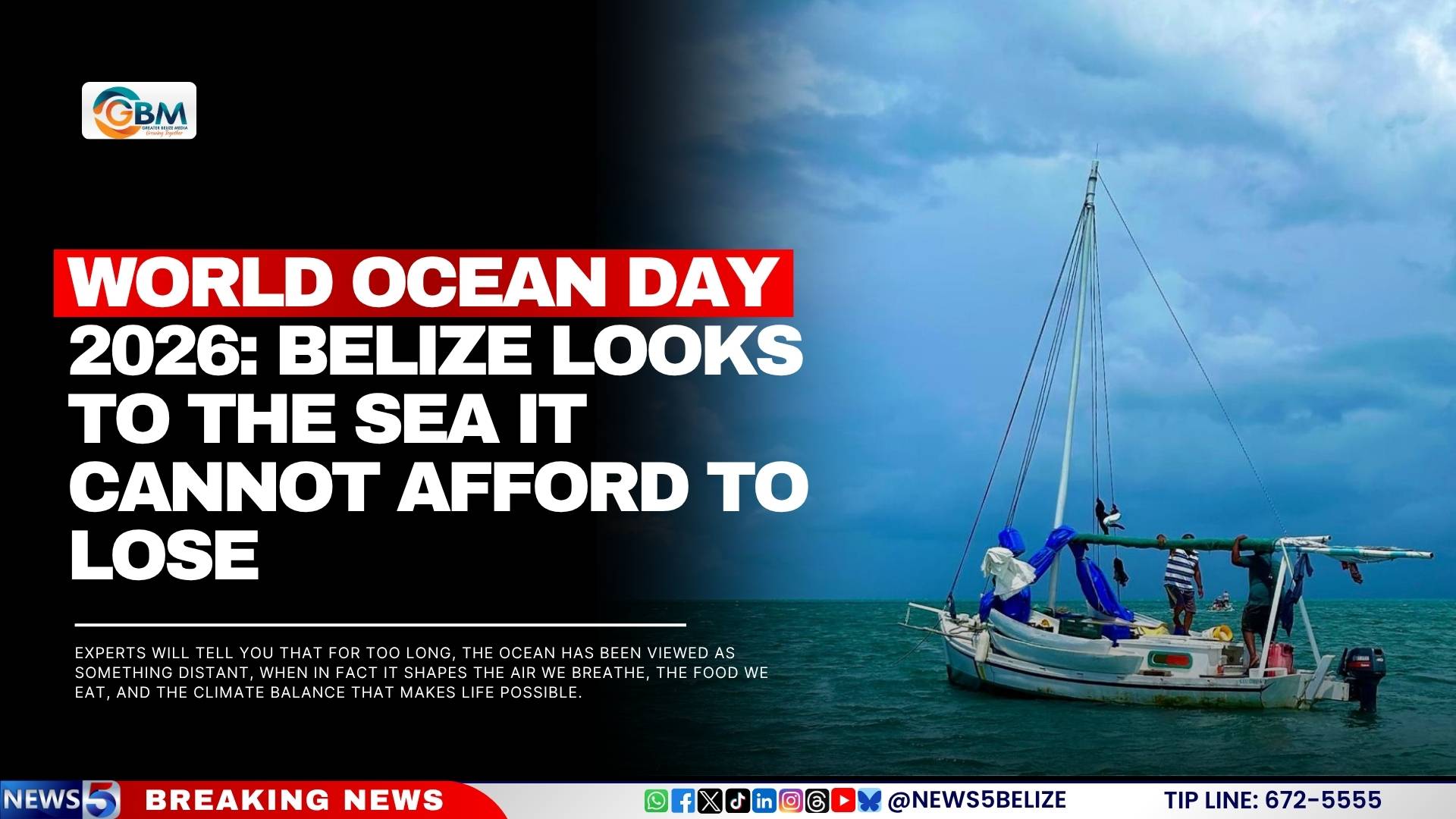
    As the world marks World Ocean Day 2026 on June 8, the global conversation around reimagining humanity’s relationship with the ocean hits particularly close to home for the small Central American nation of Belize, where the sea is not just an ecosystem — it is the foundation of national survival. This year’s official theme, “Reimagine: Beyond the World We Know, a New Relationship with Our Ocean,” calls for a fundamental shift in how societies view and interact with marine spaces, moving beyond the long-held narrative of the ocean as an infinite resource for extraction to one of reciprocal stewardship.

    For most of the world, the ocean’s importance is often framed as a distant, abstract global public good: it produces half the oxygen we breathe, regulates the global climate, and feeds billions of people. But for Belize, that connection is immediate, woven into every aspect of economic, ecological and daily life.

    Jacinta Gomez, Campaign and Policy Director at Oceana Belize, notes that the 2026 theme aligns perfectly with the organization’s ongoing on-the-ground work. “I really like this theme because it invites everyone to rethink the way they look at the ocean,” Gomez explained. “For years we have seen it as a resource that we can extract from. There are exploitative industries, and so it invites us to look at the ocean as something that really sustains us.” This transition from extraction to stewardship is exactly what World Ocean Day 2026 aims to inspire globally.

    At the center of Belize’s bond with the ocean is the Belize Barrier Reef, the largest barrier reef system in the northern hemisphere. Stretching more than 300 kilometers along the country’s coastline, the reef forms a complex interconnected ecosystem of living corals, ring-shaped atolls, carbon-absorbing mangrove forests, coastal lagoons and nutrient-rich estuaries that support thousands of species of marine life, many of which are found nowhere else on Earth.

    The reef is also the backbone of Belize’s economy. Tourism remains the single largest pillar of national GDP and employment, and the world-famous reef draws hundreds of thousands of visitors annually for diving, sport fishing, snorkeling and immersive eco-tourism experiences. Since the early 2020s, Belize has built its national development strategy around a sustainable blue economy model, linking environmental protection directly to long-term growth. International financial institutions have repeatedly praised the country for integrating marine conservation, sustainable fisheries management, and climate-resilient coastal infrastructure into its national growth plan.

    But behind the international recognition and policy progress, the Belize Barrier Reef faces severe, growing threats that put its future — and Belize’s future — at risk. The 2024 Mesoamerican Reef Report Card, which surveyed 110 reef sites across the country, rated Belize’s reef system in overall poor health, giving it an average Reef Health Index score of just 2.5 out of 5. Climate change stands as the single largest threat to the system, driving ocean warming and acidification that stresses corals and causes widespread bleaching. It is followed by agricultural and industrial run-off from inland activities, overfishing, illegal unregulated marine activities, and environmental damage from unmanaged tourism. Infectious coral diseases, particularly Stony Coral Tissue Loss Disease, have also emerged as a growing crisis, with researchers confirming warming ocean waters are accelerating the spread of the deadly pathogen.

    Against this backdrop, local conservation organizations are marking World Ocean Day 2026 with a mix of urgency and hope. Fragments of Hope, a Placencia-based nonprofit that runs one of the most successful and celebrated reef restoration projects in the entire Caribbean, released a statement balancing celebration of the reef with a renewed call for action. “For us here at Fragments of Hope, every day is a reminder of how much we depend on the ocean and how much there is still worth protecting,” the organization said. “Here’s to the reefs, the fishers, the divers, the scientists, the communities, and everyone doing their part to keep our ocean healthy for generations to come. Today we celebrate the ocean that connects us all and everyone working tirelessly to protect it.”

    The Healthy Reefs for Healthy People Initiative, a regional partnership working to protect the Mesoamerican Reef system, echoed that call for collective action in its World Ocean Day message. “By working together, we can restore what has been lost, protect what remains, and ensure that future generations inherit a thriving ocean and a stable climate,” the initiative said. For Belize, where losing the reef means losing the foundation of the nation, that collective effort is not an environmental cause — it is an existential priority.

  • QEH begins newborn screening

    QEH begins newborn screening

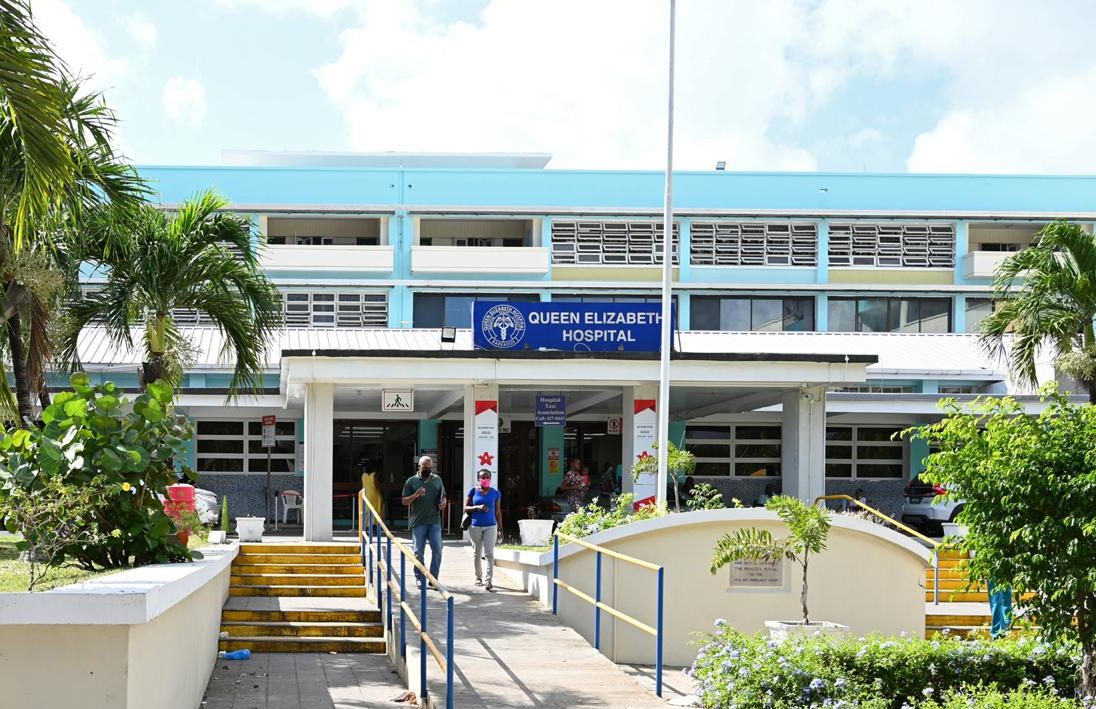
    Barbados has launched a landmark comprehensive newborn screening initiative at its main public healthcare facility, Queen Elizabeth Hospital (QEH), marking a historic first for the Caribbean region in preventive pediatric healthcare. Launched officially on May 18, the program offers free routine screening to every infant born at QEH via a quick, low-invasive heel-prick blood test, collected between 24 and 48 hours after delivery.

    Funded through a grant from the Shaw Centre for Paediatric Excellence and supported by QEH’s senior leadership, the initiative will begin with an 18-month to two-year pilot phase, during which medical teams expect to screen approximately 5,000 newborns. Dr. Gillian Birchwood, head of pediatrics at QEH, detailed the program — formally named the Comprehensive Dried Blood Spot (DBS) Newborn Screening Programme — in a public statement posted to the hospital’s official website, calling it a transformative leap forward for child health on the island.

    “We are thrilled to have launched this groundbreaking collaborative effort between the Shaw Centre for Paediatric Excellence and Queen Elizabeth Hospital, which will let us deliver comprehensive screening to every baby born at our facility over the coming years,” Birchwood stated. She emphasized that routine newborn screening has long been recognized as one of the most impactful public health innovations of the past century, a tool that lets clinicians detect life-altering conditions long before any visible symptoms emerge, vastly improving patient outcomes.

    “This pilot program fills a critical gap in our local care continuum,” Birchwood explained. “By testing newborns early, we can identify conditions that would cause harm later in childhood, and intervene before symptoms develop or permanent damage occurs from delayed detection.” Early diagnosis, she noted, can avert a wide range of adverse outcomes, from developmental delays and permanent hearing loss to acute, life-threatening conditions that are undetectable through routine post-birth physical checks.

    What makes this program particularly notable, Birchwood added, is its status as a first-of-its-kind initiative across the entire Caribbean region. “This is truly groundbreaking for the Caribbean. No other country in the region has a comprehensive nationwide newborn screening program of this scope, and Barbados is incredibly fortunate to launch it here,” she said. The program cements QEH’s position as a regional leader in newborn and pediatric care, she noted, with outcomes that will extend far beyond Barbados’ borders.

    “This initiative positions Queen Elizabeth Hospital as a pioneer in regional newborn health and advanced pediatric care,” Birchwood explained. “We can now protect children from devastating, avoidable complications of conditions that are invisible at the time of birth.”

    The Shaw Centre for Paediatric Excellence, which made the program possible through its funding support, was launched in 2020 as a strategic partnership between the Government of Barbados and the Centre for Global Child Health at Toronto’s Hospital for Sick Children (SickKids), Canada’s preeminent pediatric teaching and research hospital. The center’s core mission is to drive measurable improvements in child health outcomes across Barbados and the broader Eastern Caribbean region.

    Regional health officials share the expectation that the new screening program will cement Barbados’ reputation as a leader in preventive child health services across the Caribbean, offering a model that other nations in the region can adapt to improve their own pediatric care systems.

  • Record-setting Parks helps Seajays win Beaubrun meet

    Record-setting Parks helps Seajays win Beaubrun meet

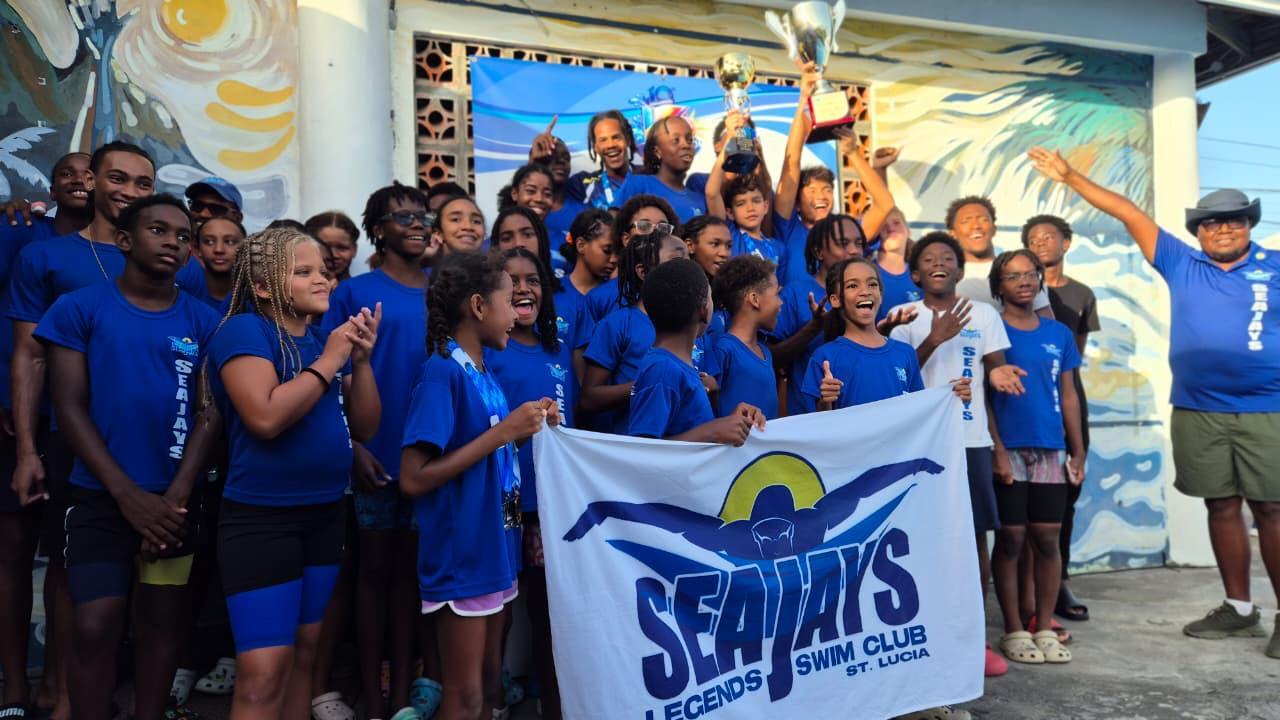
    The 10th edition of the annual Karen Beaubrun Swim Meet wrapped up on June 7 at the Rodney Heights Aquatics Centre, with host club Seajays delivering a dominant performance to extend their unprecedented winning streak to nine straight titles. Led by a cohort of standout swimmers including Sapphire Parks, Tristan Dorville, Jayden Xu, Tyler Dantes, Miles Andrew and Amber Francois, the home team outperformed every competing club across the two-day competition to claim the top spot on the overall standings.

    Seajays finished the meet with an commanding total of 1407 points, capping their victory with 172 overall medals — 74 of which were gold. The Sharks club, fueled by a strong showing from their women’s roster, secured second place with 966.5 total points, 85 medals and 29 gold medals. Third place went to Lightning Aquatics, which earned 626 points, 27 golds and 60 total medals. Fourth place went to RR Aquatics, which finished with 589.5 points, 24 event wins and 64 total medals. Rodney Heights Aquatics and Southern Flying Fish also participated in the annual competition, rounding out the full field of competing clubs.

    Leading the charge for Seajays was Sapphire Parks, a two-time high point winner at the CARIFTA Aquatics Championships who carried her red-hot 2026 form into the meet. Parks put on an unmatched display in the 11-12 girls category, leading a full Seajays podium sweep, with teammates Maya Andrew and Khiara Hippolyte finishing second and third respectively.

    Parks earned a perfect 72 points across her eight individual events, and her performance was marked by multiple record-breaking swims. She lowered her own national record for the women’s 400m individual medley to 5:24.04, and improved three additional age-group records over the course of the competition. Her 50m freestyle time of 27.84 broke a 2018 record previously held by Naima Hazell, while her 200m freestyle finish of 2:14.89 erased Fayth Jeffrey’s 2022 mark. In the 50m backstroke, her 30.97 second finish improved on her own existing 2025 age-group record. Maya Andrew claimed victory in the 100m backstroke, 50m breaststroke and 100m breaststroke events, while Hippolyte took gold in the 100m freestyle and 200m backstroke.

    In the open boys division for swimmers aged 18 and older, Tristan Dorville topped the standings with a perfect 72 points, earning gold in the 50m freestyle, 100m backstroke and 50m butterfly events with three new personal best times. Shemar James finished second, while Olympic swimmer Jayhan Odlum-Smith, who is currently working his way back from an injury, claimed third to complete another Seajays podium sweep.

    Regional medalist Jayden Xu followed closely behind his teammates, earning 70 points to take the top spot in the 15-17 boys division. Xu clocked new personal best times in the 50m backstroke, 50m breaststroke, 50m butterfly and 400m IM, cutting more than 11 seconds off his previous personal best in the 400m individual medley. Noah Dorville finished second for Seajays, while Aaron Charles of Lightning Aquatics took third.

    Tyler Dantes, another CARIFTA gold medalist, earned 70 points to claim the title in the 11-12 boys division. He posted significant improvements in the 100m backstroke, 200m backstroke, 50m butterfly and 400m IM to finish ahead of Jayce Daniel of Lightning Aquatics and Dylan Corcoran of Seajays.

    Miles Andrew put on an undefeated performance in the 9-10 boys division, taking gold in all four freestyle races — including new personal bests in the 200m and 400m freestyle. He also added gold in the 50m butterfly, 100m butterfly and 200m IM, all with new personal record times. Tiago Nelson of Seajays finished second, while Andrew Charlemagne of RR Aquatics took third. Amber Francois completed a full Seajays sweep of the 9-10 age group, taking the girls’ division title with 64 points, finishing just ahead of Zoe Fortune of Sharks and Leamandia Brown of RR Aquatics.

    Outside of the Seajays standout performances, three additional competition records were broken by Mikaili Charlemagne of Sharks in the open girls division. The Tokyo 2020 Olympian scored 66 points at the meet, breaking records in the 200m freestyle (2:15.08), 200m backstroke (2:36.71), and 100m butterfly (1:06.79).

  • Opposition Backs Disaster Funding, But Wants Every Dollar Tracked

    Opposition Backs Disaster Funding, But Wants Every Dollar Tracked

    In a House of Representatives sitting held Thursday, Belize’s parliamentary opposition has confirmed it will greenlight emergency disaster and public health crisis funding, but only on the condition that every cent of public money is subjected to rigorous transparency tracking and parliamentary oversight. Opposition Leader Tracy Panton emphasized that the bloc has no intention of blocking critical emergency resourcing, but is standing firm on requirements that all spending adhere to strict accountability and prudent financial management standards for the Belizean public.

    Panton directly addressed Prime Minister Briceño during the debate, calling on the administration to deliver on its pledge of the “gold standard of transparency.” She reiterated that permanent parliamentary oversight must be baked into the management of all emergency appropriations, to ensure funds are used for their intended public purposes.

    Following the discussion, Minister of Public Service and Disaster Risk Management Henry Charles Usher updated the House on pre-emptive drought preparedness measures already underway. He confirmed that the government has activated its anticipatory disaster funding mechanism, issuing early cash advances to agricultural producers across the northern and western districts of Corozal, Orange Walk and Cayo. The region is bracing for a projected prolonged drought throughout 2026, and the allocated funding will be directed to upgrading on-farm water storage infrastructure, expanding irrigation access, and procuring drought-resistant seed varieties for smallholder and commercial farmers.

    Usher noted that while the initial advance disbursements were modest in size, the early activation of the fund represents a proactive shift in disaster planning that prioritizes mitigation before a crisis escalates. He added that even though meteorological forecasts predict a below-average Atlantic hurricane season for 2026, the government cannot afford to be complacent about climate-related disaster risk, making advance preparedness funding all the more critical.

    The funding motion ultimately earned bipartisan support from all members of the House, and has now been forwarded to the Finance and Economic Development Committee for detailed procedural review before moving toward final approval.

  • Sentencing reform debate highlights shift to public health approach to crime

    Sentencing reform debate highlights shift to public health approach to crime

    A landmark two-day symposium focused on transforming sentencing and penal reform kicked off this week at the Lloyd Erskine Sandiford Centre in Barbados, bringing together regional justice experts, policymakers and probation officials to reimagine how Caribbean nations tackle rising crime and recidivism.

    Opening the convening hosted by the Barbados Probation Service, Home Affairs Minister Gregory Nicholls made a forceful case for shifting the long-dominant regional approach to crime and violence, arguing these issues can no longer be treated as solely law enforcement priorities. Instead, he emphasized, they must be addressed as complex public health challenges that demand early intervention, cross-sector coordination and sustained long-term investment.

    Nicholls noted that communities across the Caribbean have long borne the brunt of evolving crime trends, while formal institutions have often failed to acknowledge the full scope of these burdens. He referenced the 2024 Georgetown Declaration — a regional commitment agreed by CARICOM member states late last year — that codified this new public health-centered framework, and stressed that Barbados is moving from global and regional commitments to tangible on-the-ground action. “Frameworks, however well-intentioned, do not implement themselves,” Nicholls told attendees. Meaningful reform requires deliberate political choices around updating legislation, allocating sustained resourcing, and expanding diversion programs that steer vulnerable people away from the full weight of the criminal justice system before it becomes entrenched, he added.

    The minister pushed back against widespread criticism that diversion programs are a “soft on crime” approach, countering that it is actually one of the most evidence-based, effective tools Barbados has to reduce reoffending and strengthen community safety. This cross-sector, collaborative dialogue that brings together stakeholders from across government, public health and community organizations is exactly what is needed to get reform right, he said.

    Echoing Nicholls’ call for systemic change, Chief Probation Officer Dr. Angela Dixon — who also serves as president of the Caribbean Association of Probation and Parole (CAPP) — laid out the urgent challenges facing regional justice systems and outlined a roadmap for reform. She highlighted that inconsistent recidivism data collection and fragile connections between community supervision and critical support services, including housing, employment assistance and mental health care, have long undermined efforts to cut reoffending across the Caribbean.

    Dr. Dixon emphasized that research consistently shows custody alone does little to reduce future offending. By contrast, probation-centered interventions — including pre-custody diversion, alternative sentences to incarceration, and high-quality post-release supervision — are proven to drive down recidivism and make communities safer. Aligning with the Georgetown Declaration’s mandate, the conversation around crime and punishment must shift from a focus on punishment to prevention, from mass incarceration to targeted intervention, and from cycling repeat offenders back through the system to meaningful rehabilitation, she said.

    She detailed the underlying social and health drivers that push many people into contact with the justice system, noting that unaddressed trauma, substance dependence and untreated mental illness disproportionately affect justice-involved populations. These are not issues that policing or incarceration can solve — they require integrated public health and social support responses, she stressed.

    Barbados is already taking major legislative steps to modernize its probation system, Dr. Dixon revealed. The country is set to replace its 1946 probation legislation with a new, modern bill that will introduce formal parole into the national criminal justice system for the first time. The update is a core part of broader national efforts to strengthen community supervision and expand rehabilitation access for people who have come into contact with the law.

    Even with this progress, Dr. Dixon acknowledged significant gaps remain in the current system. While referral pathways between probation services and mental health and substance abuse treatment have been established, overstretched public health resources limit what probation officers can do to connect people to care even when needs are identified early. Similarly, while officers regularly flag unmet needs for stable housing and employment, the support pathways to address those needs are often limited or unavailable when people need them most.

    On the regional level, Dr. Dixon noted that outdated, inconsistent data collection has held back progress across the Caribbean. While many countries collect data on probation and parole outcomes, there is no uniform standard for collection or a shared regional platform to analyze trends and scale evidence-based programs that work. To address this gap, CAPP is developing a regional data observatory that will aggregate anonymized, standardized data on caseloads, program outcomes and service completion from across CARICOM nations. This platform will shift regional conversations about reform from anecdote to empirical proof, helping build support for evidence-based policies with policymakers, judicial leaders and the general public, she said.

  • ECCB Career Opportunity: Facilities Maintenance Technician

    ECCB Career Opportunity: Facilities Maintenance Technician

    The Eastern Caribbean Central Bank (ECCB), the primary monetary authority for the Eastern Caribbean Currency Union (ECCU) with its headquarters in Basseterre, Saint Christopher and Nevis, has announced an open call for qualified applicants from across ECCU member states to fill a vacant position of Facilities Maintenance Technician specializing in Electricals within the organization. The role is housed in the Facilities Maintenance Unit of the bank’s Support Services Management Department (SSMD).

    The selected candidate will be permanently based at the ECCB’s headquarters in St. Kitts, with an initial two-year fixed-term contract. Following the completion of the initial contract term, the appointment may be renewed, or the technician may be transitioned to a permanent role within the bank, contingent on satisfactory work performance.

    To be considered for the position, applicants must meet a set of clear academic and professional requirements. A minimum qualification of a technical certification from an accredited apprenticeship program, a diploma, or an associate degree in Electrical Engineering Technology is required, with a full bachelor’s degree in an engineering discipline listed as a preferred qualification. Candidates must also have 3 to 5 years of hands-on professional experience troubleshooting critical industrial machinery and building infrastructure, with prior experience working in a commercial office setting considered a strong advantage.

    Beyond academic and experience credentials, the ECCB is seeking candidates with a robust skill set aligned to the role’s demands. Required soft and technical skills include advanced engineering and technical troubleshooting abilities, working knowledge of modern energy management protocols and regional building codes, strong written and verbal communication capabilities, advanced analytical and critical thinking skills, a proactive professional attitude and demonstrated strong work ethic, flexible scheduling, excellent time management and proven multitasking skills, and the ability to collaborate effectively on cross-functional teams while also completing independent work with minimal supervision.

    The successful hire will report directly to both the Director of SSMD and the Facilities Engineer of the Facilities Maintenance Unit. Core job responsibilities include conducting specialized maintenance for campus solar energy systems and passenger elevators, servicing and inspecting core campus electrical infrastructure and specialized life safety systems, performing scheduled and reactive maintenance for the campus’s backup generator fleet, ensuring all work adheres to regional and organizational health and safety compliance standards, and completing any other job-related tasks assigned by the ECCB’s executive leadership and department management.

    Interested candidates can access full vacancy details and official application forms via the ECCB’s official careers page at https://www.eccb-centralbank.org/careers. All applications must be submitted no later than Friday, June 19, 2026.

    In addition to the completed application form, applicants are required to submit a full updated curriculum vitae, two original professional reference letters, certified copies of all academic and professional credentials, official academic transcripts, and a recent original or certified copy of a criminal record check or police character certificate. All supporting documentation can be uploaded directly to the corresponding fields in the online application form, or alternatively submitted via email to the ECCB’s Human Resource Department at [email protected].

    This vacancy announcement was published via NOW Grenada, which notes that it is not responsible for the content, opinions or statements shared in contributor-provided announcements, and provides a channel for users to report any abusive content.

  • Calls for cultural shift as abuse against men rises

    Calls for cultural shift as abuse against men rises

    Across Barbados, a hidden public health and social crisis is quietly unfolding: a rising tide of male domestic abuse survivors are enduring their trauma in silence, blocked from seeking help by deep-seated social stigma, public ridicule, and inconsistent enforcement of existing protections, advocates have warned. This gap in support exposes long-entrenched cultural biases that permeate the island’s justice system, and top stakeholders are now calling for urgent systemic change to address the unmet needs of male victims.

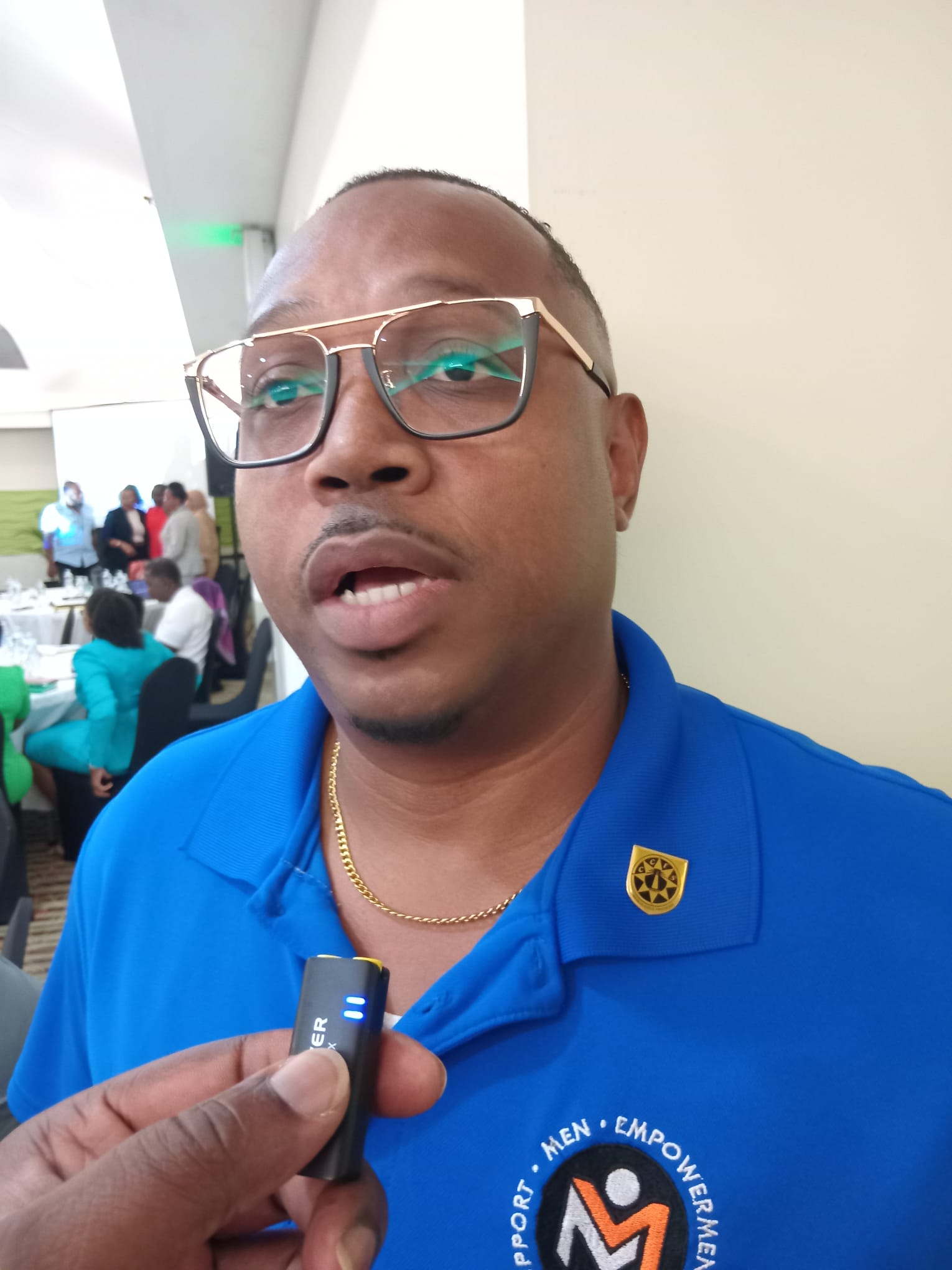
    The issue was brought to center stage during the recent National Consultation on Victims and Victim Support, where Minister of Legal Affairs and Criminal Justice Michael Lashley joined Fabian Sargeant, head of the Men’s Empowerment Network, to push for widespread public education and foundational cultural shifts to tackle the growing problem. Lashley shared a harrowing anecdote from his early career practicing law in the magistrates’ courts that laid bare the severity of public bias against male victims. He recalled a man who appeared in court seeking a protection order, telling the bench he feared for his life – and in response, the entire courtroom erupted in laughter. That mockery did not end when the proceeding adjourned: as the victim stepped out onto the court steps, bystanders continued laughing and pointing at him, Lashley said.

    The minister lamented that this cruel reaction stems from a deep-rooted cultural double standard that has shaped public and institutional attitudes for generations. “We hold this view that men should not need protection either,” Lashley explained, adding that he commended the victim for choosing to pursue legal protection rather than responding with violent retaliation. “He didn’t pick up a rock, a hammer or a stick to strike back at the woman… but that’s how harmful stereotyping works.” Lashley emphasized that every stakeholder across the criminal justice system has a critical part to play in dismantling these harmful biases, noting that legal protections on paper are only effective if they are enforced consistently and fairly.

    Sargeant fully echoed Lashley’s concerns, explaining that harmful socialization and pervasive stigma push a growing number of male abuse victims to suffer alone. Speaking to Barbados TODAY on the sidelines of the symposium, Sargeant acknowledged that decades of research and public awareness have rightfully centered women as the primary victims of domestic violence, but that has come at the cost of ignoring a fast-growing crisis affecting men. “Because of our culture, and the way we socialize boys from a young age, men don’t think it’s appropriate to come forward and report abuse, so they suffer in silence,” he said.

    This culture of silence triggers a devastating domino effect that harms individuals and strains public services across the island, Sargeant argued. Unaddressed abuse erodes male survivors’ self-esteem, cuts into workplace productivity, and eventually pushes more people into already overburdened social and mental health systems, including psychiatric care. Compounding the issue, many men do not even recognize their own experiences as domestic abuse, Sargeant added: even when men are stabbed, scalded, beaten or attacked by their partners, they often dismiss the harm as a minor conflict they can overcome on their own. This lack of recognition stems in part from decades of public messaging that has exclusively framed women as the only victims of domestic abuse, leaving no space for male survivors to see their experiences reflected.

    “For our organization, education is the most critical tool we have to change this narrative and help men understand what abuse looks like when they experience it,” Sargeant said.
    While legal protections such as protection orders are already available to male victims under existing law, advocates stressed that formal frameworks are not enough to fix the crisis when the people working within those systems still hold biased attitudes. Sargeant raised specific concerns about how male survivors are treated when they reach out to law enforcement or social services for help, noting repeated cases where victims were met with dismissive attitudes, laughed at, or had their reports minimized as unimportant or unworthy of action.

    Looking toward long-term solutions, the consultation emphasized that addressing the crisis is critical to protecting the well-being of future generations, noting that unaddressed adult conflict and poor emotional regulation directly harm youth development. “An emotionally unintelligent parent cannot raise an emotionally intelligent child,” Sargeant said. “Change has to start with empowering adults to regulate their emotions and address abuse, so we can build a better future for everyone.”