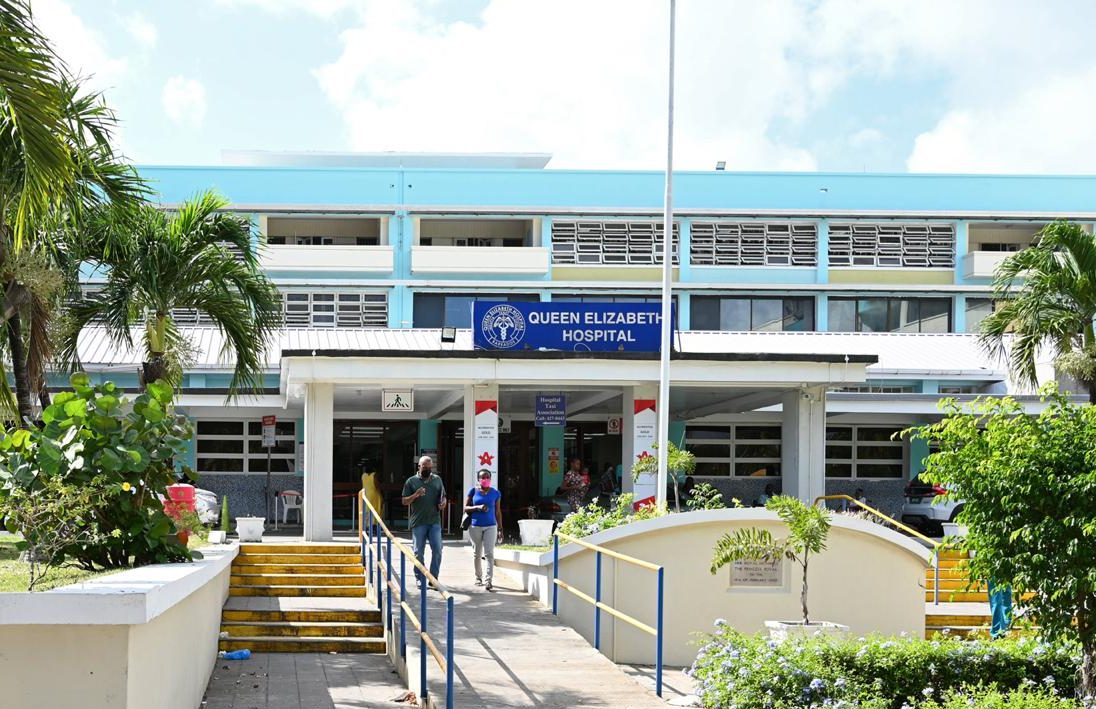
Barbados has launched a landmark comprehensive newborn screening initiative at its main public healthcare facility, Queen Elizabeth Hospital (QEH), marking a historic first for the Caribbean region in preventive pediatric healthcare. Launched officially on May 18, the program offers free routine screening to every infant born at QEH via a quick, low-invasive heel-prick blood test, collected between 24 and 48 hours after delivery.
Funded through a grant from the Shaw Centre for Paediatric Excellence and supported by QEH’s senior leadership, the initiative will begin with an 18-month to two-year pilot phase, during which medical teams expect to screen approximately 5,000 newborns. Dr. Gillian Birchwood, head of pediatrics at QEH, detailed the program — formally named the Comprehensive Dried Blood Spot (DBS) Newborn Screening Programme — in a public statement posted to the hospital’s official website, calling it a transformative leap forward for child health on the island.
“We are thrilled to have launched this groundbreaking collaborative effort between the Shaw Centre for Paediatric Excellence and Queen Elizabeth Hospital, which will let us deliver comprehensive screening to every baby born at our facility over the coming years,” Birchwood stated. She emphasized that routine newborn screening has long been recognized as one of the most impactful public health innovations of the past century, a tool that lets clinicians detect life-altering conditions long before any visible symptoms emerge, vastly improving patient outcomes.
“This pilot program fills a critical gap in our local care continuum,” Birchwood explained. “By testing newborns early, we can identify conditions that would cause harm later in childhood, and intervene before symptoms develop or permanent damage occurs from delayed detection.” Early diagnosis, she noted, can avert a wide range of adverse outcomes, from developmental delays and permanent hearing loss to acute, life-threatening conditions that are undetectable through routine post-birth physical checks.
What makes this program particularly notable, Birchwood added, is its status as a first-of-its-kind initiative across the entire Caribbean region. “This is truly groundbreaking for the Caribbean. No other country in the region has a comprehensive nationwide newborn screening program of this scope, and Barbados is incredibly fortunate to launch it here,” she said. The program cements QEH’s position as a regional leader in newborn and pediatric care, she noted, with outcomes that will extend far beyond Barbados’ borders.
“This initiative positions Queen Elizabeth Hospital as a pioneer in regional newborn health and advanced pediatric care,” Birchwood explained. “We can now protect children from devastating, avoidable complications of conditions that are invisible at the time of birth.”
The Shaw Centre for Paediatric Excellence, which made the program possible through its funding support, was launched in 2020 as a strategic partnership between the Government of Barbados and the Centre for Global Child Health at Toronto’s Hospital for Sick Children (SickKids), Canada’s preeminent pediatric teaching and research hospital. The center’s core mission is to drive measurable improvements in child health outcomes across Barbados and the broader Eastern Caribbean region.
Regional health officials share the expectation that the new screening program will cement Barbados’ reputation as a leader in preventive child health services across the Caribbean, offering a model that other nations in the region can adapt to improve their own pediatric care systems.