分类: politics

  • HEART of the problem

    HEART of the problem

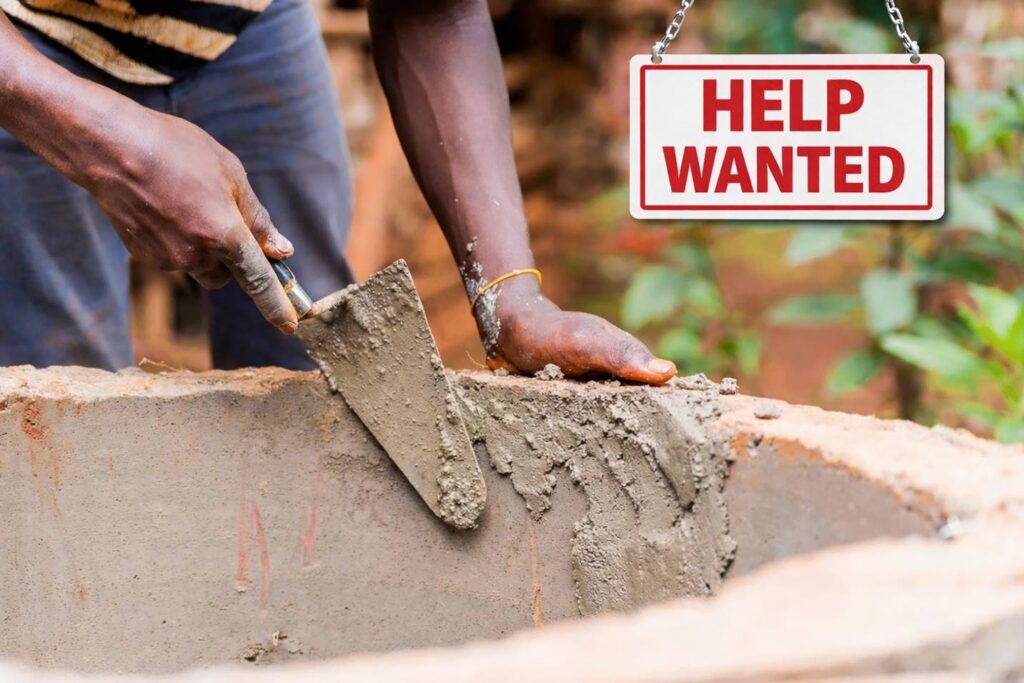
    As Jamaica grapples with a persistent, debilitating shortage of skilled tradespeople to fuel its growing construction and infrastructure pipeline, a prominent high school principal has launched a scathing rebuke of the government’s mismanagement of the country’s flagship vocational training agency, the HEART/NSTA Trust, describing the well-funded institution as a “fat calf” that delivers little tangible value for the nation.

    Linvern Wright, principal of William Knibb Memorial High School and immediate former president of the Jamaica Association of Principals of Secondary Schools, made the criticisms during an address at the Jamaica Teachers’ Association’s *Go Public! Fund Education* national forum on Monday. His remarks came just days after Government Senator Kavan Gayle sounded the alarm in the upper chamber of parliament about the acute skilled labor crisis gripping Jamaica’s construction sector.

    Gayle told senators during debate on the 2026 National Housing Trust (Amendment) (Special Provisions) Act that the industry is currently facing devastating shortfalls of qualified workers across every key trade, including carpenters, masons, steel workers, electricians, plumbers, and construction finishers. He outlined multiple overlapping drivers of the crisis: large-scale emigration of skilled tradespeople seeking higher wages overseas, a rapidly ageing domestic workforce, chronically low graduation rates from the country’s vocational training programs, and intensifying competition for limited labor from the wave of major infrastructure projects now underway across the island. The shortage, Gayle confirmed, is already triggering costly project delays, persistent staffing gaps, and widespread productivity dips across the construction sector, which is central to meeting Jamaica’s growing demand for new housing, public infrastructure, and post-disaster school reconstruction.

    Against this urgent backdrop, Wright says the labor gap forces uncomfortable questions about the decades of public investment poured into HEART/NSTA Trust, the country’s primary provider of technical and vocational education and training. He argues that the institution has failed to deliver a return on that investment, noting that no other segment of Jamaica’s education system—from early childhood learning to tertiary education—has received the same level of cumulative funding that HEART has secured over the years.

    “No other sector of education — tertiary, primary, early childhood — none of them has got the amount of funding that HEART has got, and what we have is a really fat calf that is not producing much for the country, so we have got to look at how we deal with these kinds of things in terms of how we fund things,” Wright told the forum.

    Wright recalled that Jamaica’s technical and vocational education ecosystem once thrived thanks to robust, sustained partnerships between secondary schools and private industry, a model that produced strong outcomes through the 1970s and 1980s. Major private companies such as Alcan invested directly in vocational programs at prominent secondary schools including STETHS and Holmwood Technical High School, but Wright says that level of private sector engagement and strategic investment has long since disappeared, leaving once-strong programs rusted and outdated.

    Beyond the specific failures of HEART/NSTA Trust, Wright framed the skilled labor crisis as a symptom of a deeper, long-standing structural failure: successive Jamaican governments have consistently refused to treat education as a top national priority, denying it the level of focused attention and sustained financial commitment granted to other high-priority policy initiatives.

    To illustrate this disparity, he pointed to the extensive, high-profile parliamentary deliberations that preceded the passage of legislation establishing the National Reconstruction and Resilience Authority (NaRRA). “I want all of you to think of how long our Government spent to discuss the NaRRA Bill. They never slept because that was important to them. It was priority. I have never in my life as an educator seen them spend past maybe two hours talking about education. NaRRA was priority, with all its ills and all its issues. It was priority,” Wright said.

    Wright argued that until legislative leaders commit to extended, focused debate and put in place binding commitments to education funding, the sector will continue to lack the resources it needs to meet national needs. To insulate long-term education investment from shifting political priorities and fluctuating economic conditions, he called for the introduction of legislation that enshrines a legally protected minimum level of public investment in education, guaranteeing sustained funding regardless of changes in government direction.

  • ‘Deliberately misleading’

    ‘Deliberately misleading’

    A sharp political dispute has erupted in Jamaica over national water infrastructure energy resilience, after the opposition’s water spokesperson accused the ruling government of failing to adopt solar power to protect the National Water Commission (NWC) from widespread outages caused by Jamaica Public Service Company (JPS) grid failures.

    Ian Hayles, the opposition’s shadow minister for water, made his claims in a public statement released Sunday, days after a full JPS grid shutdown left much of the country without power. Hayles argued that the NWC’s heavy dependence on JPS for powering its water distribution networks creates a dangerous public vulnerability, framing the government’s inaction on a transition to solar and advanced renewables for critical NWC infrastructure as more than an oversight — it is a full-blown governance crisis that endangers public health, the critical tourism sector, and daily life for Jamaicans across densely populated communities nationwide. He called for the immediate rollout of a policy shifting critical NWC infrastructure to renewable energy, and demanded the government table a full, sector-wide energy resilience plan in the current parliamentary session.

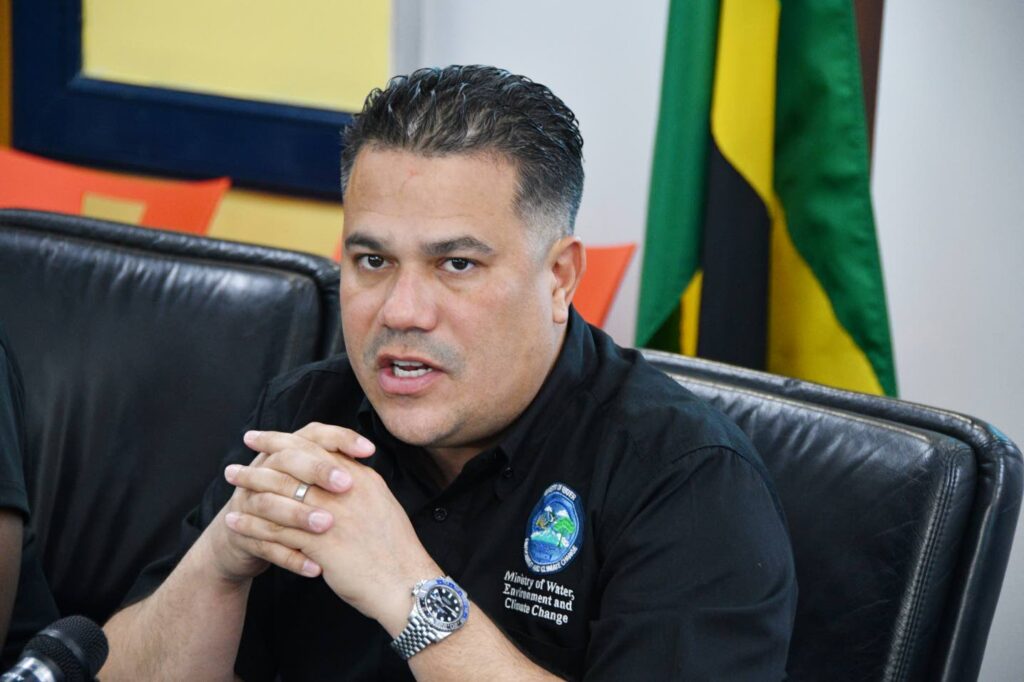
    But Matthew Samuda, Jamaica’s incumbent Minister of Water, has pushed back hard against Hayles’ accusations, dismissing the claim as either deliberately misleading or born of willful ignorance. In an exclusive interview with Jamaica Observer on Monday, Samuda detailed the multiple ongoing and completed initiatives the government has already launched to boost NWC’s resilience to power disruptions, noting that the administration has already invested billions in upgrading the water network’s energy infrastructure since 2024.

    Following the passage of Hurricane Beryl, which caused widespread damage across south-western Jamaica in 2024, the government installed 31 large-scale backup generators at key NWC facilities across the country, as part of a program targeting 110 critical water systems that serve more than 70 percent of the NWC’s total customer base. To date, Samuda confirmed, $1 billion Jamaican dollars have already been allocated and spent on this generator initiative.

    Beyond backup generation, Samuda added, the government is already midway through an $850 million energy upgrade project for the NWC, a plan he first outlined publicly during his sectoral parliamentary address in April. He pointed out that Hayles, who represents the Westmoreland Western constituency, should already be aware of the ongoing upgrades, as work is actively taking place within his own electoral district. Samuda specifically referenced the Logwood water facility that supplies the major tourism hub of Negril, where the government installed a new backup generator after the original unit was destroyed by vandalism following Hurricane Melissa in October 2025, and has already purchased a replacement generator to restore full resilience to the site.

    Addressing Hayles’ core claim that expanded solar adoption would have prevented the widespread water outages during the recent island-wide JPS blackout, Samuda pushed back on the feasibility of a full transition to renewables for the entire NWC network. He explained that strict constraints on available land and the steep upfront capital costs of large-scale solar infrastructure make a complete shift away from JPS impractical for all pumping systems. Samuda noted that the NWC’s monthly energy bill to JPS already hovers around $1 billion, depending on global fuel prices, and any full shift to off-grid renewables would only pass those massive costs onto Jamaican consumers, rather than eliminating them. That said, he acknowledged the government’s ongoing commitment to driving down energy costs for the NWC.

    Samuda clarified that the government is already implementing solar solutions at multiple NWC facilities, alongside other efficiency upgrades: the agency is retrofitting its oldest, least efficient pumps to cut energy use, rewiring aging facilities to reduce on-site energy loss, and powering NWC administrative offices with solar to lower operating costs and extend operational hours during outages. He also revealed that work is already underway to convert the Mona Reservoir in St. Andrew into a utility-scale renewable energy facility, with a private investor already committed to the project and more than US$60 million allocated for development.

    In addition to outlining the government’s progress, Samuda challenged Hayles, who served as State Minister for Water in the previous People’s National Party (PNP) administration between 2012 and 2016, to disclose what energy resilience investments the opposition completed during its time in office. Samuda argued that there is no public record of any significant generator purchases or solar panel installations by the PNP government during Hayles’ tenure, even as solar technology became widely adopted across Jamaica starting in 2009. He added that unrealistic calls for an immediate full transition ignore the country’s current fiscal constraints, noting that the government is committed to annual incremental investments until full energy resilience for the NWC is achieved, and there are no unexplained delays in the ongoing rollout. Samuda concluded that Hayles’ criticisms are nothing more than opportunistic political point-scoring that ignores the actual progress already being delivered.

  • Purkiss sounds alarm over falling cruise passenger arrivals

    Purkiss sounds alarm over falling cruise passenger arrivals

    KINGSTON, Jamaica — A simmering political row over Jamaica’s cruise shipping performance has erupted this week, as a first-term opposition parliamentarian has publicly called out the country’s top tourism official for failing to reverse a steep, years-long decline in cruise passenger volumes even as the global industry booms post-pandemic.

    Andrea Purkiss, the opposition’s spokesperson on tourism and linkages and Member of Parliament for Hanover Eastern, delivered the sharp critique during her maiden speech to the House of Representatives during the ongoing Sectoral Debate on Tuesday. Purkiss accuses Tourism Minister Edmund Bartlett of staying “completely silent” on the sector’s struggles, which have seen Jamaica’s cruise passenger numbers drop by more than 28% since 2019, ahead of the COVID-19 pandemic.

    Purkiss pushed back against Bartlett’s previous claims that the local cruise sector has “lived up to expectations,” arguing that the only expectation the minister has met is that no one would verify his inaccurate public statements. She laid out detailed statistics to back up her critique: in 2019, Jamaica hosted 1,544,233 cruise passengers. By the end of 2025, that number fell to just 1,106,361, marking a 28.4% seven-year decline that equals a loss of nearly 438,000 potential visitors annually.

    These missing visitors do not just translate to lower port activity, Purkiss explained. They represent lost income across Jamaica’s entire tourism ecosystem, from local taxi drivers and craft vendors to owners of tourist attractions across the island. The opposition spokesperson calculated that the Jamaican government’s failure to recapture lost cruise market share has cost the sector more than 3 million missed passenger visits, amounting to an estimated $30 million U.S. dollars (equal to 4.5 billion Jamaican dollars) in lost economic activity, based on a conservative estimate of $10 U.S. in spending per cruise passenger.

    Purkiss emphasized that her critique is not an unfair political attack, noting that the global cruise industry has already fully rebounded from the pandemic — and is in fact seeing record growth. Global cruise passenger volume has surged to an all-time high of 37.2 million, a 25.2% jump compared to 2019 pre-pandemic levels. The Caribbean region is leading this expansion, capturing 44% of all global cruise traffic, and many of Jamaica’s regional neighbors have capitalized on the boom to grow their own cruise sectors, Purkiss pointed out.

    She cited concrete examples of regional success to contrast with Jamaica’s performance: Antigua and Barbuda has grown its cruise sector by 9.9% after opening a new purpose-built terminal; Barbados is reporting all-time record cruise visitor numbers; Mexico’s Cozumel now welcomes 4.73 million cruise passengers annually; and the Bahamas has seen its cruise traffic double since 2019.

    The exchange highlights growing political friction over Jamaica’s tourism strategy, a core driver of the country’s national economy, as the opposition pushes the government to address why the nation has failed to capitalize on a global cruise boom that has benefited its closest competitors.

  • Grankreek eist duidelijkheid over onderzoek naar zandafgravingen

    Grankreek eist duidelijkheid over onderzoek naar zandafgravingen

    Residents of the small indigenous village of Grankreek, located in Suriname’s Saramacca district, have issued a formal ultimatum to the country’s Ministry of Land and Forest Management (GBB), demanding written clarification on the results of a promised investigation into unauthorized sand excavation activities within and around the community’s traditional territorial lands within 14 days. Village head Angelique Palmtak confirmed that if no substantive official response is received by the deadline, the Grankreek community is prepared to escalate the matter through national legal channels and even pursue international advocacy to defend its territorial and environmental rights.

    The ultimatum, delivered in an official letter dated June 8 and addressed to GBB Minister Stanley Soeropawiro and Bronto Somohardjo, chair of the GBB parliamentary commission, comes after months of growing uncertainty and unmet promises from national authorities. The conflict stretches back to a March 5, 2026, official visit by Soeropawiro and Somohardjo to Grankreek, where village leaders and residents first raised a cascade of urgent concerns about ongoing unregulated sand mining operations near the community. Among the grievances presented were the siting of a large sand extraction pit dangerously close to residential areas, repeated violations of existing permit conditions, unaddressed public health and ecosystem risks, the complete lack of prior consultation with the indigenous community, and the absence of a mandatory environmental impact assessment before operations began.

    During that March visit, village representatives state that GBB officials publicly committed to completing a full investigation into the allegations within two weeks, with a full written report to be shared directly with the Grankreek community. Three months later, the village has yet to receive any formal written documentation or official policy decision related to the probe. An informal oral update was provided via Saramacca District Commissioner Aniel Ramautar and National Assembly member Jayant Lalbiharie of the NDP party on May 2, during which community representatives were told the GBB investigation had concluded and the full case file had been forwarded to Suriname President Jennifer Simons for review. No written confirmation of this update, or any formal official position on the investigation’s findings, has ever been shared with Grankreek’s governing body.

    Palmtak emphasized that the Grankreek community cannot continue to navigate this crisis based on unconfirmed rumors and informal secondhand updates. “Our community deserves clear answers, full transparency, and basic respect for our rights as indigenous residents of this land,” Palmtak stated in an interview following the letter’s delivery. “Our residents live with the daily impacts of these sand excavations on their living environment and personal safety right now.” Without formal communication from the ministry, village leaders cannot properly protect the community’s legal rights or keep residents fully informed of developments, she added.

    In addition to the letter sent to GBB, the Grankreek village council has sent a separate formal communication to Minister David Abiamofo of the Ministry of Natural Resources (NH), expressing deep concern over the ministry’s complete silence on prior correspondence about the same sand extraction issue. Village leaders argue that the ministry’s ongoing lack of response is administratively unacceptable, given the severity of the reported environmental damage, the tangible safety threats to the community, and the fact that the excavation permits in question were issued directly by the NH, with direct, life-altering impacts on the indigenous community.

    “The constant silence from authorities sends a clear message that our community’s concerns are being ignored,” Palmtak said. “This not only erodes public trust in the national government, but it also amplifies uncertainty and increases the risk of further escalation of this conflict.” The Grankreek village council reaffirmed that transparency, timely communication, and full respect for the territorial and human rights of indigenous communities are non-negotiable foundations of responsible governance and sustainable, equitable decision-making in Suriname.

  • Minister Michael Joseph Hosts Bush Tea and Breakfast Meet-and-Greet with Ministry Staff

    Minister Michael Joseph Hosts Bush Tea and Breakfast Meet-and-Greet with Ministry Staff

    In a move that breaks down traditional bureaucratic barriers between senior leadership and frontline public servants, Minister Michael Joseph has opened the doors of his ministry for a casual, community-inspired bush tea and breakfast meet-and-greet, bringing together staff from every department and seniority level to converse openly.

    Unlike formal, scripted departmental gatherings that often restrict open dialogue, this event was designed to center on unfiltered conversation and relationship-building. Bush tea, a traditional, locally rooted beverage that has long served as a centerpiece for community gathering in many regional contexts, was chosen intentionally to foster a relaxed, approachable atmosphere that puts all attendees on equal footing.

    Members of the ministry, from entry-level administrative support teams to senior policy advisors, took the opportunity to share on-the-ground insights into daily operational challenges, highlight ongoing project successes, and offer grassroots suggestions for improving workplace culture and service delivery. Minister Joseph actively participated in every conversation, listening attentively to staff concerns without the formal hierarchies that typically shape interactions between political leaders and public service employees.

    According to senior ministry insiders, the gathering is part of a broader push by the new minister to prioritize transparent communication and employee engagement. Many staff members noted that the informal format made it far easier to raise concerns that often go unaddressed in rigid, top-down departmental meetings. The event has also sparked conversations across the ministry about making open, casual leadership-staff engagement a regular practice, rather than a one-off occasion.

    This shift toward accessible leadership comes as public sector organizations globally are increasingly recognizing that engaged, heard employees deliver more effective public services to communities. By opting for a low-key, culturally rooted gathering instead of a formal keynote or town hall, Minister Joseph has signaled a commitment to meeting staff where they are, valuing their input, and building a more collaborative ministry culture.

  • Belize Senator Urges Regional Unity Amid Growing Geopolitical Challenges

    Belize Senator Urges Regional Unity Amid Growing Geopolitical Challenges

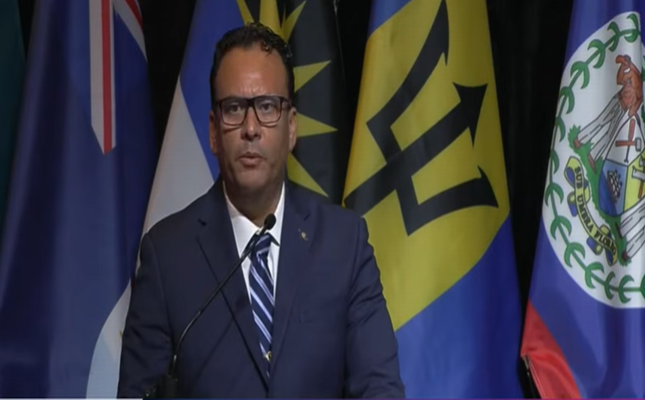
    NASSAU, BAHAMAS – As global geopolitical friction and widespread international uncertainty continue to rise, a senior Belizean official has issued a urgent call for Caribbean nations to reinforce collective regional cooperation and solidarity to address shared challenges. Speaking at the closing ceremony of the Caribbean Development Bank (CDB)’s 56th Annual Meeting held in Nassau, Dr. Osmond Martinez, Belize’s Minister of State for Foreign Trade, framed regional unity as the Caribbean’s most powerful tool for navigating an increasingly unstable global landscape.

    Martinez stressed to attending delegates that the region’s collective strength does not depend on the size or economic power of individual nations, but on their willingness to stand together. “We must deepen, not dilute, our regional solidarity,” he told attendees. “Our strength has never rested on the size of our individual states.” He went on to emphasize that the Caribbean’s greatest competitive and strategic advantage is its proven ability to align around common goals, arguing that effective solutions to the region’s challenges must be rooted in local realities rather than imported from outside powers.

    The address comes as Belize prepares to take on the chairmanship of the CDB Board of Governors in 2027, when it will also host the institution’s annual meeting. Martinez outlined that Belize is approaching this new leadership role with clear purpose and a forward-looking vision, rooted in the country’s unique regional position.

    Unlike most other CDB member states, Belize sits at the intersection of two regions: geographically located in Central America, while sharing deep historical and cultural ties with the Caribbean. This positioning, Martinez explained, has shaped Belize’s approach to development, reinforcing the core principle that regional resilience cannot be built by individual nations acting in isolation. “It is built through connection and integration. We have created tangible networks for collaboration, trade, innovation, climate action, and economic growth,” he said.

    During its chairmanship, Belize plans to leverage this unique position to act as a bridging gateway between the Caribbean community and Central American neighbors, deepening cross-regional ties that turn geographic proximity into shared, mutual prosperity. Martinez confirmed that Belize’s leadership agenda will align fully with the CDB’s newly adopted 2026-2035 Strategic Plan, which centers on boosting social, economic, and environmental resilience across all member states.

    A core priority of Belize’s chairmanship will be advancing growth in the blue, green, and orange economic sectors – areas where Martinez says the wider Caribbean holds enormous untapped potential. He highlighted existing work Belize has already done in these spaces, including the country’s groundbreaking Blue Bond, expanded support networks for micro, small, and medium-sized enterprises (MSMEs), youth entrepreneurship training programs, sustainable tourism development, cultural creative industries, large-scale conservation projects, and climate resilience infrastructure initiatives.

    Far from just emerging market opportunities, Martinez framed these sectors as transformative pathways to empower Caribbean people, especially young people, to take an active role in building a more prosperous and resilient regional future. Looking ahead to the 2027 gathering, Martinez said Belize’s leadership will focus on forging renewed cross-sector partnerships, attracting targeted regional investment, supporting youth-led innovation, and advancing homegrown solutions that highlight the Caribbean’s unique strengths and capabilities. He closed by noting that Belize hopes the 2027 Annual Meeting will carry forward the same spirit of collaborative resilience that defined the 2026 Nassau gathering.

  • Hof van Justitie ontbeert in begroting ruim SRD 300 miljoen

    Hof van Justitie ontbeert in begroting ruim SRD 300 miljoen

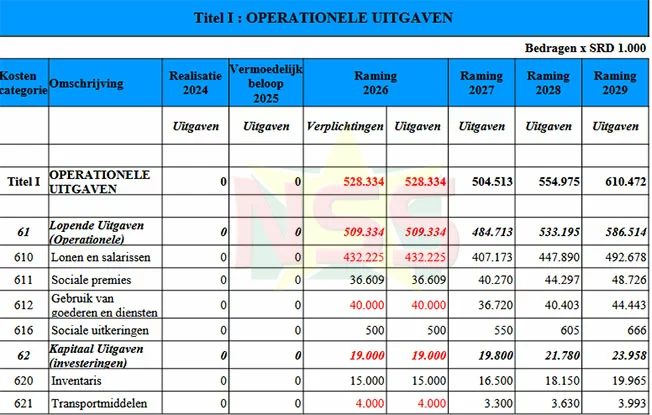
    Suriname’s judicial branch has issued a stark warning that deep underfunding from the national government threatens its ability to function properly and advance long-term institutional development, according to its 2026 annual budget documents. The judiciary calculates that it needs a total budget of SRD 563.5 million to adequately fulfill all its core mandates this service year, but the government has only allocated SRD 267.5 million, leaving a gap of more than SRD 296 million that officials say is unmanageable. The Hof van Justitie (High Court of Justice) laid out the gap by comparing the government’s approved allocation against its actual operational and developmental needs in its formal budget submission.

  • BVI calls on UN decolonization committee to take stronger action on remaining territories

    BVI calls on UN decolonization committee to take stronger action on remaining territories

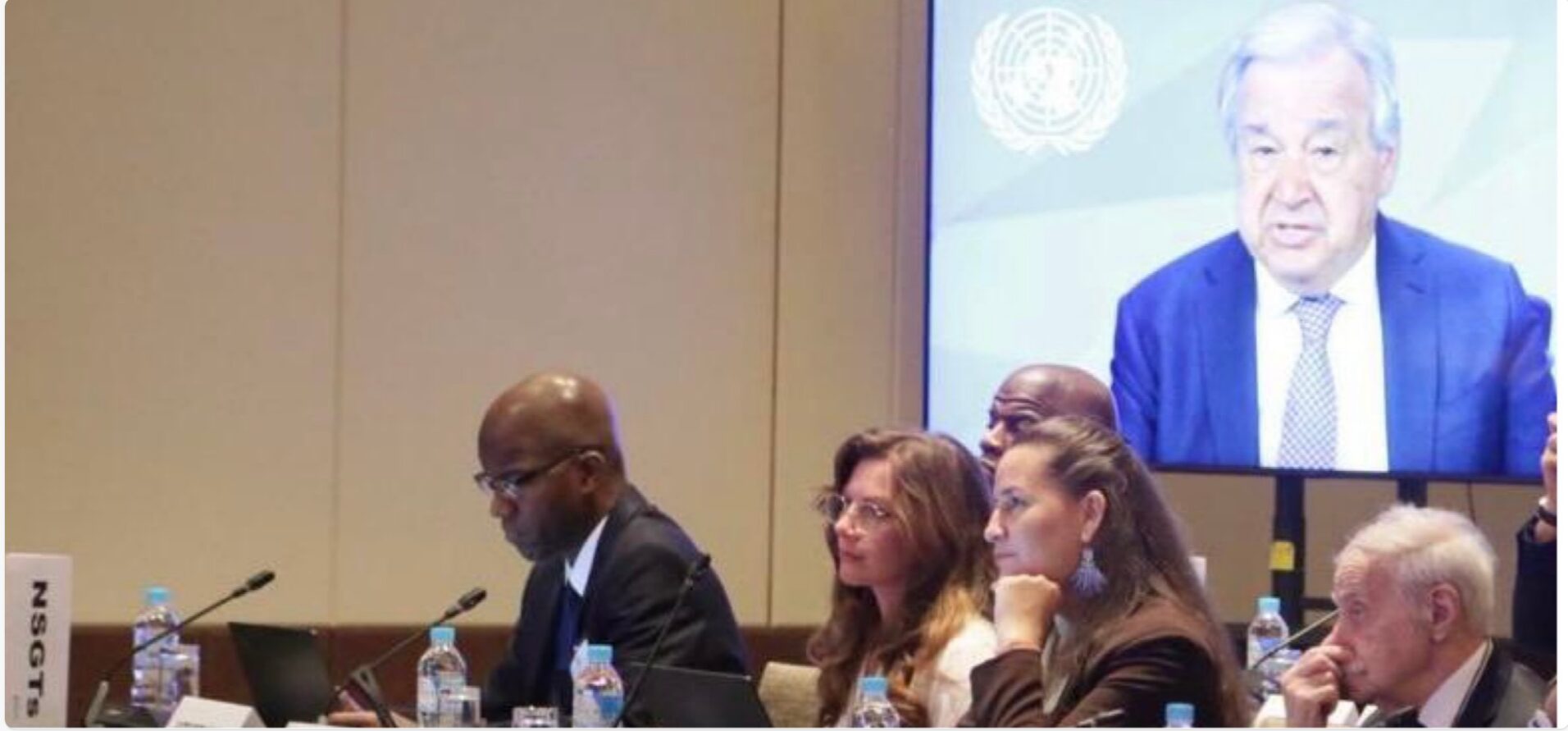
    At a recent regional decolonization seminar hosted in Managua, Nicaragua, the British Virgin Islands (BVI) has delivered a clear call to the United Nations Special Committee on Decolonization (C24) to leverage its full authority to accelerate progress toward self-determination for the 17 remaining Non-Self-Governing Territories (NSGTs) across the globe.

    The appeal was presented by BVI Special Envoy Benito Wheatley during the UN C24 Caribbean Regional Seminar on Decolonization, a gathering centered on advancing the goals of the Fourth International Decade for the Eradication of Colonialism. In his address, Wheatley laid out two key priorities for the committee to act on immediately.

    First, he called on C24 to use its formal good offices mandate to create structured dialogue frameworks between the four current administering powers — France, New Zealand, the United Kingdom, and the United States — and the territories they oversee. This dialogue, he emphasized, should be focused on supporting territories to pursue one of the three decolonization pathways officially recognized by the United Nations: full integration with the administering power, free association, or full sovereign independence.

    Second, Wheatley urged the committee to expand its efforts to approve and deploy UN visiting missions to NSGTs that request them. These on-the-ground missions are designed to allow the UN to directly assess political, economic, and social progress toward self-governance, and to document the priorities of territorial populations.

    “The Special Committee on Decolonization can make a tangible difference in advancing decolonization by employing the major tools at its disposal, which include good offices and visiting missions,” Wheatley said in his address. “Both provide useful engagement and dialogue for both the Administering Power and the Governments and peoples of those Non-Self-Governing Territories seeking a full measure of self-government.”

    Wheatley also shared an update on the BVI’s own decolonization journey. The territory is currently preparing for upcoming constitutional negotiations with the UK, with the goal of securing full internal self-governance. Following those negotiations, a public referendum is scheduled for 2025 to 2031, where BVI residents will select their preferred final decolonization status from the three UN-endorsed sovereignty options.

    The special envoy expressed gratitude for the committee’s recent support, including the deployment of a UN visiting mission to the BVI in August 2024 to assess progress toward self-determination, and its ongoing backing for the territory’s democratic institutions. But he also issued a stark warning: if the committee fails to deliver meaningful progress across all remaining NSGTs before the Fourth International Decade concludes in 2030, its ongoing relevance to the decolonization process will be called into question by the communities it is meant to serve.

    As of 2025, 17 territories remain on the UN’s official list of Non-Self-Governing Territories: American Samoa, Anguilla, Bermuda, the British Virgin Islands, the Cayman Islands, the Falkland Islands, French Polynesia, Gibraltar, Guam, Montserrat, New Caledonia, Pitcairn, Saint Helena, Tokelau, the Turks and Caicos Islands, the United States Virgin Islands, and Western Sahara. This report is based on an official press release issued by the Government of the Virgin Islands following the Managua seminar.

  • Bijna 90% begroting Openbaar Ministerie gaat op aan personeelskosten

    Bijna 90% begroting Openbaar Ministerie gaat op aan personeelskosten

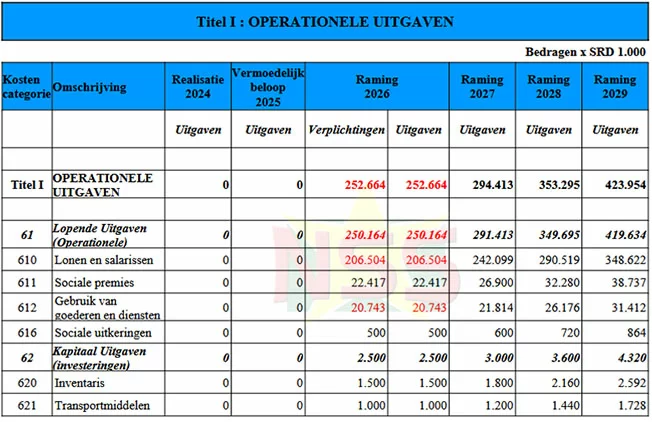
    On June 8, newly released 2026 budget documents submitted to the Surinamese Council of State via a government amendment reveal that the Public Prosecution Service (Openbaar Ministerie, OM) will receive a total annual budget of more than 256.7 million Surinamese dollars (SRD) for the 2026 fiscal year. Of this total allocation, nearly 89% is earmarked for personnel-related expenditures, leaving only a small fraction of funding for core operational activities, infrastructure investment and organizational professionalization.

    Breaking down the personnel budget line, 206.9 million SRD goes directly to employee wages and salaries, with an additional 22.4 million SRD allocated to cover social security contributions. Combined, these two cost centers add up to more than 229.3 million SRD, accounting for the vast majority of the OM’s total 2026 budget. Within the salary allocation, fixed base salaries make up the largest single line item at 156.6 million SRD, with remaining funds set aside for holiday pay, overtime compensation, performance bonuses and gratuities, personal allowances, acting position allowances, representation allowances and transportation stipends. For social contributions, the OM budgets 10 million SRD for employer pension contributions and 12.4 million SRD for contributions to the State Health Fund.

    The budget framework confirms that the OM is planning to expand its total workforce in 2026, noting that the agency is still in a phase of institutional growth and requires additional specialized staff to fulfill its legally mandated core duties. The expansion of personnel, however, is the primary driver behind the heavy weighting of personnel costs in the overall budget.

    For goods and services that support daily operational work, the OM has allocated just 20.7 million SRD. The largest expenditures in this category include 3 million SRD for building and land rental, 1.5 million SRD for office supplies, 1.5 million SRD for electricity costs, 1 million SRD for building maintenance, and 750,000 SRD each for vehicle maintenance, international work travel, and telecommunications services. According to budget documentation, these funds are critical to supporting criminal investigations, prosecution proceedings, administrative processes, and the daily functioning of the prosecution agency.

    Capital investment receives an even smaller allocation of only 2.5 million SRD total. Of this limited investment budget, 1.5 million SRD is earmarked for new equipment and inventory, including computers, office fittings and furniture, while 1 million SRD is reserved to purchase a new bus for personnel and prisoner transport. The OM notes that workforce growth and expanded operational activities make upgrades to equipment and transport capacity necessary, but the budget leaves little room for large-scale modernization.

    Beyond regular operational and capital spending, the OM has set aside 1.575 million SRD for organizational development programs. The vast majority of this allocation, 1.5 million SRD, goes toward professionalizing the prosecution service, including specialized training for criminal investigation and policy development work. A 75,000 SRD awareness-raising project is also included, with additional support from UNICEF.

    On the revenue side, the OM projects total 2026 income of 29.3 million SRD to offset expenditures. The largest revenue streams are 14.3 million SRD from fines and prosecution-related cost recovery, 14.25 million SRD from miscellaneous fines and transactions, and a 500,000 SRD UNICEF donation earmarked for the awareness project.

    The budget structure underscores the Public Prosecution Service’s identity as a heavily labor-intensive organization. While the total budget is substantial in absolute terms, nine out of every ten SRD allocated goes to payroll and related social costs. This leaves only a relatively small share of total funding available for investment, modernization, skills training and other institutional development initiatives – even as the OM acknowledges that continued professionalization is essential to effectively address the growing complexity of modern crime and prosecution work.

  • Commonwealth Observers Renew Call for Independent State Media Oversight

    Commonwealth Observers Renew Call for Independent State Media Oversight

    Following the conclusion of Antigua and Barbuda’s April 30, 2026 general election, the Commonwealth Observer Group (COG) has doubled down on longstanding calls for sweeping reforms to shore up the independence of the Caribbean nation’s state-owned media, framing the changes as a critical step to rebuild public trust in electoral journalism.

    In the group’s final post-election assessment, observers put forward a detailed, previously submitted proposal: formally incorporate the Antigua Broadcasting Service (ABS) as a standalone state-owned entity overseen by an impartial, independent board of directors. The recommendation, which was first tabled by an earlier Commonwealth observer mission in 2023, directly targets widespread public and stakeholder concerns over unequal access, uneven coverage, and perceived political bias in the state broadcaster’s election-related reporting.

    “The incorporation of ABS as a state-owned entity with an independent board of directors governing its policies, operations and programming could help mitigate some of the challenges regarding accessibility, fairness and bias, as we recommended back in 2023,” the final report read.

    Beyond restructuring ABS, the observer group flagged another key gap in the country’s electoral framework: the lack of a formal, codified code of conduct specifically for media outlets covering elections. Observers argued that broader systemic changes are needed to systematically depoliticize Antigua and Barbuda’s media ecosystem. Additional proposals laid out in the report include the creation of an independent media council or dedicated election media monitoring body, alongside measures to mandate balanced campaign coverage and guarantee equal access to airtime and coverage for all registered political parties.

    While the group delivered a largely positive assessment of the election itself, concluding that the April 30 vote was carried out in a peaceful, organized, and transparent manner overall, it emphasized that targeted improvements to media regulation and governance would add another layer of strength to the country’s democratic processes by boosting public confidence in election outcomes.