分类: environment

  • Calls Grow to Phase Out Plastic Water Pouches

    Calls Grow to Phase Out Plastic Water Pouches

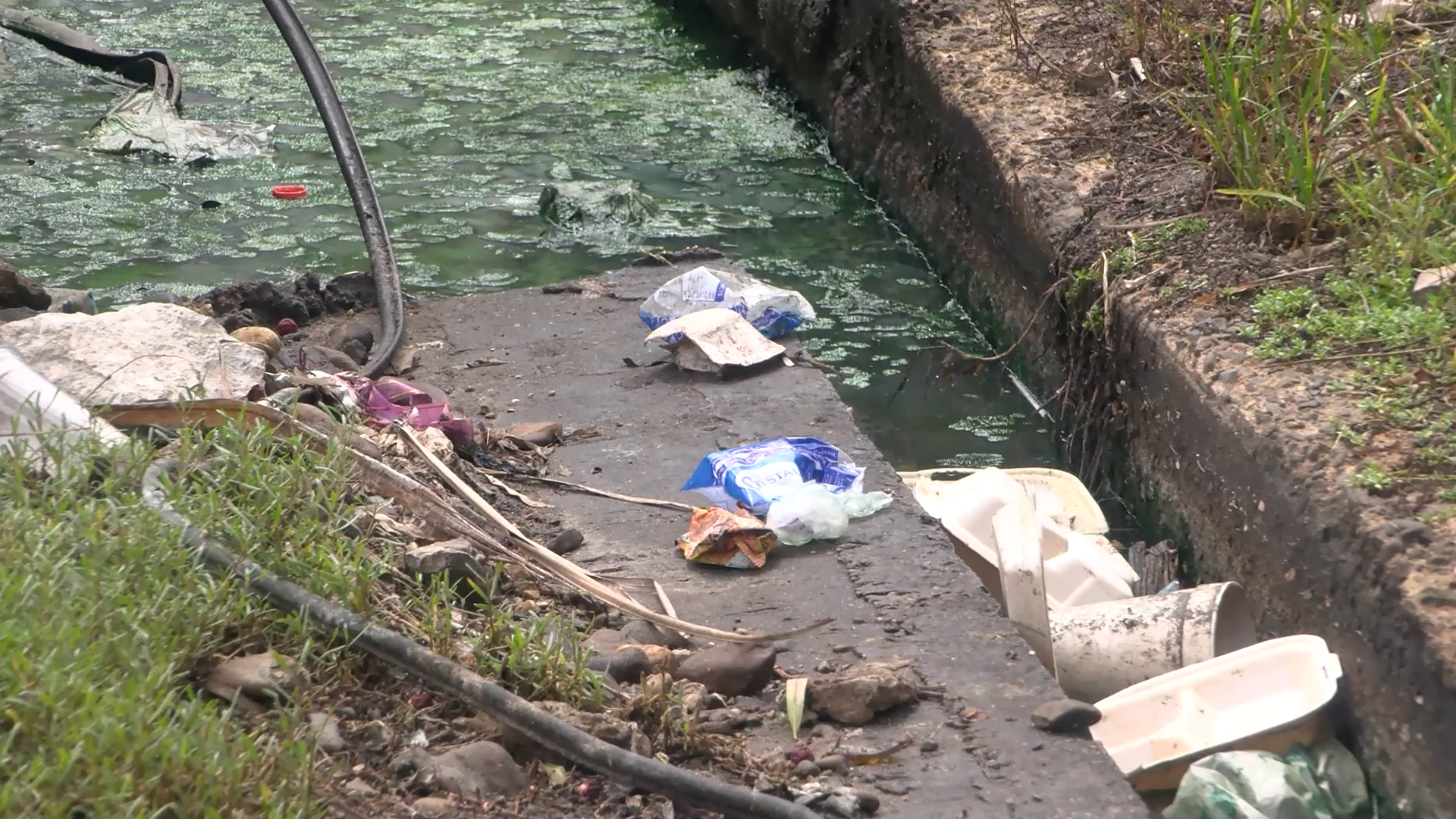
    As of July 2, 2026, a growing coalition of more than 40 organizations in Belize is pushing for a gradual three-year ban on the country’s ubiquitous 25-cent single-use plastic water pouches, a common consumer product that has become a major source of national plastic pollution. Advocates argue that these thin, disposable plastic sachets are rapidly clogging urban street drains, polluting inland rivers, and littering major highway corridors across the country, causing widespread harm to Belize’s natural ecosystems and waste management systems.

    Orlando Habet, Belize’s Minister of Sustainable Development, has confirmed that the public and civil society concerns over the plastic pouch crisis are well-founded. Official national waste cleanup data collected across the country consistently ranks these water pouches among the most frequently recovered items of litter, backing up claims of their outsized environmental footprint.

    In a public address outlining the government’s approach to the issue, Habet acknowledged that past policy attempts to transition to more eco-friendly alternatives have fallen short of expectations. Previous regulations required single-use plastic products to meet a 52% biodegradability standard, meaning products must break down naturally within 12 months. However, the rollout hit unforeseen roadblocks: policymakers failed to secure consistent supply chains for biodegradable materials, leaving the new standard unworkable for local producers and importers.

    Belize relies heavily on imports of consumer goods from trading partners across North and Central America, Habet explained, making regional collaboration a critical component of any successful transition. If neighboring nations do not implement matching regulations to incentivize biodegradable product manufacturing, supply will remain scarce in Belize, as there is no pressure on regional producers to shift their production lines. While Belize could develop its own domestic biodegradable manufacturing sector using local raw materials such as bagasse, dried plant sucker fibers, and bamboo pulp, Habet noted that building this new industry will require time and investment, and products will remain costly until a sufficient local and export market is established to scale production.

    The minister also emphasized that policymakers must address the socioeconomic realities of the ban before moving forward. Low-income Belizean consumers depend on the inexpensive water pouches for affordable access to drinking water, and small local entrepreneurs rely on the sale of the products for their livelihoods. Finding low-cost accessible alternatives is therefore a non-negotiable prerequisite to implementing the phase-out. Right now, the Belizean government is actively exploring viable biodegradable alternatives and working to secure buy-in and support from regional trading partners to make a smooth, equitable transition away from single-use plastic water pouches possible.

  • FAO training equips Saint Lucian farmers with climate-smart irrigation skills

    FAO training equips Saint Lucian farmers with climate-smart irrigation skills

    Against a backdrop of growing climate uncertainty, small island agricultural communities are increasingly facing pressure to adapt their growing practices to shifting conditions. For the Caribbean nation of Saint Lucia, that adaptation is getting a boost from a targeted new capacity-building initiative that equips local farmers with practical, climate-smart farming techniques.

    Organized jointly by the United Nations Food and Agriculture Organization (FAO) and Saint Lucia’s Ministry of Agriculture, Fisheries, Food Security and Rural Development, a series of hands-on professional training workshops focused on integrated crop management, with a specific focus on improving irrigation, fertigation and nutrient strategies to boost yields and build long-term farm resilience. Titled “Practical Integrated Crop Management: Improving Crop Performance through Irrigation, Fertigation and Nutrient Management”, the workshops were held earlier this month across two locations: Soufrière in the southwest and Union in the north, to serve farming communities across the island.

    In total, 38 stakeholders took part in the sessions, representing a cross-section of Saint Lucia’s agricultural sector: small-scale and commercial farmers, plant nursery operators, government agricultural officers, extension service personnel, technical specialists, ministry support staff, and representatives from both public and private agricultural entities. Hosting the training in two geographically distinct regions of the island was a deliberate choice, FAO officials explained, that made the program far more accessible to participants from across the country while also allowing attendees to test how these modern practices work across Saint Lucia’s varied local growing conditions.

    Led by FAO Horticulture Specialist Marcko Theodoracopoulos and FAO Plant Production and Protection Specialist Anne Desrochers, who also serves as the project’s Lead Technical Officer, the workshops dug into the interconnected relationships between irrigation scheduling, fertigation application, crop nutrition requirements, plant growth stages, and unique local field conditions. Attendees learned how to weave all these factors into cohesive, effective daily farm management plans.

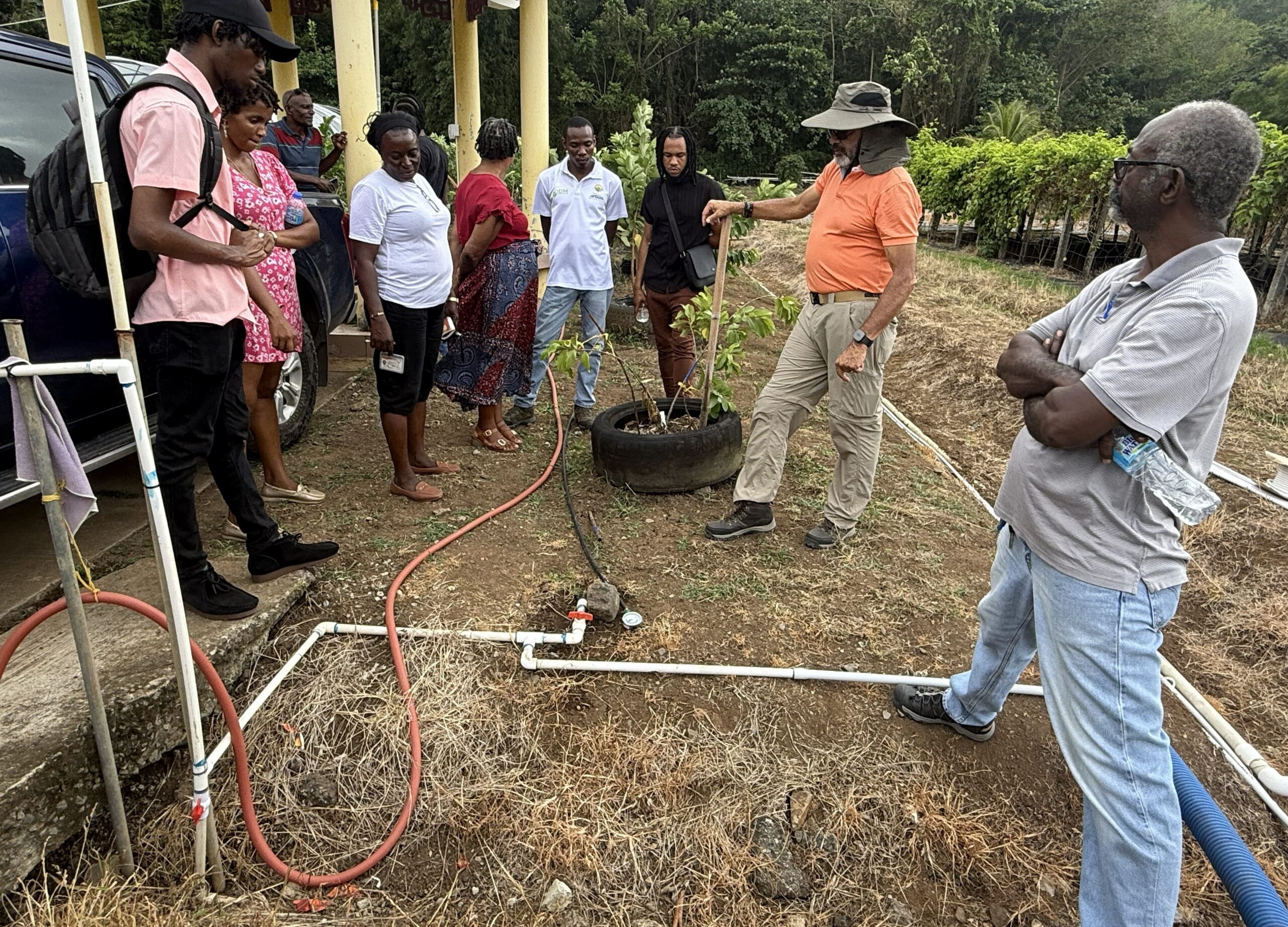
    Practical skill-building formed the core of the program. Participants received step-by-step instruction on how to design, operate, and maintain drip irrigation systems, covering critical operational details from filtration system maintenance and regular line flushing to leak prevention and water flow and pressure management. A major section of the training was dedicated to addressing the unique challenges of running irrigation systems on Saint Lucia’s famously hilly terrain, where changes in elevation can disrupt water pressure and lead to uneven distribution of both water and crop nutrients.

    Additional training modules covered the installation and calibration of Venturi fertiliser injectors, proper fertiliser preparation, and adjusting injection rates to match crop needs. Farmers learned actionable techniques to prevent common system blockages, prepare concentrated fertiliser stock solutions, and use electrical conductivity and pH measurements to fine-tune fertigation applications and reduce crop stress caused by inconsistent nutrient or water access.

    Live, hands-on demonstrations held on working commercial farms let participants observe irrigation and fertigation systems in real operating conditions. Attendees got the chance to troubleshoot common mechanical and operational problems firsthand, and discuss how to adapt these technologies to fit the specific size, terrain, and crop needs of their own farms.

    Desrochers noted that holding sessions across both the northern and southern regions of the island made the training far more relevant to participants’ on-the-ground experiences. “Delivering the training in the North and South allowed participants to relate the technical information directly to the conditions they manage on their farms,” she explained. “Irrigation and fertigation systems must be adapted to each site, particularly where terrain, water access and pressure vary. Strengthening farmers’ and extension officers’ capacity to make these adjustments is essential for ensuring that the technologies provided through the project are used effectively and sustainably.”

    Feedback from participating farmers has been overwhelmingly positive. Erbert Lionel, a local farmer who attended the Soufrière session, called the program both engaging and deeply valuable. “On behalf of the farmers, I would like to sincerely thank FAO for helping us better understand these practices and how to combine them to achieve better results,” he said.

    Anderson Emillaire, who participated in the Union workshop, added that the session reinforced existing farming knowledge while introducing innovative new approaches. “We really appreciate the knowledge provided during the session. Even where some of the topics were familiar, it was helpful to revisit them, and we would welcome more training as the project progresses,” he said.

    This crop management training forms one component of a broader FAO technical mission to Saint Lucia. During the mission, FAO specialists joined Ministry of Agriculture officials to visit farms that are already benefiting from the project, to assess progress on land preparation, greenhouse construction, water access development, irrigation needs assessment, and the installation of new project-funded technologies. Farmers also received customized one-on-one guidance on bed layout, contour alignment for sloped terrain, drainage system design, water flow and pressure adjustment, and the placement of mainlines and driplines ahead of upcoming installation work.

    The mission also included an inspection of a recently refurbished biological control laboratory that was commissioned as part of the same overall project. Once fully operational, the facility is expected to strengthen Saint Lucia’s domestic capacity to produce and deploy natural biological pest control agents, as part of the country’s broader push to expand integrated pest management and reduce agricultural reliance on chemical pesticides.

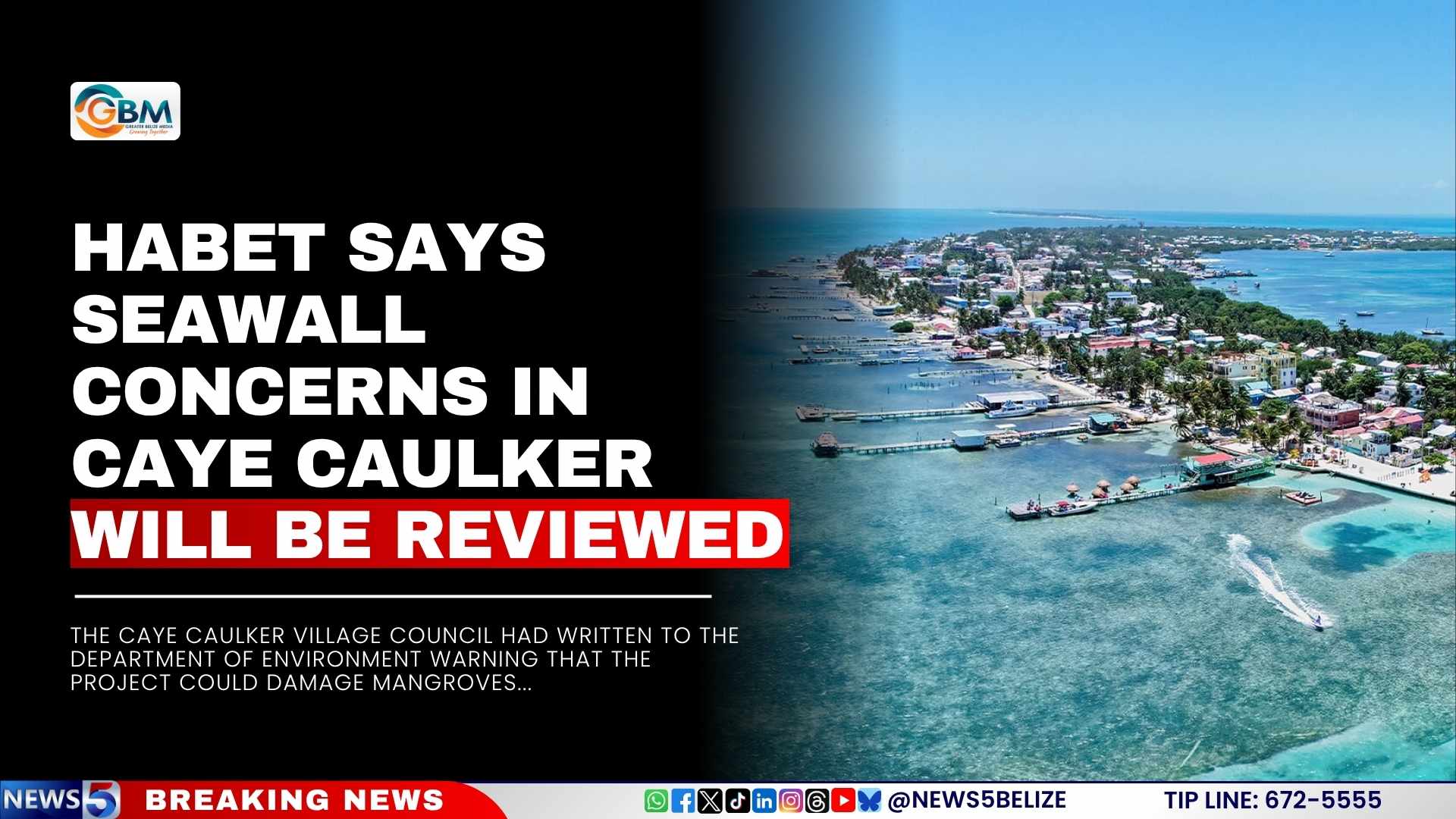
  • Habet Says Seawall Concerns in Caye Caulker Will Be Reviewed

    Habet Says Seawall Concerns in Caye Caulker Will Be Reviewed

    On July 2, 2026, Belize’s Ministry of Sustainable Development announced it would launch a joint review of a controversial proposed seawall and dredging project targeting the western mangrove ecosystem of Caye Caulker, responding to widespread community pushback over the development’s potential environmental and economic impacts.

    The Caye Caulker Village Council, the governing body for the small island community, formally submitted a letter of concern to Belize’s Department of Environment, flagging two core risks of the planned construction: irreversible damage to the island’s critical mangrove habitats, and permanent restrictions on public access to Caye Caulker’s waterfront. In the correspondence, the council highlighted that mangroves do not just support local biodiversity – they act as a natural coastal defense, mitigating shoreline erosion and buffering the island against deadly storm surges that threaten Caribbean coastal communities during hurricane season. The council also warned that unregulated development in this sensitive zone would erode the natural landscape that draws millions of tourist dollars to the island annually, threatening Caye Caulker’s core economic driver.

    Orlando Habet, Minister of Sustainable Development, confirmed that the ministry has committed to a full, transparent assessment of the project, noting he has not yet received the formal letter outlining community concerns but will initiate review immediately upon formal submission. Habet emphasized that the review will be conducted in close partnership with the Department of Environment, with evaluators weighing both potential benefits of the proposed infrastructure against the documented risks.

    “Even based on the community concerns that have already been raised, we have to approach this with an open mind: we look at what potential benefits the seawall could deliver, and we also take an honest look at the potential downsides,” Habet explained. He added that poorly sited coastal infrastructure often creates unintended harm, noting that unplanned seawall construction frequently exacerbates erosion on adjacent stretches of shoreline rather than solving the problem it aims to address.

    Habet stressed that any final approval for the project must strike a careful balance between legitimate development needs and rigorous environmental protection – a balance that is particularly critical for small, sensitive coastal communities like Caye Caulker. He also underscored the value of preserving Caye Caulker’s distinctive identity as a laid-back, pedestrian-focused tourist destination, contrasting the island with the more developed, vehicle-dense nearby San Pedro Town. “I think that there has to be a balance… you don’t want to see all those vehicles and golf carts where people are already accustomed to walk,” Habet said. For now, the project remains under formal review as environmental authorities work to address community concerns and reach a science-backed decision.

  • PISLM championing environmental reporting

    PISLM championing environmental reporting

    Ahead of the 2026 Caribbean Broadcasting Union (CBU) Media Awards set to take place in Guyana this August, the Partnership Initiative for Sustainable Land Management (PISLM) has announced a major new sponsorship that places Caribbean land degradation and restoration at the center of regional media attention. The partnership will see PISLM fund three full award categories, two of which are specifically dedicated to elevating impactful reporting on land degradation neutrality: one for best television production and a second for best digital content. This targeted sponsorship forms part of a broader PISLM strategy to encourage more on-the-ground environmental reporting that humanizes the impacts of land degradation, while also highlighting the inherent resilience of Caribbean communities and their capacity to restore damaged ecosystems. The announcement was made by PISLM Executive Director Dr. Ronen Francis during the official launch of the CBU’s 57th Annual General Assembly and Media Awards on June 16, 2026. In his remarks at the event, Francis framed regional media not as passive observers of environmental change, but as core partners in advancing sustainable land management across the Caribbean. “The stories you tell shape the decisions that shape our land,” Francis told attendees, emphasizing that media fills a critical gap that technical research reports cannot address: by centering community experiences, media turns abstract ecological data into a lived reality that resonates with the public and policymakers alike. The Caribbean region is home to globally significant landscapes, boasting biodiverse rich ecosystems, fertile agricultural soils, and deep cultural ties between local communities and their traditional lands. But as small island developing states (SIDS), Caribbean nations face disproportionate pressure on their limited land resources. Competing demands for development, growing climate impacts, and accelerating land degradation have combined to erode core pillars of regional stability, including food security, clean water access, and long-term community resilience. According to Francis, PISLM’s sponsorship of the CBU media awards is directly aligned with United Nations Sustainable Development Goal 15 (Life on Land), the global target to halt and reverse land degradation worldwide. Beyond raising public awareness of the issue, the initiative aims to drive advocacy, hold decision-makers accountable, and amplify the work already underway across the region to restore damaged land. PISLM remains committed to long-term support for Caribbean media professionals working on environmental issues. The organization recognizes that regional journalists do more than just produce content: they shape public opinion, bring much-needed visibility to both the challenges and progress around land management in the Caribbean, and lay the critical groundwork for widespread land restoration across Caribbean Small Island Developing States (CSIDS). This story was distributed via NOW Grenada, which notes it is not responsible for the opinions and content expressed by contributing partners.

  • Africa-Caribbean initiative puts soil at the centre of climate and food security discussions

    Africa-Caribbean initiative puts soil at the centre of climate and food security discussions

    Against a backdrop of rising climate vulnerability and growing global food insecurity, a groundbreaking cross-continental knowledge-sharing initiative centered on climate-resilient agriculture has officially launched, connecting a diverse community of experts, policymakers, researchers, and smallholder farmers to reframe soil as a cornerstone of climate adaptation, sustainable development, and food system stability.

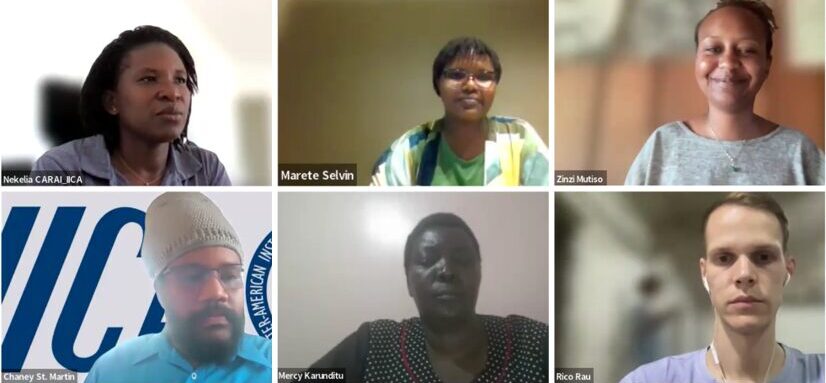
    Organized by the Caribbean Climate Responsive Agriculture Forum (CCRAF) in partnership with the Inter-American Institute for Cooperation on Agriculture (IICA) and environmental advocacy group The Allure of Soil, the new Africa-Caribbean Connect Knowledge Exchange Initiative opened with its first public webinar on June 2, 2026. Titled “Why Soil Changes Everything: Reframing Soil as the Foundation of Climate, Food and Water Systems and Development,” the online event drew more than 350 live attendees spanning the Caribbean, Africa, and other global regions.

    Unlike traditional climate discourse that often overlooks below-ground ecosystems, the webinar positioned healthy soil as far more than inert growing medium, framing it as a dynamic, living foundation that underpins climate regulation, global biodiversity, freshwater security, agricultural output, and rural livelihoods across the world. Discussions were led by a cross-regional cohort of specialists spanning soil science, agroforestry, climate policy, and sustainable land management, bringing together on-the-ground experience and academic expertise from two regions disproportionately impacted by climate change but rich in indigenous and practical agricultural knowledge.

    In her opening remarks, Nekelia Gregoire Carai, IICA’s Technical Specialist in Soil and Water Management and CCRAF Coordinator, emphasized that the new initiative marks a critical milestone in strengthening collaborative ties between the two regions. “The launch of the CCRAF Africa-Caribbean Connect Initiative represents an important milestone in building stronger bridges between Africa and the Caribbean. Both regions are rich in agricultural knowledge, innovation, and resilience. Through collaboration and practical knowledge exchange, we can strengthen food systems, empower communities, and accelerate climate action across both regions,” she said.

    Established in 2015, CCRAF has operated for over a decade as a leading regional platform for knowledge sharing and climate action across the Caribbean. Coordinated through IICA, the forum already supports a wide portfolio of activities designed to advance climate-resilient agriculture, including regional training programs, youth engagement projects, knowledge-to-action networks, and international partnerships. The Africa-Caribbean Connect Series marks the forum’s first formal, sustained cross-continental collaboration focused on soil health.

    Marete Selvin, founder of The Allure of Soil, noted that the dialogue filled a longstanding gap in global climate and development planning. “Soil is often invisible in many climate and development conversations, yet it sustains every major system we depend on. This session challenged participants to rethink soil not as dirt, but as living infrastructure essential to climate resilience, food security, water systems, biodiversity, and economic development. The Africa-Caribbean dialogue demonstrated the incredible opportunity we have when communities and regions learn from one another,” she explained.

    Chaney St Martin, IICA’s International Specialist in Water and Soil Management, unpacked the scientific case for prioritizing soil health during his presentation, outlining how healthy soil functions as a self-sustaining ecosystem that sequesters carbon, regulates hydrological cycles, supports beneficial microbial life, and boosts agricultural resilience to extreme climate events. He illustrated that degraded soils undermine the effectiveness of common agricultural investments, from irrigation infrastructure to synthetic fertilizers, drastically limiting the impact of climate adaptation efforts. “Soil is not simply a growing medium; it is living infrastructure that underpins climate stability, water systems, food production, and ultimately human survival,” St Martin emphasized.

    Attendees also received on-the-ground insights from East Africa, where regenerative soil practices have already delivered transformative results for smallholder communities. Mercy Karunditu, Director of External Relations and Advocacy at Trees for the Future, shared case studies of the organization’s Forest Garden Approach, an integrated model that combines tree planting, intercropping, composting, and regenerative farming techniques to reverse land degradation while boosting crop yields and household income. She highlighted a successful project in Tanzania, where coordinated soil restoration turned extensive degraded farmland back into a productive, biodiverse ecosystem. “Healthy soils are not just environmental assets, they are economic assets that improve livelihoods, stabilize communities, and strengthen long-term food security,” Karunditu noted.

    From a global policy perspective, Rico Rau, Policy and Research Consultant for the international Save Soil movement, outlined the systemic changes required to scale regenerative agriculture worldwide. Rau explained that widespread soil restoration offers a cost-effective, scalable solution to overlapping global crises, from food insecurity and biodiversity collapse to freshwater scarcity, while also generating long-term economic opportunity for rural farming communities. He stressed that a coordinated multi-sector effort is required to drive the transition, with critical roles for national governments, local communities, financial institutions, and educational systems. “Restoring soil is not only an environmental necessity, it is one of the most practical and scalable solutions available for climate adaptation and strengthening global food systems,” Rau said.

    Post-webinar audience polls found that attendees overwhelmingly identified food systems and freshwater systems as the two areas facing the greatest risk from ongoing soil degradation. Participants across the Caribbean, Africa, and other regions contributed actively to the event via live chat and question-and-answer sessions, praising the webinar for combining rigorous scientific insight, indigenous knowledge, narrative storytelling, and actionable, on-the-ground solutions to address shared climate challenges. Organizers noted that the high level of engagement reflects growing global momentum around soil restoration and regenerative agriculture as core components of effective climate action. The initiative is set to host additional events and collaborative projects in the coming year to continue building cross-regional capacity and advancing shared goals for climate-resilient development.
  • EIA Clears Way for Pearns Point Luxury Villa, Cites Coastal Risks That Can Be Managed

    EIA Clears Way for Pearns Point Luxury Villa, Cites Coastal Risks That Can Be Managed

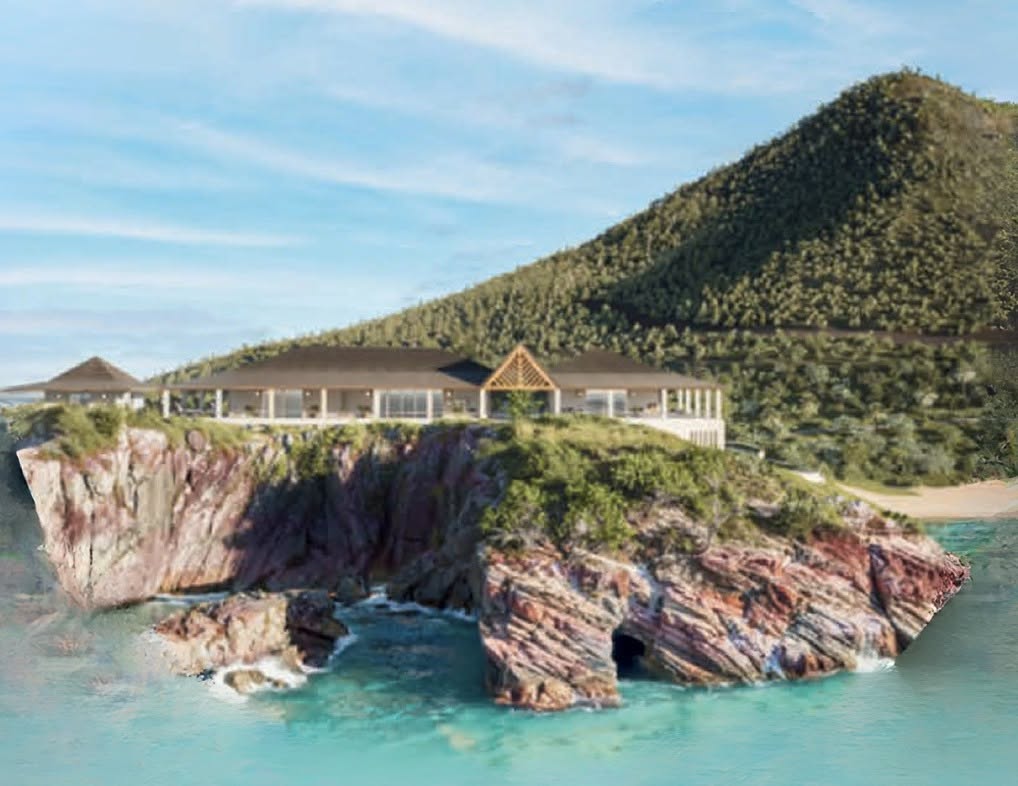
    A newly finalized Environmental Impact Assessment (EIA) has determined that a proposed multi-million-dollar luxury private villa project at Antigua and Barbuda’s Pearns Point can move forward without causing major long-term damage to local ecosystems or community interests, provided developers adhere to a robust set of engineering and environmental protection requirements.

    The 538-page study, commissioned by project owner Ariadine Ltd. and conducted by independent environmental consultancy EcoUrban Planning Ltd., evaluates the feasibility of constructing a three-storey private residence across two parcels of land, Lots 32 and 33, on a 6.69-acre rocky headland overlooking the Caribbean Sea. The approved in-principle project may later add complementary amenities including a spa, separate guest suite, and dedicated pool house. Water supply for the property will draw from local groundwater reserves, supplemented by an on-site reverse osmosis desalination plant, while all wastewater will be treated in an on-site facility and reused for landscape irrigation where regulatory approval is granted.

    While the Development Control Authority has already granted preliminary approval for the development, the island’s Department of Environment mandated a full EIA due to the site’s sensitive coastal position, as well as plans for on-site water treatment and desalination infrastructure. The assessment addressed a wide range of stakeholder concerns, from required coastal building setbacks and long-term geological stability to drainage management and ongoing environmental stewardship.

    The EIA notes that the headland’s dramatic coastal position is both the project’s primary selling point and its most significant engineering challenge. Geological surveys confirmed that the headland’s underlying volcanic bedrock is generally structurally sound for construction, with no major underground voids detected beneath the proposed villa footprint. However, investigators did find localized weathering, fractured rock formations, and natural cave systems along the site’s cliff edges that require careful excavation practices and mandatory setbacks from the cliff face to prevent instability.

    Coastal hazard resilience was a core focus of the assessment. Pearns Point is exposed to high-energy Atlantic and Caribbean wave systems, and recent tropical storms have already accelerated beach erosion and caused periodic flooding on the narrow tombolo that connects the development headland to the Antiguan mainland. Computer climate modeling shows that extreme hurricane-driven storm surges and large wave events could temporarily submerge this low-lying access route, cutting off access to the property even though the villa itself is sited at a sufficiently high elevation to avoid inundation.

    Consultants concluded that these natural risks can be mitigated to acceptable levels through targeted climate-resilient design. Key requirements include maintaining mandatory cliff-edge setbacks of 8 to 10 meters, elevating all habitable living spaces to at least 3 meters above mean sea level, building drainage infrastructure engineered to handle 100-year rainfall events, and integrating permeable surfaces, vegetated drainage swales, and natural water management features across the property. The EIA also recommends annual structural inspections of cliff faces, drainage systems, and shoreline conditions, with full updated hazard assessments conducted every 5 to 10 years to account for accelerating climate change and sea-level rise.

    Stormwater management emerged as a critical design priority, as natural surface topography on the headland directs runoff toward the tombolo and access road. Without properly designed drainage infrastructure, construction activity could worsen existing localized flooding, accelerate erosion, and increase sediment runoff into adjacent nearshore marine habitats. The assessment requires developers to implement a comprehensive Drainage Master Plan, regrade low-lying areas where necessary, and install engineered drainage networks to safely divert runoff during heavy rain events.

    Baseline marine surveys found that nearshore habitats around Pearns Point are currently in generally healthy condition, with extensive seagrass beds dominated by turtle grass, manatee grass, and Halophila stipulacea growing on sandy nearshore substrates. Since the project includes no in-water construction and all treated wastewater will be recycled for irrigation, consultants confirmed that impacts to marine ecosystems will remain negligible as long as erosion controls, wastewater management protocols, and runoff protection measures are strictly maintained throughout construction and operation.

    On land, ecological sensitivity within the proposed development footprint was found to be relatively low. The site supports native coastal vegetation, including three isolated button mangrove trees, with observed wildlife consisting primarily of native seabirds and invasive mongooses. To reduce on-site ecological harm, the EIA recommends minimizing unnecessary vegetation clearing, installing preemptive erosion controls, securing all construction waste to prevent it from reaching coastal areas, and using turtle-friendly exterior lighting to avoid disrupting nesting sea turtle behavior.

    Temporary construction-related impacts are expected, including increased dust, noise, local traffic, and minor disruptions to neighboring properties and adjacent coastal areas. However, the assessment frames these impacts as localized, short-term, and fully manageable through standard best construction practices, including active dust suppression, phased vegetation clearing, preemptive erosion controls, proper drainage design, and routine third-party environmental inspections.

    Long-term operational impacts are projected to be minimal, with the primary ongoing risks tied to regular maintenance of the wastewater treatment system, desalination plant, and drainage infrastructure. The EIA notes these risks can be effectively managed through consistent scheduled maintenance and ongoing compliance with local environmental regulations.

    The assessment also addressed public concerns around beach access at Pearns Point. While all beaches in Antigua and Barbuda are legally public, the report acknowledges that historic informal access routes currently cross privately held land within the development area. It clarifies that the Development Control Authority holds formal responsibility for establishing permanent public beach access routes in the area, and any official pathway should balance public access rights with the legal interests of private property owners.

    In its final conclusion, the EIA confirms the Ariadine Villa project is compatible with the surrounding coastal environment and can proceed without significant long-term environmental or social harm, provided all recommended protection and resilience measures are fully implemented. In addition to setback and drainage requirements, core recommendations include protecting existing marine habitats, retaining natural vegetation buffers, avoiding coastal engineering works that disrupt natural sediment movement, and integrating climate-resilient design that can withstand increasingly severe storm activity driven by climate change.

  • Sperm Whale Reserve Board launches consultations with watersports operators in Dominica to advance whale reserve inititiative

    Sperm Whale Reserve Board launches consultations with watersports operators in Dominica to advance whale reserve inititiative

    The Caribbean island nation of Dominica has reached a critical early milestone in the development of its groundbreaking, world-first sperm whale conservation reserve, as the newly appointed governing board for the project has launched its first round of engagement with key local industry stakeholders.

    On June 10, 2026, the 10-member Sperm Whale Reserve Board gathered with watersports and whale watching operators at the St. Alphonsus Parish Hall in Goodwill, marking the board’s first public consultation since it was formally established under the 2025 Sperm Whale Reserve Act. The gathering allowed board members to introduce their roles, share updates on the reserve’s development timeline, and lay out the core mandate and long-term objectives that will guide the body’s work.

    As the governing body tasked with strategic oversight of the unique protected area, the board draws representation from across public and private sectors to ensure diverse perspectives shape management of the reserve. Its membership includes delegates from multiple government ministries, the Dominica Air and Sea Ports Authority, the Dominica Watersports Association, two local fishermen’s cooperatives, a national scientific research institution, and the country’s Maritime Unit, creating a cross-sector governance framework designed to balance competing priorities for marine use.

    Lisa Valmond, chair of the Sperm Whale Reserve Board and Permanent Secretary in Dominica’s Ministry of Environment, opened the consultation by emphasizing the non-negotiable value of collaborative governance for the initiative. Valmond stressed that long-term conservation success depends on centering the needs and input of local stakeholders whose livelihoods are inherently tied to the health of the island’s marine ecosystems.

    Jullan Defoe, Minister of State in the Ministry of Agriculture, Fisheries, Blue and Green Economy, echoed that sentiment during his address to the gathering, noting that inclusive collaboration is the foundation of the reserve’s long-term viability. “The success of the Sperm Whale Reserve depends on meaningful collaboration with those who interact with our marine resources daily,” Defoe told attendees. “Through continued engagement and shared responsibility, we can protect this globally significant population of sperm whales while supporting sustainable economic opportunities for present and future generations.”

    The reserve itself marks a historic milestone in global marine conservation: it is the first protected area in the world created specifically for the long-term protection of sperm whales and their critical deep-water habitat off Dominica’s coast. The board’s core priorities span far beyond species protection, integrating conservation with sustainable economic development aligned with Dominica’s broader blue and green economy strategy. Key mandates include conserving the island’s resident sperm whale population and their habitat, advancing science-backed sustainable marine resource management, supporting ongoing research and population monitoring, developing standards for responsible whale watching and marine tourism, expanding public outreach on marine conservation, strengthening cross-stakeholder cooperation, and building a resilient, inclusive blue economy that benefits local communities.

    Industry representatives in attendance at the June 10 consultation responded positively to the board’s outreach. Delegates from the Dominica Watersports Association and local whale watching operators welcomed the opportunity for direct, ongoing dialogue with the reserve’s governing body, and reaffirmed their commitment to collaborative stewardship that positions Dominica as a global benchmark for responsible marine conservation.

    This first consultation is the opening of a series of ongoing engagement sessions planned by the board, designed to ensure that local stakeholders, community members, researchers, and conservation partners all have a voice in shaping the reserve’s management framework. Government officials frame the initiative as a landmark model that proves it is possible to balance rigorous species protection with inclusive, sustainable economic growth. Through intentional collaborative governance, the reserve is set to not only safeguard one of Dominica’s most iconic and ecologically valuable marine species, but also cement the island’s global reputation as a leader in innovative, community-centered marine conservation that will benefit generations to come.

  • Minister Welcomes Preliminary Findings on Regional Conservation Initiative

    Minister Welcomes Preliminary Findings on Regional Conservation Initiative

    A regional initiative to embed cross-party political commitment to environmental conservation across the Eastern Caribbean is moving forward in Antigua and Barbuda, after researchers from the University of the West Indies Five Islands Campus (UWI FIC) delivered the program’s preliminary findings to senior national government officials this week.

    Led by the International Conservation Caucus Foundation (ICCF), the Advancing Conservation in the Eastern Caribbean Programme was created to address growing climate and biodiversity risks across the small island developing states of the region by building sustained parliamentary support for conservation action. The initiative’s core model supports participating nations to establish inclusive, cross-party parliamentary conservation caucuses that embed environmental stewardship into formal legislative and policy processes.

    To date, three regional nations – Saint Lucia, Grenada, and Suriname – have already fully completed the program and launched their own non-partisan parliamentary conservation caucuses. Antigua and Barbuda is now on track to become the fourth participating country, following bilateral consultations between the UWI FIC research team and key local stakeholders. A national validation workshop to finalize the next steps for the country’s caucus is scheduled for July 22 at Antigua and Barbuda’s Department of Environment.

    The UWI FIC delegation that presented the preliminary findings included Dr. Branson Belle, Executive Director of the institution’s Centre of Excellence for Oceanography and Blue Economy, and marine and conservation researcher Dr. Christopher Waters. The findings were shared with Hon. Michael Joseph, Antigua and Barbuda’s Minister of Health, Wellness, Environment and Civil Service Affairs, and Jaabari Reynolds, Biodiversity Focal Point at the national Department of Environment.

    To ensure broad buy-in from all segments of national life, the upcoming July validation workshop will be split into two separate sessions designed to accommodate input from a wide range of groups. The structure aligns with the program’s emphasis on a “Whole of Society” approach to conservation and sustainable development, which brings together actors across public and private sectors to tackle shared environmental challenges.

    Minister Joseph welcomed the initiative, emphasizing that collective, coordinated action is the only effective way to confront the accelerating impacts of climate change across small island states. “The effects of climate change are far-reaching and touch every aspect of our lives. Addressing these challenges requires a coordinated Whole of Society approach that brings together government, civil society, the private sector, academia and our communities,” Joseph stated in remarks following the presentation.

    He added that cross-sector initiatives like the ICCF program play a critical role in strengthening national conservation commitments, while nurturing innovative solutions and building long-term climate resilience for current and future generations.

    When fully rolled out across the region, the program is expected to create a standardized framework for deeper parliamentary engagement in environmental policy-making, and strengthen cross-border collaboration to advance shared goals for biodiversity protection and climate resilience across the Eastern Caribbean.

  • Mangroves Under Pressure as Development Expands on Caye Caulker

    Mangroves Under Pressure as Development Expands on Caye Caulker

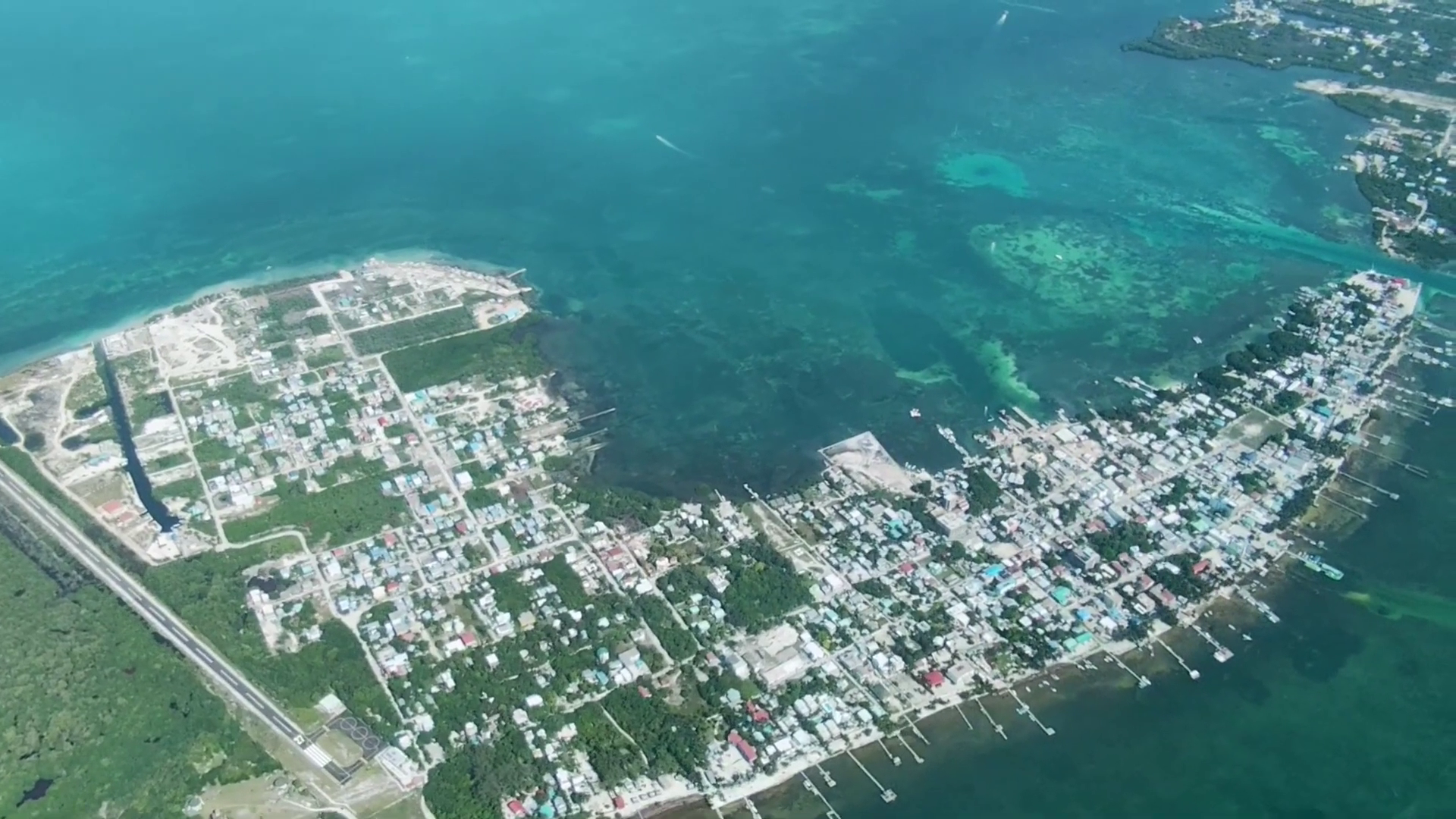
    Nestled off the coast of Belize, the small island of Caye Caulker has long prided itself on walking a fine line between economic growth and protecting the dramatic natural ecosystems that make it a beloved destination for locals and travelers alike. That delicate equilibrium, however, now faces an unprecedented threat from unregulated coastal construction, according to local village leaders who are sounding the alarm over new projects targeting the island’s critical western mangrove zone.

    The Caye Caulker Village Council is at the center of the growing dispute, raising urgent red flags over a recently approved private development that includes seawall construction and large-scale silt extraction in the island’s western mangrove forest. Ecologists and local leaders have long recognized mangroves as one of the most valuable natural coastal defenses: these dense, root-packed forests absorb wave energy, cut erosion risk, and reduce the height of storm surges during tropical storms and hurricanes that regularly threaten Caribbean coastlines. Beyond environmental protection, the council also warns that unchecked private expansion along the waterfront could permanently cut off public access to coastal areas that have traditionally been open to all Belizeans. Instead of pushing forward with current plans, village officials are calling for a region-wide shift to sustainable development models that safeguard both ecological integrity and public access rights.

    While the Belizean national government has already taken small steps to rein in overdevelopment, implementing a six-month moratorium on buildings taller than three stories in May and rolling out traffic regulations that prioritize low-impact golf carts over larger, more ecologically damaging vehicles, the Caye Caulker Village Council argues these measures do not go far enough to protect the island’s future. Council Chairlady Seleny Villanueva-Pott told reporters that national authorities have already granted approval to Quality Poultry Products Limited for the controversial western coast project.

    “This project is of particular concern to the entire council because it sits right in the middle of the village’s western waterfront,” Villanueva-Pott explained in an interview with local outlet News Five. “Carrying out dredging work just 50 feet off the western shore places it extremely close to the main island. When hurricanes hit this coast, that lack of natural buffer means we will see larger waves rolling in, and we simply cannot predict how high storm surges will climb. When Hurricane Keith hit the region, we saw surges between six and 10 feet high—these are not hypothetical concerns, they are risks that community members live with every day, and we have a responsibility to address them.”

    Villanueva-Pott emphasized that the island’s existing mangrove forest acts as a free, highly effective natural storm buffer that cannot be easily replaced by man-made infrastructure. She added that the council has been in active negotiations with the company to adjust the project plans to cut ecological harm, proposing a range of alternatives that would protect mangroves while still allowing the development to move forward. These alternatives include sourcing required silt from other locations farther from the island’s core and pruning existing mangroves rather than clearing them entirely to make space for construction.

    “Even if a seawall protects sand in the immediate project area, it creates new erosion problems for neighboring properties down the coast,” Villanueva-Pott pointed out. “This area is already prone to frequent flooding, so we have asked the company to consider alternative infrastructure designs that work with the natural landscape instead of against it. Other developers on the island have sourced sand from dredging operations carried out farther offshore, that is a perfectly viable alternative this company could adopt. We are asking them to consider how they can incorporate the existing mangrove ecosystem into their plans, rather than clearing it, because this whole area is extremely low-lying and vulnerable.”

    The proposed project site is also earmarked by the council for a future public marketplace, adding another layer of conflict to the current dredging work. In response to the council’s objections, Andre Perez, the Area Representative for Belize Rural South, issued an official letter stating he has no opposition to the project. The development includes dredging roughly 1,500 cubic yards of sediment to create a private access channel, filling in a section of public coastal reserve, building the contested seawall, and erecting a private security fence along the waterfront. Perez noted in his letter that the project will drive local economic growth and advised the company to adhere to all operational regulations set by Belize’s Mining Department. This report was compiled from on-the-ground reporting by Britney Gordon of News Five.

  • Jumby Bay Orders Swift Removal of Seaweed Following Environmental Complaints

    Jumby Bay Orders Swift Removal of Seaweed Following Environmental Complaints

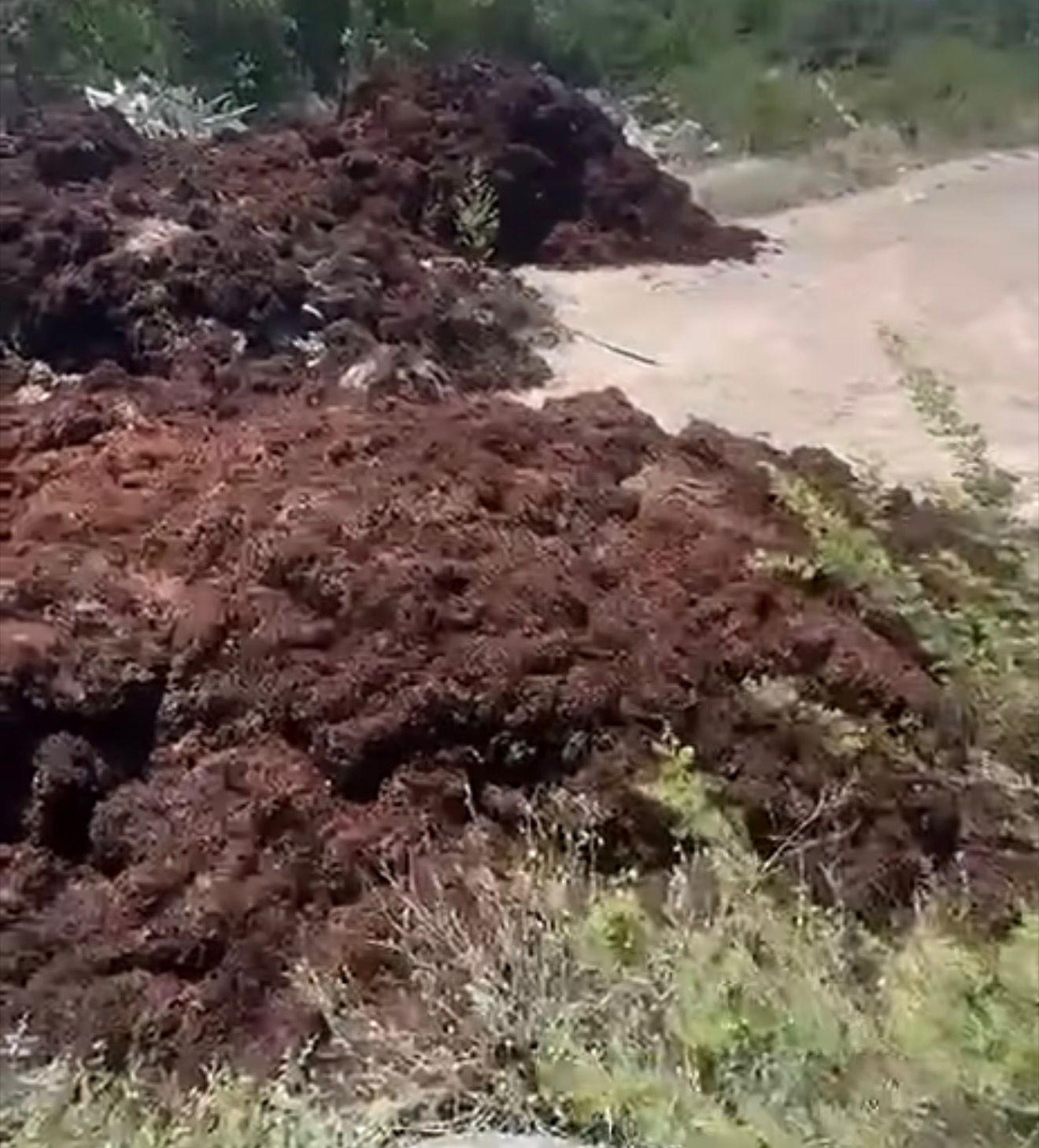
    A popular resort on Antigua has moved quickly to address community anger over improper seaweed disposal, announcing immediate action to clear the illegally dumped material near the town of Parham. Jumby Bay Resort confirmed that it has issued a direct order to its contracted work team to remove the seaweed, a response triggered by widespread concerns from local residents about the environmental and public health impacts of the unregulated dumping. In an official public statement released this week, executive leadership at the resort said the issue was raised in a formal consultation with Rawdon Turner, Antigua’s Minister of Social and Urban Transformation, during a meeting held Tuesday morning. Resort management emphasized that it moved without hesitation as soon as internal leaders became aware of the inappropriate disposal, noting that the contractor responsible for the seaweed transport and placement has been explicitly told to complete the full cleanup without any delay. Beyond the immediate cleanup order, the resort announced that new, stricter monitoring protocols will be put in place going forward to ensure all future operations align fully with Antigua’s national environmental protection standards. In a gesture of accountability, Jumby Bay’s team also formally validated the concerns raised by nearby residents, reaffirming its long-standing pledge to preserve Antigua’s natural coastal ecosystems and nurture collaborative, positive relationships with all neighboring local communities. The resort’s statement comes on the heels of growing public pushback over the dumping, which had spurred widespread community calls not just for removal of the existing seaweed pile, but for tighter regulatory oversight of coastal waste disposal across the island. Sargassum seaweed influxes have become an increasingly common challenge for Caribbean coastal communities in recent years, with improper disposal creating risks of water contamination, foul odors, and harm to local marine habitats when not managed according to official guidelines.