分类: environment

  • Belize City Council Plans Quick Response to Sargassum Crisis

    Belize City Council Plans Quick Response to Sargassum Crisis

    In what local leaders describe as an unprecedented ecological and public health challenge, Belize City is racing to contain a massive seasonal sargassum bloom that has smothered large stretches of its coastline in recent weeks. What has long been a recurring seasonal nuisance has escalated into a crisis this year, with volumes of the drifting brown seaweed far exceeding any previous event the city has managed. The uninvited marine influx has already triggered widespread alarm over stagnant seaweed piles that emit foul odors, damage fragile coastal ecosystems, and create measurable public health risks for local communities and visitors.

    Mayor Bernard Wagner of Belize City confirmed in an interview with local outlet News Five on July 7, 2026, that municipal authorities have activated an urgent coordinated response alongside the national Department of the Environment (DOE) to stop the situation from deteriorating further. Speaking to reporters, Wagner emphasized that the crisis extends far beyond Belize City’s borders, framing the sargassum incursion as a nationwide issue that demands immediate, on-the-ground action rather than drawn-out long-term planning that would delay critical cleanup work.

    “This is a pressing problem right now, and we need to map out solutions for the short, medium, and long term all at once,” Wagner explained of the recent interagency brainstorming session focused on the crisis. “Our priority right now is immediate cleanup and mitigation. We can’t afford to get stuck planning for the far future while the coastline is covered. We need boots on the ground today.”

    To move the response forward quickly, the city council has deployed a technical team including the city planner, city engineer Floyd Williams, and the municipal works director to conduct an immediate on-site assessment of the sargassum volume and spread across affected coastal areas. The team is tasked with developing a short-term removal plan that outlines what heavy machinery and hauling trucks will be required to clear the shoreline. That assessment will then be sent back to city leadership to secure the necessary equipment and launch cleanup operations.

    Meanwhile, the city’s Chief Emergency Management Officer coordinator Melanie has already coordinated with the DOE to identify a proper disposal site for the harvested seaweed. Per DOE guidance, the designated municipal waste management facility has been selected as the most appropriate location for permanent disposal to avoid secondary environmental contamination.

    Wagner stressed that the Belize City Council’s core immediate goal is to shift rapidly from assessment and planning to active mitigation, with hopes of clearing affected shorelines before the sargassum bloom expands and worsens in the coming weeks.

  • SWM roept op zuinig om te gaan met drinkwater; droogte verwacht

    SWM roept op zuinig om te gaan met drinkwater; droogte verwacht

    Suriname’s primary water utility company, De Surinaamsche Waterleiding Maatschappij (SWM), has issued an urgent public appeal to households, businesses, and institutional users across the country to cut back on non-essential drinking water consumption, as global climate and meteorological bodies warn that the upcoming El Niño weather event is set to trigger prolonged dry spells and extreme drought across multiple regional territories in the coming months. SWM officials confirm that Suriname is not immune to the expected adverse impacts of this climate phenomenon.

    The utility explains that the forecasted drought will put unprecedented additional strain on the country’s existing drinking water distribution network, with multiple overlapping factors worsening demand pressures. First, water consumption already sees a consistent seasonal surge during the annual school holiday period, when families spend more time at home and engage in more water-intensive activities. Second, soaring temperatures during the dry season drive even higher demand for drinking water: residents increase their frequency of showering to cool off, raise personal drinking water intake, and use more water to irrigate home gardens and outdoor plants.

    To prepare for potential supply shortfalls, SWM has implemented continuous monitoring of water reserve levels and is developing contingency plans for multiple risk scenarios, all with the core goal of preserving uninterrupted access to safe drinking water for all communities. The company’s planning prioritizes measures that will deliver fair, efficient allocation of the nation’s available drinking water reserves if supply constraints occur.

    Against this backdrop, SWM stresses that collective public action is critical to reducing avoidable strain on water systems. Cutting down on unnecessary water waste through intentional, conscious use can lower overall demand pressure and ensure that sufficient drinking water remains available for all residents through the dry season.

    To guide the public, SWM has released a set of practical, easy-to-adopt water-saving tips for households. These recommendations include only running washing machines when fully loaded and using the appliance’s built-in water-saving cycle, washing vehicles with a bucket rather than an open garden hose that wastes water, turning off the tap while brushing teeth, shaving, or lathering up during showers, shortening shower times to reduce excess water use, watering outdoor plants and gardens only during early morning or late evening hours to minimize evaporation loss, and washing dishes in a filled sink rather than leaving a tap running continuously during cleaning.

  • VACANCY ANNOUNCEMENT: Chief Wale Reserve Officer

    VACANCY ANNOUNCEMENT: Chief Wale Reserve Officer

    The Commonwealth of Dominica’s Ministry of Agriculture, Fisheries, Blue and Green Economy has launched a call for applications for a newly established key leadership position: Chief Whale Reserve Officer. This role comes as the island nation works steadily toward the targets laid out in its National Resilience Development Strategy (NRDS) 2030, a long-term plan that prioritizes the sustainable growth of interconnected blue and green economic sectors.

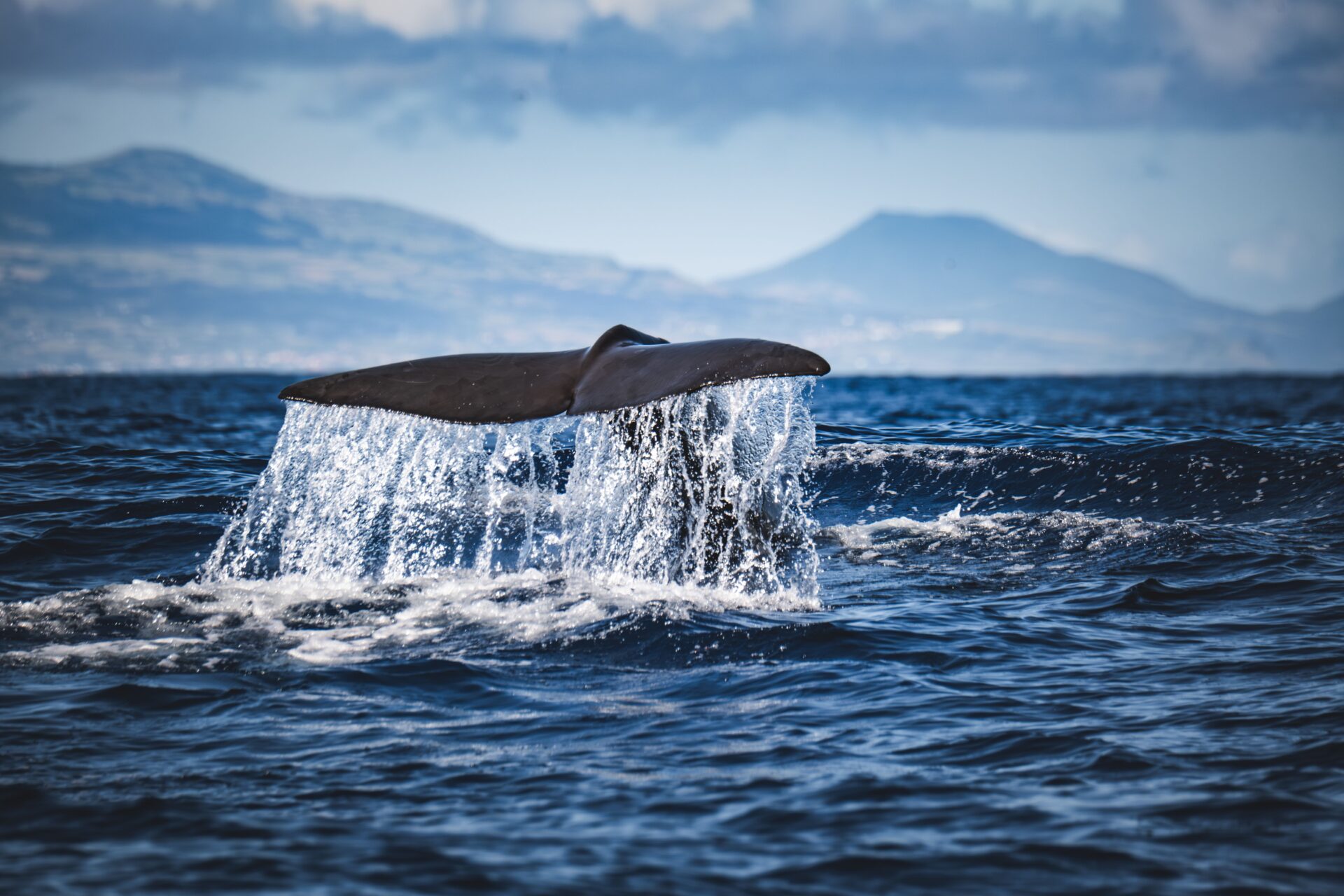
    At the core of this opportunity is a chance to shape the future of Dominica’s unique Sperm Whale Reserve, a critical conservation area that supports both marine biodiversity protection and the country’s growing sustainable whale tourism industry. The person selected for the position will take end-to-end ownership of all reserve management activities, from high-level strategic planning to day-to-day operations.

    Among the extensive list of core responsibilities, the successful candidate will lead the development, budget alignment, and rollout of the reserve’s official long-term management plans. They will also oversee all human resources operations for the reserve, including recruiting new team members, delivering targeted skills training, and providing ongoing supervision for all on-site and administrative staff. Regular progress reporting to ministry leadership, as well as providing expert technical guidance on cetacean conservation and reserve management matters, will also make up a key portion of the role.

    Beyond internal operations, the Chief Whale Reserve Officer will lead all public outreach initiatives to raise awareness of the reserve’s conservation mission, and coordinate engagement with a wide range of local and international stakeholders. They will also collaborate closely with the Dominica Police Force and national Coast Guard to organize coordinated monitoring, surveillance, and enforcement activities across the reserve’s protected boundaries to prevent illegal activities that threaten whale populations and their habitats. A key strategic goal for the role will also be pursuing external grant funding, building conservation-focused partnerships, and leading fundraising initiatives to secure long-term financial and institutional support for the reserve’s work.

    Applications from qualified, environmentally passionate candidates are open until the deadline of Wednesday, July 15, 2026. Interested individuals may submit their application materials through three approved channels: hand delivery to the ministry’s offices, submission via traditional post, or email. All applications should be addressed to the Permanent Secretary of the Ministry of Agriculture, Fisheries, Blue and Green Economy, located at Government Headquarters on Kennedy Avenue in Roseau, the capital of Dominica. Electronic applications can be sent directly to the official ministry email address [email protected].

  • Environment Ministry announces 10 million-tree reforestation initiative

    Environment Ministry announces 10 million-tree reforestation initiative

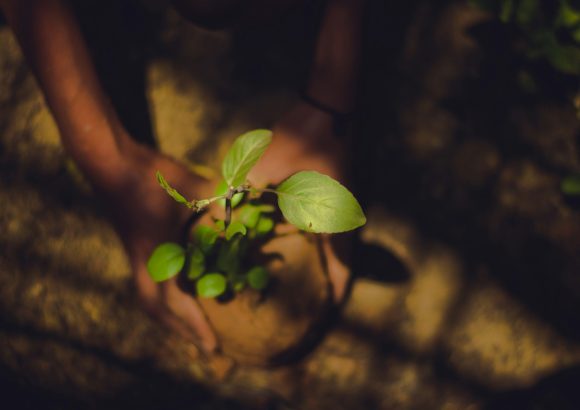
    Three leading Dominican government agencies have joined forces to launch an ambitious nationwide reforestation program that will see 10 million new trees planted across the country over the next two years. The partnership brings together the Dominican Ministry of Environment and Natural Resources, national road authority RD Vial, and the General Directorate for the Beautification of Highways and Ring Roads (Digecac) to advance targeted greening of the country’s key transportation infrastructure.

    The core objectives of this large-scale project extend far beyond simple tree planting. Planners aim to reverse decades of vegetation loss along busy road corridors, restore natural ground cover that prevents erosion and supports local biodiversity, upgrade the visual aesthetic of major travel routes, and expand the country’s total urban and peri-urban green space footprint.

    Organizers have identified a slate of high-priority routes that will receive the earliest and most concentrated planting efforts. These key locations include the Azua Ring Road, Coral Highway, 6 de Noviembre Highway, Juan Pablo II Highway, the segment of Duarte Highway adjacent to the North Ring Road, and Ecological Avenue, alongside other strategically important transportation corridors across the country.

    Environment Minister Paíno Henríquez emphasized that the initiative is a tangible demonstration of the current administration’s commitment to environmental restoration and sustainable infrastructure management. He noted that his department has already built the technical capacity and operational framework required to support a mass tree-planting campaign of this scale, and is ready to deliver on its commitments.

    To ensure smooth execution and consistent progress, a dedicated inter-agency technical commission will be formed to take on critical coordination tasks. This body will be responsible for outlining detailed implementation strategies, aligning the efforts of all participating organizations, and providing ongoing oversight to track the project’s development against its two-year timeline. RD Vial Director Hostos Rizik Lugo confirmed that the agency has already assembled all required personnel and allocated necessary resources to kick off on-the-ground work immediately. Digecac Director Rodolfo Valera Grullón also reaffirmed his institution’s commitment, pledging full technical and operational support to guarantee the initiative meets its goals.

  • Scientists probe Saharan dust–sargassum link

    Scientists probe Saharan dust–sargassum link

    Six decades after it first began tracking atmospheric conditions, Barbados’ iconic Ragged Point atmospheric monitoring station is turning its long-running data collection toward a pressing regional ecological question: could nutrient-rich dust carried thousands of miles from the Sahara Desert be fueling the massive sargassum blooms that have plagued Caribbean coastlines in recent years?

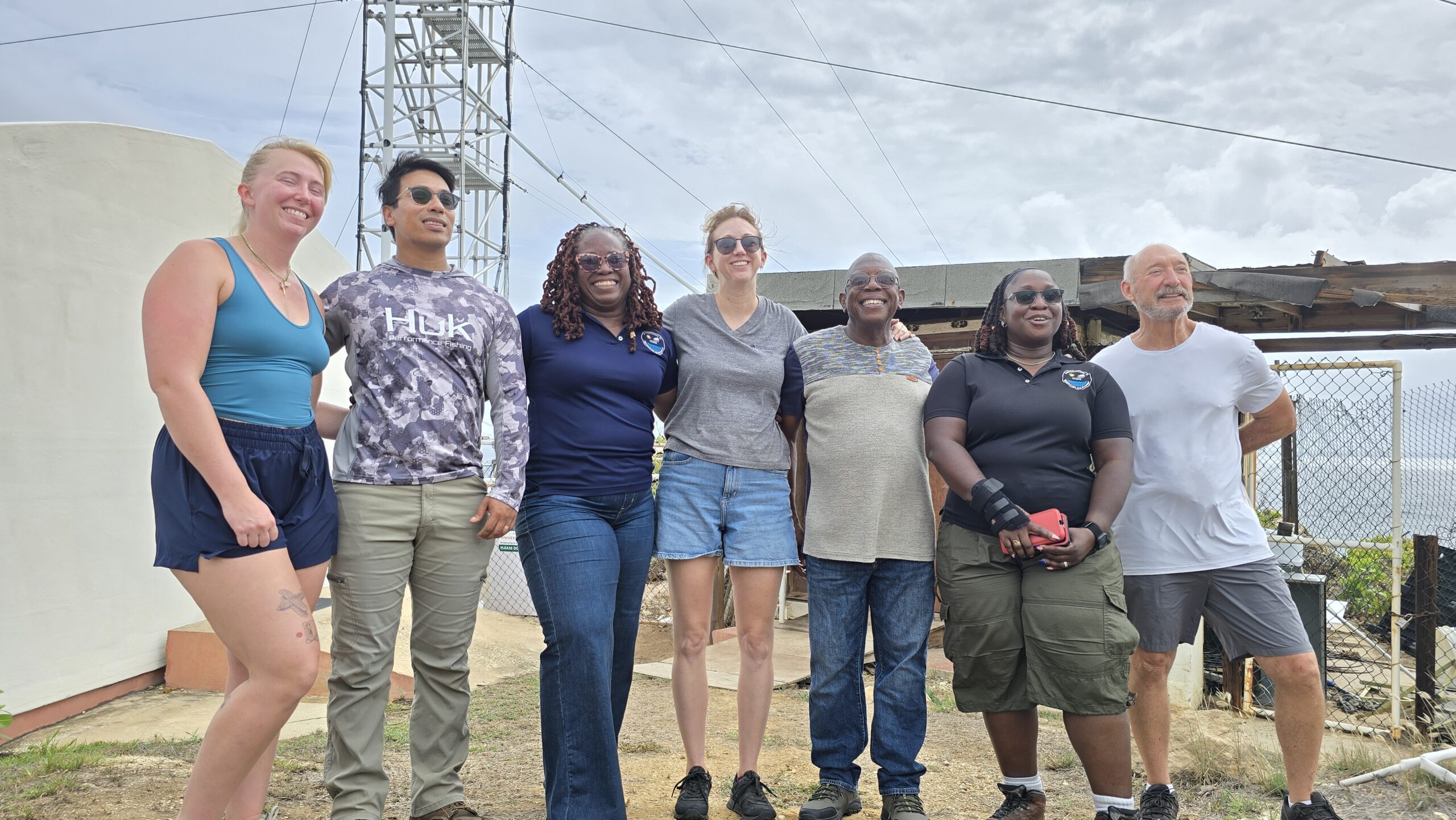
    The new research initiative was announced Monday during anniversary celebrations for the station, which is operated under the Barbados Atmospheric Chemistry Observatory (BACO) in partnership with the University of Miami. Now recognized as one of the world’s longest uninterrupted records of atmospheric aerosols and climate conditions, the site has transformed scientific understanding of how Saharan dust travels across the Atlantic to the Caribbean, North America and the Amazon Basin, researchers noted.

    Cassandra Gaston, a University of Miami atmospheric sciences professor and principal investigator for the Ragged Point site, explained that while existing research has documented two well-known impacts of transatlantic Saharan dust—worsened respiratory illness for vulnerable populations and reduced hurricane intensity— the link between dust and sargassum growth remains an uncharted frontier. Massive accumulations of the brown seaweed have increasingly washed ashore on Barbados and other Caribbean islands in recent years, causing disruptions to fishing, tourism and coastal ecosystems, but the exact drivers of the blooms are still not fully understood.

    “We’re curious if dust is part of what’s feeding these massive sargassum arrivals,” Gaston told reporters during the briefing. “We know dust carries critical nutrients that support marine life, and both dust and sargassum follow consistent transatlantic circulation patterns: dust moves with wind currents, while sargassum drifts with ocean currents. That overlap made us ask if there’s a causal connection.”

    Gaston emphasized that the research is still in its early stages, and scientists have not yet confirmed if a meaningful relationship exists. Beyond answering a core ecological question, the team hopes the findings could open new pathways to mitigate sargassum blooms before they reach Caribbean coastlines.

    The research also builds on a growing body of work that recognizes the dual role Saharan dust plays in global climate and ecosystems. Beyond its less desirable impacts, dust delivers essential nutrients that fertilize marine and terrestrial ecosystems, supporting natural carbon sequestration that helps regulate global atmospheric carbon dioxide levels. “Dust is a natural climate regulator,” Gaston explained. “The nutrients it carries feed photosynthesis in the ocean and biosphere, pulling carbon dioxide out of the atmosphere and sequestering it long-term. That’s a critical service we can’t ignore.”

    For hurricanes, the effect is similarly well-documented: Saharan dust events create a layer of hot, dry air across the tropical Atlantic that strips hurricanes of the moisture they need to intensify, a trend that has been studied for years by researchers at the U.S. National Oceanic and Atmospheric Administration (NOAA) and other institutions.

    But the 60 years of continuous data from Ragged Point has also revealed a worrying new trend: Saharan dust is now arriving in increasing volumes outside of its traditional peak season. “We’re seeing larger dust outbreaks in winter and spring, which were not historically peak periods,” Gaston said. “We’re also getting more wildfire smoke from African blazes during these off seasons, including an unprecedented large event last winter that we’ve never seen in our entire 60-year record.”

    Researchers emphasized that the Ragged Point station’s long, uninterrupted dataset is irreplaceable for global climate science. “There’s no other site with a comparable long-term record of aerosols and climate conditions,” Gaston noted. “It’s been a pivotal site for the global scientific community, and its data has been instrumental in improving everything from climate models to air quality forecasting for the region.”

    For the Caribbean Institute for Meteorology and Hydrology (CIMH), the long-term dust record from Ragged Point is critical for refining regional air quality forecasts. Andrea Sealy, a CIMH meteorologist and chair of the World Meteorological Organization’s Pan-American Sand and Dust Storm Warning Advisory and Assessment System, said regional agencies are now working more closely with public health sectors to develop targeted advisories for Saharan dust events.

    “When dust outbreaks occur, we tailor advisories specifically for these events, bringing multiple sectors together to keep the public informed,” Sealy explained, adding that research into Saharan dust impacts has expanded dramatically in recent years to cover everything from renewable energy generation and public health to microbial ecosystems and hurricane development.

    For people with pre-existing respiratory conditions, Gaston advised taking simple precautions during heavy dust events, similar to the health protocols widely adopted during the COVID-19 pandemic. “Wearing a well-fitting mask is very effective at blocking dust particles,” she said. “If you have a pre-existing condition, staying indoors as much as possible during major events is a good precaution.”

    Edmund Blades, a retired microbiologist who collaborated with the Ragged Point facility for more than 30 years, praised the longstanding partnership between the University of Miami and Barbados, noting that sustained investment in equipment, staff and cross-sector collaboration has built a legacy that benefits the entire Barbadian public. “Over decades, that consistent commitment has allowed this work to grow and deliver real value, and that’s something the public here really appreciates,” Blades said.
  • Tourism Ministry leads ‘Love SVG’ cleanliness initiative for Vincymas

    Tourism Ministry leads ‘Love SVG’ cleanliness initiative for Vincymas

    A cross-sector collaboration led by St. Vincent and the Grenadines’ Ministry of Tourism, Civil Aviation and Sustainable Development has launched a nationwide environmental campaign, calling on both local residents and international visitors to prioritize waste responsibility and preserve the nation’s natural cleanliness.

    The unifying initiative brings together six key national stakeholders: the Solid Waste Management Unit, the Royal St. Vincent and the Grenadines Police Force, the Public Health Department, the Kingstown Town Board, and the Carnival Development Corporation. Financial backing for the project is provided through two existing development programs: the Global Environment Facility and the National Ozone Unit projects.

    Centered around the rallying slogan “Love SVG”, the campaign targets the elevated waste risks that accompany the annual Vincymas carnival, one of the nation’s biggest cultural events. With large crowds flocking to the capital Kingstown and other high-traffic hubs for festivities, poor waste disposal and widespread littering have historically become common challenges during the peak celebration period. To address this gap, the partnership has already distributed 85 purpose-placed waste bins to street vendors, event organizers and relevant government ministries. These bins have been positioned at high-footfall locations across Kingstown and Arnos Vale, areas expected to draw the largest number of carnival attendees this season.

    Beyond infrastructure upgrades, the campaign is also ramping up public education to drive long-term behavioral change. Partner organizations will run coordinated awareness campaigns across both traditional and digital media channels, using targeted advertising, public service announcements and on-the-ground community outreach to spread the message of responsible waste management. Organizers emphasize that the goal extends far beyond the carnival season: the initiative seeks to embed sustainable waste habits that keep St. Vincent and the Grenadines clean year-round, while maintaining a welcoming, attractive environment for both locals and tourists.

    In an official press statement announcing the campaign, the ministry noted: “The Ministry and its partners are urging everyone to demonstrate their love for SVG by actively protecting our country’s environment and disposing of waste responsibly while enjoying the local vibe.”

  • Column: Wanneer de rivier ziek wordt

    Column: Wanneer de rivier ziek wordt

    Suriname has long claimed the title of the world’s greenest nation, pointing to its vast old-growth forests, extraordinary biodiversity, and winding network of headwater rivers that act as the country’s ecological lifelines. International bodies have repeatedly celebrated the South American nation for its forest conservation and contributions to global climate change mitigation efforts. But the recent mass fish die-off in the Saramacca River has pulled back the curtain on a deeper, long-ignored environmental crisis that challenges this polished green reputation.

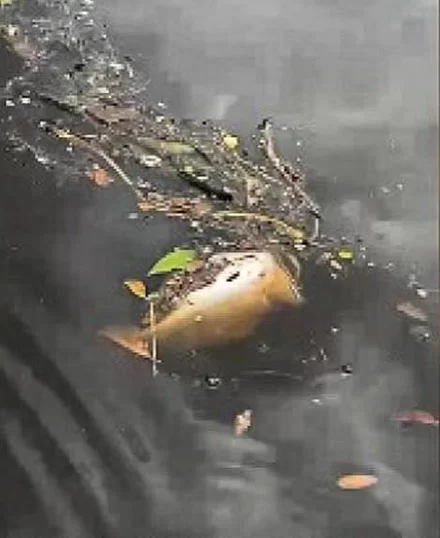
    For indigenous and local communities living along the banks of the Saramacca, the hundreds of dead fish washing ashore are far more than an environmental anomaly. The disaster threatens their food security, access to clean drinking water, centuries-old cultural traditions, and ultimately their entire way of life, sparking widespread anxiety and outrage across the country. To date, the root cause of the mortality event remains unconfirmed, with widespread public speculation ranging from cyanide contamination to mercury poisoning. In response to the uncertainty, Suriname’s National Environmental Authority (NMA) has launched additional independent testing supported by international laboratories, a move that comes at a moment when unconfirmed claims on social media often outpace rigorous scientific investigation. Experts emphasize that caution and evidence-based conclusions are critical to maintaining public trust in national institutions, even as community members question the NMA’s slow response to early alarms raised by local residents.

    While public debate has centered on identifying the immediate cause of the Saramacca fish deaths, a far larger systemic threat to Suriname’s waterways has largely flown under the radar. For decades, nearly all of the country’s major river systems – including the Marowijne, Lawa, Tapanahony, and Coppename, in addition to the Saramacca – have been pushed to the breaking point by unregulated small-scale gold mining, widespread deforestation, and other extractive human activities. Scientists, international environmental organizations, and local advocacy groups have been sounding the alarm about these cumulative pressures for years, but systemic policy action has failed to materialize.

    It is true that the ongoing gold rush has generated much-needed revenue for Suriname’s economy, but it has also left a staggering environmental bill that the country has been reluctant to confront. Large swathes of old-growth forest have been cleared for mining access, topsoil has been severely degraded and contaminated, and polluted runoff from mining sites flows directly into the creeks and rivers that thousands of Surinamese depend on for survival. A healthy forest ecosystem is far more than just standing trees: it relies on intact, unpolluted soil to sustain the entire web of life, from microorganisms to fish to human communities. When soil is repeatedly excavated and contaminated over decades, the entire interconnected ecosystem – water, wildlife, and eventually people – suffers irreversible damage.

    Ironically, while Suriname has formally banned the import of mercury for mining, the use of the toxic heavy metal remains widely permitted and widespread across the country. The import ban exists only on paper; visitors to Suriname’s interior can readily observe large quantities of mercury being used in informal small-scale gold mining operations, an open secret that regulators have failed to address. The recent disappearance of more than 300 kilograms of mercury from a police station compound in Geyersvlijt has only amplified public anger and mistrust, raising urgent unanswered questions: Where has the toxic material gone? And could it end up contaminating already vulnerable waterways? Suriname’s public still awaits clear, official answers.

    For coastal residents, rivers are often just geographic features to cross by boat or plane. But for the thousands of people who call the inland regions home, rivers are the very foundation of life. Most inland villages are only accessible by water or air, making rivers their primary connection to the outside world. Communities drink from the rivers, bathe in them, fish in them, and rely on them for transportation – they are literal lifelines that shape every part of daily and cultural life. When a river becomes contaminated and sick, the entire community that depends on it becomes sick too.

    Against this backdrop, the recent call for action from the Association of Indigenous Village Leaders in Suriname carries new weight. Indigenous knowledge does not replace rigorous laboratory testing, but the communities that have lived along these rivers for generations often spot ecological changes long before formal scientific monitoring teams arrive. Traditional ecological knowledge and Western scientific practice do not need to be opposing forces; they can complement and reinforce one another to build a more complete picture of river health.

    Currently, systemic monitoring of Suriname’s river ecosystems remains woefully inadequate. Even as past studies have already confirmed elevated mercury levels in fish caught across multiple regions, the country typically only responds when a crisis hits – when thousands of fish die, when communities fall ill, or when local leaders are forced to sound the alarm. A coordinated, long-term policy framework to protect Suriname’s rivers, soil, and interconnected ecosystems has yet to be implemented.

    The Saramacca fish die-off offers a critical wake-up call for Suriname. The true measure of a green nation is not just how much forest it retains on satellite maps, but the health of its soil, its waterways, and the communities that depend on those natural resources. It is time for the country to ask itself an honest question: Is Suriname truly the greenest nation on Earth, or is it only green from space, while the rivers that have sustained it for centuries slowly collapse under the pressure of unregulated extraction? Rivers do not die suddenly. They die slowly, bit by bit, as cumulative contamination and degradation wear away at their ecosystems. When a nation loses its clean water, it loses far more than just rivers – it loses the foundation of life itself.

  • Environment : Fight against the use of polystyrene «Let’s change the system, not the climate !»

    Environment : Fight against the use of polystyrene «Let’s change the system, not the climate !»

    Thirteen years after the Haitian government signed a decree outlawing all forms of polystyrene across the country, the nation’s leading grassroots climate movement is demanding that officials finally put the long-ignored policy into action, with a planned national mobilization next week to push for change.

    Alternatiba Haiti, the National Citizens’ Climate Movement, brought together 52 representatives — 24 women and 28 men from 23 local movement chapters and four partner civil society organizations — for the group’s first 2026 National Coordination meeting, held in the northeastern city of Ouanaminthe from July 3 to 5. Over three days of deliberations, delegates assessed Haiti’s overlapping socio-economic, political and environmental crises, reviewed progress and challenges from local chapter work across the country, completed training in peaceful direct action tactics, and finalized plans for the July 10 national mobilization.

    The date marks exactly 13 years since the Haitian administration approved the 2013 decree banning the production, importation, sale and use of all forms of polystyrene, more commonly known as Styrofoam. To date, no consecutive government has taken meaningful steps to enforce the regulation, leaving the country grappling with a growing waste crisis that activists say amplifies the nation’s already extreme vulnerability to climate disasters.

    Activists point to widespread polystyrene and plastic waste clogging the country’s ravines, river channels and drainage infrastructure, which worsens seasonal flooding that destroys homes, displaces communities and disrupts livelihoods annually. Beyond flood risk, uncollected polystyrene waste also poses a growing threat to public health across Haiti’s most underserved communities, movement leaders emphasized.

    Framing environmental action as core to public health, intergenerational justice and equitable development, Alternatiba Haiti is calling for the immediate, unconditional enforcement of the 2013 polystyrene ban. The movement is also pushing for targeted government measures to support the adoption and scaling of affordable, eco-friendly alternative packaging and materials for local businesses.

    The group has issued a national call to action, inviting all Haitian citizens, civil society organizations and public institutions to join the July 10 mobilization to demand policy compliance and urgent environmental protection. Operating through a network of 40 local chapters across the country, Alternatiba Haiti says it will continue leading a broader movement for alternative, people-centered development rooted in climate justice, government transparency, grassroots participation and respect for Haitian communities’ rights.

    In a statement following the coordination meeting, the movement reaffirmed its core message: “No development without security, no environmental protection without political will, and no sustainable future without respect for the law” — uniting under the rallying cry, “Let’s change the system, not the climate!”

  • City Officials Scramble for Plan as Sargassum Builds Along Coastline

    City Officials Scramble for Plan as Sargassum Builds Along Coastline

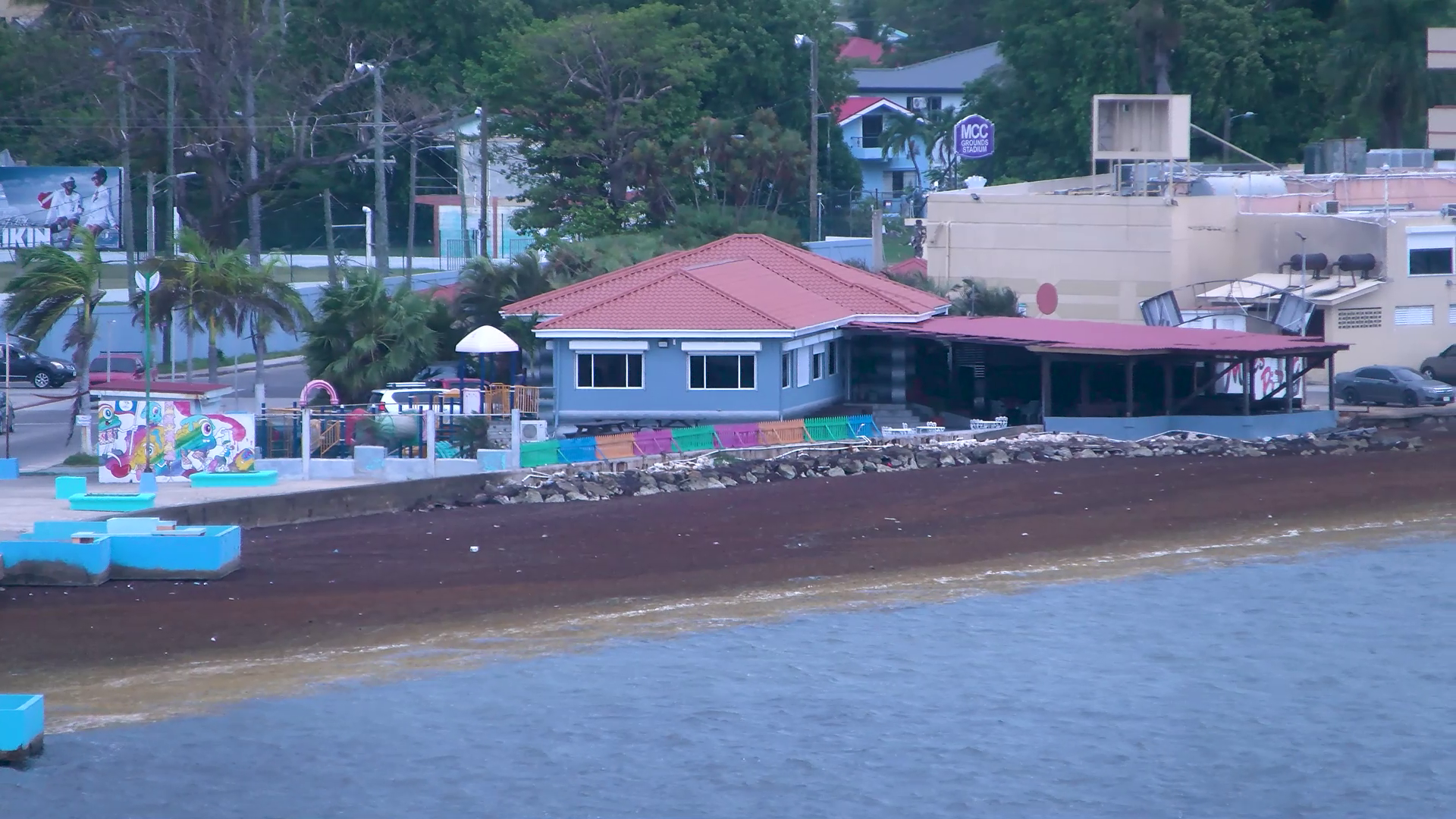
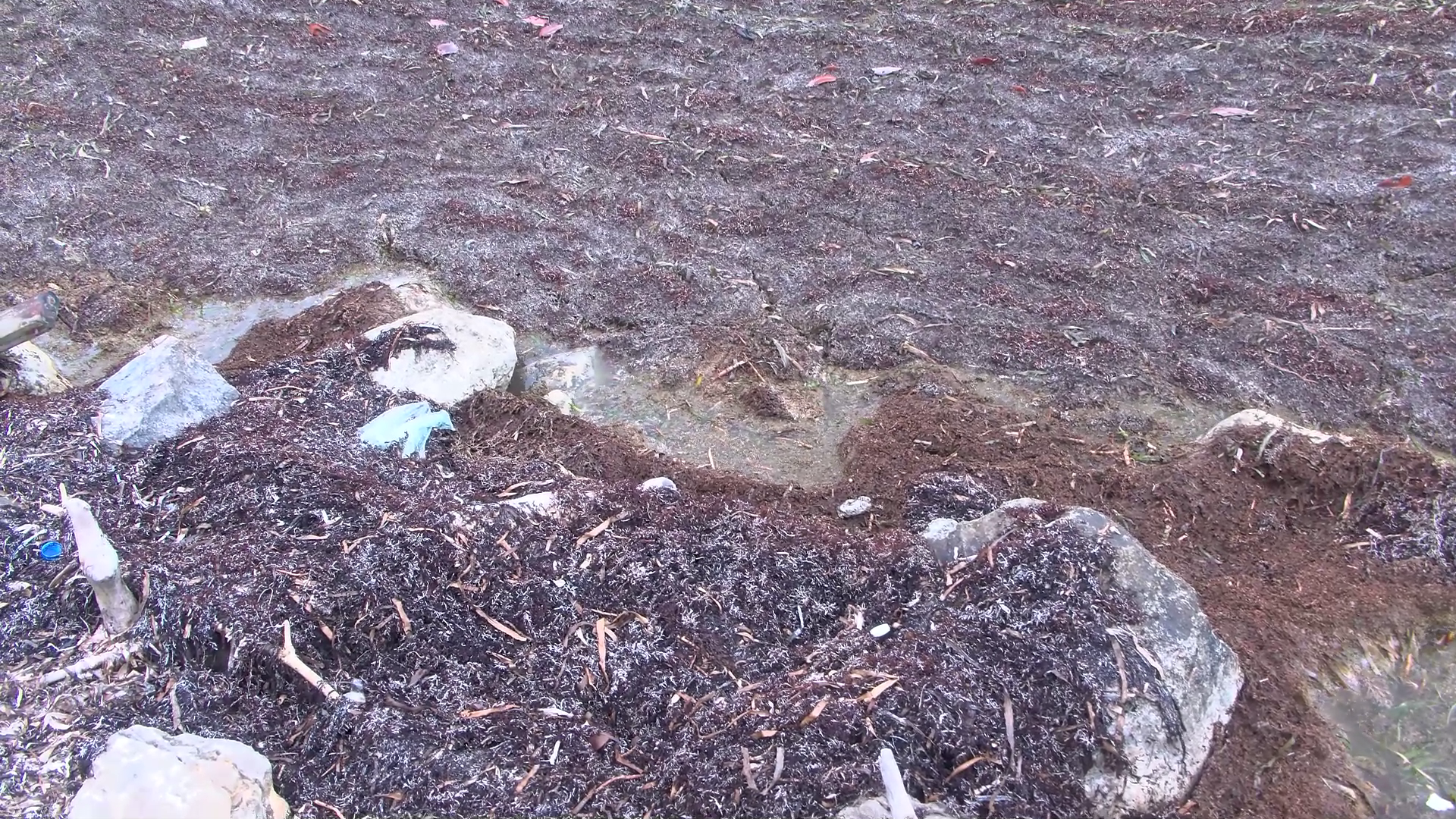
    A growing environmental and economic crisis has washed up on the shores of Belize City, as massive piles of invasive sargassum seaweed that have long plagued popular island tourist destinations have now encroached on the nation’s largest urban center. Local business owners and residents are sounding the alarm over the foul stench, unsightly buildup, and looming threat to livelihoods, pushing city leaders to declare the situation an emerging municipal emergency.

    For years, sargassum inundations have been a familiar crisis for Belize’s resort islands, including San Pedro and Caye Caulker, where the seaweed has repeatedly disrupted tourism operations. But the tide of algae has now shifted, with thick mats accumulating along Belize City’s public coastline and even drifting into the city’s inland canal network. The spread has upended daily life for waterfront businesses that rely on clean, scenic shorelines to attract both local patrons and visiting tourists.

    At Golden Bay Belize Hotel, a popular accommodation famed for its sweeping ocean rooftop views, acting general manager Samantha Pagoada told local outlet News Five that the biggest immediate impact is the ruined aesthetic that draws guests to the property. While strong odors have not yet reached the hotel’s main areas, Pagoada noted that the situation could worsen rapidly as more seaweed washes ashore. Hotel leadership is already exploring partnerships with neighboring waterfront businesses to launch independent cleanup efforts, and is prepared to collaborate with municipal or national authorities to address the problem before it drives away customers. “Something needs to be done quickly. That’s what I believe,” Pagoada emphasized.

    The impact is already far more severe for Moe’s Pizza, a waterfront eatery that has been hit directly by the stinking algal mats. Delivery worker Dion Parham explained that the overwhelming odor has made working conditions uncomfortable for staff and driven off customers who would normally dine al fresco to enjoy the coastal scenery. “As you walk in the building, before you even step out here, you’ll be smelling that scent,” Parham said, noting that the smell is particularly unappealing to out-of-town visitors, who are unlikely to stay for a meal while breathing in the foul air. With the federal government already earmarking funds to support sargassum-impacted businesses across the country, Parham said local operators are counting on national authorities to step in and assist with the cleanup now that Belize City has joined the list of affected areas.

    Belize City Mayor Bernard Wagner has moved quickly to acknowledge the severity of the new threat, confirming that city officials have formally classified the sargassum inundation as a municipal emergency. After surveying the buildup firsthand, Wagner called an urgent meeting with senior city leaders, the City Emergency Management Organization (CEMO), and other relevant department heads to coordinate a response. Historically, Belize City’s emergency planning has focused on traditional natural hazards like hurricanes, floods, and tsunamis, but Wagner said the growing sargassum crisis demands that the city adapt its framework to address this new environmental phenomenon. The city is still finalizing its formal response plan, but Wagner confirmed he has already reached out to the national Department of the Environment and other agencies on the country’s interagency sargassum task force to collaborate on mitigation and cleanup efforts.

    The spread of sargassum to Belize’s main urban coast marks a significant expansion of a regional problem that has disrupted coastal ecosystems and economies across the Caribbean and Gulf of Mexico in recent years. As local stakeholders wait for a coordinated government response, waterfront businesses are already preparing for potential revenue losses if the seaweed is not cleared quickly.

  • Flood risk warning issued for Caribbean as heavy rains forecast

    Flood risk warning issued for Caribbean as heavy rains forecast

    As the Atlantic hurricane season enters its most dangerous three-month window, regional climate scientists have issued a stark warning that Barbados and dozens of other Caribbean nations face an elevated threat of destructive flash flooding and interconnected climate hazards through September, driven by three key factors: above-average rainfall, rapidly warming regional ocean waters, and a strengthening El Niño weather pattern.

    The latest quarterly outlook released by the Caribbean Climate Outlook Forum (CariCOF) covers the July-to-September period and includes a full suite of targeted projections, ranging from temperature and precipitation maps to assessments of drought risk, dry and wet spell frequency, flash flood potential, heat stress, and even a long-range forecast for the 2026 Atlantic hurricane season.

    In its official analysis, CariCOF noted that El Niño continues to intensify through the summer months of the Caribbean’s annual wet season, while ocean temperatures across the region have climbed steadily. This combination sets the stage for frequent extreme rainfall events, which in turn creates high to extremely high risk for flash flooding, widespread flooding, and cascading secondary hazards that can disrupt communities and critical infrastructure.

    A secondary climate pattern will also shape regional conditions over the coming quarter: frequent intrusions of dry, dusty air from the Sahara Desert. While this dust will act as a natural suppressor of tropical cyclone formation and intensification, it will worsen already dangerous humid heat conditions and degrade air quality across much of the region, according to forecasters.

    The steadily warming ocean waters will also drive a steady increase in humid heat through the peak of the annual heat season in September, leading to repeated, prolonged heatwave events particularly across the northernmost Caribbean islands, forecasters added.

    For the hurricane season itself, CariCOF projects uneven activity through August, followed by lower-than-average storm activity during the typical peak period in September. The forecast also notes that lingering drought conditions across the Lesser Antilles will improve more slowly than usual through September, and the overall frequency of rainfall will ramp up at a slower pace than seen in most average years.

    Drawing on data collected as of May 1, CariCOF reported that severe short-term drought has already developed across parts of western Cuba, St. Lucia, and St. Vincent. Long-term severe drought is currently impacting Aruba and southern Belize. For the agricultural sector, forecasters have reassured farmers that widespread short-term drought is not expected by the end of August. However, long-term drought is already progressing in St. Lucia, and conditions are likely to persist through the end of November in Martinique and St. Kitts.

    Looking ahead to the September-to-November period, which marks the peak of the Caribbean wet season, the second half of the Atlantic hurricane season, and the final stretch of the annual heat season, CariCOF projects ocean temperatures will continue climbing through September. Record-breaking ocean heat is particularly likely in the far northern Caribbean.

    In its long-range assessment, forecasters outlined three clear trends tied to El Niño’s continued strengthening: the pattern will amplify heat stress across the region, increase the likelihood of widespread drought during the 2026–2027 dry season, and reduce the overall severity of tropical cyclone activity in the coming months.