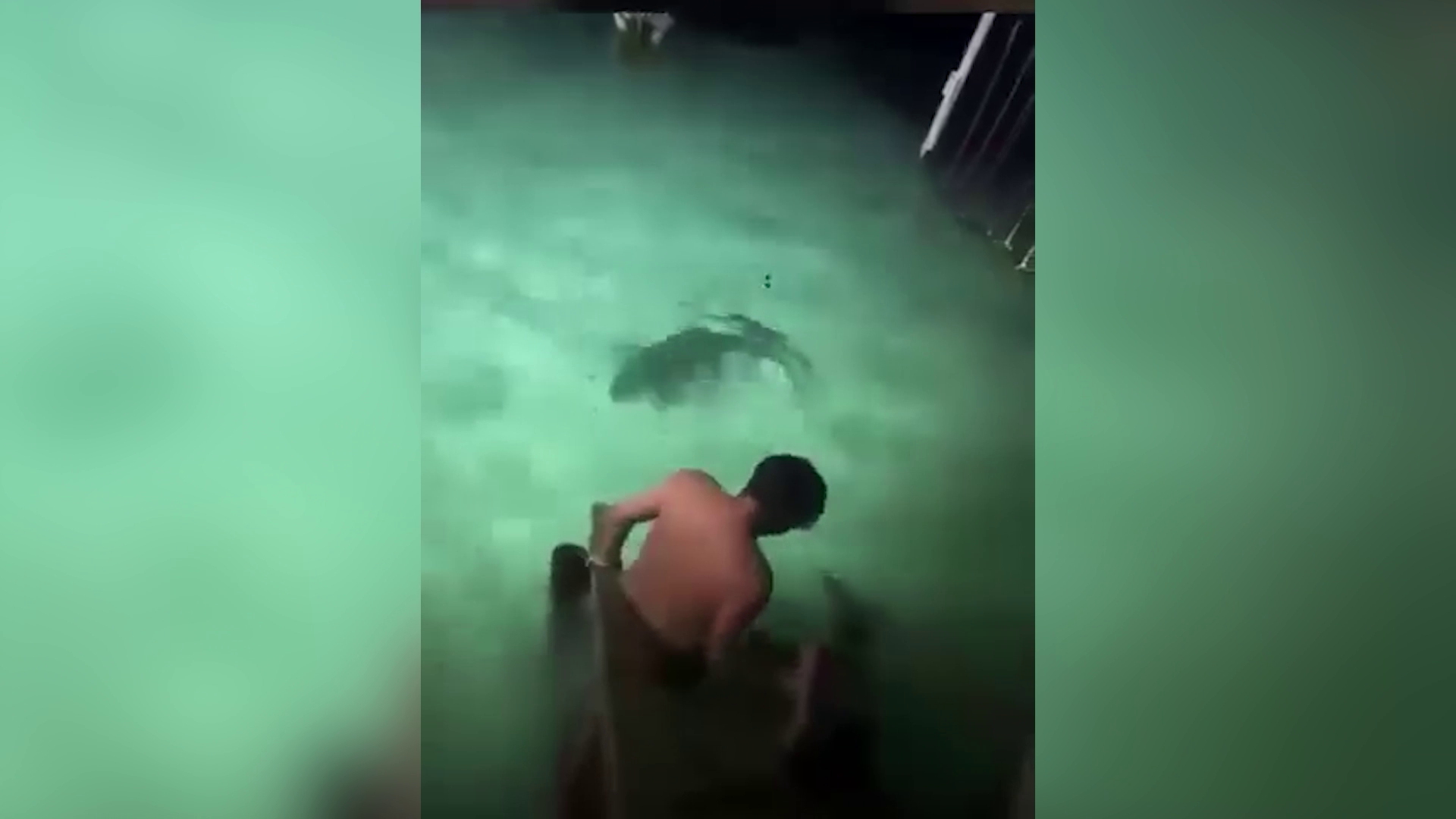
As more frequent crocodile sightings are reported across multiple communities in Belize District, local environmental authorities are issuing public warnings while pushing for a balanced approach that prioritizes both human safety and wildlife protection. In an official briefing following the uptick in encounters, Acting Chief Forest Officer Yanira Pop outlined the government’s strategy for managing the growing overlap between human development and crocodile habitats, emphasizing that panic is no substitute for informed, responsible behavior.
Pop explained that crocodiles are an integral component of Belize’s native ecosystems, and the key to preventing dangerous incidents lies in eliminating the human actions that draw these large reptiles into populated residential and recreational areas. Core preventive measures she highlighted include refraining from intentional feeding of crocodiles, maintaining a safe distance from all crocodile populations when near waterways, and implementing proper, secure disposal of food waste that could act as an attractant.
“Wildlife encounters turn dangerous when people lack understanding of animal behavior and actively encourage crocodiles to grow comfortable around human settlements,” Pop noted. She added that Belize benefits from vast shared landscapes where humans and native wildlife coexist, a natural asset that forms the backbone of the country’s thriving tourism sector. Local communities rely on the region’s rivers, mangroves, wetlands, lagoons, and coastal ecosystems for daily life, just as wildlife depends on these same habitats for food, shelter, breeding, and long-term survival.
As Belize’s population expands, tourism grows, and coastal and riverside development accelerates, the zones where humans and crocodiles interact naturally expand alongside it. This means some level of cross-species encounter is unavoidable, Pop argued. Instead of pursuing the impossible goal of eradicating crocodiles from areas near human settlements, the government is focused on a framework of coexistence: reducing unnecessary risk while allowing crocodiles to remain in their natural ranges.
This coexistence model does not permit reckless behavior such as approaching crocodiles, swimming near them, taking close-range photos, or attempting to touch, capture, or relocate the animals independently, Pop stressed. True coexistence requires humans to adjust their own behavior and give wild animals the space they need to avoid conflict.
She also clarified the legal standing of crocodiles under Belizean law. The Wildlife Protection Act Chapter 220 classifies crocodiles as protected Schedule I species, covering both the American (Saltwater) crocodile and the Morelet’s crocodile found throughout the country. This legal designation prohibits unauthorised handling, capture, killing, or unsanctioned interaction with the reptiles. The protection applies under both national and international conservation agreements, but authorities reaffirm that public safety remains the top priority. Ultimately, reducing human-crocodile conflict depends on widespread adoption of responsible public behavior starting with the critical rule: never feed wild crocodiles.