分类: environment

  • Enterprise vendors fear worsening sargassum will threaten livelihoods

    Enterprise vendors fear worsening sargassum will threaten livelihoods

    One of Barbados’ most beloved coastal destinations, Enterprise Beach in Christ Church – universally known to locals and visitors as Miami Beach – is facing an escalating ecological and economic crisis driven by record levels of invasive sargassum seaweed washing onto its shores. Local vendors, whose income depends heavily on foot traffic to the beach, have warned that the worsening sargassum problem is driving away visitors at the worst possible time: the slow summer off-season, when area businesses rely almost entirely on local patronage to stay afloat.

    In interviews with Barbados TODAY, vendors issued a urgent appeal to the national government, calling for urgent action to clear accumulated seaweed from the beach, explore innovative commercial uses for the harvested sargassum, and invest in year-round programming to attract consistent visitor traffic. One long-time local vendor, who has lived in the Enterprise area for all his 42 years, described a steady deterioration of conditions that he says is unprecedented in his lifetime. “I have never seen this much seaweed in my life. It does not originate here – it breaks off from masses further out and drifts to our shores. Something has to be done, because this is going to put all of us out of business,” he said.

    While the vendor acknowledged that the government already operates a beach-clearing program to address sargassum accumulation, he noted that the dynamic nature of the tides makes consistent removal extremely challenging. Piles of seaweed pushed ashore by waves are often quickly replaced by new masses washing in with the next high tide, making large-scale clearance efforts inefficient and costly in the short term. Even so, he warned that if the problem continues to worsen year after year, it will eventually drive even repeat visitors away from the beach during the summer months, dealing a devastating blow to the local economy. He pointed to the current unintended boost the area has received from tourists displaced by hurricanes in Jamaica, noting that any advantage will be lost if visitors have no clean space to relax and swim.

    For most beach businesses, local residents are the backbone of revenue during the off-season hurricane period, the vendor explained. “If it weren’t for locals, this place would be completely shut down. Tourists do spend money, but during hurricane season, almost all of our business comes from locals, especially when the beach looks like this. We owe everything to the local community,” he said. Despite plummeting income, closing permanently or even part-time is not an option for most small vendors, who face fixed monthly costs regardless of seasonal fluctuations. “I can’t close seven days a week – if I close, I can’t pay my bills. Even if I only make $100 or $200 a day, that’s better than nothing,” he added.

    The vendor also criticized the common practice of removing beach chairs and public amenities from the coast during the off-season, arguing that it undermines efforts to promote year-round tourism. Barbados enjoys mild, attractive weather year-round, he noted, so even when visitor numbers are lower, amenities should remain available for both locals and the tourists that do visit. “They say they’re promoting tourism, but they only put chairs out from November through April. For the other six months, the chairs are locked away, and that kills business. If people can’t sit and relax, they won’t stay,” he said, calling for a rotation schedule that would keep amenities available year-round.

    To turn the beach into a sustainable year-round attraction, the vendor said policymakers need to invest in new activities to draw visitors, pointing to the decades of reduced programming that have left the once-vibrant beach quiet. “This is the most tranquil beach in Barbados – very little harassment, very little overcrowding, it’s the perfect place for relaxation. But right now, there’s nothing here to captivate people. When I was growing up, we had summer jams, volleyball tournaments, football games on the sand. Now it’s just dead. All the activity stopped,” he said. He added that restrictive local regulations around public events and noise have made it impossible for vendors to organize their own activities to draw crowds, creating unnecessary barriers to economic growth.

    Another local beach worker echoed these concerns, noting that the lack of year-round activities has not just hurt income – it has also eroded traditional local beach culture and limited employment opportunities, with most coastal workers only able to find work during the peak winter tourist season. Beyond expanding programming, he argued that the government should move beyond simply clearing sargassum and instead invest in developing a local industry that repurposes the invasive seaweed into valuable commercial products. He noted that sargassum can already be used for a range of purposes, from animal feed additive to construction material for bricks, but small local entrepreneurs face major barriers to accessing financing to launch these projects. Instead, he warned, large outside companies will likely move in, capture the economic value of the sargassum, and leave local workers with nothing to show for the loss of their beach.
  • Antigua among CARICOM states Weighing Insurance Plan to Protect Hotels, Hospitals from Disasters

    Antigua among CARICOM states Weighing Insurance Plan to Protect Hotels, Hospitals from Disasters

    Against a backdrop of rapidly intensifying climate-driven extreme weather that has sent insurance premiums soaring across island nations, leaders from the Caribbean Community (CARICOM) have taken a decisive step forward by voting to develop a coordinated regional insurance and reinsurance framework. The landmark decision was reached during the 51st Regular Meeting of CARICOM’s Conference of Heads of Government, where regional policymakers prioritized closing the growing protection gap that leaves millions in critical infrastructure underinsured or entirely uninsured.

    Meeting documents from the summit highlight a pressing shared concern: more powerful and frequent hurricanes, amplified by global climate change, have driven up the cost of comprehensive catastrophe coverage to unaffordable levels for both public entities and private businesses across the bloc. Many member states have found themselves locked out of adequate coverage, leaving core sectors vulnerable to crippling financial losses when disasters strike.

    To tackle this growing risk, leaders have agreed to assess the expansion of existing regional catastrophe risk insurance programs. The proposed expansion would extend protection to tourism infrastructure—an economic backbone for most Caribbean nations—especially hotels and resort facilities that draw millions of international visitors annually. It would also cover critical social and economic assets, including hospitals that serve as first responders during public health and climate emergencies. Notably, the framework will also explore adding coverage for losses related to global pandemic events, a response to lessons learned during the COVID-19 crisis that devastated regional tourism.

    Moving forward, CARICOM will convene a dedicated Reinsurance Task Force to advance the coordinated strategy, with the core goals of expanding access to affordable coverage and strengthening the region’s overall financial resilience in the aftermath of disasters. The initiative comes as Caribbean nations, which contribute less than 1% of global greenhouse gas emissions but bear a disproportionate share of climate change’s worst impacts, continue to search for innovative, collective solutions to reduce systemic financial risk while protecting their two most vital sectors: tourism and public healthcare.

  • EDITORIAL: Embracing EVs while protecting the environment

    EDITORIAL: Embracing EVs while protecting the environment

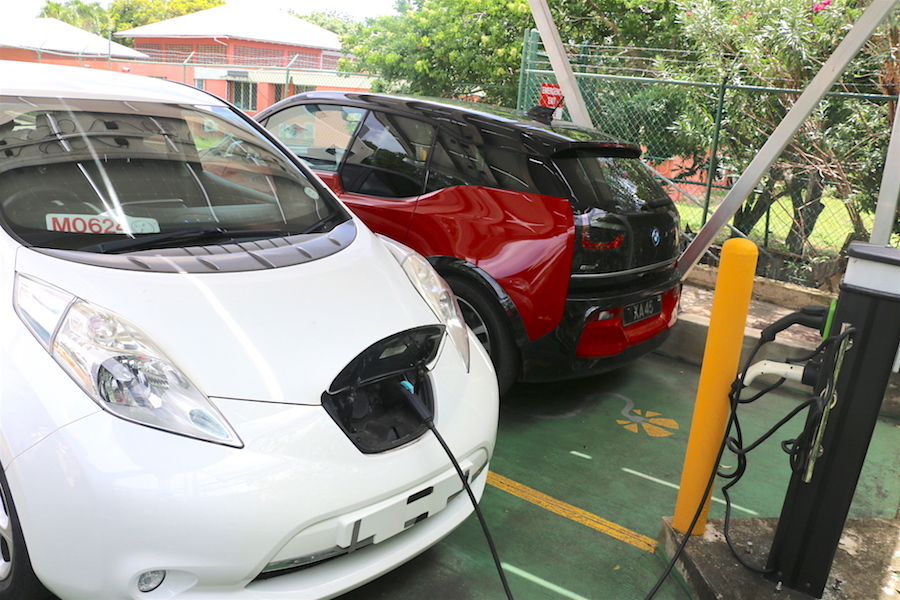
    Barbados has emerged as a regional trailblazer in the shift toward sustainable transportation, with new data showing that battery electric vehicles, conventional hybrids, and plug-in hybrid electric vehicles now make up nearly 70 percent of all new passenger vehicle sales on the island. This dramatic market shift represents one of the fastest transitions to low-emission transport in the Caribbean, and signals widespread public acceptance of clean vehicle technology among Barbadian motorists. The progress delivers three core benefits: reduced household transportation costs, lower greenhouse gas and air pollutant emissions, and decreased national reliance on costly imported fossil fuels. Industry leaders and analysts widely attribute this success to proactive policy measures implemented by the Barbadian government, which introduced targeted tax concessions to lower the upfront cost of electric and hybrid vehicles. Brent Murphy, Chief Executive Officer of the Caribbean Automotive Retailers Association, notes that the country’s incentive framework stands out as one of the most effective in the region, positioning Barbados as a leader in EV adoption among Caribbean nations. The significant tax differential between zero and low-emission vehicles and traditional gasoline-powered cars has reshaped consumer purchasing decisions, with lower excise taxes and reduced import duties making clean vehicles far more accessible to ordinary buyers than they were just a few years ago. Complementing these policy changes, global automakers have expanded their lineups to include more budget-friendly EV models, ending the era when electric vehicles were exclusively reserved for luxury buyers. Today, shoppers can find new clean vehicles at price points aligned with what most Barbadian consumers already expect to pay for a new car. The financial benefits of switching to an electric or hybrid vehicle extend well beyond the initial purchase price. With global fuel prices continuing to rise, putting intense pressure on household budgets in Barbados, the running cost savings of EVs have become a major draw for buyers. Murphy calculates that motorists save roughly 75 percent on energy costs compared to driving a traditional gasoline-powered internal combustion engine vehicle. For owners who install rooftop solar panels to charge their vehicles at home, those savings can climb even higher, eliminating most ongoing transportation energy costs entirely. Consumer confidence in EV technology has also grown alongside falling prices and policy support. Improvements in battery technology, longer manufacturer-backed battery warranties, extended driving ranges, and greater public awareness of how electric vehicles work have resolved most of the early concerns that once deterred potential buyers. The Barbadian government’s commitment to clean transport extends beyond incentivizing private passenger vehicles: the island now operates the largest fleet of electric public transit buses in the Caribbean, replacing aging diesel buses that once pumped thick black exhaust into communities across the island. The visibility of these zero-emission buses on Barbadian roads underscores that the clean transport transition is a whole-society effort, led by both government action and individual consumer choice. While the rapid progress in EV adoption is a major win for climate action and energy independence, stakeholders warn that unaddressed challenges loom on the horizon, most notably the growing problem of end-of-life lithium-ion EV battery disposal. If not managed properly, lithium-ion batteries contain toxic materials that can leach into soil and water systems, while also posing significant fire hazards if stored or discarded incorrectly. As EV sales continue to climb, the volume of spent batteries that require proper management will rise steadily in the coming years. Mark Hamilton, General Manager of Platinum Motors, one of the island’s leading vehicle dealers, has emphasized that battery disposal and its associated environmental risks are two pressing issues that the country cannot afford to delay addressing. Barbados has long built its national brand and tourism economy around its reputation as a clean, green tropical island, and protecting that reputation requires proactive long-term planning. Currently, the country lacks a comprehensive, robust regulatory framework and specialized infrastructure designed to manage large volumes of discarded EV batteries. Waiting for a crisis to occur before acting would be a costly mistake, environmental and industry leaders warn. Moving forward, the Barbadian government should collaborate closely with national environmental agencies, vehicle importers and dealers, and international recycling experts to develop clear, enforceable standards for every stage of spent battery management: collection, secure storage, transportation, and recycling. Vehicle importers should also be required to take extended responsibility for end-of-life batteries, ensuring that old units do not end up dumped in landfills, gullies, or local waterways. Stakeholders emphasize that the transition to clean transport should not solve one environmental problem by creating another. A truly sustainable transition requires careful management of every stage of an EV’s life cycle, from manufacturing through to final battery disposal. The explosive growth of EV adoption in Barbados is an inspiring example of how smart policy, market competition, and public willingness to change can deliver rapid progress on climate and energy goals. With lower fuel costs for consumers, reduced national emissions, and improved technology, the island has set itself on a path toward sustainable transport. The next critical step will turn this progress into long-term success: updating national environmental regulations and building out the infrastructure needed to manage spent EV batteries safely, ensuring that Barbados remains a clean, sustainable island for future generations.

  • Tour of the Haiti’s Minister of the Environment in the South-East (video)

    Tour of the Haiti’s Minister of the Environment in the South-East (video)

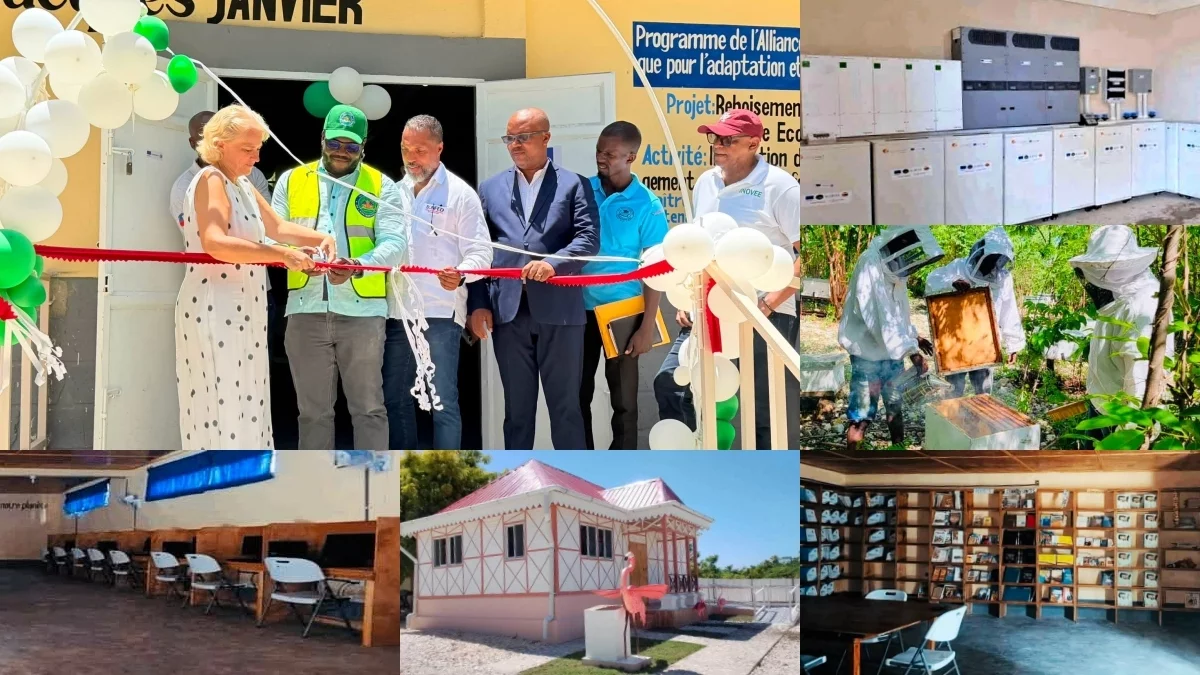
    Between July 7 and 9, 2026, Haiti’s Minister of Environment Valéry Fils-Aimé led an official inspection and inauguration tour across the South-East department, stopping in the key coastal municipalities of Jacmel and Belle-Anse. The visit marked the completion of several community-focused climate adaptation projects developed under the Global Alliance against Climate Change Plus (GCCA+) initiative, a program designed to boost local resilience to worsening climate impacts across vulnerable nations.

    Accompanying Minister Fils-Aimé on the tour were high-level stakeholders including Hélène Roos, Ambassador of the European Union to Haiti, and Charles Jean-Jacques, National Authorizing Officer for the European Development Fund (EDF) in Haiti, which provides core financing for the initiative.

    The completed projects deliver long-term benefits across environmental protection, education and economic development. First, the delegation inaugurated a new Governance Office and Herbarium at the Lagon des Huîtres National Natural Park, one of Haiti’s most ecologically significant protected areas. These new facilities will strengthen park management capacity, support conservation research and better safeguard the region’s unique biodiversity.

    In a nod to connecting environmental action to community education, the tour also marked the reopening of the renovated library at Calixte Numa Rabel High School, alongside a new fully solar-powered computer lab equipped with 17 internet-connected devices. The off-grid solar system solves longstanding unreliable electricity access issues, giving students consistent access to digital learning tools that were previously out of reach for most in the region.

    The final major infrastructure inauguration was the fully rehabilitated Communal Maritime Fishing Center in Belle-Anse, outfitted with a new solar-powered cold storage room. The facility will revolutionize local fishing operations by extending the shelf life of caught seafood, cutting post-harvest waste that has long eaten into fishermen’s profits, boosting local household incomes and laying the groundwork for sustainable growth of Haiti’s blue economy.

    Beyond physical infrastructure, the GCCA+ program has already delivered transformative social and environmental results by supporting livelihood transitions for local workers. Twenty-one charcoal producers, who previously relied on deforestation for their income, have been retrained and reorganized into three independent beekeeper groups. Three dedicated beekeeping stations have been established to produce organic honey, creating a steady alternative income stream while reducing pressure on Haiti’s threatened forest ecosystems. This dual-focus approach advances both biodiversity conservation and improved living standards for communities in Belle-Anse.

    During opening remarks, Minister Fils-Aimé highlighted the success of the cross-sector partnership, emphasizing that all completed projects are first and foremost investments in the well-being of Haitian communities. Closing out the visit to Belle-Anse, Ambassador Roos reiterated the core vision guiding the collaboration: that meaningful climate resilience can only be built through shared effort between local communities, national government authorities, and strong international partnerships.

  • Barbados steps up disaster preparedness push

    Barbados steps up disaster preparedness push

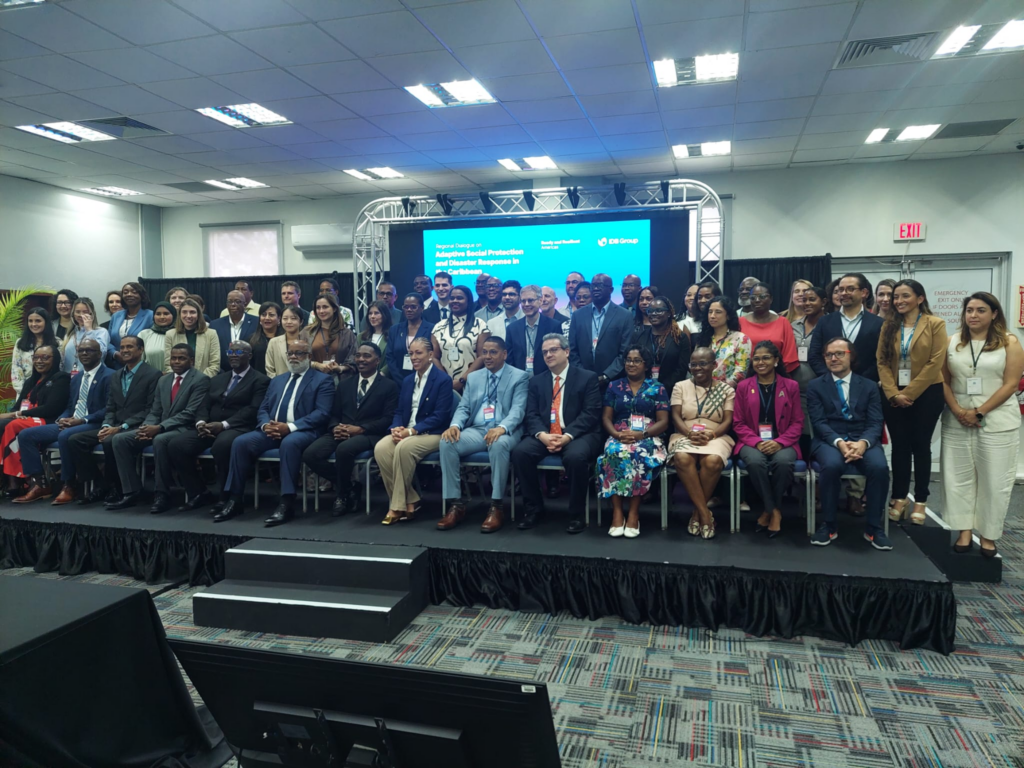
    As climate-driven extreme weather events grow increasingly destructive across the Caribbean, Barbados has reiterated its commitment to scaling up disaster preparedness infrastructure and policies, with regional leaders prioritizing protection for communities that bear the brunt of climate change impacts. The call to action came from Adrian Forde, Barbados’ Minister of People Empowerment and Elder Affairs, during a recent regional dialogue focused on Adaptive Social Protection and Disaster Response hosted at the Lloyd Erskine Sandiford Centre.

    In his address to attending stakeholders, Forde emphasized the sharp upward trend in the frequency, intensity, and economic cost of climate-related natural disasters across the Caribbean basin. He noted that every nation in the region has already experienced firsthand the catastrophic damage these events leave in their wake, a reality that has shaped Barbados’ urgency to reinforce adaptive protections for vulnerable groups.

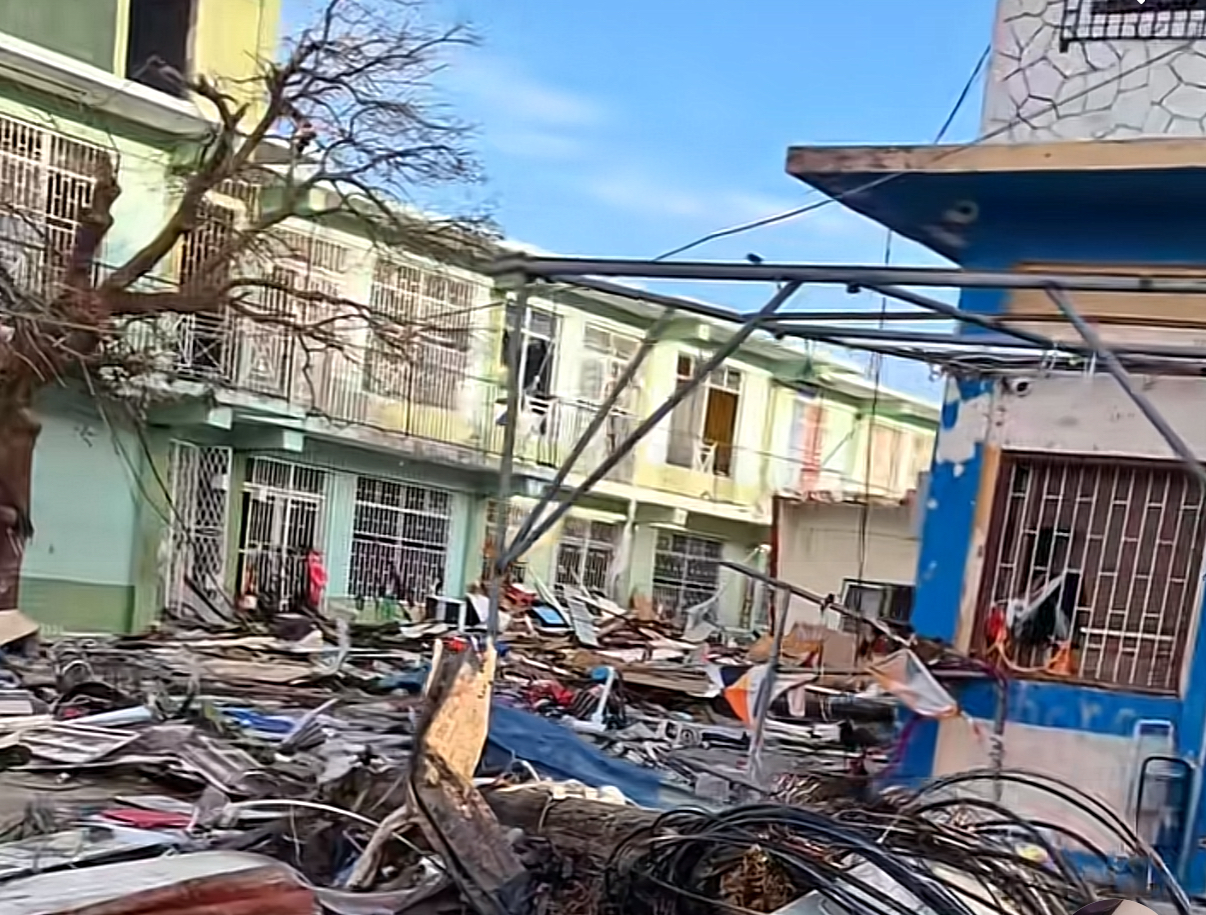
    Forde referenced the recent hit of Hurricane Beryl, which inflicted severe damage on Barbados’ critical fishing industry, as just the latest example of the threat climate disasters pose to regional development. “We in the region do not need statistics to tell us how destructive natural disasters can be — we have lived that destruction,” Forde stated. “Each extreme weather event chips away at years of intentional hard work and hard-won developmental progress, pushing already vulnerable households further into economic hardship. In just a few hours, a single powerful storm can reverse a full decade of steady, consistent growth for our communities.”

    The two-day dialogue and workshop was organized by the Inter-American Development Bank (IDB), a leading regional financial institution focused on development in Latin America and the Caribbean. The event’s core goal is to strengthen integrated social protection systems across the region, covering both contributory social programs, non-contributory support initiatives, and essential care services that serve communities in the aftermath of climate disasters.

  • Belizeans Share Mixed Views as Sargassum Crisis Worsens

    Belizeans Share Mixed Views as Sargassum Crisis Worsens

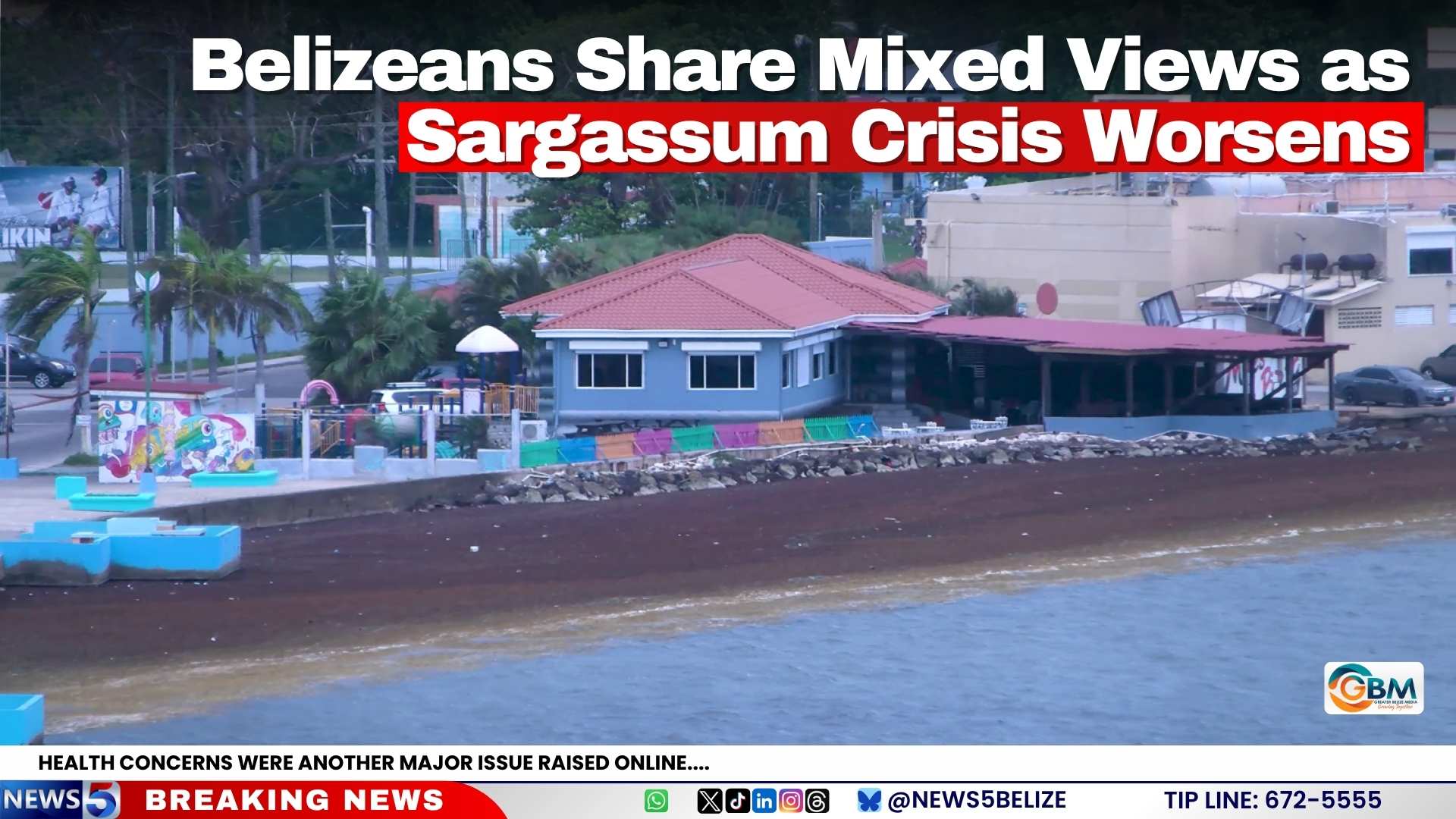
    July 10, 2026 — A growing environmental emergency is unfolding along Belize’s coastal edges, where massive accumulations of sargassum seaweed continue to wash ashore, sparking fierce public debate over how the Central American nation should address the escalating crisis.

    While invasive sargassum blooms have long plagued Belize’s shorelines, residents across the country agree the current buildup has reached unprecedented levels that demand immediate, coordinated intervention. After local outlet News 5 shared coverage of the crisis across its social media platforms, hundreds of viewers weighed in, laying out a wide spectrum of concerns, innovative proposals, and growing frustrations with official handling of the issue.

    A large bloc of social media commenters argued that the country should reframe the sargassum surplus from a costly waste problem to an untapped economic resource, rather than simply disposing of collected seaweed. Proponents have put forward a range of practical, revenue-generating uses for the organic material, including land reclamation, natural compost and agricultural fertilizer, biofuel production, and the development of new commercial industries that could create much-needed local jobs.

    One online commenter went so far as to frame the influx as a hidden benefit for Belize City, suggesting that harvested sargassum could serve as a low-cost landfill material to fill in unstable swampy areas for development. Other contributors pointed to successful international projects that have turned sargassum into marketable goods, from eco-friendly building materials to sustainable agricultural inputs, as replicable models for Belize to follow.

    Beyond repurposing, many residents have pushed for proactive preventative strategies to cut down on the volume of sargassum that reaches populated shorelines. Top proposals include deploying floating barriers, containment booms, and intercepting nets in high-risk offshore areas to catch the drifting seaweed before it can wash up onto public beaches and into residential communities.

    Public health risks have also emerged as a core point of worry for local communities. Many residents have raised alarms about the hazards posed by large, rotting piles of sargassium stored near residential areas, particularly the toxic hydrogen sulfide gas released by decomposing seaweed and the elevated risk of chronic respiratory problems for people living nearby.

    Yet for all the proposed solutions, a significant share of public feedback has centered on anger at perceived government inaction. Dozens of residents, especially those living in long-affected regions including multiple cayes and coastal communities in southern Belize, have lashed out at what they call a months-long delay in responding to the bloom.

    In a typical rebuke shared online, one commenter questioned the sudden urgency among officials, writing: “Oh so NOW you scramble? After it’s already done its damage for 5 months on the cayes?”

    As the sargassum continues to drift ashore and degrade popular coastal ecosystems that power Belize’s key tourism industry, the public remains deeply divided: one faction frames the crisis as an unexpected opportunity to drive green innovation and economic growth, while the other demands urgent, large-scale intervention to mitigate the immediate environmental, economic, and public health damage of the ongoing bloom.

  • Saharan dust will raise temperatures and heat index to 45°C this Friday in the Dominican Republic.

    Saharan dust will raise temperatures and heat index to 45°C this Friday in the Dominican Republic.

    Residents of the Dominican Republic are bracing for a sweltering day this Friday, as a thick plume of Saharan dust drifting across the Central Caribbean has triggered forecasts of record-breaking high temperatures and oppressive heat conditions, national meteorological services have confirmed.

    Unusually high temperatures were already detected across most regions of the island nation starting before dawn, as the dense airborne dust layer creates a insulating effect that traps heat near the Earth’s surface, preventing the typical overnight cooling that brings relief after warm days. By the early hours of the morning, thermometers already recorded elevated readings uncharacteristic of that time of day: the capital city of Santo Domingo hit 28°C, Santiago registered 25°C, the mountain town of Constanza reached 22°C, and both coastal Samaná and northern Montecristi climbed to 27°C.

    Meteorological experts note that this extreme heat event is driven by a rare combination of atmospheric conditions: as solar radiation builds throughout the day, the trapped heat from the Saharan dust will amplify rising temperatures, pushing peak afternoon highs to between 37°C and 38°C across much of the country. When combined with humidity, the ‘feels-like’ heat index is projected to soar as high as 45°C, creating dangerous, sweltering conditions that put vulnerable populations at risk of heat-related illness.

    In response to the forecasted extreme weather event, national public safety and health authorities have issued urgent public guidance to help residents stay safe. The guidelines emphasize constant hydration, urging people to drink water regularly throughout the day even when they do not feel thirsty, and even in air-conditioned indoor spaces. Authorities also advise the public to avoid extended time outdoors during the midday and afternoon peak heat hours, and call for extra monitoring and protection for outdoor workers, including construction crews, municipal staff, electrical maintenance teams, and other laborers who face constant exposure to extreme heat.

  • Surinaamse Brouwerij verdubbelt statiegeld op Heineken 25 cl-retourfles

    Surinaamse Brouwerij verdubbelt statiegeld op Heineken 25 cl-retourfles

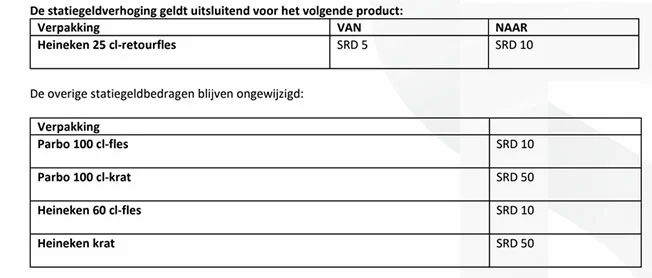
    Suriname’s leading brewing company, De Surinaamse Brouwerij N.V., has implemented a major adjustment to its deposit system for returnable packaging, doubling the deposit on 25-centiliter Heineken returnable bottles from 5 Surinamese dollars (SRD) to 10 SRD. The policy change took effect on July 6, 2026, crafted to address growing challenges in the company’s circular packaging system and drive higher rates of empty bottle returns for reuse.

    The brewery explains that the increased deposit is designed to create stronger incentives for consumers, retail vendors, and hospitality businesses to return empty packaging instead of discarding it. By boosting return rates, the company can keep its reuse cycle operational, cut down on the volume of packaging waste entering Suriname’s waste streams, and reduce the need for manufacturing new glass bottles from raw materials.

    Beyond encouraging consumer behavior, the deposit adjustment is framed as a necessary response to mounting industry pressures facing the existing return system. Global supply chain trends have driven up costs for core packaging materials including glass and plastic, while exchange rate fluctuations and persistent shortages of both returnable bottles and crates have stretched the current system’s capacity. Importantly, the price hike only applies to the 25-centiliter Heineken returnable bottle; all other deposit rates for the brewery’s packaging lines remain unchanged.

    The unchanged deposit rates for other products stand as follows: 10 SRD for 100-centiliter Parbo returnable bottles, 50 SRD for 100-centiliter Parbo crates, 10 SRD for 60-centiliter Heineken returnable bottles, and 50 SRD for Heineken crates.

    Surinaamse Brouwerij has emphasized that the adjustment exclusively impacts the deposit value, not the base retail price of the beer itself. Consumers will still receive the full 10 SRD deposit refund when they return the empty 25-centiliter Heineken bottles, meaning the change does not represent a permanent price increase for end users.

    To make the new policy successful, the brewery is calling on all stakeholders—retailers, hospitality partners, and everyday consumers—to implement the new deposit rule correctly and proactively return used packaging. The company notes that a fully functional return and reuse system can only operate if every involved party contributes to the process. With this update, Surinaamse Brouwerij reaffirms its long-term commitment to responsible packaging management and maintaining a stable, reliable return system for the Surinamese market.

  • New Zealand climate-smart agriculture team advances resilience efforts in Dominica

    New Zealand climate-smart agriculture team advances resilience efforts in Dominica

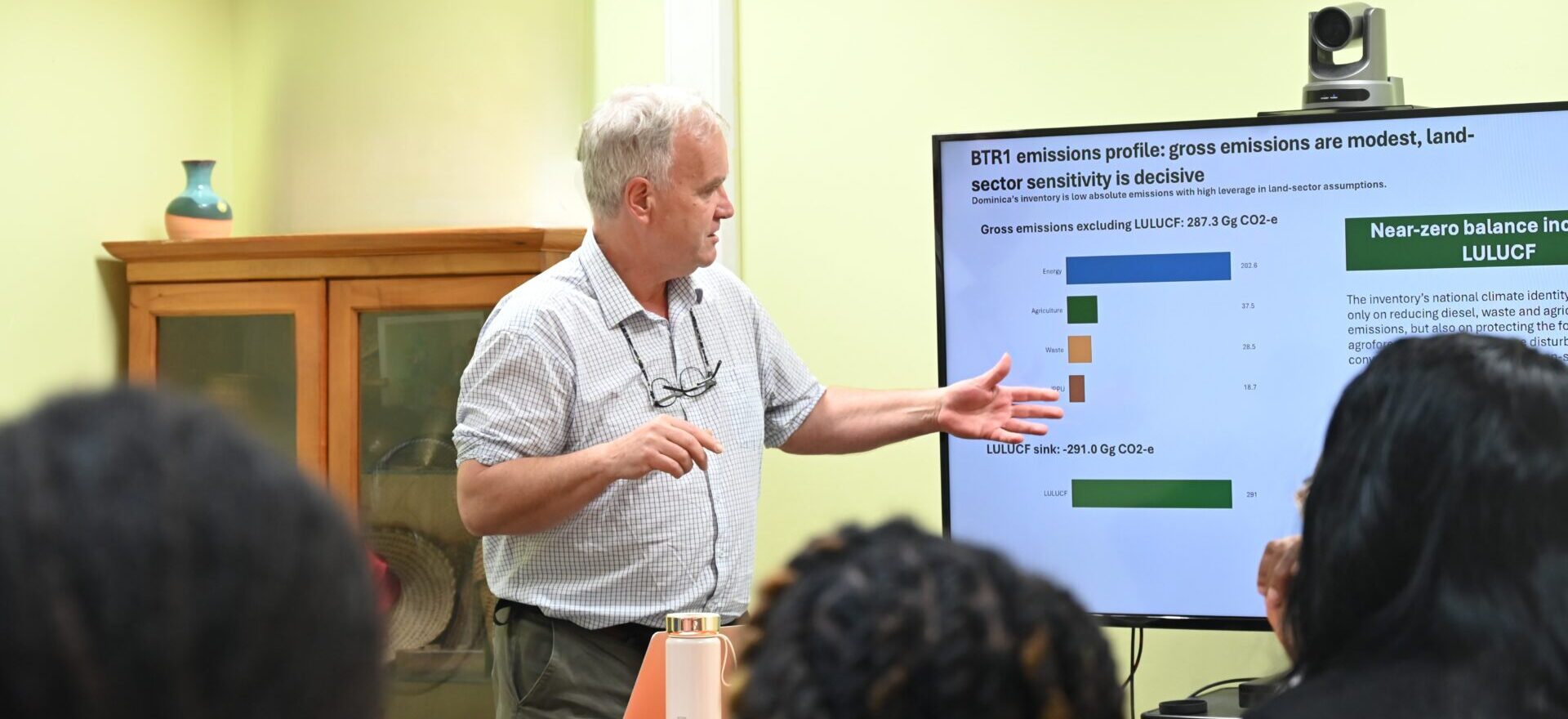
    A high-level technical mission focused on advancing climate-resilient, low-emission farming has wrapped up successfully in Dominica, bringing five days of collaborative work between New Zealand’s Climate Smart Agriculture Initiative and local agricultural stakeholders to a close. Running from June 22 to 26, 2026, the mission was led by Programme Manager Lee Nelson and senior Project Consultant Dr. Julian Hill, operating under the formal project banner *Advancing Climate-Smart Agricultural Practices in Dominica to Increase Production and Mitigate Greenhouse Gas Emissions*.

    This partnership represents a coordinated global effort to cut agricultural greenhouse gas output, and is being executed locally by the Inter-American Institute for Cooperation on Agriculture (IICA) on behalf of Dominica’s Ministry of Agriculture, Fisheries, Blue and Green Economy. Funding comes from the government of New Zealand through its regional Climate Smart Agriculture Initiative (NZCSA-LAC), which contributes to New Zealand’s commitments to the Global Research Alliance on Agricultural Greenhouse Gases (GRA), with administrative oversight handled by the Ag Emissions Centre.

    Per an official statement released by IICA, the visiting delegation held high-level strategic meetings with two key stakeholders: Ryan Anselm, Permanent Secretary of Dominica’s Ministry of Agriculture, Fisheries, Blue and Green Economy, and Her Excellency Linda Te Puni, New Zealand’s Ambassador to the Organization of Eastern Caribbean States (OECS). During these talks, participants reviewed finalized project findings, assessed completed deliverables, and mapped out a clear roadmap for upcoming project activities.

    Permanent Secretary Anselm expressed full backing for all evidence-based recommendations laid out in the project’s final report, and reaffirmed the Dominican government’s long-term commitment to embedding climate-smart agriculture into core national policy frameworks. This includes the country’s landmark Climate Resilience and Recovery Plan and its overarching National Resilience Development Strategy.

    Beyond high-level policy discussions, the mission centered heavily on capacity building for local agricultural actors, with three targeted national workshops delivered over the course of the week. The first of these, a Train-the-Trainer session focused on Land Use and Watershed Management held June 23, covered critical practical topics including soil erosion control, protection of riparian buffer zones, slope stabilization, integration of agroforestry systems, and spatial planning for expanding livestock production without harming local forest ecosystems. Attendees included representatives from Dominica’s Physical Planning department, regional agricultural extension team leaders, and faculty and students from Dominica State College.

    The next day, June 24, was dedicated to direct engagement with working farmers from across Dominica’s diverse agricultural regions. This interactive session opened space for dialogue on accessible, on-farm sustainable practices such as organic mulching, contour planting to reduce runoff, active soil cover management, optimized timing for fertilizer application, and evidence-based improvements to livestock health management.

    A second Train-the-Trainer workshop, focused on sustainable Agricultural Production Systems, followed on June 25. This session delved into advanced practices including split nitrogen fertilizer application to reduce runoff and emissions, on-farm manure composting to cut waste and improve soil health, improved forage production systems for livestock, protected cropping to boost yield and reduce climate risk, precision irrigation monitoring, and farm-level record-keeping protocols for accurate measurement, reporting, and verification of emissions and productivity gains.

    As part of their field visit, the delegation also toured the state-of-the-art Dominica-China Agricultural Science Complex located at the North Agriculture Station in Portsmouth. This cutting-edge facility houses a high-capacity tissue culture laboratory that can produce and hold up to 500,000 disease-free plant seedlings, a dedicated seed storage and national seed bank, a climate-controlled smart greenhouse, controlled plant propagation zones, hydroponic demonstration systems, and active research test plots. As Dominica’s largest centralized seedling production hub, it also functions as a key technology exchange hub and demonstration facility, offering hands-on farmer training in modern seedling propagation and controlled greenhouse cultivation techniques.

    To expand public outreach for the initiative, mission leaders Lee Nelson, Dr. Julian Hill, and Dr. Al-Mario Casimir, the Dominican Ministry of Agriculture’s project focal point, appeared on a national radio program during the visit. The segment allowed the team to share key project outcomes and explain the long-term benefits of climate-smart agriculture to the general public across the country.

    This five-day mission marks the official completion of the project’s core technical assessment and planning phase. Looking ahead, IICA confirmed that the next phase of the project will prioritize scaling up local capacity through ongoing in-country train-the-trainer programs. These programs will equip agricultural extension officers and local farmer leaders with the skills and resources needed to roll out climate-smart farming practices across every agricultural region of Dominica, laying the groundwork for long-term agricultural resilience and lower national greenhouse gas emissions from the sector.

  • Antigua and Barbuda Among CARICOM’s Least Air-Polluted Countries

    Antigua and Barbuda Among CARICOM’s Least Air-Polluted Countries

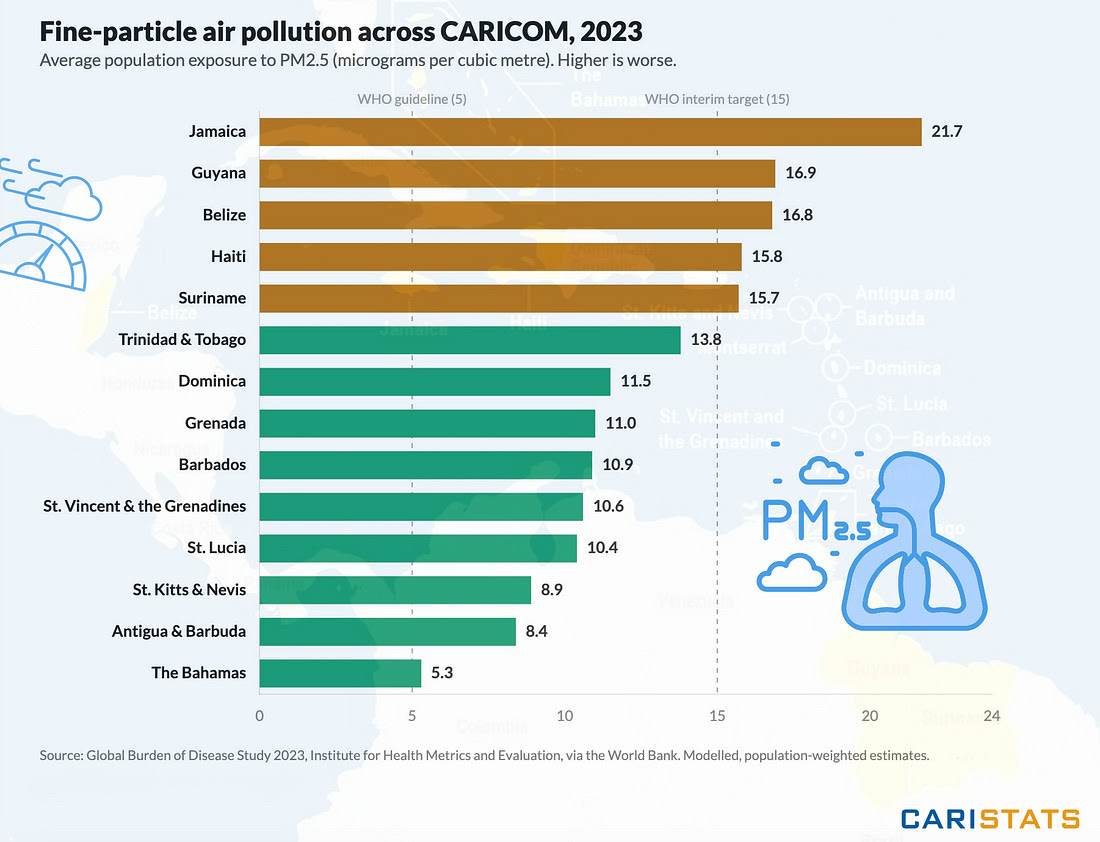
    New 2023 population-weighted data collected from the Global Burden of Disease Study, run by the Institute for Health Metrics and Evaluation, has mapped fine particulate matter (PM2.5) air pollution levels across 14 member states of the Caribbean Community (CARICOM), revealing clear geographic patterns in air quality that hold more weight than national income levels.

    PM2.5, a category of tiny airborne pollutants small enough to penetrate deep into human lung tissue and enter the bloodstream, poses well-documented long-term risks to cardiovascular and respiratory health. The latest analysis places the entire CARICOM region in the low-to-middle tier of global air pollution rankings, with 2023 average annual exposure levels ranging from 5.3 micrograms per cubic meter in The Bahamas to 21.7 micrograms per cubic meter in Jamaica.

    Small island nations surrounded entirely by open ocean recorded the cleanest air in the bloc. Beyond The Bahamas, Antigua and Barbuda posted an average PM2.5 concentration of 8.4 micrograms per cubic meter, while Saint Kitts and Nevis came in at 8.9 micrograms. Experts attribute these low readings to consistent regional trade winds, which efficiently disperse accumulated particulates out into the open ocean before they can build up to dangerous levels.

    In contrast, the highest pollution levels are concentrated among CARICOM’s larger landmass and mainland economies. Guyana recorded an average of 16.9 micrograms per cubic meter, followed closely by Belize at 16.8 micrograms and Suriname at 15.7 micrograms. Local human activities drive these higher readings: regular agricultural burning, deforestation for land clearing, and growing industrial activity all add significant volumes of PM2.5 to the regional atmosphere. Most other CARICOM member states included in the study fall somewhere between these two extremes.

    When compared to global pollution benchmarks, the CARICOM region’s readings count as moderate. The world’s most polluted nations report annual average PM2.5 levels that exceed 60 micrograms per cubic meter, far above the highest reading recorded in Jamaica. Even so, the analysis confirms a critical public health gap: every single CARICOM member state exceeds the World Health Organization’s strict recommended maximum guideline of 5 micrograms per cubic meter, meaning all regional populations face at least some elevated long-term health risk from poor air quality.