分类: environment

  • Saturday with temperatures up to 36 degrees; scattered showers are expected

    Saturday with temperatures up to 36 degrees; scattered showers are expected

    A sustained period of high temperatures is set to continue across the entire Dominican Republic, driven by the combined effect of an anticyclonic weather system and an incursion of dust carried from the Sahara Desert, the country’s national meteorological agency has confirmed.

    The Dominican Institute of Meteorology (Indomet) explains that these two atmospheric conditions suppress the formation of cloud cover, creating widespread stable atmospheric conditions that trap heat across nearly all regions of the nation. While the dominant weather pattern will be continued heat, the agency has outlined localized precipitation events expected through the daily cycle, driven by different regional atmospheric factors.

    In the early pre-dawn and morning hours, brief passing showers are forecast to hit the eastern and northeastern provinces of La Altagracia, La Romana, Samaná and El Seibo, as well as their neighboring communities. These showers are triggered by wind patterns moving across the region, and will clear quickly as the day warms.

    From mid-afternoon through early evening, the agency expects partial cloud build-up, paired with scattered to moderate rain showers and isolated thunderstorm activity. These events will be concentrated in the central and inland provinces of Monte Plata, La Vega, Monseñor Nouel, San José de Ocoa, Santiago, Santiago Rodríguez, and Elías Piña. Daytime solar heating of the surface, combined with the influence of local mountain terrain, creates the perfect conditions for these convective rain events to form.

    As night falls, the frequency of short, light rainfall events will shift to communities located along the country’s Caribbean coastline, according to Indomet’s forecast.

    Temperatures across the country are projected to stay well above comfortable levels, with overnight lows ranging from 23 degrees Celsius to 25 degrees Celsius, and daytime highs reaching between 33 and 35 degrees Celsius. In response to the sustained hot conditions, Indomet has issued a series of public health recommendations to help residents avoid heat-related illness.

    The agency urges all residents to drink sufficient water throughout the day, dress in loose, light-colored lightweight clothing that reflects heat, seek out cool, shaded spaces when possible, and avoid extended time outdoors in direct sunlight between the hours of 11:00 a.m. and 4:00 p.m. when solar radiation is at its strongest. Indomet also emphasized that children, older adults, and pregnant people face the highest risk of heat-related complications, and should take extra precautions during this period of sustained heat.
  • EU launches regional climate resilience plan

    EU launches regional climate resilience plan

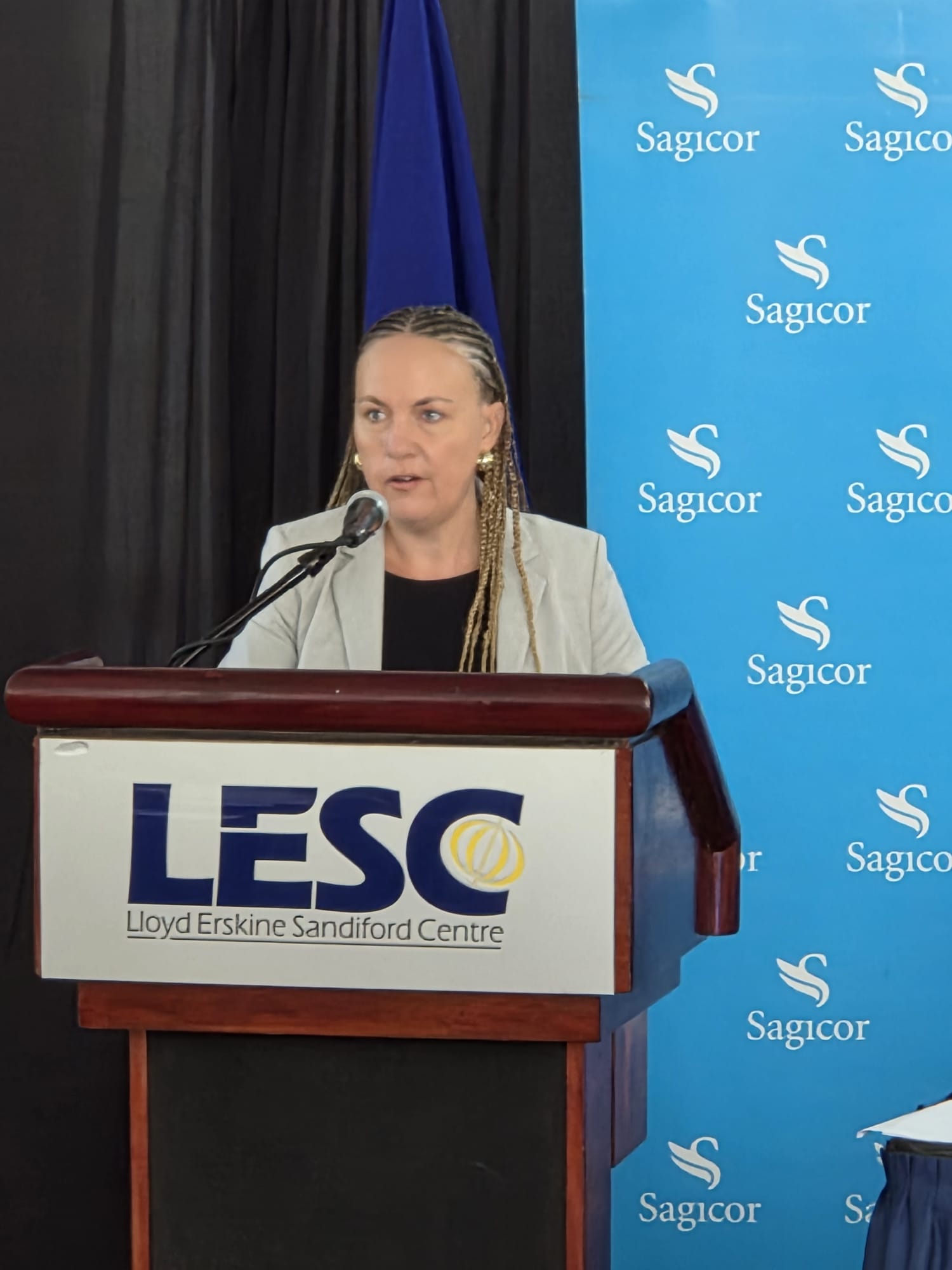
    Against a backdrop of intensifying climate-driven extreme weather events battering small island nations, the European Union has unveiled a landmark new partnership program tailored to transform disaster risk management across the Caribbean. The initiative, announced at the opening of a three-day regional conference hosted at Barbados’ Lloyd Erskine Sandiford Centre, prioritizes stronger early warning infrastructure, faster cross-border disaster response, and community-led preparedness – with targeted support for recovery efforts in the wake of Hurricane Beryl.

    Virginie Andre, the EU’s lead program manager for disaster risk management, delivered the announcement on behalf of Fiona Ramsey, the European Union Ambassador to Barbados. The new cooperation framework centers on upgrading four critical pillars of regional disaster management: enhanced meteorological forecasting, expanded climate adaptation services, streamlined cross-regional logistics networks, and deeper public-private collaboration to accelerate post-disaster recovery. Two key regional bodies will receive direct structural investment to boost their operational capacity: the Caribbean Disaster Emergency Management Agency and the Caribbean Institute for Meteorology and Hydrology, which underpin the region’s entire disaster risk architecture.

    Andre emphasized that the strategy is anchored in high-level diplomatic cooperation between Caribbean leaders and EU institutions. “Through ongoing dialogue between Prime Minister Mottley of Barbados and the President of the European Commission, we are collaborating not just to rebuild after disasters strike, but to anticipate threats, strengthen readiness, and build long-term, lasting resilience,” Andre explained. “That high-level engagement is already delivering tangible, on-the-ground results.”

    The conference’s core theme, *Advancing Sustainable Community Resilience through Shared Responsibility*, signals a deliberate shift away from top-down disaster management toward a citizen-centered approach. Andre stressed that effective climate adaptation cannot be designed solely in government offices; it must be rooted in the lived experience of local communities. “When we talk about resilience, we know that it starts first and foremost at home, with people,” she said. “It starts with the neighbor checking on an elderly resident living nearby, the fishing community that notices subtle shifts in ocean conditions, the teacher that prepares children for emergencies, and the kids who go on to share that knowledge with their parents. Communities are always the first responders – they face the disaster first, and they launch recovery efforts before any outside support arrives.”

    To illustrate why centering local voices is non-negotiable, Andre shared a decades-old personal story that shaped her approach to disaster policy. Twenty-eight years ago, she met a young girl whose entire village had been destroyed by a mudslide. The girl lost all her family and sustained permanent life-altering injuries, but the two stayed in touch over the following 28 years. “What has stuck with me more than anything is not just her incredible story of survival, but a simple thing she told me: ‘No one ever really asked us what we needed,’” Andre recalled. “That one sentence reminds us exactly why community leadership matters so much. Communities know their own vulnerabilities better than anyone, and they know their own strengths. Our job is to listen, and to turn their lived experience into better policies and stronger preparedness.”

    In the immediate aftermath of Hurricane Beryl, the EU already moved to provide targeted support to the region, including funding to rebuild and strengthen the Caribbean’s hard-hit fisheries sector. In a demonstration of the cross-border mutual learning at the heart of the partnership, senior emergency management officials from Barbados recently completed a study visit to European institutions to exchange best practices in disaster response. Andre added that the partnership between the EU and Caribbean is reinforced by shared geographic reality: multiple European territories sit within the Caribbean basin and face the same climate-driven disaster risks as their regional neighbors, creating a natural foundation for collaboration.

    As conference delegates began their three days of deliberations, Andre urged them to center all discussions on one central question: “How can we ensure that our communities are better prepared tomorrow than they are today?” Acknowledging that the scale of the climate crisis far outstrips the capacity of any single actor, Andre reaffirmed the EU’s long-term commitment to the region. “The answer will not come from one government, one organization, and certainly not from one international partner,” she said. “It will come from true partnership, from shared responsibility, and from listening to the people whose lives we are trying to protect. The European Union remains a trusted, long-term partner to Barbados and the entire Caribbean region.”

  • LETTER: The Cost of Bureaucratic Neglect at Wallings

    LETTER: The Cost of Bureaucratic Neglect at Wallings

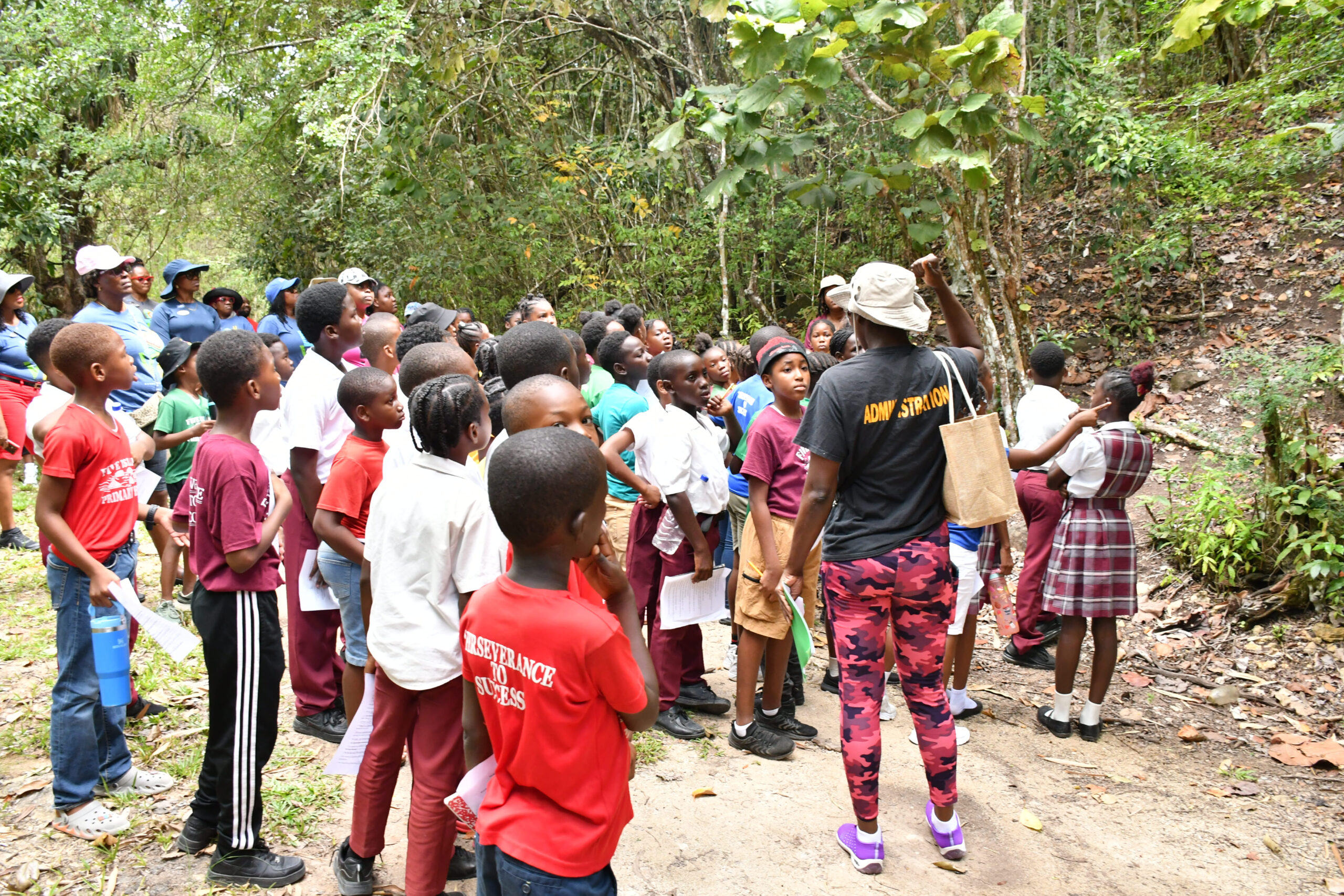
    A recent summer camp outing to Antigua’s Wallings Forest Area has exposed a devastating collapse in the once-lauded conservation site, prompting a public call out for urgent government intervention to reverse the damage. On a July 16 visit to the protected woodland, a group of camp participants witnessed firsthand the total decay of an area long celebrated as a shining example of community-driven environmental stewardship.

    Today, the forest lacks every basic amenity required to host visitors and support its own conservation. Functional restrooms, educational signage that once guided guests and explained local ecosystems, and formal visitor orientation systems have all vanished. What little organization remains exists only through the unplanned, volunteer work of former site manager Refica Attwood, who stepped in as an informal guide for the visiting camp group. Her quick thinking and on-the-spot problem-solving prevented what could have been a dangerous, disorganized disaster for the group of children in the party, according to the letter writer.

    Despite Attwood and her small volunteer team’s tireless efforts to keep the day incident-free, the visit laid bare a grim truth: decades of collaborative community conservation work have been completely undone. The once-thriving reserve is now left abandoned, trapped in a state of administrative limbo stemming from unresolved government disputes.

    The letter’s author leaves no question of where blame lies: the Antiguan government, specifically the Ministry of Agriculture, has made a catastrophic error that puts this critical ecological site at permanent risk. By allowing public-private partnership negotiations to lapse and failing to put in place a permanent, structured system for local trail wardens to maintain the site, the ministry has allowed one of Antigua’s most biodiverse “crown jewels” to deteriorate into disrepair.

    The public has a right to know how this once world-class protected reserve was allowed to crumble, the writer argues. The call to action is clear: government officials must intervene immediately, resolve the ongoing administrative disputes that have paralyzed management, and restore dedicated, organized oversight of Wallings Forest before this irreplaceable environmental asset is lost forever.

  • Forecasters Monitoring Tropical Wave Near Cabo Verde Islands

    Forecasters Monitoring Tropical Wave Near Cabo Verde Islands

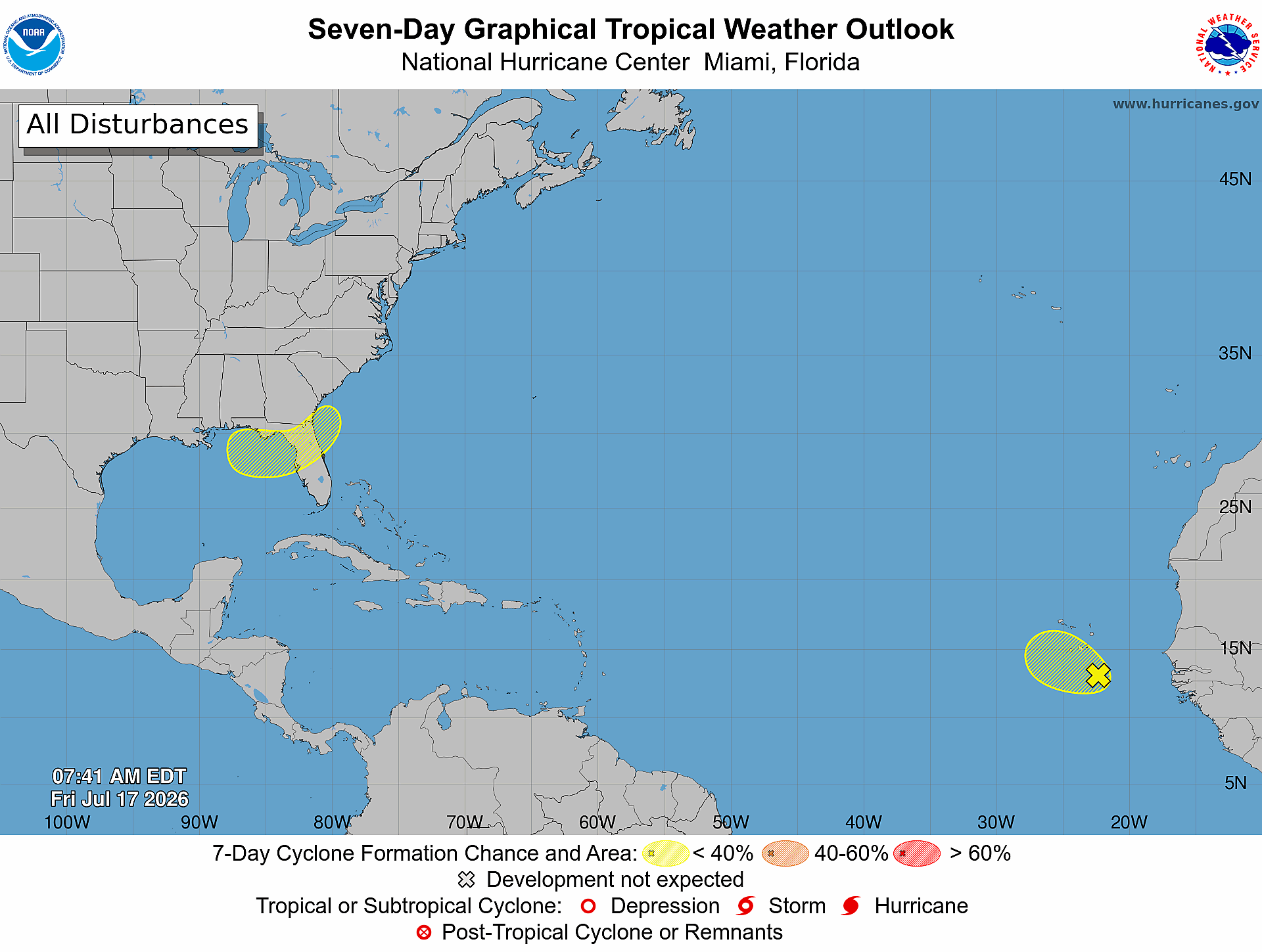
    The U.S. National Hurricane Center (NHC) is currently keeping a close watch on two separate low-pressure weather systems across the Atlantic basin, with official projections showing neither is likely to strengthen into a significant tropical cyclone in the coming days.

    The first system, a broad tropical wave, is located in the eastern Atlantic Ocean roughly 175 miles southeast of the Cabo Verde Islands as of 8 a.m. local time Friday. Right now, the disturbance is producing only scattered, unstructured showers and thunderstorms across the region, and it is tracking west-northwest at a steady pace of between 10 and 15 miles per hour.

    According to NHC forecasters, atmospheric and oceanic conditions around this eastern Atlantic system are set to grow increasingly hostile for tropical development over the coming week. Official probability estimates put the chance of this system organizing into a named tropical cyclone at just 10% across both the next 48 hours and the full seven-day forecast window.

    In addition to the Cabo Verde-area disturbance, forecasters are also monitoring a second unorganized disturbance located in the northeastern Gulf of Mexico. Like its eastern Atlantic counterpart, this Gulf system is also projected to face a very low likelihood of significant tropical development in the coming days.

    Meteorologists across the basin continue to update projections as peak Atlantic hurricane season progresses, urging coastal and oceanic interests to stay updated on the latest official forecasts from the NHC regardless of current low risk estimates.

  • New 20-Megawatt Power Unit May End Threat of Load Shedding

    New 20-Megawatt Power Unit May End Threat of Load Shedding

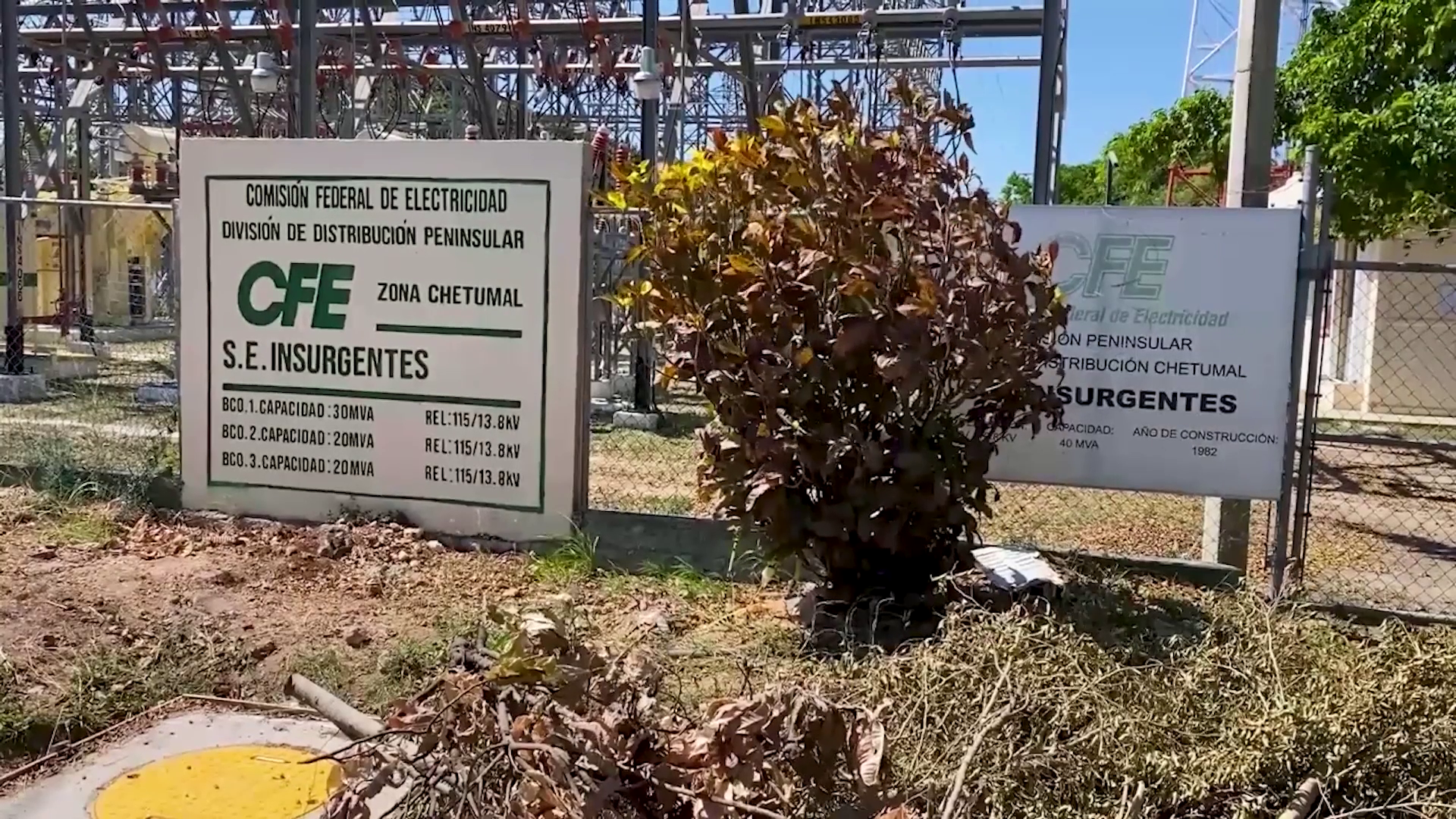
    As Belize Electricity Limited (BEL) navigates persistent uncertainty over consistent power imports from Mexico’s Federal Electricity Commission (CFE), the regional utility is moving forward with an emergency generation project that could eliminate the threat of mandatory load shedding for local communities. The new 20-megawatt facility, which is currently being installed across the country, has faced minor shipping delays tied to global logistics disruptions and geopolitical unrest, but once operational, it is expected to cover domestic capacity gaps that have forced occasional rolling blackouts over recent weeks.

  • Load Shedding Sparks Strategic Power Meeting

    Load Shedding Sparks Strategic Power Meeting

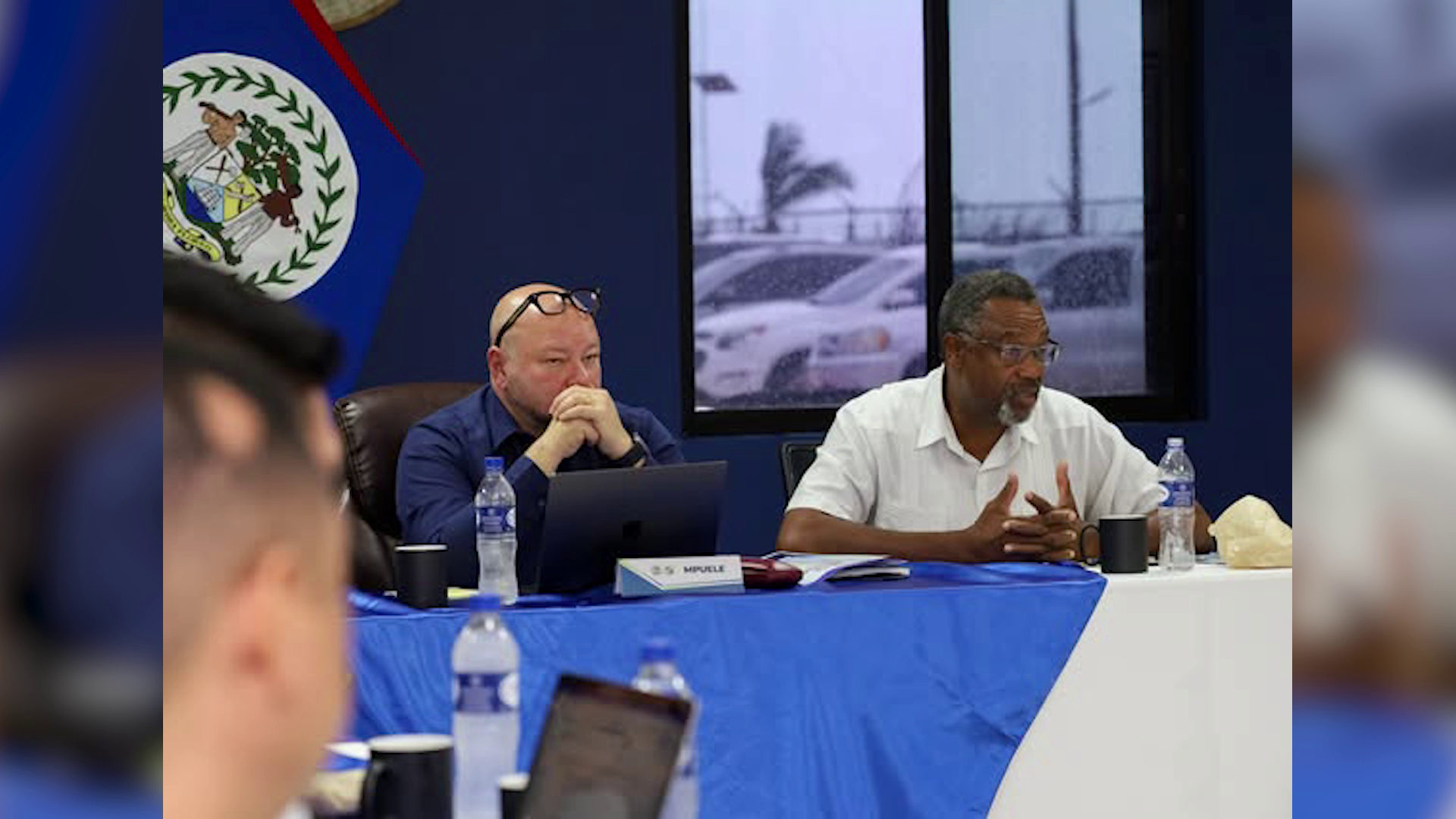
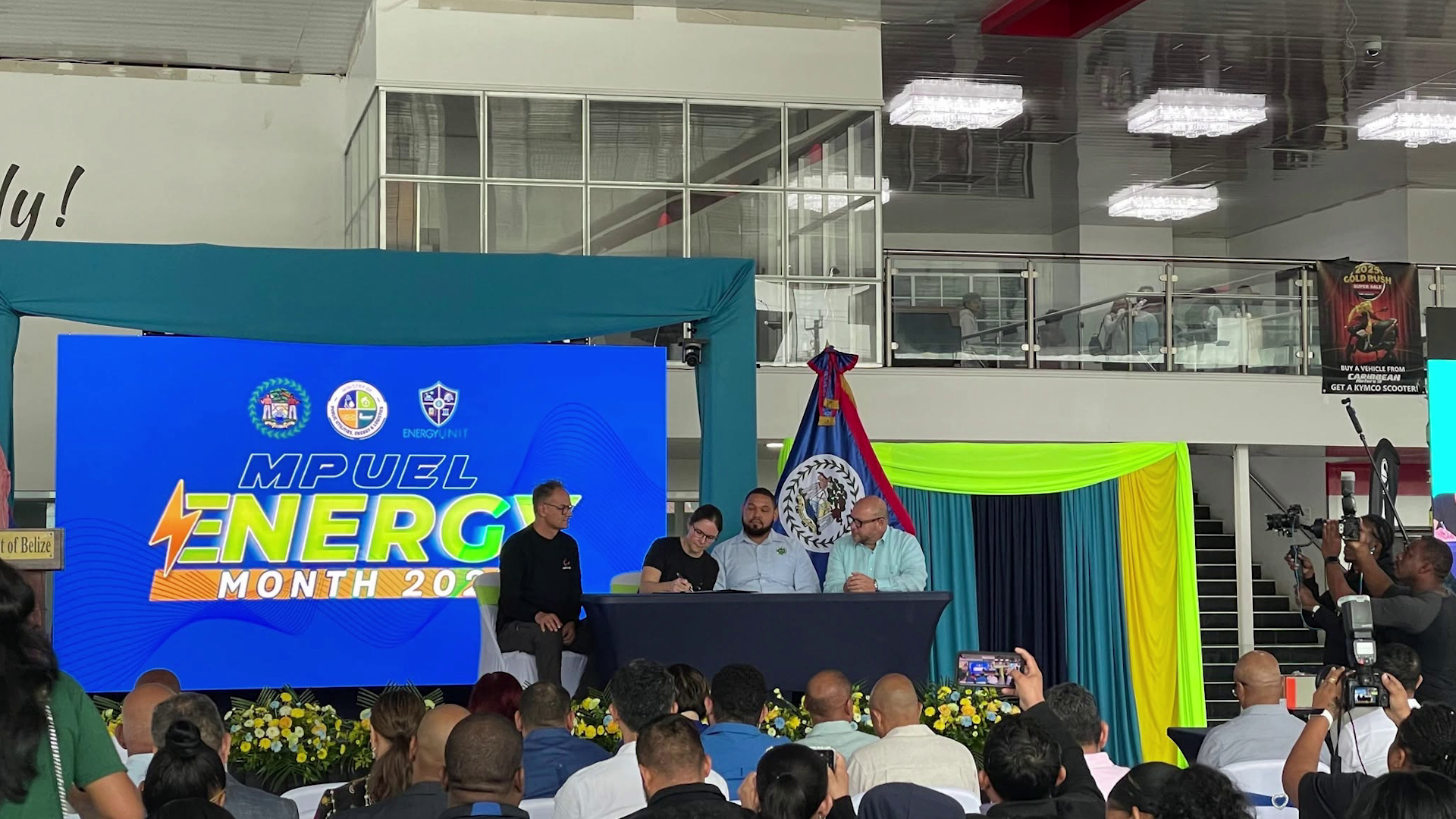
    Facing repeated, disruptive power outages and rapidly rising consumer and commercial electricity demand across the country, the government of Belize has brought all key energy stakeholders together for an unprecedented collaborative summit to map out a sustainable path forward for the nation’s energy sector. The meeting, convened July 16 2026 by the Ministry of Public Utilities, Energy and Logistics, gathered representatives from Belize Electricity Limited (BEL, the country’s main power distributor), the Public Utilities Commission (PUC, the sector’s regulatory body), and all local independent power producers (IPPs) to address the ongoing load shedding crisis that has plagued communities in recent months. Minister of Public Utilities and Energy Michel Chebat emphasized that this cross-stakeholder gathering was the first of its kind in Belize’s history, marking a shift from reactive crisis management to proactive, long-term strategic energy planning.

    Speaking after the closed-door meeting, Chebat outlined the core objectives that guided the discussion. The summit focused on aligning all parties around three key priorities: projecting Belize’s total power generation needs across short, medium, and long-term timelines, strengthening collaborative partnerships between the public sector and local energy producers, and ultimately eliminating the periodic rolling blackouts that have disrupted daily life and economic activity across the country.

    “This was the first time ever that every major player in Belize’s energy ecosystem – the policy-setting ministry, the distributor, the regulator, and our local independent producers – sat down at the same table to talk through our shared challenges and shared goals,” Chebat explained. “We came into this meeting to lay out BEL’s projected needs over coming years, and to open a transparent conversation about each IPP’s existing capacity and willingness to expand operations to meet growing demand. This wasn’t just a talk shop: we created space to share the specific challenges that independent producers are facing, and clearly laid out the government’s long-term energy expansion and independence plans. The biggest priority, of course, is closing the existing supply gap and doing everything in our power to bring the current cycle of load shedding to an end.”

    Chebat also highlighted the key pain point raised by independent power producers during the discussion: many local producers have held back from expanding generation capacity because they lack formal guarantees that they will be able to sell their output at a rate that delivers a reasonable return on their capital investment. The landmark meeting opened a direct channel to address these concerns, laying the groundwork for targeted policy adjustments that can unlock greater local investment in power generation. The government’s overarching strategic goal, Chebat noted, is to grow Belize’s energy independence by leveraging local production capacity, rather than relying on costly imported energy to meet domestic demand. This first-of-its-kind convening has already established a new ongoing working relationship between all stakeholders, moving the country closer to a reliable, stable power grid that can support sustained economic growth.

  • Affordable Power Remains Rural Electrification Challenge

    Affordable Power Remains Rural Electrification Challenge

    As 2026 reaches its midpoint, Belize is closing in on a major policy win for rural energy access, though the core challenge of delivering affordable power still hangs over the nation’s multi-region electrification push. The small Central American nation’s northern corridor is on the cusp of full rural electrification, with the remote Fireburn Village set to become the final northern community to gain grid access, government officials confirmed this week.

    Located in northern Belize, Fireburn Village’s power infrastructure is now complete: an off-grid solar system, installed by local firm Solar Energy Solutions Belize Ltd, is waiting for final activation to bring the community its first consistent access to electricity. Once Fireburn is connected, every village in northern Belize that has requested access to power will be fully served, marking a historic milestone for the government’s rural electrification program.

    Despite this progress in the north, work is far from over. Attention is now shifting to southern Belize, where eight remote communities remain completely off the national power grid, waiting for connection. Minister of Public Utilities and Energy Michel Chebat explained that the biggest ongoing barrier to scaling the program across the south is maintaining affordability while expanding access, a key priority for the government’s energy policy.

    “Our overarching target is to bring down the overall cost of energy for all rural residents, so hitting that accessible price point has consistently been our biggest challenge,” Chebat said in an address confirming the Fireburn project. “But we are making real, tangible progress across the country.”

    To serve the remote, spread-out communities of southern Belize, the government is turning to localized microgrid infrastructure. These smaller, decentralized energy networks can operate independently of the main national grid or connect alongside it, creating a reliable power supply even in hard-to-reach terrain that would be prohibitively expensive to connect via traditional transmission lines. Chebat confirmed that development is already underway on these southern microgrids, with the first projects on track to be inaugurated as early as September 2026.

    This report is a transcribed excerpt from an evening television newscast focused on Belize’s energy and infrastructure progress.

  • Ruben Stoll Reportedly Leaves Belize Before Arrest

    Ruben Stoll Reportedly Leaves Belize Before Arrest

    A high-profile wildlife violation case has unfolded in Belize, with authorities now hunting for Belizean-American dual national Ruben Stoll, who is believed to have fled the country ahead of his planned arrest. The case stems from a widely circulated social media video that captured Stoll interacting with a young wild jaguar cub, an endangered big cat native to Central America. The footage shows Stoll petting the cub, which was reportedly separated from its mother after a vehicle collision. The video went viral over the weekend, triggering immediate public outcry from wildlife conservation advocates and local communities, and pushing the Belize Forest Department to open a formal investigation. After reviewing the evidence, department officials confirmed they have prepared two charges against Stoll under the nation’s Wildlife Protection Act. Despite the pending charges, Stoll managed to cross Belize’s northern border and leave the country on Wednesday, before law enforcement officers could locate and detain him. As of Thursday evening, a formal arrest warrant has been issued for Stoll by Belizean authorities. Victoria Chi, a senior forest officer with the Belize Forest Department, outlined the details of the investigation and next steps for officials in a public briefing. “Stoll holds dual Belizean-American citizenship, so he uses his Belizean passport when re-entering the country,” Chi explained. “We contacted Belize Immigration immediately after the incident to request entry and exit records, and we were notified yesterday that Stoll officially exited the northern border day prior.” Given Stoll’s frequent travel back to Belize, Chi noted that the department’s key next step is to circulate the arrest warrant through national immigration channels. This will allow border agents to detain Stoll immediately upon his return to the country, so officials can move forward with the formal charges. A notable detail of the case that has drawn public discussion is the low maximum penalty for the offenses: each of the two charges carries a maximum fine of only $500 Belizean dollars, equivalent to roughly $200 U.S. dollars. The case has sparked renewed debate about whether Belize’s penalties for violating wildlife protection laws are strict enough to deter harm to endangered native species like jaguars. This report is based on a transcript of an evening television newscast from Belize.

  • EVs, hybrids gain traction with consumers – dealers

    EVs, hybrids gain traction with consumers – dealers

    Barbados’ automotive market is undergoing a rapid, transformative shift, as growing numbers of local motorists turn to electric vehicles (EVs) and hybrid electric vehicles (HEVs) in search of lower running costs and accessible prices made possible by targeted government policy. The accelerating consumer uptake aligns with the island nation’s official decarbonization goals, with Energy Minister Kerrie Symmonds recently announcing the government’s target of achieving near-total vehicle electrification within 5 to 10 years. The policy is designed to cut Barbados’ heavy reliance on costly imported fossil fuels and drive down systemic energy costs across the country.

  • Antigua and Barbuda Participates in Community Resilience Regional Conference

    Antigua and Barbuda Participates in Community Resilience Regional Conference

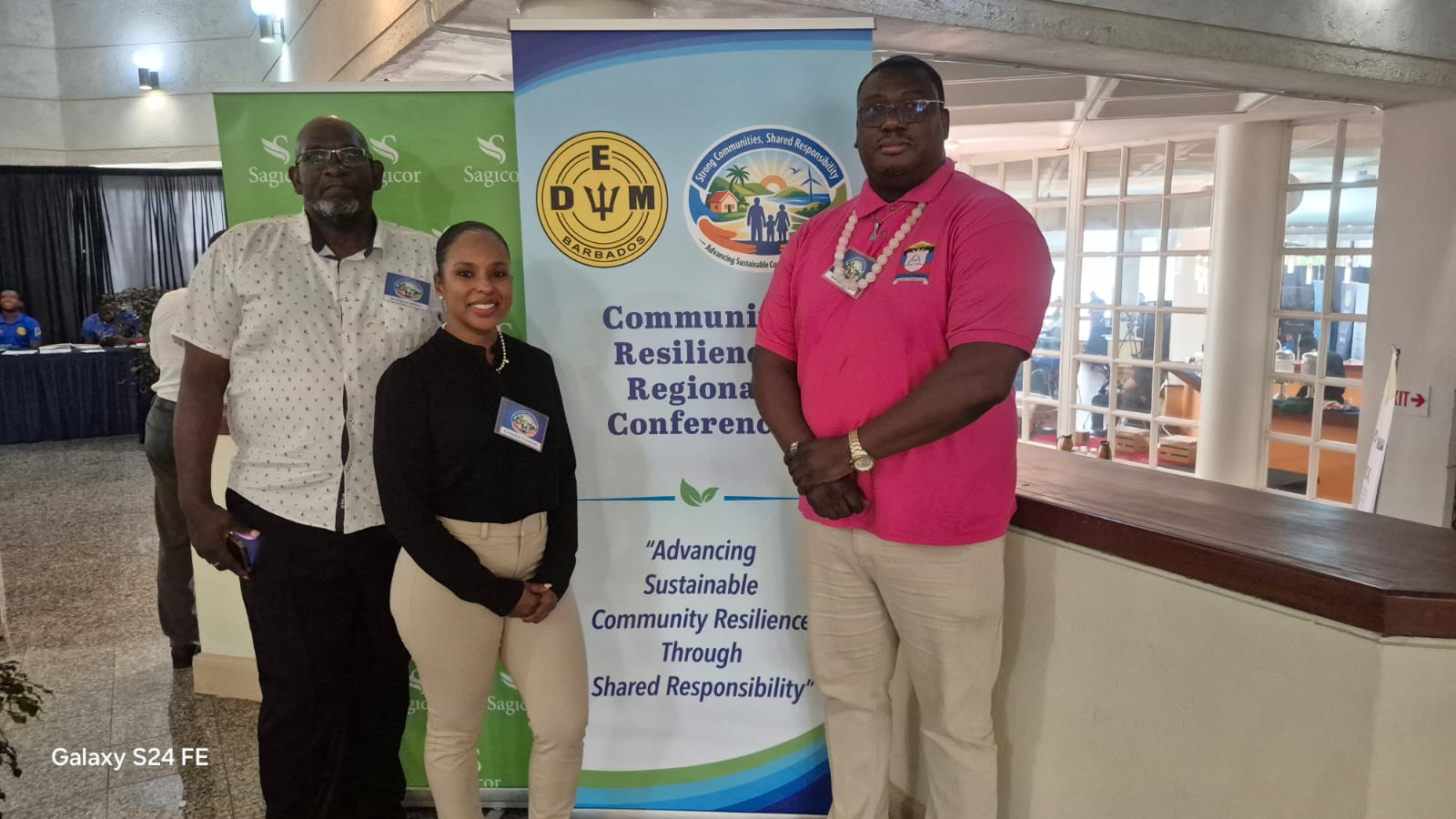
    The second annual Community Resilience Regional Conference kicked off on July 15 in Barbados, gathering stakeholders from across the Caribbean to advance collective action on climate and disaster preparedness under the central theme “Advancing Sustainable Community Resilience through Shared Responsibility”.

    A three-person delegation from Antigua and Barbuda is representing the dual-island nation at the three-day event, led by Sherrod James, Director of Antigua and Barbuda’s National Office of Disaster Services (NODS). James was selected to sit on the conference’s high-level expert panel, where he contributes insights on national disaster management frameworks alongside other senior regional leaders. Joining James on the delegation are Marcus Scott, District Disaster Coordinator for St. John’s City South, and Kimbalie Constant, Strategic Operations and Project Implementation Manager for the Social Policy Unit within Antigua and Barbuda’s Ministry of Social Transformation.

    Unlike many theoretical policy summits, this year’s conference is designed as an action-focused platform that brings together a diverse cross-section of resilience stakeholders. Attendees include disaster management officials from all CARICOM member states, representatives from leading regional institutions, grassroots community leaders, youth delegates, and international development partners. The core agenda centers on collaborative strategies to build more robust, adaptive communities capable of withstanding growing climate and disaster threats across the Caribbean region, a geographic area disproportionately impacted by climate-driven extreme weather events.

    The conference is backed by a coalition of funding and institutional partners, including the European Union, the Caribbean Disaster Emergency Management Agency (CDEMA) through its Building Resilience of the CARIFORUM States to Disaster Risks and Climate Change Impacts (BRICS) project, financial services firm Sagicor, and the government of Barbados. This multi-stakeholder support underscores the broad consensus around the urgent need for coordinated regional action to strengthen community-level resilience amid escalating climate risks.