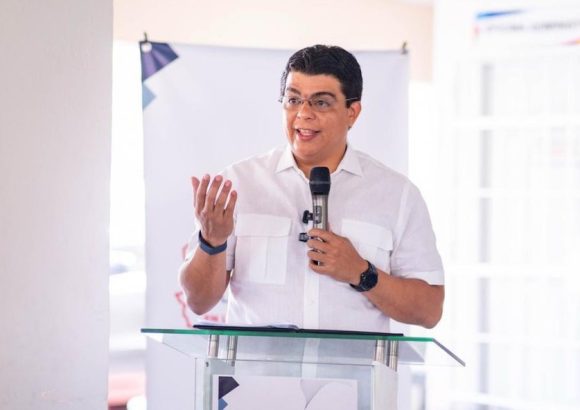
A severe drought fueled by the El Niño climate phenomenon has left the Dominican Republic’s capital region facing a critical water shortage, prompting the top local water official to issue an urgent call for widespread public conservation. Felipe “Fellito” Suberví, director of the Santo Domingo Aqueduct and Sewerage Corporation (CAASD), announced this week that key aqueduct systems serving the entire Greater Santo Domingo area are operating far below their typical output, currently producing only 30 to 35 percent of their normal water volume. The sharp decline is directly tied to prolonged lack of rainfall across the major river basins that supply the region’s drinking water, he explained. Suberví noted that the below-average precipitation trend began as early as May this year, with dramatic drops recorded across all major source basins, including those feeding the Haina, Isa Mana, Duey, Isabela, and Nizao rivers – the latter of which supplies the critical Valdesia reservoir. One of the hardest-hit local sources, the Haina Manoguayabo basin, has seen its water flow plummet by 68 percent compared to average levels, according to CAASD data. The CAASD director emphasized that this water crisis is not an isolated issue for the Dominican Republic. The El Niño phenomenon has triggered similar drought conditions and public water shortages across the Caribbean and Latin America, with neighboring Puerto Rico already grappling with its own severe drinking water crisis right now. In a public statement, Suberví stressed that voluntary, consistent water rationing by area residents is the most immediate step to avoid more severe shortages as the region waits for much-needed rainfall. Without widespread public cooperation to cut unnecessary water use, the capital region could face more disruptive supply gaps in the coming weeks, he warned.
The CAASD asks to rationalize water in the face of drought affects the Dominican Republic