分类: environment

  • Environment Ministry highlights progress in protecting Yaque del Norte River

    Environment Ministry highlights progress in protecting Yaque del Norte River

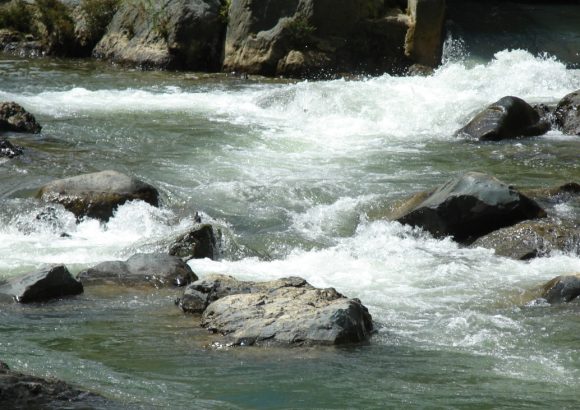
    In Santo Domingo, the Dominican Republic’s Ministry of Environment and Natural Resources has announced notable progress in the multi-stakeholder protection and restoration of the Yaque del Norte River basin, one of the country’s most critical hydrological systems. The initiative, led by Environment Minister Paíno Henríquez, is a core component of a sweeping national plan designed to shore up long-term water security across the Dominican Republic’s most important river basins, which also include the Haina and Nizao watersheds.

    Officials emphasize that the Yaque del Norte basin fulfills irreplaceable roles for the nation, supplying drinking water to millions of residents, supporting large-scale agricultural production, providing input for hydroelectric power generation, and sustaining a wide range of unique native biodiversity. To advance restoration goals, the Ministry of Environment is coordinating implementation of targeted projects across multiple priority areas: reforestation of degraded riparian zones, soil conservation to reduce sediment runoff, comprehensive watershed restoration work, and integrated cross-sector water resource management.

    Partners in these efforts include the National Institute of Hydraulic Resources (INDRHI), local municipal governments, agricultural producers, grassroots community organizations, and international environmental and development partners. Beyond on-the-ground restoration work, authorities have also strengthened regulatory oversight, conducting mandatory technical environmental reviews for all proposed projects that could impact rivers and other surface water bodies. This step ensures that all development activities adhere strictly to national environmental regulations while still supporting balanced, sustainable economic growth across the region.

    One of the most high-profile undertakings in this national strategy is the Watersheds and Climate-Resilient Communities (CReW-RD) project, a $90 million initiative funded by the Green Climate Fund. The program focuses on restoring ecologically critical hydrological ecosystems, boosting local communities’ ability to withstand the impacts of climate change, and scaling up nature-based solutions to water and climate challenges. The Yaque del Norte River basin has been designated as one of the primary intervention zones for the large-scale program.

    Ministry leadership reaffirmed that strategic investment in the protection of the Dominican Republic’s watersheds is a foundational requirement to guarantee stable long-term water supplies, reduce land degradation and erosion, restore damaged native ecosystems, and lay the groundwork for inclusive, sustainable economic development across the country for decades to come.

  • Thunderstorms, Lightning and Heavy Rain Reported Across Antigua and Barbuda as Tropical Wave Passes

    Thunderstorms, Lightning and Heavy Rain Reported Across Antigua and Barbuda as Tropical Wave Passes

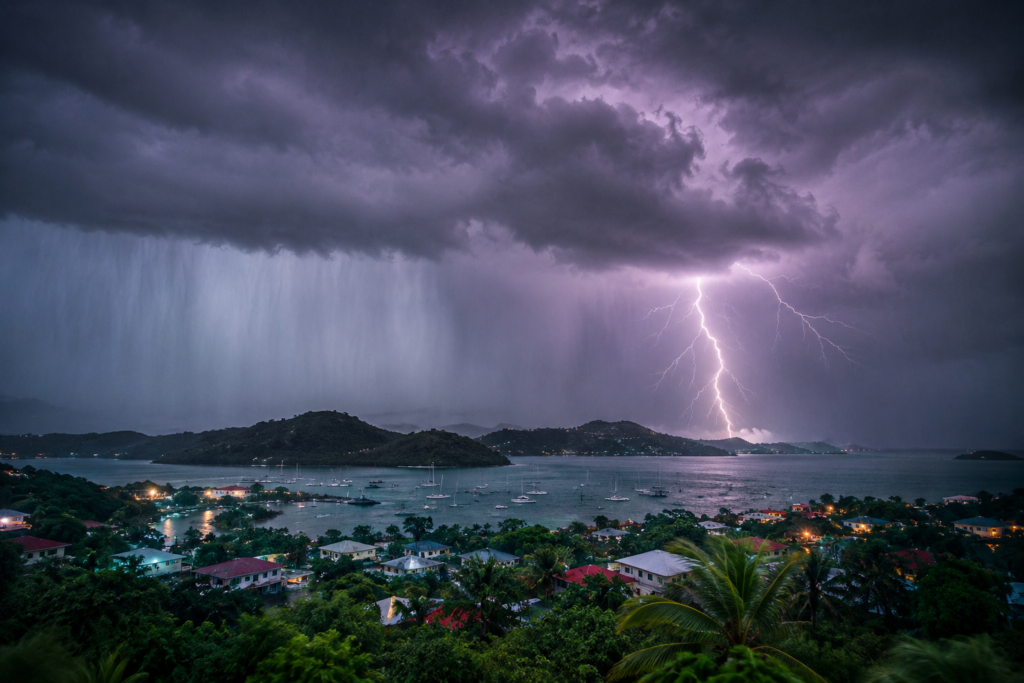
    On Sunday, the twin-island nation of Antigua and Barbuda faced severe disruptive weather as a passing tropical wave brought hours of heavy rain, repeated lightning strikes, and intense thunderstorms across both islands. Local residents in multiple residential communities shared firsthand accounts of rapid, torrential downpours that swept through neighborhoods, paired with bright, frequent flashes of lightning that illuminated overcast skies.

    Meteorologists attribute the volatile conditions to residual moisture and persistent atmospheric instability left in the tropical wave’s wake. These conditions have created a favorable environment for the development of scattered and isolated thunderstorms across the entire country, with unstable weather patterns projected to hold as the system continues its slow movement across the islands.

    In response to the hazardous conditions, national safety officials have issued urgent public safety guidance aimed at reducing the risk of lightning-related injuries. Officials emphasize that lightning can travel as far as several miles from the core of a storm system, meaning strikes can occur even when no rain is falling at a location. For this reason, the public is strongly advised to move to safe shelter immediately whenever thunder is audible. The only recommended safe spaces are fully enclosed permanent buildings and vehicles with solid metal hard tops.

    Until at least 30 minutes have passed since the last sound of thunder, officials warn the public to avoid a wide range of high-risk locations. These include open outdoor spaces, coastal beaches, natural bodies of water such as rivers and ponds, constructed swimming pools, tall isolated trees, utility poles, overhead power lines, and metal perimeter fences, all of which increase the risk of being struck by lightning.

    As unstable weather conditions are set to continue in the coming period, local authorities are urging all residents to stay informed by regularly checking official meteorological updates. They also encourage community members to reach out to check on the well-being of vulnerable family members and neighbors, and maintain a heightened state of alert to respond to changing weather conditions.

  • Antigua and Barbuda Marks International Day for the Conservation of the Mangrove Ecosystem

    Antigua and Barbuda Marks International Day for the Conservation of the Mangrove Ecosystem

    ST. JOHN’S, Antigua – In a push to highlight the irreplaceable ecological and economic value of mangrove forests to the twin-island nation, Antigua and Barbuda’s Department of the Blue Economy has organized a full slate of educational and community-focused events to observe the International Day for the Conservation of the Mangrove Ecosystem.

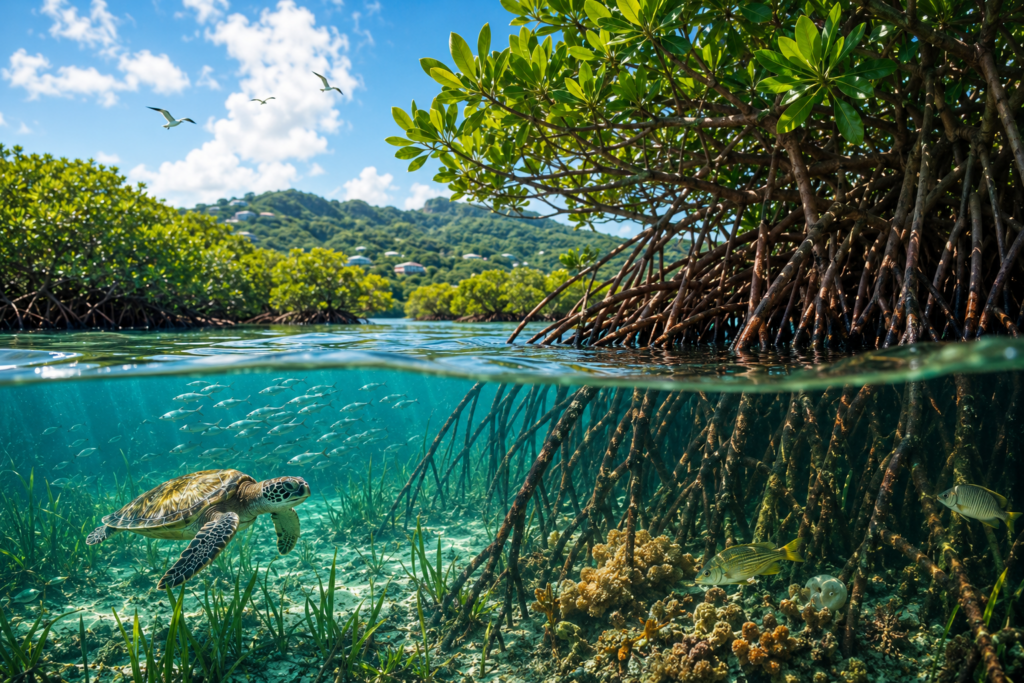
    In an official statement released to mark the annual observance on Sunday, the department outlined the wide-ranging, critical roles mangrove ecosystems play across the country. Beyond anchoring coastlines to slow erosion and buffer against destructive storm surges, these coastal forests underpin marine biodiversity, act as highly effective carbon sinks, and boost the nation’s overall capacity to adapt to the accelerating impacts of climate change.

    The first of this year’s scheduled activities took place July 24, when department organizers hosted an interactive educational workshop for attendees of the National Library Summer Camp. Through a mix of engaging educational games and hands-on learning experiences, young campers explored core themes including local marine biodiversity, coastal protection strategies, marine pollution prevention, and the natural water purification function mangrooves provide.

    The series of observance events will continue July 27 with a community mangrove-themed public mural project, led entirely by students from J.T. Ambrose Primary School. The mural will be painted at the Recreation Ground on Independence Drive, located directly opposite the Roman Catholic Church of St. Joseph and St. Patrick, with work running from 9 a.m. to 3 p.m. and open to public observers.

    Department officials emphasized that while mangroves rank among the most biologically productive ecosystems on the planet, they are also one of the most threatened. These coastal forests serve as critical nursery habitats for commercially important marine species including fish, crabs and lobsters, providing a natural foundation that supports the nation’s commercial fishing industry, coastal tourism sector, and small coastal communities that rely on both for livelihoods.

    Data shared by the department adds further context to mangroves’ outsized environmental impact: Healthy mangrove ecosystems naturally filter industrial and agricultural pollutants from coastal waters, boosting water quality for both marine life and human communities, while reducing the destructive force of hurricanes and seasonal flooding. On a global scale, mangrove forests can store up to four times more carbon per hectare than most terrestrial tropical forests, and provide permanent or migratory habitat for hundreds of species of fish, birds and other wildlife.

    To extend the impact of the international observance beyond scheduled events, the Department of the Blue Economy is calling on all Antigua and Barbuda residents to join ongoing mangrove conservation efforts. Simple actionable steps the department highlights include cutting down on single-use plastic consumption to reduce marine plastic pollution, avoiding damage to intact coastal mangrove habitats, participating in local community coastal clean-up drives, and spreading public awareness of mangroves’ importance to friends and family.

    Closing the official message, the department adopted the event slogan “Healthy Mangroves. Healthy Oceans. Stronger Communities,” and encouraged local residents to share their own personal mangrove conservation activities on public platforms to honor the international observance and inspire broader action.

  • Bescherm onze mangroven: het is nu tijd om in actie te komen!

    Bescherm onze mangroven: het is nu tijd om in actie te komen!

    On July 26, the world observes annual World Mangrove Day, a moment that draws sharp focus to the extraordinary ecological, economic and social value of Suriname’s extensive mangrove forests – one of the largest and most ecologically critical mangrove ecosystems in the Caribbean and South American region.

    Far more than just a belt of trees lining Suriname’s coastline, these unique intertidal forests deliver a wide array of irreplaceable benefits to the nation and its people. They act as a natural coastal barrier, slowing erosion and buffering inland communities from devastating storm surges and flooding. They serve as critical nursery habitats that support juvenile fish and hundreds of other wildlife species, underpinning the livelihoods and food security of thousands of small-scale fishers across the country. Perhaps most importantly in an era of accelerating climate crisis, mangroves sequester carbon far more effectively than many terrestrial forest types, helping Suriname absorb the impacts of rising sea levels and broader climate change.

    Despite these critical benefits, Suriname’s mangroves face growing, multifaceted threats that are pushing these fragile ecosystems toward increasing degradation. Climate change-driven impacts including accelerating sea level rise, prolonged droughts and altered hydrological patterns have already caused measurable harm. On top of these natural stressors, unregulated human activity and inadequate ecosystem management have disrupted natural ecological processes across large swathes of mangrove habitat. Even previously robust, healthy mangrove stands are now showing signs of damage when water flow is blocked and emerging threats are not addressed in a timely manner, experts warn.

    World Mangrove Day serves as a critical reminder that raising awareness alone is not enough to reverse these trends – tangible, coordinated action is urgently required. This means investing in science-based, sustainable mangrove management, developing clear long-term conservation plans, securing consistent and sufficient funding for protection and maintenance, and forging close collaborative partnerships between government agencies, ecological researchers and local coastal communities. Protecting mangroves is not just an environmental priority: it is central to Suriname’s public safety, food security and long-term economic stability. Safeguarding these ecosystems is equivalent to safeguarding Suriname’s future.

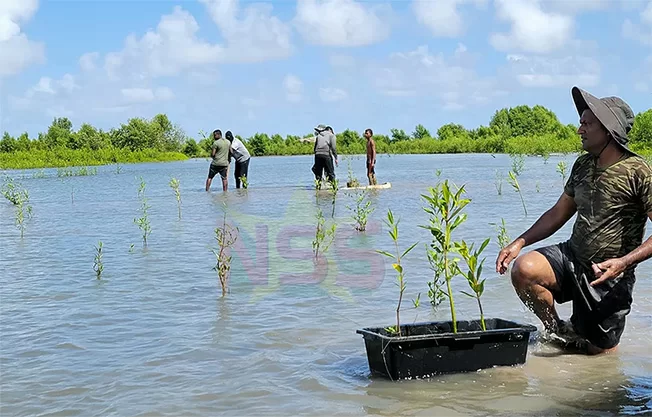
    Recent, comprehensive research conducted at the Bigi Pan mangrove reserve in Nickerie – one of Suriname’s most important coastal protected areas – offers a actionable blueprint for effective conservation. The study documented strategies to restore degraded mangrove areas and strengthen protection for intact healthy forest, and put forward a series of evidence-based recommendations for improved management of Bigi Pan. These include deeper collaboration between stakeholder organizations, sustained adequate funding, regular ecological monitoring, stricter enforcement of existing conservation regulations, and expanded leadership roles for local communities that live in and around the reserve. The Bigi Pan project demonstrates that meaningful conservation outcomes are achievable when scientific expertise, indigenous and local knowledge, and proactive policy are aligned. The management and monitoring frameworks developed for Bigi Pan can now serve as a replicable model for other mangrove areas across Suriname’s coastline.

    On this World Mangrove Day, the Anton de Kom University of Suriname and the Mangrove Forum Suriname are calling on the Surinamese government to elevate mangrove protection and sustainable management to a top national priority. To deliver meaningful progress, clear regulatory frameworks, defined institutional responsibilities, sustained public funding, and decision-making rooted in rigorous scientific research are all essential. Equally indispensable is the active participation of citizens and local coastal communities, who bear the closest connection to these ecosystems and depend most directly on their health.

    The appeal extends beyond government: policymakers, researchers, civil society organizations, development partners and all people of Suriname are called on to unite around shared mangrove stewardship. Protecting these ecosystems is a collective shared responsibility for all stakeholders.

    The future of Suriname’s entire coastline and the livelihoods of the communities that call it home are inextricably linked to the future of the nation’s mangroves. Without urgent action, Suriname will not only lose one of its most unique natural treasures: it will also face increasing damage from flooding and coastal erosion, declining fish stocks that threaten food security, and heightened national vulnerability to the impacts of climate change.

    While public awareness is a critical first step, it is not sufficient to reverse current trends. Communities and individuals must speak up and contribute to decision-making that shapes the future of mangroves and the communities that depend on them. Now is the time for urgent action: the current rate of mangrove degradation must be slowed, and ultimately halted, to protect Suriname, its future generations, and all who rely on a healthy, resilient coast. Every person has a role to play, because the benefits of intact mangroves touch every member of Surinamese society.

    This call to action is being amplified during the first ever Mangrove Run, held July 26, 2026 in Nieuw Nickerie. Far more than a recreational public event, the run serves as a collective call to action for all people to join the effort to protect Suriname’s mangroves. Mangroves belong to all of Suriname, their value stretching from the local coastline to global climate stability, and from the present day to the far future.

    This statement is issued by Prof. dr. Sieuwnath Naipal, on behalf of the Anton de Kom Universiteit van Suriname and the Mangrove Forum Suriname.
  • “This Is What Our Guests Are Coming to See”: Fish Die-Off Reported in Caye Caulker

    “This Is What Our Guests Are Coming to See”: Fish Die-Off Reported in Caye Caulker

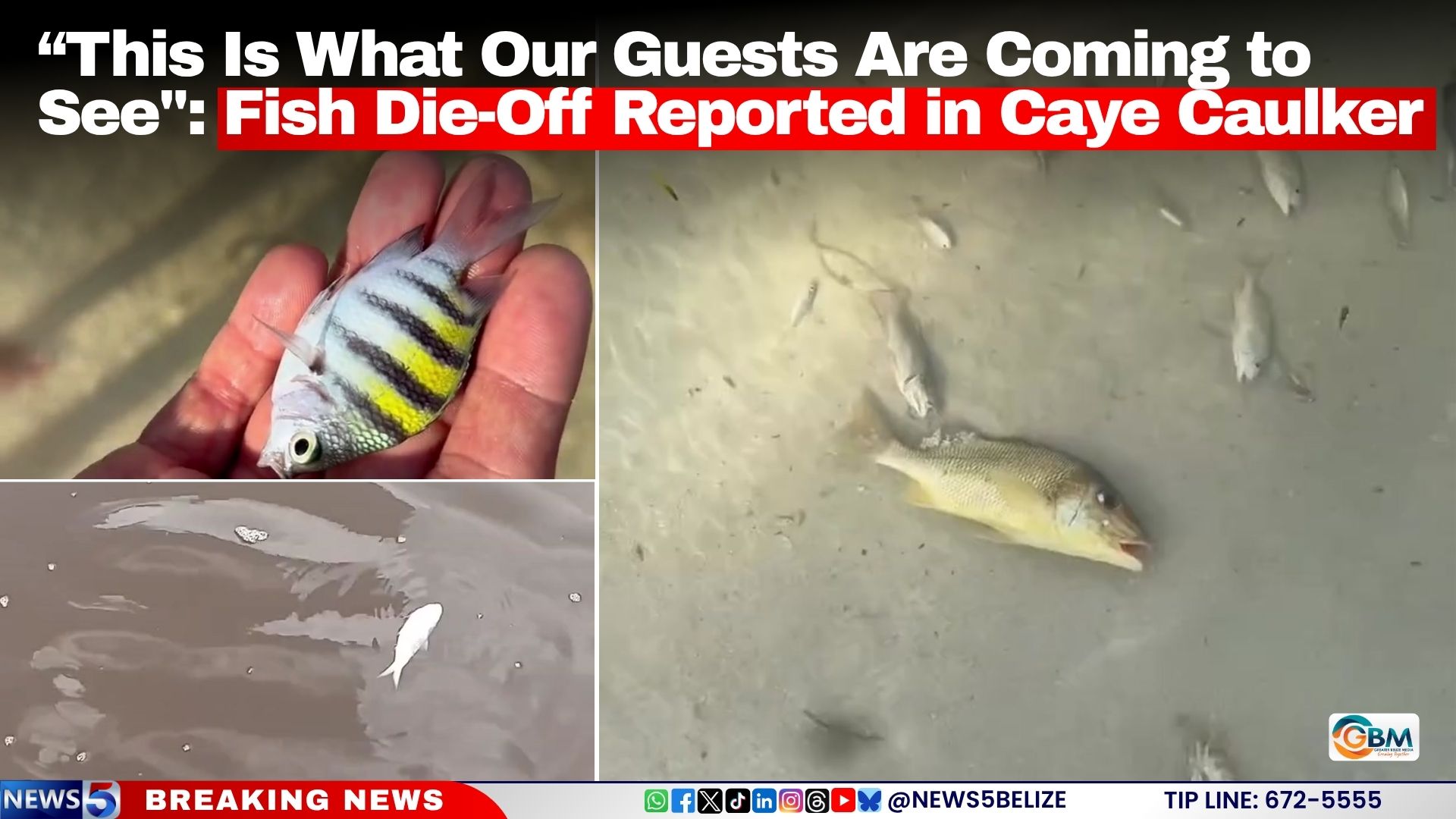
    On July 25, 2026, a devastating mass mortality event of small fish has hit the Caribbean island of Caye Caulker, leaving local communities reeling and demanding answers after footage captured hundreds of lifeless fish drifting across the waters surrounding La Isla Cariñosa.

    The ongoing incident has triggered widespread alarm among island residents, who report that the stench of decaying fish has already drifted across multiple residential zones in the village. As speculation grows over the root cause, many locals are pointing to the persistent, years-long buildup of sargassum seaweed along the island’s coastlines, questioning whether the unmanaged influx has pushed the fragile coastal ecosystem past its breaking point.

    One local resident, who spoke on condition of anonymity, placed blame squarely on the worsening sargassum crisis and criticized national authorities for failing to implement meaningful solutions. “The cause is clear: it’s the sargassum, and politicians have refused to invest in a real, long-term fix,” they said. “We can’t fault our local village council — they don’t have the budget or resources to handle a problem this big. But the responsible minister can’t stand by and claim there’s no funding to address this.”

    Another resident shared a firsthand account of the events leading up to the mass die-off, recounting unusual activity along the island’s popular north split on Thursday. “All that sargassum washed up onto the north split shore Thursday evening,” they explained. “We saw hundreds of birds gathering to feed, and even crocodiles came out in the early afternoon to feed on the bait fish that were already alive but clearly struggling. When we woke up the next morning, every last fish was dead. And nothing has touched the carcasses since.”

    A third resident’s widely shared video offers a stark visual of the damage: murky, brown-tinged coastal waters littered with the pale bodies of dead small fish, with what appears to be a dead eel floating among the remains. “This is what our tourists come to Caye Caulker to see? Brown, polluted water and dead fish,” the resident said in the footage, describing the unregulated sargassum influx as “a plague that is choking all our marine life.”

    As of press time, no official cause for the die-off has been confirmed by environmental or government authorities. However, marine scientists have long warned of the severe risks that decomposing sargassum poses to nearshore marine ecosystems. When large accumulations of the seaweed break down, they rapidly deplete dissolved oxygen levels in surrounding waters, while releasing toxic gases and compounds that place lethal stress on fish, shellfish, and other aquatic organisms.

  • WEATHER (6:00 AM, July 25): Weak unstable conditions are affecting the area

    WEATHER (6:00 AM, July 25): Weak unstable conditions are affecting the area

    Residents across the Lesser Antilles region are bracing for a day of mixed, unpredictable weather on Friday, driven by multiple overlapping atmospheric systems that have prompted official caution for vulnerable communities and outdoor operators. This morning’s forecast calls for widespread cloud cover interspersed with scattered showers, which may ramp up to moderate or heavy intensity in localized areas, with a chance of isolated thunderstorms popping up across the territory.

    As the day transitions into afternoon and overnight, the conditions will shift only slightly. Most areas will stay mostly cloudy with a light haze, holding just a handful of scattered showers through the evening. After midnight, storm activity will pick up again, bringing back scattered showers and the continued threat of isolated thunderstorms.

    Meteorologists trace the day’s unsettled weather to a mid- to upper-level atmospheric trough carrying excess moisture and atmospheric instability, which is the primary driver of today’s cloudy, showery conditions. The bigger shift on the horizon is an approaching tropical wave, which is expected to bring widespread cloud cover, showers and thunderstorms starting across the southern Lesser Antilles this afternoon. Those stormy conditions are projected to track northward overnight, continuing through Sunday across the northern parts of the region.

    In light of this forecast, authorities are urging residents living in low-lying areas, steep hillsides, and other zones that are historically prone to flooding, landslides and falling rock debris to stay vigilant and take proactive steps to protect property and personal safety.

    A secondary atmospheric hazard is also building through the day: Saharan dust concentrations, which are low across the region this morning, are expected to climb steadily starting this afternoon. People living with pre-existing respiratory conditions, including asthma, chronic allergies and other breathing impairments, are advised to closely monitor changing air quality conditions and follow recommended precautions such as limiting prolonged outdoor exposure to reduce health risks.

    For marine and coastal activities, conditions across the next 24 hours remain mostly favorable, with sea states ranging from slight to moderate. Along the territory’s west coast, wave heights are expected to hover around 3 feet, while the more exposed east coast will see larger swells reaching near 7 feet. While general marine activities can proceed safely, small craft operators are reminded to maintain extra caution, especially when operating in open offshore waters where conditions can change quickly.

  • Central America Braces For El Nino’s Effects on Agriculture

    Central America Braces For El Nino’s Effects on Agriculture

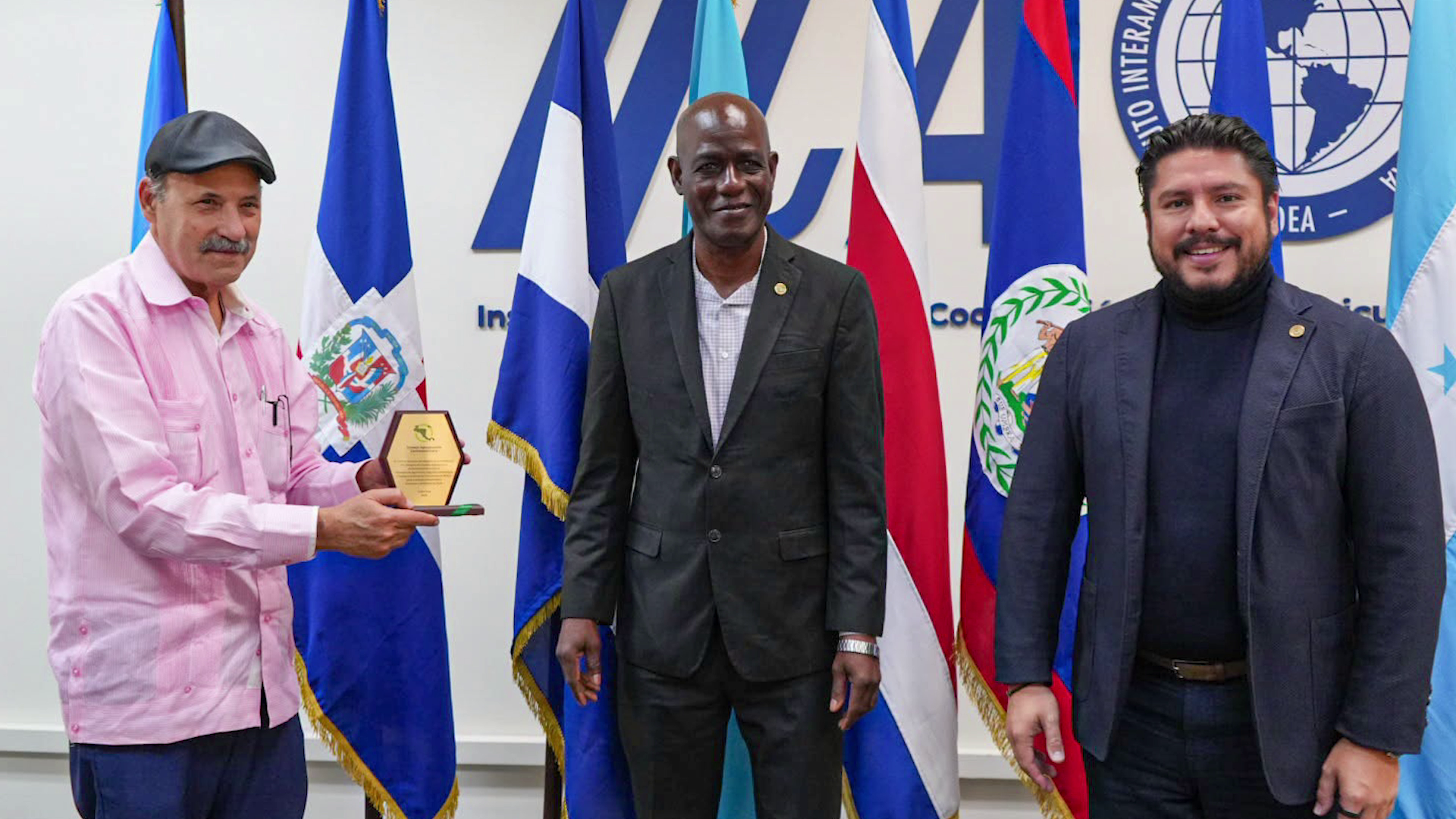
    As the 2026–2027 El Niño phenomenon looms over Central America, bringing projected drought, erratic extreme weather events, and growing threats to regional crop yields and food stability, agricultural leaders from across the region gathered in San José, Costa Rica on July 24, 2026 to hammer out a unified, collaborative strategy to mitigate the coming impacts.

    The meeting was chaired by Belize’s Agriculture Minister Rodwell Ferguson, who currently serves as Pro Tempore President of the Central American Agricultural Council (CAC), the regional body coordinating the effort. Ferguson opened discussions by emphasizing that no single nation in the region has the capacity to address El Niño’s far-reaching agricultural disruptions alone, arguing that cross-border coordination and shared resources are the only viable path to protecting vulnerable farming communities and maintaining food access across Central America.

    In an interview following the gathering, Ferguson outlined the core priorities the bloc has agreed to advance over the next six months. The top immediate goal is securing targeted grant funding to support smallholder and commercial farmers across the region, who are already beginning to feel El Niño’s effects. “Technically yes, it’s upon us, I believe until July of 2027, and every country is already feeling the effects of it,” Ferguson explained.

    El Niño is already manifesting unevenly across the isthmus: some nations are grappling with record-breaking heatwaves that have drained critical water reserves for irrigation, while others have already faced unseasonable extreme rainfall and intense tropical storm activity that has damaged standing crops. Even as El Niño is a natural climate pattern that cannot be stopped, Ferguson stressed that regional leaders cannot afford inaction.

    Following the meeting, the CAC has mandated each member state to draft a national needs assessment and action plan within the coming weeks, to be aligned with a regional coordinated framework. The bloc’s shared approach will center on pooling limited national resources and leveraging combined advocacy to unlock international grant funding, since existing domestic resources across the region are insufficient to address the scale of the challenge. Ferguson noted that regional integration is not just an economic principle — it is a critical tool for collective resilience in the face of climate-driven shocks, ensuring that all member states can access the support they need to protect their agricultural sectors and keep food supplies stable for local populations.

  • Belize Eyes Faster Shift to Electric Transportation

    Belize Eyes Faster Shift to Electric Transportation

    In a push to cut fossil fuel dependence and slash carbon emissions from the transportation sector, Belize has committed to accelerating its transition to electric mobility through a cross-regional sustainable transport initiative backed by Taiwan and the Central American Integration System (SICA). The collaborative project, launched in 2026, will center specifically on Belize to assess the practicality of expanding the nation’s electric bus fleet and building out a nationwide network of electric vehicle charging stations, while leveraging insights and expertise from early regional adopters of low-carbon transport.

    Dr. Leroy Almendarez, Chief Executive Officer of Belize’s Ministry of Public Utilities, Energy and Logistics, represented the nation in recent working discussions focused on advancing the initiative. He highlighted that the entire Central American region, coordinated through SICA, shares a collective goal of boosting electric vehicle adoption, driven primarily by commitments to cut environmental harm and improve air quality across the bloc.

    The project is currently conducting a targeted diagnostic analysis of Belize’s current transportation landscape to map out a realistic transition timeline for phasing out diesel and gasoline-powered public transit vehicles in favor of electric alternatives. According to Almendarez, two SICA member states – Costa Rica and Panama – have already achieved far higher electric vehicle penetration than the rest of the region, with Costa Rica emerging as a clear regional leader in sustainable transport policy and deployment. Belize plans to draw heavily on these countries’ hands-on experience to avoid common pitfalls and streamline its own transition.

    A key challenge the initiative will address is the high upfront purchase cost of electric vehicles, a major barrier for private bus and fleet operators in Belize. Almendarez noted that the project will collect and share empirical data to demonstrate the long-term financial benefits of electric mobility to local vehicle owners, who were included in recent working sessions to ensure stakeholder input guides the initiative’s design.

    Almendarez pointed out that beyond environmental benefits, electric transport offers significant financial stability for Belize, a nation that is fully reliant on imported fossil fuels with no control over global price volatility. “If you were running from Belize City to Cayo, you’ll find out that it’s much cheaper” to operate an electric vehicle compared to a gasoline or diesel bus, he explained, noting that lower and more stable operating costs offset the higher initial investment over the vehicle’s lifespan.

  • Hoogleraar Moomou: Een gedeelde rivier vraagt om gedeelde verantwoordelijkheid

    Hoogleraar Moomou: Een gedeelde rivier vraagt om gedeelde verantwoordelijkheid

    For centuries, the Marowijne-Lawa-Litanier River that cuts across the border between French Guiana and Suriname has been far more than a cartographic boundary or administrative dividing line. It is a lifeline, a sacred cultural and spiritual touchstone for Indigenous peoples and Maroon communities that have made its banks their home since long before modern nation-states drew their lines across the region.\n\nIndigenous groups including the Kali’na, Arawak, Teko, and Wayana-Apalaï were the first inhabitants of the river basin. Beginning in the 18th century, Maroon communities—descendants of formerly enslaved people who escaped colonial plantations in Suriname—settled along the river’s reaches, including the Aluku-Boni (from 1776), the Pamaka (from 1877), and the Ndyuka (also called Okanisi), who first settled along the Tapanahoni River in 1766 before expanding to the Lawa River banks in the 1880s.\n\nFor these communities, the river border has a meaning fundamentally different from the one imposed by national governments. While citizenship is formally defined by which side of the river a person is born or resides on—French for those on the French Guiana side, Surinamese for those on the Surinamese side—local worldviews do not recognize a rigid dividing line. As André Pakosie, a Maroon writer and community leader born in the region, noted in a 2018 essay: “In my youth, I grew up with the idea that for us Maroons there was no border between Suriname and French Guiana. People on the other side of the Marowijne just spoke a different dialect, same as us. The land on both sides belonged to everyone, not to France or the Netherlands—it was our shared home.”\n\nThat centuries-old fragile balance between communities and the river ecosystem has come under growing threat since the end of the 20th century. Large-scale resource exploitation, unchecked pollution, and inflexible cross-border border management that ignores local traditions and needs have eroded the sustainable stewardship that traditional authorities maintained for generations. Accelerating ecosystem decline, combined with the shrinking influence of traditional governance, has pushed the region to a breaking point, according to Jean Moomou, a professor of history at the University of French Guiana who authored this analysis of the river crisis.\n\nToday, the single greatest threat facing the basin is unregulated, illegal gold mining. The activity has carved up riverbeds, cleared old-growth forests, and eroded river banks across the region. Worse, mercury runoff from mining, mixed with plastic, metal, and battery waste, has poisoned the river’s water. This contamination has put both public health for local communities and the basin’s unique biodiversity at severe risk.\n\nFor local people, the damage is not only environmental but cultural and spiritual. As one traditional healer (obiauman) put it: “All the water spirits have left and hidden themselves.” With the loss of the river’s traditional purity, long-held cultural practices that structure community life are also fading. The arrival of unregulated mining has also brought a surge in violent conflict, most notably the deadly clashes in gold mining areas around Maripasoula in the late 1990s and early 2000s.\n\nThese interconnected challenges are not isolated incidents: they expose a deep structural crisis that demands coordinated action from political leaders, civil society, and scientific experts across both borders. Inaction would put both the long-term and short-term socioeconomic well-being of local communities and the ecological integrity of the transboundary basin at irreversible risk.\n\nMoomou notes that the 2021 protocol for border redefinition jointly proposed by the governments of France and Suriname offers a promising path forward. The updated border framework creates a clearer, more effective regulatory structure to crack down on illegal activities like unregulated gold mining, while opening the door to cooperative management that honors the river’s role as a shared resource for the communities that have depended on it for centuries. The core demand from researchers and community leaders remains clear: the river must be managed as a shared resource, with full respect for both ecological health and the long-standing use rights of the Indigenous and Maroon peoples who call it home.

  • City Hall Touts Transit Progress as Commuters Brave Heat and Rain

    City Hall Touts Transit Progress as Commuters Brave Heat and Rain

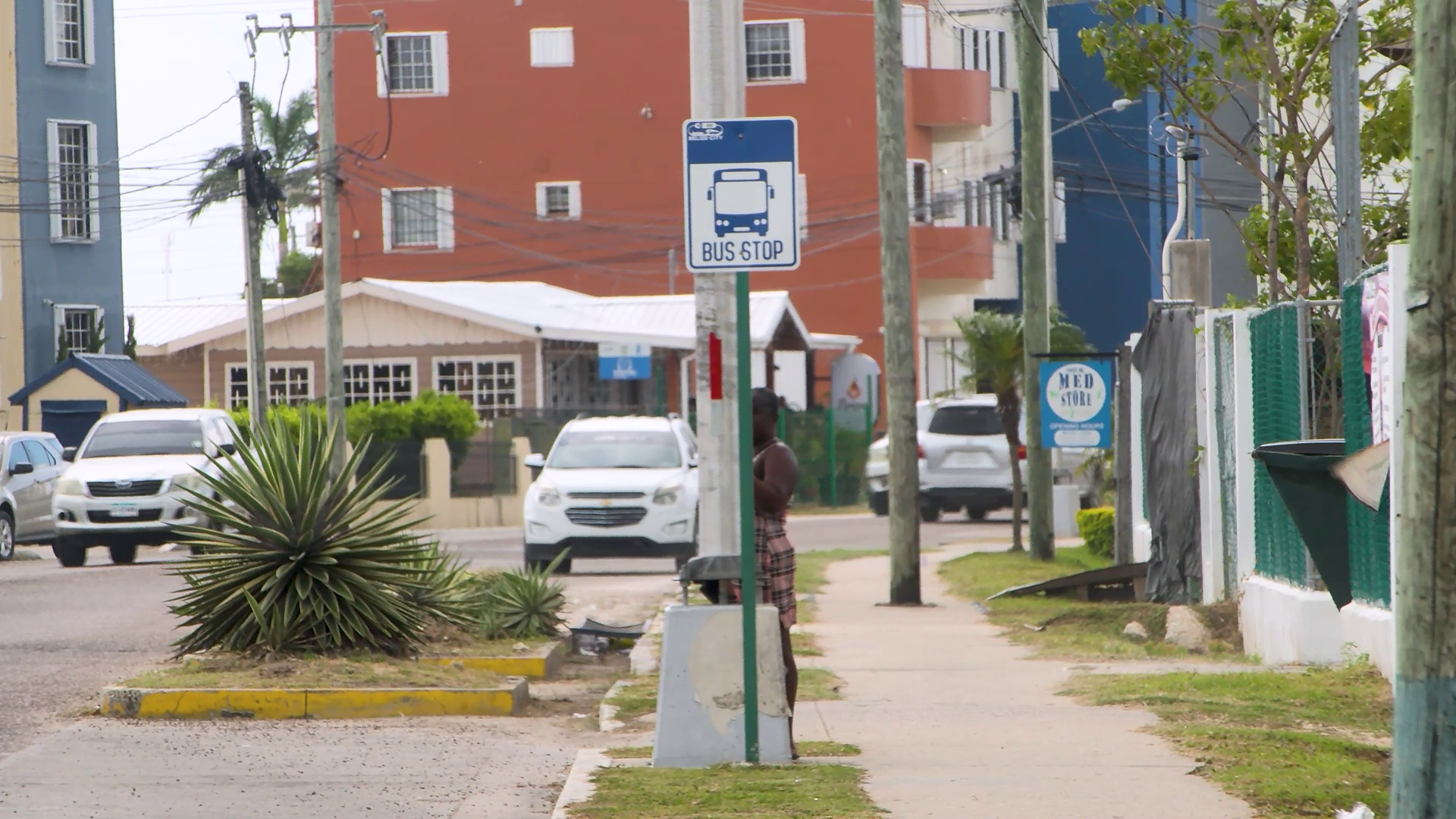
    When Belize City launched its electric bus pilot program in July 2024, it marked a bold step toward sustainable public transit for the coastal Central American city. Two years on, city leaders are celebrating a key milestone: the small fleet of two electric buses has already carried nearly 400,000 passengers, proving strong local demand for cleaner, accessible public transportation. But for daily commuters relying on the new service, one critical oversight has turned everyday trips into an uncomfortable gamble: a lack of functional, weather-protected bus stop infrastructure leaves riders waiting in extreme heat or sudden heavy rain, with nowhere to shelter.

    Deputy Mayor Eluide Miller recently acknowledged that this gap is a valid, pressing concern for residents, confirming that the city has now finalized plans to address the long-standing issue. The first major improvement will be a state-of-the-art new sheltered bus stop constructed at the high-traffic Battlefield Park location in central downtown Belize City, a project set to break ground in the near term.

    Looking beyond the initial pilot phase, Miller outlined a multi-term strategy to overhaul the city’s entire bus stop network. The current council has committed to advancing upgrades through the end of its term, and Miller emphasized that the next incoming city council will need to allocate dedicated ongoing resources to both modernize existing stops and build new facilities to support planned route expansions for the growing electric bus fleet.

    Miller explained that the limited scope of the initial pilot program explains why infrastructure upgrades were not prioritized from the start. The initiative was designed as a test bed to evaluate whether electric buses could operate reliably and effectively in Belize’s climate and urban context, with only a small number of vehicles deployed initially. Comprehensive infrastructure upgrades were not baked into the original pilot’s limited scope and budget.

    As Belize City pushes forward with its transition to electric public transit, the infrastructure upgrade plan signals a shift from testing the viability of e-mobility to scaling the service into a fully functional, resident-focused public resource, addressing the most immediate pain point for daily users.