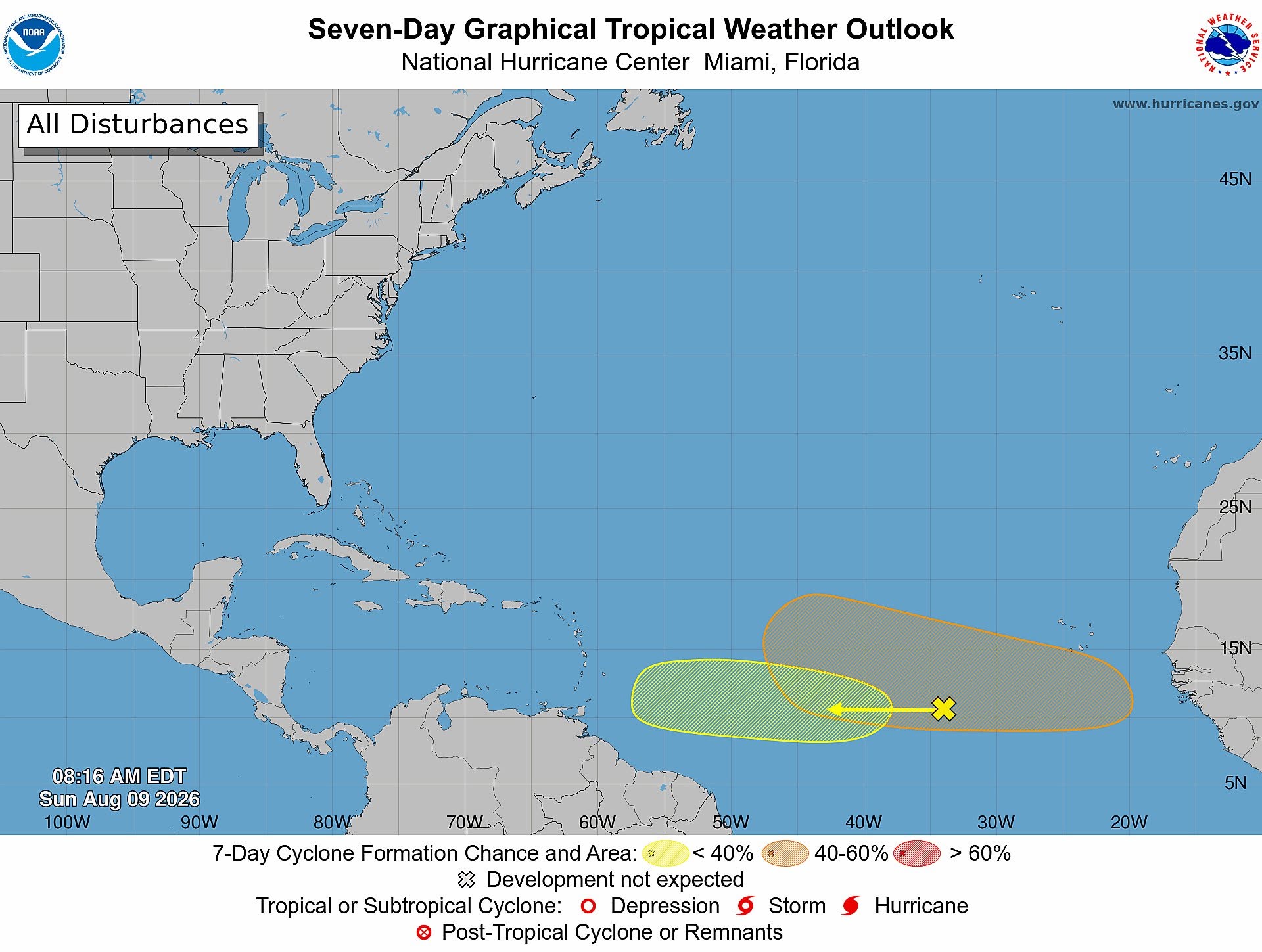
Meteorologists are closely tracking two distinct tropical waves moving across the Atlantic Ocean this week, with one system marked for a moderate chance of strengthening into a tropical depression by the end of the period. According to the official Tropical Weather Outlook issued at 8 a.m. EDT on Sunday, August 9, one of the disturbances, which is set to exit the western coast of Africa in the early days of this week, holds a 40% probability of developing into a named tropical cyclone over the coming seven days. Over the next 48 hours, however, forecasters assess the odds of formation at nearly zero, as the system has yet to encounter the atmospheric and oceanic conditions needed for organization. As the wave tracks steadily westward across the eastern and central sections of the tropical Atlantic, environmental conditions are projected to grow increasingly favorable for gradual strengthening, opening the window for tropical depression formation in the latter half of the week. The second system, currently positioned west-southwest of the Cabo Verde Islands, carries a lower 20% seven-day development chance as it also drifts west. Forecasters note that conditions are expected to become less supportive of strengthening as this second wave approaches the Lesser Antilles chain later in the week. As of the latest update, neither of the monitored disturbances has yet reached tropical depression or tropical storm status. Officials have urged residents across Antigua and Barbuda, as well as communities across the broader Lesser Antilles archipelago, to stay alert to updated forecasts over the coming days as both systems progress across the Atlantic basin.
分类: environment
-

Environment : Monitoring of commitments against desertification
Against a backdrop of growing climate vulnerability and accelerating land degradation across the Caribbean nation, Haiti’s Ministry of Environment (MoE) has convened a key national workshop to evaluate progress on the country’s global anti-desertification commitments and review the implementation of a major landscape management initiative. Scheduled for August 9, 2026, the gathering centered on the launch of the Performance Review and Assessment of Implementation System (PRAIS) report, the primary monitoring tool mandated by the United Nations Convention to Combat Desertification (UNCCD) for tracking member state commitments. The workshop also served as a critical platform to conduct a mid-implementation stocktake of the Integrated Sustainable Landscape and Land Management Project (PISLM), Haiti’s flagship intervention for degraded land recovery.
This event aligns with the core policy priorities set by Haitian Prime Minister Fils-Aimé’s administration, which has identified degraded land restoration, natural resource protection, and boosting community climate resilience as central planks of its national action agenda.
During the opening session, Environment Minister Valéry Fils-Aimé presented official certificates to members of the National Inter-institutional Committee for Sustainable Soil and Surface Management (CNIGSS), technical specialists, and institutional representatives that collaborated on the development of the PRAIS report. He commended the collective work of these stakeholders, noting their contributions have been instrumental in strengthening Haiti’s national environmental monitoring framework and advancing the fight against widespread land degradation.
The workshop brought together a diverse cross-section of stakeholders, including senior representatives from multiple government agencies, international technical and financial partners, local civil society organizations, and leading national environmental experts. Over the course of the meeting, attendees reviewed key outcomes delivered by the PISLM project to date, highlighting how its on-the-ground interventions have advanced degraded land restoration, preserved critical natural habitats, and built greater community capacity to withstand the accelerating impacts of climate change.
A core portion of the workshop was dedicated to walking stakeholders through the full PRAIS reporting process, which was developed with technical and coordination support from CNIGSS. Participants engaged in detailed discussions covering every stage of national data collection, consolidation, and validation, ultimately agreeing on a set of targeted recommendations designed to improve the accuracy and consistency of future national environmental reporting and strengthen cross-institutional coordination across Haiti’s environmental sector.
The event also marked the official launch of the new Haitian Reforestation Guide, a landmark reference document crafted to support ongoing forest landscape restoration initiatives across the country. The guide is designed to promote context-appropriate reforestation practices tailored to Haiti’s unique ecological conditions, and to provide actionable support for national land restoration targets.
Closing out the workshop, Joseph Emmanuel Philippe, Director General of the Ministry of Environment, praised the productive and collaborative nature of the exchanges, and called on all partner institutions to maintain their momentum. He emphasized the need for continued collective action to strengthen national coordination, expand access to reliable environmental data, and scale up adoption of evidence-based sustainable land management practices across Haiti.
Through the organization of this workshop, Haiti’s Ministry of Environment has reaffirmed its commitment to consolidating the country’s national environmental monitoring systems, improving the quality of its international reporting under the UNCCD, and accelerating on-the-ground land restoration actions that directly benefit Haiti’s most climate-vulnerable communities. The institution also renewed its pledge to maintain close collaborative partnerships with all national and international stakeholders, to advance the long-term preservation of Haiti’s natural resources and build more robust national resilience to climate change impacts.
-
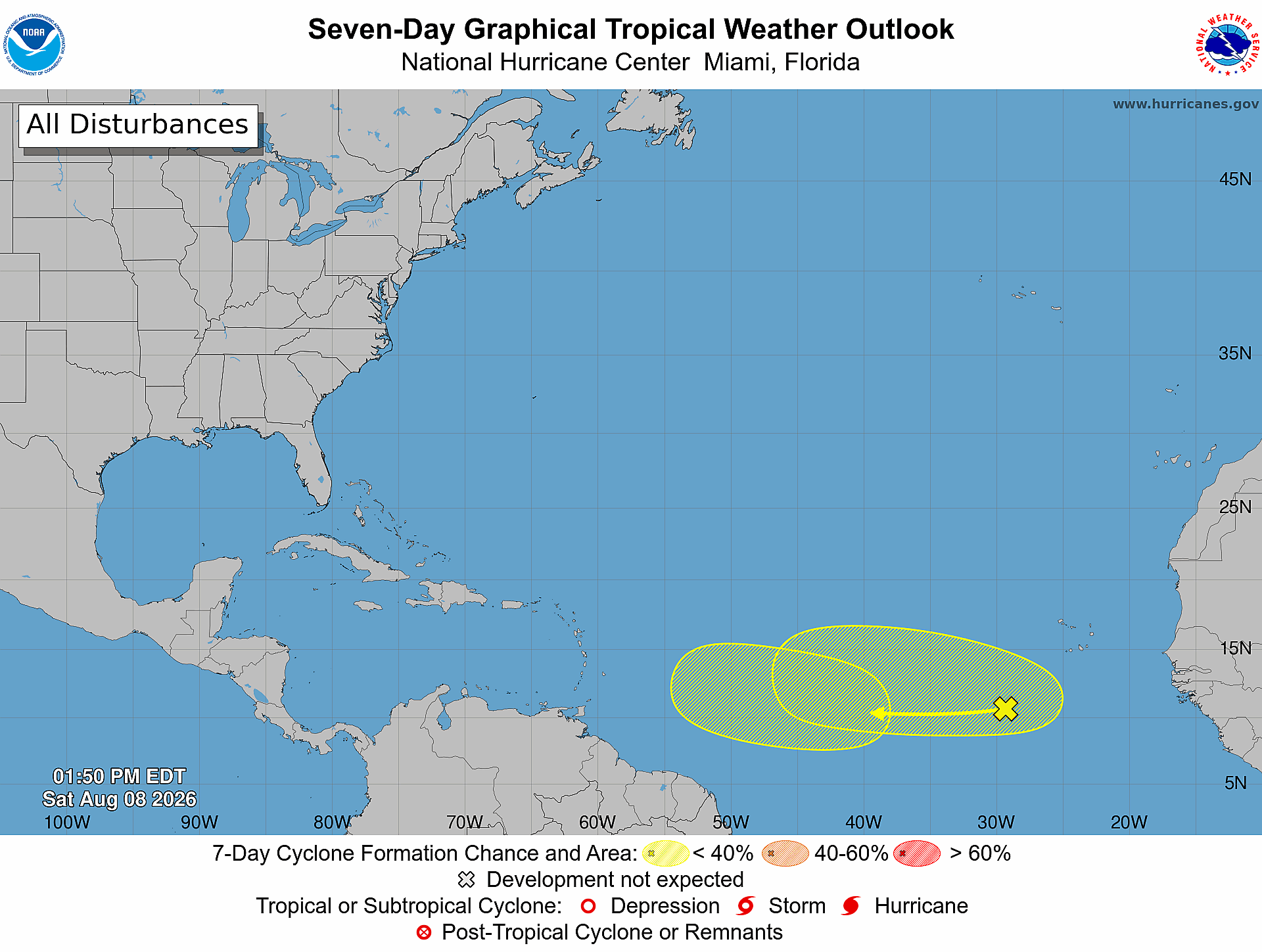
Two Tropical Waves Being Monitored in Atlantic as Development Chances Rise
As the 2026 Atlantic hurricane season enters its most active period, the U.S. National Hurricane Center has placed two emerging tropical waves across the Atlantic basin under constant surveillance, with meteorologists projecting low but non-negligible chances of cyclone development over the coming seven days.
As of 2 p.m. Eastern Daylight Time on Saturday, August 8, the first of the two disturbances, located across the central tropical Atlantic, is not expected to strengthen into a named tropical cyclone within the next two days, with official forecasts placing its 48-hour formation probability at nearly zero. Over a longer seven-day window, however, that chance rises to 20%. Forecasters note that slow, incremental strengthening of this system could occur as the week progresses, between the early and middle stages of the coming week.
A second tropical wave, spanning the eastern and central sections of the tropical Atlantic, is also being tracked closely by forecasters. Like the first system, it carries a near-zero chance of cyclone formation in the next 48 hours. Unlike its counterpart, though, its seven-day formation likelihood has been upgraded to 30%, a small but notable increase from earlier projections. Gradual strengthening of this second system is forecast to become possible between the middle and end of next week, should conditions align for development.
Neither disturbance is projected to undergo immediate cyclone development at this time, but continuous monitoring remains in place as both systems traverse the tropical Atlantic during the peak of the 2026 season. Climatologically, August kicks off a sharp uptick in tropical cyclone activity across the basin, with the seasonal historical peak for storm formation falling in mid-September. The official Atlantic hurricane season runs annually from June 1 through November 30, covering the full window when conditions are most favorable for tropical storm and hurricane development.
Local authorities are urging residents of Antigua and Barbuda, as well as communities across the rest of the Lesser Antilles, to stay updated on evolving conditions by checking official forecasts and regular bulletins released by the Antigua and Barbuda Meteorological Service as the two systems continue their westward movement across the Atlantic.
-
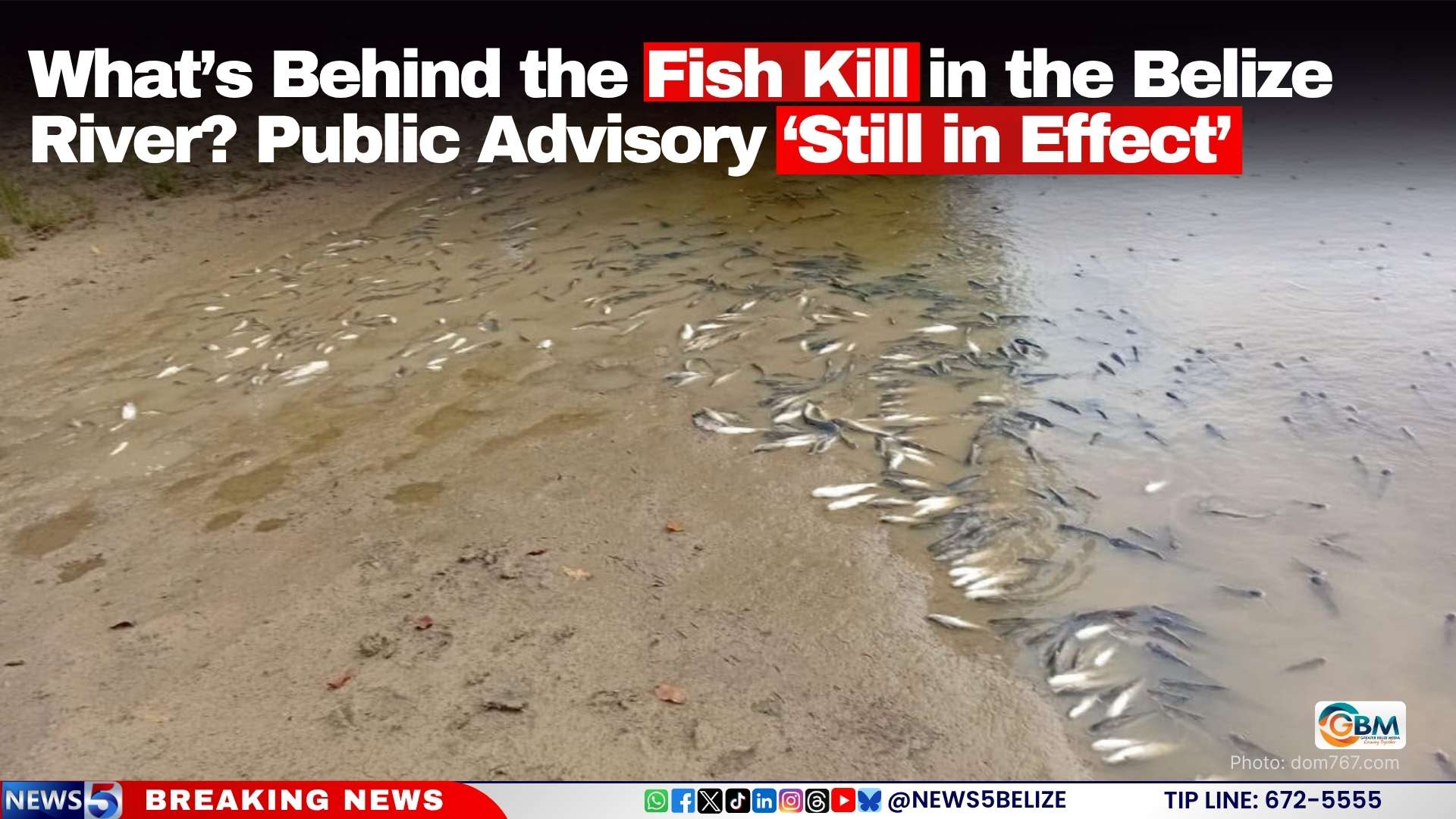
What’s Behind the Fish Kill in the Belize River? Public Advisory ‘Still in Effect’
In a developing environmental emergency along Belize’s major waterway, officials have confirmed that a 17.5-mile stretch of the Belize River is grappling with severely depleted dissolved oxygen levels, the primary observed condition linked to a widespread mass fish mortality event first reported earlier this week.
As of the latest official update released Friday by Belize’s Department of the Environment (DOE), investigators have not yet identified the root cause of the die-off or pinpointed any party responsible for the contamination or conditions that triggered the event. The assessment area stretches from the vicinity of Banana Bank, located upstream of Santander Farms, all the way to the Burrell Boom Village bridge. Field teams recorded the most severe fish deaths and most dramatic shifts in water quality between the Isabella Bank and Grace Bank segments of the river.
Preliminary on-site testing uncovered additional worrying water conditions at multiple monitoring points: elevated conductivity, increased chlorophyll-a concentrations, and higher turbidity than normal. All of these factors are known to create hostile environments for native aquatic life, according to the DOE. To pinpoint the exact causes of the event, investigators have collected a range of samples for detailed laboratory analysis, including water samples from the Santander Farms drainage network and multiple downstream sites, as well as tissue samples from deceased fish and sediment samples from the affected stretch. These samples will be tested to confirm whether any man-made contaminants played a role in the mass die-off. Department officials are also reviewing high-resolution satellite imagery to identify other potential contributing factors that may not be visible through ground-based assessments alone.
A public health precautionary advisory first issued Wednesday remains fully in effect for all communities along the affected river segment. The advisory urges residents and visitors to avoid eating fish or any other aquatic resources harvested from the impacted area, and to refrain from using untreated river water for drinking, cooking, food preparation, or providing water for livestock and domestic pets.
In its own public statement released Friday, Santander Sugar Group, the agricultural operator that owns Santander Farms in the upstream area, said it has granted DOE investigators full, unrestricted access to all of its facilities and on-site operations to support the ongoing probe. The company pushed back against any implied connection to the fish kill, noting that its sugar processing factory operates a closed-loop water management system that does not allow for routine discharge of high-temperature process water into the Belize River. It also confirmed that its on-site irrigation and processing canals are not connected to Labouring Creek, a tributary that feeds into the impacted main stem of the Belize. Per Santander Sugar Group’s explanation, all process water generated at the facility is recovered, actively managed, cooled when required, and reused within the factory’s operations, with no regular discharge into surrounding waterways.
-
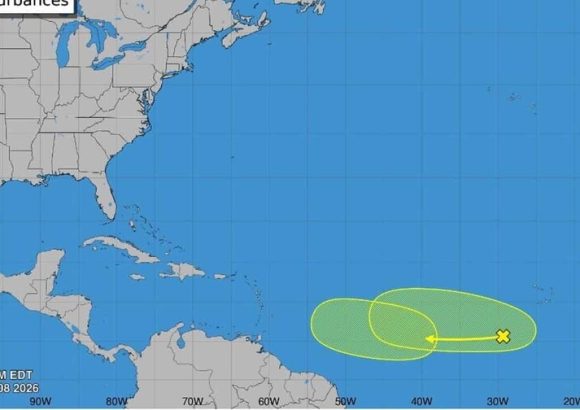
Two tropical waves under observation as the Atlantic begins to heat up
As August ushers in the most dangerous phase of the annual Atlantic hurricane cycle, the top official of the Dominican Republic’s national meteorological agency has sounded a public alert over rising storm activity in the basin, alongside ongoing impacts from transcontinental dust transport shaping local weather this weekend.
Gloria Ceballos, director of the Dominican Institute of Meteorology (Indomet), shared the update Saturday, noting that the Atlantic basin is showing early signs of increased storm formation just as the season enters its historically most active window. “It’s August, we’re stepping into the peak of the hurricane season, and the Atlantic is beginning to stir,” Ceballos stated, referencing two tropical waves that Indomet’s forecasting teams have been tracking closely for potential development into cyclonic systems over the coming week.
Ceballos emphasized that right now, both monitored systems carry only a low probability of consolidating into named storms or hurricanes. As the systems drift westward toward the Caribbean basin, they are expected to encounter atmospheric and oceanic conditions that are hostile to cyclonic growth. Still, the agency has committed to continuous monitoring to update the public on any changes in trajectory or intensity. “We will follow their evolution step by step, even if current conditions do not favor development,” Ceballos added.
Beyond the long-term monitoring of tropical systems, Indomet also released its on-the-ground weather forecast for Dominican territory this Saturday, noting that the country remains under the blanket of a denser-than-usual plume of Saharan dust. This airborne dust layer has suppressed large-scale cloud formation, preventing the build-up of significant moisture that would lead to heavy, widespread rainfall across most of the country.
The forecast calls for minimal precipitation and sweltering high temperatures across the majority of the Dominican Republic for the day. Even so, Indomet did not rule out isolated, short-lived weather events through the afternoon and early evening. A combination of persistent easterly trade winds, daytime surface heating, and the region’s mountainous topography could trigger localized increases in cloud cover.
Those conditions are expected to produce scattered, short downpours and isolated thunderstorms primarily across the central and northwestern regions of the country, including the provinces of Monte Plata, Santo Domingo Norte, La Vega, Monseñor Nouel, San Cristóbal, Sánchez Ramírez, San Juan, Elías Piña, and Dajabón, as well as adjacent surrounding areas.
-
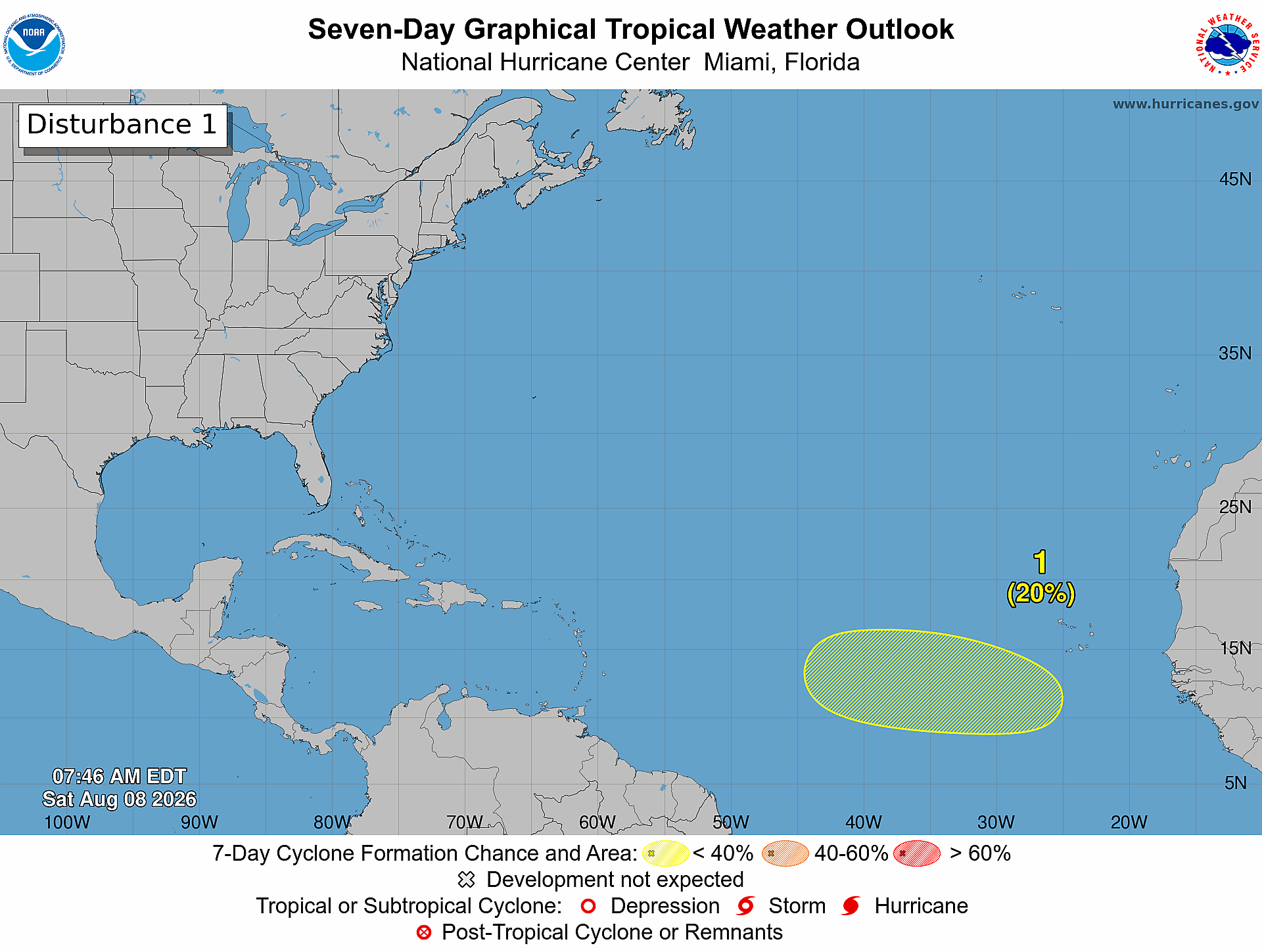
Tropical Wave Given 20% Chance of Development as Atlantic Approaches Peak of Hurricane Season
As the Atlantic basin approaches the historical peak of annual hurricane activity, the U.S. National Hurricane Center (NHC) is tracking a newly identified tropical system with a low probability of strengthening into a cyclone over the coming week. The weather disturbance, a tropical wave, is projected to exit the western coast of Africa next Tuesday, and forecasters say gradual development could occur as it drifts westward across the eastern and central portions of the tropical Atlantic through the second half of next week.
Per the NHC’s Saturday morning update, the system carries a near-zero chance of cyclone formation within the 48-hour window starting Saturday, with that probability climbing only to 20% across the full seven-day forecast period. At present, the disturbance is located thousands of miles east of the Caribbean Sea, and the agency has confirmed that it does not currently pose any risk to inhabited landmasses across the basin.
This new system of interest emerges against the backdrop of an exceptionally slow start to the 2026 Atlantic hurricane season. Earlier this week, the NHC reported that overall tropical cyclone activity has remained unusually muted as the season enters August. The Accumulated Cyclone Energy (ACE) index, a key metric that accounts for both the intensity and duration of all tropical storms and hurricanes in a season, is currently running roughly 75% below the long-term average for this point in the year.
Officially, the Atlantic hurricane season runs from June 1 through November 30 annually, but decades of meteorological data show the vast majority of storm activity occurs between the August to October window, aligned with the formation conditions for tropical systems. This new monitoring effort also comes after the U.S. National Oceanic and Atmospheric Administration (NOAA) downgraded its activity forecast for the remainder of the 2026 season.
NOAA now projects a 75% probability that the full 2026 season will end with below-normal activity. Its updated outlook calls for a total of 7 to 13 named storms across the basin, of which 2 to 6 are expected to strengthen into hurricanes. Forecasters further predict that between zero and 2 of those storms will intensify into major hurricanes, ranked Category 3 or higher on the Saffir-Simpson scale.
This revised forecast represents a marked downward adjustment from projections released before the season began, and reflects current atmospheric and oceanic conditions that have proven broadly unfavorable for tropical cyclone development across the Atlantic so far this year. Even with the muted overall outlook, meteorologists emphasize the most active period of the hurricane season still lies ahead. Atlantic storm activity historically surges through August and September, as tropical waves regularly move off the African coast and traverse the warm waters of the tropical Atlantic where conditions can allow for rapid strengthening.
As of the NHC’s Saturday update, there are currently no active tropical cyclones anywhere across the entire Atlantic basin.
-

DNA dringt aan op duidelijkheid over oorzaak massale vissterfte
In the wake of a mass fish mortality event along Suriname’s Saramacca River that has sparked public and legislative concern, authorities are still working to pinpoint a definitive cause, according to the country’s Minister of Oil, Gas and the Environment Patrick Brunings.
Addressing questions from members of the National Assembly on Thursday, Brunings confirmed that final research results are still pending, with additional environmental data currently being collected to clarify what led to the large-scale die-off. Lawmakers have pressed for urgent clarity on potential pollution sources, active industrial operators in the affected river basin, and concrete policies to prevent a repeat of the environmental disaster.
Brunings defended the government’s rapid response in the immediate aftermath of the fish deaths, noting that a dedicated response team was deployed immediately to collect water and tissue samples that form the core of the ongoing investigation. All collected data is currently undergoing comprehensive analysis, and full findings will be shared publicly once finalized, Brunings said. These results will also guide the development of long-term action plans to address environmental risks in the region.
The minister added that the ministry is currently compiling a complete public register of all concession holders and operating companies along the Saramacca River. Information from past inspections conducted by the National Environmental Authority, as well as the full list of regulatory requirements companies must meet to hold river-area concessions, will be shared with the National Assembly in the coming weeks.
In a key announcement, Brunings confirmed the government will partner with the Ministry of Public Health and the Pan American Health Organization (PAHO) to conduct a wide-ranging biomedical study of communities living in affected areas along Suriname’s river systems. The research will not be limited to the location of the recent mass fish deaths, and will focus on detecting potential long-term exposure to harmful chemicals and mercury among local residents. The collected data will serve as a baseline reference for long-term monitoring of public health trends across the region.
Brunings also provided an update on separate ongoing research into mercury vapor emissions linked to artisanal and small-scale gold mining. An initial round of testing, focused primarily at gold purchasing facilities, has already been completed. A second round of more advanced testing required specialized equipment that was sent to Canada for calibration, which has now been returned to Suriname. The new round of testing will cover gold buying operations and other sites across the country where harmful emissions are suspected to occur.
Lawmakers across the National Assembly have repeatedly emphasized that significant gaps in transparency remain around the fish mortality event. Members have called for full disclosure of which companies and individuals hold concessions in the area under investigation, referencing recent comments from President Jennifer Simons that pointed to potential links to activities within a concession held by mining firm Grassalco. Legislators have pushed for details on the exact boundaries of active concessions, the legal status of ongoing operations, and whether any formal prevention plan has been put in place to stop future environmental disasters.
During Thursday’s debate, assembly members highlighted that even as the investigation into the Saramacca River event progresses, unregulated use of toxic chemicals in mining operations continues in other inland areas of Suriname. They have demanded the government outline immediate short-term measures to prevent a similar incident from occurring elsewhere.
The debate also covered Suriname’s current rules around the import and use of mercury, cyanide, and other toxic chemicals common in gold mining. Lawmakers have repeatedly called for stricter regulatory oversight, better industry governance, and a long-term structural overhaul of the gold sector, warning that waiting for another environmental catastrophe to act is unacceptable. Members also asked for clarification on the role of the Ministry of Oil, Gas and the Environment in reviewing permit applications for mining operations and gold purchasing facilities.
Assembly members have framed the Saramacca River mass fish death event as a critical wake-up call to strengthen enforcement of mining rules, crack down on unauthorized chemical use, and improve compliance with national environmental regulations. Beyond regulatory reform, they have called on the government to immediately outline short-term protective measures for inland communities that rely on Suriname’s river systems for food and livelihoods.
-
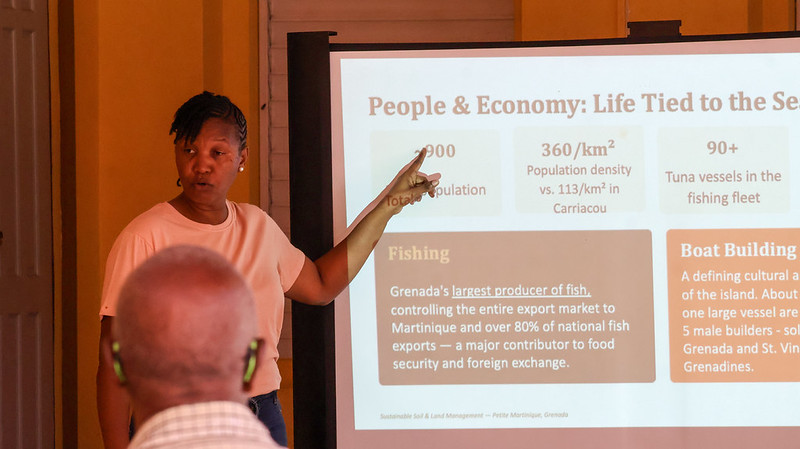
Sustainable Land and Soil Management Project, Petite Martinique
A landmark three-year project focused on reversing accelerating land degradation, boosting water security, and building drought resilience has officially kicked off in Petite Martinique, with an inclusive inception workshop that brought together local residents, farmers, business owners, and community beneficiaries to align on shared priorities.
Funded by the Global Environment Facility (GEF) and implemented by the United Nations Environment Programme (UNEP), the initiative is projected to directly improve the livelihoods of 400 local people, with more than half of these benefits targeted to reach women and girls across the island. The stakeholder workshop was led by Dianne Roberts of Roberts Caribbean, a consultant selected by the Grenada-based intergovernmental organization Partnership Initiative for Sustainable Land Management (PISLM) to develop the official project framework for the effort.
Land degradation has long been a quiet crisis for Petite Martinique, but the situation worsened dramatically after Hurricane Beryl swept through the island. The storm intensified damage to already fragile soils, strained productive agricultural areas, damaged critical local infrastructure, and pushed vulnerable community livelihoods closer to collapse. To address these interconnected challenges, the project is structured around four core components centered on sustainable land and soil management (SLM) through targeted landscape restoration.
Key planned activities include establishing a dedicated seedling nursery to propagate heat-tolerant and drought-resistant native tree and grass species, cultivating high-value economically viable native crops, and restoring more than 356 acres of degraded grasslands and forested landscapes — including 40 hectares of formally designated priority restoration sites. The project will also support the development of farmer-managed demonstration plots and improved paddock systems to train local producers in evidence-based best practices for sustainable land and livestock management.
The inception workshop followed a formal technical site assessment conducted on September 3, 2025, led by PISLM’s Executive Director Dr. Francis, a career soil scientist. The assessment team included Bernard McIntosh, Project Manager for the Carriacou ILM Project, Trevor Thompson, Project Manager for Phase I of the CSIDS SOILCARE Project, and Leon Williams, Unmanned Aerial Vehicle (UAV) Operator for Grenada’s Ministry of Agriculture, Lands and Forestry. The team conducted on-the-ground evaluations of the hardest-hit areas, including Madam Pierre, North Point, and their surrounding communities.
Attended by 20 cross-sector stakeholders, the opening workshop marked a critical milestone, shifting the project from the preliminary assessment phase into proactive planning and eventual on-the-ground implementation. The gathering provided PISLM, the regional intergovernmental organization headquartered in Grenada, a valuable opportunity to collect on-the-ground insights from local residents about the specific land and soil challenges impacting their daily lives. Representatives from the Ministry of Carriacou and Petite Martinique Affairs and participating technical partners also used the workshop to review preliminary assessment findings, align on community-identified priority interventions, surface local concerns, and formalize a clear roadmap for targeted action.
Following the workshop, Roberts will finalize a draft project document to submit to PISLM and UNEP, which will then forward the framework to the GEF for final approval. When fully implemented, the initiative is designed to deliver overlapping environmental, social, and economic benefits for Petite Martinique: it will restore degraded ecosystems, boost local agricultural productivity, strengthen regional water security, support native biodiversity, and create more stable, sustainable livelihood opportunities for generations of local residents.
-
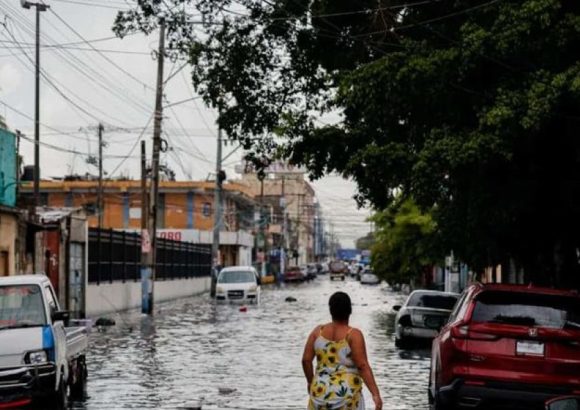
Sweltering weekend: extreme heat and Saharan dust
As the weekend approaches, the Dominican Republic is bracing for a stretch of oppressive heat paired with erratic weather patterns driven by tropical systems and atmospheric activity, according to official weather forecasts. The unseasonably warm conditions kicked off on Friday, with most areas starting the day under bright, mostly clear skies that quickly gave way to building cloud cover through the afternoon and early evening. Forecasters have warned of isolated showers and thunderstorms expected to form across a swath of inland and coastal provinces, including Monte Plata, San Cristóbal, San Pedro de Macorís, San José de Ocoa, Monseñor Nouel, Samaná, Azua, San Juan, Elías Piña, and multiple districts of Greater Santo Domingo.
Across the majority of the country, daily high temperatures are projected to climb into a sweltering range between 33°C and 35°C, while overnight lows will stay mild, hovering between 23°C and 25°C – keeping overnight conditions uncomfortable even after sunset.
Moving into Saturday, the first of two scheduled tropical waves will trigger scattered morning showers along the island nation’s northeast and southeast coastlines. But a counteracting air mass carrying elevated concentrations of Saharan dust will work to suppress atmospheric moisture and cut down on potential rainfall across most inland areas. As a result, only limited scattered showers and isolated thunderstorms are forecast for Saturday, concentrated in Monte Plata, Monseñor Nouel, San Cristóbal, Sánchez Ramírez, La Vega, San Juan, and sections of northern Santo Domingo.
Sunday will bring a second, more active tropical wave, which when combined with elevated humidity levels and a deep upper-level trough, will produce more widespread precipitation. Forecasters are calling for scattered, locally moderate to heavy downpours across large portions of the country, paired with thunderstorms and sudden gusty winds. The worst of these conditions are expected to impact southeastern provinces – including the heavily populated Greater Santo Domingo area – as well as the northeast coast, the Central Mountain Range, and the country’s western border region, with peak activity forecast for the afternoon and evening hours.
Public health and safety officials have issued a series of guidance to help residents cope with the dangerous heat. They advise all residents to maintain steady hydration, avoid extended periods of direct sun exposure between the peak heating hours of 11:00 a.m. and 4:00 p.m., and wear loose, light-colored lightweight clothing to help regulate body temperature. Extra precautions are urged for vulnerable groups including young children, pregnant people, elderly residents, and individuals living with chronic underlying health conditions, who face higher risk of heat-related illness.
Additional hazards are forecast for coastal areas: starting Saturday, the Dominican Republic’s Caribbean coast will see increasingly rough surf conditions, with the most severe conditions expected along the shoreline from Pedernales to Barahona.
-
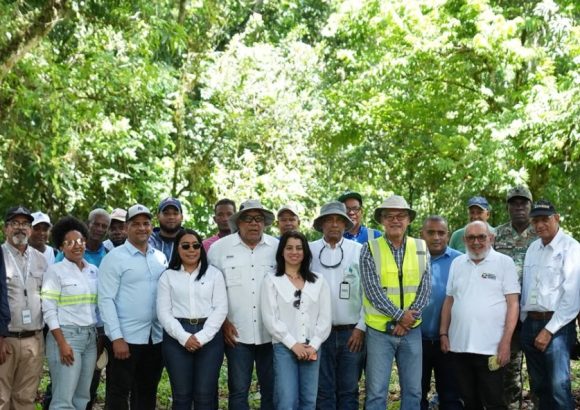
They carry out a reforestation and cleaning day in river basins in Cotuí
In a collaborative push to strengthen environmental conservation and protect critical water resources, Dominican Republic’s Ministry of Energy and Mines has led a large-scale reforestation and tributary cleanup day in the Hatillo community of Cotuí, located in Sánchez Ramírez province. The initiative brought together dozens of partners from multiple state agencies and a major local mining operator to restore ecologically vital river basins that support regional water security.
Over 70 participants from the Ministry of Environment and Natural Resources, the National Environmental Protection Service (Senpa), and Barrick Pueblo Viejo joined the event, planting a total of 240 native seedlings across the Colorao, Zinc, and Margajita river basins. The selected species—220 cedar, mahogany, and Juan Primero seedlings plus 20 bamboo plants—were chosen to match the local ecosystem’s needs, and were placed approximately five meters from riverbanks to maximize soil stabilization and water protection. Beyond tree planting, volunteers collected accumulated plastic waste from the tributaries to reduce water pollution and preserve aquatic habitats.
Speaking on behalf of Energy and Mines Minister Joel Santos, Vice Minister of Mines Giovanni Bloise emphasized that environmental stewardship is a top national priority for the Dominican Republic, an island nation entirely dependent on internal freshwater production. “The environmental issue is vital for the Dominican Republic, because we are an island and we must produce water within our own territory,” Bloise noted. He also pushed back against the misconception that mining development and ecological protection are incompatible, arguing that well-regulated, responsible mining operations can actually enhance environmental value rather than detract from it. “The environment and supervised, responsible mining activity are perfectly compatible; and instead of detracting from its value, it actually adds to it,” he stated.
This river basin project is just one part of the Ministry of Energy and Mines’ ongoing series of national environmental initiatives. In addition to large-scale reforestation work across the country, the institution runs community crop and reforestation programs in Sánchez Ramírez that plant food crops including beans, cassava, sweet potatoes, avocados, and plantains. Omar Dotel, Director of Environmental and Social Affairs at the ministry, highlighted that the organization has already delivered successful ecological restoration at previously damaged sites, including the Mejita dam, where a former environmental liability area has been transformed into a thriving fully recovered forest.
Dotel added that these collaborative community events deliver long-term value beyond immediate ecological gains, building environmental awareness among participants at low cost while leaving a lasting positive legacy for coming generations.
Regional environmental leaders and private sector partners have praised the initiative as a model for cross-sector cooperation. Franklin Bautista, provincial director of the Ministry of Environment and Natural Resources in Sánchez Ramírez, thanked the Ministry of Energy and Mines for advancing projects that strike a critical balance between productive mining activity and ecological protection in the region’s mining district. Jahaziel Serrano, Superintendent of Social Responsibility at Barrick Pueblo Viejo, echoed that sentiment, reaffirming the private sector’s commitment to collective natural resource conservation. Serrano emphasized that a sustained focus on sustainability allows for responsible resource management today while securing a healthier future for generations to come.
Senior leadership from across participating institutions attended the event, including Director of Mining Promotion Golye Latoufe, Senpa provincial head Major Leonardo Rodríguez, and Ministry of Energy and Mines provincial technical sub-director José Ramón Gómez, among others.