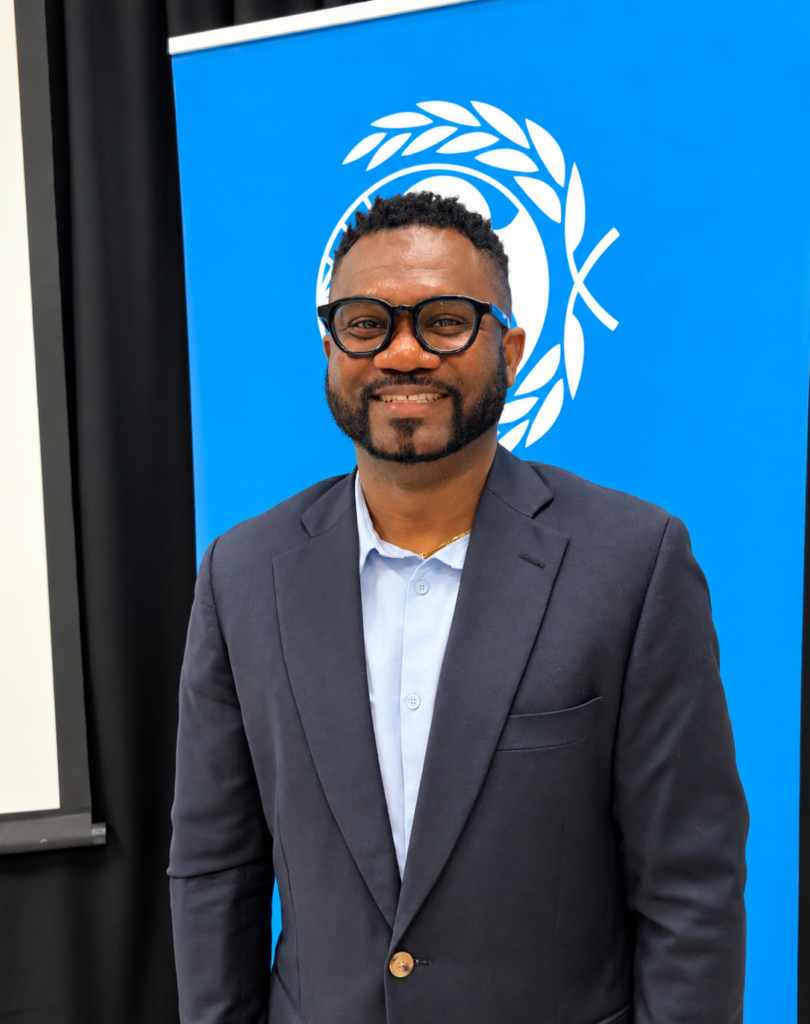
A landmark new analysis from UNICEF has uncovered a major oversight in national climate strategies across six Eastern Caribbean nations: current frameworks lack the targeted monitoring tools needed to confirm that climate-focused investments are delivering tangible benefits to children. The assessment, titled *Child-Centred Climate Analysis for Building Resilience*, examines climate plans in Barbados, Dominica, Grenada, St Kitts and Nevis, Saint Lucia, and St Vincent and the Grenadines. While all six countries reference child-relevant sectors including education, healthcare, clean water access, agriculture, and social protection in their official national climate blueprints, researchers found no nation has integrated child-specific performance indicators, measurable outcome goals, or result-tied adaptation commitments into their planning. This absence of targeted tracking mechanisms creates significant barriers: it becomes impossible to verify whether climate funding is reaching child-centric programs, and governments cannot prove measurable returns to international climate finance providers that fund much of the region’s climate action. Beyond missing child-focused metrics, the study also documented widespread gaps across multiple core areas: climate monitoring infrastructure, disaggregated data that breaks down climate impacts by age, systematic tracking of policy rollout, transparent monitoring of climate finance flows, comprehensive insurance coverage data, and concrete evidence of meaningful youth engagement in climate policy design. Researchers emphasize these are not mere gaps in academic research – insufficient data undermines governments’ ability to build evidence-based cases to secure additional international climate financing, creating a vicious cycle of under-resourcing for child-sensitive action. In response to these findings, the study puts forward 49 targeted recommendations to strengthen child protection against escalating climate shocks and hazards. The proposed actions cover four broad priority areas: anticipatory pre-disaster action, shock-responsive social protection systems, structural resilience building, and reformed climate and disaster financing. Specific proposals range from climate-smart agricultural systems and drought-tolerant crop production paired with farmer peer learning networks, to psychological first aid training for teachers and community leaders, and explicit dedicated provisions for children in disaster risk financing frameworks. Following consultations with government officials, regional bodies, and local youth networks, three of the 49 actions have been selected for urgent implementation over the next 18 to 24 months, chosen for their high potential impact on child well-being and their feasibility to fund and execute. Clive Murray, climate change and disaster risk reduction programme specialist at UNICEF’s Eastern Caribbean Area Office, explained the prioritization process in an interview with Barbados TODAY. “All 49 proposed actions were presented and discussed, and the prioritization process focused on identifying the actions that offer the most practical, financeable, and child-protective entry points for regional governments in the short to medium term,” Murray said. The first top priority mandates setting aside a defined, guaranteed share of national disaster risk financing for child-critical services, including primary education infrastructure, primary healthcare facilities, nutrition programs, and social protection schemes. While most regional countries already use disaster risk management tools such as contingency funds and parametric weather insurance, none currently include explicit carve-outs for child-focused needs. The second priority calls for pre-negotiated, pre-approved continuity protocols for education and heat-related public health that activate automatically when hurricane warnings are issued or regional temperature thresholds hit. Proposed measures under this framework include pre-positioning learning materials in secure locations, rolling out remote learning capacity, adjusting school schedules to avoid extreme heat, mandatory hydration protocols, and alternative child-friendly shelter arrangements when existing facilities are unsafe. The third priority focuses on building youth-led peer support networks to address the psychosocial trauma that follows climate disasters, including rolling out psychological first aid training for teachers, healthcare workers, community and religious leaders, and youth advocates, plus implementing trauma-informed support programs when schools reopen after extreme weather events. Researchers note that all three priority initiatives are intentionally designed to integrate child-focused protections into existing national climate and disaster systems, rather than requiring governments to build new frameworks from scratch. Despite the clear design of the proposals, Murray warned that advancing implementation will require overcoming two key barriers: persistent fiscal constraints and fragmented inter-agency coordination. “The biggest obstacle is financing, given the persistent fiscal constraints faced by regional governments,” Murray said. He outlined several existing financing avenues that governments can leverage to fund the priorities, including parametric catastrophe coverage from the Caribbean Catastrophe Risk Insurance Facility, catastrophic risk drawdown facilities offered by the World Bank and Inter-American Development Bank, and dedicated climate action funding from the Green Climate Fund and Adaptation Fund. Beyond funding, Murray noted that disjointed coordination across government agencies creates operational hurdles, adding that unified national climate plans that explicitly embed child-sensitive measures into sector-level strategies and align them with overarching national climate policy can resolve this gap. The study was officially launched in Saint Lucia on a Wednesday this week, and the launch was followed by a two-day capacity-building workshop hosted by UNICEF and the Caribbean Disaster Emergency Management Agency for regional media professionals, aimed at improving reporting on child and climate issues across the Eastern Caribbean.