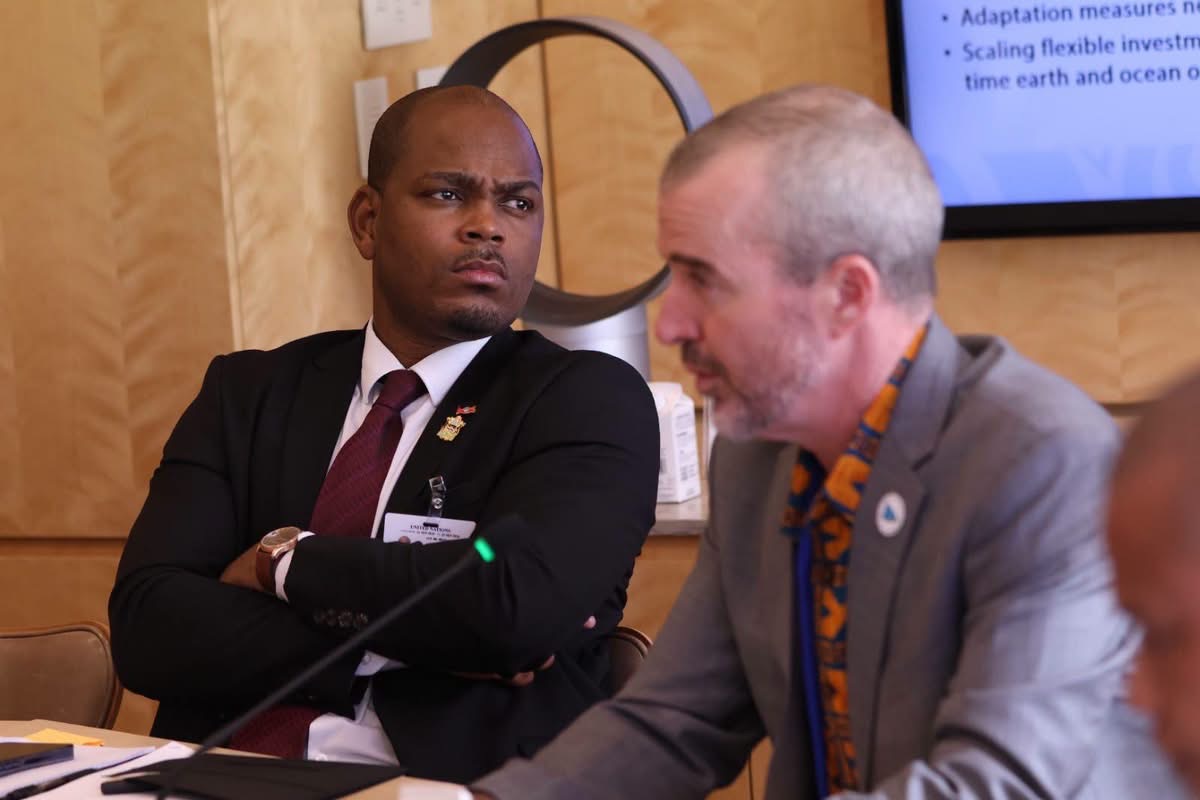
In high-stakes ministerial talks held by the Alliance of Small Island States (AOSIS) earlier this week, Michael Joseph, the Minister of Health, Wellness, Environment and Civil Service Affairs, has emerged as a leading voice demanding that the global 1.5°C warming limit and the unique vulnerabilities of Small Island Developing States (SIDS) sit at the core of all preparatory work for the upcoming 31st Conference of the Parties (COP31).
The closed-door discussions covered a wide range of critical climate policy priorities that directly impact low-lying island nations. Participants delved into the design and implementation of the Just Transition Mechanism, a global framework designed to support shifting to low-carbon economies while protecting vulnerable workers and communities. They also debated progress on developing standardized adaptation indicators to track and verify climate resilience efforts, reviewed ongoing work under the Mitigation Work Programme, and explored actionable reforms to expand SIDS access to affordable climate finance — including non-repayable grants and low-interest concessional loans that many small nations have long struggled to access.
A central theme of the talks was the escalating existential threat that accelerating sea-level rise and unmitigated climate change pose to the basic foundations of island life. Ministers collectively highlighted how shifting weather patterns and rising oceans are already eroding water security, destabilizing local food systems, and destroying artisanal and commercial fisheries that are the primary source of livelihood and food security for millions of people across small island states.
Minister Joseph threw his full weight behind a coordinated AOSIS strategy calling on all member states to develop concrete, actionable proposals on three core pillars: greenhouse gas mitigation, climate finance reform, and a just transition ahead of the next round of regional pre-COP talks scheduled to take place in Sydney and Fiji. The alliance’s unified push comes as small island nations continue to advocate for greater ambition from major global emitters ahead of COP31, seeking to lock in commitments that prevent catastrophic warming that would render many low-lying island nations uninhabitable.