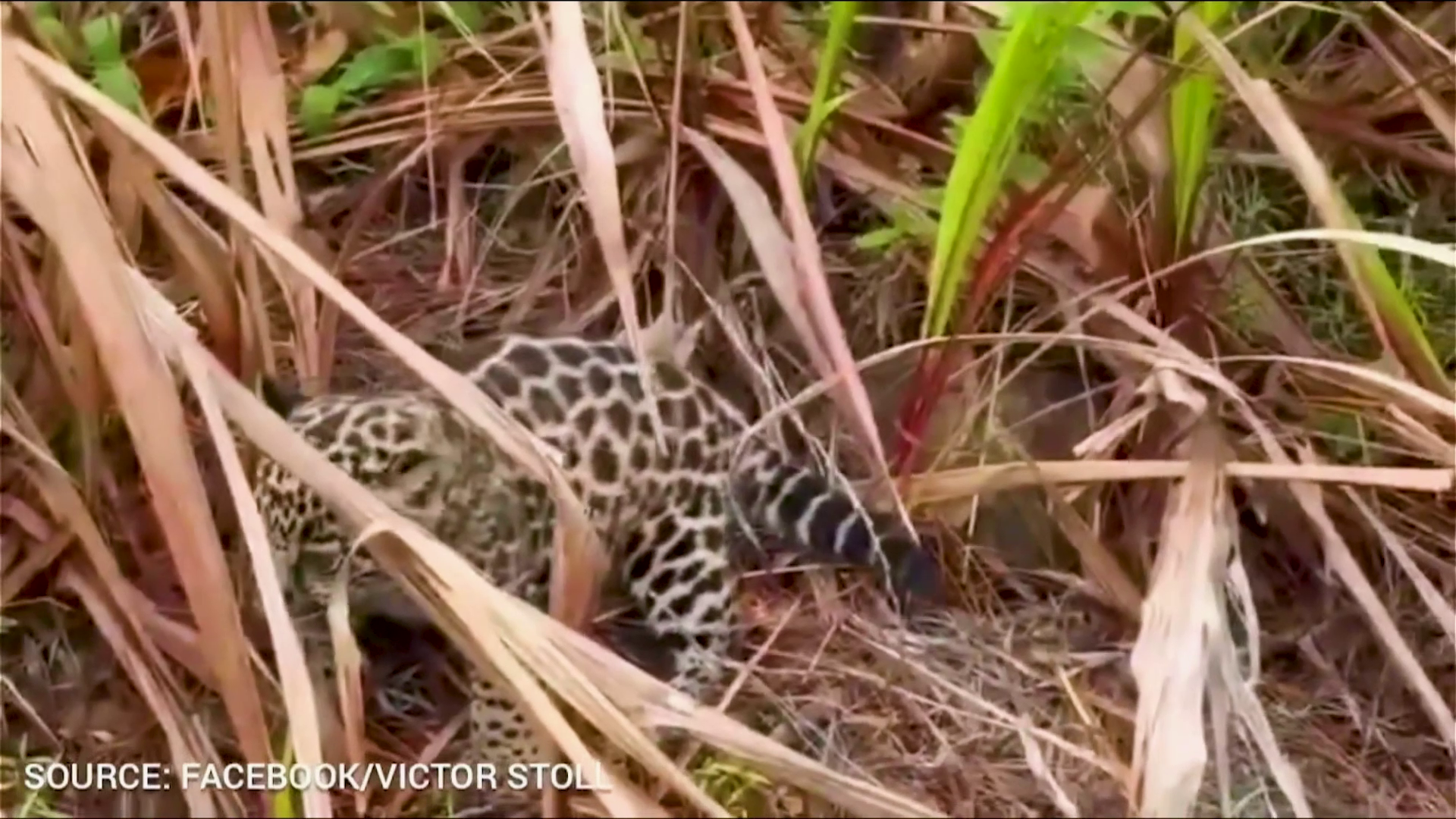
A high-profile wildlife violation case has unfolded in Belize, with authorities now hunting for Belizean-American dual national Ruben Stoll, who is believed to have fled the country ahead of his planned arrest. The case stems from a widely circulated social media video that captured Stoll interacting with a young wild jaguar cub, an endangered big cat native to Central America. The footage shows Stoll petting the cub, which was reportedly separated from its mother after a vehicle collision. The video went viral over the weekend, triggering immediate public outcry from wildlife conservation advocates and local communities, and pushing the Belize Forest Department to open a formal investigation. After reviewing the evidence, department officials confirmed they have prepared two charges against Stoll under the nation’s Wildlife Protection Act. Despite the pending charges, Stoll managed to cross Belize’s northern border and leave the country on Wednesday, before law enforcement officers could locate and detain him. As of Thursday evening, a formal arrest warrant has been issued for Stoll by Belizean authorities. Victoria Chi, a senior forest officer with the Belize Forest Department, outlined the details of the investigation and next steps for officials in a public briefing. “Stoll holds dual Belizean-American citizenship, so he uses his Belizean passport when re-entering the country,” Chi explained. “We contacted Belize Immigration immediately after the incident to request entry and exit records, and we were notified yesterday that Stoll officially exited the northern border day prior.” Given Stoll’s frequent travel back to Belize, Chi noted that the department’s key next step is to circulate the arrest warrant through national immigration channels. This will allow border agents to detain Stoll immediately upon his return to the country, so officials can move forward with the formal charges. A notable detail of the case that has drawn public discussion is the low maximum penalty for the offenses: each of the two charges carries a maximum fine of only $500 Belizean dollars, equivalent to roughly $200 U.S. dollars. The case has sparked renewed debate about whether Belize’s penalties for violating wildlife protection laws are strict enough to deter harm to endangered native species like jaguars. This report is based on a transcript of an evening television newscast from Belize.
分类: environment
-

EVs, hybrids gain traction with consumers – dealers
Barbados’ automotive market is undergoing a rapid, transformative shift, as growing numbers of local motorists turn to electric vehicles (EVs) and hybrid electric vehicles (HEVs) in search of lower running costs and accessible prices made possible by targeted government policy. The accelerating consumer uptake aligns with the island nation’s official decarbonization goals, with Energy Minister Kerrie Symmonds recently announcing the government’s target of achieving near-total vehicle electrification within 5 to 10 years. The policy is designed to cut Barbados’ heavy reliance on costly imported fossil fuels and drive down systemic energy costs across the country.
-
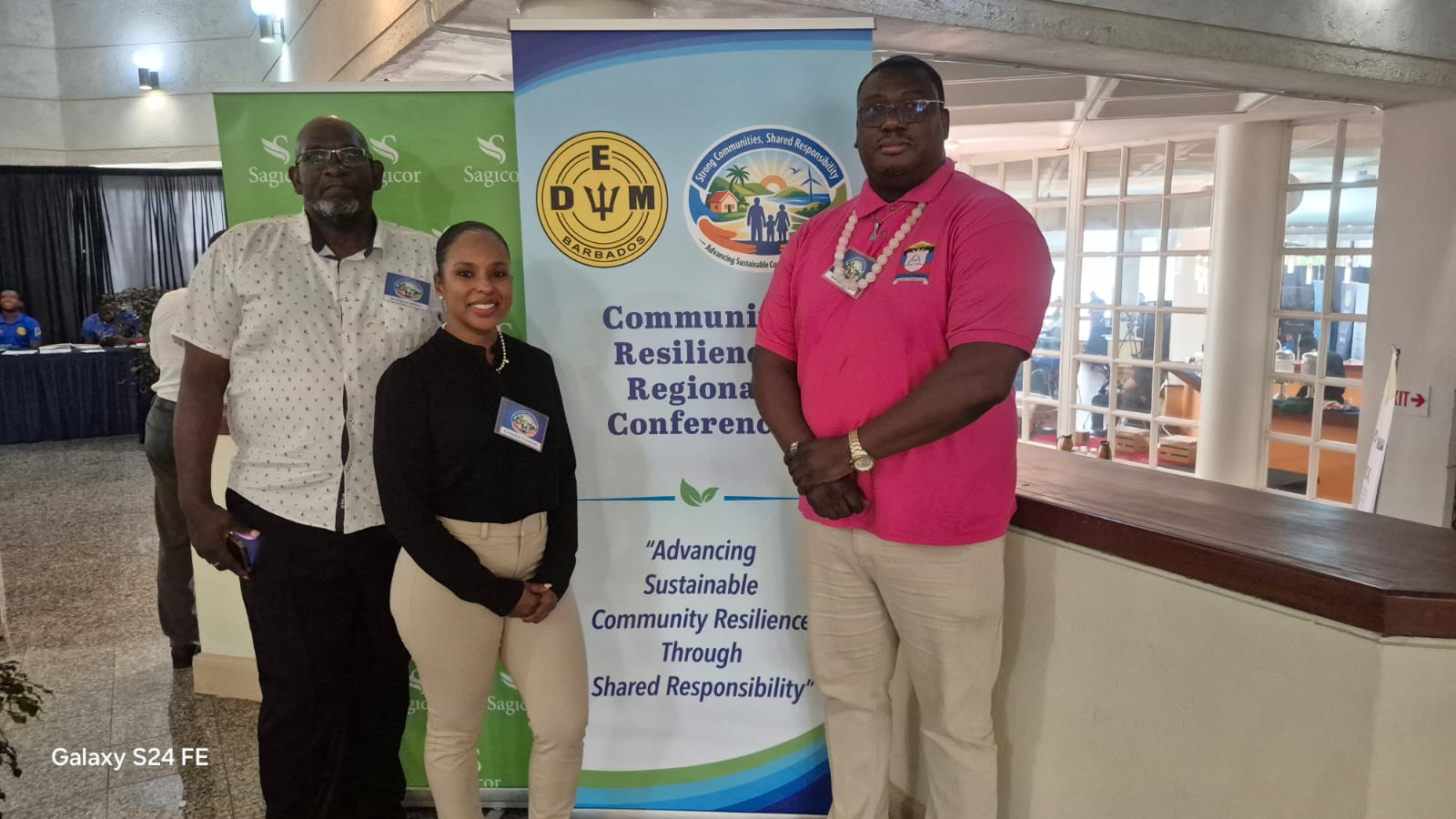
Antigua and Barbuda Participates in Community Resilience Regional Conference
The second annual Community Resilience Regional Conference kicked off on July 15 in Barbados, gathering stakeholders from across the Caribbean to advance collective action on climate and disaster preparedness under the central theme “Advancing Sustainable Community Resilience through Shared Responsibility”.
A three-person delegation from Antigua and Barbuda is representing the dual-island nation at the three-day event, led by Sherrod James, Director of Antigua and Barbuda’s National Office of Disaster Services (NODS). James was selected to sit on the conference’s high-level expert panel, where he contributes insights on national disaster management frameworks alongside other senior regional leaders. Joining James on the delegation are Marcus Scott, District Disaster Coordinator for St. John’s City South, and Kimbalie Constant, Strategic Operations and Project Implementation Manager for the Social Policy Unit within Antigua and Barbuda’s Ministry of Social Transformation.
Unlike many theoretical policy summits, this year’s conference is designed as an action-focused platform that brings together a diverse cross-section of resilience stakeholders. Attendees include disaster management officials from all CARICOM member states, representatives from leading regional institutions, grassroots community leaders, youth delegates, and international development partners. The core agenda centers on collaborative strategies to build more robust, adaptive communities capable of withstanding growing climate and disaster threats across the Caribbean region, a geographic area disproportionately impacted by climate-driven extreme weather events.
The conference is backed by a coalition of funding and institutional partners, including the European Union, the Caribbean Disaster Emergency Management Agency (CDEMA) through its Building Resilience of the CARIFORUM States to Disaster Risks and Climate Change Impacts (BRICS) project, financial services firm Sagicor, and the government of Barbados. This multi-stakeholder support underscores the broad consensus around the urgent need for coordinated regional action to strengthen community-level resilience amid escalating climate risks.
-
Forecasters Track Tropical Wave in Eastern Atlantic
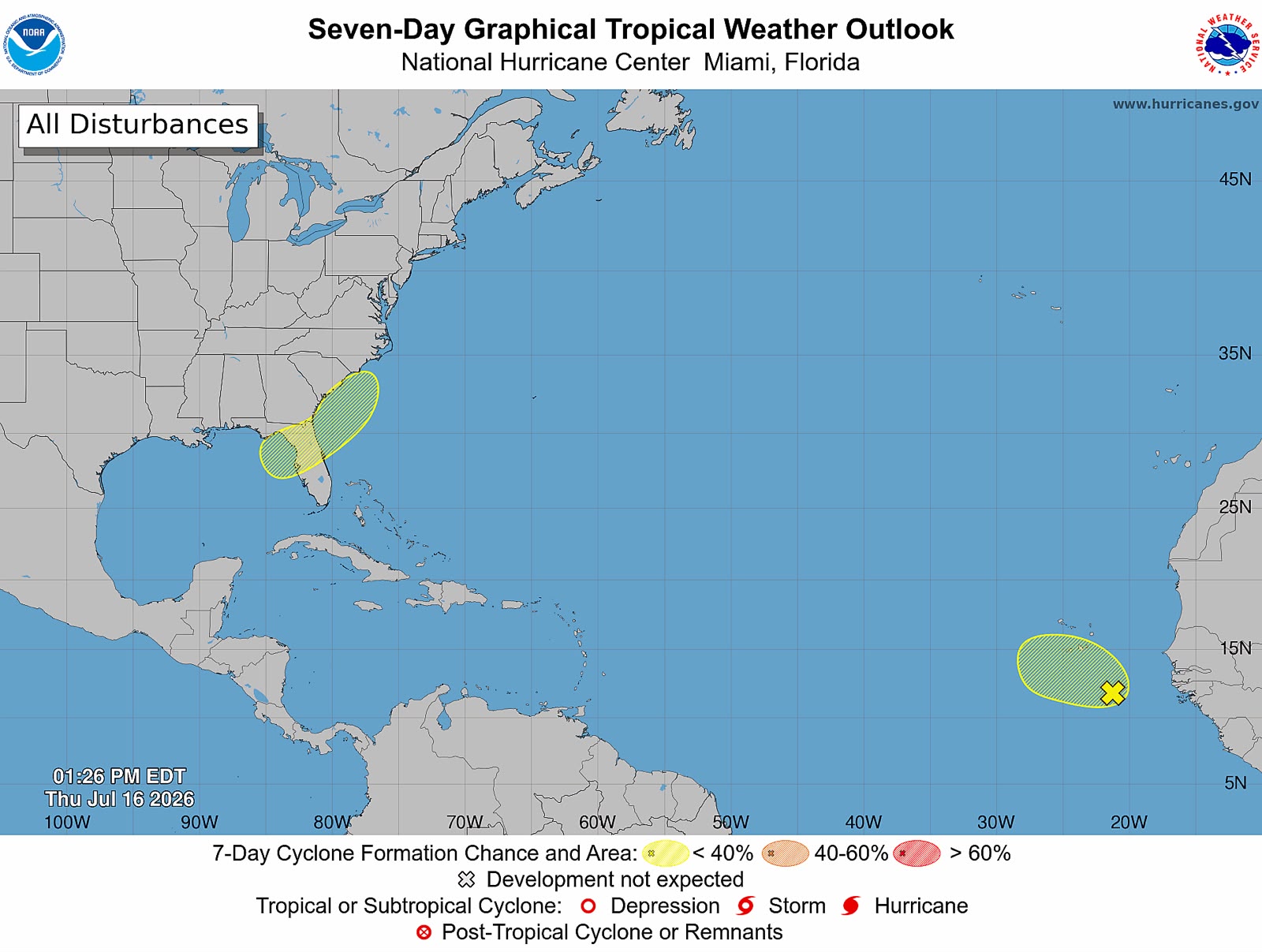
Meteorologists at the U.S. National Hurricane Center are keeping a close watch on an emerging tropical disturbance in the extreme eastern Atlantic Ocean, though current projections indicate the system will remain weak throughout its projected west-northwest track away from the African coastline.
Located several hundred miles southeast of the Cabo Verde Islands, the disturbance currently generates scattered, unstructured showers and thunderstorm activity across the surrounding waters. While forecasters acknowledge that minor, slow strengthening could occur over the next 48 hours, broader atmospheric conditions are expected to degrade significantly by the start of the weekend, putting a firm cap on any potential intensification.
Tracking west-northwest at a steady speed of roughly 10 miles per hour (equivalent to 16 kilometers per hour), the system carries just a 10% probability of organizing into a tropical depression within both the next two days and the coming seven-day forecast window.
The primary barrier to development, according to meteorologists, is the system’s expected trajectory through the dry, dust-filled Saharan Air Layer, a mass of arid atmospheric conditions that is well-documented to suppress thunderstorm formation and prevent the organization of tropical cyclones.
As of the latest update, the disturbance poses no immediate risk to any Caribbean nations, including Antigua and Barbuda, and no adverse weather impacts are forecast for landmasses along its current path across the open Atlantic. Forecasters have confirmed they will continue daily monitoring of the system to track any unexpected changes in structure or intensity.
-
C-SAC protocol named global finalist in the UN FAO’s 2026 AgriInno Challenge
A groundbreaking Caribbean-led financial mechanism designed to reward smallholder farmers for climate-friendly ecological stewardship has earned a spot among the world’s most promising agricultural innovations, cementing its place as a potential game-changer for global climate action in the farming sector.
The Grenada-based Climate-Smart Agriculture Compliant (C-SAC) initiative was officially selected as one of only 13 global finalists for the 2026 Global AgriInno Challenge (GAC), hosted in Hangzhou, China. This recognition puts the C-SAC in the running for up to $30,000 in seed funding, as well as a high-profile opportunity to present its blockchain-powered solution at the Food and Agriculture Organisation (FAO) Science and Innovation Forum in Rome this coming October.
The innovation, developed by Steve Maximay, science advisor to the North East Farmers Organisation (NEFO), marks a fundamental shift in how smallholder farmers are compensated for their work advancing climate goals. For decades, traditional global commodity markets have paid farmers exclusively based on crop output, with no financial compensation for the on-the-ground ecological work required to meet the terms of international climate agreements. Maximay’s C-SAC tool and protocol fills this critical gap, creating a structured system to reward climate-positive farming practices.
“Attachment of a financial incentive is the most effective way to drive widespread adoption of climate-smart adaptation among farmers,” Maximay explained in comments on the finalist selection, which he called a landmark win for Caribbean agricultural innovation. “We have developed a proven mechanism to deliver rewards to farmers that draws on negotiated climate justice and just transition funds. This framework moves farming communities from a state of constant climate vulnerability toward tangible, long-term sustainable abundance.”
Beyond delivering financial incentives, a core function of C-SAC is to crack down on greenwashing in climate-smart agriculture labeling. Operating as a rigorous independent auditing protocol, the system was already adopted as the official de facto climate-smart mechanism by St. Vincent and the Grenadines and the Partnership Initiative for Sustainable Land Management (PISLM) to activate long-planned Climate Premium payments for farmers.
The C-SAC framework scores farms across five key performance domains: natural resource conservation, energy usage, on-farm safety, biodiversity support, and greenhouse gas emissions reduction. To earn official C-SAC certification, a farm must achieve a minimum baseline score of 40 points out of a total 100, a threshold designed to filter out unsubstantiated claims of climate-friendly practice.
The true transformative power of C-SAC lies in its digital infrastructure, Maximay noted. By leveraging a secure blockchain-based distributed ledger and automated smart contracts, the system eliminates administrative delays and guarantees transparent delivery of Climate Premium payments. When farmers bring their harvest to market, they receive the standard commodity price from buyers, paired with an automatic 10 to 20 percent Climate Premium top-up sent directly to their digital wallets. Unlike climate premiums passed on to local consumers, this additional payment is sourced entirely from global just transition and climate justice reserve funds, delivering support directly to grassroots farming communities without raising food costs for local buyers.
Looking ahead, the C-SAC Caribbean Programme, led by NEFO, will represent the region on the global innovation stage as it works to scale the framework to roughly 3,000 smallholder farmers across six Eastern Caribbean nations: Grenada, St. Vincent and the Grenadines, St. Lucia, Antigua and Barbuda, Dominica, and St. Kitts and Nevis. If successful, the model could provide a replicable blueprint for connecting global climate finance directly to small-scale producers in climate-vulnerable regions around the world.
-
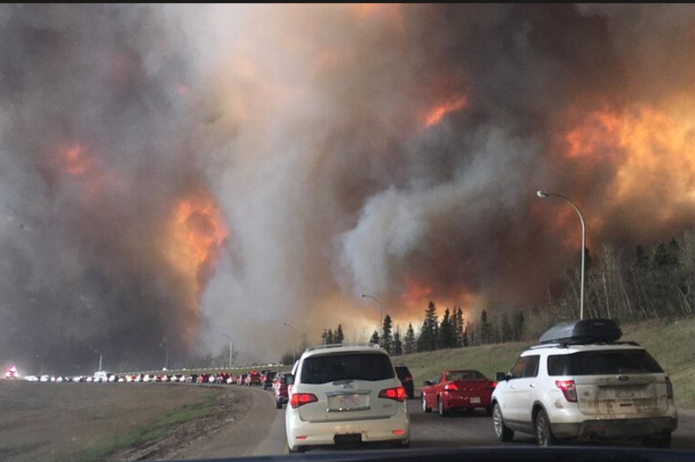
More than 800 Canadian wildfires burning as air quality alerts extend to US
An unprecedented wave of wildfires continues to rage across Canada, sending thick toxic smoke drifting south into the United States and forcing widespread air quality warnings that stretch from the Upper Midwest all the way to the Northeast. As of Thursday, official data from the Canadian Interagency Forest Fire Centre confirms 857 active blazes are burning across the country, 23 of which ignited just within the last 24 hours. The overwhelming majority of these fires remain completely uncontained, according to the Canadian Wildland Fire Information System, creating one of the most severe wildfire seasons the nation has faced in recent memory.
The largest concentration of fires burning in northwestern Ontario has been the primary source of the dangerous smoke plumes. Thick plumes have already choked major Ontario urban centers including Thunder Bay and Toronto, while thinner concentrations of smoke at high atmospheric levels have drifted across the Great Lakes region toward New York. Forecasters say the smoke is likely to create hazy skies and unusually red-hued sunrises and sunsets across the northeastern U.S. over the coming days.
While forecasters predict widespread thunderstorms will roll across Ontario in the next few days, experts say the expected rainfall is unlikely to be heavy enough to extinguish the large, deep-seated blazes or meaningfully improve conditions. Northwesterly wind patterns will continue pushing smoke into northern U.S. states through the end of the week and into the weekend, raising concerns that poor air quality will reach New Jersey, the host site of Sunday’s World Cup final. A shift in wind direction forecast for Monday is expected to redirect smoke plumes toward Quebec, which will bring gradual improvements to air quality across the southern U.S., according to the U.S. National Oceanic and Atmospheric Administration (NOAA).
As of Thursday, air quality monitoring firm IQAir ranked Detroit, Michigan as the city with the worst air pollution in the world, with Minneapolis, Minnesota and Toronto, Canada claiming the next two spots on the list. The hazardous conditions have prompted official warnings from U.S. authorities, who classify air quality in large swathes of Michigan and Minnesota as hazardous under the U.S. Air Quality Index, urging all residents to limit outdoor activity and stay indoors as much as possible.
The cross-border pollution has sparked diplomatic friction, with four Republican U.S. House representatives from Michigan signing an open letter addressed to Canadian Prime Minister Mark Carney calling for more effective wildfire management. The letter expressed growing frustration, noting this is the third consecutive year Michigan has faced hazardous smoke from Canadian wildfires, and that lawmakers’ patience has been exhausted. “A year has passed, the season has come around again, and nothing has changed except that our patience has run out,” the letter reads.
U.S. Ambassador to Canada Pete Hoekstra struck a more collaborative tone in a statement Wednesday, praising ongoing wildfire response efforts from teams in both countries. “This challenge knows no borders. The United States will continue to coordinate closely with Canada, just as we have for more than four decades of shared wildfire emergencies,” he said.
Beyond the air quality crisis impacting densely populated urban centers hundreds of miles south, the wildfires have already caused severe disruption and damage to remote northern Ontario communities. Hundreds of residents from local First Nations communities have been forced to evacuate their homes, with shared footage showing many fleeing the isolated region by small boat. Anishinabek Nation Grand Council Chief Linda Debassige confirmed in a public statement that dozens of residential homes and community buildings have suffered extensive damage from the advancing flames.
The danger of the blazes was highlighted in dramatic footage released Wednesday that showed a freight train completely surrounded by roaring wildfire flames near Armstrong, Ontario, after the crew became trapped. Canadian National Railway quickly confirmed in a subsequent statement that all workers on the train were safely rescued via emergency response, and that rail operations through the affected region have been temporarily paused to allow for fire response and safety assessments.
-

Community resilience key to disaster preparedness, says home affairs minister
As climate change amplifies the frequency and severity of extreme weather events across the Caribbean, Barbados’ top home affairs official has issued a urgent call to reimagine regional disaster planning, arguing that local communities must be placed at the core of all preparedness and response strategies. On Wednesday, Minister of Home Affairs Gregory Nicholls used the opening of the Community Resilience Regional Conference, hosted at the Lloyd Erskine Sandiford Conference Centre in Bridgetown, to challenge regional disaster management leaders to abandon overreliance on top-down emergency frameworks and embrace community-led action as the foundation of climate resilience.
Addressing a room of delegates from across the Caribbean region, Nicholls made the case that local, grassroots preparedness is the most effective defense against the growing volatility of environmental shocks and systemic economic risks that disproportionately impact small island developing states like those in the Caribbean. He explained that when communities take ownership of their own disaster preparedness and develop locally tailored adaptive strategies, the fiscal, social, and environmental costs of extreme events drop sharply. This localized approach, he noted, also ensures that critical economic activities and public services can continue operating with minimal disruption even after a crisis hits.
Nicholls emphasized that empowering ordinary residents to lead resilience efforts is far more than a reactive emergency measure—it is a core strategic imperative for national development that strengthens both long-term economic stability and social cohesion across the country. Pushing back against the long-held conventional view of disaster response that frames national governments and uniformed emergency services as the primary first responders, Nicholls pointed out that local residents are always the first on the scene when disaster strikes.
“When disaster strikes, the first responders are rarely the ones in uniform. The true first responders are the people sitting right next to you: your neighbours, your friends, and yourselves,” Nicholls said. He acknowledged that formal government disaster management frameworks remain a necessary part of any national response strategy, but argued that the true foundation of disaster survival lies in pre-existing community solidarity and connection.
“Social cohesion is our greatest asset. Knowing the people on your street, checking on our seniors, our vulnerable persons, and sharing our local knowledge are the vital threads that hold our community together when the unexpected happens,” he added.
Instead of continuing to rely solely on centralized, top-down directives from national capitals, Nicholls outlined a new holistic resilience strategy built from the ground up around community-driven action. He identified two core pillars for this approach: strong, locally rooted practical leadership, and sustained investment in local volunteer disaster response groups, which are uniquely positioned to implement preparedness measures on the ground. Clear, accessible communication and robust local information networks are equally critical, he said, particularly for reaching vulnerable residents who may need extra support during a crisis and for countering harmful misinformation that can spread rapidly in the immediate aftermath of a disaster.
Nicholls also stressed that individual action plays a key role in collective resilience: every resident must take personal responsibility for preparing for disasters by assembling emergency supply kits and developing coordinated family emergency plans. To make this localized model work, he added, it must be supported by deep cross-sector partnerships between local communities, private businesses, civic organizations, and formal emergency services, which ensure that critical resources are distributed quickly and efficiently to where they are needed most.
In closing, Nicholls called for greater flexibility in national disaster response policies, urging regional and national authorities to trust organic, locally led resilience initiatives that are tailored to the unique needs of each community. “We must move forward together as a cohesive unit, ensuring that community resilience is not just a concept on paper but it comes to life in our collective actions,” Nicholls urged. He challenged conference delegates and members of the public across Barbados and the wider Caribbean to take immediate, practical small steps to strengthen resilience in their own neighborhoods: reviewing personal emergency plans, exchanging contact information with nearby neighbors, and volunteering with local disaster response groups to map local resources and mark evacuation routes.
“Our strength originates from individuals, but the power of the individual is the community. By looking out for one another and planning together, we ensure that no matter what challenges come our way, our communities will stand firm, support each other, and rebuild together,” he said.
-
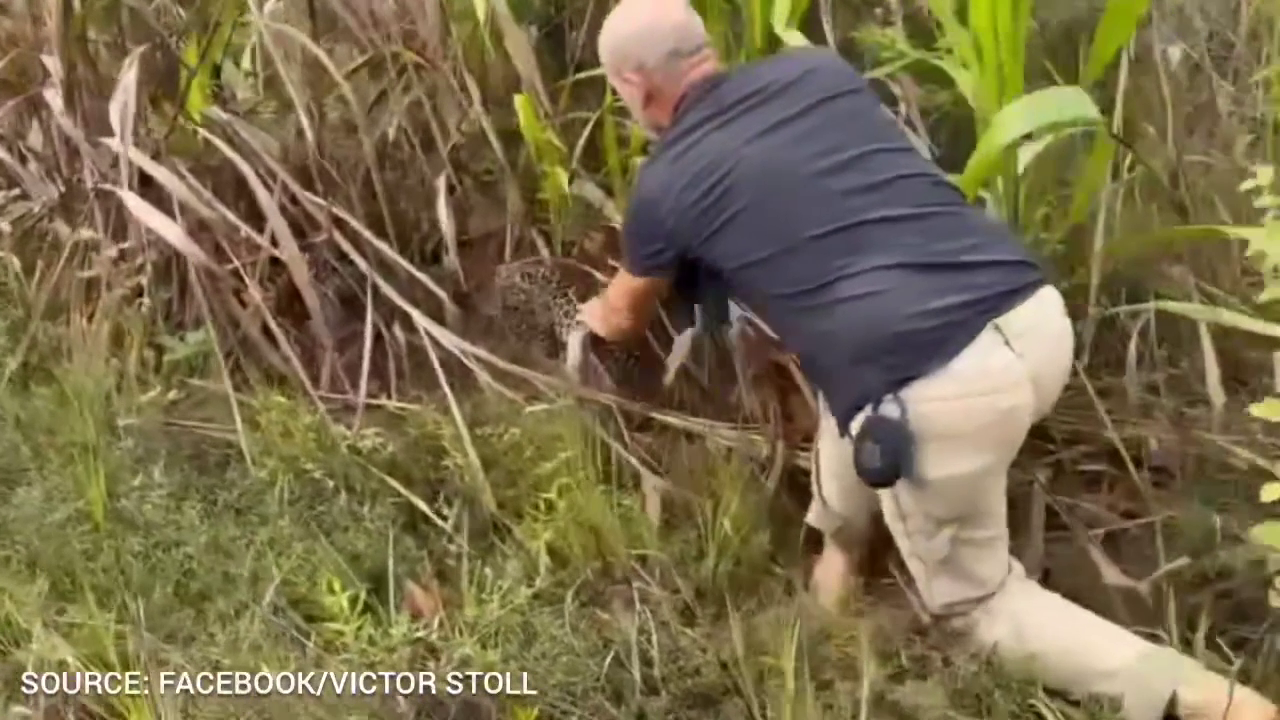
Men Face Charges After Touching Wild Jaguar Cub in Mountain Pine Ridge
A viral social media video showing a group of tourists illegally approaching and touching a wild jaguar cub in Belize has sparked criminal proceedings and reignited calls for stricter wildlife protection enforcement across the Central American nation.
The footage, recorded in the protected Mountain Pine Ridge Forest Reserve, captures one man reaching out to pet the young jaguar, while another member of the group suggests lifting the cub into their arms. The interaction took place mere meters from the cub’s mother, putting both the humans and the vulnerable big cat family at severe risk.
What the group reportedly framed as a casual, memorable wildlife encounter has drawn widespread condemnation from conservation biologists, who warn that disturbing apex predators in their natural habitat can alter their behavior, break maternal bonds, and increase the likelihood of aggressive encounters with humans later in the cub’s life. The Belize Forest Department has launched a full investigation into the incident, working alongside national immigration authorities to identify the individuals involved by cross-referencing border entry and exit records. The department lacks the authority to issue formal travel alerts, so it has partnered with immigration to track the group’s movements.
In an official interview, Belize Forest Officer Victoria Chi outlined the specific charges the department intends to file against the men. “We are planning to charge them under the Wildlife Protection Act under Section 3A and C,” Chi explained. “Section 3A prohibits hunting any species listed on the act’s protected schedule. Jaguars, along with four other native wild cat species, are explicitly included in this schedule. Crucially, hunting under the law does not only refer to killing animals with firearms — it also covers any act that molests, harasses, or interferes with wild animals in their natural habitat, which clearly matches the group’s actions here.”
Chi added that Section 3C of the act reinforces these charges, as it explicitly bans any interference with immature wildlife, a criterion that is undeniably met by the interaction with the jaguar cub.
However, the case has also exposed a critical gap in Belize’s existing wildlife protection legislation: the current law, enacted in 1981, only allows for a maximum fine of $500 per violation. For the two men involved, this would bring the total combined fine to just $1000, a penalty Chi acknowledged many members of the public will see as far too lenient to deter future incidents.
That gap is set to close in the near future: a full revision of the Wildlife Protection Act has already received cabinet approval, and once the updated legislation takes effect, fines for protected wildlife interference will start at $30,000, creating a far stronger deterrent for irresponsible wildlife tourism. Until the revised law comes into force, authorities say they are limited to pursuing the lower penalties outlined in the 1981 legislation.
The Belize Forest Department is using the high-profile incident as a urgent public reminder: the country’s iconic native wildlife, including its vulnerable jaguar population, must be observed from a safe distance, rather than disturbed for viral social media content. Irresponsible interactions not only break national law but also put both humans and wildlife in unnecessary danger.
-

Empowering Communities Through Wildlife Education Programs
In a major step forward for community-centered conservation in Belize, the Belize Wildlife and Referral Clinic has inaugurated a brand-new Wildlife and One Health Education Lab, expanding the organization’s mission far beyond its core work of rescuing and treating injured wild animals. Scheduled to open its doors for programming in July 2026, the on-site facility will host a full suite of training sessions, hands-on workshops, and professional certification programs accessible to a diverse range of participants, from law enforcement officers and national tourism tour guides to school groups, local youth, and entire community organizations.
Clinic leadership emphasizes that targeted, accessible education is the most effective long-term strategy for reducing the frequency of human-wildlife conflict — the leading cause of injured animals arriving at the clinic for care each year. Beyond its immediate conservation impact, the new education lab also represents a critical intermediate milestone toward the organization’s long-term ambition: constructing a fully operational, comprehensive wildlife hospital and rehabilitation center on the clinic’s existing property.
“We officially celebrated the inauguration for our Wildlife and One Health Education Lab, and it’s an exciting new step because it will allow us to provide more education and outreach in our own building here,” explained Dr. Isabelle Paquet-Durand, director of the Belize Wildlife and Referral Clinic. The organization has operated mobile community outreach programming for nearly eight years, traveling across the entire country to deliver conservation workshops to remote and local groups. The new permanent classroom facility eliminates the logistical barriers of cross-country travel, allowing the clinic to welcome participants directly to its base for structured learning.
As Dr. Paquet-Durand noted, the vast majority of wild animals admitted to the clinic arrive after suffering harm from negative interactions with humans. That reality makes conservation education not just an ancillary activity, but the organization’s most impactful core work. “Therefore, this building is very exciting to us to be officially open,” she added.
The clinic’s capacity building and outreach work first launched in 2018, with an initial focus on training enforcement officials. Early programs worked closely with police officers, the Belize Defense Force, and partner non-governmental organizations to build expertise in wildlife protection and conflict mitigation. Over time, the initiative expanded to reach new stakeholder groups: tour guides, who work on the front lines of tourism and interact with wildlife daily, became a key training focus, followed by youth programs including outreach to local scout groups that bring younger generations into conservation work.
This month, the clinic launched an expanded program made possible by a new grant from the Protected Areas Conservation Trust. The funding has allowed the organization to add two new wildlife fellows to its team, who will complete a full 12-month immersive training program with the clinic. This extension of programming builds on the clinic’s existing range of offerings, which previously spanned short two-day intensive trainings and now includes long-term capacity building for emerging conservation professionals.
For the Belize Wildlife and Referral Clinic, the opening of the education lab moves the organization one step closer to its end goal: a full-service wildlife hospital and rehabilitation center that will provide advanced care for injured and endangered species across Belize while serving as a national hub for conservation education.
-

Community resilience must evolve as climate threats intensify, CDEMA warns
As the Caribbean faces a rapidly evolving landscape of cascading climate threats and shifting social vulnerabilities, the region’s top disaster management authority has issued an urgent call for a fundamental rethink of how governments and communities prepare for and respond to crises. The Caribbean Disaster Emergency Management Agency (CDEMA) is pushing for a bold pivot from outdated reactive response models to a new, people-centered framework of anticipatory risk management that matches the growing complexity of modern hazards.
In her keynote address to CDEMA’s annual Comprehensive Disaster Management conference, Executive Director Elizabeth Riley argued that traditional approaches to disaster management have been rendered obsolete by 25 years of dramatic social and environmental change. Pointing to the Caribbean’s long-standing status as one of the world’s most hazard-prone regions – a dynamic she described as a “living laboratory for climate and geological risk” – Riley highlighted the $12.2 billion in damages and losses from Hurricane Melissa in Jamaica as a stark example of the region’s ongoing vulnerability.
Yet Riley also emphasized that the Caribbean has long been a global pioneer in progressive disaster risk governance. Decades ago, regional leaders recognized that protecting populations, preserving livelihoods and safeguarding hard-won development gains required moving beyond responding to disasters after they strike to proactively managing risk before impacts occur. That forward-thinking philosophy gave rise to the region’s landmark Comprehensive Disaster Management (CDM) framework, which will mark its 25th anniversary in 2026. Built on a whole-of-society principle, the CDM strategy rests on the core idea that resilient communities are the foundation of resilient nations.
Despite the framework’s early successes, Riley warned that both the region and the threats it faces have transformed beyond recognition since the CDM was first launched. Demographic shifts are rapidly reshaping the social fabric of Caribbean nations: the United Nations Economic Commission for Latin America and the Caribbean projects that by 2050, one in four Caribbean residents will be aged 60 or older, creating new layers of vulnerability for communities navigating extreme weather. Compounding these demographic changes are growing societal challenges including rising violent crime, shifting migration patterns and escalating geopolitical tensions, all of which introduce new interconnected risks that were largely unaccounted for in older disaster management models.
Most critically, climate change has rewritten the rules of disaster preparedness entirely. Where hazards once occurred in isolation, today’s climate-driven threats are increasingly cascading and compounding, creating overlapping crises that overwhelm traditional response systems. Recent high-profile storms have exposed fatal gaps in long-held assumptions about disaster preparedness, Riley explained. During Hurricane Melissa, pre-existing hazard maps failed to anticipate the devastating convergence of a 14-foot storm surge and more than 20 inches of simultaneous intense rainfall, turning a predictable event into an unprecedented catastrophe. Even more striking was Hurricane Beryl, which made history as the earliest Category 5 hurricane ever recorded in the Atlantic basin. Beryl upended the region’s long-held understanding of hurricane season timelines: for decades, planners operated on the assumption that there was a gradual ramp-up to the September peak, giving communities time to prepare after the June season start. Beryl’s early arrival proved that this timeline is no longer valid, and that preparedness must be a year-round priority.
Another persistent, underaddressed gap that Riley highlighted is the critical disconnect between early warning systems and community action. She referenced the 2019 Hurricane Dorian disaster in the Bahamas, where the Bahamas Meteorological Service issued flawless forecasts and clear evacuation orders days before the storm made landfall – yet many residents still chose not to leave their homes. To close this gap, Riley argued that disaster management authorities need to integrate insights from behavioral science to better understand how communities perceive risk and why people make the choices they do during crises. If risk communication fails to trigger life-saving action, she said, the entire approach to outreach must be re-evaluated.
To address these interconnected challenges, Riley is calling for a structural overhaul of community-level disaster governance. She questioned whether the region can continue to rely exclusively on traditional volunteer-led frameworks, such as Barbados’ long-standing district emergency organisations (DEOs), noting that volunteer systems often break down under the pressure of catastrophic, long-duration disasters. “Volunteers are the glue that holds our disaster management system together, and they deserve tangible support and formal recognition for their work,” Riley said, “but we have to ask whether it is time to integrate community resilience arrangements into the paid, structured mechanisms of government to ensure sustained capacity during crises.”
Riley also highlighted the critical role of cutting-edge technology in strengthening the region’s anticipatory risk management. Tools including high-resolution geospatial analytics and “digital twins” – virtual community-scale models that can simulate a wide range of future climate scenarios – are already being deployed to map emerging hazards, including the increasingly frequent extreme prolonged heatwaves that have become a major silent killer across the Caribbean. Partially funded by the European Union, these tools, paired with the new Caribbean Community Risk Information Tool (CCRIT), will give local planners far more accurate data to prepare for hazards that have never been seen in recorded history.
Closing her address to conference delegates, Riley issued a clear call to action: if attendees leave the conference willing to challenge long-held assumptions about what community resilience means and what it must become in the face of a changing climate, and renew their commitment to shared responsibility and people-centered resilience building, it will mark a monumental step forward for securing the Caribbean’s future. “Placing people at the absolute center of our risk management work is not just a moral imperative – it is the only way to build a resilient Caribbean that can thrive amid uncertainty,” Riley emphasized.