分类: environment

  • Viral Jaguar Cub Video: “Unnecessary, Reckless,” Says Friend

    Viral Jaguar Cub Video: “Unnecessary, Reckless,” Says Friend

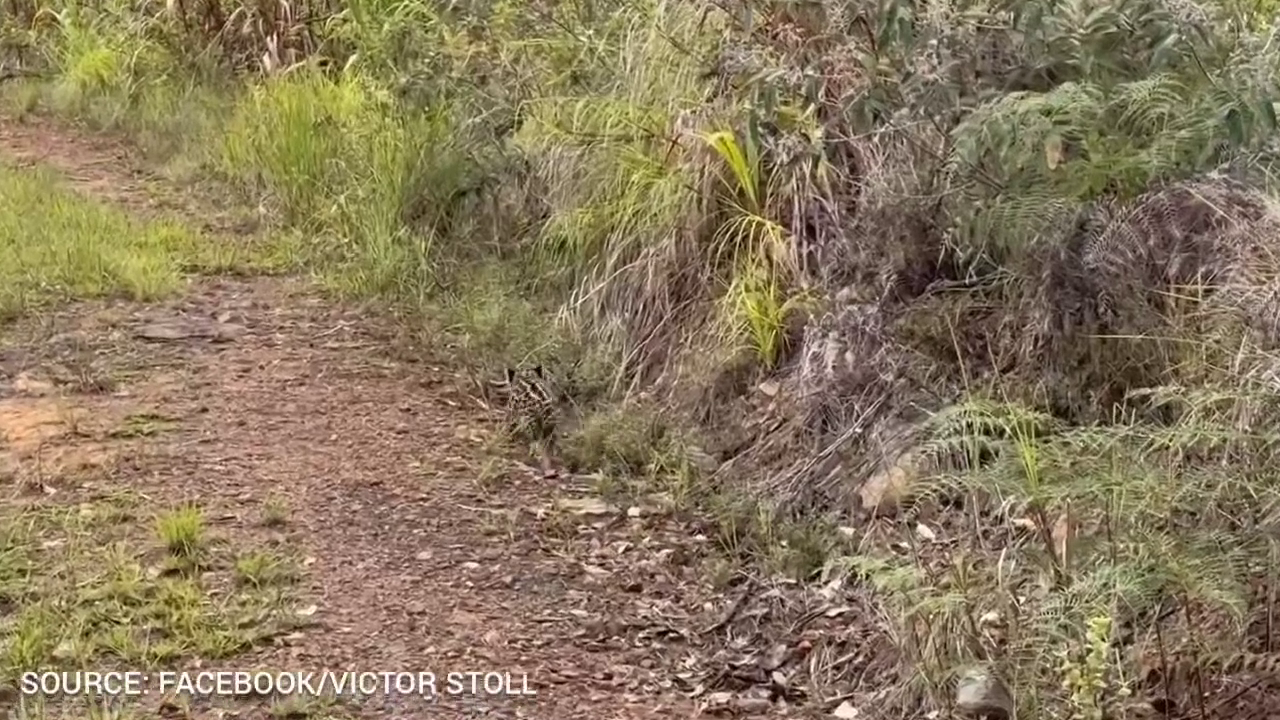
    A viral video capturing two men cornering and touching a young jaguar cub in Belize’s Mountain Pine Ridge reserve has ignited fierce condemnation from wildlife conservation experts across the globe this week, and a third person present during the incident has now stepped forward to share new details of the problematic encounter. Leslie Penner, who describes himself as a long-time friend of the two brothers at the center of the controversy, provided an exclusive account to local outlet News Five, outlining how what began as an ordinary birdwatching trip spiraled into an incident that puts both human and big cat safety at risk.

    According to Penner’s version of events, the group was navigating remote backcountry trails in the protected reserve when they spotted an adult female jaguar on the path ahead of their off-road vehicle. Moments later, they noticed her cub walking along the same trail, moving directly toward its mother. That is when, Penner says, one of the brothers—identified only as Ruben—made the sudden decision to exit the vehicle to get a closer look at the young animal.

    “I immediately felt a spike of concern, because I knew just how much danger that decision put Ruben in,” Penner recalled in his interview. Penner told reporters he attempted to stop Ruben from approaching the cub, holding the vehicle’s passenger door as close to Ruben as possible to block his path, but his intervention did not succeed. The cub eventually veered off the trail toward Ruben’s position, moving into the same underbrush where the adult jaguar had been spotted just moments earlier. Penner added that he did not even realize Ruben had made physical contact with the cub until after the encounter had concluded, as the interaction unfolded on the opposite side of the vehicle from where he was positioned.

    In his statement, Penner echoed the widespread criticism of the incident that has emerged from conservation circles, calling the brothers’ actions completely avoidable and dangerously irresponsible. He emphasized that the encounter created an unnecessary risk of violent conflict between humans and wild jaguars, a conflict that could have easily been avoided entirely if the group had stayed inside their vehicle and observed the animals from a safe distance. Penner also sought to contextualize Ruben’s actions, noting that Ruben failed to recognize the level of danger he created in the moment. “The idea that touching the cub could lead to serious harm for either the jaguar family or himself never even crossed Ruben’s mind,” Penner explained. “He never would have approached if he had stopped to think through the consequences.”

    Notably, Penner also pushed back against the idea that the brothers are entirely unconnected to conservation work, pointing to their long-standing efforts to promote wildlife protection among Belize’s conservative Mennonite community. Penner explained that the brothers visit Belize regularly, and have a standing agreement with local poultry farmers: if the farmers do not harm hawks that prey on their chickens, the brothers will reimburse the farmers for any birds lost to the birds of prey. Penner confirmed that the brothers have always honored this agreement, which has reduced retaliatory killing of raptors in the region.

    Jaguar populations across Central America face ongoing threats from habitat loss, human-wildlife conflict, and poaching, with Belize hosting one of the region’s last remaining stable wild jaguar populations. Conservationists have warned that unnecessary human interactions with big cat cubs can trigger defensive attacks from protective mother jaguars, and in some cases can lead to adult jaguars abandoning their young if the cub carries unfamiliar human scents. This incident has already sparked renewed calls for stricter enforcement of wildlife viewing rules in Belize’s protected areas, with advocates pushing for mandatory education on responsible wildlife interaction for all visitors to ecotourism sites.
  • 13,000 sign petition against AI data centres

    13,000 sign petition against AI data centres

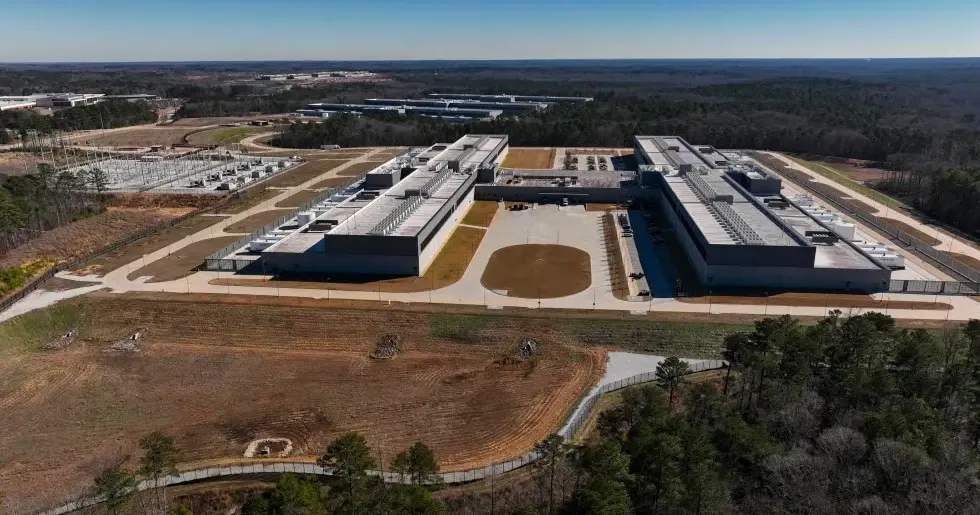
    Just days after the government of Trinidad and Tobago unveiled plans to build two large-scale artificial intelligence data centres, widespread public anxiety over the projects’ environmental footprint and strain on national utility systems has sparked a rapidly growing grassroots campaign to suspend development until full public consultation can be held. The petition, hosted on change.org, targets two proposed facilities: a 300-megawatt centre developed by Ernst & Young LLP, and a 150-megawatt AI infrastructure and data hub from Hummingbird AI Holdings LLC that could eventually expand to 500 megawatts. Within 24 hours of its launch, the petition had gathered more than 8,500 signatures, and that number surged past 13,000 in the following 24 hours.

    The government’s announcement of two memoranda of understanding for the projects comes amid a global boom in AI investment, where major international technology firms have poured billions of dollars into new AI-related infrastructure. Morgan Stanley analysts project that total global spending on data centres by tech companies, governments and their partners will hit nearly $3 trillion by 2028, driven largely by the race to develop Artificial General Intelligence and improve digital user experiences. But this global construction wave has already drawn fierce international pushback: several U.S. states have even called for temporary moratoriums on new data centre development over sustainability concerns. Trinidad and Tobago’s government has framed the projects as an economic opportunity, projecting they could create up to 5,000 local jobs.

    The petition was launched by Syam Nath, a bioacoustician and conservation researcher with extensive experience in underwater ecological studies. Nath is raising alarms over the massive water and energy demands of hyperscale data centres—facilities operating above 20 megawatts, which rely on enormous volumes of fresh water for their cooling systems. The petition calls for all development work to be paused until independent, comprehensive assessments of environmental impacts, water resources, and existing infrastructure are completed and released for full public review.

    In an interview with local outlet the Express, Nath explained that he launched the petition in response to ongoing state of emergency restrictions that limit public protest, creating a need to document widespread public concern formally. “A lot of people were upset and there was a reaction from people not knowing what the next step was. I am very glad that I did this, and for it to get this response,” Nath said. “Everybody is really riled up. We need to try something and at least we have these names. The Government may underestimate the people but we have a few thousand names and they may see that we are not going to be taken for fools.”

    Nath’s concerns extend beyond water scarcity to threats to local marine and aquatic ecosystems, many of which host already endangered species. As an underwater researcher, he noted that construction and operation of the data centres could put both human communities and marine life that depend on local water supplies at severe risk. Endangered freshwater species, echolocating animals such as dolphins and manatees, already face mounting threats in Trinidad and Tobago’s waters, and data centre operations could push vulnerable populations closer to extinction. “I do know our dolphins already have fungal infection only found in dolphins and humans. In the Gulf of Paria they already have this and everything washes off into the water. My main concern is the environmental effects from chemicals and pollution. The liquid that cools these centres is possibly going to wash off into the ocean,” Nath explained.

    He also highlighted the noise pollution generated by large data centres, which can radiate into surrounding aquatic environments and disrupt the echolocation that fish, dolphins, and even local bat and bird populations rely on to navigate and communicate. This noise disruption would also negatively impact the quality of life for nearby human communities, he added. Of particular concern is Trinidad and Tobago’s small remaining manatee population, which numbers only around three dozen individuals and depends on connected river systems that could be contaminated by runoff from the data centres. “We need to look at the bigger picture of the environment and assess what’s happening. We need to know everything about where the water is going to go and where it is going to come from,” Nath said, calling for full transparency before any construction proceeds.

    Local residents have widely criticized the government for failing to publicly disclose details of the data centres’ planned water usage. Most large data centres use open-loop evaporative air cooling systems, which are extremely water-intensive. The Environmental and Energy Study Institute, a U.S.-based non-profit focused on climate and energy issues, reports that a medium-sized data centre can consume up to 110 million gallons of water annually for cooling—equal to the annual water use of roughly 1,000 households. The largest hyperscale facilities can draw up to 5 million gallons of water per day. For context, Trinidad and Tobago’s total national water production in 2024 is estimated at just 240 million gallons per day.

    Barry Padarath, Trinidad and Tobago’s Minister of Public Utilities, has pushed back on these concerns, stating that the country has sufficient utility capacity to meet the data centres’ demands without disrupting residential water access. When asked for further details on the exact water and electricity requirements of the projects, Padarath confirmed that a cross-ministerial working group was established by the Cabinet months ago to outline project requirements. He added that the group has already mapped out both short-term and long-term utility provisions for the projects, and said he was not aware of any widespread public backlash against the development.

  • Weekend Floodwaters Damage Temporary Detour Near Belmopan

    Weekend Floodwaters Damage Temporary Detour Near Belmopan

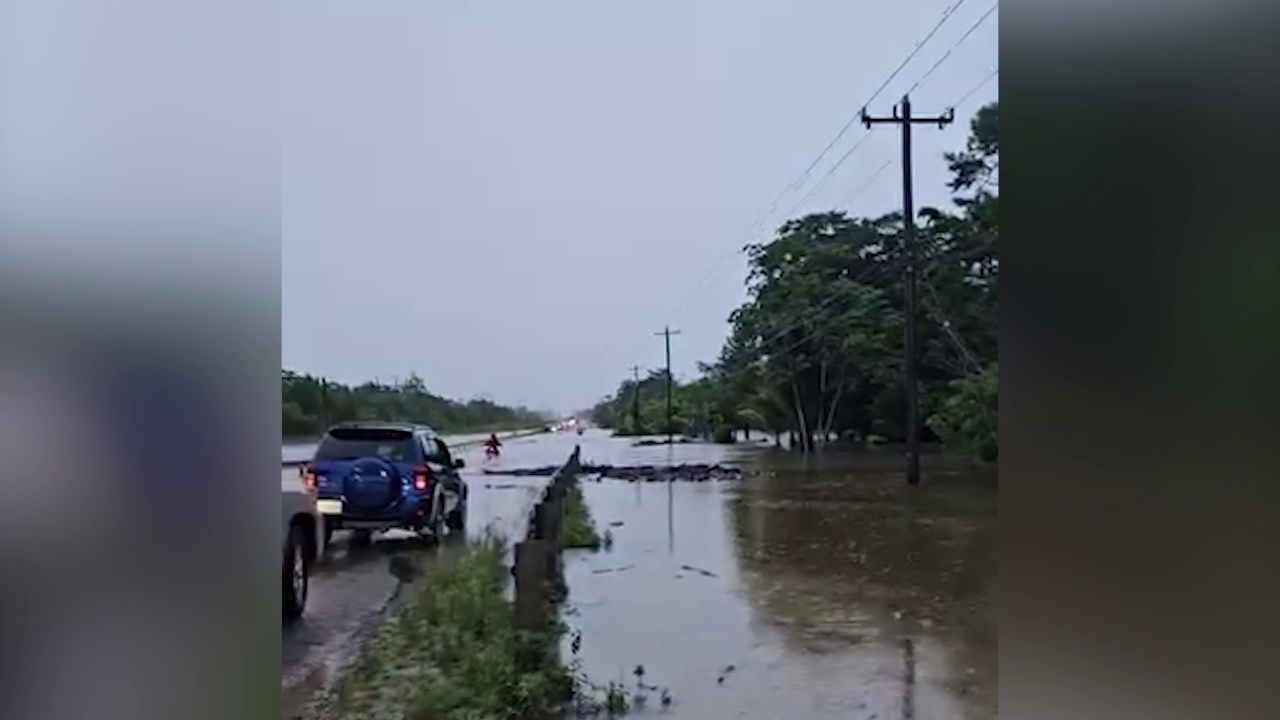
    On July 13, 2026, ongoing flood recovery efforts in and around Belmopan suffered a major new setback after rising weekend floodwaters forced an emergency closure of a critical construction access point and damaged key infrastructure for a major highway upgrade project.

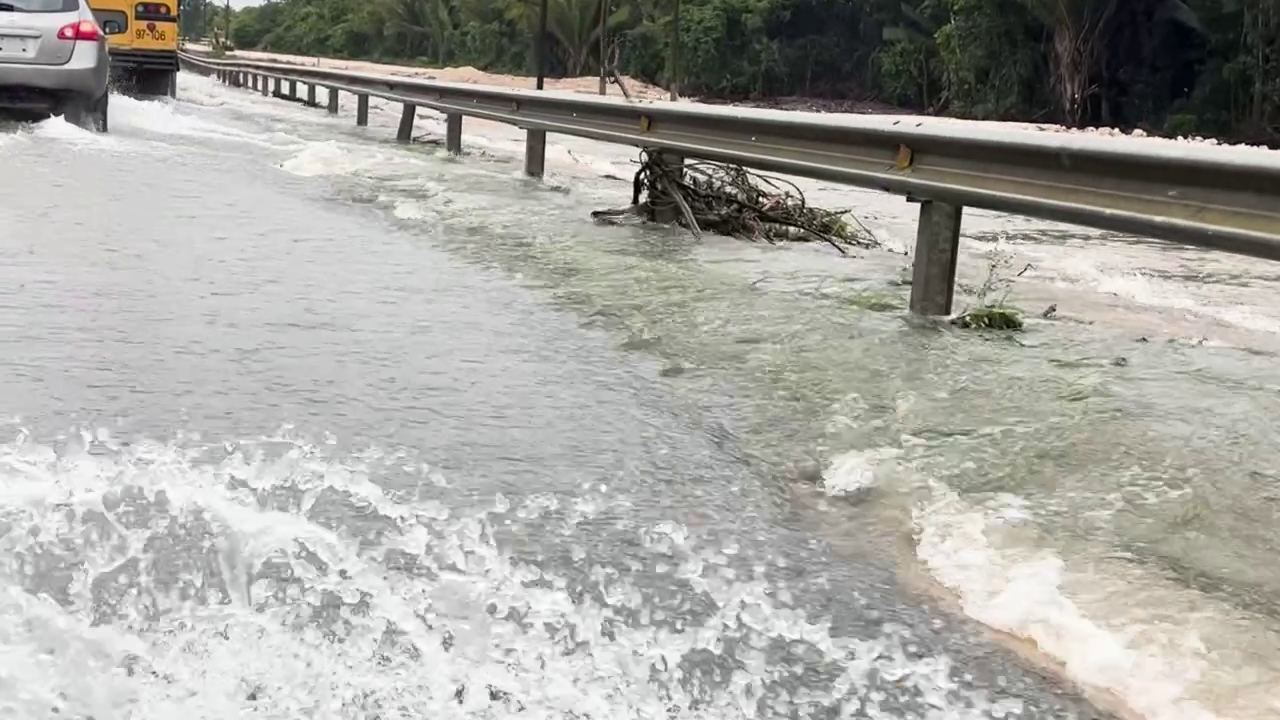
    The Mount Pleasant Bridge crossing, located just outside Belmopan’s city limits on the George Price Highway, was closed to all traffic for approximately six hours starting at 8:45 a.m. on Saturday, after floodwaters rose to more than 23 inches above the road carriageway, reaching nearly the height of the bridge guardrails. According to Evondale Moody, Chief Engineer of the Ministry of Infrastructure Development and Housing (MIDH), the fast-moving current of the floodwaters made crossing unsafe for any vehicles, prompting officials to close the highway out of an abundance of caution for public safety.

    The closure came at a particularly inopportune moment for the George Price Highway upgrade project, which was scheduled to launch piling operations for a new bridge this very week. The upgrade project itself was launched in response to repeated historic flooding at this same crossing: Moody confirmed that this is the third major flooding event to submerge the Mount Pleasant crossing, following similar incidents in 2008 and June 2020, making a replacement bridge a critical priority for regional infrastructure safety.

    To accommodate construction of the new bridge, project crews had already built a temporary detour to keep highway traffic moving during building work. When floodwaters receded enough for crews to assess damage, they discovered significant harm to this temporary detour that will require full reconstruction before work can proceed.

    Moody explained that the unplanned flood damage and subsequent detour repairs will push back the start of piling operations on the new bridge by an estimated two to three weeks, adding another layer of challenge to the already complex infrastructure project. Officials have noted that the delay will not change the end goal of improving flood resilience for the key Belizean highway, but will extend the timeline for construction-related traffic disruptions in the area.

  • Chief Hydrologist Breaks Down the Scale of Saturday’s Flooding

    Chief Hydrologist Breaks Down the Scale of Saturday’s Flooding

    On July 12, 2026, extreme flooding across central Belize reached such unprecedented levels that it overwhelmed the country’s flood monitoring capacity, pushing water heights past the maximum measurement thresholds installed at key river stations. Tennielle Hendy, Belize’s Chief Hydrologist, has detailed the extraordinary scale of the weekend weather event that reshaped flood records across multiple major river basins in the country.

    The hardest-hit monitoring site, the More Tomorrow station located in Cayo District, was completely pushed beyond its operational limits on Saturday. According to Hendy, the station’s sensors are only calibrated to measure flood levels up to 11 meters, but the surging water rose far past that mark after a dramatic, rapid increase. Just days before the peak, water levels stood at a stable 1.8 meters, but climbed rapidly to 7.55 meters before pushing past the 11-meter limit to set a new all-time record for the section. This peak far exceeds any historical water level recorded at the site since monitoring began.

    The extreme conditions were not isolated to the More Tomorrow monitoring location. Nearby Iguana Creek also saw an equally rapid, alarming rise in water levels, while the Sibun River Basin recorded severe flood heights that surpassed 3.5 meters. The Sittee River Basin, meanwhile, experienced the second-highest flood event in its recorded history. There, river levels climbed from a low of 1.5 meters on July 10 to a peak of 7.7 meters by 6 a.m. on July 11, marking one of the fastest rises ever documented in the basin.

    As of the latest update, the mass of floodwaters is currently moving northeast toward the Belize River Valley, putting new communities in the path of potential inundation. Local authorities are preparing to issue guidance for residents in the at-risk zone, with further details on preparedness measures expected to be released in upcoming segments of the national newscast.

    This report is adapted from a transcript of a national evening television broadcast, shared online for public access.

  • Tropical Wave Dumps Historic Rainfall Over Belmopan

    Tropical Wave Dumps Historic Rainfall Over Belmopan

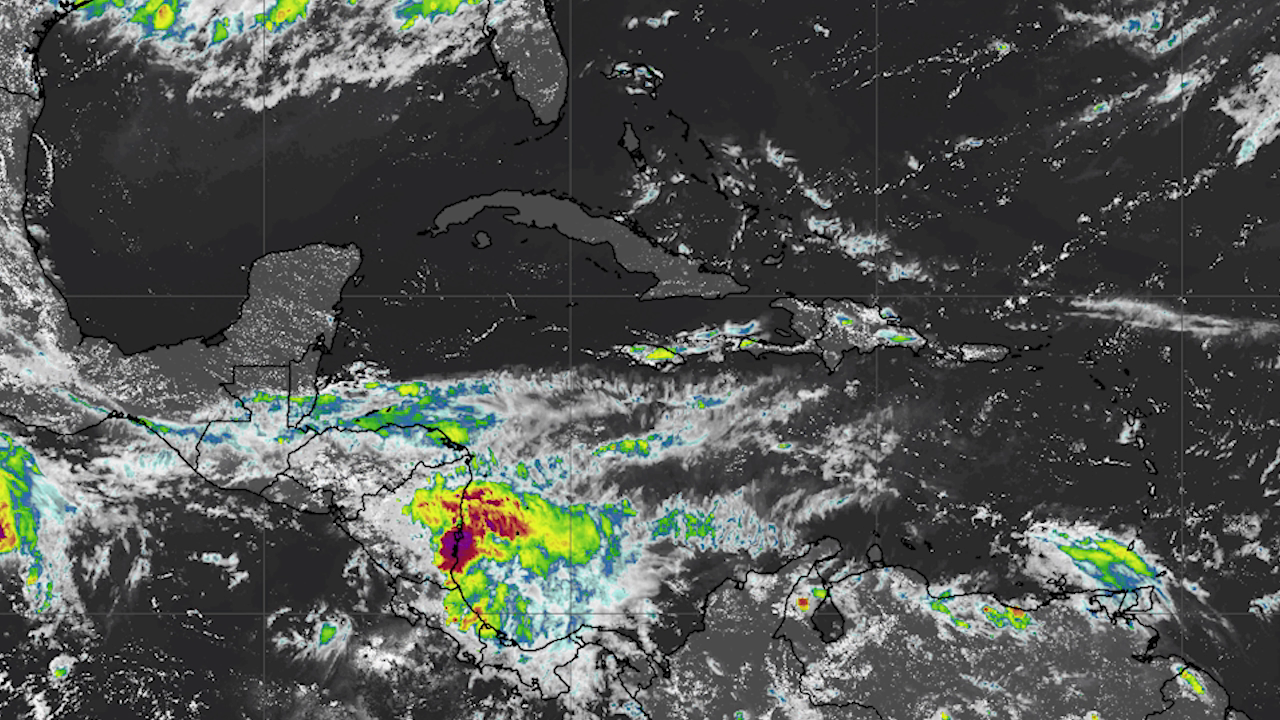
    On July 13, 2026, the Belizean capital of Belmopan faced an unprecedented weather event over the weekend, as a passing tropical wave unleashed a volume of rainfall equivalent to a full month’s average precipitation in a mere 12-hour window. According to Ronald Gordon, Chief of the National Meteorological Service of Belize, official instruments recorded a staggering 273.4 millimeters (10.8 inches) of rain across the capital between midnight and midday Saturday, as the tropical wave tracked across the nation. To contextualize this extraordinary deluge, Belmopan’s long-term average rainfall for the entire month of July is just 245 millimeters (9.7 inches) — meaning the capital accumulated more than 100% of its expected monthly rain in half a day.

    While the most intense activity from the initial tropical wave has moved past the region, Gordon warned that the country remains at elevated risk of additional flooding and weather disruption. Belize is not yet in the clear, he emphasized, as a second organized weather system is already advancing toward the country and is projected to pass across the nation sometime on July 14. This approaching system has already begun pushing excess moisture into the region, with precipitation already redeveloping across the southern two-thirds of Belize from early morning into the afternoon of July 13. Current weather models predict that scattered showers and thunderstorms will persist through the night and into the passage of the new system, with projected maximum rainfall totals between two and three additional inches across affected areas.

    The current 24-hour rainfall record for Belmopan stands at 13.1 inches, set in a 2022 extreme weather event. While this weekend’s total fell just short of that all-time mark, the 10.8-inch 12-hour accumulation marks a highly unusual and disruptive weather event for the capital, particularly as soils and drainage infrastructure are already pushed to capacity ahead of the incoming second storm system.

    This report is adapted from a transcript of a televised evening newscast, originally published online.

  • Chief Hydrologist Warns River Valley Residents to Stay Alert

    Chief Hydrologist Warns River Valley Residents to Stay Alert

    July 13, 2026 — Residents across the Belize River Valley are being urged to maintain emergency preparedness and stay vigilant as unusually rapid floodwaters, which overwhelmed western regions of the country over the weekend, push downstream at an unprecedented pace. Tennielle Hendy, Belize’s Chief Hydrologist, confirmed Saturday that rural communities in the Belize District are already experiencing early flood impacts just 24 hours after heavy inundation hit the Cayo District to the west — a far faster progression than the multi-day timeline recorded in past flood events, with additional water surges still en route.

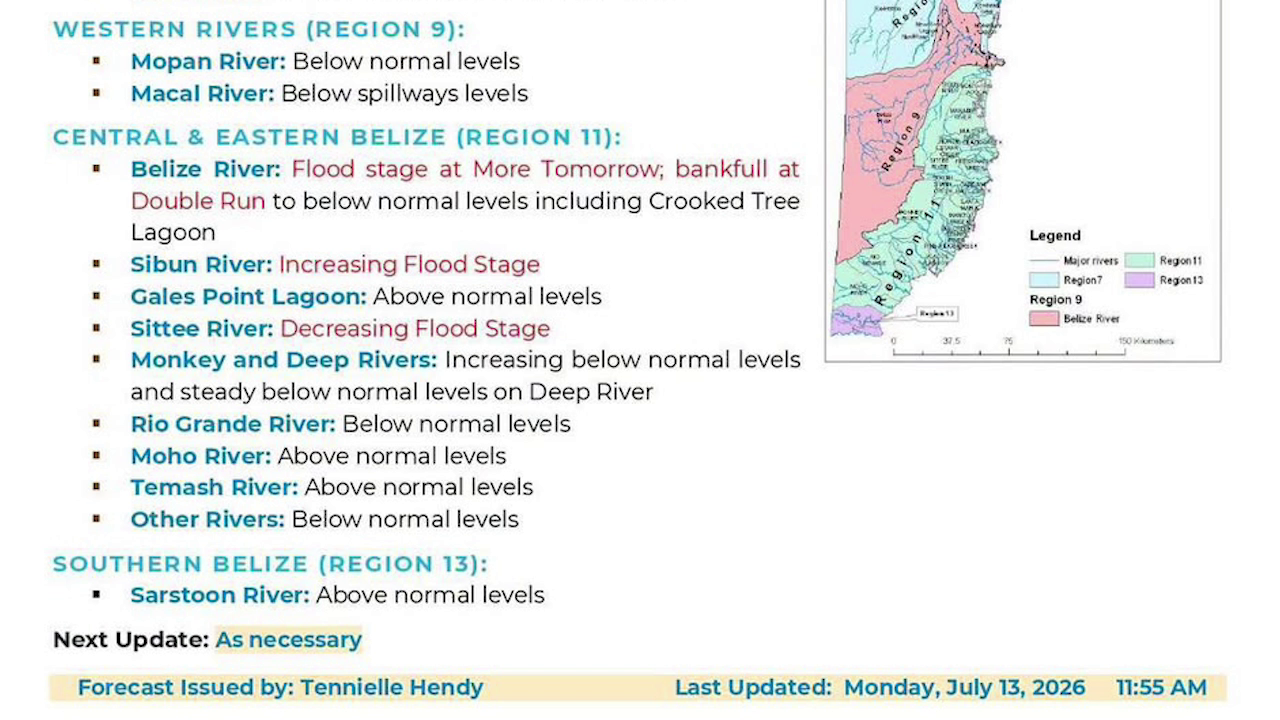
    In a briefing carried over from an evening television newscast, Hendy outlined the current conditions of the river system, noting that rising water levels are already visible across the entire Belize River Valley. As of the most recent official readings, water at Bermudian Landing has nearly reached the top of the river’s banks, while areas further downstream at Double Run, closer to Belize City, are already at full bank capacity. These readings confirm that the first wave of floodwaters from the west has already arrived in lower-lying valley communities.

    Crucially, the flood event is far from over, Hendy emphasized. Upstream at More Tomorrow, river levels remain elevated at 10 meters, well above the baseline considered normal for the waterway. This means additional volumes of water will continue to flow downstream into the Belize River Valley over the coming hours, raising the risk of widespread inundation for at-risk communities.

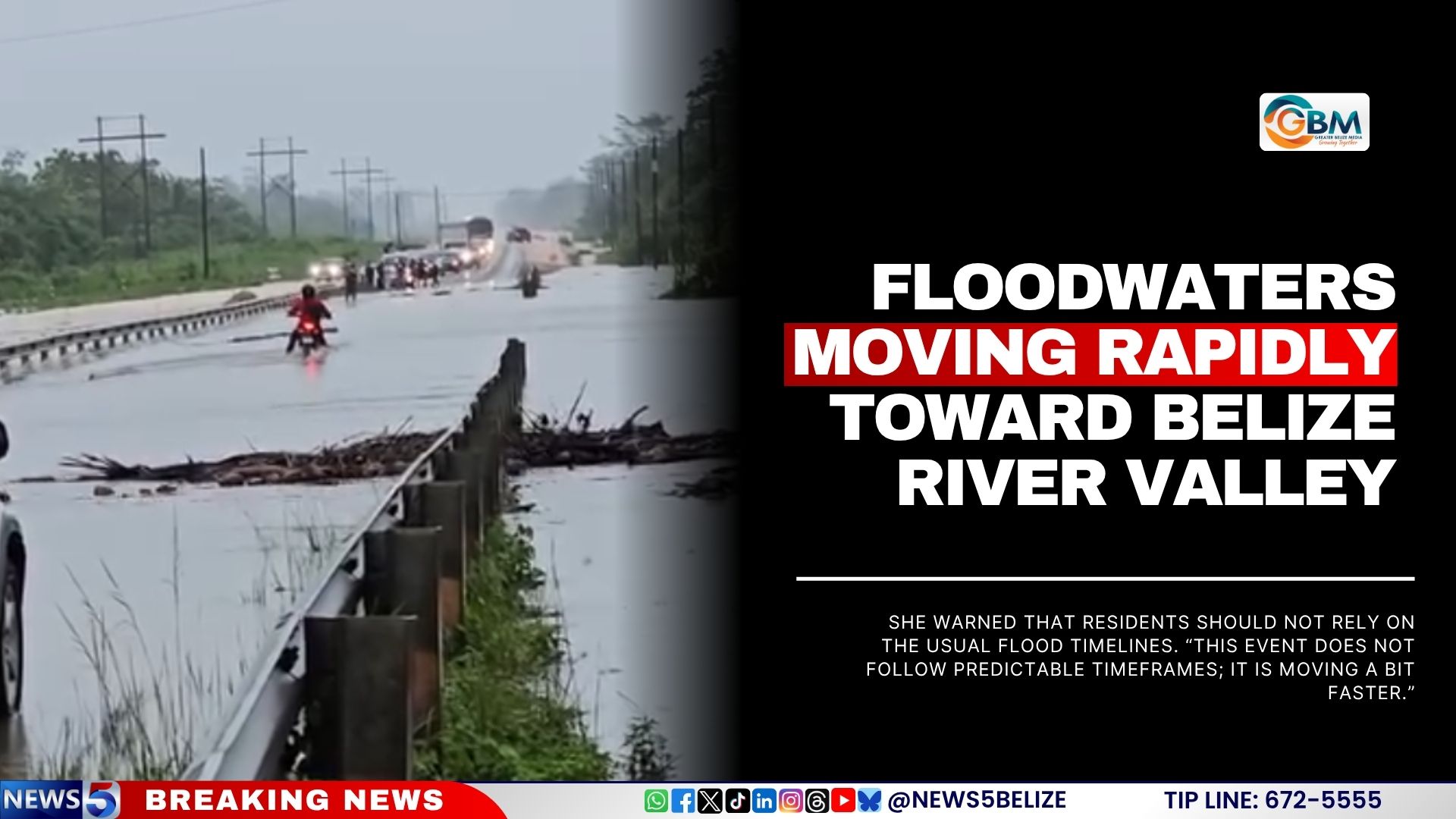
    The accelerated speed of the flood has surprised hydrological teams, breaking historical patterns that have guided emergency response in past events. “Normally, it takes roughly three days for floodwaters from More Tomorrow to reach the Belize River Valley,” Hendy explained. “But just 24 hours after the initial flooding in Cayo, we are already recording sharply increased levels in the valley. This event does not follow predictable timeframes; it is moving a bit faster.” The higher volume of water pushed into the system by the initial western flooding has directly driven this unusual pace, creating a more challenging timeline for emergency preparation than communities have faced in prior events.

    Hendy also addressed growing concerns over potential flooding in Crooked Tree Village, advising local residents to remain on high alert even as early assessments suggest the event will not reach the most severe threshold. Currently, hydrological projections do not expect floodwaters to rise high enough to make the village’s key causeway impassable, a point of major concern for local transportation and access.

    This report is a transcript of an evening television broadcast, with all statements from speakers originally delivered in Kriol transcribed using a standard regional spelling system for clarity.

  • NEMO Assists Families Impacted by Historic Belmopan Flooding

    NEMO Assists Families Impacted by Historic Belmopan Flooding

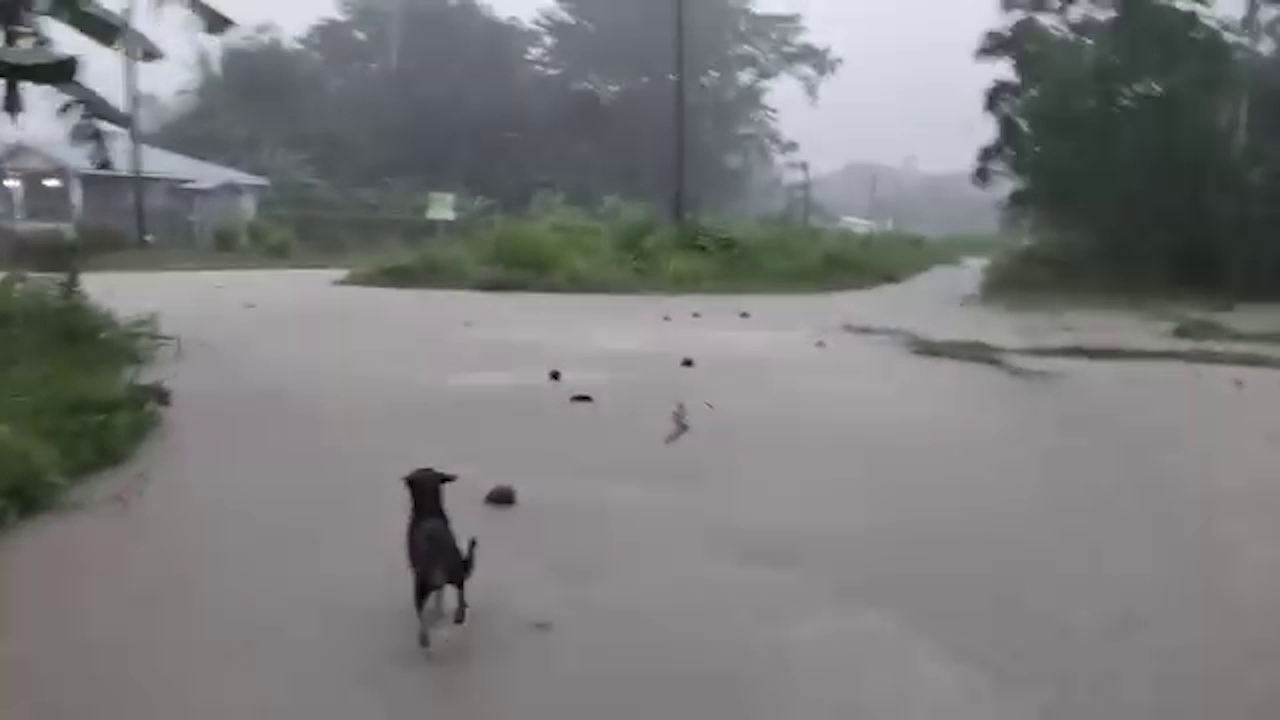
    On a Saturday in mid-July 2026, extreme downpours unleashed record-breaking flooding across Belmopan, the capital of Belize, and its adjacent regions, prompting the country’s National Emergency Management Organization (NEMO) to immediately shift into full emergency response mode.

    As the floodwaters rose rapidly, NEMO activated its capital-based emergency operations center and deployed rapid assessment and response teams to the affected areas within hours. These teams have remained on the ground nonstop since the crisis began, prioritizing damage evaluations and delivering critical support to residents whose homes and livelihoods have been hardest hit by the disaster.

    In a public briefing ahead of the July 13 evening newscast, National Emergency Coordinator Daniel Mendez outlined the unfolding of the response effort and how aid is being directed to impacted households. Mendez explained that once meteorological services tracked the heavy rainfall event and flood conditions were confirmed across Belmopan, emergency coordination mechanisms launched immediately, with sustained joint operations alongside the Belmopan City Council continuing through the 13th.

    To maintain situational awareness, NEMO maintains constant, close coordination with multiple national agencies including the National Meteorological Service and the National Hydrological Service, alongside district-level emergency centers and local authorities to track changing flood conditions as they develop. Over the weekend, teams conducted door-to-door and community-wide damage assessments across Belmopan, distributing basic supplies and immediate assistance to displaced and affected residents while working to map the full scope of the flood’s immediate impact and catalog the unmet needs of impacted communities.

    Data collected from these ongoing on-the-ground evaluations will be used to structure long-term response and recovery planning, guaranteeing that limited aid resources are allocated to the communities and households that are most vulnerable and in need of support. As of the morning of July 13, NEMO had already completed more than 100 detailed damage and needs assessments across the affected zone, with work continuing to reach all impacted areas.

    This report is adapted from a transcribed transcript of an evening television newscast, which originally provided on-air coverage of the unfolding flood response.

  • Belize City Council Tackles Sargassum at Sand Lighter’s Promenade

    Belize City Council Tackles Sargassum at Sand Lighter’s Promenade

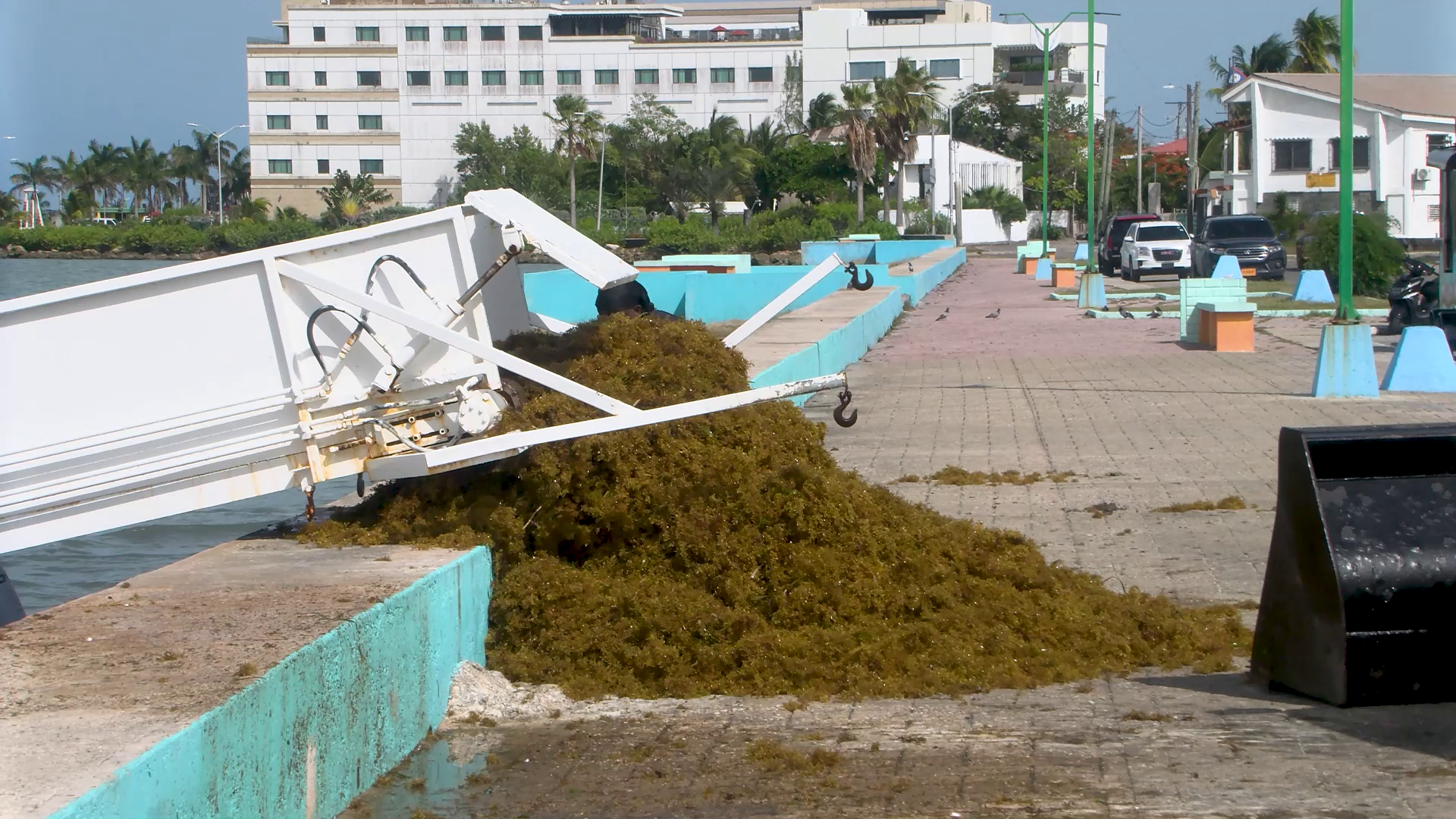
    In a response to growing public health and environmental concerns, the Belize City Council has mobilized specialized harvesting equipment to clear massive accumulations of invasive sargassum seaweed that has choked the shoreline at Sand Lighter’s Promenade, scheduled July 13, 2026. What once was considered an unpleasant odor nuisance has escalated into a major municipal cleanup challenge, as the trapped seaweed builds up in a natural cove that acts as a catchment basin, leaving ocean currents unable to flush the vegetation out to open water. According to Belize City Council Assistant Engineer Ramon Menjivar, the frequency of sargassum washing ashore has increased sharply in recent months, turning occasional incidents into a consistent hazard that demands urgent municipal intervention. “This is a very toxic, smelly material that it can even be detrimental to our health,” Menjivar explained in an on-site interview. “As the governing body for the city, we have to respond to all and any emergencies, and this is a major deposit that requires immediate action.” While the specialized sargassum harvester has proven efficient and fast at gathering the floating seaweed from coastal waters, the unique landscape of the promenade prevents crews from loading the vegetation directly onto trucks from the water. Instead, collected sargassum is first brought onto the shore, then transported to the city’s municipal landfill. At the disposal site, crews will spread the seaweed in a thin layer ranging from 6 to 8 inches thick, allow it to fully dry in the open air, then cover it with fill to eliminate odor and prevent runoff contamination. The current operation is framed as an immediate emergency response, as city officials continue researching and developing longer-term, sustainable solutions for recurring sargassum inundations that have impacted Belize’s coastal areas. This news report is adapted from a transcribed evening television broadcast, with all statements rendered accurately from original remarks.

  • Jaguar Cub Video Renews Calls to Respect Protected Wildlife

    Jaguar Cub Video Renews Calls to Respect Protected Wildlife

    In late 2026, a recently circulated viral video filmed in Belize’s protected Mountain Pine Ridge reserve has reignited urgent conversations about ethical wildlife interaction and enforcement of protected area rules, after footage showed a group of men cornering, approaching and making physical contact with a young jaguar cub. While many viewers who shared the clip framed the encounter as a once-in-a-lifetime, thrilling close-up experience with an elusive big cat, conservation leaders and wildlife experts have pushed back strongly, warning that the irresponsible actions seen in the footage put both the humans and the extremely vulnerable young animal at severe, potentially fatal risk. Jaguars, a species of high conservation concern across Central America, are granted full legal protection under Belizean national legislation, which requires all visitors to natural habitats to observe wild animals only from a safe, non-intrusive distance. To unpack the full scope of dangers posed by this interaction, local media spoke with Dr. Celso Poot, a respected wildlife ecologist and managing director of the Belize Zoo, who has decades of experience working with jaguars in captive and wild settings. Dr. Poot explained that wild jaguar mothers react to threats to their cubs the same way any parent would: any human approaching a newborn cub is immediately perceived as an aggressor, raising the immediate risk of a lethal defensive attack from the nearby mother, who would not distinguish between human intruders and other predatory threats. Beyond the immediate safety risk to the men involved, Dr. Poot emphasized that the encounter inflicted severe, potentially long-lasting physiological harm to the young cub, which his team estimates was only two weeks to one month old—one of the most vulnerable life stages for the species. “Wildlife professionals who handle young jaguars for research or conservation follow strict, carefully designed protocols to minimize stress, but these untrained members of the public had no regard for that,” Dr. Poot noted. He explained that extreme stress triggered by human handling can lead to a life-threatening condition called capture myopathy, where elevated stress hormones cause muscle rigidity and organ damage that can kill an affected animal even days after the encounter. “Just like humans, when an animal faces a life-threatening fright, it takes significant time to recover, if it recovers at all,” he added. While Dr. Poot was able to debunk the common myth that human scent on a cub will automatically lead the mother to abandon her young, he did note that replacing the mother’s natural scent with human odors removes a key layer of protection, leaving the cub more vulnerable to predators in the jungle. The incident has prompted conservation organizations across Belize to renew calls for better visitor education in protected areas, stricter enforcement of wildlife distance rules, and greater public awareness of how seemingly harmless “up close” wildlife encounters can have irreversible consequences for protected species. This public outcry comes as Belize works to maintain its position as one of the last strongholds for healthy jaguar populations in Central America, where habitat loss and human-wildlife conflict remain persistent threats to the species’ long-term survival.

  • Floodwaters Moving Rapidly Toward Belize River Valley

    Floodwaters Moving Rapidly Toward Belize River Valley

    In an unexpected development that has upended typical flood patterns in the region, floodwaters originating in western Belize are advancing toward the Belize River Valley at a pace far faster than initial projections, according to top water management officials.

    Chief Hydrologist Tennielle Hendy confirmed that local communities are already grappling with the early impacts of the advancing flood surge as of July 13, 2026. Current monitoring data shows that the river at Double Run, a community located downstream closer to Belize City, has already hit bank-full capacity, while the water line at nearby Bermudian Landing is rapidly approaching the full bank stage. “The entire Belize River Valley is already recording elevated river levels,” Hendy explained in an official briefing. “Our most recent update puts Bermudian Landing just shy of bank-full capacity, while Double Run further downstream has already hit that threshold. The flood surge is clearly moving downstream, and communities are already seeing the effects.”

    Hendy emphasized that the flood event is far from reaching its peak, noting that water levels at the upstream More Tomorrow monitoring site remain dangerously elevated, hovering around 10 meters. This sustained high volume means additional floodwater will continue to drain into the Belize River system in the coming days, prolonging the risk for downstream communities.

    One of the most striking deviations from typical flood events in the region is the unprecedented speed of the current surge, Hendy added. Under normal flood conditions, water originating from the More Tomorrow area takes roughly three full days to travel to the Belize River Valley. During this event, however, measurable rises in river levels were detected downstream in just 24 hours – a three-fold increase in speed that has caught forecasters off guard.

    This deviation from established patterns means residents cannot rely on historical flood timelines to prepare, Hendy warned. “This event does not follow predictable timeframes; it is moving a bit faster,” she said, urging households across the valley to adjust their emergency preparedness plans accordingly.

    Hendy also addressed growing public concern over Crooked Tree Village, another community at risk from the rising waters. She urged residents of the village to maintain a high state of alert as water levels continue to climb across the region. That said, current hydrological forecasts indicate the village’s main causeway – a critical connection for residents – will likely remain passable through the peak of the flood event.