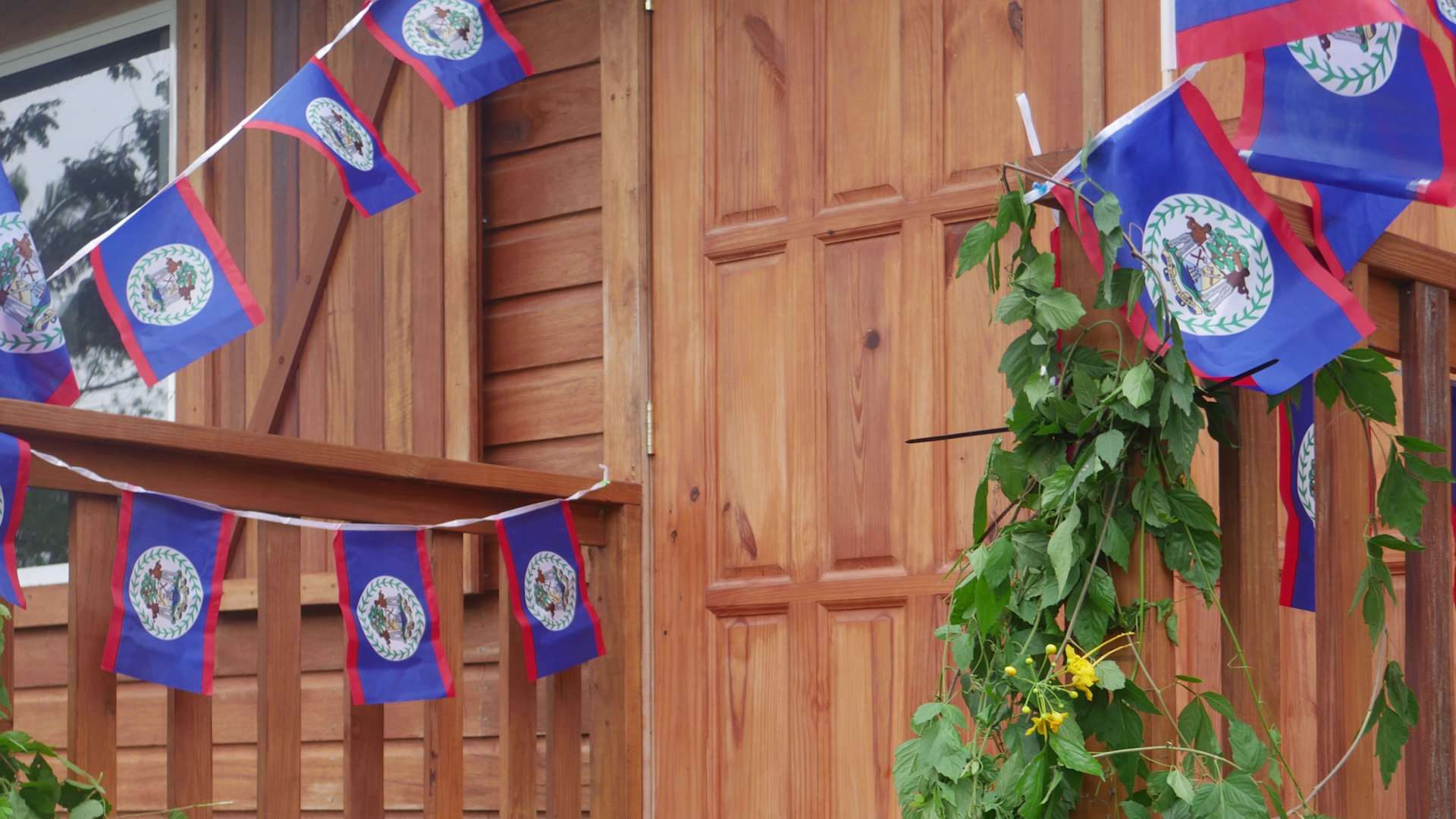
In a major step forward for community-centered conservation in Belize, the Belize Wildlife and Referral Clinic has inaugurated a brand-new Wildlife and One Health Education Lab, expanding the organization’s mission far beyond its core work of rescuing and treating injured wild animals. Scheduled to open its doors for programming in July 2026, the on-site facility will host a full suite of training sessions, hands-on workshops, and professional certification programs accessible to a diverse range of participants, from law enforcement officers and national tourism tour guides to school groups, local youth, and entire community organizations.
Clinic leadership emphasizes that targeted, accessible education is the most effective long-term strategy for reducing the frequency of human-wildlife conflict — the leading cause of injured animals arriving at the clinic for care each year. Beyond its immediate conservation impact, the new education lab also represents a critical intermediate milestone toward the organization’s long-term ambition: constructing a fully operational, comprehensive wildlife hospital and rehabilitation center on the clinic’s existing property.
“We officially celebrated the inauguration for our Wildlife and One Health Education Lab, and it’s an exciting new step because it will allow us to provide more education and outreach in our own building here,” explained Dr. Isabelle Paquet-Durand, director of the Belize Wildlife and Referral Clinic. The organization has operated mobile community outreach programming for nearly eight years, traveling across the entire country to deliver conservation workshops to remote and local groups. The new permanent classroom facility eliminates the logistical barriers of cross-country travel, allowing the clinic to welcome participants directly to its base for structured learning.
As Dr. Paquet-Durand noted, the vast majority of wild animals admitted to the clinic arrive after suffering harm from negative interactions with humans. That reality makes conservation education not just an ancillary activity, but the organization’s most impactful core work. “Therefore, this building is very exciting to us to be officially open,” she added.
The clinic’s capacity building and outreach work first launched in 2018, with an initial focus on training enforcement officials. Early programs worked closely with police officers, the Belize Defense Force, and partner non-governmental organizations to build expertise in wildlife protection and conflict mitigation. Over time, the initiative expanded to reach new stakeholder groups: tour guides, who work on the front lines of tourism and interact with wildlife daily, became a key training focus, followed by youth programs including outreach to local scout groups that bring younger generations into conservation work.
This month, the clinic launched an expanded program made possible by a new grant from the Protected Areas Conservation Trust. The funding has allowed the organization to add two new wildlife fellows to its team, who will complete a full 12-month immersive training program with the clinic. This extension of programming builds on the clinic’s existing range of offerings, which previously spanned short two-day intensive trainings and now includes long-term capacity building for emerging conservation professionals.
For the Belize Wildlife and Referral Clinic, the opening of the education lab moves the organization one step closer to its end goal: a full-service wildlife hospital and rehabilitation center that will provide advanced care for injured and endangered species across Belize while serving as a national hub for conservation education.