作者: admin

  • Massive probe launched into threat against CANU chief

    Massive probe launched into threat against CANU chief

    Nearly a quarter-century after one of Guyana’s top anti-drug officials was assassinated in cold blood, the current head of the country’s lead narcotics enforcement agency is facing a public death threat that has triggered an urgent, large-scale probe by national security authorities.

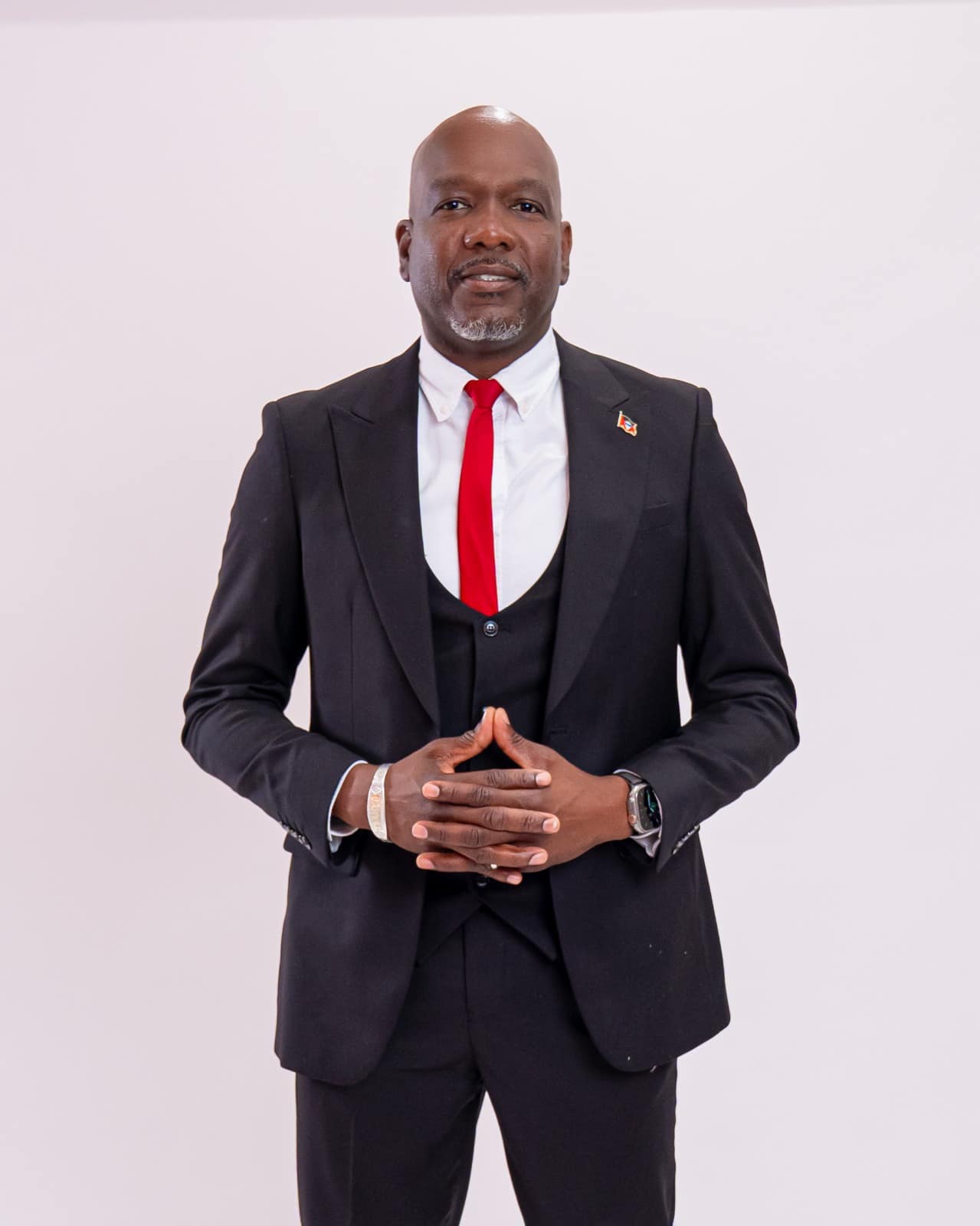
    James Singh, who leads the Customs Anti-Narcotics Unit (CANU), was targeted in a threatening video circulated on social media, Guyana’s Home Affairs Ministry confirmed in an official statement released Monday. The video depicts a hooded individual holding what appears to be a loaded handgun pointed directly at a printed image of Singh.

    All threats targeting public servants executing their official duties are classified as severe criminal offenses under Guyanese law, the ministry emphasized. In response, multiple law enforcement agencies have launched an active investigation to trace the source of the video, verify its authenticity, and uncover the intentions of those behind it. Security measures have also been ramped up to protect Singh and other at-risk personnel, the statement added.

    Officials noted the threat comes amid a major intensification of national anti-narcotics operations across Guyana. In recent months, CANU-led intelligence-driven operations have pulled 371 kilograms of illegal narcotics off the streets and dismantled multiple cross-border drug trafficking networks. Just two years ago, CANU agents working alongside Guyanese military personnel uncovered a massive 4.4-tonne cache of cocaine hidden in underground bunkers near an unapproved airstrip in Matthews Ridge, located in the country’s North West District. The ministry stressed that this operational context does not predetermine the outcome of the ongoing investigation into the threat.

    The incident evokes dark memories of a 2002 assassination that still looms over Guyana’s anti-drug efforts. In August of that year, Vibert Inniss, then deputy head of CANU, was shot multiple times and killed in his car while stopped on the Buxton Public Road to buy newspapers. His murder came just six months after a violent prison break that gave rise to heavily armed criminal gangs with ties to drug trafficking. Senior U.S. law enforcement representatives were among the attendees at Inniss’s funeral, a testament to the global significance of his anti-narcotics work.

    The Guyanese government has issued a firm rebuke of the intimidation attempt, making clear that threats against law enforcement will not weaken the country’s commitment to rooting out organized crime. “Intimidation will not succeed,” the government stated, adding that anyone who threatens officials upholding public safety will face the full weight of the law.

    The Home Affairs Ministry reaffirmed that the national campaign to dismantle both domestic and transnational organized criminal networks will continue unimpeded, pursued with steady resolve, inter-agency coordination, and unwavering focus. “No individual or group will be allowed to undermine the rule of law or threaten those tasked with upholding it,” the ministry said.

  • Harrigan Found Guilty in Nigel Christian Murder; Two Co-Accused Acquitted

    Harrigan Found Guilty in Nigel Christian Murder; Two Co-Accused Acquitted

    After more than five hours of careful deliberation, a nine-member criminal jury has delivered a split verdict in one of Antigua and Barbuda’s high-profile 2020 homicide cases, finding defendant Saleim Harrigan guilty of the murder of senior customs official Nigel Christian. Co-defendants Wayne Thomas and Lasean Bully, who stood trial alongside Harrigan on the same murder charge, have been cleared of all wrongdoing in connection to the killing. The jury returned to the courtroom of Justice Rajiv Persaud shortly after 7 p.m. to announce their final decision, a conclusion that came after jurors began their closed-door deliberations around 2 p.m. earlier that day. Approximately four hours into deliberations, the panel notified the court that they required additional time to reach a consensus on each defendant before finalizing their verdicts. The case traces its origins back to July 10, 2020, the day Christian was abducted at gunpoint from his private residence in the McKinnons neighborhood of Antigua. Later that same day, search teams located the customs officer’s lifeless body on an unimproved dirt road in the Thibou’s district of the island. With the guilty verdict now in place, Harrigan is currently being held in custody as he awaits his formal sentencing, which has not yet been scheduled by the court. While Thomas was acquitted of the murder charge alongside Bully, he will remain in custody. Justice Persaud ordered Thomas remanded on an unrelated legal matter that is still pending before the Antiguan judicial system.

  • Vaccination push ramps up into communities as rates dip

    Vaccination push ramps up into communities as rates dip

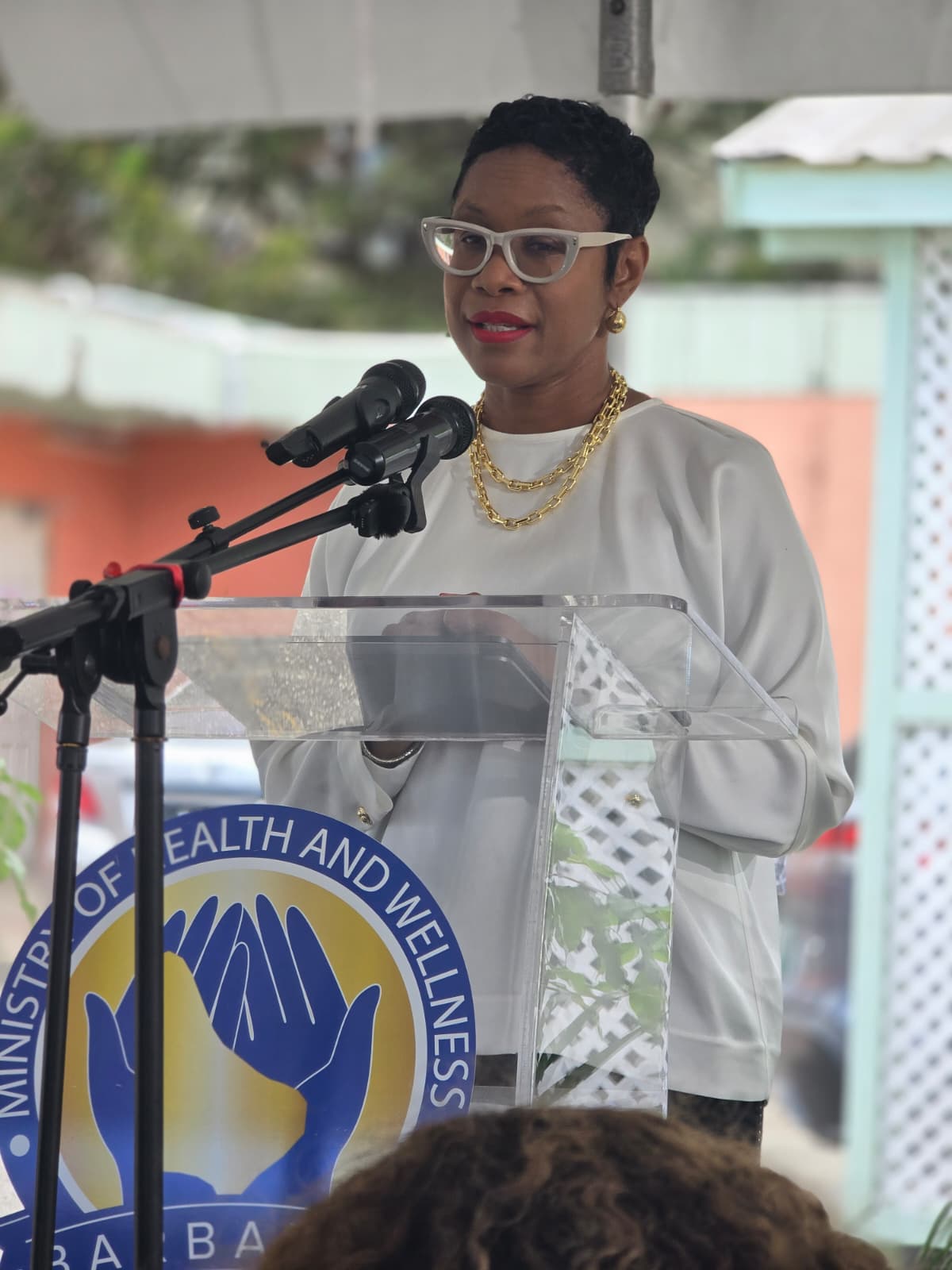
    Against the backdrop of lingering post-COVID-19 disruptions to routine public health programming, Barbados’ national health authorities have launched an intensified national immunization campaign, bringing critical vaccination services directly into local communities through a schedule of targeted polyclinic open days. The push comes amid official warnings that current vaccination coverage remains far below the threshold required to block outbreaks of dangerous, vaccine-preventable diseases.

    Barbados Minister of Health Lisa Cummins recently shared key data confirming that national inoculation rates have not yet rebounded to the pre-pandemic benchmarks that once kept the island’s population protected. “Coverage for the first dose of measles, mumps, and rubella increased to 89 per cent, and the second dose rose to 86 per cent. That is meaningful progress, but we have to be able to reach that threshold of 95 per cent coverage to secure herd immunity,” Cummins explained.

    This expanded immunization initiative is a core component of the 24th annual Vaccination Week in the Americas, a regional public health campaign that runs from April 25 to May 2 under the unifying theme “Your Decision Makes a Difference. Immunisation for All”. On Monday, local health officials and international public health partners convened a special community-focused open day at the Edgar Cochrane Polyclinic, centered on expanding prevention outreach, improving public health education, and removing barriers to vaccine access.

    Addressing one of the biggest barriers to progress – widespread vaccine hesitancy fueled by rampant online misinformation – Cummins noted that the COVID-19 pandemic created a unique public health challenge: virtually anyone with a smartphone could now position themselves as a self-styled medical expert, spreading unvetted, misleading claims that have eroded public confidence in routine vaccination across local communities.

    Cummins also emphasized that the risk of falling short of the 95% coverage target is not hypothetical. “These vaccines are protecting us from diseases that are one single flight away from our shores. If we don’t reach the 95 per cent threshold, then our communities are at real risk of a large-scale outbreak,” she warned.

    While the minister highlighted Barbados’ long, successful history of robust immunization programming that has protected generations of island residents – including the elimination of polio through sustained, coordinated public health efforts – she cautioned against complacency in the post-pandemic era. “Vaccines have always been and remain to this day the most effective tool we have to protect our communities. When enough of us are protected, we create what we call herd immunity. It is a collective shield that protects every member of our society, including those who cannot be vaccinated for medical reasons,” Cummins said.

    To reassure the public about the safety of nationally administered vaccines, Cummins added that all vaccines used in Barbados undergo rigorous, repeated international testing and meet the highest global safety standards set by leading global health bodies. She also clarified that frontline healthcare workers are not focused on pressuring hesitant parents to vaccinate their children; instead, their role is to listen to concerns, answer questions, and provide evidence-based guidance to help families make informed decisions.

    Amalia Del Riego, the Pan American Health Organization/World Health Organization (PAHO/WHO) Representative for Barbados, reinforced the urgency of closing immunization coverage gaps across the region, noting that decades of steady progress in preventing vaccine-preventable diseases is now under growing threat. “In 50 years in the region of the Americas, we have prevented 15 million deaths and 1.1 billion cases of disability through immunization,” Del Riego said. But she warned that the public health landscape has shifted dramatically in recent years, with measles transmission becoming re-established in the region and confirmed cases tripling compared to 2023.

    Del Riego stressed that immediate collective action is needed to reverse these troubling trends. “Without a decision and engagement from communities, we are losing if we are not very careful. We need to be a little bit more assertive. It is really the time to act now,” she said.

    Senior Health Sister Hazel Forde, who helped organize the polyclinic open day events, underscored the core mission of the campaign, aligning with the Vaccination Week theme. “Today is centered on one simple but powerful idea: Your decision makes a difference. We are not here only to provide services, but to promote and provide advocacy, to support you, to educate you, and to empower you as you take charge of your own health,” Forde explained.

    She added that the campaign extends far beyond routine childhood immunization, offering a full spectrum of community health services to address a wide range of public health needs. “Whether you are accessing vaccinations, learning about non-communicable diseases, or taking advantage of our confidential STI testing, you are making a meaningful investment in your well-being,” Forde said, echoing the WHO’s definition of health as a complete state of physical, mental, and social well-being, not just the absence of disease. “It is about prevention. It’s about awareness, and it’s about community,” she noted.

    Forde also emphasized that Vaccination Week is more than a one-off public health campaign; it is part of a broader, sustained movement to embed shared responsibility for public health across Barbadian society. “Health is a shared responsibility. And that by working together we can protect generations from preventable disease,” she said.

    Cummins added that the vast majority of Barbadian parents already support routine childhood vaccination, but everyday life challenges often prevent families from keeping scheduled vaccination appointments. “Life happens, people get busy. Some parents sometimes forget appointments. It’s okay to have questions, and that’s what our medical health professionals are here for,” she said.

    The ongoing polyclinic open days offer a broad range of integrated services beyond immunization, including general health screenings and evidence-based public health education sessions. Organizers say the goal of the community-focused model is to close persistent coverage gaps and ensure that underserved populations across the country have equal access to life-saving vaccination services.
  • Why Is Gov’t Pushing the 20% Tariff on Ramen?

    Why Is Gov’t Pushing the 20% Tariff on Ramen?

    A heated policy debate has unfolded in Belize’s Senate over the government’s proposed 20% tariff on imported ramen and similar instant noodle products, with ruling party lawmakers framing the measure as a catalyst for local economic growth and small-scale entrepreneurship, while opposition legislators have pushed back against it over public health and diplomatic concerns.

    The discussion was sparked after opposition UDP Senator Sheena Pitts labeled ramen an unhealthy “empty food” that fuels the region’s growing burden of lifestyle-related diseases. Ruling PUP Senator Louis Wade pushed back against this characterization, arguing that ramen should not be reduced to its reputation as a cheap, low-nutrient quick meal. Instead, he positioned it as a foundational platform for grassroots entrepreneurship that could reshape local economic activity.

    Wade explained that the narrative around ramen as inherently nutritionally void overlooks how consumers adapt the product to local dietary habits. “If Belizeans are eating only ramen, that may in itself be a low-nutrient food. But if they drop an egg in there… it changes everything because the protein content is now in the egg along with the base food of ramen,” Wade noted. He added that integrating local Belizean ingredients into ramen-based dishes creates accessible low-barrier business opportunities, drawing a comparison to successful street food cultures in Vietnam and South Korea, where vendors build small, sustainable businesses selling customized ramen dishes. “There is no reason why we can’t be like Vietnam and South Korea, where one dollar, you grab a ramen… Add something to it and you can start selling a breakfast for $3 and you become an entrepreneur with ramen,” he said. “You can start a business with ramen.”

    A key local player at the center of this policy push is Manna Noodles, a ramen product manufactured domestically by the Caribbean Organic Food Stuff Company. Wade pointed out that scaling local ramen production will create ripple benefits across Belize’s economy, from supporting domestic agriculture to creating new jobs and expanding the country’s small business ecosystem. “Here we have an entrepreneur who now will either source raw materials from in-country, which are the same farmers that we are talking about, and convert that into ramen… He will eventually have to buy from these Belizean farmers,” Wade explained. He emphasized that his support for amending the tariff framework hinges on the broader economic goal of shifting Belize from a nation focused on consumption of imported goods to one that grows its own domestic production capacity.

    The tariff proposal, introduced as an amendment to the country’s Customs and Excise Duties Act, aligns with this broader policy shift. PUP Senator Christopher Coye, another ruling party lawmaker, defended the measure, rejecting claims that it amounts to unfair protectionism. Instead, he framed it as a correction to a long-standing structural imbalance in Belize’s tax system that he called “reversed discrimination.” Currently, Coye explained, local producers like Manna Noodles pay tariffs on imported raw materials needed for manufacturing, while finished imported ramen products enter the country without those same tax costs. This uneven playing field puts domestic manufacturers at an unfair competitive disadvantage, he argued, and the 20% tariff simply levels that field.

    The proposal also faced criticism from opposition UDP Senator Patrick Faber, who claimed the tariff would damage Belize’s diplomatic and economic relationship with Taiwan. Ruling Government Business Senator Eamon Courtenay rejected this concern, clarifying that the new tariff does not violate the terms of Belize’s existing economic cooperation agreement with Taipei. Courtenay explained that while the agreement grants duty-free access for a specific list of goods, ramen is not included among those preferential products. Under international trade rules, he confirmed, the Belizean government is fully within its rights to impose the 20% tariff on imported ramen.

    The debate underscores how a seemingly niche trade policy has sparked broader discussions about public health priorities, economic development strategy, and international relations in Belize, as the government pushes to support domestic manufacturing and grassroots entrepreneurship.

  • Commonwealth Sport wraps up ‘successful’ tour of Barbados

    Commonwealth Sport wraps up ‘successful’ tour of Barbados

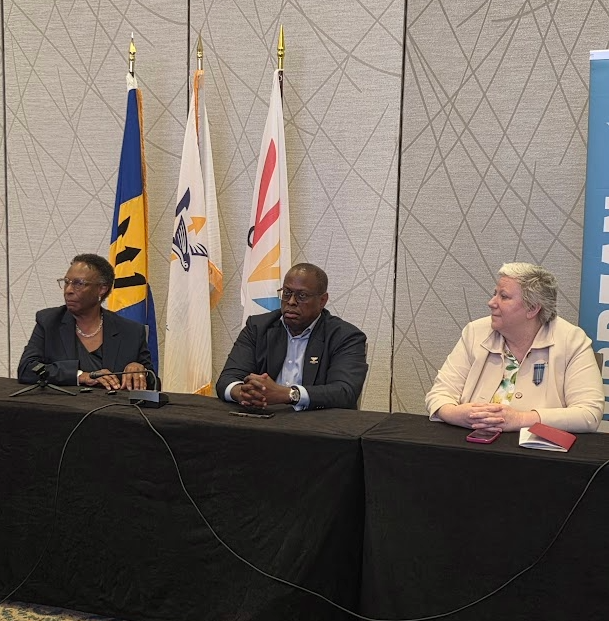
    After a week of high-level meetings, venue assessments and cultural engagements across Barbados, the top leadership of Commonwealth Sport has declared the organization’s first executive board visit to the Caribbean nation a resounding success.

    In closing remarks delivered at a press briefing hosted at Hilton Barbados last week, Commonwealth Sport President Dr. Donald Rukare highlighted the multiple productive outcomes of the trip, beyond the formal scheduled business. Beyond the warm hospitality extended by local organizers, Rukare noted that the board secured valuable face time with senior Barbadian leadership, including President of Barbados and the country’s Minister of Youth and Sports.

    During their stay, board members also toured the island’s existing sports infrastructure, explored key tourist and cultural landmarks, and got a first-hand taste of Barbados’ beloved local pastime: road tennis. “That cultural connection was just as important as our formal business,” Rukare told reporters.

    Looking ahead, the organization’s immediate top priority is the smooth delivery of the 26th edition of the Commonwealth Games, set to kick off in Glasgow, Scotland in the coming months. Rukare confirmed that the organization is already in full preparation mode, and expressed excitement for strong participation from Barbados and other Caribbean nations at the multi-sport event.

    Commonwealth Sport Chief Executive Officer Katie Sadleir expanded on the key business outcomes of the Barbados meetings, noting that the board advanced progress on several critical governance priorities. The most significant action taken was the formal approval of the organization’s annual business plan for the coming fiscal year, which aligns with the group’s existing 10-year long-term strategic framework. As is standard annual practice, the board conducted a full review of the 10-year strategy during the meeting to update key priorities and align upcoming work with evolving member needs. The board also signed off on the full budget tied to the newly approved business plan, Sadleir confirmed.

    One topic that gained attention during the visit was the push to add road tennis, a popular Barbadian homegrown sport, to the official Commonwealth Games lineup. Sandra Osbourne, President of the Barbados Olympic Association and Commonwealth Sport Vice-President, shared that while local leaders strongly support the eventual inclusion of the sport, the path to formal recognition comes with significant structural hurdles.

    Osbourne explained that the dual mandate of the local organization, which serves both as the national Commonwealth Sport association and the Barbados Olympic Association, requires it to only formally recognize sports that already hold International Olympic Committee (IOC) recognition. At present, road tennis has not secured that IOC status, meaning it cannot be formally affiliated or recognized by the local body.

    Still, Osbourne emphasized that the organization remains committed to supporting the Barbadian government’s goal of growing and promoting the sport, even with the structural limitations. “Whenever we are asked, we work collaboratively with the government to map the path forward, and have shared clear guidance on the steps required to achieve international recognition and eventual inclusion in the Games,” she noted, adding that the group is still learning the process itself as it supports the local push for road tennis.

  • 8 Years in the making, Booby Alley Housing project Now in its final phase

    8 Years in the making, Booby Alley Housing project Now in its final phase

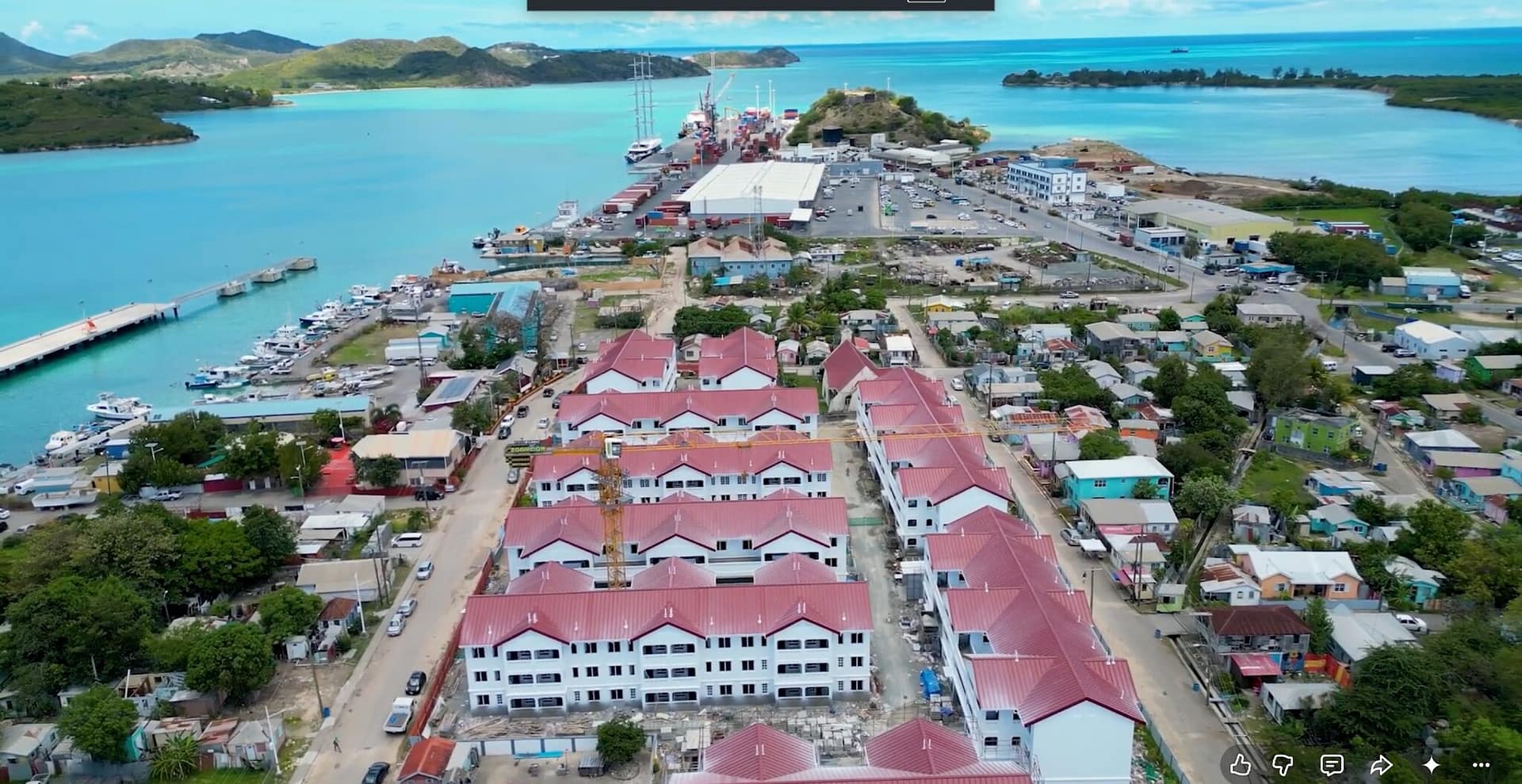
    After nearly a decade of planning, regulatory navigation, and phased construction work, the long-awaited Booby Alley Housing project has finally reached its last stage of development, marking a major milestone for a community that has waited years for expanded, affordable living options.

    First conceived back in 2016 as a response to growing local housing shortages and deteriorating existing infrastructure in the Booby Alley neighborhood, the initiative was designed to deliver 120 mixed-income residential units, alongside 8,000 square feet of community amenity space that includes a new neighborhood park, a small business incubator, and a childcare center. Over the past eight years, the project navigated a series of hurdles, from zoning approval delays to supply chain disruptions sparked by the 2020 global pandemic, which pushed back original completion timelines by more than two years.

    Local housing officials confirmed this week that all major structural work is now complete, and the final phase—covering interior finishing, utility connections, and landscaping—is underway. Current projections have the entire project wrapping up by the fourth quarter of this year, with the first new residents moving in by early 2025.

    “We’ve stayed committed to delivering this project to a community that has needed it for decades,” said Maria Gonzalez, director of the city’s Department of Housing and Community Development. “This isn’t just about building new homes—it’s about investing in the future of this neighborhood, creating space for long-time residents and new families to thrive.”

    Affordable housing advocates have also praised the project’s progress, noting that 40 percent of the new units are reserved for low and middle-income households earning below 80 percent of the area median income, a requirement that community organizers fought to include in the project’s initial terms. Once completed, the development is expected to cut the local affordable housing waiting list by nearly 15 percent, according to city data.

  • ABLP Applauds Government’s Advancement of UWI Five Islands Campus Expansion Project

    ABLP Applauds Government’s Advancement of UWI Five Islands Campus Expansion Project

    The Antigua and Barbuda Labour Party (ABLP) has publicly expressed approval for the government’s recent confirmation that it will continue moving forward with the first phase of the University of the West Indies Five Islands Campus Expansion Project, a landmark initiative designed to drive national growth and systemic educational transformation across the twin-island nation.

    This large-scale public investment in tertiary education marks a deliberate, forward-thinking strategic move to establish Antigua and Barbuda as a leading regional center for advanced academic study, innovative research, and youth capacity-building. Upon completion, the expanded campus will bring cutting-edge, globally competitive infrastructure to the country, including new purpose-built academic facilities, expanded on-campus student housing, and a modern indoor athletic complex. All new construction is paired with foundational civil infrastructure upgrades that will support both the first phase of development and future expansion efforts down the line.

    To advance the project into active implementation, Antigua and Barbuda’s Ministry of Works has officially published a tender invitation seeking bids from qualified construction firms to carry out the work. This call for proposals marks a key milestone, shifting the initiative from the preliminary planning stage to on-the-ground execution. It also underscores the governing administration’s stated priorities of tangible results, transparent accountability, and on-schedule project delivery.

    Daryll Matthew, the country’s Minister of Education, Sports and the Creative Industries and Parliamentary Representative for St. John’s Rural South, emphasized that the project extends far beyond new construction. “This expansion is more than a construction project; it is a nation-building initiative that will empower generations of Antiguans and Barbudans with access to high-quality education right here at home,” Matthew said.

    The ABLP concluded its statement by commending the government for its sustained commitment to ensuring that improved access to opportunity, upward social mobility, and broad-based national progress reach every household across Antigua and Barbuda.

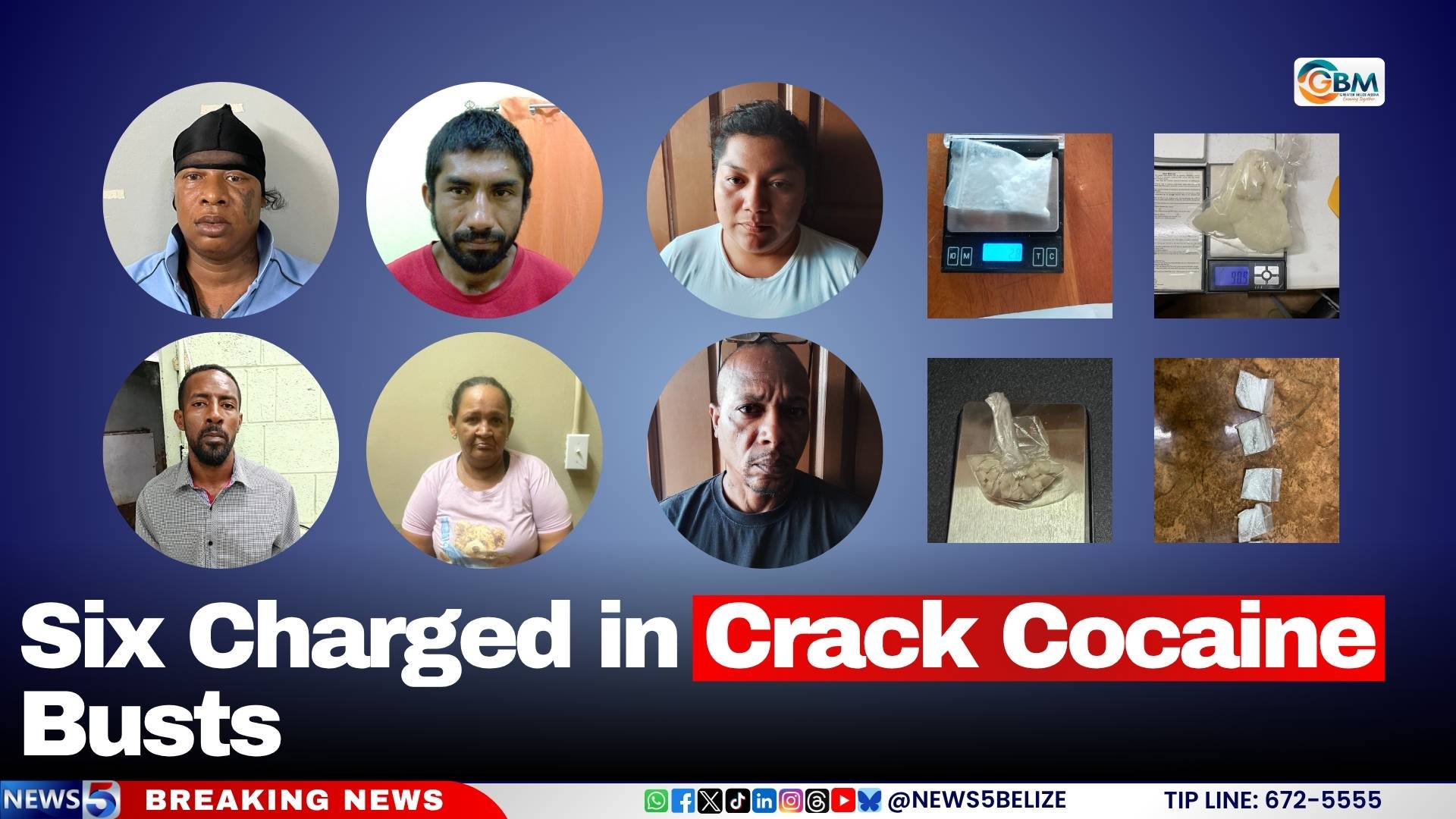
  • Six Charged in Crack Cocaine Busts

    Six Charged in Crack Cocaine Busts

    In a coordinated series of anti-narcotics operations conducted across Belize over the seven-day period ending April 26, 2026, law enforcement officials have taken six suspects into custody and filed formal drug trafficking charges against all six, senior police representative Assistant Superintendent Stacy Smith has confirmed. All defendants are facing allegations of possession of controlled substances with the intent to distribute, a serious criminal offense under the country’s drug enforcement laws. The busts targeted multiple scattered locations across the nation, uncovering quantities of cocaine and crack cocaine linked to each accused individual. The largest seizure by far was connected to Burton Godoy, a resident of Belize City, who faces two separate counts of possession with intent to supply. According to police reports, officers recovered 28 grams of powdered cocaine and more than 90 grams of crack cocaine during searches tied to Godoy. Gilriam Mejia is another defendant facing dual charges, with police linking two separate caches of 1.25 grams and 5.5 grams of crack cocaine to him. Eddy Hernandez, the first named defendant, was found in possession of 4.6 grams of cocaine when arrested, while Joshua Burns, a resident of Cotton Tree Village, faces charges connected to a 2.8 gram seizure of cocaine. Two more suspects, Stephan Hyde and Giany Wade, were arrested in San Pedro, and each faces charges after police allegedly found 2.8 grams of cocaine in their possession individually. These coordinated operations are part of ongoing law enforcement efforts to disrupt local drug distribution networks and curb the flow of illicit controlled substances across the country, officials noted.

  • Vijf Surinamers geselecteerd voor prestigieus Amerikaans leiderschapsprogramma

    Vijf Surinamers geselecteerd voor prestigieus Amerikaans leiderschapsprogramma

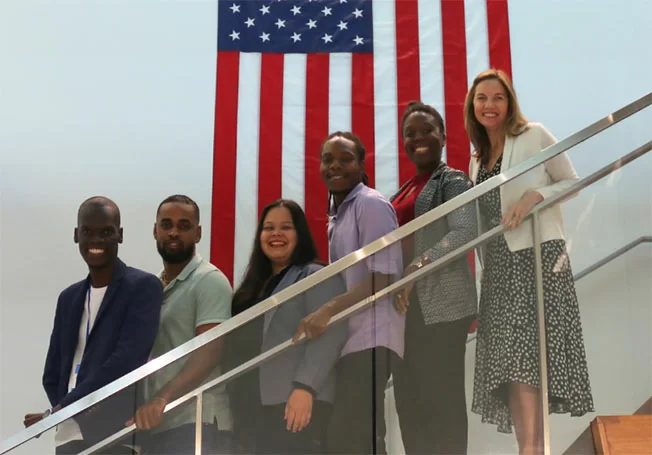
    Five emerging young entrepreneurs and professionals from Suriname have earned a coveted spot in the 2026 Young Leaders of the Americas Initiative (YLAI) Fellowship Program, an initiative run by the U.S. Department of State. The official announcement was made public by the U.S. Embassy based in Paramaribo, Suriname’s capital.

    Widely regarded as a flagship cross-border exchange initiative, YLAI is designed to fuel inclusive entrepreneurship and drive sustainable economic growth across the entire Western Hemisphere. For the 2026 cohort, program organizers selected 250 emerging leaders from across North America, Central America, South America and the Caribbean, cutting down from a pool of more than 1,200 submitted applications. Five of these selected fellows hail from Suriname, marking a notable representation for the small South American nation.

    The five Surinamese participants bring diverse leadership experience across multiple sectors. They include Jo-Ann Monsels, founder of Kinderuniversiteit Suriname; Mitchel Monsels, general manager of Anjuli Nature Resort; Nuravni Sukarni Sallons, founder and managing director of InSeasons; Rosito Pansa, founder and leader of Youth Association Suriname; and Ziwinji van de Veer, Chief Operating Officer of Paisr Technologies.

    The fellowship will kick off in April 2026 with an opening orientation program hosted in Houston, Texas. Following the orientation, fellows will disperse across 18 different U.S. cities to complete a four-week professional placement at leading American companies and non-profit organizations. Over the course of the fellowship, participants will collaborate to solve real-world business challenges, attend targeted skills-building training sessions, engage in cross-cultural exchange activities, and expand their professional networks across the Americas. The program will conclude with a closing policy and leadership forum held in Washington D.C. in May 2026.

    Once the fellowship concludes, the Surinamese participants will return to their home country equipped with new industry knowledge, hands-on professional experience, a broad network of cross-border business connections, and ongoing support from their U.S. partner organizations. Program organizers anticipate that the exchange will strengthen long-term economic collaboration between Suriname, the United States and the broader Western Hemisphere region.

    First launched in 2015, the YLAI Fellowship Program has supported more than 2,000 emerging leaders from across the Western Hemisphere to date, building a lasting transnational network of young change-makers committed to inclusive economic development.

  • Call for intervention after 11 plus mock exams reveals learning gaps

    Call for intervention after 11 plus mock exams reveals learning gaps

    A newly released diagnostic assessment of 150 Barbadian primary school students has uncovered stark learning disparities in core academic subjects, pushing a local education charity to call for immediate, targeted support across all regional primary institutions to help at-risk students prepare for their high-stakes 11+ entrance examinations.

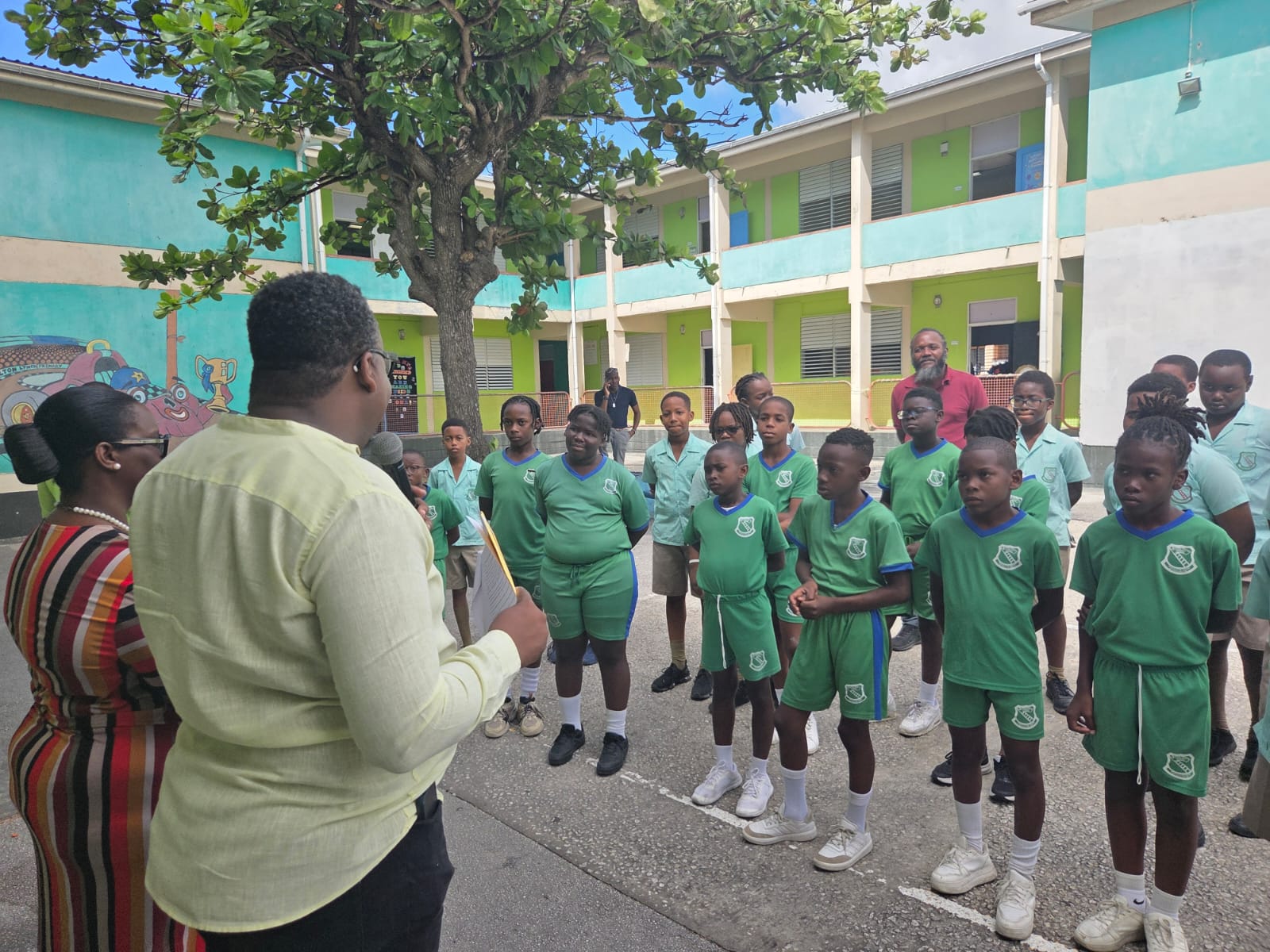
    The assessment was carried out by Trident Charity, an education-focused nonprofit founded and led by Quincy Jones, a former first-time candidate for the Democratic Labour Party (DLP) in February’s general election. Jones shared the preliminary findings during on-site visits to two participating schools: Milton Lynch Primary School and Christ Church Girls’ School, both located in the Christ Church East Central electoral constituency where Jones ran for office.

    In total, 12 primary schools across the parishes of Christ Church and St Michael took part in the initiative, which was designed to act as a formative diagnostic tool. The goal of the project was not just to test students, but to generate actionable data that could help parents and educators tailor support to students as they approached the final stretch of preparation for the 11+ exam, a key milestone that determines secondary school placement. The mock examination assessed student proficiency across three core domains: written composition, mathematics, and English reading comprehension.

    Overall, the results painted a picture of deep stratification within the student cohort, with a clear gap emerging between high-performing students and those in need of urgent academic support. Just 8% of participating students earned the top A (Excellence) grade, and another 22% scored a B (Good), combining to make up less than a third of all test-takers. The largest share of students, 45%, reached a C (Satisfactory) grade, but the charity flagged the remaining 25% of results as a major cause for concern: 15% scored a D (Developing), and 10% scored an E, a rating that signals a need for significant, immediate improvement to reach grade-level standards.

    Jones framed these findings as a call to action rather than a cause for despair, emphasizing that early intervention can close gaps before they become insurmountable. “These results tell us two important things,” Jones shared in remarks following data analysis. “First, there is a solid academic foundation among many students, and second, there is an urgent need to support those who are falling behind. This is not a crisis; it is an opportunity to intervene early, close the learning gaps, and give every child a fair chance at success in the 11+ examination.”

    When broken down by subject, the data identified written composition as the area of greatest weakness. Only 18% of test-takers earned top marks in writing, while 40% performed below the expected grade-level standard. Jones noted that students struggled most with foundational writing mechanics: grammar rules, sentence structure, logical organization of ideas, spelling, and subject-verb agreement were all common pain points for low-performing students. In contrast, English reading comprehension showed far stronger results, with roughly 60% of students scoring above 70% on that section of the exam. Even so, Jones pointed to a “noticeable gap” between a student’s ability to understand a written text and their ability to clearly communicate their analysis and ideas in writing.

    Mathematics results presented what Jones described as a “mixed picture.” While 35% of students earned strong scores, an equal 35% scored below the 50% pass threshold. The assessment uncovered major gaps in basic numeracy skills and strategic problem-solving, particularly in the exam’s extended response section. Jones added that many students lost unnecessary points to careless calculation errors and a lack of practice showing their step-by-step working, a habit that not only costs points but also makes it harder for teachers to identify where students are going wrong in their reasoning. Key foundational topics including decimals, percentages, angles, and fractions were consistent areas of weakness, with Jones estimating that between 10% and 15% of participating students need immediate one-on-one or small-group intervention to get on track for the official 11+ exam.

    In the immediate aftermath of the assessment, every participating student and their family has received an individual performance report breaking down their strengths and weaknesses, paired with practical study and test-taking tips. Looking ahead to the 2026–2027 academic year, Trident Charity has committed to moving beyond data collection to build out a sustained support system for struggling students. Planned programs include small-group tutoring for all students scoring below 50% on the diagnostic, a structured sequential writing program to build composition skills from the ground up, and targeted mathematics support that prioritizes explicit instruction in step-by-step problem-solving. The charity also plans to roll out monthly mock exams to track student progress over time, and introduce family engagement initiatives to help parents support their children’s learning at home.

    Jones emphasized that the vast majority of students who are currently behind can make significant gains with the right targeted support, reaffirming the charity’s core mission to ensure no child is left behind due to unaddressed learning gaps. “Our findings indicate that over 60% of these students can significantly improve with the right support,” Jones said. “Trident Charity is committed to implementing targeted programmes and differentiating learning approaches to ensure no child is left behind. We are focusing on early intervention to ensure that every student has the tools they need to excel.”