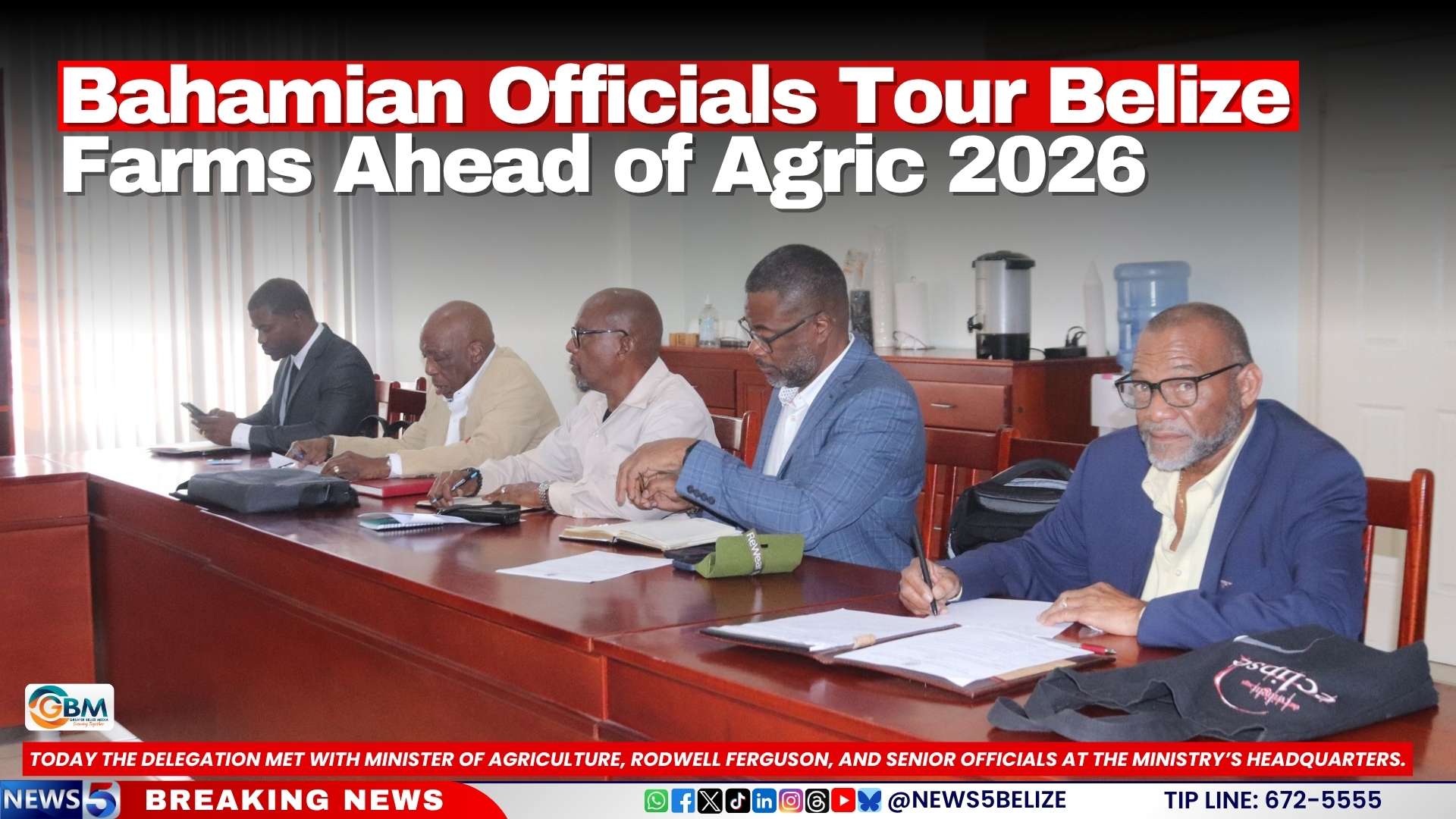
In a strategic move to strengthen cross-Caribbean agricultural collaboration, a high-level delegation of Bahamian agriculture and trade officials is touring Belize this week, arriving ahead of the country’s 2026 National Agriculture and Trade Show to study Belize’s domestic food production systems.
作者: admin
-
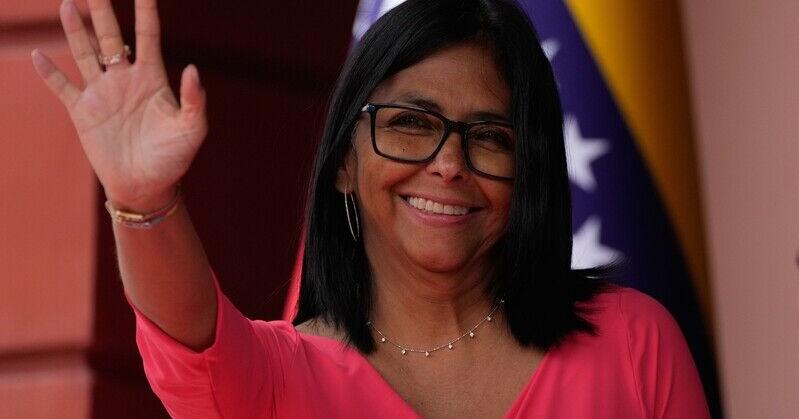
Venezuela’s Acting President visits Barbados
BRIDGETOWN, Barbados – In a continued push for diplomatic engagement with Caribbean nations following dramatic political upheaval in her home country, Venezuela’s Acting President Delcy Rodríguez touched down in Barbados on Sunday. This trip marks her second visit to a member state of the Caribbean Community (Caricom) since she took office in January, after a United States incursion into Venezuela resulted in the detention of sitting President Nicolas Maduro.
Rodríguez’s first Caricom stop came in early April, when she made a brief several-hour visit to Grenada on April 9. During that trip, she held closed-door talks with Prime Minister Dickon Mitchell and his full cabinet, an encounter an official Grenadian statement later characterized as having unfolded in a “cordial and constructive atmosphere.”
While official details of her current Barbados itinerary have not been made public, a senior source familiar with the visit confirmed to the Caribbean Media Corporation (CMC) that Rodríguez is scheduled to hold one-on-one talks with Barbadian Prime Minister Mia Mottley before she departs the island nation Monday afternoon. The source noted that the trip is part of a broader diplomatic tour of Caribbean states, saying “She seems to be making the rounds to some Caribbean countries.”
Despite the lack of pre-visit official details, Prime Minister Mottley released a public statement via her social media channels framing the meeting as a meaningful opportunity for bilateral and regional progress. “The visit will provide an opportunity for high level discussions on areas of practical cooperation and wider regional development,” Mottley wrote. She added that Barbados’s foreign policy framework has long been grounded in core principles of mutual respect, open dialogue, and results-driven engagement. “We continue to engage our partners with a clear focus on building relationships that can deliver tangible benefits for our people and the wider region,” she emphasized.
Rodríguez’s diplomatic tour of the Caribbean comes on the heels of a high-profile meeting last week between the acting president and former Trinidad and Tobago prime minister Stuart Young, who shared a photograph of their gathering in Caracas across his social media platforms. Young, who previously served as Trinidad and Tobago’s energy minister, wrote on Facebook that “It was a pleasure meeting Her Excellency, Delcy Rodríguez, Presidenta Encargada, of the Bolivarian Republic of Venezuela earlier this week.”
The meeting underscores the shifting diplomatic dynamics around Venezuela within the Caribbean, particularly for Trinidad and Tobago, where current Prime Minister Kamla Persad-Bissessar – who was declared “persona non grata” by Venezuela’s National Assembly – has a long history of open criticism toward both Rodríguez and the Maduro administration. Even so, Persad-Bissessar recently announced that Port of Spain plans to dispatch an official diplomatic mission to Caracas to advance negotiations over cross-border energy reserves, with the goal of securing what the government calls Trinidad and Tobago’s “just share” of the resources.
At the center of these energy negotiations are two key offshore gas fields. The Dragon gas field, which sits within formally recognized Venezuelan territorial waters but lies in close proximity to Trinidad and Tobago’s existing energy infrastructure, has long been identified as a critical potential supply source for the country’s growing liquefied natural gas (LNG) industry. Development of the field has been stalled for years, however, due to persistent geopolitical tensions and sweeping international sanctions imposed on Venezuela’s energy sector. A second field, Loran Manatee, spans the two countries’ overlapping maritime boundaries, and while Trinidad and Tobago has already moved forward with development on its portion of the reserve, negotiations over Venezuela’s share remain ongoing.
-
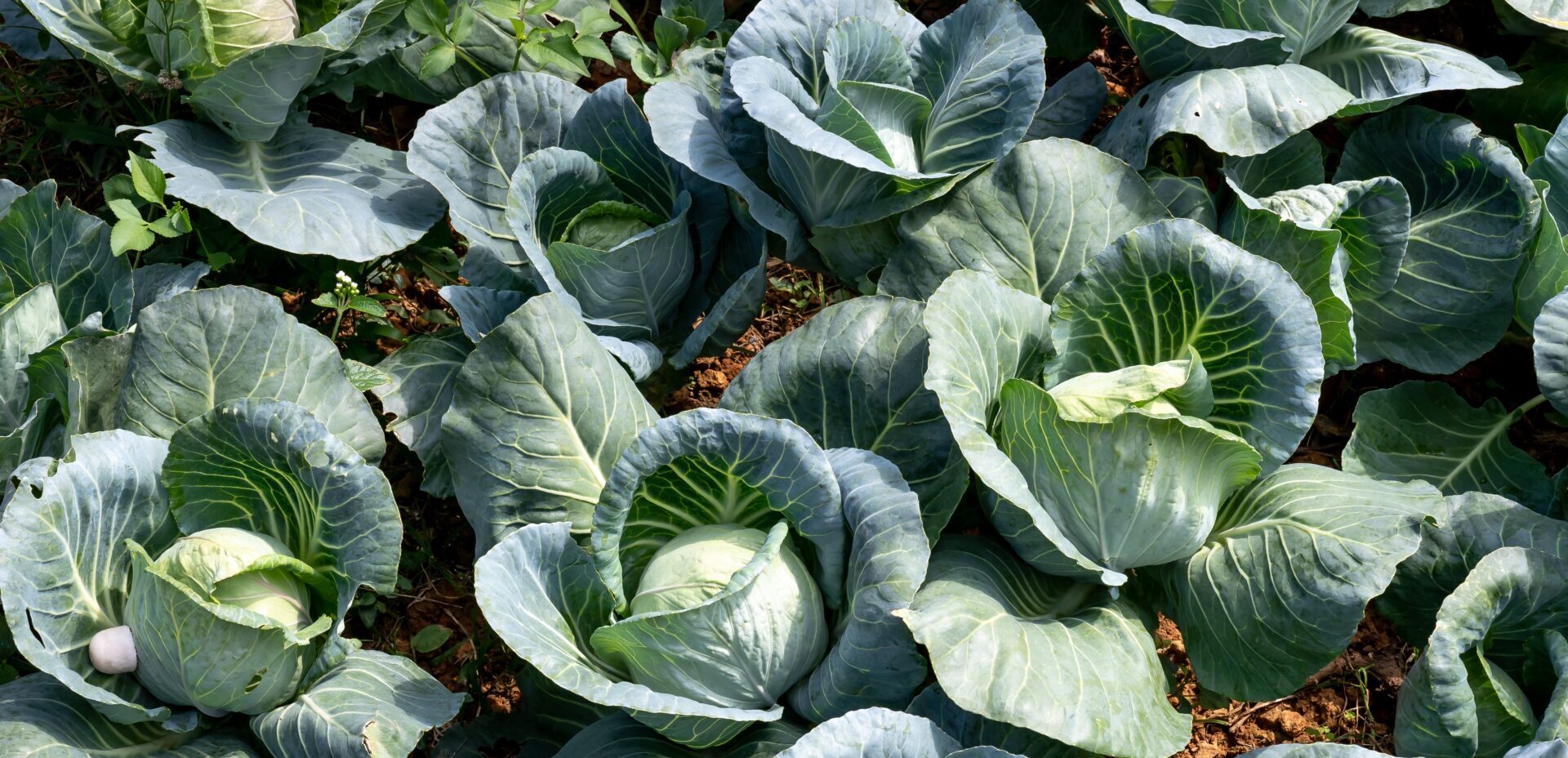
Youth in Dominica encouraged to see agriculture as a pathway to success
Against a backdrop of shifting global career trends and growing demand for sustainable food systems, a senior Dominican agricultural official is pushing to reframe agriculture as an attractive, forward-looking career for young people across the island nation.
Lakeyia Joseph, Parliamentary Secretary within the Ministry of Agriculture and Fisheries, Blue and Green Economy, delivered this call to action during the National Association of Youth in Agriculture (NAYA)’s Annual General Meeting, which was hosted recently at the Roseau Fisheries Complex.
Speaking directly to the young agricultural stakeholders in attendance, Joseph challenged outdated perceptions of farming and agribusiness as a last-resort occupation for those who cannot secure other work. “To the young people here today, I want to encourage you to see agriculture differently—see it not as a fallback option, but as a pathway to success,” Joseph said in her address. “See it not as a limitation, but as an opportunity.”
Joseph expanded on this framing, highlighting the multifaceted power of the agricultural sector to drive broad-based national progress: beyond feeding local communities, the industry acts as a powerful engine for wealth creation, new job generation, and the development of robust, shock-resistant local communities. That said, she was clear that building a successful career or business in agriculture is not without requirements, noting that long-term success in the sector depends on intentional vision, consistent discipline, and an unwavering commitment to delivering high-quality work.
Joseph reaffirmed the Dominican government’s commitment to removing barriers for young people entering the agricultural space. “As a ministry, we remain committed to supporting you on this journey. We are here to provide technical support, training opportunities, and the policy environment necessary for you to succeed,” she explained. “But we also need you to step forward, take ownership, and fully embrace the opportunities that exist within the sector.”
She also laid out clear expectations for NAYA’s newly elected executive board, urging incoming leaders to govern with radical transparency and integrity, pursue ambitious, forward-thinking strategies, and build on the progress established by previous leadership teams. “Strengthen the organization, expand its reach, and ensure that more young people are brought into the movement,” she stated.
Joseph did not leave the contributions of outgoing NAYA leadership unrecognized, extending sincere gratitude to the board members transitioning out of their roles. “To those of you who have served, we say thank you. Your work has contributed to the growth of NAYA and to the development of agriculture in Dominica,” she said.
Closing her remarks, Joseph reaffirmed the critical, enduring importance of NAYA’s core mission. “Your impact will continue to be felt, and the mission of NAYA remains as relevant today as it was at its inception,” she said. “It is about empowering youth in agriculture, advocating for their needs, and creating pathways for sustainable growth and success.”
-
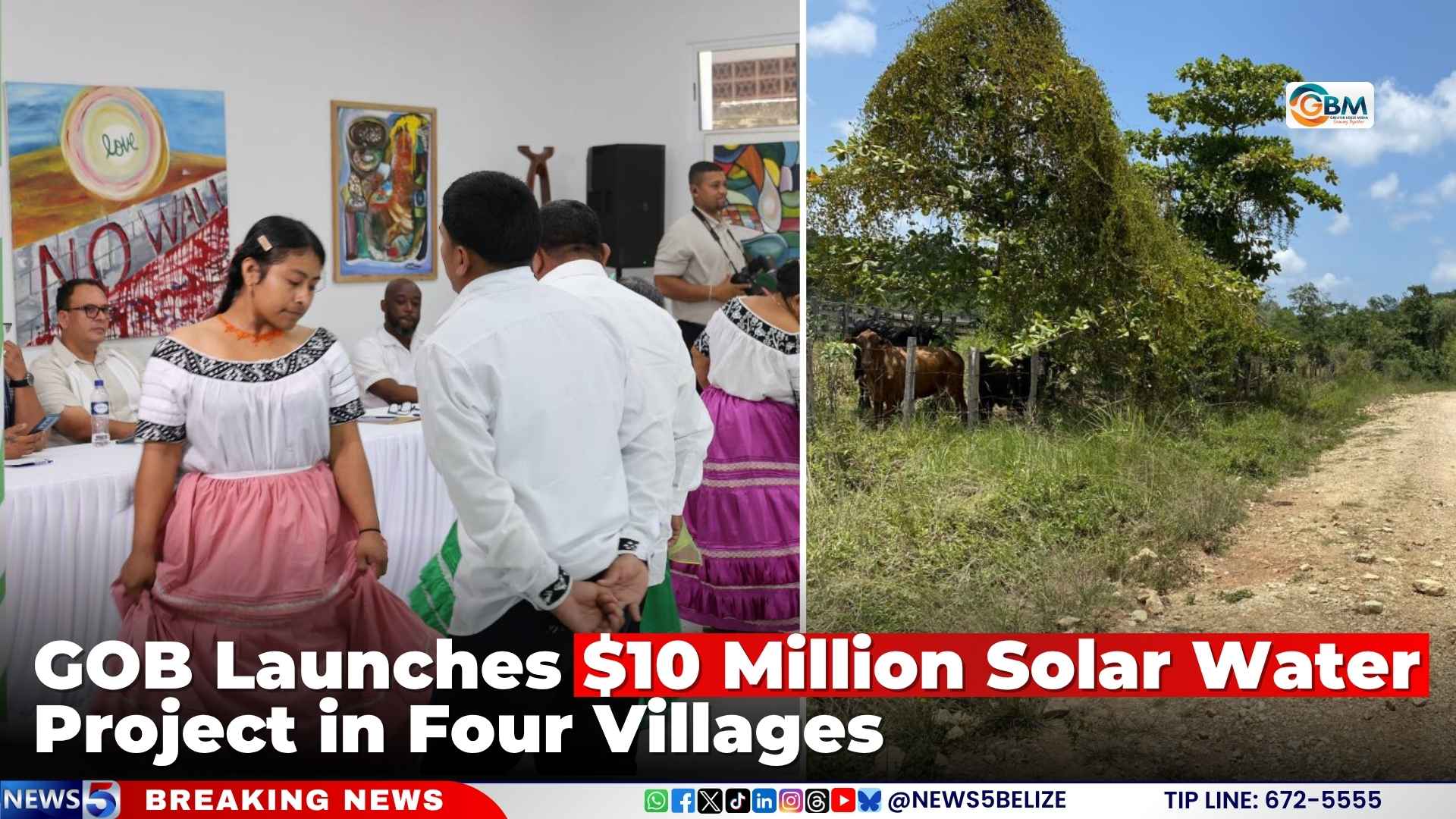
GOB Launches $10 Million Solar Water Project in Four Villages
In a major push to address long-standing rural water insecurity, the Government of Belize officially launched a $10 million sustainable infrastructure project this Friday that will deploy solar-powered water systems to households across four underserved communities in Toledo and Corozal Districts.
Named the Securing Water Resources through Solar Energy and Innovative Adaptive Management (SEAM) initiative, the entire project receives full financing from the global Adaptation Fund, an international body dedicated to supporting climate adaptation actions in developing nations. The project targets four communities where consistent, clean access to potable water has remained an unmet need for years: three rural settlements in the southern Toledo District — Boom Creek, Dolores, and Otoxha — and one northern community, Copper Bank, located in Corozal District.
Over the five-year implementation timeline, project officials estimate more than 1,800 local residents will gain direct, reliable access to improved water services through the new solar-powered infrastructure. Unlike traditional electric water systems that rely on costly, carbon-intensive grid power, the SEAM project’s solar design aligns with global climate adaptation goals, cutting operational costs while delivering long-term sustainable water access for vulnerable rural populations.
The SEAM project first received formal approval in 2025 during the Adaptation Fund’s 45th Board Meeting held in Bonn, Germany. From its earliest planning stages, the initiative has been framed as a replicable pilot model: if successful, policymakers plan to scale the solar water model to dozens of other rural communities across Belize that grapple with identical water security challenges, many worsened by climate change-driven drought and shifting rainfall patterns.
Oversight of the SEAM project will be managed by the Protected Areas Conservation Trust (PACT), while the country’s Ministry of Rural Transformation will lead on-the-ground implementation. Notably, preliminary construction and preparation work has already gotten underway in several of the target villages, marking an early milestone for the initiative that comes just one year after its formal approval.
-
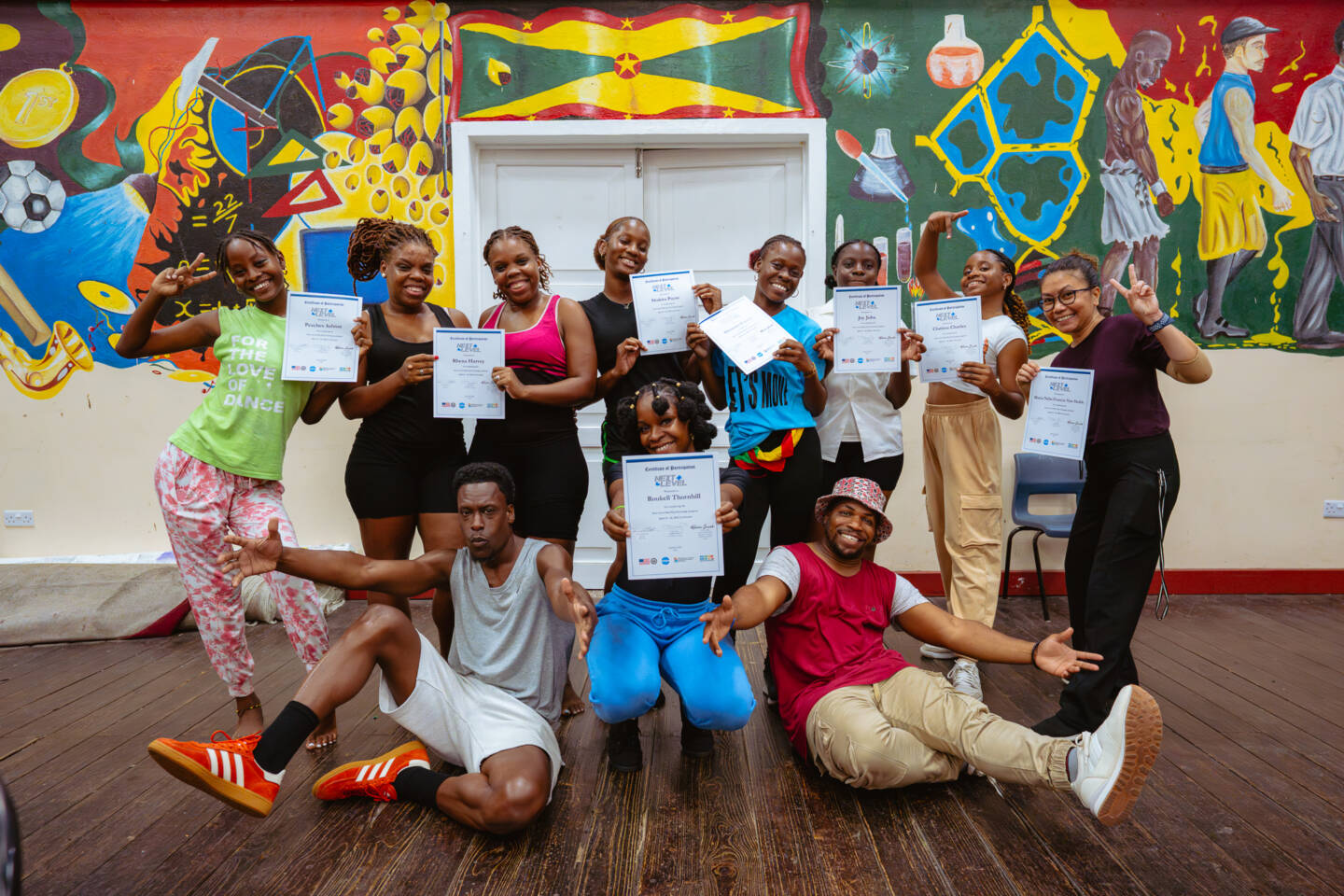
US Embassy concludes Next Level Hip Hop Programme 2026
A two-week cross-cultural hip hop initiative that connected American industry mentors with emerging Grenadian creative artists has officially drawn to a close, capping off the program with a celebratory final showcase highlighting the work participants developed during their residency.
Running from April 13 to 24, 2026, the Next Level Hip Hop Programme 2026 was a joint effort between the U.S. Embassy in Grenada and the Government of Grenada’s Ministry of Tourism, Creative Economy and Culture. The residency brought professional hip hop practitioners from the United States to the Caribbean island, where they led hands-on, structured training and collaborative creative sessions across four core hip hop disciplines: MCing, DJing, hip hop dance, and aerosol art.
Beyond skill-building, the program offered selected Grenadian artists fully funded access to intensive professional development training, creating intentional space for meaningful cultural exchange between creators from both nations. Unlike conventional training workshops, the residency prioritized mutual learning, allowing U.S. mentors and local artists to exchange perspectives, creative traditions, and industry insights that enriched all participants’ work.
The program’s closing Final Showcase served as the official culmination of the two-week residency, giving every participating artist a platform to debut original new work they created during the program. Attendees witnessed performances and viewed completed artistic projects that clearly demonstrated the rapid creative growth participants experienced over the residency, as well as the tight collaborative bonds that formed across the two national creative communities.
Next Level is an official public diplomacy initiative of the U.S. Department of State, managed on the ground by the Meridian International Centre. Framed around hip hop culture as a accessible, unifying creative medium, the program is designed to advance core U.S. public diplomacy goals: fostering cross-cultural mutual understanding, strengthening people-to-people ties between the United States and partner nations, and nurturing creative entrepreneurship among young creators.
Speaking at the closing showcase, U.S. Public Diplomacy Officer Tamara Shaya Hoffmann underscored that the program is a tangible reflection of the longstanding, robust partnership between the United States and Grenada. She emphasized that sustained cultural exchange is a critical tool for advancing shared values between the two nations and opening new economic and creative opportunities for young leaders working in Grenada’s growing creative sector.
All participation in the residency was offered completely free of charge to selected artists, aligning with the shared commitment of both the U.S. and Grenadian governments to grow the Caribbean island’s creative economy and advance long-term, sustainable cultural development.
The U.S. Embassy in St. George’s formally extended its gratitude to all parties that contributed to the program’s success, including Grenada’s Ministry of Tourism, Creative Economy and Culture, the participating American hip hop mentors, the local Grenadian artists who took part, and all supporting partner organizations that coordinated logistics and outreach for the initiative.
-
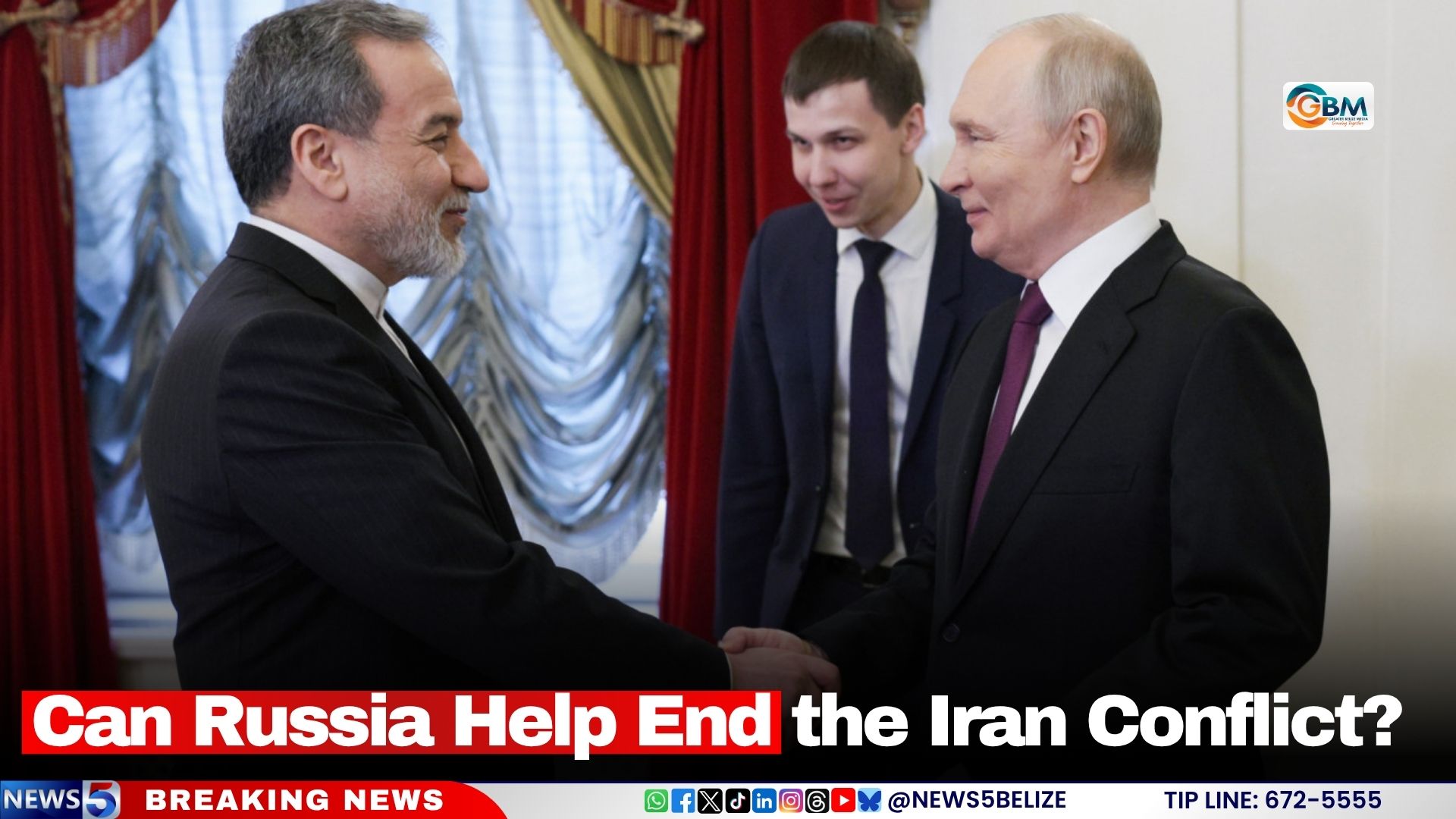
Can Russia Help End the Iran Conflict?
On April 27, 2026, a high-stakes diplomatic meeting between Iranian Foreign Minister Abbas Araghchi and Russian President Vladimir Putin unfolded in St. Petersburg, bringing a new layer of regional dynamics to the escalating long-running conflict between Iran and the United States. Photographs published on Araghchi’s official Telegram channel captured a formal, cordial handshake between the two top diplomats alongside senior delegations from both nations, setting a cooperative tone for the discussions.
In remarks carried by Russian state television, Araghchi framed the longstanding connection between Moscow and Tehran as a robust strategic partnership, one that both sides are committed to expanding in the coming months. Speaking to journalists after the closed-door talks, the Iranian foreign minister emphasized that his country has maintained a firm stance against pressure from what he called the world’s greatest superpower – the United States. He went on to assert that Washington has failed to secure any of its core policy objectives through its campaign of pressure on Iran, a remark that underscored Tehran’s continued defiance.
Russian Foreign Minister Sergei Lavrov later characterized the bilateral talks as productive, confirming that the in-depth discussions ran for approximately 90 minutes. Long before the face-to-face meeting, Kremlin spokesperson Dmitry Peskov had already publicly announced that Russia stands prepared to take on the role of mediator in future peace negotiations aimed at de-escalating the ongoing Iran conflict. This announcement positions Russia as a key potential broker in a standoff that has gripped global security for decades, as Moscow seeks to expand its diplomatic influence in the Middle East while deepening its economic and security ties with Tehran.
The meeting comes at a time of heightened friction across the Middle East, with U.S.-Iran tensions remaining at near-crisis levels after years of stalled negotiations over Iran’s nuclear program and regional military activities. By deepening bilateral cooperation and offering mediation, Russia is moving to solidify its role as a central player in Middle East peace processes, countering U.S. influence in the region while supporting its key ally Tehran.
-

KFC drive-thru scare as car catches fire
A quiet Sunday afternoon trip to pick up fast food took an unexpected turn at the Trincity Mall KFC drive-thru, when a sedan burst into flames following a low-speed fender bender, local authorities confirmed. No people were hurt in the incident, though the vehicle was completely destroyed by the blaze.
-
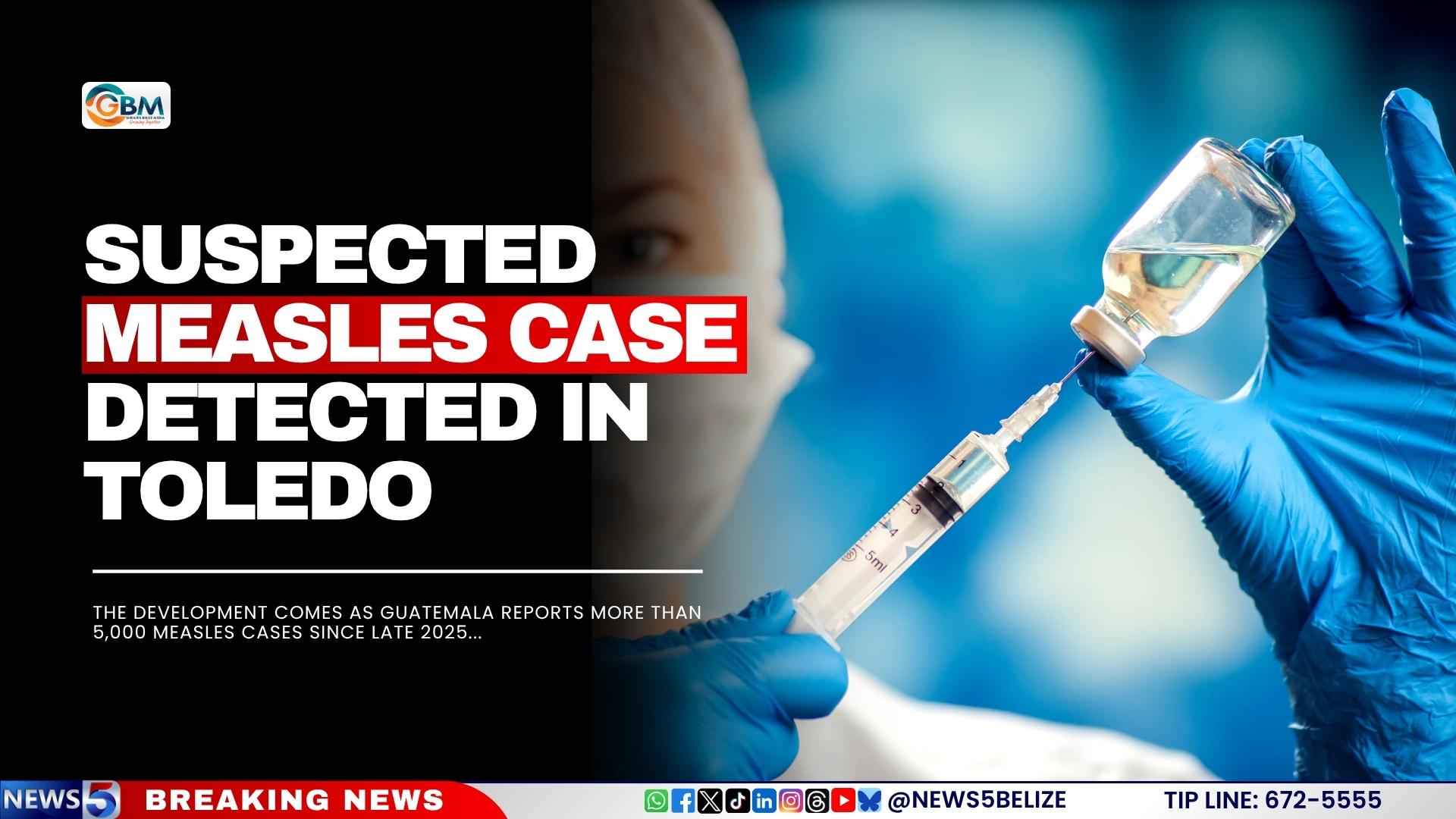
Suspected Measles Case Detected in Toledo
Public health authorities in the Toledo District have confirmed the detection of a suspected measles case, triggering an immediate coordinated response to stop potential spread of the highly contagious virus, according to an official announcement from the local Ministry of Health and Wellness.
The patient in question is a 19-year-old individual who recently returned from travel to Guatemala, a country currently grappling with a large, sustained measles outbreak that has already been linked to more than 5,000 confirmed cases since the end of 2025. The preliminary diagnosis of the suspected case was completed on April 24, 2026, and public health protocols were activated within hours of the result.
To mitigate the risk of secondary transmission, health officials have implemented strict isolation protocols for the affected patient and ordered mandatory quarantine for all identified close contacts of the individual. In addition to these control measures, specialized health response teams have already launched two key containment initiatives: a targeted ring vaccination campaign for anyone potentially exposed to the virus, and expanded community outreach programs to educate local residents on measles symptoms and prevention strategies.
The detection of the imported suspected case has amplified existing concerns about cross-border spread of the virus, given the ongoing widespread transmission in neighboring Guatemala. In a public advisory, the Ministry of Health and Wellness has renewed its urgent call for all community members to check their vaccination status and ensure they are fully protected against measles. Authorities emphasized that while measles is one of the most contagious viral diseases that can spread through respiratory droplets, it is entirely preventable through safe, effective vaccination.
As of April 27, 2026, public health agencies say they remain at a high level of alert, with ongoing active monitoring of the situation to quickly identify any additional cases and stop transmission chains before they can escalate into a larger local outbreak.
-

Head, arms, legs missing: Burnt body found
On a Sunday afternoon, authorities made a grim discovery in a sparsely populated, isolated region of Arouca: heavily burnt skeletal human remains, local law enforcement confirmed. The incident unfolded shortly after 3:30 p.m., when members of the Arouca Police District received an urgent request for support from Captain Vallance Rambharat, a lead official with the Hunters Search and Rescue team. Rambharat’s team, which specializes in searching hard-to-reach terrain, guided responding police officers to an unpaved access track branching off Zircon Circular in the Bon Air West neighborhood. The site sits roughly a quarter of a mile away from the area’s main paved road, tucked away from frequent public access. Upon arriving at the marked location, first responders located the partial remains in an open natural drainage channel that runs parallel to the remote track. Initial on-site examinations conducted by law enforcement have confirmed that multiple key body parts are missing from the remains. The absent sections include all limbs below the elbows, all lower leg segments below the knees, and the full skull. As of the latest updates, police have not released any information on the potential identity of the deceased, nor have they shared details on possible causes of death or timelines for when the remains may have been deposited at the site. Investigations into the discovery are still ongoing, with law enforcement expected to conduct further forensic testing to shed light on the case.
-
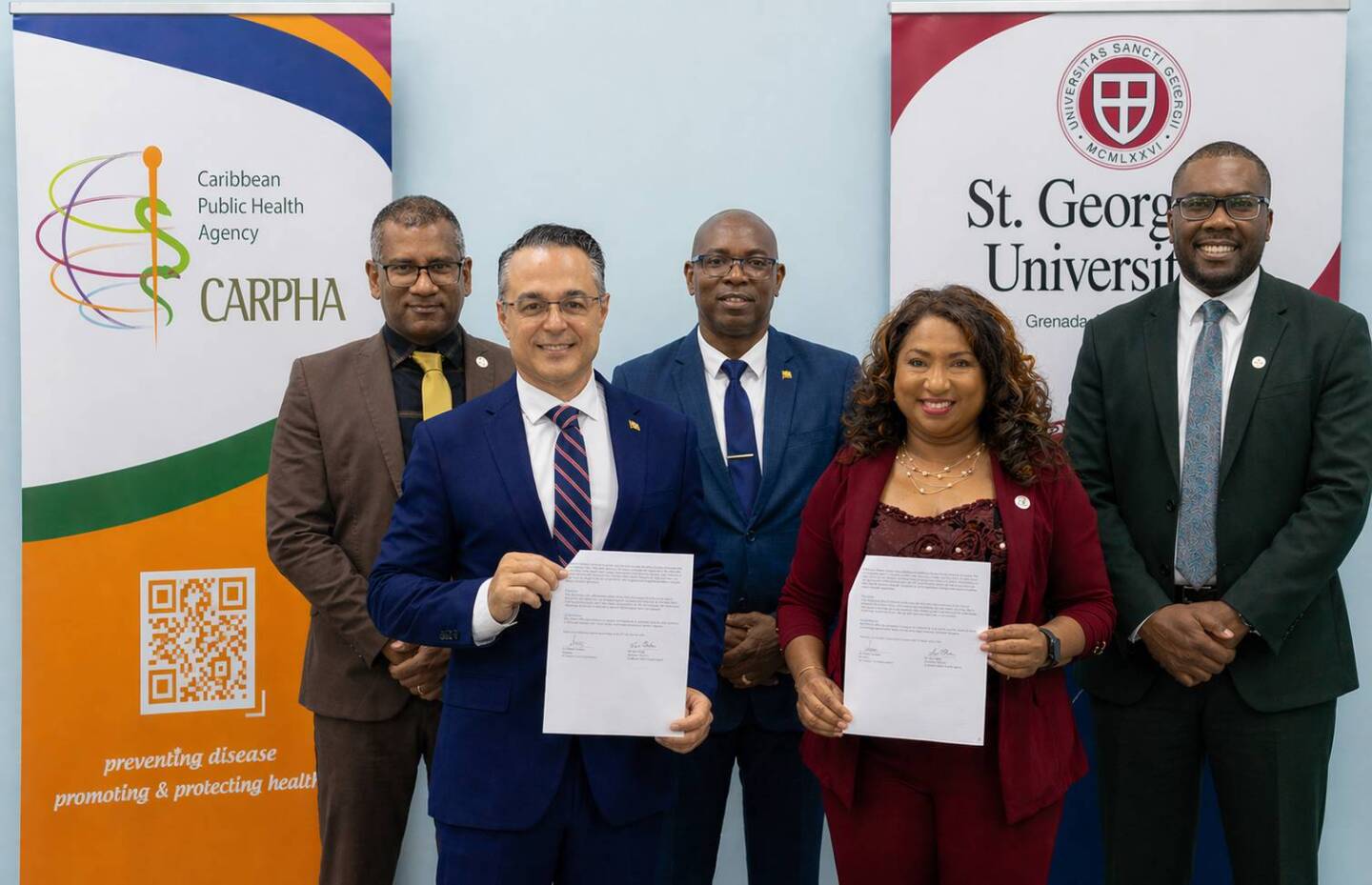
CARPHA and St George’s University sign landmark 5-year agreement
On April 21, 2026, two leading Caribbean health and academic institutions — the Caribbean Public Health Agency (CARPHA) and St George’s University (SGU) — formalized a transformative five-year strategic partnership via a signed Memorandum of Understanding (MoU), designed to strengthen regional public health systems across the Caribbean bloc through integrated research, specialized training, and data-backed policy development.
This new agreement builds on decades of informal collaboration between the two organizations to create a structured framework for addressing the Caribbean’s most pressing public health priorities. Key focus areas of the partnership range from tackling rising rates of communicable and noncommunicable diseases (NCDs) to mitigating the public health impacts of environmental change, with targeted work planned across seven core domains. These include co-developing public health research and generating actionable evidence, expanding hands-on student training and public health workforce development, building specialized capacity in epidemiology, public health practice and data analytics, advancing digital innovation to strengthen regional health infrastructure, facilitating standardized data analysis and cross-institutional knowledge sharing, advancing integrated One Health initiatives including laboratory and technical cooperation, and jointly executing the 71st Annual Health Research Conference.
At the official signing ceremony, Dr. Lisa Indar, Executive Director of CARPHA, emphasized that the new MoU codifies a long-standing, productive working relationship between the two institutions. “This agreement solidifies what we have already built over years of collaboration, and it will position both CARPHA and SGU as central regional leaders in public health research and practice across the Caribbean,” Indar explained. She added that the partnership will streamline the process of translating groundbreaking research findings into evidence-based policy recommendations for CARPHA’s member states, and serves as a model for innovative collaborative approaches to addressing shared regional public health challenges.
Speaking on behalf of SGU, Professor Marios Loukas, President and Dean of the university’s School of Medicine, framed the partnership as a defining milestone for Caribbean public health. By combining SGU’s robust academic and research capabilities with CARPHA’s established regional public health leadership, the institutions will build a unified, cross-sector platform to accelerate innovation, expand regional research capacity, and speed the conversion of research evidence into tangible policy and on-the-ground practice. “This collaboration paves the way for a more resilient, equitable, and healthier Caribbean, and positions the region as a global leader in innovative public health action,” Loukas noted.
The formal partnership is the outcome of more than a decade of incremental collaboration between the two organizations. For years, SGU has placed its students in internship placements at CARPHA, giving emerging public health professionals hands-on experience working on regional initiatives while contributing valuable support to CARPHA’s work across the bloc. SGU faculty have also partnered with CARPHA researchers on joint studies and represented the region in key stakeholder networks. One of the most high-profile past collaborations came in 2015, when SGU hosted CARPHA’s Annual Health Research Conference on its Grenada campus, demonstrating the university’s long-standing commitment to advancing regional health research agendas.