作者: admin

  • Guyana to get new anti-money laundering law

    Guyana to get new anti-money laundering law

    GEORGETOWN, Guyana – April 27, 2026 – Guyana has launched a full overhaul of its 17-year-old Anti-Money Laundering and Countering Financing of Terrorism (AML/CFT) regulatory framework, with plans to introduce a modern, consolidated bill ahead of a 2027 international compliance assessment, Attorney General Anil Nandlall announced Monday.

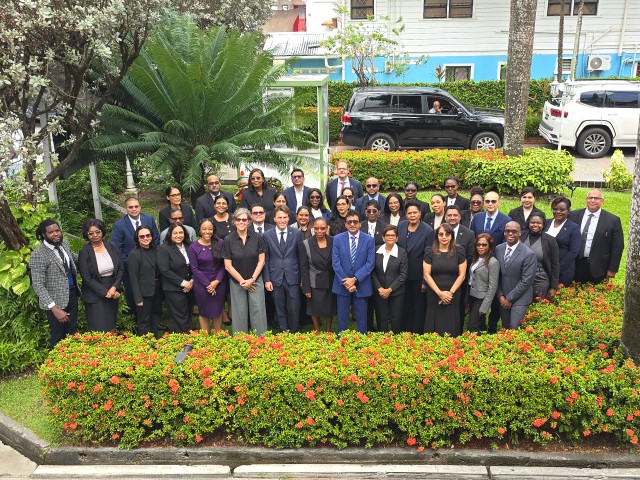
    Nandlall made the announcement during the opening ceremony of a four-day justice sector training workshop hosted under the Partnership of the Caribbean and European Union on Justice (PACE) initiative, a program co-funded by the European Union (EU) and the United Nations Development Programme (UNDP). The event brought together senior judicial officers, including judges, magistrates, registrars and appellate justices, to build capacity for handling complex criminal cases.

    The current AML/CFT law, first enacted in 2009 and patched with repeated amendments over more than a decade, has developed disjointed, inconsistent language that creates risks of misinterpretation in court, Nandlall explained. Beyond fixing structural issues, the new legislation will incorporate updated global standards that have emerged since the original bill passed. “Not that the one that we have is bad, but we have cut and paste over the years so many things that it reads in a disjuncted way, and it can cause problems in terms of interpretation. In addition to that, there have been changes that have been made in the world, and we have to incorporate that,” he told attendees.

    A third-party consultant is already drafting the replacement bill, which will introduce a key procedural shift: a major transfer of the burden of proof to defendants accused of financial crimes. Nandlall acknowledged that the new law will include unusual, far-reaching provisions that may require judicial caution during implementation. He also noted the inherently broad and invasive nature of AML/CFT regulation, which includes powers of pre-conviction detention and asset forfeiture that can complicate traditional fairness frameworks. These requirements are not arbitrary, he added; they reflect mandatory international standards set by global regulatory bodies that monitor anti-financial crime frameworks worldwide.

    Guyana is a member of three key global and regional anti-financial crime bodies: the Caribbean Financial Action Task Force (CFATF), the Paris-headquartered Financial Action Task Force (FATF) – the global standard-setting watchdog for money laundering and terrorist financing – and the Canada-based Egmont Group of Financial Intelligence Units, which facilitates cross-border intelligence sharing to combat illicit financial activity.

    The new legislation must be passed quickly, Nandlall emphasized, because Guyana will undergo a mandatory mutual evaluation by the CFATF next year, for which preparations are already underway. He noted that Guyana earned the highest compliance score among independent Caribbean nations in the CFATF’s last assessment, putting the country on strong footing, but a full regulatory update is still required to maintain that standing. “We are on good footing there, but we have to revamp the legislation and get a new one,” he said.

    Monday’s event launched the PACE project training, which will cover a wide range of topics to modernize Guyana’s criminal justice system, including jury selection and orientation, pre-arraignment procedures, handling of complex criminal trials, no-case submissions, support protocols for vulnerable witnesses and defendants, pre-trial publicity management, and summation best practices. UNDP Resident Representative Katy Thompson noted that the training prioritizes both effective trial outcomes and protection of the fundamental rights of all parties involved in criminal proceedings.

    Chancellor of the Judiciary Roxane George-Wiltshire added that the curriculum will also address emerging legal issues including pre-trial voir dire processes, the handling of DNA and digital evidence, the integration of artificial intelligence in judicial work, streamlined concurrent case tracks for appellate and high court judges, and an introduction to judge-alone trials – a procedural reform that Guyana is preparing to adopt. “Which is really timely, as it is my understanding that Guyana will be moving in this direction,” she said.

    The training is designed to help the judiciary meet its constitutional mandate: delivering fair hearings within a reasonable timeframe before an independent, impartial tribunal, as outlined in Article 144 of Guyana’s Constitution. “The training will therefore further enhance our capacity and capability to better address the criminal cases that will come before us so as to ensure that which Article 144 of the Constitution of Guyana mandates,” George-Wiltshire added.

    EU Ambassador to Guyana Luca Pierantoni highlighted the tangible progress the justice sector has already made through the PACE initiative, including expanded human resource capacity via new judicial appointments and the distribution of updated official law reports. “Certainly, we can see a justice system which is more responding to certain challenges,” he said.


  • Charity launches to support ‘invisible’ citizens

    Charity launches to support ‘invisible’ citizens

    Against a backdrop of overstretched public and non-profit social services across Barbados, a newly registered Christian faith-based charity has officially launched with an ambitious mission to reach vulnerable populations that have fallen through the cracks of existing support systems. Founded by Dr. Belfield Belgrave, the Compassionate Hands Foundation aims to address unmet needs ranging from shelter for survivors of domestic abuse to care for neglected elderly populations, and even community-level intervention to curb rising gang violence.

    At its recent launch event held in Strathclyde, St. Michael, foundation leadership laid out a dual mission that combines spiritual encouragement with hands-on, practical support for marginalized groups. Dr. Belgrave, who founded the organization after experiencing a personal calling to serve what he calls the “least of these” in Barbadian society, emphasized that the foundation’s core purpose is to build a critical safety net for people overlooked by mainstream institutions.

    One of the organization’s flagship initiatives is the development of a purpose-built safe home for abused women and their children, a project that fills a growing gap in domestic violence support services as existing providers struggle to meet rising demand. “Right now, our top priority is securing a suitable building and recruiting qualified staff to get this shelter up and running,” Dr. Belgrave told local outlet Barbados TODAY. “Our vision is to create a space where survivors, especially children who often bear the brunt of domestic abuse, can receive consistent care and live free from the threat of harm.”

    Beyond domestic violence support, the foundation has also made care for Barbados’ aging population a key focus. Dr. Belgrave noted that many elderly Barbadians, who dedicated their working lives to building the nation, are increasingly abandoned or neglected once they reach retirement age. Compassionate Hands aims to step in to provide consistent support and connection to keep elderly residents thriving across the island.

    Dr. Jonlyn Harewood, a foundation director and trained economist and urban planner, clarified that the organization has no interest in public recognition or financial gain, instead prioritizing quiet “invisible work” that centers people who feel unseen by broader society. Since completing its official registration, the foundation has worked diligently to meet all national legal and regulatory requirements, and is now fully prepared to roll out its core programs.

    These initiatives extend far beyond shelter and elder care: the charity plans to partner with local churches to provide urgent mental health counseling for at-risk groups, support people living with disabilities through small targeted infrastructure projects such as installing accessible bathroom fixtures for those who have recently acquired disabilities, assist students who have fallen out of the formal education system, provide support to widows, and run youth engagement programs in high-need communities.

    “We exist specifically to fill the gaps and cracks that other organizations can’t cover,” Dr. Harewood explained. “So many government and non-profit agencies are overwhelmed by rising demand that they simply can’t meet every need. Our goal is to help the people who fall through those gaps, without seeking any public reward or recognition.”

    In response to the recent surge in gun violence across Barbados, Dr. Belgrave has proposed a bold, direct approach: open, face-to-face engagement with gang leaders to broker community peace agreements, modeled after international diplomatic negotiation. “We plan to go directly to gang leaders to sit down and talk, to see if we can broker ceasefires and lasting peace between rival groups,” Dr. Belgrave said. “So many of our young people are adrift; gangs give them a sense of belonging and love that they aren’t getting anywhere else. We want to go into these violence-affected hotspots and make a meaningful, long-term difference in their lives.”

    Despite the organization’s ambitious agenda, Dr. Harewood stressed that all programming will be rooted in data-driven decision making rather than impulsive action. Unlike many new initiatives that launch without first assessing community needs, the Compassionate Hands Foundation plans to conduct systematic needs assessments to identify where demand is greatest. “If you take the time to listen to communities, you can clearly see the unmet needs that are bubbling under the surface,” she said, noting that this research-first approach will allow the charity to deliver the most effective support possible to the people who need it most.

  • MonCash from Digicel Haiti, announces a strategic partnership with Capital Bank

    MonCash from Digicel Haiti, announces a strategic partnership with Capital Bank

    Haiti’s leading mobile money provider MonCash, a service of Digicel Haiti, has announced a new strategic collaboration with local Capital Bank that aims to bridge the gap between traditional banking infrastructure and modern mobile financial solutions. Announced on April 28, 2026, this partnership marks a key milestone in the ongoing evolution of Haiti’s financial ecosystem, with the shared goal of delivering more accessible, efficient, and user-centric financial tools tailored to the daily needs of Haitian residents across the country.

    Under the terms of the new agreement, customers will gain seamless, direct connectivity between their personal Capital Bank checking or savings accounts and their MonCash mobile wallets. This integration eliminates the long-standing frictions that have historically separated traditional banking and mobile money services, allowing users to move funds and manage their finances across both platforms without unnecessary delays or complicated processes. Whether users are based in densely populated urban centers or remote rural communities with limited physical bank access, the collaboration removes travel requirements for fund transfers, enabling immediate transactions from any location at any time.

    Joint statements from leadership teams at both Digicel Haiti/MonCash and Capital Bank emphasized that the partnership is rooted in a shared commitment to innovating for the benefit of the Haitian public. “By aligning our strengths and bringing financial services closer to the everyday routines of Haitian people, we are delivering practical, secure, customized solutions that work for all segments of the population,” the representatives said.

    Four core improvements will be delivered through the collaboration: first, direct, real-time interaction between Capital Bank accounts and MonCash mobile wallets; second, simplified, instant money transfers that remove the need for in-person visits to bank branches; third, an optimized, intuitive user interface that delivers a smooth, hassle-free experience for users of all digital literacy levels; and finally, meaningful progress toward building a more inclusive, modern financial sector in Haiti.

    By combining MonCash’s extensive reach in mobile financial services and Capital Bank’s established banking infrastructure, the two institutions are driving meaningful transformation across Haiti’s financial landscape. The partnership demonstrates how cross-sector collaboration between fintech and traditional banking can create targeted, accessible solutions that align cutting-edge digital technology with the actual on-the-ground needs of Haitian communities.

  • Police officers demonstrate and sow panic in Delmas

    Police officers demonstrate and sow panic in Delmas

    On Monday, April 27, a mass protest organized by the Haitian National Police Union (SPNH-17) brought major disruption to the Delmas district of Haiti, led by off-duty Haitian National Police (PNH) officers demanding the release of four detained colleagues.

    The demonstration began in the early afternoon, with protesters blocking key transport routes across the area. In Delmas 33, officers parked vehicles across major roads to form barricades, while in Delmas 31, piles of burning tires were used to shut down multiple major arteries. Motorists were forced to divert from their routes, and the widespread unrest prompted most local businesses to shut their doors for the day amid safety fears.

    The core demand of the protesting officers is the immediate release of Serge Édouard Muscardin, Oberde Joseph, Ricardo Anglade and Nexbertso Déjean, who were taken into custody on April 14 by the Departmental Directorate of West-1. Protesters have denounced the arrests as “illegal and arbitrary”, and are calling for full public clarification of the charges brought against the four officers.

    In an official statement confirming the detentions, PNH leadership said the four officers have been placed in solitary confinement pending an investigation by the General Inspectorate. The investigation centers on allegations that the officers committed multiple violations of Haitian law and internal PNH regulations.

    Police authorities emphasized that the detention process follows all formal internal institutional procedures, designed to uphold transparency, enforce discipline, and ensure the PNH operates effectively. Senior PNH command framed the measures as a necessary step to rebuild public trust in the national police force and improve the institution’s public image.

    The statement also reiterated that the PNH is a strictly hierarchical and disciplined organization, bound by binding rules and principles that apply to every member without exception. All officers are required to adhere to these standards, including an explicit ban on using institutional equipment and resources to commit criminal acts in public that disrupt public order.

    As the protest unfolded, the PNH General Directorate issued an appeal for calm among the general public, and called on all officers not participating in the unrest to remain at their assigned posts to continue providing normal security services to communities.

    The PNH further clarified that it only formally recognizes uniformed, properly registered and identified officers as acting on behalf of the institution. Any person wearing a balaclava, carrying a weapon, and creating public disorder will be treated as a violator and subject to full legal penalties, the statement added.

    Protesters have issued an ultimatum to PNH leadership, threatening to extend the shutdown across the entire Haitian capital on Tuesday, April 28 if their demand for the release of the four detained officers is not met.

  • Chayah Lauwerends wint nationale speechcontest van JCI Nilom

    Chayah Lauwerends wint nationale speechcontest van JCI Nilom

    The 29th iteration of the JCI Nilom National Speech Contest (NSC) wrapped up over the weekend with a decisive win for Chayah Lauwerends, a VWO-4 student, who earned the prestigious title of Best Speaking Student at the VOS level. Held at the city’s Congress Hall, the annual competition brought together eight promising young speakers from four top secondary institutions: AMS, VWO-4, Edward P. Meyer Lyceum, and Mr. Dr. J.C. de Miranda Lyceum.

    In the weeks leading up to the final event, all contestants received intensive, hands-on training in public speaking and presentation techniques as part of JCI Nilom’s community-focused “Speak Up” initiative, designed to build youth communication confidence. After preliminary rounds, five participants advanced to the final showcase held Saturday, where Lauwerends stood out from the field with the most persuasive and compelling presentation. Joining her on the winner’s podium were Chayenne Etnel from Algemene Middelbare School, who secured second place, and Jayden Post, also a VWO-4 student, who finished third.

    Alain Heave, president of JCI Nilom, emphasized the far-reaching value of the contest beyond a simple competitive event. In his remarks after the final, Heave noted that the competitors had demonstrated that young people not only have meaningful ideas to share, but also the courage to communicate those ideas powerfully and clearly. “It is critically important that young people learn to convey their thoughts both clearly and respectfully,” Heave explained. “This contest is far more than a competition; it is an investment in our youth, and ultimately an investment in the future development of our nation.”

    With Lauwerends’ victory, VWO-4 claimed the coveted rotating Francis Small Trophy, taking the honor from last year’s winning institution, Havo-3. The award was personally presented to the new champion by Richenel Mac Donald, winner of the 28th edition of the National Speech Contest, marking a full passing of the torch to the next generation of skilled young communicators.

  • Bajan sweet potato on rebound after 2024 crisis

    Bajan sweet potato on rebound after 2024 crisis

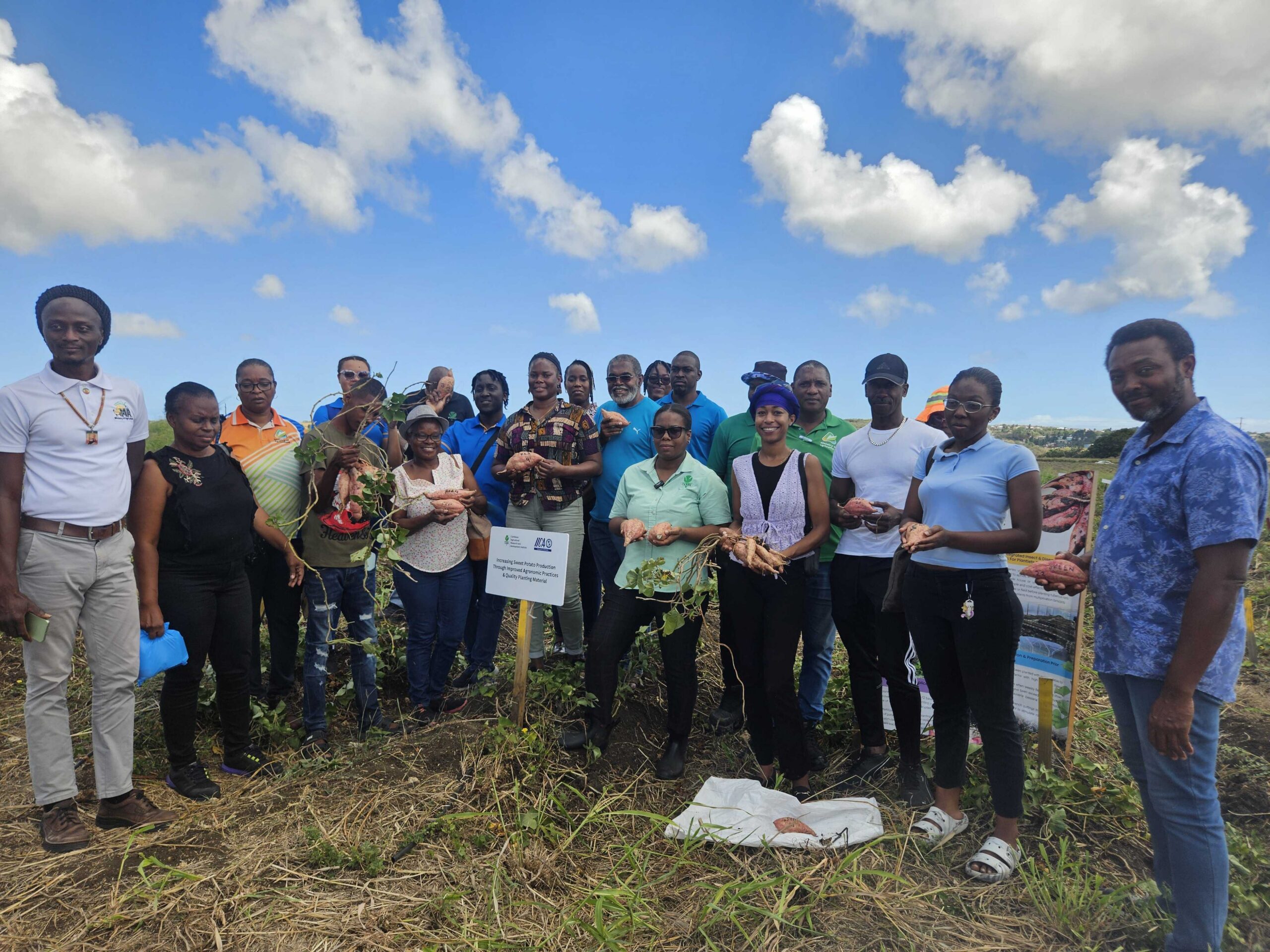
    After a devastating 2024 production shortfall that sent retail sweet potato prices skyrocketing to three to four times their normal level, Barbados’ major sweet potato producers have staged a remarkable yield recovery, with farmers crediting targeted planting and crop treatment innovations for the dramatic turnaround. The rebound comes after a coordinated industry response spearheaded by local agricultural stakeholders, who gathered this week for an open day highlighting the successful new practices that pulled the sector back from crisis. The event, hosted by Barbados’ Ministry of Agriculture in partnership with the Caribbean Agricultural Research and Development Institute (CARDI) and the Inter-American Institute for Cooperation on Agriculture (IICA), combined an educational workshop seminar with an on-site field tour of research plots at St George’s Valley Island Farm, where the new growing techniques were first tested. Ron Hope, farm manager at Valley Island Farm, laid out the full scope of the 2024 crisis, which originated from a widespread complex of viral diseases that crippled output across the island’s largest commercial growing operations, including Edgecumbe Plantation and Armag Farms. For Hope’s own operation, the impact was catastrophic: established fields that typically produced tens of thousands of pounds of sweet potatoes saw total output collapse under the pressure of untreated infection. Facing the prospect of ongoing industry collapse, farmers began testing targeted adjustments to traditional planting and crop management protocols, starting with pre-planting treatment of sweet potato slips (the root cuttings used to establish new crops) and a shift away from heavy chemical fertilization toward organic nutrient management. “I dipped my planting material in a light organic soil mixture to boost rooting strength and improve tuber development,” Hope explained of his modified process. The results were immediate and visible: farmers reported a sharp drop in the number of plants showing clear symptoms of viral infection. “I saw a major reduction in the number of virus-looking plants in my fields,” Hope said. Alongside slip treatment, Hope also adjusted his fertilization strategy, doubling down on organic inputs even as he already avoided heavy chemical use. “I started to fertilise differently. I don’t use a lot of chemical fertilisers either way but I used more organic fertiliser basically,” he noted. These small but impactful changes translated directly into an extraordinary rebound in total production. “Production increased a lot last year, big time, big time, big time,” Hope emphasized. Multiple growing fields on his property delivered robust yields: two roughly four-acre plots combined to produce 120,000 pounds of sweet potatoes, equal to around 25,000 pounds per acre – a level Hope described as exceptional productivity for the region. Looking ahead to 2025 full-season output, Hope noted that while consistent yield improvements remain the long-term goal, further gains will depend on sustained investment into infrastructure and clean planting material. He added that a target of 20,000 pounds per acre would represent a sustainable, profitable output that balances production volume with operational scalability. So far in 2025, early harvest results have exceeded even optimistic expectations: in some sections of his fields, Hope is harvesting up to 1,500 pounds of sweet potatoes per planting row, with growth so strong that harvesting teams have not yet finished digging all mature tubers in some areas. The successful model developed at Valley Island Farm has already been adopted across the wider Barbados sweet potato farming community, with other major producers replicating the slip treatment and crop management strategies and sourcing access to improved, tested planting material. “Guys came, got different planting material. Edgecumbe [plantation in St Philip] had a big, big problem up there. He got it sorted out,” Hope said, framing the recovery as a collective achievement by local farming communities. During the open day’s workshop, Michael James, Barbados’ chief agricultural officer, confirmed that while the sector is no longer in full-blown crisis, it continues to face ongoing pressure from viral pathogens and insect pests, with long-term stabilization dependent on consistent adoption of improved management practices. “I wouldn’t say we are in a crisis,” James stated, “but pest and disease management remains central to stabilising production.” James explained that the primary pathways for viral spread are infected planting material and insect vectors, making access to disease-free planting stock the single most critical step for controlling outbreaks. “If most of the viruses spread through planting material as well as by vectors, how do you control this? By using clean planting material. And that’s where the tissue culture facility would assist,” he said. Beyond improved management of existing stock, the Ministry of Agriculture is working to strengthen the local sweet potato crop base by introducing new, resilient cultivars developed through international research. “We are also looking to bring in some new varieties out of the International Potato Centre, which will help augment what we currently have as well as to look at how we can improve the ability of some of these cultivars to withstand or tolerate some of the viruses that we have now,” James explained. The scale of yield loss across the island still varies widely from farm to farm, James noted, with outcomes directly tied to each operation’s management practices and the quality of the planting material they use. “You’re not going to get 100 per cent, but… it can be reduced 10, 15, 20 per cent, all depending on the type of material you have that you’re planting, as well as the type of pests that you’re dealing with,” he said. The ongoing expansion of Barbados’ local tissue culture laboratory will play a central long-term role in supplying farmers with consistent access to clean planting stock, though James cautioned that initial production volumes will be limited, and farmers will be expected to multiply the clean stock on their own operations to meet growing demand. In the near term, James urged all local sweet potato producers to adhere strictly to established best management practices to prevent future outbreaks. “If you’re going to grow it, seek some advice from the ministry, CARDI or IICA. Check with the persons who you’re getting planting material from to make sure that the planting material is clean,” he advised. He also stressed the often-overlooked importance of on-field and post-harvest sanitation protocols in limiting pathogen spread: “Make sure that you use proper sanitation practices both in your field as well as post-harvest because that helps with reducing most of the diseases as well as the pests that can harm your crop.”

  • Spanish Foreign Minister arrives in Dominican Republic for official visit

    Spanish Foreign Minister arrives in Dominican Republic for official visit

    Diplomatic activity kicked off in Santo Domingo on Monday, as Dominican Republic officials formally welcomed Spain’s top diplomat to the country for a working official visit. Deputy Minister of Bilateral Foreign Policy Francisco A. Caraballo extended the greeting on behalf of Dominican Foreign Minister Roberto Álvarez, opening the high-profile bilateral engagement.

    The welcome ceremony included senior diplomatic representatives from both nations: Dominican Ambassador to Spain Tony Raful and Lorea Arribalzaga, Spain’s sitting ambassador to the Dominican Republic, joined the opening proceedings alongside the two lead officials.

    Over the course of the visit, Dominican Foreign Minister Álvarez and visiting Spanish Foreign Minister Albares are set to convene a structured working meeting to deliberate on shared priorities. After their closed-door talks, the pair will appear at a joint press conference to outline key takeaways and outcomes from their discussions to the public.

    This official trip was planned as a follow-up to the bilateral meeting the two foreign ministers held in Madrid back in May 2025. Its core objective is to move forward on the mutual commitments the two leaders agreed to during that earlier gathering.

    The Dominican Republic and Spain have cultivated and maintained long-standing, robust diplomatic relations spanning decades. Both countries sustain ongoing cooperation across a wide range of sectors aligned with their mutual interests, supported by a consistent framework of institutional dialogue.

  • 11-plus students urged to improve writing skills ahead of exam

    11-plus students urged to improve writing skills ahead of exam

    With just a few weeks remaining before Barbados’ annual Common Entrance Examination, education leaders at two top Christ Church primary schools are sounding the alarm about pervasive gaps in students’ composition and reading comprehension skills — gaps that they warn could drag down the performance of even well-prepared test-takers, according to findings from a recent region-wide mock assessment.

    Tyrone Marshall, principal of Water Street’s Milton Lynch Primary School, acknowledged that while the vast majority of students have dedicated significant time and effort to exam preparation, external socioeconomic factors often create unaddressed barriers to academic success. Many working parents in the community are forced to take on two or even three jobs to make ends meet, leaving them unable to provide consistent after-school support for their children’s studying. Even so, Marshall expressed cautious confidence in his students, noting that most have followed their teachers’ guidance closely and are on track to deliver solid results on exam day.

    Fonda Boyce Small, principal of nearby Christ Church Girls’ School — also located on Water Street — echoed Marshall’s concerns, confirming that the mock exam’s results aligned with longstanding observations from classroom instructors. Educators at her school have spent months prioritizing extra practice for composition and comprehension, two areas that have consistently challenged student cohorts for years. Comprehension Section B, in particular, remains a persistent stumbling block for many test-takers. Small expressed hope that students would internalize the feedback from the mock assessment and apply their full effort when they sit for the official exam.

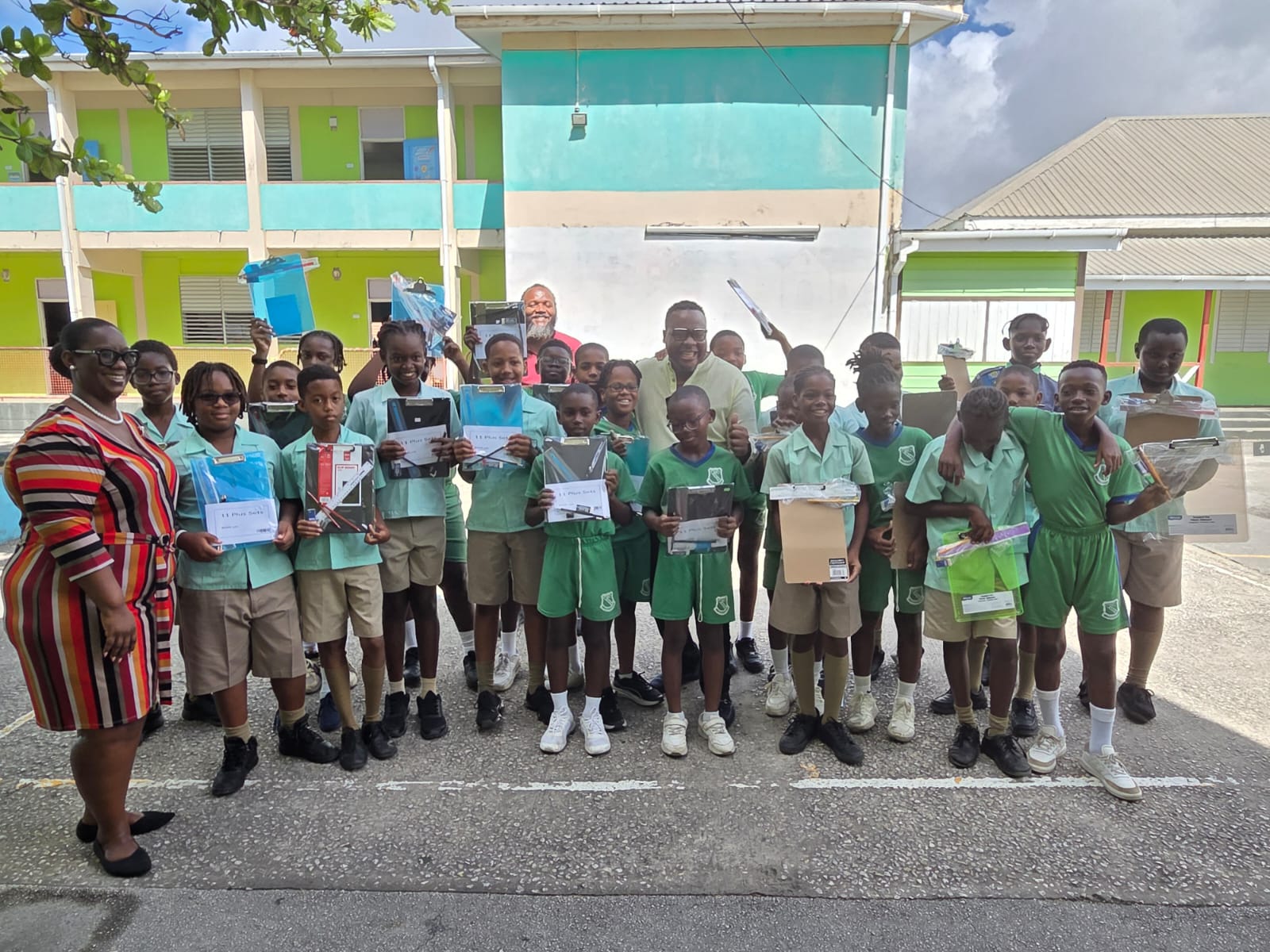
    The cross-school mock assessment was organized and led by Quincy Jones, founder and director of the local Trident Charity, who administered the practice test to students across 12 institutions in the St Michael and Christ Church zones. During a visit to Water Street schools on Monday to distribute customized “11-Plus Kits” for upcoming test-takers, Jones — who is also the Democratic Labour Party candidate for the constituency in the upcoming February 11 general election — flagged a growing modern threat to formal writing performance: the informal, text-based language that students increasingly use on platforms like WhatsApp.

    Jones pointed to the mock exam results that confirmed composition as the lowest-performing section across participating schools, highlighting common informal errors that students continue to make. Examples include grammatically incorrect phrasing such as “me and John” instead of the standard “John and I,” and casual text slang like abbreviating “you” to “U” and “because” to “BC” in formal essays. In the lead-up to the official exam, Jones encouraged students to focus on incorporating descriptive adjectives into their writing and mastering core technical rules like subject-verb agreement to avoid unnecessary point deductions.

    Beyond test performance, Jones reminded the Class 4 students sitting for the exam that dedication and personal leadership matter more than the specific secondary school they gain admission to, emphasizing that every public secondary institution in Barbados has produced successful national leaders. As the countdown to the official exam continues, both school principals and the charity organizer have stressed that the immediate priority is building student confidence and helping learners correct the technical writing errors identified during the mock assessment.

  • Abinader ranks fourth in Latin American presidential approval ranking

    Abinader ranks fourth in Latin American presidential approval ranking

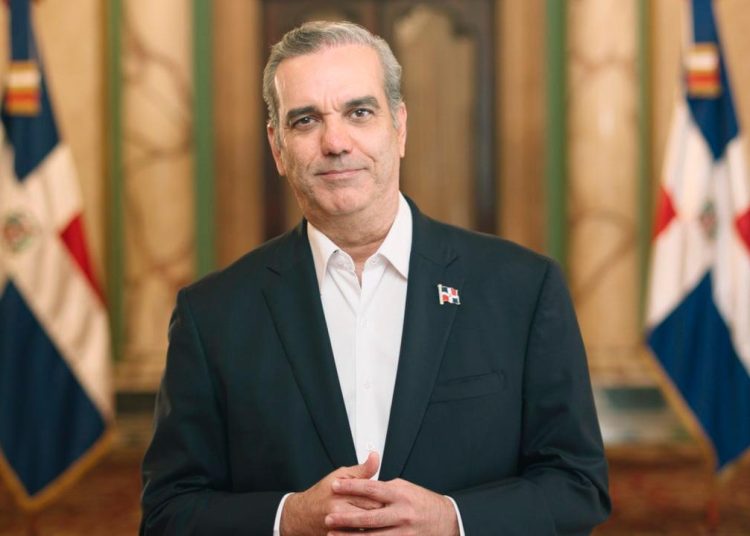
    A new public opinion survey from leading Latin American research firm CB Consultora Opinión Pública has placed Dominican Republic President Luis Abinader among the most popular chief executives across the region, holding the fourth spot in the latest regional approval rankings.

    Released for the start of Abinader’s second term in office, the poll recorded a 57.3% overall approval rating for the Dominican leader, with 39.6% of respondents indicating they disapproved of his performance. This strong showing cements his position as one of the most favorably viewed incumbent presidents in Latin America.

    Topping the 2026 regional ranking is El Salvador’s Nayib Bukele, who claimed the number one position with an impressive 70.1% approval rating. Mexico’s Claudia Sheinbaum followed close behind in second place, just three-tenths of a percentage point behind Bukele at 69.8%. Costa Rica’s Rodrigo Chaves took third place with a 59.5% approval rating, leaving Abinader to slot into fourth, just ahead of Bolivia’s Rodrigo Paz, who recorded a 52.9% approval score.

    A range of regional leaders landed in the middle of the approval table. Nicaragua’s Daniel Ortega, Brazil’s Luiz Inácio Lula da Silva, Chile’s José Antonio Kast, and Paraguay’s Santiago Peña all fell within this mid-tier grouping. Toward the lower end of the rankings were Colombian President Gustavo Petro, Guatemala’s Bernardo Arévalo, Argentina’s Javier Milei, and Ecuador’s Daniel Noboa, all of whom posted below-average approval numbers. Bringing up the bottom of the 18-country ranking were Venezuela’s Delcy Rodríguez and Peru’s interim president José María Balcázar.

    The survey, fielded between April 13 and 18 of 2026, collected responses from more than 40,000 people across all 18 surveyed Latin American nations. Researchers designed the study to meet rigorous statistical standards, achieving a 95% confidence level and a narrow margin of error ranging between just ±1.9% and 2.2% across the sample.

  • Reggae Weekend draws record crowds, says organiser

    Reggae Weekend draws record crowds, says organiser

    After three electric nights of world-class reggae and dancehall performances at Bridgetown’s iconic Kensington Oval, the 2026 edition of Barbados Reggae Weekend closed to rave reviews, with organizers celebrating the event’s highest turnout in recent history. Running across Friday, Saturday and Sunday, the 2026 festival brought back its three fan-favorite signature events: the opening night Mount Gay Legends of Reggae showcase, the high-energy Guinness Showdown, and the closing weekend staple Reggae in the Gardens.

    In a post-festival press briefing Sunday night, sponsorship manager Michelle Straughn shared that audience numbers surged across all three days of the event. Attendance at the Guinness Showdown doubled compared to previous stagings, while turnout for Reggae in the Gardens tripled, marking a dramatic rebound for the festival after a period of hiatus.

    Straughn acknowledged that the 2026 edition faced unforeseen production hurdles and logistical adjustments, particularly as this was the first time the festival was hosted at Kensington Oval, a venue most known for international cricket matches. Despite these challenges, she emphasized that the event achieved its core goal: reestablishing Barbados as one of the Caribbean’s premier festival and entertainment destinations. “When Barbados Reggae Weekend went on hiatus, we lost some of that traction as a go-to festival spot,” Straughn explained. “This event is our commitment to rebuilding that legacy for the island, and we couldn’t be happier with how it turned out.”

    Another milestone for the 2026 festival was its first-ever global livestream, which allowed digital patrons around the world to purchase access tokens to stream all three nights of performances. Straughn reported that the livestream operation ran seamlessly, and organizers plan to retain the digital access option for all future editions of the festival. On the topic of the new Kensington Oval venue, Straughn praised the space as “stunning” for large-scale live entertainment, noting that teams took extra precautions to preserve the venue’s cricket pitch to keep it available for future sporting events.

    Looking ahead, Straughn shared that the festival is strategically timed to boost pre-summer tourism to the island, with organizers hoping the successful 2026 edition will drive a surge of visitor arrivals starting in April, ahead of the traditional peak summer travel season that begins in July.

    A Look Back at Festival Highlights
    The 2026 festival kicked off Friday with the Mount Gay Legends of Reggae Show and Dance, a nostalgic celebration featuring some of the genre’s biggest icons, including Barrington Levy, Super Cat, Sister Nancy, Norris Man, JC Lodge, and Biggie Irie. Though brief technical issues interrupted portions of the opening night set, the legendary performers delivered standout sets that kept the crowd engaged, with Barrington Levy earning particular acclaim for his performance. Resident deejays Jerry Dan and Lil Rick kept energy high between performer sets, bridging gaps caused by the technical disruptions.

    Saturday’s Guinness Showdown upped the tempo with a dancehall-focused lineup headlined by fan favorite Popcaan, with additional high-energy sets from Capleton and General Degree. Local emerging acts including Maasta T, Doejay, Brutal Crankstar, Weather 40, and Idea the Artist earned enthusiastic responses from the packed crowd. Originally scheduled to perform Saturday, dancehall artist 450 had to rearrange his set, with organizers quickly moving his appearance to Sunday’s lineup to accommodate the change.

    The festival wrapped Sunday with Reggae in the Gardens, a diverse closing bill led by international headliner Fantasia. The closing night lineup also featured Dexta Daps, Kranium, Admiral Tibet, DJ Puffy, D’Yani, Spice and Company, and Rite Side of Red, a collaborative set featuring Buggy Nhakente and Rhesa Garnes.

    Barbados Reggae Weekend is produced by FAS7STAR Entertainment, led by veteran promoter Comar “Frankie” Campbell.