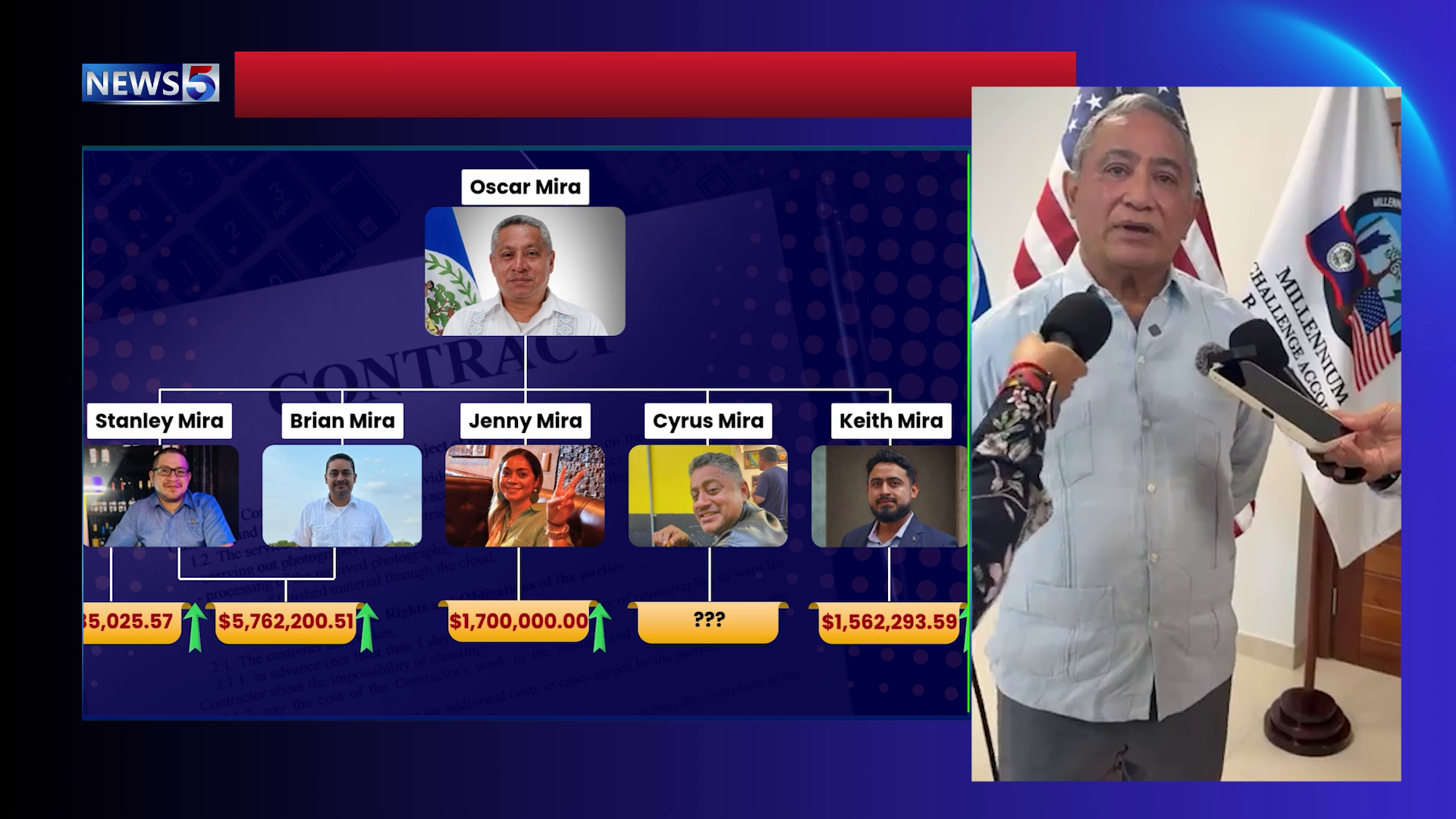
In a proactive move responding to mounting public pressure for greater fiscal accountability, Prime Minister John Briceño has announced far-reaching reforms to overhaul Belize’s public sector procurement system, announced in June 2026 ahead of scheduled legislative and cabinet reviews. The administration is pushing forward with the overhaul without waiting for investigations into the controversial Mira contracts to conclude, framing the changes as a long-planned effort rather than a hasty response to recent political scandal. The reform package, developed over several years in collaboration with the Inter-American Development Bank (IDB), is designed to embed greater transparency, operational efficiency, and cost savings across all government purchasing activity.
Briceño has laid out a clear timeline for advancing the reforms. Next Tuesday, top fiscal oversight officials—including the Financial Secretary, Contractor General, and Auditor General—will brief the full cabinet on the legislative framework underpinning the changes, which includes updates to the Finance and Audit Reform Act (FARA), store supply regulations, store control rules, and general financial orders. Ministry chief executive officers will also attend the briefing to ensure both political leadership and senior administrative staff gain a clear shared understanding of proposed adjustments.
One week after that cabinet briefing, on July 14, the administration will officially table the draft legislation to establish a new centralized procurement unit, developed through the government’s Central Execution Unit with technical and policy support from the IDB. In designing the new system, the government studied successful procurement models used in other countries to adapt best practices for Belize’s context.
The centerpiece of the reforms is a mandatory centralized electronic procurement portal that will serve as a single public window for all government tender opportunities and purchasing activity. Under the new rules, every government ministry and department will be legally required to publish all procurement activity on the platform. This requirement extends to all purchases, even small contracts valued under $10,000 and tender opportunities for agencies such as the Belize Defence Force (BDF), removing the exceptions that have previously allowed for off-publication purchasing. Briceño emphasized that this mandatory public disclosure will embed the core values of openness, transparency, and accountability across all government spending.
Beyond strengthening governance, the Prime Minister argues the centralized system will deliver significant long-term cost savings for public finances. Currently, individual ministries negotiate purchases separately from independent suppliers, which means the government often fails to access the bulk purchase discounts that consolidated ordering would unlock—discounts that can reach 20% on common goods and services. A centralized procurement unit will aggregate all government demand, allowing the state to negotiate better pricing and capture these savings for the public purse.
This announcement marks a major shift in how the Belizean government manages public spending, coming amid growing public scrutiny of government contracting practices. While the reforms are tied to ongoing conversations about accountability sparked by the Mira contracts controversy, the administration stresses that the policy itself is the product of years of collaborative development with regional financial experts, intended to deliver long-term structural change to public financial management.