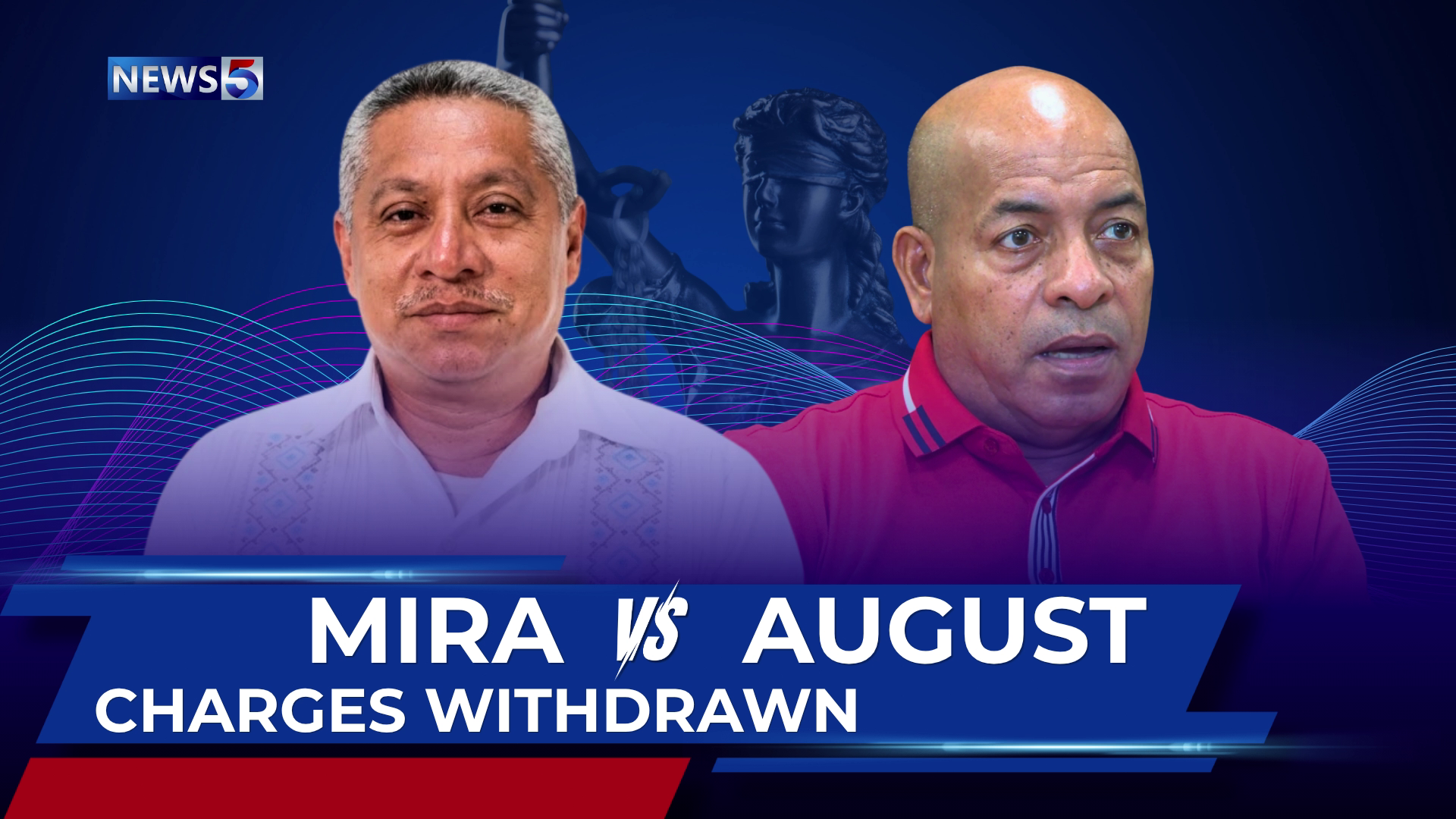
In a political controversy unfolding in Belize dating to July 1, 2026, Oscar Mira, the Area Representative for Belmopan, has confirmed he voluntarily moved to dismiss a criminal cyberbullying complaint against political figure Alberto August days before the Director of Public Prosecutions (DPP) officially ordered the case dropped.
Mira’s account clarifies the sequence of events that has sparked widespread public debate over political conduct and the constitutionality of the nation’s existing cybercrime legislation. Speaking to reporters, Mira explained that after careful reflection and consultations with his family and closest political advisors, he submitted a formal supplementary statement to police last Friday requesting that all charges be withdrawn. He emphasized that his decision was finalized well before the DPP issued her directive to dismiss the case.
“We are humans, and we can always reflect on what we could have done better,” Mira stated. He went on to push back against the alleged actions that prompted his original complaint, noting: “you don’t try to gain political points at a time when you have a whole city grieving and try to put words I did not say. After reflection I believe it is in the best interest of everyone not to continue with that case.” When asked if he regretted his initial decision to file the complaint, Mira acknowledged that there is always room for improvement in political decision-making.
The fallout from the high-profile case has now prompted the Belizean government to open a full review of the existing cyberbullying legislation, which was originally enacted by the previous administration. Prime Minister John Briceño announced that Attorney General Anthony Sylvestre has concluded key provisions of the current cybercrime law are likely unconstitutional, and government is preparing amendments to introduce to the House of Representatives during its next sitting.
Briceño stressed that while he respects the institutional independence of both the national police service and the Office of the DPP, political leaders must avoid even the appearance of using state institutions to target political opponents. “I don’t think that the public have a problem if a politician were to sue anybody because they believe that they have been aggrieved or they’ve been slandered,” Briceño explained. “But I think the public would have a problem when they would feel that the minister is using the state to go after its enemies.” He clarified he was not accusing Mira of intentional abuse of process, noting that law enforcement initially believed there was a valid basis for the case, but added that allowing such proceedings to move forward sets a dangerous precedent that could be exploited by future leaders.
The case has already drawn criticism from political opponents, after Interim Home Affairs Minister Julius Espat confirmed he directed police to forward the case file to the DPP for formal review. While many observers welcomed the DPP’s eventual decision to dismiss the charges, critics frame the minister’s intervention as yet another instance of inappropriate political interference in independent law enforcement processes.
This report is adapted from a broadcast transcript of original evening news coverage.