作者: admin

  • PM Briceño Addresses Fuel Shock as Prices Rise

    PM Briceño Addresses Fuel Shock as Prices Rise

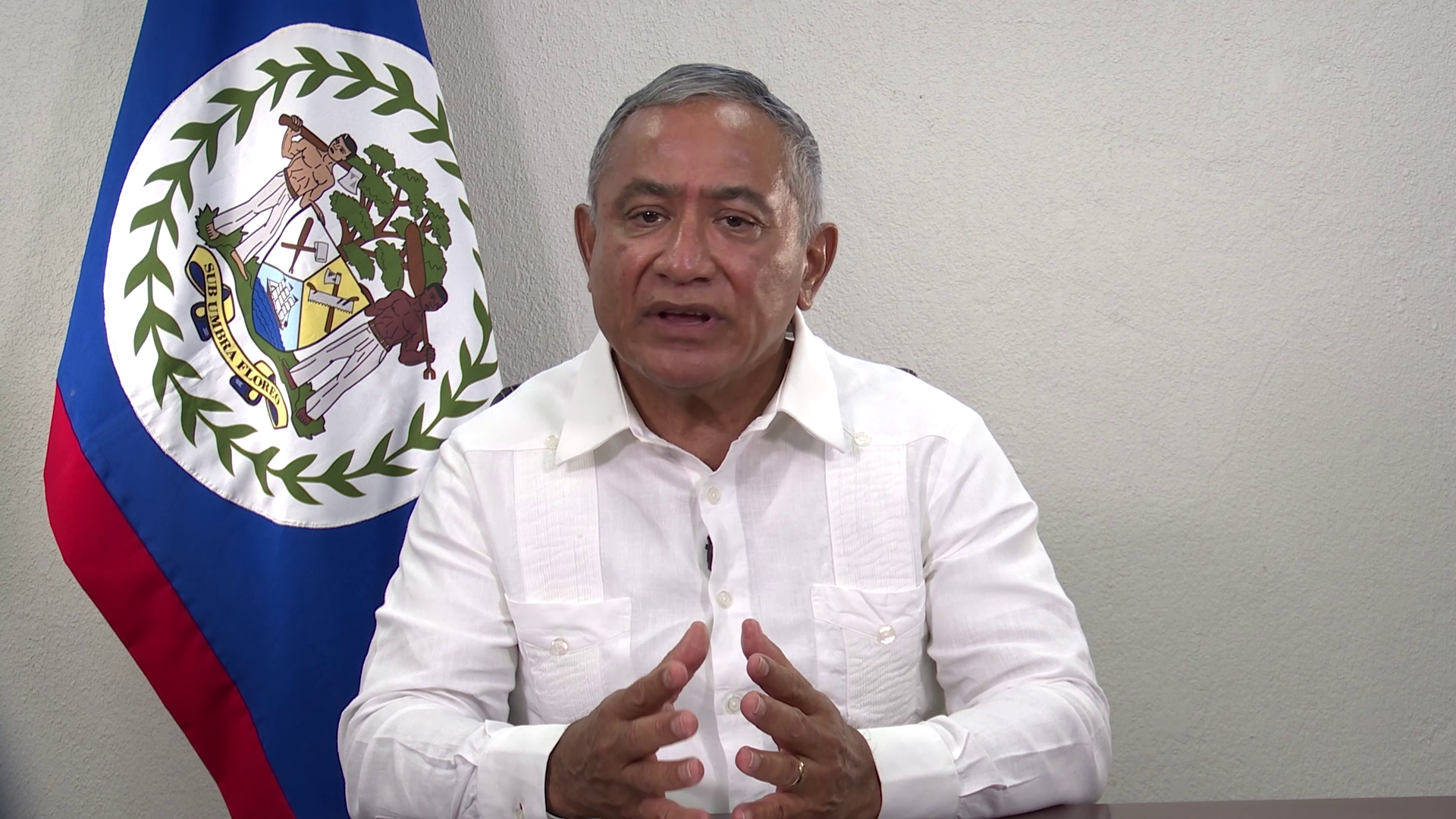
    As skyrocketing global crude oil prices send pump costs soaring and squeeze household budgets across Belize, Prime Minister John Briceño has delivered a nationally televised video address outlining his administration’s full response to what he calls an unprecedented external economic shock, just hours before local evening news broadcasts on April 27, 2026.

    Briceño opened his address by contextualizing the crisis: over the past two months, international benchmark oil prices have jumped 76%, climbing from roughly $60 per barrel to $105 per barrel. Despite the volatile global market, the prime minister moved quickly to reassure the public that there is no immediate threat to Belize’s domestic fuel supply, noting that the country’s current monthly fuel import volume, valued at approximately $5 million, remains fully secured. He did acknowledge, however, that further retail price adjustments at the pump, as well as corresponding cost increases for fuel-linked goods and services across the economy, are unavoidable as global acquisition costs rise.

    To offset the burden for consumers, Briceño highlighted that Belize’s fuel excise tax is structured as a fixed per-unit levy, not an ad valorem tax that would increase alongside acquisition costs. Already since the onset of the price crisis, his administration has cut excise taxes sharply: 68 cents per gallon for regular gasoline, and $1.55 per gallon for diesel. Combined, these tax cuts will cost the national budget an estimated $4.7 million per month, totaling $60 million for the full 2026 fiscal year. Briceño confirmed that if crude prices continue their upward trajectory, the Cabinet stands ready to approve additional tax adjustments to soften the blow for motorists and households.

    Turning to the domestic transportation sector, which has been hit particularly hard by rising fuel costs, Briceño addressed ongoing tense negotiations with the Belize Bus Association. The newly formed National Bus Company will freeze current fares for the immediate future, the prime minister confirmed. For private bus operators that have pushed for fare hikes to offset fuel expenses, the government has approved a targeted three-month subsidy that will cover 100% of the incremental fuel cost increases. Private operators will receive a $3 per gallon fuel subsidy over the next quarter, a measure designed to prevent any sudden large fare increases for commuters traveling across districts.

    Beyond fuel-specific relief, Briceño announced sweeping government austerity measures to free up budget space for consumer relief and protect core social safety net spending, emphasizing that the government must bear its fair share of sacrifice amid the economic strain. The three-pronged austerity plan includes a $30 million deferral of planned capital expenditure projects scheduled for the current budget year, a $25 million cut to goods and services spending across all government ministries and departments, and sharp reductions in international travel, with all non-essential international meetings shifted to virtual formats to cut down on fuel, transportation and accommodation costs. The government will also cut its own internal fuel bill by restricting non-essential use of government vehicles.

    Briceño stressed that despite these tough cost-saving adjustments, all spending on Belize’s social safety net programs will remain fully intact and uninterrupted. He added that the Cabinet will conduct a full review of the government’s fiscal position and the effectiveness of current measures at the end of the first quarter of 2026, to determine whether additional policy adjustments are needed to support the Belizean public if economic pressures persist. If global oil prices continue to climb, Briceño noted that the government may need to implement even more substantial cost-saving measures to maintain fiscal stability while protecting households.


  • Honourable Spencer Brand Minister of Labour in the Nevis Island Administration World Day for Safety and Health at Work 2026 Address

    Honourable Spencer Brand Minister of Labour in the Nevis Island Administration World Day for Safety and Health at Work 2026 Address

    On April 28, 2026, marking the annual World Day for Safety and Health at Work, Honourable Spencer Brand, Minister of Labour within the Nevis Island Administration, delivered a keynote address centering on the urgent need to prioritize psychosocial wellbeing in workplaces across the island, framing the issue as a foundational driver of economic prosperity and social resilience.

    This year’s global observance carries the official theme “Good Psychosocial Working Environment: A Pathway to Thriving and Strong Organization”, a framing that Brand leveraged to reaffirm a core governing priority: that Nevis’ workers are the territory’s most valuable asset. He emphasized that their mental and emotional wellness is not a secondary concern, but a non-negotiable requirement for a high-functioning public sector, growing private industry, and connected, resilient communities.

    While the Nevis Island Administration has a long-standing track record of upholding basic workplace safety standards and expanding fair employment opportunities, Brand acknowledged that shifting global and local realities have created new demands that go far beyond minimum regulatory compliance. Rapid digital transformation, steadily growing workloads for many workers, and persistent global economic uncertainty have elevated psychosocial risks, requiring a proactive, people-centered approach to build workspaces where every employee feels valued, heard, and emotionally and physically secure.

    Research and on-the-ground experience confirm that workplaces defined by respectful culture, manageable workloads, accessible peer and managerial support, and inclusive leadership deliver measurable benefits: better overall worker health, higher sustained productivity, more cohesive cross-team collaboration, and greater workforce confidence, Brand noted.

    To advance this goal across Nevis’ public and private sectors, Brand laid out three interconnected guiding pillars that will shape the administration’s policy and outreach efforts moving forward.

    The first pillar is people-first leadership. Brand stressed that organizational leaders set the cultural tone for entire workplaces: when leaders prioritize empathy and open communication, workers feel safe to raise concerns about burnout, workload imbalance, or other stressors without fear of retaliation. To embed this approach, he announced the administration’s commitment to expanding targeted training for leaders at all levels, equipping them to identify early signs of worker burnout, distribute workloads more sustainably, and support staff through compassionate, confidential care.

    The second pillar is expanded, stigma-free access to robust mental health support. Brand noted that universal access to professional counseling, employee assistance programs, and specialized workplace health services is critical to addressing psychosocial risks. The administration will prioritize ongoing efforts to reduce cultural stigma around seeking mental health support in workplaces, expand access to evidence-based wellbeing initiatives including stress management training and peer support networks, and ensure no worker is left without resources to care for their mental health.

    The third pillar is cultivating an inclusive, collaborative workplace culture. Sustainable psychosocial health relies on foundational trust, mutual respect, and open lines of communication between leadership and staff, Brand explained. The administration will encourage all employers across Nevis to facilitate ongoing structured dialogue between teams and management, implement fair workload distribution, expand flexible work arrangements where feasible, and embed inclusive decision-making processes that center the diverse perspectives of all workers.

    As the governing body, Brand reaffirmed the Nevis Island Administration’s ongoing commitment to strengthening regulatory policies that protect worker psychosocial health, expanding access to resources for small and large businesses alike, and raising public awareness of overlooked psychosocial workplace risks. He noted that the government will continue to partner with businesses of all sizes to embed a culture that prioritizes mental health and empathetic, people-centered leadership.

    Yet Brand emphasized that building healthy workplaces is not a responsibility that falls to government alone. Employers, workers, industry organizations, and local communities all have a critical role to play in creating safer, more supportive work environments across the island. The collective benefits of this work are impossible to ignore: when workers feel consistently supported in their wellbeing, they deliver stronger performance, collaborate more effectively, and help build more resilient organizations and communities across Nevis.

    Brand added that the public sector will lead by example, demonstrating that investing in worker wellbeing and boosting productivity are not competing goals, but mutually reinforcing priorities. By walking this path publicly, the government can set a benchmark for private sector employers and strengthen public services, local business performance, and the overall long-term resilience of Nevis as a territory.

    In closing, Brand called on all residents, employers, and workers across Nevis to join the collective effort to improve workplace psychosocial health. He stressed that a positive, supportive work environment is not a one-time policy achievement, but an ongoing commitment that requires consistent attention and collaboration. As the world marks this annual observance, Brand urged all stakeholders to pledge to protect the wellbeing of Nevis’ workforce and build workplaces where every person can grow and thrive. He closed by wishing all observers a meaningful World Day for Safety and Health at Work 2026, and extended a blessing for the continued prosperity of Nevis.

  • Bus Operators Shut Down Highway in Fuel Cost Showdown

    Bus Operators Shut Down Highway in Fuel Cost Showdown

    On April 27, 2026, a long-simmering dispute between Belizean bus operators and the national government over cripplingly high fuel prices erupted into direct action, when hundreds of operators shut down the country’s critical Phillip Goldson Highway for four hours, stranding thousands of daily commuters and forcing last-minute negotiations that delivered a preliminary policy concession.

    The standoff followed two weeks of unproductive talks between government representatives and the Belize Bus Association (BBA), the industry’s leading trade group. Frustrated by stalled negotiations, operators launched their protest before dawn, parking buses across the highway at multiple choke points: starting at the Tower Hill Bridge just after 4:30 a.m., with additional blockades set up near Guinea Grass Village, Ladyville, and the Boom–Hattieville junction. The demonstration quickly halted all north-south traffic along the key transportation corridor, leaving students, healthcare workers, educators, and hourly workers trapped for hours with little advance warning.

    As tensions rose, police detained BBA member Charles Swift at the Boom–Hattieville junction on charges of obstructing traffic, a move that did little to shift operators’ resolve. A second detention was also reported at a smaller secondary blockade in San Jose Succotz Village, according to on-site reporting from News Five correspondent Paul Lopez.

    Many stranded commuters expressed sympathy for the operators’ cause, even as they navigated major disruptions to their own daily routines. Johan Alonso, a medical laboratory technologist caught in the gridlock, noted that his ability to care for patients at his workplace was compromised, but added that the disruptive action was necessary to force the government to acknowledge the severity of the industry’s crisis. “It is good that they are doing the blockade so the government can see how serious the people are, and how fed up we are,” Alonso explained. “They need to take everyone into consideration and talk to everyone before making decisions on their own.”

    Other commuters voiced frustration over the lack of advance notice. Dianne Martinez, a teacher who woke early to travel to her job on San Pedro Island, told reporters she had only learned service was canceled after arriving at her departure terminal. “What is disappointing to me is that nobody told me this was going to happen, and a lot of people stay stranded on the road,” she said. Other hourly workers shared their anxiety over lost wages, with one noting he had already budgeted for his daily earnings and could not afford unexpected extra costs like alternate private transport.

    Despite mounting disruption, bus operators stood firm in their demands, arguing that skyrocketing fuel prices had made it impossible to cover operating costs and support their families. “Fuel prices are a crisis right now,” operator Edward Bull told reporters. “How will we sustain our family if we have more than one child at home? At the end of the day if you watch your pocket, how much you spend on fuel going and coming, and you have bills to pay, owe the bank, how will you make two ends meet?”

    Michael Frazer, BBA Vice President, confirmed that the protest was a pre-notified action: operators had warned the Deputy Prime Minister two days prior that they would escalate to a highway blockade if their demands for fuel cost relief were not met. The warning was quickly heeded at the highest levels of government, with Prime Minister John Briceño entering direct talks with Frazer as the blockade stretched into its third hour.

    Within four hours of the protest’s start, government representative Chester Williams, Chief Executive Officer of the Ministry of Transport, arrived on site to announce that a preliminary agreement had been reached. The terms of the deal include a $3 discount per gallon of fuel for bus operators, with formal follow-up negotiations scheduled in the capital city of Belmopan to work out final regulatory adjustments. Frazer also noted that operators had requested a representative from the Prime Minister’s office attend the follow-up talks, citing a lack of trust in existing negotiations led by local transport official Zabaneh.

    Shortly after the agreement was announced, operators pulled their buses off the highway and traffic began moving again, ending the gridlock that had stranded thousands. As of April 27, both sides have confirmed they will move forward to finalize the details of the fuel concession in the coming days.

  • Who Truly Owns and Runs the National Bus Company?

    Who Truly Owns and Runs the National Bus Company?

    A sharp public controversy over the ownership and governance of Belize’s National Bus Company (NBC) is intensifying, as industry stakeholders, government officials, and law enforcement navigate competing claims, disrupted traffic, and conflicting narratives around fare pricing.

    The conflict moved to a new level last week when the Belize Bus Association (BBA) leveled formal conflict of interest allegations against Belize’s Minister of Transport, Dr. Louis Zabaneh, tying his leadership of the transport sector to undisclosed influence over the state-linked bus operator. As the claims gained public traction, reporters pressed the minister for clarity during a Saturday press conference, asking pointedly: who ultimately owns and operates the National Bus Company?

    Dr. Zabaneh offered a clear breakdown of the venture’s structure, framing it as an ongoing public-private partnership designed to expand reliable public transit across the country. He confirmed that as of current operations, the Government of Belize holds a 60% majority stake in NBC, while existing bus operators hold the remaining 40% equity, with potential future participation from institutional investors still pending. As the government’s representative on the project, the Minister of Transport appoints all government-nominated board members, a roster he outlined to confirm transparency: government seats are held by board chair Louge, Genelle Neal, former Senator Elena Smith, and prominent trade unionist Miriam Paz. Operator representatives include Sergio Chuc (owner of Westline), Jamie Williams (owner of James Bus Line), and a Codd, who represents the collective interests of small operators holding a 10% combined stake. The company’s chief executive officer is Vanzie, a former co-owner of Floria Bus Line.

    The controversy extends far beyond ownership, however, spilling over into a bitter dispute over fare pricing that has divided the BBA and the Ministry of Transport. The BBA has pushed for widespread fare increases, arguing it must match the per-mile rates charged by NBC, which the association claims reach as high as 19 cents per mile. Dr. Zabaneh rejected that claim outright, pushing back on the BBA’s narrative and noting that any move by NBC to raise fares to the maximum allowed rate would directly contradict the government’s public commitment to shielding consumers from rising living costs.

    “It would have been bordering on hypocrisy if the NBC had gone and increased their prices right up to the maximum when I as minister had been saying we do not want to increase prices,” he explained. “We want to ensure we mitigate the impact of higher prices on our people.” The minister confirmed that NBC’s highest actual fare is just 16 cents per mile, applied only on the western route. He also added a key clarification to address circulating rumors: the NBC receives no operating subsidies from the government, with all expenses covered by the company’s own revenue as a public-private operating entity. “It is just like if government was to send a check with any private business out there, something would be very wrong with that. It would be corruption,” he noted.

    With negotiations over broad fare hikes stalled, the conversation around Belize’s public transit sector has now shifted to the longstanding demand for government fuel subsidies. Frustrated by the deadlock, bus operators blocked the busy Phillip Goldson Highway on the morning of the protest, bringing traffic to a complete standstill and forcing law enforcement to manage a tense public standoff.

    Acting Superintendent Stacy Smith, a police staff officer, explained that law enforcement planners had monitored the planned protest for days and deployed a de-escalation focused strategy to balance the right to peaceful protest with the public’s right to free movement. “We recognize the issue that was raised affects all Belizeans and we want to afford persons who are disgruntled the ability to protest,” Smith said. “We have recognized the need to maintain law and order to ensure citizens are able to move and get to their respective location at their liberty.”

    The police approach focused on avoiding violent confrontation, with uniformed officers deployed along the highway to maintain order and prevent clashes between protesters and other community members. According to Smith, the strategy succeeded: the protest concluded without major incidents, with only three people detained and issued minor violation tickets before being released. No injuries or significant property damage were reported.

    This report is adapted from a transcript of a televised evening news broadcast, with all statements preserved for accuracy and context.

  • IDB satisfied with the progress made by the PAPAIR program in Haiti

    IDB satisfied with the progress made by the PAPAIR program in Haiti

    In late April 2026, key stakeholders gathered in Les Cayes, Haiti, for the fourth Steering Committee meeting of the Support Program for the Productivity of Agriculture and Fisheries and the Improvement of Rural Infrastructure for Access to Markets (PAPAIR), a flagship rural development initiative launched in January 2022. Held under the official patronage of Haitian Minister of Agriculture Agronomist Marcelin Aubourg and Ministry Director General Agronomist Pierre-Richard René, the two-day event brought together participants both in-person and via videoconference to review program achievements and map out next steps. With PAPAIR’s original mandate set to conclude in the coming months, discussions between Haiti’s Ministry of Agriculture and the Inter-American Development Bank (IDB) are already underway to explore a potential extension that would allow for the completion of ongoing projects and the long-term consolidation of on-the-ground results. The Steering Committee, which includes representatives from the Program Implementation Unit, IDB, departmental agricultural directorates across Haiti’s South, Grand’Anse, North, and North-East regions, partner institutions, and local farmer and fisher organizations, used the meeting to outline a revised strategic direction for remaining activities in 2026. All decisions reached at the gathering will be formally submitted to IDB for review as part of the official extension request. Opening the meeting, Minister Aubourg emphasized that even amid widespread economic and social challenges across Haiti, PAPAIR has delivered tangible, encouraging outcomes for rural communities. Echoing this assessment, Yannick Saint Paul, IDB’s representative to the meeting, confirmed the bank’s satisfaction with the program’s progress, noting that current results align fully with the institution’s initial expectations. Saint Paul also reaffirmed IDB’s long-standing commitment to supporting Haiti’s efforts to reduce widespread food insecurity and expand sustainable domestic agricultural production, a stance that was widely endorsed by all participating stakeholders. A breakdown of the program’s current achievements reveals widespread impact across four key target departments and 21 municipalities. To date, more than 15,600 of the 21,819 targeted smallholder farmers have directly benefited from program interventions. Program teams have established 336 dedicated agricultural demonstration plots, upgraded or rehabilitated nearly 20 municipal agricultural offices, and constructed new water storage tanks and irrigation infrastructure to reduce producers’ vulnerability to drought and erratic rainfall. In the area of farmer capacity building, 947 participants have already completed training through the program’s field school network, out of a total 3,300 planned trainee slots. For Haiti’s fisheries sector, which falls under the program’s second and fourth components, 65 local fisher associations across the four target departments are already receiving sustained organizational and technical support to improve sustainability and livelihoods. On the institutional development front, the program has completed construction of the new Aquin Communal Agricultural Office, and a 252-square-meter modern administrative building for the Southern Departmental Agricultural Directorate (DDAS) is currently 92% complete. The new facility, which includes upgraded office space, a conference room, and modern amenities, is designed to dramatically improve working conditions for departmental agricultural staff and boost overall administrative efficiency. Under the program’s rural infrastructure component, 24 kilometers of rural access roads have already been rehabilitated across Haiti’s North and North-East departments. These upgrades are expected to cut producer transport costs, reduce costly post-harvest losses, improve smallholders’ access to regional markets, and stimulate local economic activity across rural communities. The program has also provided specialized training to Ministry of Agriculture executives, departmental agricultural staff, and local government officials to strengthen their capacity to monitor infrastructure implementation and conduct long-term maintenance after project completion. By the close of the meeting, attendees approved a series of key resolutions to guide the program’s remaining activities, or any potential extended mandate. Priorities include expanding capacity building support for fisher and farmer associations, increasing the involvement of departmental agricultural directorates and Haiti’s National Seed System in regulating and supporting local seed suppliers, formalizing systems for the Ministry of Agriculture to retain project-trained staff to ensure long-term activity continuity after the program ends, strengthening departmental ownership of intervention planning and monitoring, and rolling out additional targeted skills training to improve the overall quality of program interventions. The event concluded with guided field visits to ongoing project sites in the municipalities of Les Cayes and Torbeck. Attendees had the opportunity to inspect progress firsthand, including the ongoing DDAS building expansion, and hold direct discussions with the engineering teams leading construction and infrastructure works across the region.

  • Breakthrough Arrest in Jamir Cambranes’ Murder

    Breakthrough Arrest in Jamir Cambranes’ Murder

    A week after a fatal shooting sent shockwaves through the community of Belize City, law enforcement has secured a breakthrough in the investigation into the murder of 19-year-old Jamir Cambranes. Investigators have formally arrested and charged a teenage suspect, 19-year-old Belize City resident Kenrick Robinson, with the crime of murder, bringing the first major development in a case that has gripped the local area.

    The shooting that claimed Cambranes’ life took place on April 26, according to official details from the Belize Police Department. Assistant Superintendent of Police Stacy Smith, a staff officer with the force, confirmed that the arrest and upcoming pursuit of additional suspects have been built on evidence gathered through two key investigative channels: surveillance footage pulled from the department’s Crime Fusion Center, and forensic analysis conducted at the shooting scene and on a vehicle linked to the incident.

    Despite this significant step forward, police emphasize that the investigation is far from complete. Three additional male persons of interest remain at large, and investigators are continuing to work to identify and locate them for questioning. At this stage of the probe, no definitive motive for the deadly shooting has been confirmed, leaving key details of the crime still unresolved.

    Smith noted that the combination of digital surveillance evidence and hands-on forensic work has been instrumental in moving the case forward after it initially left the community reeling. Law enforcement remains committed to pursuing all leads to hold every party involved in Cambranes’ death accountable, with the investigation classified as an active, ongoing open case. This report is adapted from a transcribed broadcast of local evening news programming.

  • Saturday Night Crash Turns Fatal on TV Ramos Highway

    Saturday Night Crash Turns Fatal on TV Ramos Highway

    A routine Saturday evening commute along the Thomas Vincent Ramos Highway ended in tragedy this week, leaving a 45-year-old man dead after a violent collision between his motorcycle and a bus operated by the National Bus Company (NBC). The fatal crash has triggered urgent community conversations about systemic road safety hazards along the busy stretch of highway, even as law enforcement continues working to unravel the exact sequence of events that led to the incident.

  • Government assumes medical expenses after crash linked to presidential escort

    Government assumes medical expenses after crash linked to presidential escort

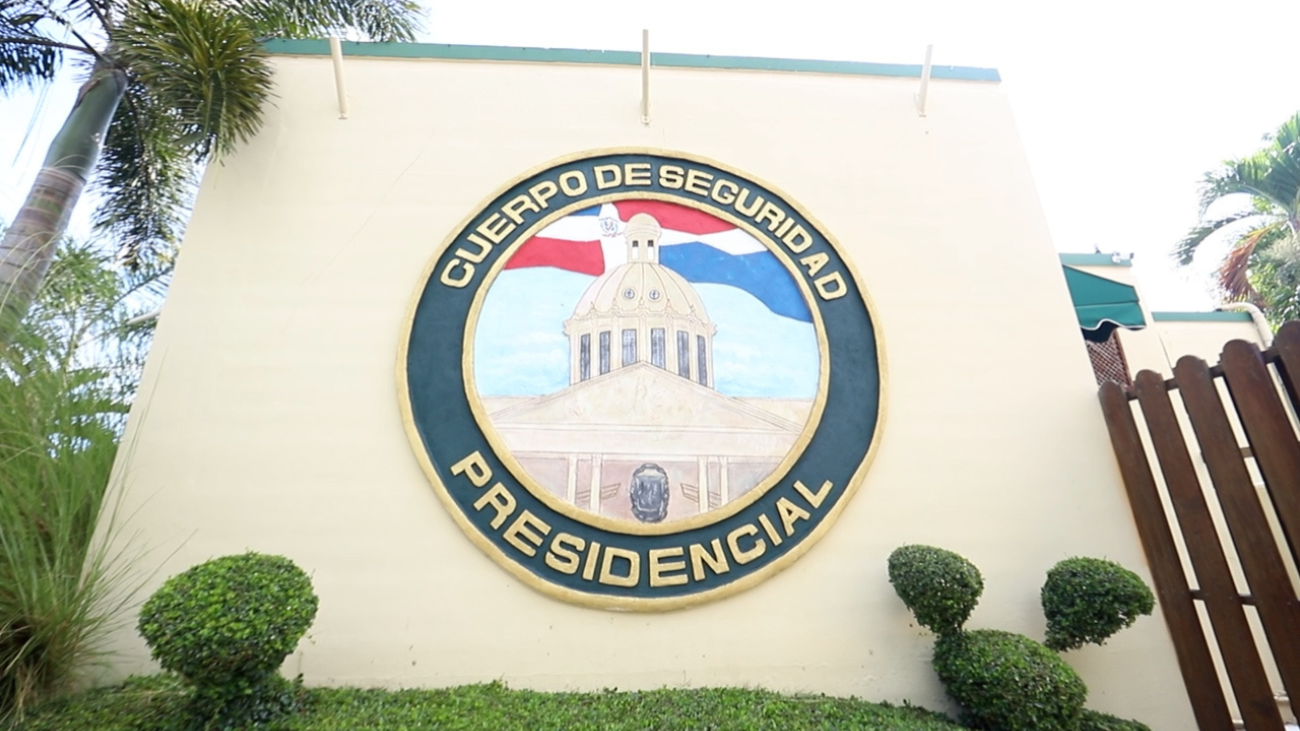
    A Monday morning traffic collision on the Maimón–Puerto Plata highway in the Dominican Republic has left three people injured, including two members of the presidential advance security detail and one civilian, according to the top commander of the country’s Presidential Security Corps (CUSEP).

    Major General Jimmy Arias, head of CUSEP, shared updated details on the victims’ care arrangements following the incident, which took place as the advance team was en route to a planned official presidential event in Puerto Plata province. The crash occurred between one of the team’s official escort vehicles and a privately owned civilian automobile.

    Following the collision, emergency responders quickly transported all three injured parties to medical facilities for urgent care. To access more specialized medical treatment unavailable locally, the two wounded soldiers were evacuated via air ambulance to Cedimat, a leading medical center located in the capital city of Santo Domingo. Arias confirmed that medical providers made the clinical decision to leave the injured civilian at the Bournigal Clinic in Puerto Plata for ongoing care, rather than transferring them to the capital.

    In a statement highlighting the administration’s commitment to supporting the affected civilian, Arias noted that all of the civilian’s medical treatment costs will be fully covered by the Dominican government. This full funding arrangement was directly ordered by sitting Dominican President Luis Abinader, underscoring the presidential administration’s proactive response to the incident involving the official presidential motorcade advance team.

  • Coordinated Police Operations Snare Crack Traffickers

    Coordinated Police Operations Snare Crack Traffickers

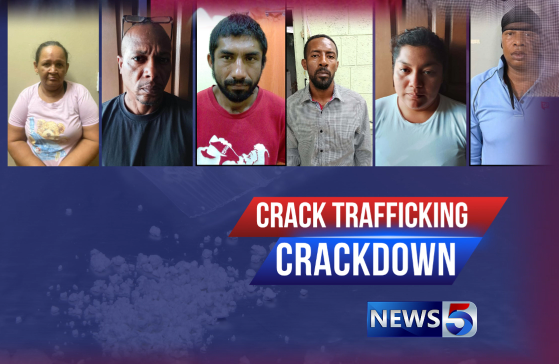
    In a targeted week-long series of coordinated law enforcement actions spanning multiple districts across the country, Belizean police have cracked down on a network of illicit crack cocaine traffickers, arresting and formally charging six individuals connected to the illegal drug trade. The operation, which wrapped up in late April 2026, marks a major milestone in ongoing police efforts to dismantle drug trafficking networks and stem the flow of controlled substances across the nation.

    ASP Stacy Smith, a Staff Officer with the police service, released detailed official breakdown of the charges and drug seizures linked to each defendant. Eddy Hernandez faces charges for possession with intent to supply in connection with 4.6 grams of cocaine. Joshua Burns, a resident of Cotton Tree Village, was charged over 2.8 grams of the controlled substance. Stephan Hyde and Giany Wade, both from San Pedro, were jointly charged in connection with a 2.8-gram cocaine seizure. Gliriam Mejia faces two separate counts, linked to 1.25 grams and 5.5 grams of crack cocaine respectively. The largest seizure recorded during the operation was tied to Burton Godoy of Belize City, who also faces two counts for 28 grams of cocaine and 90.9 grams of crack cocaine.

    Law enforcement officials emphasized that the arrests and charges are the product of sustained, coordinated investigative work across regional jurisdictions. The operation was specifically designed to disrupt the structure of the local illegal drug trade and hold those profiting from illicit drug sales accountable through the judicial system. This report is a transcript of an evening television news broadcast, with Kriol-language testimony transcribed using a standardized spelling system for accuracy.

  • Stolen FFB Hilux Recovered in Calla Creek After Police Chase

    Stolen FFB Hilux Recovered in Calla Creek After Police Chase

    In an early-morning brazen theft that has now opened a probe into potential cross-border criminal activity, authorities in Belize recovered a stolen government-owned pickup following a rapid police pursuit that ended near Calla Creek Bridge just 15 minutes after the heist was reported.

    The incident unfolded just before 3:40 a.m. on Saturday, April 25, 2026, at the compound of the Football Federation of Belize (FFB) in Belmopan. Two masked assailants forced their way into the on-site security booth, where they overpowered and restrained the lone on-duty guard before stealing the keys to the FFB’s white Toyota Hilux and fleeing the scene.

    Within minutes of receiving the alarm, Western Region Belizean law enforcement mobilized across key strategic locations, rolling out standard operating protocols designed specifically for motor vehicle thefts in the area. According to Assistant Superintendent Stacy Smith, Staff Officer for Belize Police, authorities proactively set up checkpoints and patrols because stolen vehicles from Belize are frequently trafficked across the nearby border into Guatemala.

    That rapid response paid off: just 15 minutes after the theft was reported, officers spotted the stolen pickup traveling along Santa Rosa Road. A short police pursuit concluded near the Calla Creek Bridge, where the vehicle was recovered. While the truck was found empty when authorities intercepted it, one male suspect has been taken into custody, and a manhunt is currently ongoing for two remaining accomplices who remain at large.

    Investigators say the bold heist is not an isolated car theft, and evidence collected so far points to the operation being tied to a larger cross-border trafficking ring. Law enforcement now has security camera footage of the incident to advance their investigation, as they work to identify and apprehend the remaining at-large suspects and unpack the full scope of the suspected criminal network.

    This report is adapted from a televised evening news broadcast, transcribed for online readers.