标签: Grenada

格林纳达

  • Finance Minister attends PCT Tax and Development Conference in Japan

    Finance Minister attends PCT Tax and Development Conference in Japan

    Grenada’s Finance Minister Dennis Cornwall is leading the nation’s delegation at the prestigious Platform for Collaboration on Tax (PCT) Conference in Tokyo, Japan, from March 2-3, 2026. The high-level gathering at the Tokyo Prince Hotel brings together global tax experts to address critical issues in international taxation systems and development financing.

    Minister Cornwall is accompanied by Sheena Lewis, Comptroller of Grenada’s Inland Revenue Division, forming an expert delegation capable of engaging with complex fiscal policy matters. The exclusive conference focuses on enhancing both international and domestic tax frameworks, promoting cooperative taxation approaches, and advancing sustainable development goals through improved Domestic Revenue Mobilization strategies.

    The event has drawn participation from over 200 senior officials representing finance ministries, tax authorities, international organizations, and development agencies worldwide. Grenada’s inclusion follows a formal invitation from the PCT Secretariat, recognizing the nation’s recent advancements in tax administration, including the February launch of the innovative GTAX Platform by the Inland Revenue Division.

    During the conference, Minister Cornwall and Comptroller Lewis will actively participate in keynote addresses, expert panel discussions, and peer-learning sessions designed to share best practices and strengthen national revenue collection systems. These engagements will provide valuable insights for enhancing Grenada’s fiscal management capabilities.

    The Ministry of Finance emphasized that such international collaborations represent strategic priorities for ensuring Grenada’s fiscal framework maintains robustness, transparency, and alignment with global standards. These efforts directly support the nation’s objectives for sustained economic growth and comprehensive national development, positioning Grenada at the forefront of modern tax administration practices.

  • Laluna Art Project: Risanne Martin for March 2026 exhibition

    Laluna Art Project: Risanne Martin for March 2026 exhibition

    Laluna Art Project announces the forthcoming immersive exhibition “Bricolage: Reimagining Home, The Story of Iris” by Caribbean wearable art visionary Risanne Martin, scheduled to debut on March 13, 2026. This multisensory ancestral showcase presents a deeply personal narrative through twelve sculptural wearable art pieces that chronicle the life of Martin’s late mother, Iris.

    Martin, who grew up in a Trinidad and Tobago fishing village and now operates from Grenada, employs an innovative approach to sustainable artistry. Utilizing upcycled materials, natural fibers, dried fruits, shells, and discarded textiles, she transforms waste into profound artistic statements that bridge memory preservation and environmental consciousness. With over fifteen years of expertise in costume design and production, Martin’s work exists at the intersection of fashion, therapeutic practice, and ecological awareness.

    The exhibition unfolds across three thematic chapters that guide visitors through Iris’s life journey. Chapter One, “Country Gyal Come to Town,” explores rural origins and migration through raffia weaving and natural textures complemented by countryside soundscapes. Chapter Two, “Boundless Love,” celebrates carnival culture and romance using denim and patchwork designs enhanced by ancestral storytelling. The final chapter, “Iris’ Renaissance,” symbolizes rebirth and legacy through avant-garde repurposed garments featuring shells and fruit prints.

    Beyond visual displays, Bricolage offers a fully immersive experience incorporating sound installations, seasonal fruit tastings, ancestral photography, and tactile environments designed to foster reflection and reconnection. The exhibition aligns with Laluna Art Project’s commitment to sustainable practices and transformative art experiences.

    Following its Grenada premiere, Bricolage is scheduled for an international tour throughout the Caribbean, United States, Canada, and United Kingdom in 2026. The works serve as cultural artifacts rather than commercial items, emphasizing their significance as calls to sustainable practice and ancestral remembrance.

    Laluna Art Project continues its mission to showcase Grenada-based artists through innovative exhibitions that blend traditional techniques with contemporary environmental consciousness.

  • CANTO HR Conference urges people-centred leadership for competitiveness

    CANTO HR Conference urges people-centred leadership for competitiveness

    PORT OF SPAIN – Caribbean telecommunications executives, regulators, and human resources leaders have issued a compelling call for a fundamental rethinking of regional competitiveness, arguing that technological infrastructure alone is insufficient without parallel advancements in human capital systems, governance, and leadership culture.

    The consensus emerged during the inaugural CANTO HR Leadership Conference, hosted February 4-5, 2026, at the Hyatt Regency in Port of Spain. Titled “Elevating People, Power and Purpose — HR Leadership for a Globally Competitive Caribbean,” the event represented a strategic expansion of the annual CANTO Connect gathering, specifically addressing human capital challenges in the digital transformation era.

    Cavelle Joseph-St Omer, President of the Human Resource Management Association of Trinidad and Tobago (HRMATT), delivered a keynote address positioning HR leadership as the critical nexus between technological capability and economic resilience. “Digital transformation has advanced across the Caribbean, with adoption rising significantly in recent years,” Joseph-St Omer noted. “Yet nearly 60% of regional companies still struggle to implement new technologies because they lack the skilled people to support them.”

    She identified several priority areas where HR leadership must drive organizational change: developing AI-augmented workforces, fostering data-literate decision-making, building cyber-resilient cultures, implementing project governance aligned to digital delivery, and creating fluency in cloud and automation technologies. Most significantly, she drew a direct connection between governance quality and competitive advantage: “The Caribbean cannot achieve regional competitiveness without strong governance. Competitiveness is built on trust — and trust is built on people and systems.”

    Liberty Caribbean executives provided concrete examples of people-first strategies in action. Dominic Boon, VP of People, revealed that 85% of the company’s leadership team comprises Caribbean talent, with half being women, demonstrating their commitment to equitable representation. “Diverse perspectives strengthen decision-making and help us build organizations that better reflect and serve our communities,” Boon emphasized.

    The company’s approach includes trust-based flexibility, inclusive benefits, and replacing traditional performance reviews with Agile Performance Development (APD) that emphasizes growth conversations rather than numerical scoring. Valerie Brunken, People Experience Director, highlighted their flexible PTO policy as particularly impactful: “It’s one of the policies that can bring engagement, trust, collaboration to an organization,” especially valuable for enabling shared caregiving responsibilities.

    A featured session on multi-generational workforce management, led by Debra Thomas, Chief Human Resources Officer at TSTT, addressed the unprecedented demographic complexity in Caribbean workplaces. “We now have 4 generations in the workplace, some say even 5,” Thomas observed. She challenged leaders to move beyond outdated policies designed for a different era and instead focus on understanding diverse communication styles, aspirations, and needs across age groups.

    A CEO panel moderated by Richard Solomon of the Development Consulting Centre Ltd. explored how telecommunications leaders are shifting from infrastructure-centric narratives to people-centered outcomes. Simone Martin-Sulgan, Vice President and General Manager at FLOW, articulated this transformation: “We’re moving away from talking about tech and infrastructure, and becoming truly customer-obsessed. Our message isn’t ‘bigger, better, faster’ anymore — it’s about the real benefits in people’s lives.”

    Charles Douglas, Vice Chairman of CANTO, framed HR strategy as a regional imperative, particularly for small, open Caribbean economies where talent mobility is high and competition is global. “As an industry, we are investing heavily in networks, digital platforms and emerging technologies such as AI,” Douglas stated. “But none of this delivers value without a workforce that is skilled, adaptable and engaged.”

    The conference concluded with broad agreement that technology investments must be matched by equally sophisticated human capital strategies. Participants affirmed that future competitiveness will depend on people-centered governance, resilient leadership cultures, and HR strategies specifically aligned to digital transformation goals across the Caribbean region.

  • GCSI adjusts dates for upcoming Services Expo

    GCSI adjusts dates for upcoming Services Expo

    In a strategic move to enhance visitor engagement, the Grenada Coalition of Services Industries (GCSI) has announced a revised schedule for its upcoming 3rd Annual Services Expo. The premier event will now unfold on Friday, 27 March and Saturday, 28 March 2026, shifting from its originally planned Thursday-Friday slot on 26-27 March. The venue remains the Grenada Trade Centre in Morne Rouge, St George.

    This calendar adjustment follows constructive dialogue with key stakeholders and participating exhibitors. GCSI Chairman Jude Bernard emphasized the organization’s commitment to stakeholder collaboration, stating that the rescheduling directly addresses exhibitor recommendations for incorporating a weekend day. “Extending the exposition into Saturday is projected to significantly amplify public attendance, foster deeper community interaction, and maximize the commercial impact for all represented businesses,” Bernard explained.

    Celebrated as the Caribbean’s sole dedicated exposition for the services sector, the GCSI Expo offers an unparalleled platform for enterprises of all scales—from micro-entrepreneurs to established corporations—to demonstrate their innovations, forge strategic alliances, and network directly with clients, government officials, and industry peers.

    The exposition is a cornerstone of GCSI’s broader mission to fortify Grenada’s services industry, stimulate cross-sector collaboration, and unlock new avenues for export development and sustainable economic diversification. Operating under the auspices of the Ministry of Trade, the Coalition works systematically to identify and cultivate local service providers with export potential, guiding them toward international market readiness to drive job creation and foreign exchange earnings for national development.

  • Solar-powered homes signal new beginning for Chantimelle fire victims

    Solar-powered homes signal new beginning for Chantimelle fire victims

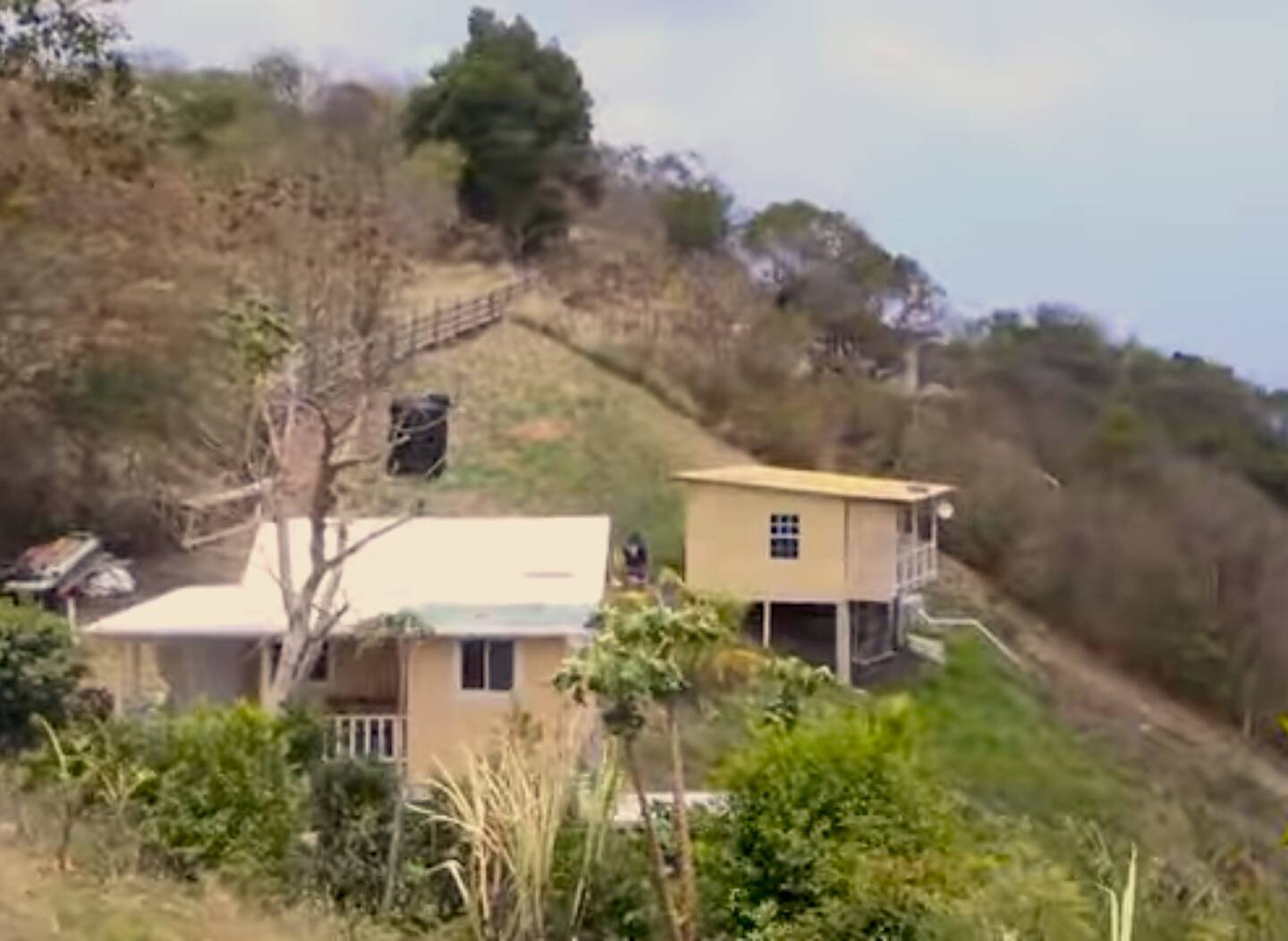
    Five resilient concrete homes now stand in Chantimelle, St. Patrick, representing a remarkable community-led recovery nearly two years after a devastating fire rendered 17 residents homeless in March 2024. The newly constructed residences, equipped with rooftop solar systems designed to eliminate electricity costs, were officially handed over to families on Sunday, marking a transformative milestone in their journey from displacement to secure housing.

    The reconstruction effort was spearheaded by the Chantimelle Fire Victims Relief Fund Committee (CHANTIVIC), chaired by Faith Phillip, which orchestrated an unprecedented mobilization of national and diaspora support. The committee successfully raised over EC$1 million in cash donations and secured an additional EC$77,000 worth of building materials through contributions from the Grenadian government, local financial institutions, private businesses, community members, and overseas Grenadians.

    Prime Minister Dickon Mitchell, presiding over the handover ceremony, emphasized the broader context of fire prevention in Grenada, where approximately 50 homes are lost to fires annually—many of which he noted are preventable. He urged recipients to maintain their new homes responsibly and challenged CHANTIVIC to evolve into a permanent community institution addressing future needs beyond the reconstruction project.

    The homes incorporate innovative sustainable technology through the government’s Solar for All initiative. Each property features a 3-kilowatt grid-tied solar system installed under the leadership of the Ministry of Climate Resilience, the Environment and Renewable Energy. Leslie Smith, Director of the Renewable Energy Division, confirmed these systems are engineered to dramatically reduce or completely eliminate electricity expenses for homeowners.

    Joseph Andall, Parliamentary Representative for the area who initiated CHANTIVIC’s formation, characterized the project as the culmination of extraordinary collective commitment spanning local and international Grenadian communities. For the five families receiving keys to their new homes, the ceremony represented both closure to a prolonged period of uncertainty and the beginning of a more secure, sustainable future.

  • Sandals Grenada’s Snuba team tops the charts

    Sandals Grenada’s Snuba team tops the charts

    GRENADA – SNUBA®, the innovative aquatic system bridging snorkeling and scuba diving, has emerged as the premier method for visitors to discover Grenada’s breathtaking marine ecosystems. This hybrid technology eliminates the need for cumbersome equipment and extensive training while enabling extended underwater exploration at shallow depths up to 20 feet.

    The system operates through a surface-connected air supply raft, allowing participants unrestricted movement to examine coral reefs, historic wrecks, and diverse marine life. Despite its technical simplicity, the psychological barrier of underwater breathing presents a significant challenge for novices – a hurdle overcome by expert guidance from professionals like Clevlon Charles.

    Charles, recognized as Sandals and Beaches Resorts’ top SNUBA® specialist for 2025, has transformed visitor experiences through his empathetic approach. His career trajectory exemplifies professional growth: beginning in housekeeping in 2015, transitioning to beach operations, and ultimately qualifying as a SNUBA® guide in 2023. Under his leadership, participation rates and revenue have consistently exceeded expectations.

    “The transformation begins in the pool where guests realize the accessibility of the system,” Charles explained. “Their subsequent transition to ocean exploration becomes natural, particularly when visiting Grenada’s legendary Underwater Sculpture Park.”

    The Moliniére Underwater Sculpture Park represents an ideal environment for SNUBA® exploration. Charles and colleague Troy John have successfully guided numerous apprehensive visitors from tentative pool sessions to confident marine adventures, creating memorable achievements for both participants and instructors.

    Curtis Bailey, Watersports Manager at Sandals Grenada, praised his team’s exceptional performance: “Our guides’ commitment to safety, enthusiasm, and professional excellence has fundamentally enhanced our aquatic offerings. Their ability to convert uncertainty into accomplishment demonstrates remarkable skill.”

    While SNUBA® doesn’t provide scuba certification, it serves as an introductory pathway to full diving qualifications. Many participants subsequently pursue complete certification programs, a progression that brings particular satisfaction to the instructional team.

    The professional development continues among staff members themselves, with both Charles and John advancing to become certified SCUBA instructors – ensuring continued excellence in Grenada’s underwater tourism sector.

  • Liberty Caribbean: Translate connectivity into prosperity

    Liberty Caribbean: Translate connectivity into prosperity

    At the forefront of Caribbean digital advancement, Liberty Caribbean—the parent company of Flow, Liberty Business, and BTC—has issued a powerful appeal to regional governments, regulators, and industry stakeholders. The telecommunications giant is pushing for a concerted effort to convert the region’s substantial connectivity investments into measurable economic prosperity and social development.

    During her keynote address at CANTO Connect 2026, CEO Inge Smidts presented a strategic framework for leveraging the Caribbean’s digital infrastructure to generate employment, enhance services, and foster scalable innovation. “With connectivity established as our foundational achievement, the critical question we now face is what we intend to build upon this foundation,” Smidts asserted, emphasizing the urgency of concerted action.

    The address, delivered under the conference theme ‘Elevate the Caribbean—From Connectivity to Global Competitiveness,’ outlined three interconnected priorities: grounding technological advancement in Caribbean cultural identity, developing intelligent people-centered networks, and accelerating the transformation of telecommunications providers into technology platforms that generate local opportunities.

    Smidts championed enhanced public-private collaboration models that extend beyond traditional financing to incorporate co-regulation initiatives, regulatory sandboxes, and shared governance structures. She articulated that alignment between governmental vision, industry capability, and academic scrutiny creates the necessary conditions for meaningful impact.

    Liberty Caribbean has committed to facilitating connections between investors and developers, aligning government programs with cloud infrastructure, and expanding apprenticeship pipelines to empower Caribbean entrepreneurs. The company’s JUMP inclusion program exemplifies this approach, combining subsidized access, devices, and entrepreneurial training to support households and microenterprises.

    Recognizing the Caribbean’s vulnerability to natural disasters, Smidts emphasized the life-saving importance of resilient network design. “In a region characterized by hurricane zones, active fault lines, and volcanic activity, connectivity becomes critical infrastructure during emergencies,” she noted, highlighting successful collaborations with satellite providers and governments to restore communications within hours rather than days.

    Specific developments in Trinidad and Tobago were cited as exemplary progress, including the Blueprint Revitalisation Plan, successful billion-dollar bond roadshows, and innovative digital initiatives such as the ANANSI digital assistant, partnerships with UNESCO and UNDP on AI assessment, and collaborative efforts with OpenAI to transform education and public services.

  • Afreximbank raises CARICOM financing cap to US$5 billion to accelerate regional transformation

    Afreximbank raises CARICOM financing cap to US$5 billion to accelerate regional transformation

    In a landmark announcement at the 50th CARICOM Heads of Government Conference in Basseterre, African Export-Import Bank (Afreximbank) Executive Vice President Dr. Denys Denya unveiled a substantial expansion of the bank’s Caribbean engagement strategy. The pan-African multilateral institution has elevated its regional financing commitment from $3 billion to $5 billion for implementation over the next three to four years, signaling a profound deepening of Africa-Caribbean economic cooperation.

    This enhanced financial framework builds upon existing disbursements exceeding $750 million across the region and an active pipeline surpassing $2 billion in currently executing transactions. Dr. Denya articulated the bank’s visionary objective to fundamentally transform economic structures through strategic investments in value-added processing of agricultural outputs and natural resources. The comprehensive strategy aims to retain significant economic value within regional economies, generate sustainable wealth creation, stimulate employment opportunities, and enhance livelihoods while producing positive spillover effects on government revenues and investment landscapes.

    The bank’s multidimensional intervention strategy encompasses healthcare facility development in Barbados, Guyana, and Grenada; tourism sector enhancement across Barbados, Grenada, Bahamas, and Antigua and Barbuda; agro-processing projects and logistics infrastructure in Barbados, Guyana, Antigua and Barbuda, and St. Kitts and Nevis; plus critical infrastructure development including power generation, distribution systems, road networks, conferencing facilities, and trade centers throughout Grenada, Jamaica, Bahamas, and Suriname.

    Additional strategic initiatives include specialized financing support for banking institutions in Suriname, St. Lucia, Grenada, and Dominica—featuring SME-focused lending facilities for regional development banks; local content promotion programs in resource-rich nations to maximize value retention through entrepreneurial empowerment; development of sea and air connectivity frameworks to enhance intra-Caribbean movement of goods, services, and investments; and expansion of the Creative Africa Nexus Programme to foster cultural and creative industry development through financing, capacity building, and trade facilitation between African and Caribbean creative sectors.

    Following high-level discussions with Eastern Caribbean Central Bank leadership, Afreximbank has committed to supporting implementation of regional development strategies targeting economic doubling within a decade. This collaboration will encompass investments in infrastructure development, power generation and distribution systems, agricultural production, and processing capabilities. The bank is already facilitating African corporate expansion into the region through partnerships with entities including Access Bank, Oando, and Arise Integrated Industrial Platforms, with the latter exploring special economic zone establishment in multiple Caribbean nations.

    Dr. Denya reaffirmed commitment to developing the Afreximbank African Trade Centre in Bridgetown, Barbados, to consolidate institutional presence while advancing establishment of the Caribbean Eximbank as a transformative investment vehicle. The bank welcomed CARICOM Central Bank Governors’ decision to proceed with the CARICOM Payment and Settlement System—modeled after Afreximbank’s pioneering PAPSS system launched in 2022—which will establish a low-cost, real-time cross-border payment system utilizing local currencies to dramatically enhance regional trade integration.

    The conference, conducted under the theme “Beyond Words: Action Today for a Thriving, Sustainable CARICOM” from February 24-27, featured addresses by regional leaders, Commonwealth Secretary-General Dr. Carla Barnett, and Saudi Arabian Minister of State for Foreign Affairs Mr. Adel al-Jubeir. St. Kitts and Nevis is scheduled to host the fifth Africa-Caribbean Trade and Investment Forum (ACTIF2026) in July 2026, featuring panel discussions, business matchmaking sessions, cultural showcases, and significant agreement signings.

  • African Export–Import Bank raises Caricom financing ceiling to US$5 billion

    African Export–Import Bank raises Caricom financing ceiling to US$5 billion

    The African Export-Import Bank (Afreximbank) has substantially elevated its financial commitment to the Caribbean Community (CARICOM), raising its financing ceiling from $3 billion to $5 billion. This strategic enhancement was unveiled during the 50th Regular Meeting of the Conference of Heads of Government of CARICOM in Basseterre, St. Kitts and Nevis, marking a significant step in fortifying economic collaboration between Africa and the Caribbean. The bank has set an ambitious target to fully deploy this augmented financial capacity within the next three to four years. This expanded initiative is founded upon a robust foundation of over $750 million already disbursed across the region and an active pipeline exceeding $2 billion in transactions currently being executed. The financing is strategically directed towards stimulating value-added production within pivotal sectors such as agriculture and natural resources. Concurrently, it will bolster critical infrastructure development, encompassing power generation and distribution networks, roadways, trade centers, and international conference facilities. A diverse portfolio of projects has been earmarked for development, including the establishment of healthcare facilities in Barbados, Guyana, and Grenada; targeted tourism investments in Barbados, Grenada, the Bahamas, and Antigua and Barbuda; and the development of agro-processing and logistics infrastructure across multiple CARICOM member states. Furthermore, Afreximbank is extending credit lines and specialized on-lending facilities tailored for small and medium-sized enterprises (SMEs) to financial institutions in Suriname, St. Lucia, Grenada, and Dominica. In a coordinated effort with the Eastern Caribbean Central Bank (ECCB), the institution has pledged support for a comprehensive regional development strategy. This strategy aims to double the size of the eastern Caribbean economy within a ten-year framework, with concentrated investments in infrastructure, agricultural modernization, and enhanced processing capabilities. Reinforcing its long-term presence, Afreximbank reaffirmed its plans to establish a permanent African Trade Centre in Bridgetown, Barbados. Work is also progressing on the creation of a dedicated Caribbean Eximbank, designed to mobilize long-term development finance for the region. The institution also expressed strong support for the ongoing development of the CARICOM Payment and Settlement System (CPSS), a mechanism inspired by the successful Pan-African Payment and Settlement System (PAPSS) launched in 2022 to facilitate seamless cross-border trade using local currencies. Headquartered in Cairo, Afreximbank is a premier pan-African multilateral financial institution with a three-decade-long history of financing and promoting both intra- and extra-African trade. It has been instrumental in driving industrialization and fostering regional economic integration, notably through its support for the implementation of the African Continental Free Trade Area (AfCFTA). As of December 2024, the bank reported formidable financial strength with total assets and contingencies surpassing $40.1 billion and shareholder funds standing at $7.2 billion. It maintains investment-grade credit ratings from leading agencies including GCR, Moody’s, China Chengxin International Credit Rating, and the Japan Credit Rating Agency. The Afreximbank Group encompasses the bank itself, the Fund for Export Development in Africa (FEDA) as its equity impact investment arm, and AfrexInsure, its insurance management subsidiary.

  • Grenada advances national biodiversity targets and financing solutions

    Grenada advances national biodiversity targets and financing solutions

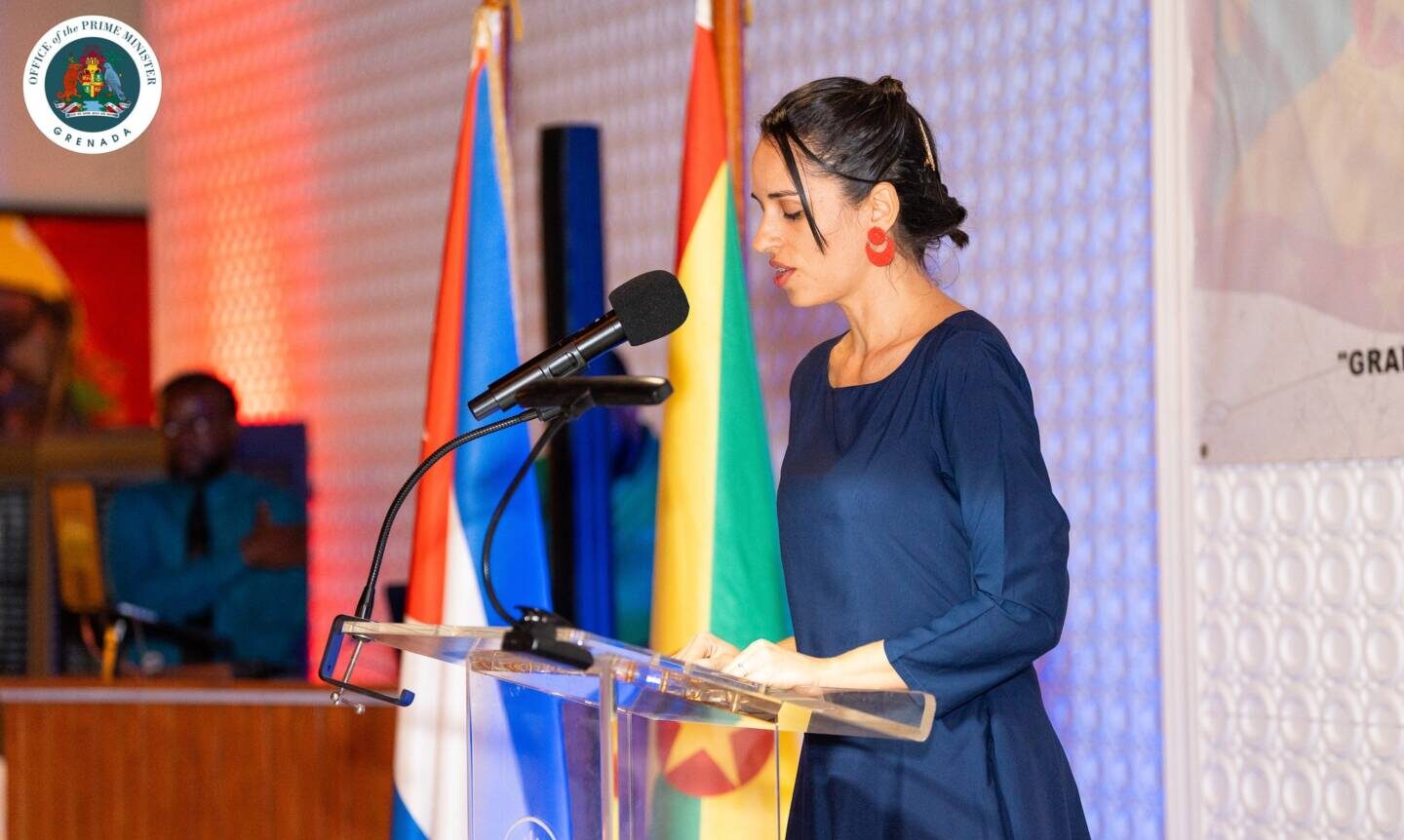
    Grenada has taken significant strides in advancing its environmental agenda through a comprehensive national workshop focused on biodiversity conservation. The Ministry of Climate Resilience, the Environment and Renewable Energy, in collaboration with the United Nations Development Programme (UNDP), hosted the pivotal gathering on February 25, 2026, at the Radisson Grenada Beach Resort.

    The workshop assembled a diverse coalition of stakeholders spanning government ministries, civil society organizations, statutory agencies, private sector representatives, and community groups from across Grenada’s regions, including Carriacou and St. George’s. This multidisciplinary participation underscored the nationwide commitment to addressing ecological challenges.

    Central to the discussions was the critical examination of Grenada’s draft national biodiversity targets and the development of sustainable financing mechanisms to support their implementation. The workshop forms an integral component of the GEF-funded Early Action Support Project, administered by UNDP through the Biodiversity Umbrella Programme for Grenada.

    Key thematic outcomes emphasized the necessity of national ownership and multi-stakeholder collaboration in fulfilling the country’s commitments under the Convention on Biological Diversity. Participants highlighted that legislative enforcement, conservation initiatives, and public awareness campaigns constitute fundamental pillars for achieving measurable progress by 2030.

    UNDP Multi-Country Coordinator Dr. Jenna Blackwood reaffirmed the organization’s continued support in revising Grenada’s National Biodiversity Strategy and Action Plan (NBSAP) while developing sustainable financing frameworks. Environmental Specialist Aria St Louis, representing the Permanent Secretary, characterized the consultation as igniting “a flame for bold action” to preserve Grenada’s natural and cultural heritage.

    Minister Kerryne James emphasized the importance of establishing scientifically-grounded, scalable targets, stating: “What we are developing here is a national action framework, a governance instrument, a financing roadmap, and ultimately a tool for accountability.” The Minister warned against policy inertia given the “accelerating climate and ecological risks” and commended efforts to address implementation mechanisms, including sustainable biodiversity financing.

    Technical discussions encompassed ecosystem restoration, invasive species management, protected area expansion, and community participation strategies. These were complemented by analyses of Grenada’s biodiversity financing landscape, identifying challenges in domestic resource mobilization and proposing innovative financial solutions.

    The workshop revealed persistent challenges including capacity constraints, data deficiencies, and limitations in current financing flows that must be addressed to ensure long-term implementation success. Participant feedback will inform the finalization of national biodiversity targets and ongoing assessments of sustainable financing options, contributing to an updated NBSAP aligned with Grenada’s Sustainable Development Plan 2035 and the Convention’s Global Biodiversity Framework vision of “living in harmony with nature.”