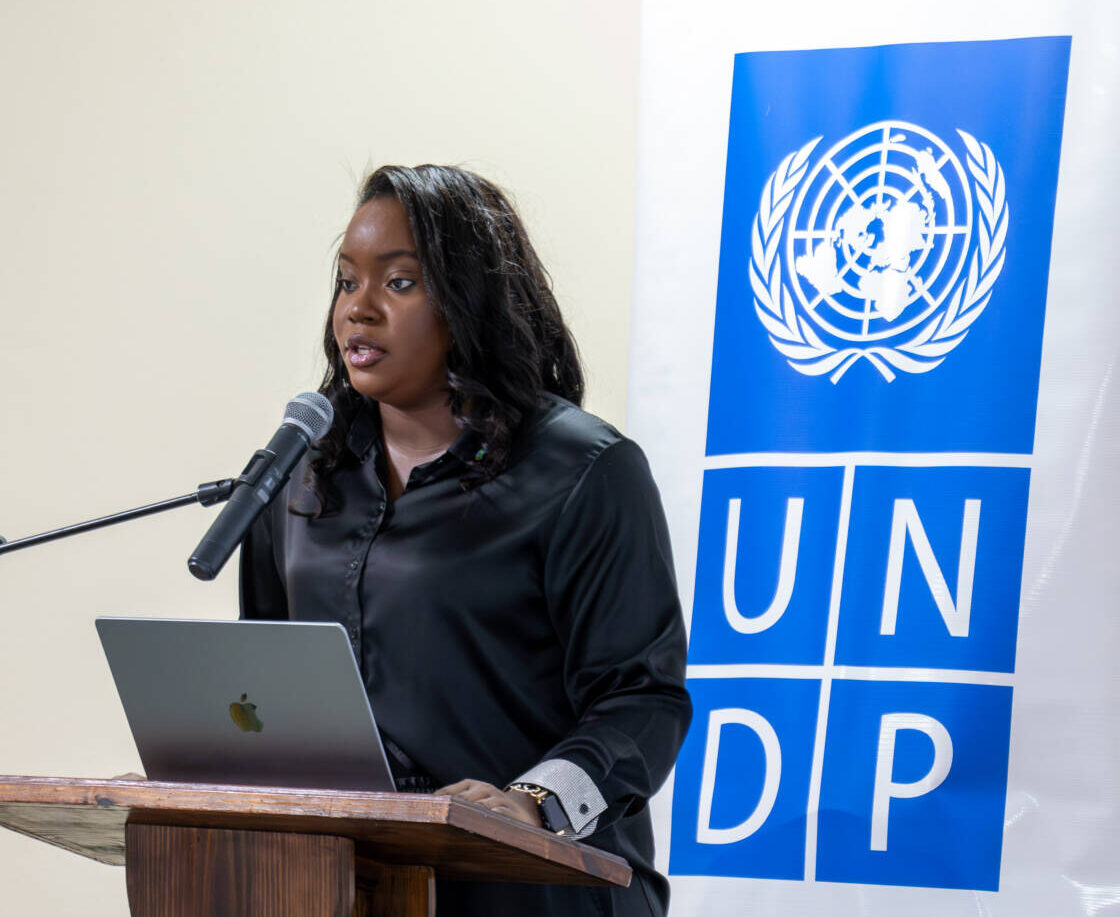
Grenada has taken significant strides in advancing its environmental agenda through a comprehensive national workshop focused on biodiversity conservation. The Ministry of Climate Resilience, the Environment and Renewable Energy, in collaboration with the United Nations Development Programme (UNDP), hosted the pivotal gathering on February 25, 2026, at the Radisson Grenada Beach Resort.
The workshop assembled a diverse coalition of stakeholders spanning government ministries, civil society organizations, statutory agencies, private sector representatives, and community groups from across Grenada’s regions, including Carriacou and St. George’s. This multidisciplinary participation underscored the nationwide commitment to addressing ecological challenges.
Central to the discussions was the critical examination of Grenada’s draft national biodiversity targets and the development of sustainable financing mechanisms to support their implementation. The workshop forms an integral component of the GEF-funded Early Action Support Project, administered by UNDP through the Biodiversity Umbrella Programme for Grenada.
Key thematic outcomes emphasized the necessity of national ownership and multi-stakeholder collaboration in fulfilling the country’s commitments under the Convention on Biological Diversity. Participants highlighted that legislative enforcement, conservation initiatives, and public awareness campaigns constitute fundamental pillars for achieving measurable progress by 2030.
UNDP Multi-Country Coordinator Dr. Jenna Blackwood reaffirmed the organization’s continued support in revising Grenada’s National Biodiversity Strategy and Action Plan (NBSAP) while developing sustainable financing frameworks. Environmental Specialist Aria St Louis, representing the Permanent Secretary, characterized the consultation as igniting “a flame for bold action” to preserve Grenada’s natural and cultural heritage.
Minister Kerryne James emphasized the importance of establishing scientifically-grounded, scalable targets, stating: “What we are developing here is a national action framework, a governance instrument, a financing roadmap, and ultimately a tool for accountability.” The Minister warned against policy inertia given the “accelerating climate and ecological risks” and commended efforts to address implementation mechanisms, including sustainable biodiversity financing.
Technical discussions encompassed ecosystem restoration, invasive species management, protected area expansion, and community participation strategies. These were complemented by analyses of Grenada’s biodiversity financing landscape, identifying challenges in domestic resource mobilization and proposing innovative financial solutions.
The workshop revealed persistent challenges including capacity constraints, data deficiencies, and limitations in current financing flows that must be addressed to ensure long-term implementation success. Participant feedback will inform the finalization of national biodiversity targets and ongoing assessments of sustainable financing options, contributing to an updated NBSAP aligned with Grenada’s Sustainable Development Plan 2035 and the Convention’s Global Biodiversity Framework vision of “living in harmony with nature.”