标签: Grenada

格林纳达

  • Close of 2025 Primary School Debate Competition

    Close of 2025 Primary School Debate Competition

    Grenada’s educational landscape witnessed an extraordinary display of youthful intellect as the 2025 IMA Grenada/SPYO Primary School Debate Competition concluded with resounding success. The landmark event, orchestrated through a strategic collaboration between St Patrick’s Youth Organisation and the Investment Migration Agency Grenada, culminated in a grand finale at the GBSS Auditorium on December 3, 2025.

    Nineteen primary institutions from four parishes—St Patrick, St John, St Andrew, and St David—engaged in multiple rigorous debate rounds spanning several weeks. The competition’s framework, built upon the visionary theme “Empowering the Future: Youth Leadership as the Key to Nation Building,” challenged participants to articulate sophisticated perspectives on sustainable development, youth governance, artificial intelligence, and national leadership.

    The championship round featured a compelling resolution: “Be it resolved that Grenada should focus primarily on strengthening its partnerships with African countries for cultural exchange and sustainable development.” After intense deliberation, St Patrick’s RC School claimed the championship title with 1,264 points, securing a $6,000 prize. St John’s Anglican School followed closely with 1,226 points, earning $4,000, while River Sallee Government School captured third place with a $3,000 award.

    Individual excellence shone through Xana Fraser of St Patrick’s RC School, who received the Best Debater honor for her exceptional clarity and persuasive delivery. Nathan Olive, from the same institution, garnered the Best Rebutter award for his analytical prowess and comprehensive understanding of complex issues.

    Rea Burke, Marketing and Communication Officer at IMA Grenada, emphasized the transformative nature of the initiative: “We are not just sponsoring an event, we are shaping futures, creating opportunities and nurturing a generation who will become the leaders, thinkers and innovators of tomorrow.”

    Karena Noel, Vice President of SPYO, praised participants’ courage and intellectual determination, noting that all competitors had already achieved remarkable accomplishments regardless of final rankings.

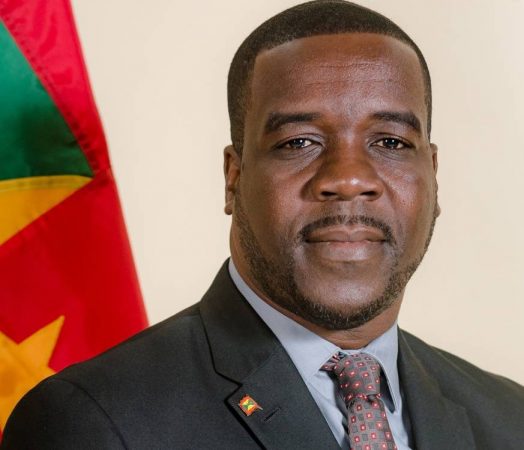
    The closing ceremony featured special remarks from Honourable Joseph Andall, Minister for Foreign Affairs, Trade & Export Development, who invoked Nelson Mandela’s wisdom: “You’re either a winner or a learner,” encouraging students to value participation above all.

    The event’s success was made possible through support from Rubis Caribbean, Grenada Cooperative Bank, Republic Bank Grenada Limited, Glenelg Spring Water, True Blue Bay Resort, and the National Lotteries Authority. Organizers extended gratitude to teachers, parents, coaches, adjudicators, and volunteers whose dedication proved instrumental in fostering academic excellence and leadership development across Grenada.
  • Official opening of Bonair Bridge: A symbol of progress for St Mark

    Official opening of Bonair Bridge: A symbol of progress for St Mark

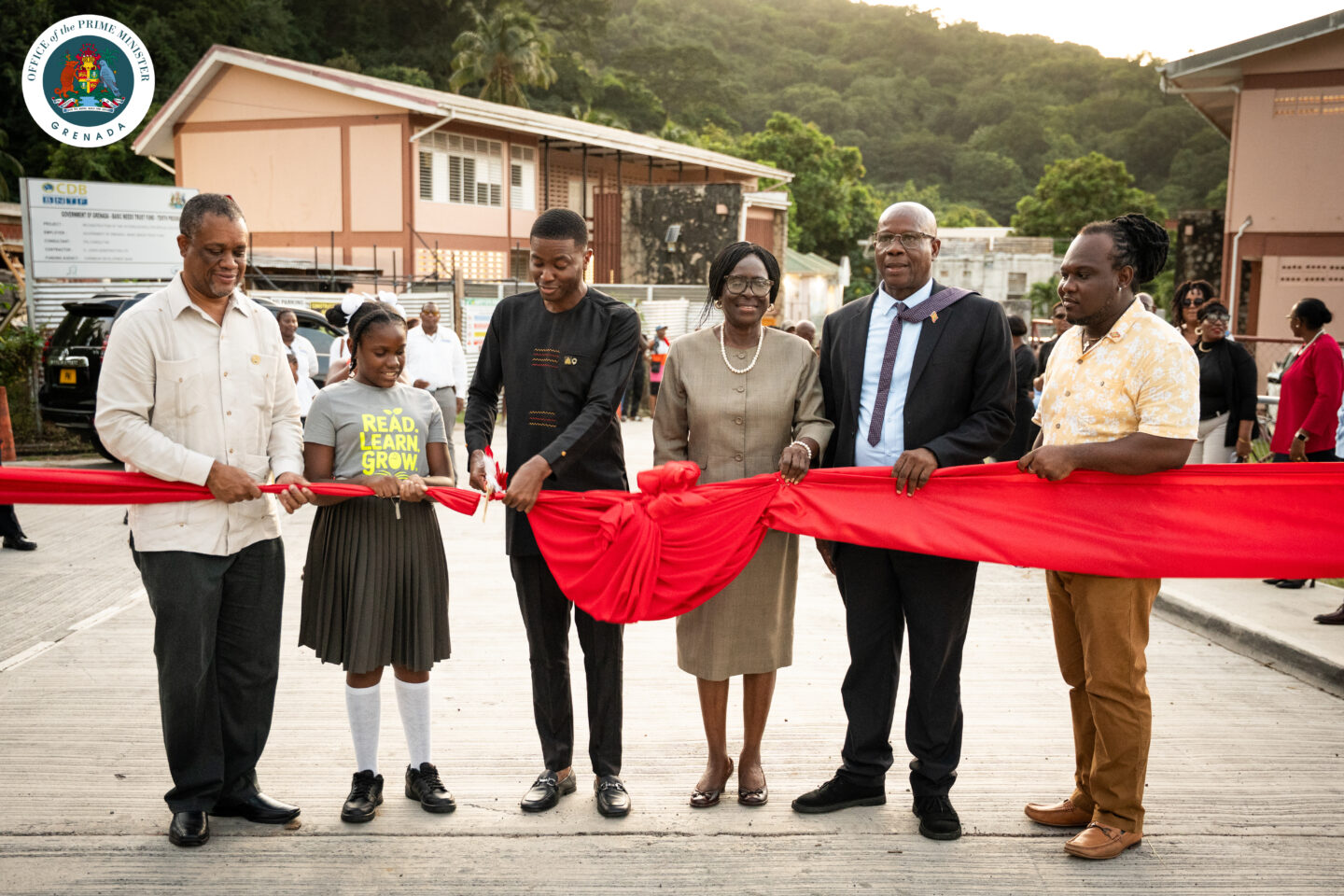
    Grenada has achieved a landmark infrastructure advancement with the official commissioning of the Bonair Bridge in St Mark parish, a project realized through strategic collaboration between the Government of Grenada and the Caribbean Development Bank (CDB). This initiative, executed under the Basic Needs Trust Fund (BNTF) Cycle X Programme, replaces an obsolete Bailey bridge with a modern, climate-resilient structure designed to withstand environmental challenges.

    The newly constructed bridge spans 16.2 meters in length and 8.4 meters in width, featuring reinforced concrete girder construction, dual sidewalks with handrails, comprehensive river training works, retaining walls, and gabion basket protection. These engineering enhancements significantly improve water flow capacity and flood mitigation capabilities, ensuring reliable community access during severe weather events.

    Despite design modifications that caused minor delays, the project demonstrated exceptional fiscal management. With an approved budget of EC$2.33 million, the actual expenditure totaled just EC$1.9 million, completing the project within budget while maintaining the highest engineering standards. The construction timeline extended from November 1, 2023, to May 31, 2025, encompassing 579 days of development.

    From inception, the project embraced community-centered design principles. Residents, business owners, and local leaders actively participated in consultations and design discussions, ensuring the infrastructure directly addresses local needs. The collaborative effort involved Gilbert & Partners Engineering Co. Ltd. as contractors, FDL Consult Inc. as consultants, and supervision by the Rural Development Unit within the Ministry of Economic Development, Planning and Cooperatives.

    The bridge delivers transformative benefits including reliable connectivity between Bonair, Victoria, Diamond Estate and neighboring communities, reduced transportation costs, enhanced climate resilience, improved agricultural transport efficiency, business growth opportunities, increased property values, and better access to essential services. While fully operational, minor finishing works including landscaping and signage will be completed in the coming weeks.

    O’Reilly Lewis, CDB’s Director of Projects, commended the partnership during the handover ceremony, highlighting the project as a model of sustainable development achieved through government-partner-community collaboration. The BNTF program, active since 1979, has impacted over 3 million people across the Caribbean region through community-led development initiatives funded by the Special Development Fund and beneficiary governments.

  • RDU–SAEP capacity building sessions with Concord farmers

    RDU–SAEP capacity building sessions with Concord farmers

    Seventeen agricultural producers from Concord, Black Bay, and neighboring communities joined nine specialists from the Rural Development Unit (RDU) and a Western District Supervisor from Grenada’s Ministry of Agriculture in a comprehensive Sustainable Land Management (SLM) training session on December 1, 2025. The capacity-building event was orchestrated by the RDU under the Climate Smart Agriculture and Rural Enterprise Programme (SAEP).

    This instructional gathering constitutes an integral component of the Capacity-Building Initiative within the Southern St George Water Supply Expansion Project (SSGWSEP), financially supported by the United Kingdom Caribbean Infrastructure Fund (UKCIF) through the Caribbean Development Bank (CDB).

    Aden Forteau, a distinguished Sustainable Land Management Specialist, facilitated the training by demonstrating crucial SLM methodologies encompassing natural resource protection, conservation, sustainable utilization, and rehabilitation of deteriorated zones. Participants received hands-on instruction regarding optimal soil and water preservation techniques, including reduced tillage approaches and rainwater collection systems. A particularly engaging segment involved constructing A-frames from basic materials like timber and twine—an essential tool for identifying contour lines that facilitate effective farming, drainage, and terracing operations to minimize slope erosion.

    The workshop emphasized practical implementation through live demonstrations, showing farmers how to incorporate these climate-adaptive strategies into their existing agricultural frameworks to enhance productivity while strengthening environmental durability.

    Kenly Edwards, Climate-Smart Agriculture Coordinator at the RDU, characterized this initiative as part of continuing endeavors to fortify community resilience and advance sustainable farming development throughout Grenada. Edwards confirmed that subsequent training sessions will proceed under the UKCIF-backed project to encourage responsible land management and climate-resistant agricultural methodologies.

    Dr. Stephen Fletcher, Director of the Rural Development Unit, observed that the RDU-SAEP’s inclusion as an executing partner for this project dimension demonstrates the escalating confidence that Nawasa (National Water and Sewerage Authority) maintains in the Unit and its personnel.

  • Grenada highlights efforts to attain land degradation neutrality

    Grenada highlights efforts to attain land degradation neutrality

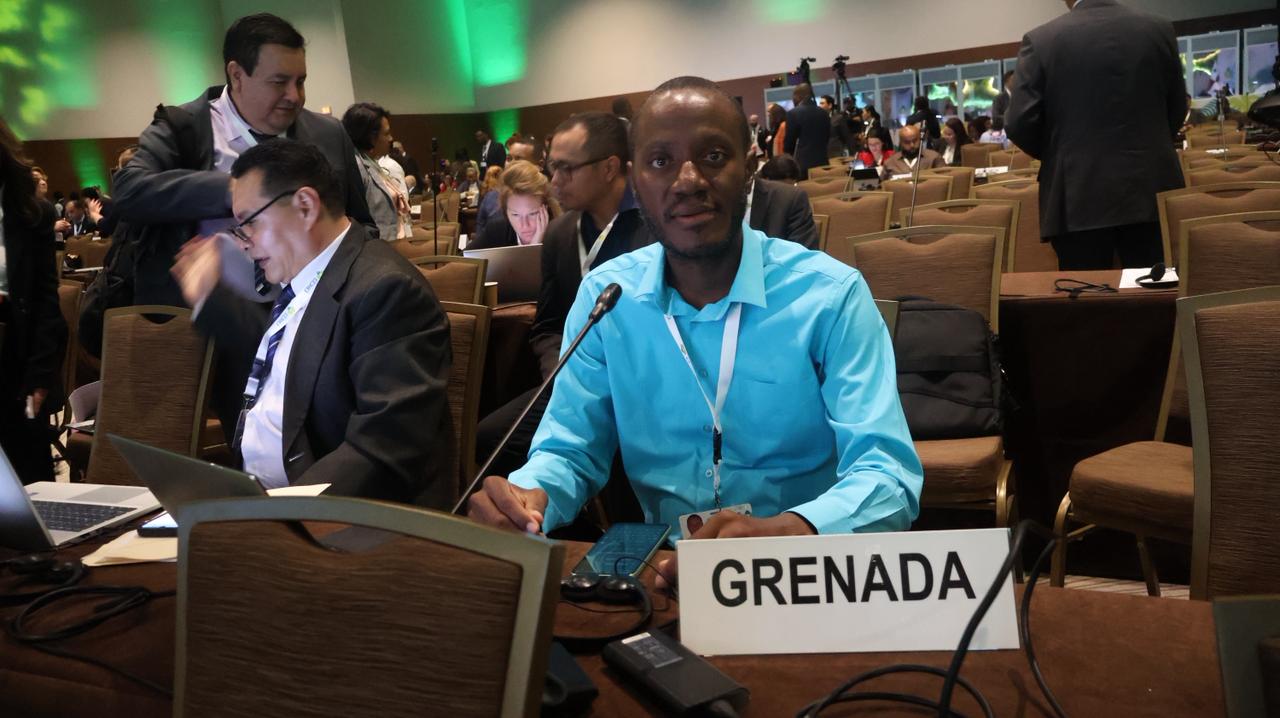
    Grenada’s innovative approach to combating land degradation has drawn international attention at the 23rd session of the Committee for the Review of the Implementation of the Convention (CRIC 23) of the United Nations Convention to Combat Desertification (UNCCD), currently underway in Panama.

    Joseph Noel, Grenada’s National Focal Point to the UNCCD, presented the nation’s comprehensive strategy addressing the dual challenges of developmental pressures and climate change impacts. “Pressures on land for agriculture, housing, infrastructure and tourism development continue to intensify alongside the devastating impacts of climate change and climate variability,” Noel stated during his address to the international assembly.

    The island nation has implemented three strategic initiatives through its Ministry of Agriculture, Lands and Forestry with partner support. These include the Caricom 25 by 25+5 Initiative, Caribbean SOILCARE Phases I & II funded by the Global Environment Facility (GEF), and the Caribbean Soil Information System (CARSIS). These programs are executed through the Partnership Initiative for Sustainable Land Management (PISLM) in collaboration with the Food and Agriculture Organization (FAO).

    Despite challenges including limited data availability and technical capacity constraints common to small island developing states, Grenada remains committed to its reporting obligations through the Performance Review and Assessment of Information System (PRAIS). Noel specifically acknowledged the support from organizations like PISLM and Apacheta, which have provided access to SIDS-specific, high-resolution datasets crucial for effective land management.

    Grenada continues to strengthen its national land governance systems while reinforcing international partnerships as it progresses toward its target of achieving Land Degradation Neutrality.

  • Cox: 2026 Budget not forward-looking financial plan

    Cox: 2026 Budget not forward-looking financial plan

    Grenada’s Upper House witnessed a contentious debate on December 10th regarding the 2026 Estimates of Revenue and Expenditure, revealing starkly contrasting perspectives on the nation’s economic direction. Opposition Leader Norland Cox delivered a scathing critique, characterizing the budget document as lacking vision and merely recycling unfulfilled promises rather than presenting a forward-looking financial strategy.

    Cox, a former Infrastructure Minister, asserted that Grenada is experiencing “disaster-driven reconstruction spending” financed through short-term passport sales and long-term borrowing rather than genuine economic transformation. He challenged the government’s growth narrative, arguing that post-Hurricane Beryl reconstruction—which caused damage equivalent to 16.7% of GDP—drives temporary recovery rather than sustainable development. “This growth is not due to structural productivity gains. Grenada is growing only because it first fell,” Cox emphasized during his Senate address.

    The opposition leader highlighted concerning declines in agricultural output, with nutmeg production falling 51%, mace by 33%, and cocoa by 9% despite hurricane recovery efforts. He pointed to systemic challenges facing farmers, including labor shortages, high costs, and inadequate technical support, arguing that resilience alone cannot substitute for comprehensive agricultural policy.

    Contrasting this assessment, Government Business Leader Adrian Thomas defended the budget, presented under the theme “Towards Vision 75: Powering Progress Through People’s Participation and Innovation.” Thomas described the financial plan as reflective of Grenada’s collective dream, envisioning shared prosperity through people-centered development, innovation, and equity.

    The budget, initially presented to the Lower House on December 1st, has become a focal point for broader discussions about economic sustainability and transparency. Cox accused the government of obscuring the struggles of key sectors while celebrating limited growth, warning that confusing temporary rebuilding with genuine economic strength risks misleading both leadership and citizens.

    The Senate debate underscores deepening political divisions regarding economic strategy as Grenada continues its recovery from natural disasters while seeking to establish sustainable development pathways beyond crisis-response financing.

  • GFNC’s Christmas Singing Contest deadline extended

    GFNC’s Christmas Singing Contest deadline extended

    The Grenada Food & Nutrition Council (GFNC) has launched an innovative holiday initiative that merges musical creativity with public health awareness. Their ’12 Days of Christmas Singing Contest’ now features an extended submission deadline until December 12th, allowing broader participation across local and diaspora communities.

    This unique competition invites workplace teams, youth organizations, family units, and friend groups to reinterpret a specially remixed version of the classic Christmas carol. Participants are encouraged to incorporate creative elements including choreography, costumes, props, and harmonic arrangements while performing lyrics available on the GFNC Facebook platform.

    Submission protocols emphasize accessibility: contestants may record performances using mobile devices and submit entries via WhatsApp (473-415-2126) or email ([email protected]). The selection process transitions to public voting from December 15-18, where Facebook likes and reactions will determine winning entries. Finalists will be announced on December 18, 2025.

    The initiative serves dual purposes: fostering seasonal camaraderie through collaborative performance while subtly promoting nutritional awareness and healthy lifestyle choices. GFNC emphasizes this blend of entertainment and education as part of their broader mission to strengthen food security and nutrition literacy across Grenadian society.

    Additional resources including nutritional counseling services (473-440-2126) and organizational information remain available through GFNC’s digital platforms, maintaining the council’s ongoing commitment to public health education alongside seasonal celebration.

  • Grenada opens honorary consulate in Guyana

    Grenada opens honorary consulate in Guyana

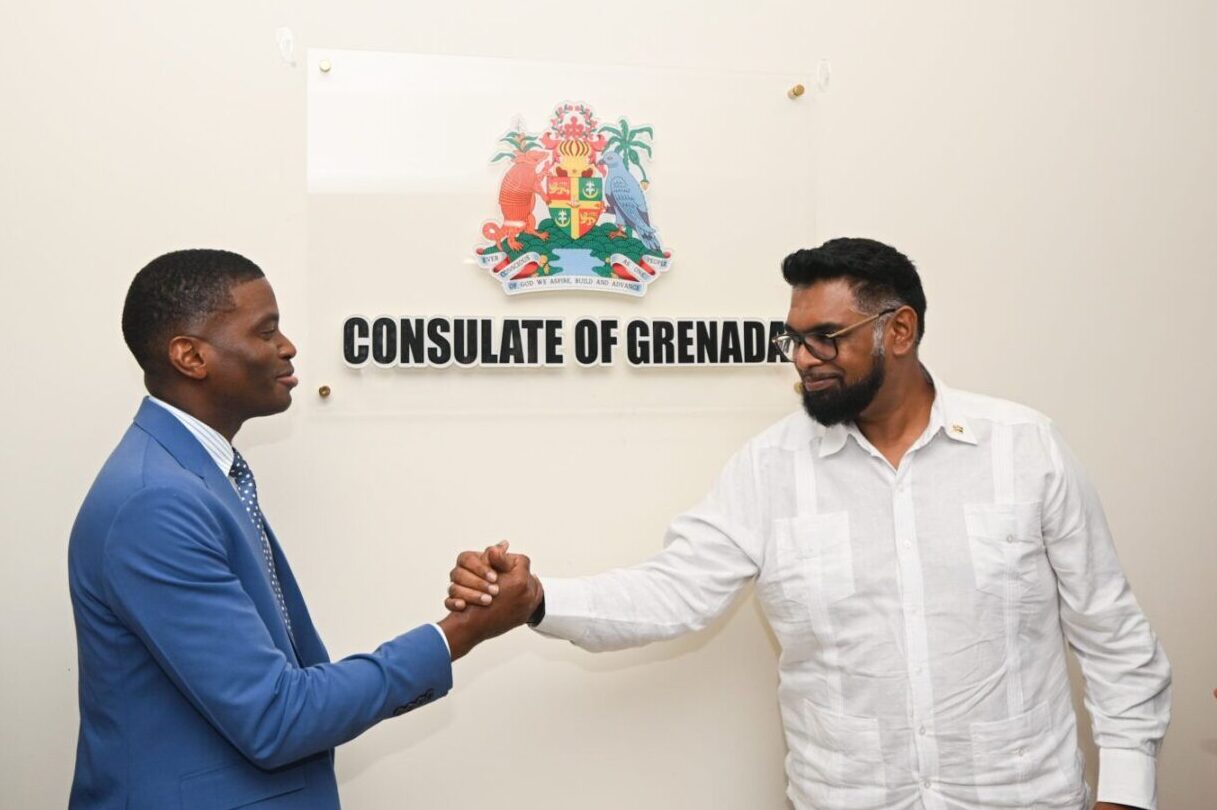
    In a significant move to bolster regional cooperation, Grenada has officially inaugurated an honorary consulate in Georgetown, Guyana, marking a new chapter in bilateral relations between the two Caribbean Community (Caricom) nations. The ceremony, held on Monday evening, was attended by high-level officials including Grenadian Prime Minister Dickon Mitchell and Foreign Minister Joseph Andall, alongside Guyanese President Irfaan Ali.

    President Ali articulated a visionary proposal for integrated tourism offerings, combining Grenada’s renowned ‘Spice Isle’ attractions—featuring beaches, yachting, and cultural charm—with Guyana’s world-class eco-tourism assets of rainforests, waterfalls, and wildlife. This synergy aims to create multi-destination packages, enhancing regional competitiveness while requiring improved air connectivity to realize its full potential.

    Prime Minister Mitchell emphasized the strategic importance of investing in regional partnerships, acknowledging Guyana’s ‘rock hard’ support during Grenada’s recovery from Hurricane Beryl in 2024. He critiqued the conventional practice of establishing distant diplomatic missions with nations lacking shared interests, affirming that this consulate represents a ‘deliberate step’ to strengthen political, economic, and diplomatic ties within the Caribbean backyard.

    The consulate will be headed by Komal Singh, a prominent Guyanese businessman and former Private Sector Commission chairman, who has been appointed as Honorary Consul. Singh pledged to function as a bridge for business, investment, education, and cultural exchange, stimulating Grenadian engagement with opportunities in Guyana.

    Beyond tourism, both leaders highlighted advanced discussions on regional food security, with plans to formalize an elaborate bilateral agreement by early next year. Guyana aims to become a reliable supplier of quality food at consistent prices, while also proposing joint investment in modernizing Grenada’s spice industry through enhanced processing and packaging capabilities.

    Foreign Minister Andall expressed optimism that the consulate would catalyze extended trade relations not only between Guyana and Grenada but across the entire Caricom bloc, signaling a collective stride toward economic resilience and regional integration.

  • 1,166 new citizens under the CBI from January to September

    1,166 new citizens under the CBI from January to September

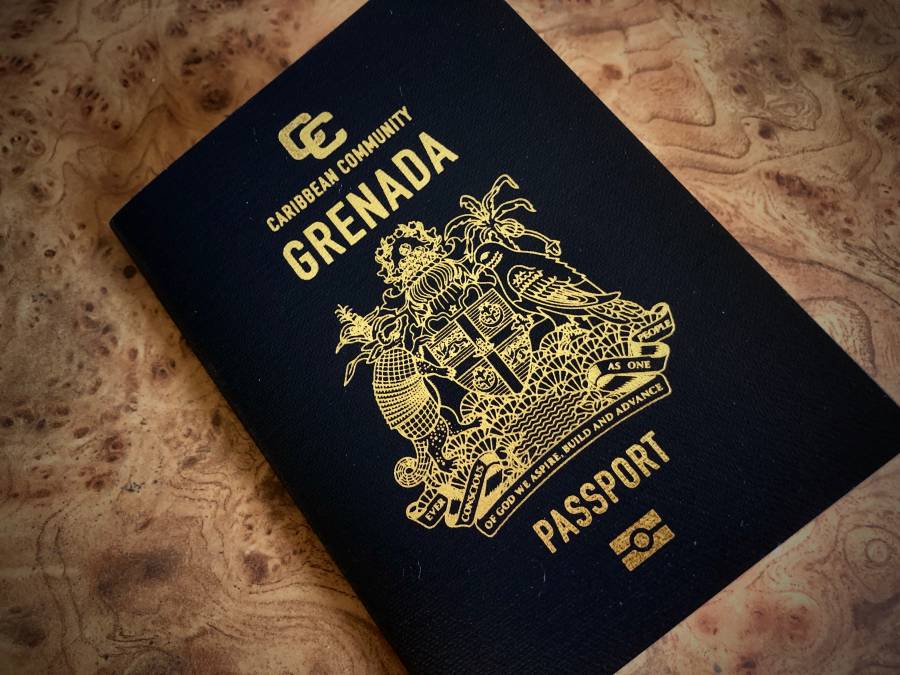
    Grenada’s Investment Migration Agency (IMA), formerly known as the Citizenship by Investment Unit, has released comprehensive statistics revealing significant developments in the nation’s citizenship program during the third quarter of 2025. According to the latest data, citizens from 55 different countries received approval for Grenadian citizenship through the Investment Migration Program between July and September 2025.

    The approval distribution shows a notable concentration from six key jurisdictions: Nigeria (15%), China (13%), Iraq, the United States, Pakistan, and Egypt. Collectively, these nations accounted for 51% of the 135 new citizens approved during the quarter. The total number of approvals for the first three quarters of 2025 reached 1,166 individuals, maintaining the program’s steady growth trajectory since its inception in 2014, during which over 20,000 people have obtained Grenadian citizenship.

    A significant operational pause occurred in August 2025 when no approvals were processed due to the Cabinet of Ministers’ recess period, during which no official meetings were conducted. This temporary suspension highlights the program’s structured governance framework requiring ministerial oversight.

    Finance Minister Dennis Cornwall, presenting the 2026 budget statement to Parliament on December 1, emphasized the program’s evolving significance. “The Citizenship By-Investment Programme has become a substantial contributor to government revenues, tourism development, and job creation,” Cornwall stated. “Our Program continues to rank among the most reputable globally, featuring deeply entrenched, robust due diligence processes developed over its 11-year history.”

    The government announced forthcoming regulatory amendments designed to stimulate local participation. In the coming weeks, Grenada will implement revised regulations reducing fees by 70% for local developers initiating new projects within priority economic sectors under the CBI Program. This strategic move responds to advocacy from local business communities seeking enhanced involvement in the investment migration ecosystem.

    Financially, the program has exceeded expectations, with 2025 revenues surpassing the projected EC$165.9 million forecast in the annual budget. Looking ahead to 2026, the Ministry of Finance has projected IMA revenues to reach EC$173,973,807, indicating continued confidence in the program’s sustainable growth and economic contribution.

  • Trump’s drug war hypocrisy and the Caribbean Lesson

    Trump’s drug war hypocrisy and the Caribbean Lesson

    The recent presidential pardon granted by Donald Trump to former Honduran leader Juan Orlando Hernández has laid bare the profound contradictions embedded within Washington’s foreign policy apparatus. Hernández, who faced extradition in 2022 and subsequent conviction in American courts for facilitating the smuggling of over 400 tons of cocaine into the United States, has now been absolved of all charges through executive clemency.

    This judicial reversal underscores how America’s decades-long ‘war on drugs’ has functioned primarily as an instrument of geopolitical convenience rather than a consistent moral campaign. Evidence presented during Hernández’s trial detailed extensive bribery schemes, state-level complicity, and narco-political operations at the highest echelons of Honduran governance—prompting federal prosecutors to formally designate his administration a ‘narco-state.’

    The pardon emerges against a backdrop of strategic utility. Honduras maintained its value to successive U.S. administrations by hosting American military assets and supporting Washington’s aggressive stance toward Venezuela and Central American affairs. Trump’s intervention consequently appears less motivated by judicial mercy than by preserving political influence, demonstrating how rhetoric surrounding ‘rule of law’ readily dissipates when strategic alliances hang in the balance.

    Simultaneously, the Trump administration intensified allegations against Venezuela, accusing President Nicolás Maduro and even artisanal fishermen of narcotics trafficking—despite consistent reporting from the DEA and UN indicating that cocaine primarily transits through Honduras, Guatemala, and Mexico.

    This dichotomy reveals the underlying mechanics of U.S. drug policy: compliant allies receive forgiveness while adversarial nations face relentless scrutiny. For Caribbean communities bearing witness to decades of anti-narcotics operations, this pattern resonates with painful familiarity. Regional institutions now face renewed imperatives to develop independent narcotics policies grounded in transparency rather than dependency.

    The pardon further jeopardizes the integrity of America’s judicial institutions, suggesting that legal accountability remains subject to political whimsy. It ultimately confirms that the war on drugs has generated military contracts and diplomatic leverage while failing to meaningfully reduce consumption, trafficking, or violence. What began as a moral crusade has devolved into a naked struggle for control—with the Hernández case serving as its most revealing epitaph.

  • Interrogating political masculinity

    Interrogating political masculinity

    The pervasive influence of patriarchal structures continues to define political landscapes worldwide, creating significant barriers to gender equality in governance. Political masculinity—the entrenched system where masculine norms, values, and identities dominate political discourse and leadership paradigms—remains a critical yet under-examined aspect of modern politics.

    Globally, women’s participation in representational politics demonstrates a fragmented pattern despite their fundamental role as the backbone of political organizations. Female politicians carry the additional burden of balancing familial responsibilities with their careers, unlike their male counterparts who historically benefit from gender stereotypes that permit absence from domestic duties. This disparity highlights how traditional gender roles continue to disadvantage women in political spheres.

    The recent global surge in right-wing populism and nationalism has further complicated gender dynamics in politics. These movements typically embrace misogynistic and sexist ideologies that directly contradict feminist principles and gender equality initiatives. Notably, governments adhering to populist frameworks often disregard United Nations Sustainable Development Goals (SDGs), instead prioritizing the restructuring of societies around traditional gender roles. This regression normalizes gender-based violence and systematically marginalizes women’s visibility in public life.

    Even when women break through the proverbial glass ceiling, they frequently receive masculine descriptors such as ‘iron lady’—a phenomenon observed with former leaders including Margaret Thatcher (UK), Indira Gandhi (India), and Eugenia Charles (Dominica). Caribbean leaders like Portia Simpson-Miller (Jamaica), Mia Mottley (Barbados), and Kamla Persad-Bissessar (Trinidad and Tobago) have navigated similar patriarchal challenges within their political cultures, where sexist paradigms often remain unchallenged.

    The cult-like personalities surrounding populist leaders accelerate the masculinization of politics, frequently manifesting as authoritarian leadership styles that violate human rights principles. While strong leadership can coexist with human rights adherence, the traditional form of political masculinity—often labeled ‘toxic’—promotes negative outcomes through its emphasis on aggression, emotional suppression, and dominance. This authoritarian model concentrates decision-making power exclusively with the leader, demanding unconditional obedience while reinforcing gendered inequalities and suppressing diverse perspectives.

    Despite its documented drawbacks, political masculinity maintains global resilience, adapting to cultural shifts rather than disappearing. In many regions, leadership remains synonymous with traditionally masculine traits like toughness and dominance, celebrated as necessary for ‘strong’ governance. The upcoming 2024 US Presidential Elections will inevitably reflect these dynamics, echoing Michelle Obama’s recent observation about societal readiness for female leadership.

    The militarization of policy approaches through masculine frameworks consistently drowns out alternative solutions proposed by women and marginalized groups. Moving forward, the international community must embrace political harmony—a state of cooperative governance characterized by minimal conflict, mutual respect, and effective dialogue that prioritizes collective progress over divisive power struggles.