标签: Grenada

格林纳达

  • USA pauses immigrant visa processing worldwide

    USA pauses immigrant visa processing worldwide

    A temporary hold on worldwide immigrant visa processing from the U.S. State Department is reshaping application timelines for prospective permanent migrants, including those from Caribbean nations like Grenada, just weeks after a federal judge struck down a controversial Trump-administration policy that barred immigrant visa issuance for citizens of 75 countries.

    The State Department confirmed it rolled out a global training program for consular staff in early August, focused on updated protocols for the so-called “public charge” assessment that determines whether visa applicants are likely to rely on public assistance after entering the U.S. To free up staff time for mandatory training, routine immigrant visa interview appointments have been rescheduled across all U.S. embassies and consulates, with the pause expected to last through mid-September. Temporary non-immigrant visas, such as those for tourism or business travel, remain unaffected by this adjustment.

    U.S. immigration law already requires consular officers to weigh multiple factors when evaluating public charge status, including an applicant’s age, health, family composition, financial assets, education, and professional skills. The Associated Press, quoting an anonymous State Department official not authorized to speak on the record, confirmed that all applicants with pre-scheduled interviews have already received notifications of their rescheduled dates.

    This administrative shift comes on the heels of a major court ruling handed down on August 21. U.S. District Judge Jeannette A. Vargas, of the Southern District of New York, vacated the Trump administration’s 2020s policy that suspended immigrant visa issuance for nationals of 75 countries, among them Grenada. In her ruling, Judge Vargas found the policy exceeded the statutory authority granted to the Secretary of State and violated existing U.S. immigration law, noting it wrongfully required consular officers to reject otherwise qualified applicants solely based on their country of origin.

    The overturned policy was part of a broader push by the first Trump administration to tighten U.S. immigration rules and expand entry screening. Several of the administration’s geographically targeted entry restrictions faced legal challenges, with the U.S. Supreme Court ultimately upholding one prominent travel restriction order in the 2018 *Trump v. Hawaii* ruling.

    For prospective immigrant visa applicants in Grenada and other Caribbean nations, the immediate impact is limited to delayed interview timelines during the training period. The current global training pause is not a new nationality-based ban, unlike the policy recently struck down by the court, and applies uniformly to all immigrant visa applicants regardless of their country of origin.

  • IMA Grenada celebrates students at back-to-school trivia prizegiving

    IMA Grenada celebrates students at back-to-school trivia prizegiving

    The Investment Migration Agency (IMA) of Grenada has recently concluded its third annual Back-to-School Trivia competition, culminating in a celebratory prizegiving ceremony that recognized eight standout student participants spanning from primary school to higher education. This community-focused initiative, which operated throughout the summer months of July and August, was crafted to combine engagement, learning, and practical support for local families gearing up for the new academic term.

    Unlike typical summer leisure activities, the trivia competition challenged participants to test their knowledge across four key domains: Grenada’s local history, national cultural heritage, ongoing national development projects, and the strategic public-facing programs run by IMA Grenada. From its launch, the initiative has been anchored in the agency’s long-standing commitment to advancing youth development, strengthening educational outcomes, and driving positive impact across Grenadian communities.

    This year’s awardees walked away with tangible, practical rewards to support their academic journeys. Each of the eight winners received a EC$500 gift voucher that can be redeemed at local retailers for essential back-to-school supplies, covering everything from notebooks and writing tools to textbooks and uniforms. One exceptional participant also took home the competition’s grand prize: a brand-new Samsung tablet, a tool designed to enhance remote research, facilitate digital assignment completion, and extend learning opportunities beyond the traditional classroom walls.

    Karline Purcell, Deputy Chief Executive Officer of IMA Grenada, highlighted the core mission behind the annual initiative in her remarks at the ceremony. “The concept behind this project is simple but carries deep meaning,” Purcell explained. “We wanted to give students a productive, engaging activity to fill their summer break that was both educational and rewarding. By encouraging young people to dive into research, practice critical thinking, and deepen their understanding of Grenada’s unique history, culture and ongoing development, we are helping foster lifelong curiosity, build personal confidence, and nurture a strong sense of national awareness.”

    Purcell also emphasized that the gift voucher prizes address a very real financial burden many local families face ahead of each school year. “By providing these vouchers, we are able to offer support that is both timely and directly useful to households across the country,” she added.

    The Back-to-School Trivia initiative aligns with IMA Grenada’s core organizational belief: that strategic investment in the country’s young generation is equivalent to investing in a stronger, more prosperous future for Grenada as a whole. Following the ceremony, agency representatives extended warm congratulations to all eight award winners, and offered sincere gratitude to parents, guardians, and every participating student who took part in this year’s competition.

    Disclaimer: This content was contributed by IMA Grenada, and NOW Grenada does not take responsibility for the opinions, statements, or media shared by third-party contributors. Users may report any content that violates community guidelines through the official reporting channel on the platform.

  • Final Call: EPIC’s Love the Caribbean Photo Contest

    Final Call: EPIC’s Love the Caribbean Photo Contest

    Photography enthusiasts and Caribbean lovers across the globe have just seven more days to submit their work to the second annual Seas & Scenes: Love the Caribbean Photo Contest 2026, hosted by non-profit environmental organization EPIC in collaboration with regional publication Caribbean Compass. More than a simple photography competition, this event is designed to honor the multifaceted character of the Caribbean: its breathtaking natural landscapes, diverse wildlife, vibrant local communities, and centuries-old sailing traditions that define life across the region.

    This completely free-to-enter competition will close its entry portal at the end of 31 August 2026, offering participants 12 distinct opportunities to take home a share of over $3,000 USD in total prizes. Awards for first, second, and third place are offered across four core competition categories: Caribbean Life & Nature, which captures everyday moments and native ecosystems; Sailing, Yachting & Life on the Water, which celebrates the region’s deep maritime heritage; Environmental Impact & Stewardship, which spotlights efforts to protect Caribbean ecosystems; and the popular Audience Choice award, which lets the public vote for their favorite entries up to five times per day.

    As the contest enters its final week, organizers have already confirmed that more than 300 original photographs have been submitted from 26 different Caribbean nations and territories – a figure that already exceeds the total entry count and geographic representation from the inaugural 2025 contest. Winners for the three jury-judged categories will be selected by a diverse panel of regional experts, whose backgrounds span professional photography, marine conservation, sailing, regional journalism, and Caribbean cultural studies, ensuring a fair and context-aware evaluation process.

    Tabitha Stadler, Executive Director of EPIC, shared her perspective on the value of this year’s submissions. “This year’s photos and stories show the care, connection, and resilience that bind people to one another and to the places they love. That is what makes these images so powerful and these places so worth protecting,” Stadler said.

    The 2026 competition is backed by headline sponsors DSL Yachting and IGY Marinas St Maarten, with additional prize donations from a network of local businesses and regional partner organizations that all share EPIC’s core mission of celebrating and preserving Caribbean natural and cultural heritage. To submit photographs, vote in the Audience Choice category, or review full contest rules, visit the official competition page at epicislands.org/photo-contest-2026/.

    This story was published via NOW Grenada, which notes that it is not responsible for individual contributor opinions, statements, or shared third-party content. Users can report abusive content through the platform’s official reporting channel.

  • ECCB Generative AI and Python Summer Camp

    ECCB Generative AI and Python Summer Camp

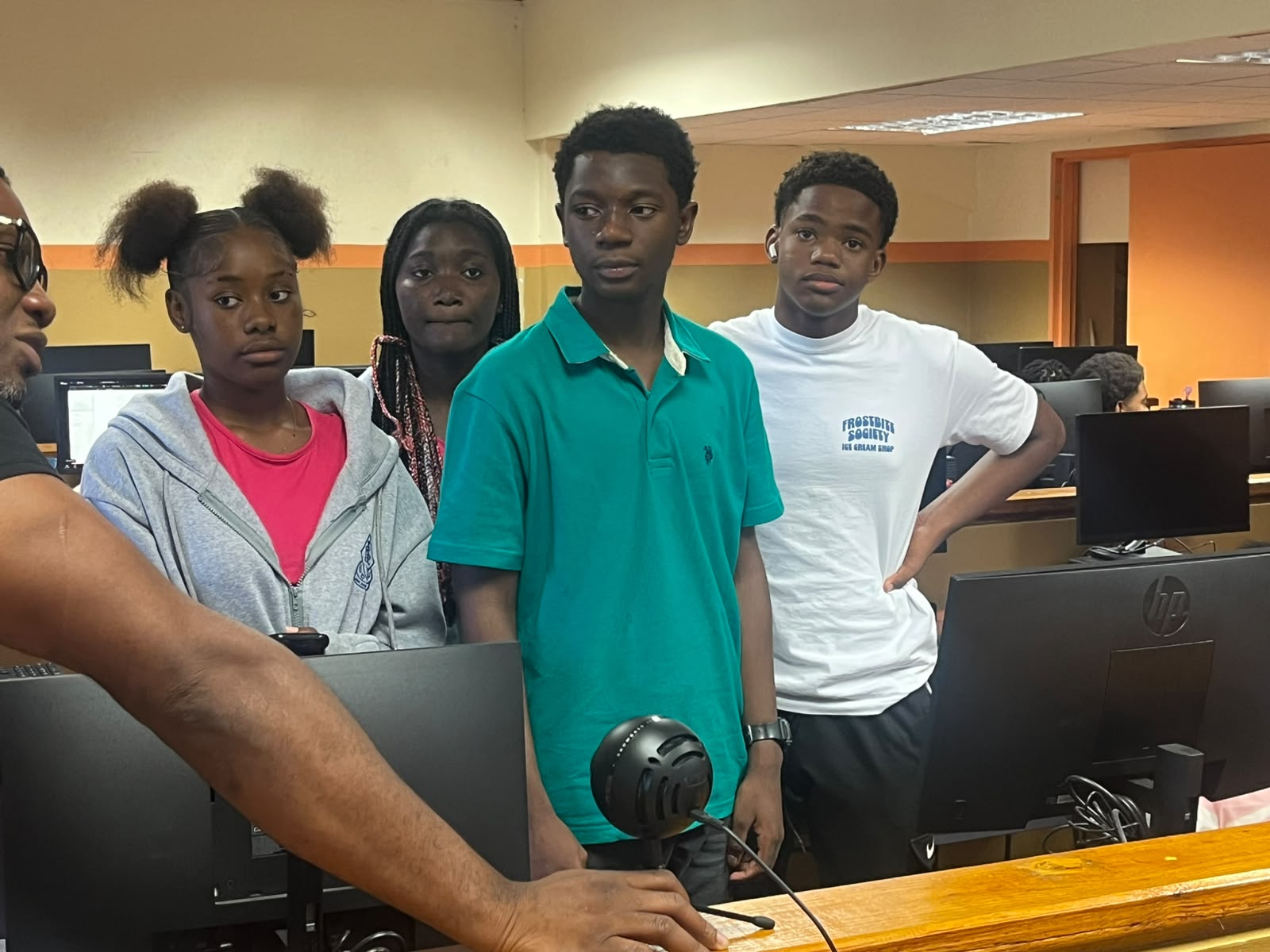
    Against a backdrop of rapid global digital transformation, regional economic bodies are stepping up efforts to equip young workforces with future-ready technical skills. The Eastern Caribbean Central Bank (ECCB), backed by funding from the Taiwan International Cooperation and Development Fund, has launched the third iteration of its Generative AI and Python Summer Camp, a groundbreaking initiative designed to ready young people across the Eastern Caribbean Currency Union (ECCU) for the competitive demands of the modern digital economy.

    Unlike previous editions that centered on simulated learning projects, the 2026 camp introduces a game-changing new component: direct, hands-on collaboration with real enterprise and public-sector clients to tackle tangible, on-the-ground challenges. For the ECCB, this training program is far more than a seasonal youth activity — it forms a core pillar of the bank’s broader strategy to drive regional economic transformation and build a competitive, future-ready local workforce.

    “What the camp does is that it arms our youth to be able to have the competencies to compete at a global level in the digital space. And this is what it’s all about,” explained Sybil Welsh, ECCB Project Manager and Senior Project Specialist. This year’s move beyond simulated projects places participants directly in authentic work environments, where they are tasked with identifying client pain points and co-developing innovative, practical solutions. Welsh emphasized that this immersive model pushes young learners to exceed their own perceived limits: “When you have a real client, what you do is immerse our young people in real-life skills, a real innovation lab. You have real clients, you have real projects, and now you really inspire our young people to do all that they need to do, to dig deep, to go beyond what they thought was possible, to meet and I would say even surpass the expectations of clients.”

    Telly Onu, the camp’s Lead Trainer, Instructional Design Specialist and Chatbot Edition Hub Coordinator, noted that the real-client model fosters holistic professional growth alongside technical coding proficiency. Beyond mastering generative AI and Python, participants build soft skills that are critical for long-term career success. “The key skills that they really learn, number one, is really problem solving. They all had several meetings with their clients. So obviously they learn how to now do consultative engagements. They build their confidence in that way so they can conduct client interviews, do requirements collection. So basically, each team, we train them on how a real development team actually works,” Onu said.

    For the young participants hailing from across ECCU member states, the experience has already delivered transformative personal and professional growth, with many highlighting the unique value of working on live projects. Nia Jack, a 16-year-old participant from St Kitts and Nevis, helped build a custom chatbot for the ASPIRE Programme, a government financial literacy initiative that teaches young people about saving and investing from an early age. “It’s been really fulfilling. I, as a 16-year-old, having the honour of working with the Aspire Programme,” Jack shared.

    Simlet Pierre, a participant from St Vincent and the Grenadines, credited the camp with helping him develop critical leadership and collaboration skills he had previously struggled with. “A lot of persons used to tell me that I’m a bit self-centred, so I’ve worked …in large groups. Now I am leading a group of 20 members, to be exact,” Pierre said.

    Emma Morris, another St Kitts and Nevis participant, described the experience as equal parts challenging and rewarding. “It was stressful at times for sure because, you know, these are real clients and real people with real needs and having to meet their needs and make sure you make a product that is good enough to not only satisfy them, but satisfy their customer engagement,” Morris said. “So it was challenging, but once we got it done, it felt really nice.”

    Alisha Gordon of Grenada called the program transformative, highlighting how it has built foundational skills that will serve her throughout her future career. “It was an incredible and transformative experience. We worked as a team, and we built up a foundation in coding, and I feel like I developed my presentation skills and communication skills,” Gordon said. “The camp has given me the opportunity to learn skills that I know I can use in the future. Working with a real client was especially valuable because we had to listen to their needs, understand the problem and then work together to find a solution.”

    Program facilitators echoed participants’ positive assessments, noting that the camp moves far beyond passive technology education to active problem-solving. Kelvin Pompey, an Assistant Facilitator from St Vincent and the Grenadines, highlighted the shift participants have made in understanding the power of collaborative work: “They realised for themselves what they can do together as a group and as a team.”

    Eugine Whint, an Assistant Facilitator from Grenada, emphasized that the camp places young Eastern Caribbean learners at the cutting edge of global technological development, giving them a years-long head start on in-demand skills. “This programme is really advanced. What (the campers) are doing are things that, to be honest, people in 5 years’ time will be like, wow, why didn’t I do that before? They are at the forefront of technology,” Whint said.

    Co-sponsored by the ECCB and the Republic of China (Taiwan), the 2026 camp also operates in partnership with education ministries across all ECCU member states and specialized delivery partners. The program will conclude on 28 August 2026 with a public showcase, where participating teams will present their completed AI and Python projects to clients, stakeholders and the public, demonstrating the skills and solutions they have built over the course of the camp.

    Through initiatives like this Generative AI and Python Summer Camp, the ECCB continues to invest in building a new generation of digitally skilled young leaders who are prepared not only to participate in the evolving global digital economy, but to shape the future growth of the Eastern Caribbean region.


  • Climate Change awareness programme in Grenada’s schools

    Climate Change awareness programme in Grenada’s schools

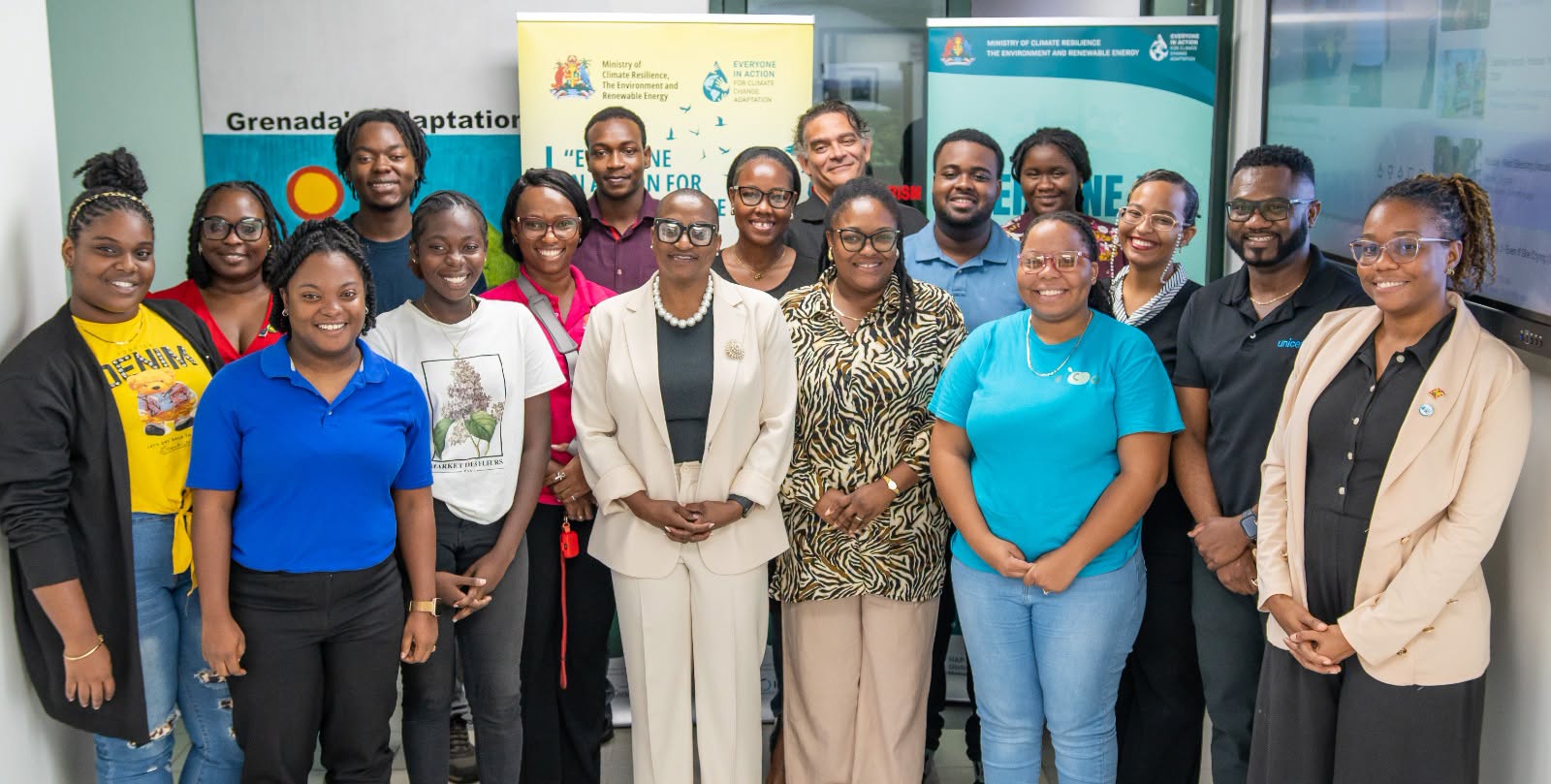
    On August 27, Grenada’s Ministry of Climate Resilience, the Environment and Renewable Energy brought together youth-focused environmental organizations, international partners, and educational groups for a strategic orientation and collaborative planning workshop. The gathering centered on scaling up the Youth in Action for Climate Change Adaptation School Awareness Campaign, an initiative designed to embed climate literacy across the country’s primary and secondary education systems.

    First launched in June 2025, the campaign tailors interactive, age-appropriate learning activities to students from pre-primary through secondary school. Its core goal is to help young learners grasp how climate change uniquely impacts Grenada’s small island ecosystem, and understand the adaptive actions that individuals and local communities can take to build long-term resilience.

    Hosted at the Ministry of Infrastructure Development Conference Room in the national Ministerial Complex, the August 27 workshop aligned with the ministry’s broader strategy to strengthen cross-sector partnerships, expand the campaign’s geographic reach across Grenada, and build the capacity of youth organizations to lead climate education both in classrooms and through community-based extracurricular programs.

    The workshop opened with opening remarks from Permanent Secretary Peron Johnson, who stressed that intentional collaboration with active youth-led groups is critical to expanding the campaign’s impact, deepening meaningful youth engagement on climate issues, and driving collective climate action across schools and local neighborhoods. Following Johnson’s address, Clive Murray, Programme Specialist for Disaster Risk Reduction and Climate Change at UNICEF, outlined UNICEF’s ongoing support for Grenada’s National Adaptation Plan (NAP) process, with a specific focus on integrating child-centered priorities into national climate planning.

    Dr. Roxanne Graham-Victor, Grenada’s National Climate Change Adaptation Officer, then delivered a detailed overview of the country’s updated Revised National Adaptation Plan 2025–2030, explaining how the school awareness campaign aligns with the plan’s targets and Grenada’s broader national goals for sustainable development and climate resilience.

    Attendees at the workshop represented a diverse range of organizations, including the Caribbean Youth Environment Network (CYEN) Grenada Chapter, the Caribbean Youth Climate Council (CYCC), Akata Farms, UNICEF, 195in365 Be the Change, the T A Marryshow Community College Environmental Awareness Movement (TEAM), the St George’s University Education Conservation Outreach (ECO) Club, and RCC Caribbean. During the session, participating partners were introduced to the range of interactive methodologies already being deployed through the campaign. These include age-adapted activities such as interactive classroom presentations on climate science, traditional storytelling for preschool learners, hands-on prop and visual aid activities, lessons on Grenada’s historical relationship to water resources, creative writing and poetry competitions focused on climate themes, student-led role-play enactments of local climate adaptation projects, and poster-making campaigns that center youth-produced climate messaging. All activities are designed to make climate change accessible, relatable, and engaging for learners across every age group.

    Beyond introducing existing campaign frameworks, the workshop created an open space for participating organizations to share new ideas for strengthening the initiative, and to outline how their unique networks and expertise can support future school outreach efforts. Partners also had the opportunity to outline what types of support — including specialized training, updated educational materials, access to resources, and administrative backing — they would need from the ministry to fully participate in the campaign’s expansion.

    Through this collaborative, stakeholder-driven approach, the Ministry of Climate Resilience aims to build a broad, coordinated network of trained individuals and organizations that can collectively advance climate change awareness and action among Grenada’s children and young people. Ultimately, the Youth in Action campaign supports the full implementation of Grenada’s Revised NAP by translating national climate resilience priorities into hands-on, practical learning experiences. These experiences encourage young people to understand the climate challenges facing their local communities, and empower them to take ownership of building a more climate-resilient future for Grenada.

  • Men are not born leaders

    Men are not born leaders

    A coalition of four prominent Caribbean civil society organizations — the Caribbean Family Planning Affiliation (CFPA), IGNITE, Youth Advocacy Movement (YAM) Grenada, and Caribbean Religious Voices for Justice (CRVJ) — has called for open, constructive public dialogue after a top Caribbean Examinations Council (CXC) official made controversial comments framing leadership as an inherent male birthright. Dr. Nicole Manning, CXC’s Chief Operations Officer, recently claimed that men are born to lead, and that wider society should actively work to keep men in positions of authority. The coalition is pushing back against this claim, not to exclude men from leadership roles, but to challenge the dangerous idea that gender alone should grant access to power.

    Drawing on theological framing from the Christian faith, CRVJ noted that the foundational creation story shared by most Abrahamic religions emphasizes equal dignity for all people, stating “So God created humankind in his image… male and female he created them.” (Genesis 1:27). The coalition points out that while selective religious interpretations have historically been used to prop up male privilege and justify gender-based inequality, these readings directly contradict Jesus Christ’s core message of radical love, liberation, and radical inclusion for all people.

    The coalition emphasizes that there is no biological basis for dividing leadership and followership along gender lines. All children are born with unique potential, the group argues, and effective leadership is cultivated over time through intentional development of character, access to quality education, equal opportunity, meaningful relationship building, and practice taking responsibility for serving others. What is often mislabeled as “natural male leadership” is simply the outcome of systemic advantage: societies have long granted boys unearned authority from childhood while pressure girls to accept subordinate roles, turning repeated privilege into a pattern that appears natural to casual observers.

    This dynamic is particularly visible across the Caribbean, the coalition notes. For generations, Caribbean women have stepped into leadership roles across every sector — leading households, grassroots communities, churches, schools, businesses, national advocacy movements, and entire nations — yet much of this transformative work has remained invisible or under-compensated, sidelined by persistent gender norms.

    Instead of asking how society can help men retain their grip on power, the coalition argues, the public should confront deeper structural questions: Who designed the current systems that reserve leadership for men? Who is locked out of these spaces? And why should gender, rather than proven competence, strong character, and genuine calling, determine who gets to lead?

    Rooted in Christian teaching, the coalition offers an alternative model of leadership, aligned with Jesus’s radical reorientation of power: “Whoever wants to be first must be servant of all.” (Mark 9:35). True leadership, the group argues, is defined by service, accountability, and a commitment to lifting up all community members, not domination of others or a sense of inherent entitlement to power.

    The coalition supports a region-wide conversation about supporting boys and men, but stresses that this dialogue must center on building healthy masculinity — one that encourages boys to grow into compassionate, courageous, collaborative, and emotionally whole people, rather than equating manhood with control over others. This same freedom must extend to girls and women: they deserve the unapologetic right to pursue and hold leadership positions on their own merit.

    Closing the persistent gender leadership gap is not about swapping male leaders for female leaders, the group clarifies. The ultimate goal is transforming the systemic structures that have tied power and leadership access to gender for centuries. Schools, churches, universities, workplaces, and public institutions across the region should assess leadership potential based on proven competence, personal integrity, clear vision, commitment to service, and accountability — not biological sex.

    The coalition calls for a coordinated, region-wide response to address gender gaps in leadership, and frames this work as a collective opportunity to build a more equitable Caribbean. In this vision, both women and men can bring their full, authentic selves to leadership, power is shared rather than hoarded by a privileged group, and leadership is exercised to serve the common good rather than to rule over others.

    This work is not an attack on men, the coalition emphasizes. It is an open invitation to all Caribbean people to reimagine and build a more just, effective model of leadership for the region.

    A disclaimer notes that NOW Grenada does not take responsibility for the opinions and content shared by contributing organizations, and provides a channel for reporting abusive content.

  • GFNC launches hypertension management programme to empower communities

    GFNC launches hypertension management programme to empower communities

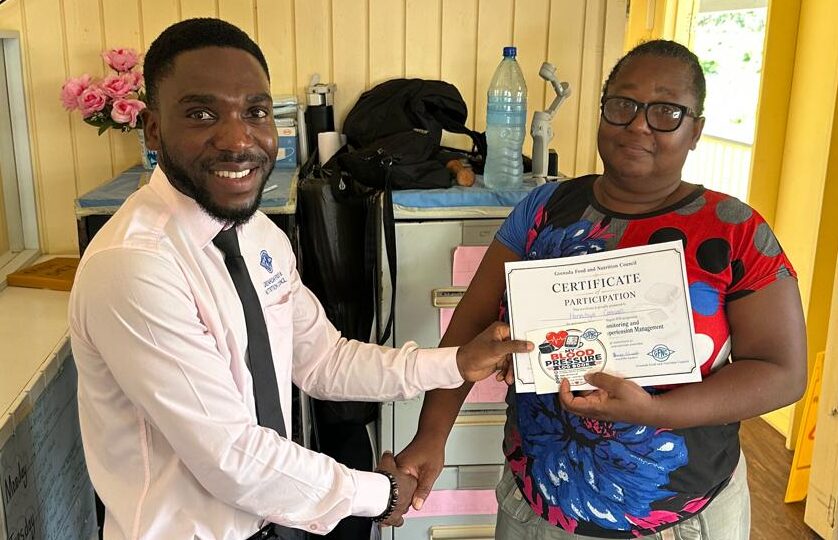
    Grenada’s public health landscape has gained a critical new tool to combat one of the country’s most pressing chronic health challenges, with the official launch of the Enhancing Self-Monitoring and Nutrition Awareness for Hypertension Management Programme by the Grenada Food and Nutrition Council (GFNC). This targeted community-focused initiative is designed to empower local residents with the practical knowledge, hands-on skills, and essential resources to take proactive control of their blood pressure levels and build long-term healthy daily habits. Backed by funding from the Pump It Up! Initiative run by Grenada Cooperative Bank Ltd., the programme advances GFNC’s long-standing core mission to expand public nutrition education and improve outcomes for people living with non-communicable diseases across the island nation.

    Hypertension, more commonly known as high blood pressure, continues to be a leading public health concern in Grenada, contributing to widespread risk of cardiovascular and other chronic conditions. A key barrier to effective at-home management for many local residents has been limited access to reliable blood pressure monitoring equipment, a gap this new programme directly addresses. To remove this obstacle, all participants who complete the full 4-week curriculum will receive a professionally validated blood pressure monitor to keep at home, alongside a curated collection of heart-healthy recipes and dedicated logbooks to track regular blood pressure readings. Beyond these initial resources, participants will also gain access to ongoing follow-up guidance and peer and professional support to help them maintain the positive lifestyle changes they adopt throughout the programme.

    The curriculum combines multiple evidence-based approaches to hypertension management, integrating interactive nutrition education, live cooking demonstrations, guided lifestyle modification planning, and hands-on training in regular blood pressure self-monitoring. Each week of the programme focuses on actionable practical skills: sessions cover evidence-based strategies for cutting excess sodium intake, methods to increase daily consumption of fruits and vegetables, guidance for managing healthy portion sizes, and training to easily interpret and understand nutrition product labels. The first in-person session was already completed successfully in the St Patrick region, with upcoming sessions already scheduled to roll out across Petite Martinique, St Mark, and St John in the coming weeks.

    Aligned with the World Health Organization’s HEARTS technical package for cardiovascular disease management, the new programme directly advances two of the six core HEARTS components: Healthy-lifestyle counselling and Systems for blood pressure monitoring. Through these aligned components, the programme supports participants to make intentional, informed decisions about their daily diet, physical activity routines, and overall lifestyle habits, while equipping them with the tangible tools needed to track their blood pressure consistently over time.

    Representatives from GFNC have expressed sincere gratitude to Grenada Cooperative Bank Ltd. for its funding support through the Pump It Up! Initiative, and issued a public call to all Grenadians to prioritize their heart health by learning their blood pressure numbers, evaluating their daily food choices, adopting sustainable healthy habits, and taking personal control of their long-term well-being. Residents interested in learning more about the programme and GFNC’s broader work can visit the council’s official website at https://gfnc.gov.gd/about-us/ or follow its social media channels via https://linktr.ee/473GFNC for ongoing updates.

  • What is being committed against Cuba today is genocide

    What is being committed against Cuba today is genocide

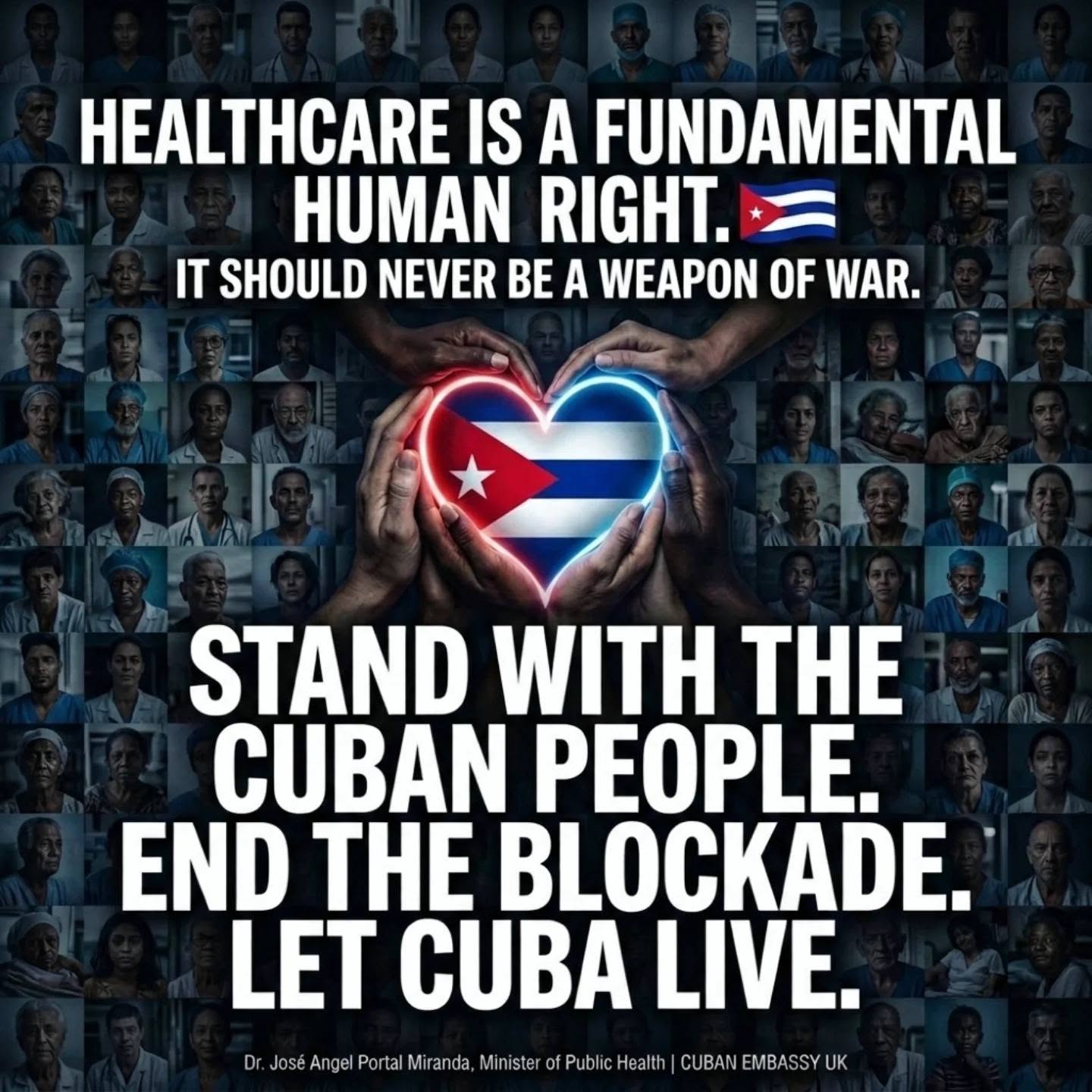
    Authored by Yadirys Echenique Paz, Cuba’s top diplomatic representative to Grenada, this opinion piece argues that the long-running United States economic embargo against the Caribbean island nation meets the definition of genocide—even without direct military strikes or violent armed conflict inflicted on the Cuban public. For more than nine million Cuban citizens, this embargo has functioned as a wide-reaching policy of collective punishment that has pushed everyday hardship to levels that severely compromise access to basic necessities required for modern life. Paz questions what moral or strategic justification could ever exist for a global superpower to inflict this level of cruelty on a small developing island nation. At the core of the current crisis is a deliberate strategy of economic strangulation that includes a targeted energy siege designed to cut off all fuel supplies to the island. A January 2026 U.S. executive order expanded existing punitive measures, threatening harsh secondary sanctions against any third country that attempts to ship fuel to Cuba. The devastating impact of this policy is already clear: over a seven-month period, only one commercial vessel successfully delivered fuel to Cuban ports. This extraterritorial coercion extends far beyond Cuba’s borders, forcing sovereign nations to comply with the U.S. embargo and participate in collective punishment that directly violates core norms and foundational principles of international law, according to Paz. The tangible harms of this policy are already visible across nearly every sector of Cuban society. The national power grid has lost an average of 1,400 megawatts of generating capacity daily, leading to extended, widespread blackouts that disrupt residential access to electricity, cripple water pumping infrastructure, halt agricultural output, and shut down industrial operations. Tourism—Cuba’s primary source of new foreign currency—has been effectively paralyzed by widespread aviation fuel shortages and U.S. pressure on international hotel chains that operate on the island. Even the most basic elements of daily life have been upended: crops rot in fields without power for irrigation or processing, manufacturing facilities remain shuttered, and millions of households go for hours or days without access to electricity or running water. Cuba’s public health system, long a source of national pride and a global model for accessible care in developing nations, is now facing an existential threat. Unplanned power outages that occur during invasive surgeries or while patients are receiving critical care in intensive care units can literally mean the difference between life and death for vulnerable patients. Compounding this crisis is the backlog of thousands of shipping containers holding life-saving medical supplies and staple food products, held in international ports after U.S. pressure coerced global shipping lines to halt service to Cuba. The U.S. has also launched a coordinated campaign of misinformation to discontinue Cuban medical international cooperation programs, a vital source of foreign income for the Cuban government, which only worsens existing shortages of essential health and food resources. The U.S. offensive against Cuba extends far beyond the energy sector. A second executive order, issued May 1, 2026, expanded secondary sanctions to target all foreign individuals and private companies that maintain any form of legitimate commercial ties with Cuba. Paz characterizes this move as a systematic effort to fully disconnect the Cuban economy from global markets, forcing the country into total isolation that inflicts direct, daily harm on the entire civilian population. Even as these harms mount, U.S. policymakers continue to deny responsibility for the crisis with complete impunity—though their position has failed to win unanimous support even within the U.S. Congress, where a growing number of lawmakers have publicly broken ranks to oppose the embargo. The cumulative economic cost of the decades-long U.S. blockade now exceeds $150 billion, a staggering sum that is reflected in every blackout, every failed harvest, and every life-threatening surgical interruption experienced by the Cuban people. Independent experts appointed by the United Nations Human Rights Council have already warned that these coordinated punitive measures are intentionally designed to create a “silent Gaza” in the Caribbean, triggering simultaneous collapses in energy distribution, transportation networks, and basic public services that disproportionately harm low-income and other vulnerable populations. “Deliberately depriving a people of the means to survive is an assault on the right to life and human dignity,” the experts stressed. For Paz, the conclusion is unambiguous: the punitive policy implemented by the United States against Cuba amounts to economic genocide, a violation of international law that the global community cannot afford to tolerate. The piece closes by emphasizing that destroying a people does not require bombs or bullets; cutting off access to the basic essentials required for life is enough to inflict catastrophic harm. Defending Cuba’s right to exist free from external coercion and violence today, Paz argues, means defending the fundamental sovereign rights of all small nations. It requires the international community to speak out against a policy that punishes millions of innocent civilians and attempts to force a sovereign country to bend to foreign will through hunger and darkness. *Note: NOW Grenada disclaims responsibility for the views and content shared by contributing authors, and provides a channel for users to report abusive content.*

  • Grenada’s digital push accelerates

    Grenada’s digital push accelerates

    Against a backdrop of accelerating global digital change, small island nations across the Caribbean are stepping up efforts to build inclusive, future-ready digital ecosystems, and Grenada has emerged as a key player advancing this regional agenda. At two major recent governance forums hosted on its soil, local and regional tech leaders have emphasized that digital progress depends not just on building new infrastructure, but updating policy and legal frameworks to match the speed of technological innovation.

    From August 24 to 26, Grenada played host to the 22nd Caribbean Internet Governance Forum (CIGF) and the 5th Caribbean Youth Internet Governance Forum (CYIGF) at the Radisson Beach Resort in Grand Anse. Held under the overarching theme “Connectivity to Capability: Shaping a Resilient, Trusted, and Innovative Digital Caribbean”, the gathering brought together regulators, policymakers and youth stakeholders to address gaps in the region’s digital development. On August 25, a dedicated press conference on the sidelines of the forums centered on Grenada’s ongoing digital transition and the shared challenges facing Caribbean nations.

    Rodney Taylor, Secretary-General of the Caribbean Telecommunications Union (CTU), outlined the core infrastructure requirements that underpin meaningful digital transformation across the region. Critical assets, he explained, include upgraded submarine communications cables, local data centers capable of hosting regional information, standardized digital identity systems and accessible electronic payment networks. Taylor stressed that local data hosting is not just an infrastructure priority, but a key requirement for upholding regional and national data sovereignty, allowing Caribbean nations to control their own digital information rather than relying on foreign hosting providers.

    Grenada has already taken a major legislative step to advance its goals, passing the Digital Transformation Agency (DTA) legislation through the national Senate during a July 10 sitting. Vincent Roberts, Chairman of Grenada’s National Telecommunications Regulatory Commission (NTRC), noted that the regulator does not develop strategic direction in a vacuum. Instead, it aligns all its work with national government policy, collaborating closely with executive bodies to deliver on the country’s digital transformation vision.

    To illustrate the tangible benefits that integrated digital government can deliver to ordinary citizens, Roberts used the common example of passport applications. Currently, many citizens are required to physically carry verified documents such as birth certificates between separate government departments, even when the state already holds an official, verified copy of the document in its own systems. By breaking down data silos and improving interoperability between different government agencies, the new digital framework will eliminate this redundant step, cutting down on unnecessary in-person visits to government offices and removing the burden of repeatedly submitting information that public institutions already possess.

    While digitalization opens new opportunities for economic growth and improved public services across the Caribbean, it also presents a growing set of unaddressed regulatory challenges. Taylor highlighted that emerging technologies ranging from generative artificial intelligence to low-Earth-orbit (LEO) satellite deployments have already outpaced many existing regional and national regulatory frameworks, alongside persistent threats to digital security including cybersecurity breaches, ransomware attacks and growing public concerns over personal data privacy. For the region as a whole, he argued, the central challenge is building flexible, adaptive legal and regulatory systems that can evolve alongside new technologies rather than becoming outdated shortly after they are adopted.

    For Grenada specifically, the transition to a fully digital public sphere extends far beyond simply moving existing government services onto online platforms. As the country continues to roll out new digital infrastructure, unified national identity systems and interconnected public service networks, policymakers and regulators must also ensure that parallel frameworks for legal compliance, personal data privacy and cybersecurity are updated at the same pace to protect citizens and build trust in the new digital systems.

  • Understanding CTEC modular assessment

    Understanding CTEC modular assessment

    Recent public debate surrounding the Caribbean Targeted Education Certificate (CTEC) has centered on critical questions around academic standards, grading frameworks, and how the program’s modular assessments count toward the final Caribbean Secondary Education Certificate (CSEC) qualification. In an official clarification from the Caribbean Examinations Council (CXC), Registrar and Chief Executive Officer Wayne Wesley, PhD, CMgr, addresses these concerns head-on, working to clear up widespread misconceptions and give regional education stakeholders a transparent breakdown of how the new system operates.

    First and foremost, Wesley emphasizes that CTEC in no way weakens long-held CXC academic standards. The modular assessment model only changes when and how learning is evaluated and accumulated, not the core knowledge, understanding, and skills that students are required to master to earn a CSEC qualification.

    One of the most persistent myths about CTEC is that modular assessments are less rigorous than the traditional single-sitting CSEC examinations. This claim is entirely unfounded, Wesley explains. All CTEC modular assessments are built from the same syllabi, aligned to the same learning objectives, and developed under the exact same assessment specifications that govern traditional CSEC exams. Even the question difficulty and format match what students encounter in full, traditional CSEC assessments, meaning learners must demonstrate the identical level of knowledge, skills, and competency expected of all CSEC candidates.

    Beyond assessment design, the entire grading and quality assurance process remains unchanged. CTEC exams are marked, moderated and graded using the same rigorous systems that have protected the integrity of CXC qualifications for decades: including consistent examiner moderation protocols, psychometric performance analysis, and standardized grading procedures. The level of rigor, objectivity and fairness that regional stakeholders trust remains fully intact. The only meaningful difference is that students can demonstrate their learning progress in incremental, manageable stages, rather than facing a single high-stakes exam at the end of their course of study.

    CTEC’s grading framework is also not an untested new system, but rather builds on long-familiar structures already used across Caribbean education. The Caribbean Advanced Proficiency Examination (CAPE) has reported results by individual modules for decades, and CSEC has long used two parallel grading scales: overall subject grades from I to VI, and profile grades from A to F. CTEC adapts this familiar A-F scale to report performance on individual modules, making it easy for students, parents, educators, employers and tertiary institutions to track a candidate’s progress. Under the system, grades A through D count as acceptable levels of module completion, while E and F indicate the student needs additional development to meet the required standard.

    Each grade comes with a clear descriptive definition that provides actionable feedback: A marks excellent mastery of module content, B indicates good understanding, C stands for fairly good command, D is moderate mastery, E reflects limited understanding, and F marks very limited grasp of key concepts and skills. These descriptors give students and teachers targeted insight into performance gaps, enabling targeted interventions to drive improvement before the final certification is awarded.

    Another key point of public confusion has been how modular grades factor into the final CSEC qualification. Wesley makes clear that individual module grades do not constitute full standalone qualifications. Instead, they act as micro-credentials that document a candidate’s achievement in discrete sections of a full subject, and all module grades are aggregated to calculate the final overall CSEC grade. No single module pass counts as completing the full subject; candidates must successfully complete all required modules to earn a final CSEC subject grade. The recognized overall CSEC grade remains the official final certification for the subject, with the modular pathway acting only as a structured, incremental route for students to build up their demonstrated achievement toward that qualification.

    To protect the integrity of the grading system, strict rules are in place to ensure final grades accurately reflect consistent performance across all areas of a subject. Because the final grade is based on results from every required module, a candidate who earns a D in any module cannot be awarded the highest possible overall grade of I in their final CSEC result. This rule reinforces the core principle that outstanding overall achievement requires strong performance across every component of a subject, preserving the value of a top CSEC grade for employers and tertiary institutions that rely on CXC qualifications to assess candidate ability.

    Unlike the traditional single-exam model, CTEC’s modular framework also offers meaningful flexibility for students to improve their performance. If a candidate is unsatisfied with their grade on a specific module, they can retake that individual module following CXC’s standard registration procedures. This lets students target gaps in their knowledge and improve their performance before the final subject grade is calculated, expanding opportunities for student success without lowering the bar for academic achievement.

    Wesley frames the introduction of CTEC’s modular assessment as a deliberate balance between innovation and institutional integrity, aligned with CXC’s core mission to expand access to certification across the Caribbean without compromising the standards that have earned CXC regional and international recognition. The modular approach does not make qualifications easier, reduce required learning outcomes, or lower academic expectations. Instead, it offers students a more flexible pathway to demonstrate mastery of the same syllabus objectives, meet the same performance standards, and earn the same respected CSEC qualification that the region has relied on for generations.

    The only evolution is how students get to demonstrate their achievement: the unchanging high standards that underpin all CXC credentials remain firmly in place. In sum, CTEC represents a model that preserves the rigor and credibility of Caribbean secondary education qualifications while building new pathways to support greater learner success and higher educational attainment across the region.