标签: Grenada

格林纳达

  • Grenada RISING – Foundational Learning Programme launched

    Grenada RISING – Foundational Learning Programme launched

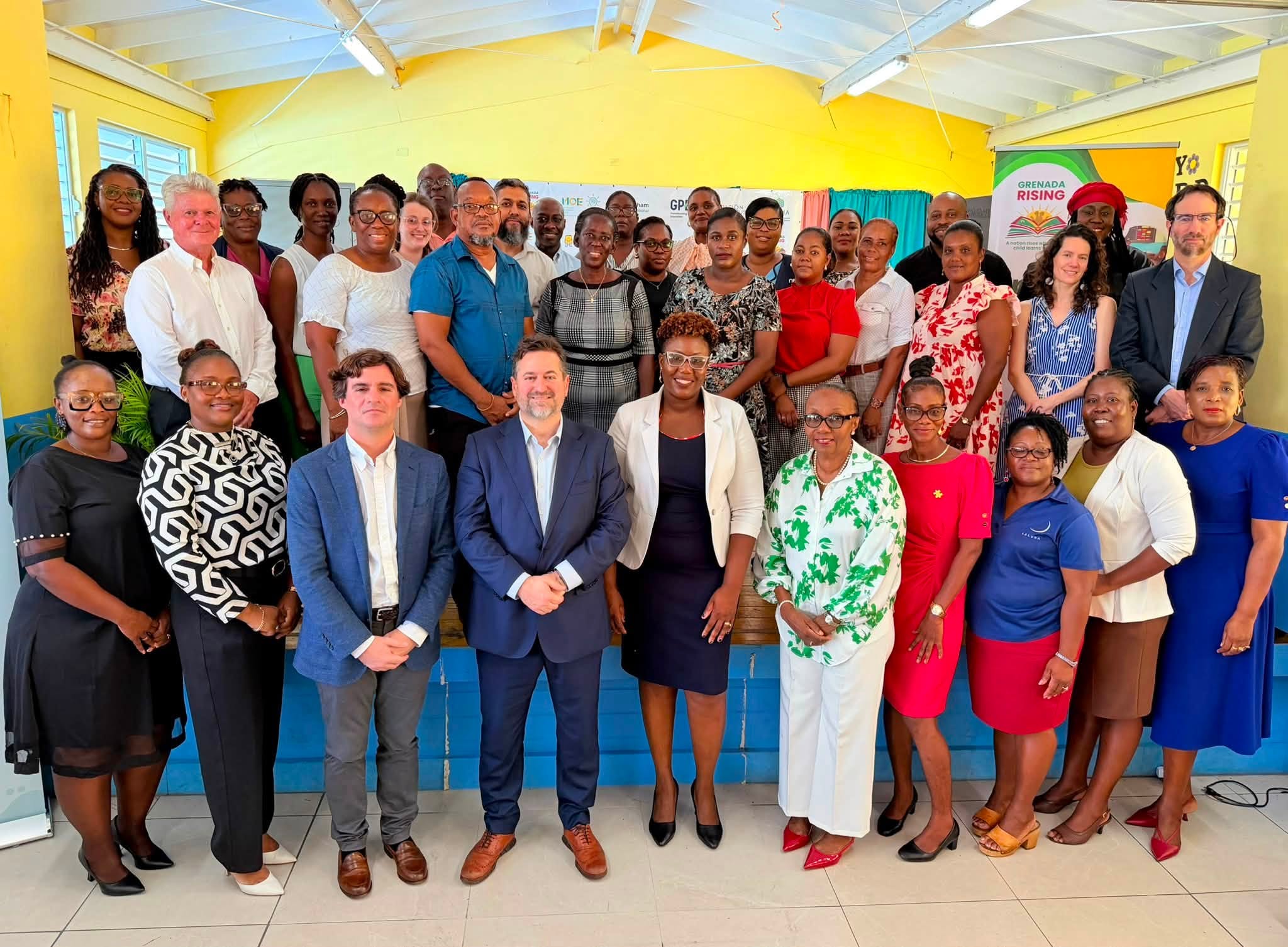
    On August 25, 2026, Grenada’s Ministry of Education officially launched the pilot phase of the transformative Grenada RISING – Foundational Learning Programme during a ceremony hosted at St David’s Catholic School in Belle Vue, St David. Developed as a cross-sector collaborative response to a persistent national literacy crisis, the initiative marks a deliberate shift in policy to guarantee that every child in the country achieves functional reading, writing, and reading comprehension skills by the age of 9.

    The programme is the product of a multi-stakeholder partnership between the Government of Grenada (the lead policy owner), SUMMA (the Laboratory of Education Research and Innovation for Latin America and the Caribbean), the Global Partnership for Education (GPE), the Grenada Private Sector Alliance for Education, the Rassmuss Foundation, and Pratham International. Each partner brings specialized expertise and resources to address the root causes of low literacy outcomes across the country’s education system. Core components of the initiative include equipping classroom teachers with evidence-based literacy instruction strategies, providing sustained in-school coaching for educators, and rolling out targeted family engagement supports to build a culture of reading across communities and homes. Karreen Francis-Gulston, an experienced literacy coordinator, has been appointed to lead the programme as national coordinator.

    Lorraine St Louis-Nedd, Permanent Secretary for Educational Administration, opened the launch by emphasizing the urgent need for systemic intervention, citing recent data from Grenada’s Minimum Competency Test (MCT). The assessment revealed that two-thirds of current students fail to meet basic literacy competency requirements – a gap that does not end at primary school. St Louis-Nedd noted that literacy struggles follow students into secondary education, and have created measurable challenges for the national workforce, with local employers consistently reporting that new graduates lack the foundational reading and writing skills required for open positions. “It’s not something we are proud of, but this statistic has been a wake-up call,” she said. “Enough is enough. This programme brings all stakeholders together to do something different, to turn the tide on low literacy – and this launch is that turning point.”

    SUMMA, the regional education research laboratory with more than 10 years of experience partnering with education ministries across Latin America and the Caribbean, will lead technical coordination for the pilot. Javier Gonzales, PhD, Director and Co-Founder of SUMMA, highlighted the central role of literacy as a foundational human right that unlocks access to all other social and economic opportunities. Gonzales stressed that while education innovation continues to evolve, the success of the programme will depend on human connection, not digital tools or artificial intelligence. “Everything we are doing with Grenada RISING centers on the interaction between teachers and students,” he explained. “It is not about technology or AI. It is the human, caring work of teachers that will deliver the outcomes we seek, and level the playing field for all children.”

    The Rassmuss Foundation contributes its evidence-based Jumpstart methodology, which has already delivered proven improvements in literacy outcomes in Chile and St Vincent and the Grenadines. Stefan Franken, General Director of the Rassmuss Foundation, noted that early gaps in literacy have long-lasting impacts on lifelong outcomes, limiting employment prospects and social mobility well into adulthood. “International evidence is clear: if a student does not reach a comprehensive level of reading proficiency by the critical early age, they struggle to build all other skills through school and life,” Franken said. “This puts Grenada at the forefront of what modern education needs to prioritize.”

    The pilot phase of the programme will be implemented across eight participating primary schools: Holy Innocents Anglican School, Mt. Moritz Anglican School, Sacred Heart Catholic School, Samaritan Presbyterian School, St David’s Catholic School, St George’s Anglican Junior School, St Martin de Porres Catholic School, and St Patrick’s Catholic School. At the launch ceremony, formal partnership agreements were signed with the principals of each school to confirm their commitment to the initiative. Andrea Phillip, CEO of Grenada Schools Inc., and the two participating school principals also delivered remarks at the event.

    Global and regional partners bring additional proven resources to the effort: Pratham International, one of the world’s largest non-profit education organizations, contributes its Teaching at the Right Level (TaRL) approach, a widely tested intervention that has helped struggling readers accelerate progress and close proficiency gaps quickly. The Global Partnership for Education provides both core funding and global technical expertise in foundational learning improvement. The newly formed Grenada Private Sector Alliance for Education, launched in May 2026, mobilizes private sector investment for the initiative, with GPE matching private donations in kind. To date, the alliance has raised more than US$425,000 to support programme activities.

    The launch event was attended by senior Ministry of Education officials, technical implementation teams, school leaders, classroom educators, and representatives from all partner organizations. Following the official launch, the programme will immediately move into the pre-implementation phase, focusing on the training and preparation of all frontline implementation staff, including instructional coaches, mentors, management teams, and participating classroom teachers.

    Officials from all stakeholder groups emphasized that the pilot is the first step in a national commitment to universal foundational literacy, with the goal of scaling successful outcomes across the entire education system once the pilot phase is complete.

  • Trusts, family wealth and compliance expectations

    Trusts, family wealth and compliance expectations

    For generations, trusts have served as a foundational tool for families seeking to preserve intergenerational wealth, accommodate vulnerable beneficiaries, and streamline estate succession planning. For Caribbean families, whose assets and loved ones increasingly span multiple national jurisdictions, cross-border trust structures have long been a core component of global wealth management strategy — though legal frameworks and regulatory treatment of these instruments vary widely from one region to another. Today, however, the trust operates in a vastly altered landscape from the era when confidentiality was often cited as one of its key selling points. The central question facing modern wealth planners is no longer whether assets can be placed into a trust, but rather who the ultimate individuals connected to the structure really are.

    There is nothing inherently questionable about a family’s desire to protect accumulated wealth. A parent may choose a trust to ensure property is preserved for their children rather than split immediately upon their death. A founder of a family business may rely on a trust to guarantee operational continuity after they pass away. A multi-jurisdictional family with members based in locations from Grenada and Trinidad to Canada and the United Kingdom needs a formal structure to manage assets across borders over time. Where legally permitted and aligned with a family’s goals, trusts can deliver exceptional value for exactly these use cases. The critical confusion arises when families and practitioners mix up asset protection with asset concealment — two concepts that could not be more distinct. A properly structured trust can legitimately protect and preserve wealth, but it should never be treated as a tool to make ownership, control, or the source of wealth invisible to regulators.

    This confusion plays out in practical scenarios on a regular basis. Consider a large Caribbean property held through an international trust: the person who established the trust (the settlor) lives overseas, the appointed trustees are based in a third jurisdiction, beneficiaries are spread across multiple countries, and the underlying asset remains in the Caribbean. When the time comes to sell the property years later, a common question arises: “The trust owns the property, why does the bank need all this information about our family?” This question gets to the heart of the modern regulatory compliance challenge facing trusts today. The existence of a trust does not eliminate requirements for transparency around the people connected to it. Financial institutions and regulated legal professionals are still required to verify who established the structure, who exercises effective control over its assets, who stands to benefit from it, where the underlying wealth originated, and what the purpose of the current transaction is. While a trust provides the formal legal structure for holding assets, it does not automatically grant full anonymity to the parties involved.

    This dynamic becomes even more complex when discussing international trusts, a particularly relevant topic for Caribbean families whose wealth is increasingly distributed across borders. It is not uncommon for a Caribbean family to earn income in one jurisdiction, own real estate in a second, establish their wealth holding structure in a third, and have beneficiaries living across four or more countries. However, the regulatory and legal landscape for international trusts is not uniform across the Caribbean. For example, in Grenada, the 2018 International Trusts (Amendment) Act banned the creation of new international trusts after December 31 of that year, a critical detail for Grenadian families mapping out long-term wealth preservation structures.

    Even with this change, international trusts remain relevant for many Caribbean families, particularly for those holding pre-existing structures or those with Caribbean assets or beneficiaries connected to trusts formed under other jurisdictions’ laws. In these cases, multiple overlapping legal and regulatory frameworks can apply simultaneously. Banks, trustees, attorneys and other involved professionals each carry their own mandatory obligations around identity verification, beneficial ownership disclosure, source of wealth documentation, tax reporting, and ongoing due diligence. What looks to a family like a single private wealth arrangement is often viewed by regulated institutions as a complex web of connected relationships that require full transparency and understanding.

    This shift marks one of the biggest changes to wealth planning in recent decades: families still have a right to privacy in managing their personal financial affairs, and wealth planning does not become a matter of public record simply because a trust is used. But privacy is not synonymous with secrecy. Modern global compliance frameworks are built on the core principle that legitimate wealth structures must be accessible to inspection by parties that are legally required to oversee them. This change does not erase the value of trusts as a wealth planning tool; it simply reshapes the expectations that families and practitioners should have around how trusts operate today.

    Advisors play a critical role in navigating this new landscape. A client conversation about wealth planning cannot start and end with creating a trust structure. The first question that must be addressed is whether the structure is even legally permitted and appropriate for the relevant jurisdictions involved. From there, discussions need to cover how the structure will function in practice, what information will need to be disclosed to regulators and financial institutions, how the source of assets placed into the trust will be documented, who will hold effective control over the structure, and how inquiries from banks, trustees or regulators will be addressed years down the line. While other corporate, succession and ownership structures remain available for family wealth planning, each carries its own set of unique legal, tax and compliance requirements that must be evaluated. The mark of strong wealth planning is not just creating a structure that works in the present; it is building one that can withstand future regulatory scrutiny.

    In closing, trusts remain a core tool for preserving and transferring family wealth across the globe. For international Caribbean families in particular, trust structures will continue to grow in relevance as lives, assets and beneficiaries become increasingly dispersed across borders, always subject to the varying legal frameworks of the jurisdictions involved. Today’s trust sits at a critical intersection between wealth protection and regulatory transparency. The core goal of protecting family wealth remains unchanged, but the approach has shifted: protecting wealth no longer means hiding it. A trust can still provide families with the privacy they deserve, but it should never rely on secrecy to function.

  • Nawasa advances water supply solutions

    Nawasa advances water supply solutions

    A critical freshwater well on Grenada’s eastern coast has been temporarily taken out of service after rising salt levels from saltwater intrusion pushed its water outside of safe drinking water standards, prompting the National Water and Sewerage Authority (Nawasa) to roll out emergency supply restrictions and launch a slate of urgent infrastructure upgrades to shore up water access for affected communities.

    Baillies Bacolet Well #2 (BB2), one of three groundwater abstraction wells first brought online in the early 1980s and positioned closest to the island’s eastern shoreline, normally contributes 110,000 gallons of treated water daily to local distribution networks. After routine quality monitoring detected heightened salinity during the 2026 dry season peak, the well was decommissioned temporarily, removing its full daily output from the regional supply and creating added strain on adjacent infrastructure.

    The shutdown has cut total daily supply for southern St David by 110,000 gallons, forcing Nawasa to implement nightly water shutdowns between 9 p.m. and 5 a.m. to allow storage facilities to recharge. This measured rationing matches protocols the authority has used in past dry seasons when production drops. A wide swath of communities face direct disruptions, including Corinth, Westerhall, Fort Jeudy, Westerhall Point, Petite Bacaye, Red Gate and La Calome. The cuts extend further because the BB2 supply feeds the La Pastora Storage Tank, which also serves the Morne Delice System and Woburn distribution network, bringing supply interruptions to Calivigny, Egmont and Confer as well. To maintain balanced distribution across the entire connected network, Nawasa has also applied the same nightly supply restrictions to the Morne Delice storage tanks.

    Nawasa has publicly acknowledged that the rolling outages create significant hardship for local households and businesses, and says it is working to shorten the duration and reduce the frequency of disruptions wherever operational conditions allow.

    Moving beyond immediate emergency response, the authority has mapped out five targeted short-term infrastructure interventions designed to boost total water production, strengthen cross-network connections, and improve the flexibility and reliability of the affected regional supply systems. Key projects include a capacity upgrade for nearby Baillies Bacolet Well #3, which is expected to raise its daily output from 300,000 gallons to 450,000 gallons. The authority is also working to recommission the dormant Woodlands Well #3, which would add 110,000 gallons of daily production to the South St George supply system, matching the output lost from BB2. Additional steps include recommissioning the idle La Sagesse Well and advancing critical interconnection projects between the Woburn, Egmont and surrounding regional networks.

    The five projects are currently at different stages of planning and construction, with all targeted for completion between October and December 2026. While these urgent interventions will not eliminate the need for large-scale long-term investment in new production and storage capacity, they form the core of Nawasa’s immediate strategy to boost system resilience and reduce service disruptions for communities that face persistent vulnerability to dry-season water shortages. The authority has prioritized these projects specifically to deliver additional production and improve cross-network water movement ahead of the 2027 dry season.

    Nawasa says it will continue ongoing monitoring of production levels, storage tank volumes and water quality across all affected systems, and will adjust distribution schedules as conditions improve. The agency is urging customers in impacted communities to maintain emergency household water storage, practice responsible water use, and closely follow official Nawasa advisories for updates to supply schedules. Nawasa closed its statement thanking customers for their patience and cooperation as it works to strengthen long-term water security and improve supply reliability across south-east St George and southern St David.

  • Ministry of Education: Official reopening date for schools 31 August

    Ministry of Education: Official reopening date for schools 31 August

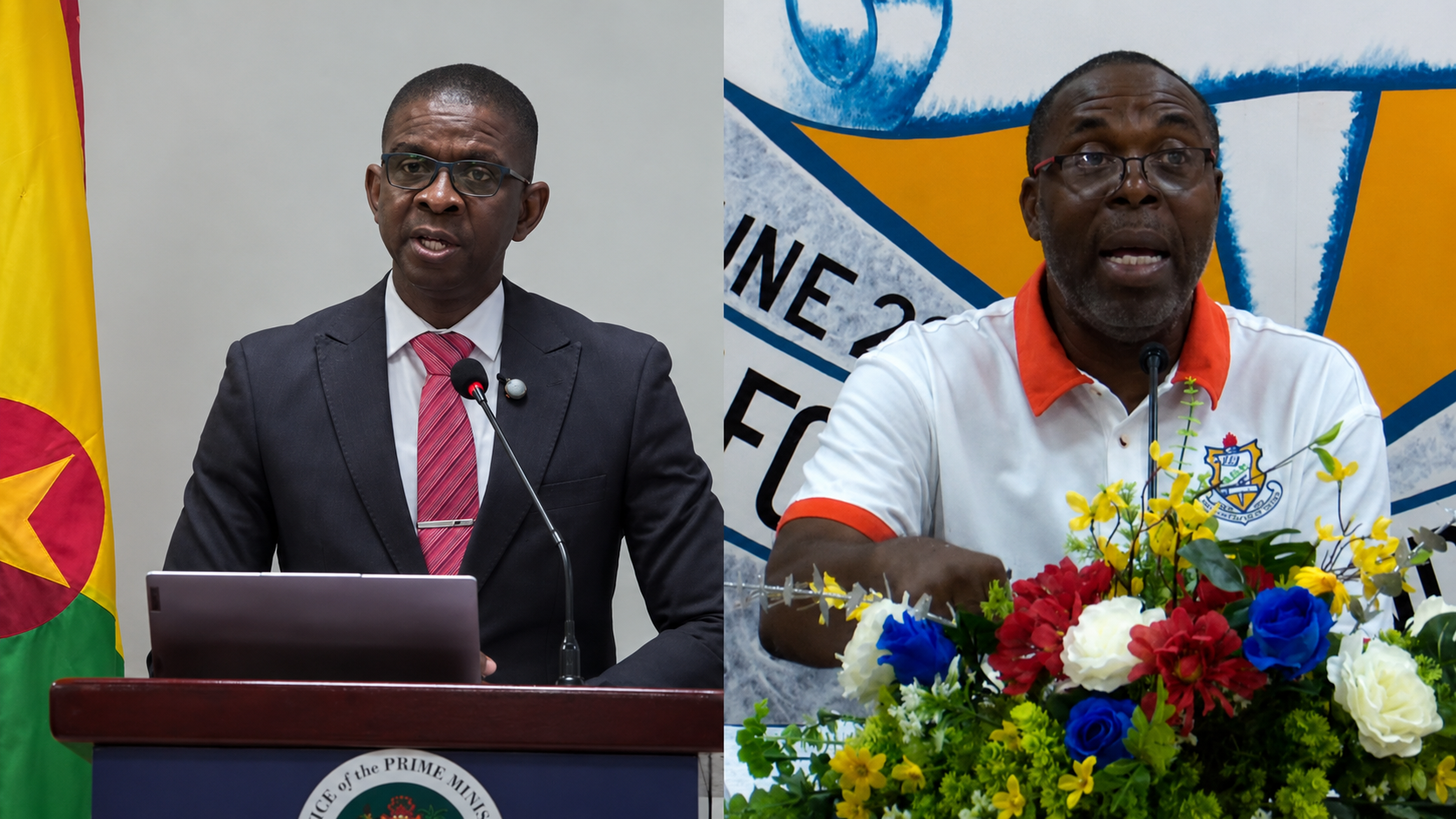
    A public notice from the Grenada Union of Teachers (GUT) regarding the start of the 2026-2027 academic year has prompted an official clarification from Grenada’s Ministry of Education, which is moving to clear up potential confusion among families, educators and the general public.

    The Ministry has raised concerns that the GUT’s independent communication could sow unnecessary uncertainty, noting that the official school reopening date was already shared publicly months in advance. To eliminate any ambiguity, the Ministry reaffirmed that all primary and secondary schools will officially reopen for student instruction on Monday, 31 August 2026 – this date remains the binding, official timeline established by the government education authority.

    The confirmed reopening date was not chosen arbitrarily. Ministry officials explain the decision followed a comprehensive review of relevant clauses in the national Education Act, pre-approved vacation windows, the annual national school calendar, and broad public interest priorities – chief among them protecting and maximizing critical in-person instructional time for students across the country.

    Addressing the GUT’s interpretation of the statutory definition of an “academic year”, the Ministry noted that the Education Act includes an explicit contextual caveat: all definitions hold “unless the context otherwise requires”. Officials stressed that all provisions of the legislation must be read as a cohesive whole, factoring in clauses related to school terms, scheduled breaks, and overall public education system administration. The standalone statutory definition of an academic year, the Ministry argued, does not on its own carry the authority to set the official reopening date following a scheduled vacation period.

    The Ministry emphasized it recognizes and respects the GUT’s right to advocate for its members and share its organizational perspectives on education matters. However, it drew a clear line between union advocacy and statutory authority: the power to formally set and announce official school start dates is not held by the teachers’ union, but rests exclusively with the Ministry of Education and the appointed minister for education, as granted by national law. As the administrator of Grenada’s public education system, the Ministry holds sole legal responsibility for finalizing, approving and disseminating the official national school calendar and all associated term dates.

    In closing, the Ministry called on parents, students, educators and all members of the public to rely exclusively on official government communications for accurate, up-to-date information on school operations. The agency expressed its expectation for collaborative cooperation from all education stakeholders to ensure a smooth, orderly start to the 2026-2027 academic year, reaffirming its core commitment to prioritizing the educational outcomes and overall well-being of Grenada’s children.

    *This report includes content from a public official statement from the Ministry of Education of Grenada. NOW Grenada disclaims responsibility for third-party contributor opinions and content, and provides channels for reporting potential content abuse.*

  • Grenada’s school reopening dispute: 31 August or 1 September?

    Grenada’s school reopening dispute: 31 August or 1 September?

    A high-stakes clash over institutional authority and legal interpretation has thrown Grenada’s upcoming public school reopening into uncertainty, leaving working families and school-aged children caught in the crossfire of conflicting official guidance. The dispute centers on one seemingly simple question: when should the 2026–2027 academic year begin, Monday, 31 August or Tuesday, 1 September? At its core, however, is a far broader debate over who holds the legal right to set the national school calendar, and how far administrative authority can stretch against the text of existing education legislation.

    Under Grenada’s existing Education Act, the Minister of Education, the Hon. David Andrews, is granted broad oversight of the national education system and implementation of national education policy. The Ministry of Education published its official 2025–2026 academic calendar back on 22 August 2025, which explicitly listed 31 August 2026 as the first day of classes for the new academic year, with 25 to 28 August reserved as staff planning week. At a recent press briefing, Minister Andrews defended the scheduled 31 August reopening, arguing the adjustment was designed to maximize valuable instructional time for students and align with longstanding practical preparations for the first day of school.

    Andrews has anchored his position in Section 39(2) of the Education Act, a provision that grants the minister power to adjust vacation schedules outlined in Section 39(1) through official order, whenever such an amendment is deemed expedient for the public interest. From his perspective, this statutory clause gives him full authority to modify the official academic year start date to fit current needs.

    But the Grenada Union of Teachers (GUT), the country’s leading teachers’ representative body, has pushed back against the Ministry’s timeline, drawing on a different section of the same Education Act. The legislation explicitly defines the full academic year as running from 1 September to 31 August annually. In a public statement released to the community, GUT argued that this statutory definition means the 2026–2027 academic year cannot legally begin before Tuesday, 1 September 2026, and advised both educators and families to plan accordingly.

    The conflict has left two competing timelines in play: the Ministry’s officially published administrative calendar, for which schools have already completed weeks of advance preparations, and the union’s legally grounded demand for a 1 September start. According to the Ministry of Education, teaching staff already returned to their posts by 24 August, and orientation sessions for secondary school students were scheduled across 26 to 28 August to align with the 31 August reopening. This means the disagreement is not a question of whether schools are prepared to welcome students—it is a fundamental battle over whether an administrative schedule can supersede the statutory definition of the academic year laid out in national law.

    What makes this dispute more than a minor scheduling debate is the underlying question of governance: does the minister’s authority to adjust vacation periods extend to altering the official start date of an academic year that is legally defined to begin on 1 September? This is not just a legal technicality—it is a test of institutional boundaries and executive authority within Grenada’s education governance framework.

    Regardless of the legal strength of either side’s argument, the immediate human cost of the conflict is already clear. Families across the country are now left navigating contradictory guidance on a key date that was finalized and published by the Ministry itself months in advance. For households juggling work shifts, childcare arrangements, transportation planning, and household budgets, a one-day shift is far from a trivial administrative technicality. It creates unnecessary stress and logistical chaos that falls disproportionately on working parents and vulnerable students.

    It is understandable that government agencies and teacher unions do not see eye to eye on every policy decision. Teacher unions hold a legitimate role in holding education leadership accountable and challenging administrative decisions that they believe conflict with the law, just as the minister carries a formal responsibility to effectively manage the public education system entrusted to his care. But when competing public messaging on a basic, foundational detail like the start of the school year leaves the public confused, the burden does not fall only on the warring institutional parties. It is children and their families who end up trapped in the middle of a dispute that has nothing to do with them.

    Looking forward, the most meaningful outcome of this conflict would not simply be a last-minute ruling on whether students arrive on Monday or Tuesday. It would be a clear, binding clarification of the scope of the education minister’s calendar-setting authority before the next academic cycle is published. By codifying exactly where administrative discretion ends and statutory requirements begin, Grenada can avoid a repeat of this unnecessary uncertainty for families in future years.

  • Central Statistical Office: Temporary change in office hours

    Central Statistical Office: Temporary change in office hours

    The Central Statistical Office (CSO) operating under Grenada’s Ministry of Economic Development, Planning and Cooperatives has announced a temporary adjustment to its in-person service operations, set to take effect on two non-consecutive days: Friday, August 28, 2026, and Monday, August 31, 2026. The planned shift in service delivery is to accommodate critical preventative and upgrade maintenance work at the CSO’s main headquarters, situated in the Old NIS Building on Melville Street, St George’s.

    While on-site public access to the office will be paused during these two work days, the CSO has confirmed that core services will remain available to the public through remote channels, operating during regular business hours from 8 a.m. to 4 p.m. Community members and stakeholders can access all standard CSO services through the agency’s official website at stats.gov.gd, or by reaching out directly via the dedicated public service email address [email protected].

    For time-sensitive queries that require immediate assistance, the office has activated a dedicated telephone line that will be monitored throughout the temporary operational period. Members of the public with urgent needs can contact the CSO directly at 473-4232005 to get support.

    In a public notice issued by the Ministry of Economic Development, the CSO extended a formal apology for any disruption or inconvenience that the temporary changes may cause to residents, businesses and researchers relying on its services. The agency also expressed gratitude for the public’s patience and understanding as it completes necessary work to improve its long-term operational capacity.

    This public notice was distributed via NOW Grenada, which notes that it holds no responsibility for the content, statements or opinions presented in official contributor statements like this public announcement. Members of the public can report any perceived abuse of content distribution through the platform’s official reporting channel.

  • Grenada to host 35th Annual CWWA Conference and Exhibition

    Grenada to host 35th Annual CWWA Conference and Exhibition

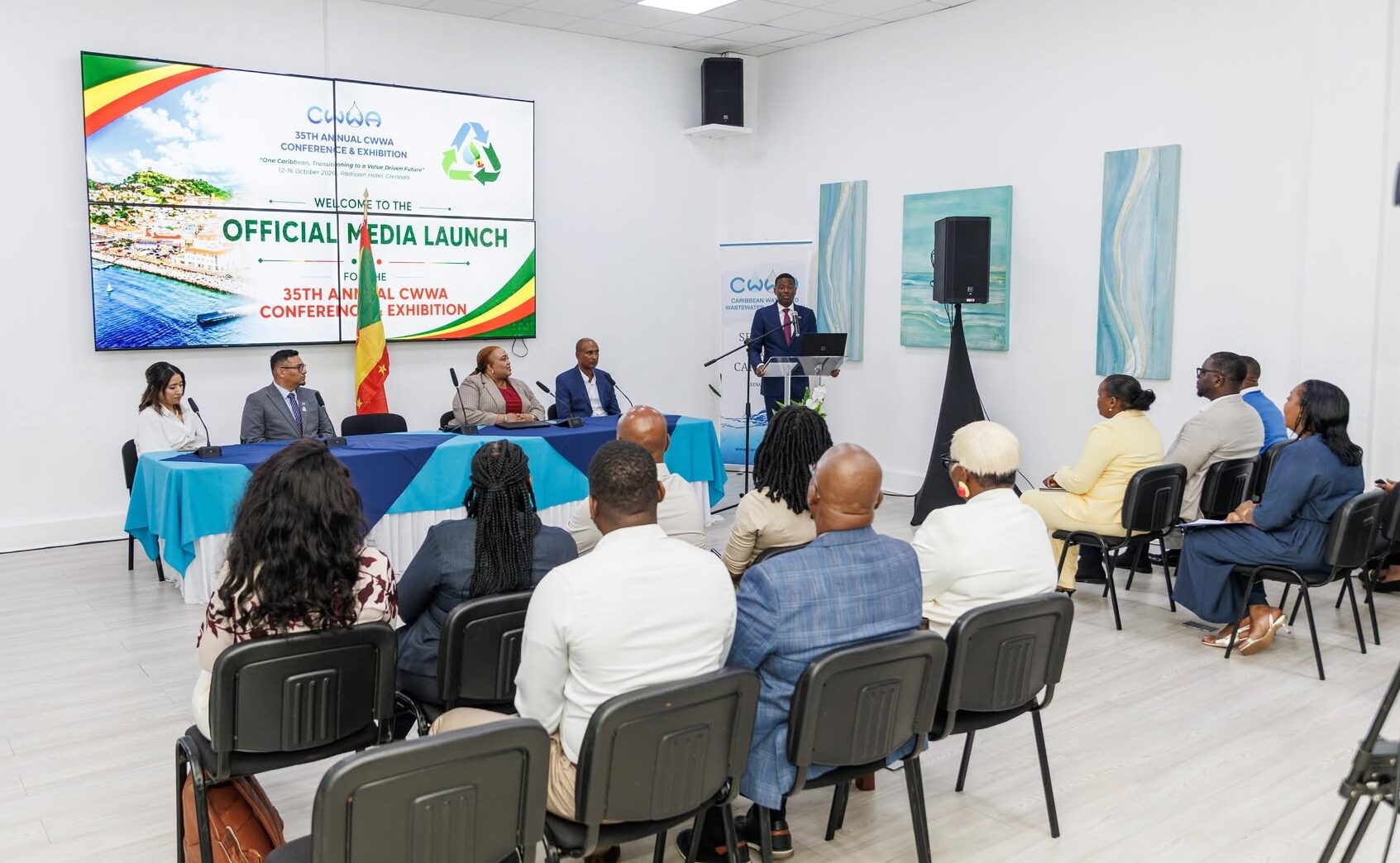
    Against a backdrop of growing climate vulnerability across small island nations, Grenada has announced it will welcome hundreds of global and regional stakeholders as the official host of the 35th Annual Caribbean Water and Wastewater Association (CWWA) Conference and Exhibition, scheduled to take place October 12–16, 2026 at the Radisson Grenada Beach Resort. Positioned as a landmark gathering for advancing regional action on water security, climate adaptation, and circular waste management, the event will transform the Spice Isle into a central hub for cross-sector dialogue, innovative solution sharing, and collective action.

    convened under the official theme *One Caribbean, Transitioning to a Value-Driven Future*, the conference will draw a diverse cohort of participants, ranging from cabinet ministers and senior policymakers to utility leaders, engineering specialists, technical researchers, development partners, private sector investors, and other key stakeholders from across the Caribbean and beyond. For the 2026 edition, the National Water and Sewerage Authority (Nawasa) and the Grenada Solid Waste Management Authority (GSWMA) will serve as local co-hosts, working in close partnership with the CWWA regional body.

    Founded via an act of parliament in Trinidad and Tobago in 1991, CWWA has grown over 30+ years to become one of the Caribbean’s most influential professional organizations focused on integrated water, wastewater, and solid waste management. For more than three decades, the association has maintained a critical regional platform that enables utilities, national governments, technical experts, regulators, development partners and private stakeholders to exchange cutting-edge knowledge, build institutional and technical capacity, shape evidence-based policy, and advance practical solutions that underpin public health and long-term sustainable development across the region.

    Grenada last held the CWWA conference back in 2010, and its return 16 years later marks a key milestone for the island nation to contribute to regional progress on some of the Caribbean’s most urgent environmental and development challenges. The long-standing collaborative relationship between Nawasa and CWWA, paired with GSWMA’s established leadership in national environmental management, creates a robust foundation for the 2026 event. This co-hosting arrangement also highlights the inherent interconnectedness of water security, sanitation access, solid waste governance, and broad environmental sustainability that the conference will center.

    As Small Island Developing States (SIDS), Caribbean nations including Grenada remain on the front lines of accelerating climate change, facing increasingly severe extreme weather events, extended drought periods, shifting rainfall patterns, rising average temperatures, and growing threats to critical public infrastructure and natural resources. The catastrophic damage caused by Hurricane Beryl in 2024 brought these systemic vulnerabilities into sharp relief for Grenada, especially in the island dependencies of Carriacou and Petite Martinique, where critical water and public infrastructure suffered extensive damage. That devastating experience reinforced the urgent need to build more robust, adaptive systems that can withstand climate shocks and enable rapid recovery.

    While water security is a core pillar of climate resilience, effective solid waste management is equally critical to protecting Grenada’s coastal communities, fragile ecosystems, and tourism-dependent economy. With national waste volumes growing steadily and existing landfill capacity reaching its limits, policymakers and utility leaders across the island are increasingly prioritizing sustainable waste practices including resource recovery, recycling, and waste diversion. These approaches not only reduce pressure on natural ecosystems but also unlock new opportunities for economic value creation. This re-framing of waste from a disposable burden to a reusable, valuable resource directly aligns with the conference’s focus on building a “Value-Driven Future”, while also supporting protection of Grenada’s iconic marine environments, tourism brand, community health, and livelihoods.

    Hosting the 35th CWWA conference is projected to deliver wide-ranging benefits for Grenada, Carriacou and Petite Martinique, while also strengthening cross-regional collaboration across the water, wastewater and solid waste sectors. Hundreds of delegates, exhibition partners, technical experts and development stakeholders are expected to travel to Grenada for the week-long event, generating tangible economic activity for local hotels, restaurants, transportation providers, tour operators, small businesses and other local service providers. Beyond immediate economic gains, the event will raise Grenada’s international profile as a capable destination for major regional and international conferences, while giving local professionals direct access to emerging green technologies, global expertise, development partnerships and potential financing for critical infrastructure projects.

    For local engineers, technicians, policymakers, and emerging young professionals working across Nawasa, GSWMA and related sectors, the conference will create unique opportunities for cross-border knowledge exchange, professional upskilling, and exposure to proven sustainable solutions already implemented across Caribbean and global contexts.

    Speaking at the official media launch for the conference, Grenada Prime Minister and Public Utilities Minister Honourable Dickon Mitchell reaffirmed the national government’s full commitment to delivering a successful event. “The Government stands fully behind Nawasa and GSWMA to deliver a world-class event that reflects Grenada’s warmth and technical professionalism,” Mitchell stated. “Investing in water security and solid waste management across Grenada, Carriacou and Petite Martinique remains central to our national resilience and regional leadership on climate adaptation.”

    Candice Santana, President of the Caribbean Water and Wastewater Association, emphasized the strategic value of the 2026 gathering and CWWA’s decades-long role in enabling collaborative regional progress. “For decades, CWWA has provided a unique platform where Caribbean Water Ministers can share challenges, exchange solutions and speak collectively,” Santana noted. “We also bring together utilities, development partners, technical experts and financing opportunities — creating value and building capacity across our national water sectors.”

    The 2026 conference will feature a full schedule of programming including technical research presentations, stakeholder panel discussions, industry exhibitions, professional networking sessions and high-level ministerial engagements, all focused on the pressing issues shaping the future of the Caribbean’s water, wastewater and solid waste sectors. More broadly, the event will serve as a critical catalyst to move regional climate and resource conversations beyond problem identification to the delivery of practical, sustainable, investment-ready solutions that strengthen community resilience and improve quality of life for all Caribbean people.

  • CDEMA Regional Recovery Experts Roster to strengthen Caribbean recovery

    CDEMA Regional Recovery Experts Roster to strengthen Caribbean recovery

    The Caribbean region, long vulnerable to frequent climate and natural disasters that disrupt communities and slow development, has taken a major step forward in strengthening collective post-disaster recovery capacity. The Caribbean Disaster Emergency Management Agency (CDEMA) has formally launched the Recovery Experts Roster under its Caribbean Resilient Recovery Facility (CRRF), a specialized regional talent pool crafted to empower member states to deliver more effective, timely post-disaster reconstruction and recovery programs.

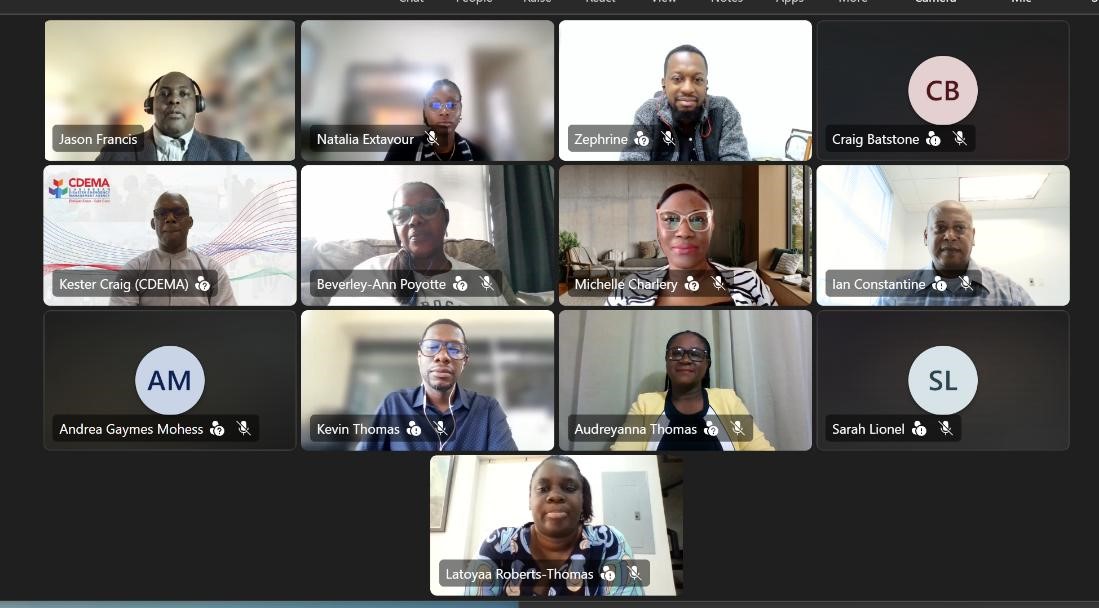
    On August 26, CDEMA held the first official orientation session for the roster’s inaugural cohort of 14 technical professionals. This launch marks a key milestone in rolling out the CRRF, a multi-stakeholder collaboration led by CDEMA alongside its global development partners. The initiative was designed to address a longstanding gap in the region’s disaster management ecosystem: the disconnect between immediate emergency response and structured early recovery, which often delays reconstruction and prolongs community hardship after major events.

    Beyond core capacity building, the roster is built to provide on-demand surge support to disaster-hit nations across a diverse range of critical sectors. Covered areas of expertise include civil engineering, education system recovery, social work, mental health psychology, small and medium business development, information technology for disaster coordination, and public healthcare recovery, ensuring affected countries can access specialized skills that may not be available domestically.

    Opening the orientation, CDEMA Deputy Executive Director Lt. Col. Kester Craig underscored the non-negotiable role of regional cooperation in boosting collective recovery capacity. “No single country in our region has all the resources needed to respond to and effectively recover from major disaster impacts,” Craig noted, pointing to the frequent scale of hurricane and storm damage that outstrips individual national resource capacities across the Caribbean.

    Craig added that the centralized roster will allow CDEMA to rapidly match specialized expertise to the unique recovery needs of each affected country, eliminating coordination gaps and ensuring recovery efforts are aligned with local needs, inclusive of marginalized communities, and responsive to evolving on-ground conditions.

    The inaugural session was led by CDEMA Disaster Recovery Specialist Jason Francis and CRRF Research Intern Natalia Extavour. During the orientation, the new experts received comprehensive briefings on the CRRF’s operational framework, clear definitions of their roles and responsibilities during deployments, and CDEMA’s standardized deployment protocols and humanitarian action benchmarks to ensure consistent, high-quality support across all missions.

    Francis framed the first cohort as a foundational step in building out the full regional recovery facility, and extended gratitude to the participating experts for their commitment to advancing regional resilience. “This is the first cohort of experts to join the roster, and we look forward to utilising your skills and expertise as we continue to build out the regional recovery facility,” Francis said.

    Officials from CDEMA emphasized that the launch of the Recovery Experts Roster reinforces the agency’s core long-term commitment: pooling shared regional resources, strengthening individual national recovery capacities, and advancing the goal of climate-resilient recovery across every Caribbean nation. The agency plans to expand the roster over time to add more specialized skills and increase surge capacity for large-scale disasters that impact multiple countries simultaneously.

  • Grenada highlights offshore energy potential at IMAGE 2026 Conference

    Grenada highlights offshore energy potential at IMAGE 2026 Conference

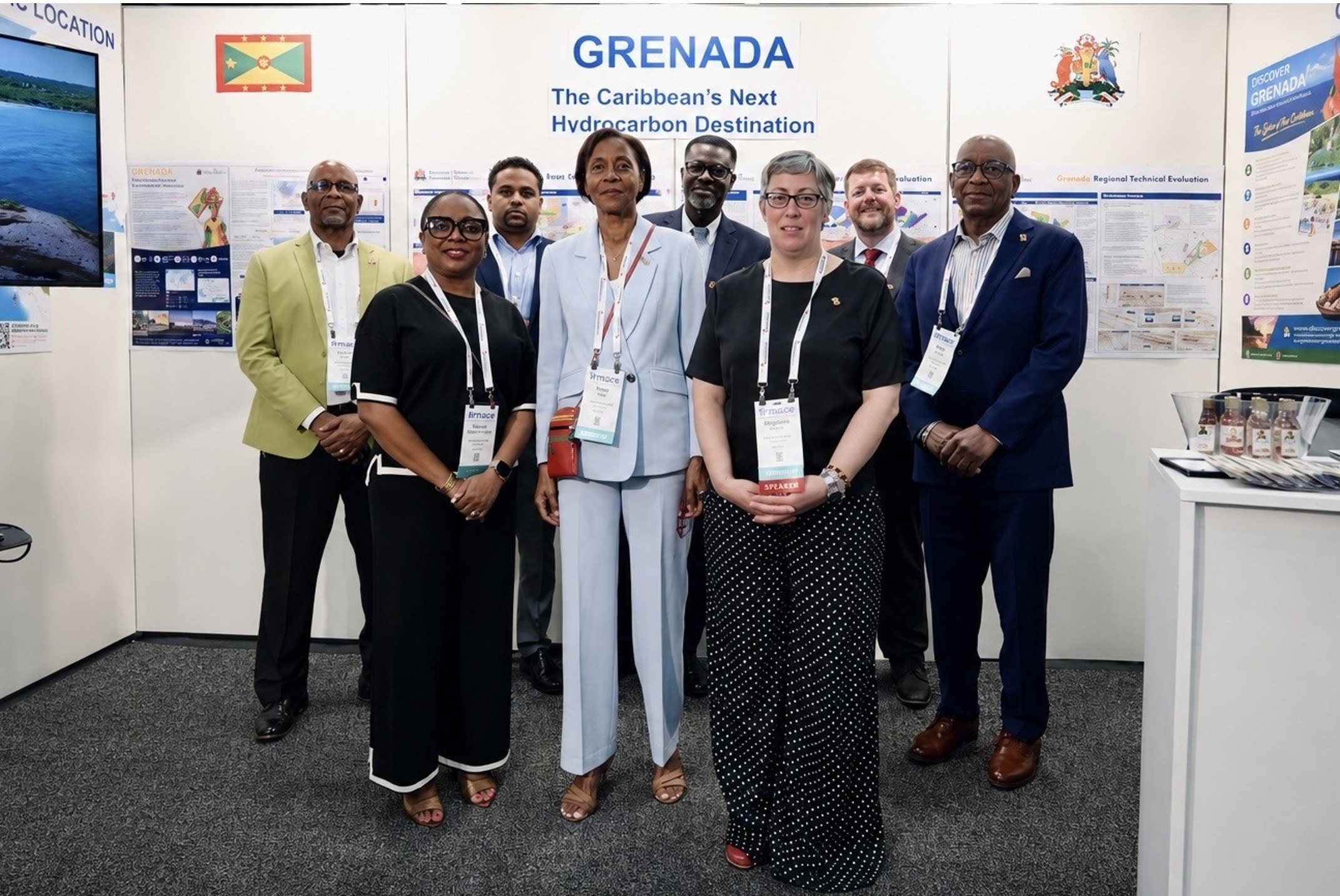
    Grenada’s Hydrocarbons Technical Working Group has wrapped up a successful mission at the 2026 International Meeting for Applied Geosciences and Energy (IMAGE), held in Houston, Texas — one of the world’s most influential industry gatherings for energy geoscience professionals.

    During the conference, the Caribbean nation’s delegation leveraged the high-profile platform to host a targeted investor roadshow, reaching out to leading international oil and gas companies to highlight the country’s largely untapped offshore hydrocarbon potential and drum up support for its first-ever licensing round, scheduled to launch in 2027. At Grenada’s dedicated exhibition booth, team members held one-on-one discussions with prospective investors, industry partners, and leading geoscientists, walking attendees through newly completed technical assessments and walking them through the scope of the country’s untapped energy resources.

    The IMAGE 2026 participation delivered five key strategic wins for Grenada’s energy development ambitions. First, it granted the small island nation unmatched direct access to a global audience of major upstream operators and energy investors, putting its untapped offshore potential in front of the industry’s key decision-makers at a single premier event. Second, the delegation’s on-site engagement generated significant technical and commercial interest from attendees, who validated Grenada’s updated subsurface geological models, regional prospectivity analyses, and comparative geological studies through in-depth expert discussions. Third, the conference appearance successfully built pre-launch buzz for the upcoming 2027 licensing round, which will put seven offshore areas up for bidding: six fully defined exploration blocks and one open acreage area. Fourth, the event created a valuable space for technical knowledge exchange, with Grenada’s team sharing its latest evaluations of high-resolution 2D seismic basin data with global experts, highlighting confirmed active hydrocarbon indicators and global geological analogues that demonstrate the commercial viability of the country’s resources.

    For industry attendees, the conference appearance clarified key details about what Grenada is bringing to the table for the 2027 round. The total offshore acreage on offer covers approximately 28,600 square kilometers across the geological Grenada Basin and Tobago Trough, with water depths ranging from 180 meters to 3,000 meters, spread across the six defined blocks and one open exploration area.

    Geographically, Grenada’s offshore blocks are strategically located adjacent to already prolific producing basins controlled by major regional energy producers including Trinidad & Tobago, Venezuela, Guyana, and Suriname. Despite this favorable geological position, the area remains drastically underexplored: to date, only one exploratory well has been drilled in Grenada’s offshore territory, leaving up to 12 kilometers of sedimentary geological section untested for commercial hydrocarbon reserves.

    The technical data presented for the first time at IMAGE 2026 draws on a robust, newly compiled seismic database that combines two major multi-client 2D seismic surveys: 6,979 kilometers of CAMDI 2D seismic data collected by Geoex MCG, and approximately 710 kilometers of CARIBE SPAN 2D seismic data acquired by industry leader TGS.

    Advanced interpretations of this new seismic data have confirmed multiple promising prospective play types across geological intervals from the Upper Eocene to Upper Pliocene eras. These include high-potential structures such as deepwater turbidite channels, fan complexes, large transpressional anticlines, and structural closures. Clear Direct Hydrocarbon Indicators (DHIs), including distinctive bright seismic amplitudes and gas chimneys, confirm the presence of an active hydrocarbon system in the basin.

    To contextualize the resource potential, Grenada’s technical team conducted global analogue benchmarking against 937 producing hydrocarbon fields with matching geological settings around the world. The analysis confirms that individual accumulations in Grenada’s basins could hold up to 3.2 billion barrels of oil equivalent of in-place resources, marking a major potential upside for successful explorers.

    This report was issued via the Office of the Prime Minister of Grenada. NOW Grenada does not take responsibility for the content or opinions shared by contributing authors.

  • Ministry of Health urges vigilance amid increase in dengue cases

    Ministry of Health urges vigilance amid increase in dengue cases

    Public health officials in Grenada are sounding an alarm over a sudden, significant uptick in dengue fever cases, with new data showing a nearly four-fold jump in infections over a single week. According to the country’s Ministry of Health, the upward trend in transmissions became evident during the 2026 epidemiological monitoring period, with 23 new confirmed and suspected cases recorded between August 16 and August 22, 2026 — corresponding to Epidemiological Week 33. This marks a sharp increase from the six cases reported in the prior week.

    Demographic breakdowns of the new infections show that working-age adults make up the majority of affected people. The 25 to 44-year age group accounted for 15 of the 23 new cases, while people between 15 and 24 years old recorded five additional infections. Most of the recent cases presented for care at two major Grenadian healthcare facilities: 11 cases were treated at the General Hospital, and six more were reported at Princess Royal Hospital, with four of all reported cases receiving formal laboratory confirmation.

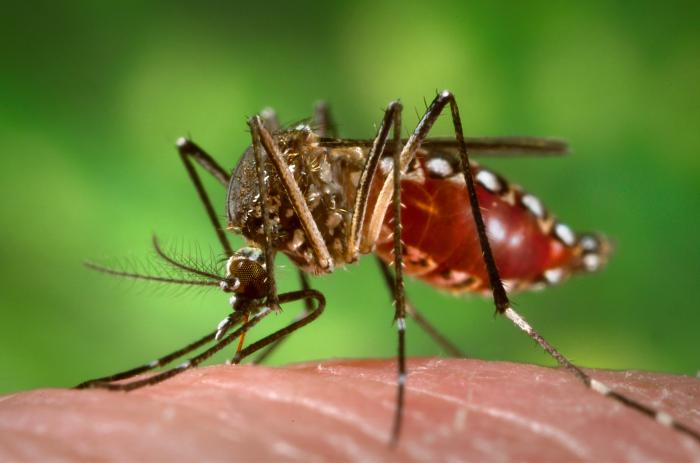
    Health authorities emphasize that this unexpected surge signals a growing, unaddressed risk of dengue transmission across the island nation. Dengue, a potentially serious viral illness, is spread exclusively through bites from infected Aedes aegypti mosquitoes, a species that commonly breeds in small pools of stagnant water found around residential properties and community spaces.

    In direct response to the rising case counts, the Ministry of Health has announced it is expanding integrated mosquito vector management operations across high-risk areas. Senior health officials say they are maintaining continuous vigilance, updating real-time monitoring of transmission trends to adjust public health interventions as needed.

    “ This week’s increase serves as a clear reminder that the risk of dengue infection remains present in our communities, ” a ministry spokesperson stated. “ Every individual and household has a critical role to play in prevention by cutting off mosquito breeding sites and taking personal steps to avoid bites. ”

    Following the case surge, the ministry has issued a formal set of public guidelines for all Grenadian residents to reduce their risk of infection. Officials are urging households to drain all standing water from common breeding spots including unused containers, discarded tires, and clogged drains; securely cover all residential water storage tanks and dispose of solid waste properly; use registered mosquito repellents and opt for long-sleeved garments when spending time outdoors; and seek immediate medical attention if they develop common dengue symptoms including high fever, headache, muscle and joint pain, or skin rashes.

    Alongside the dengue update, the Ministry of Health also released its full weekly epidemiological report covering other common communicable illnesses across the country. Respiratory infections remained the most widespread illness, with 90 new cases recorded in the week. Gastroenteritis also saw a concerning rise, particularly among adult populations, with 70 new cases reported. Other less common conditions detected during the monitoring week included eight cases of food poisoning, four cases of conjunctivitis, and single isolated cases of tuberculosis, pneumonia, and chickenpox.

    This public health update was released by the Ministry of Health, with content disclaimer information provided by the publishing outlet NOW Grenada.