标签: Grenada

格林纳达

  • Corporate secretaries build stronger governance

    Corporate secretaries build stronger governance

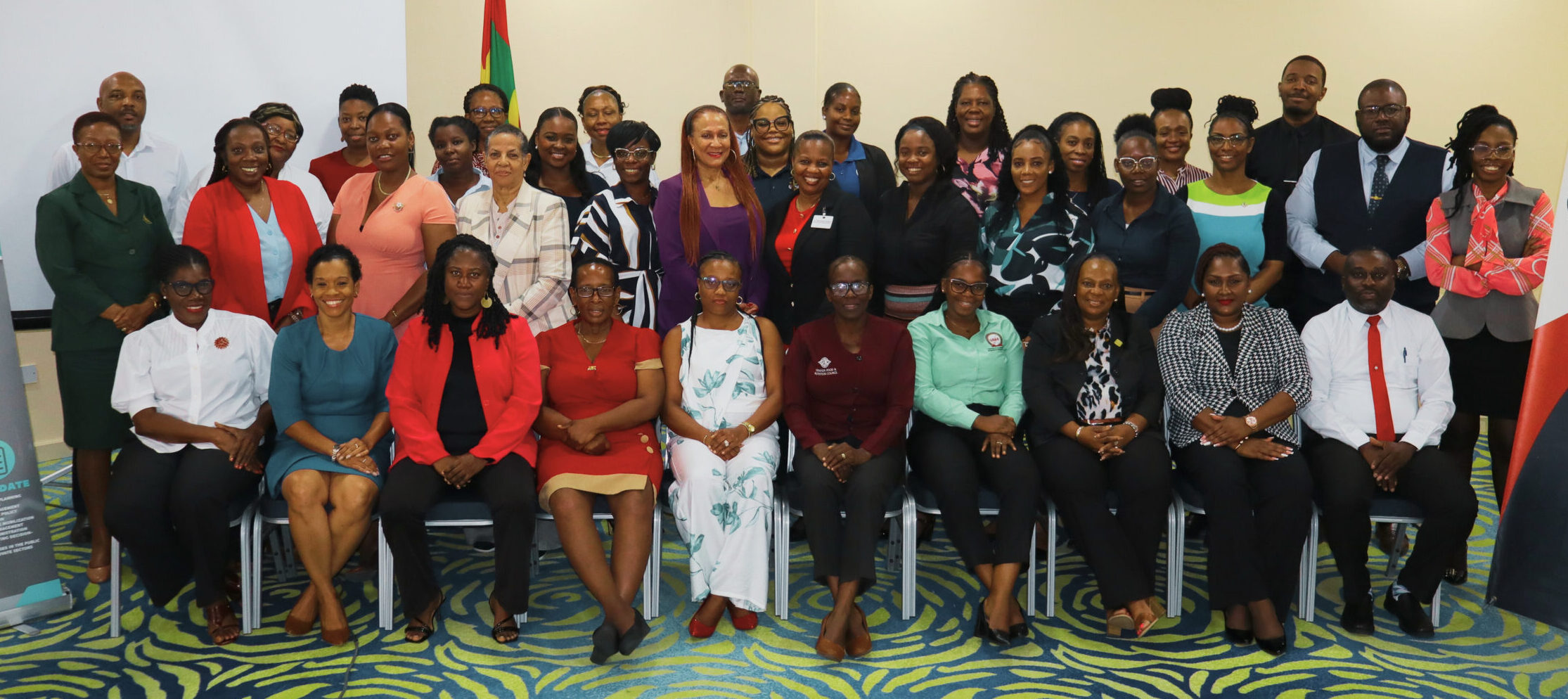
    On August 19, 2026, 34 professionals from across Grenada’s public and private sectors walked away with official certification following the successful completion of the rigorous Chartered Corporate Secretary Programme developed and delivered by the Caribbean Governance Training Institute.

    The graduating cohort drew participants from a wide cross-section of institutions: statutory government bodies, state-owned enterprises, and private sector organizations spread throughout the country. Over the course of the training program, participants built a targeted skill set and deep knowledge base designed to enable them to deliver high-impact support to organizational boards and executive leadership teams. Beyond technical capabilities, the program also reinforced core competencies that underpin strong institutional performance: upholding accountability, embedding transparency, guiding sound strategic decision-making, and embedding a culture of good governance across all operations.

    Speaking on behalf of Grenada’s Ministry of Finance, Deputy Permanent Secretary Maraise Francis addressed the newly certified corporate secretaries with a clear charge to put their training into practice. “I urge you to demonstrate the value of this training through better documentation and reporting, stronger compliance, more effective advisory support, and a renewed commitment to ethical and accountable governance across our statutory bodies, state-owned enterprises, and wherever you serve,” Francis told the graduating group.

    For the 34 graduates, earning the official Chartered Corporate Secretary (CCSec) designation represents more than a personal career milestone: it marks a critical step forward in lifting the overall quality of corporate secretarial practice across Grenada. As these professionals integrate the new industry standards and ethical frameworks they learned into their daily roles, they will directly contribute to strengthening national governance structures, streamlining board operations, and driving higher levels of institutional accountability across both public and private sector organizations.

    Grenada’s national government has made upgrading institutional governance and lifting performance standards for public entities a key policy priority. As the pool of professionally trained, certified corporate secretaries across the country continues to grow, these specialized professionals will take on an increasingly central role in helping all types of institutions operate with higher levels of efficiency, transparency, and public accountability.

    This release was issued by the Ministry of Finance. NOW Grenada holds no responsibility for opinions, statements, or content shared by contributor entities, and provides a channel for users to report content that violates community standards.

  • Junior Minister for Tourism begins mentorship programme

    Junior Minister for Tourism begins mentorship programme

    A promising young Grenadian tourism leader has kicked off a targeted mentorship initiative designed to prepare her for one of the Caribbean’s most high-profile youth tourism gatherings, marking a key step in investing the region’s next generation of travel industry professionals. Ella-Rose Charles, Junior Minister for Tourism and a current student at St Joseph’s Convent in St George’s, has officially started her mentorship placement at Grenada’s Ministry of Tourism, the Creative Economy and Culture. The programme is organized to get her ready to represent Grenada at the Caribbean Tourism Organisation’s Regional Tourism Youth Congress, which is scheduled to take place in Guyana from October 5 to 8, 2026.

    Charles has secured this valuable development opportunity through partnerships between two of Grenada’s leading tourism industry bodies: the Grenada Tourism Authority and the Grenada Hotel and Tourism Association. Over the course of her pre-congress preparation, she will be fully integrated into all ongoing operations, projects and public outreach initiatives run by the Ministry of Tourism. Beyond gaining on-the-ground insight into how Grenada’s tourism sector operates, she will also work closely with the ministry’s technical and policy teams to polish her competition presentation, refine her arguments and build the public speaking skills needed to stand out at the regional event.

    This article is sourced from NOW Grenada, which notes that the outlet does not take responsibility for the opinions, statements and third-party media content shared by its contributors. Users may click the provided reporting link to flag any content that violates platform guidelines.

  • A public road through an active industrial site?

    A public road through an active industrial site?

    Nestled in the rural heart of Grenada, connected to a network of neighboring settlements including Brooklyn, Mt Dor, Concord and Cotton Bailey, Woodford has long been a community shaped by its natural landscape. For generations, local livelihoods have been rooted in agriculture, fishing, and sustainable use of the region’s abundant freshwater resources, with the area holding deep historical, cultural and environmental value. It boasts fertile agricultural lands, active fishing grounds, intact freshwater systems, and tangible remnants of its colonial plantation past. Even during Hurricane Ivan, when major public water sources became contaminated, the region’s natural streams served as a lifeline for desperate villagers, providing clean drinking water when all other options failed.

    Today, Woodford continues to support small-scale farmers, artisanal fishermen and diverse native aquatic life, from snapper to wild shrimp. But the quiet rhythm of this rural community has been upended by large-scale industrial development spearheaded by Rayneau, a private construction and industrial firm. Local activists and residents warn that if the project irreparably damages these critical natural resources, generations of locals who have built stable lives close to home will be forced to leave their communities and compete for work elsewhere. As development progresses, three urgent questions hang over the future of Woodford: What costs is the country willing to sacrifice in the name of economic progress, who will actually reap the benefits of this project, and what will be left for the generations of Woodford residents who call this place home?

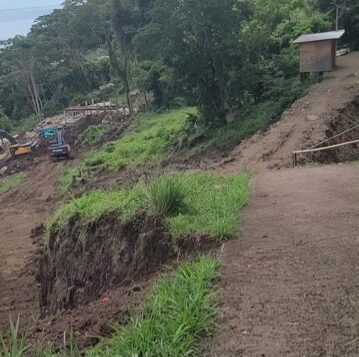
    The first major crisis of the project has already emerged: the public Mt D’Or road, which runs directly alongside Rayneau’s development site where heavy excavation and land clearing work has been carried out, has suffered three major structural collapses. The damage has cut off vehicle access to residential neighborhoods and left local farmers stranded, unable to reach their farm plots to tend crops or harvest produce. Instead of addressing the root cause of the collapses, the government of Grenada has proposed a quick-fix solution: rerouting the damaged public road directly through the active Rayneau industrial site.

    Critics argue this plan raises life-threatening safety concerns. The proposal to route regular public traffic through an operating industrial zone is unprecedented, and the risks are far from theoretical: back in 2017, a deadly explosion at a Rayneau-owned quarry in Cul-de-Sac, St Lucia killed four workers and injured more than 20 others. To date, no independent safety certification has been presented to prove the proposed route is safe for ordinary motorists, pedestrians and local residents. Key questions remain unanswered: What barriers will separate public passenger vehicles from heavy industrial trucks and ongoing works? Which entity will be responsible for ongoing maintenance of the new road? If another landslide, collision or serious injury occurs, who will be held legally liable — the government, Rayneau, or both?

    Beyond safety, there are fundamental questions about what actually caused the road collapses. Prime Minister Dickon Mitchell has attempted to downplay any connection between the road damage and Rayneau’s development work, but the three failures all occurred along the exact stretch of road where the company carried out large-scale excavation and boulder removal. Residents raised concerns about the link before any official investigation was launched, yet the government has pushed ahead with the reroute plan without waiting for results from the geotechnical investigation it commissioned. Critics are now demanding answers: What technical evidence supports the government’s claim that a new route through the adjacent industrial site is safe?

    A host of unresolved legal and planning issues also cast doubt on the proposal. If the new public road crosses land owned by Rayneau, what legal agreement grants the public permanent right of access? Is the government acquiring the land through eminent domain, establishing a legal right of way, leasing the property, or is the project relying on informal permission from the developer? Is the reroute only a temporary diversion, or will it become a permanent part of Grenada’s public road network? Under Grenada’s existing planning laws, the construction of new public roads is explicitly classified as a development activity that requires formal regulatory approval. Has the Physical Planning and Development Authority formally reviewed the proposal? Has an environmental assessment been required, or has approval already been granted? Or is the government attempting to classify the project as exempt from standard planning rules?

    Critics point out that the current crisis is the direct result of the government’s unseemly haste to push the project forward, even skipping a mandatory full Environmental Impact Assessment (EIA) for the multi-faceted industrial development — which includes a quarry, asphalt production facility, concrete plant and new jetty. During a post-Cabinet press briefing in January 2024, the prime minister publicly stated that the EIA process was moving too slowly, and that he had accepted the developer’s verbal assurance that the facility would be environmentally friendly. Critics argue that if the government had not rushed to skip the EIA, the assessment would likely have identified critical risks: whether the project was sited too close to the public road, and whether boulder removal and excavation should have been restricted given the area’s unstable topography. Now, taxpayers may be forced to foot a multi-million-dollar repair bill for the damaged road, while local residents are left wondering whether the government rushed to fix one problem, only to create a series of worse problems that officials do not know how to solve.

    Local farmers have borne the brunt of the chaos so far. With no access to their fields, harvested produce is at risk of rotting before it can reach markets, and long-established commercial relationships are in danger of being lost permanently. Farmers also report being unable to deliver seeds, fertilizer and other essential inputs to their lands. While the proposed reroute may restore some limited access, many residents say it will still not provide direct vehicle access to their homes. The government has stated it commissioned an independent engineering firm to investigate the road collapses, but critics are questioning whether the assessment will cover all three failure points and the damage that has already spread onto private property, including one resident’s severely damaged private driveway. With results from the investigation still not publicly released, why has the developer already begun clearing land for the new road?

    In a recent interview on *The Bubb Report*, Rayneau’s head Gagadhar defended the approach, arguing that sometimes progress requires “taking the risk and make it happen.” While that may be an acceptable philosophy for private business decision-making, critics say it cannot be the standard that the government uses to approve a public road that will be used by ordinary residents. One Woodford resident summed up the growing fear in the community: “Our road is now on Rayneau property; our homes will follow.” If not for the very real harm the crisis has inflicted on residents, the situation would be almost absurd.

    Mandatory EIAs exist for a reason: to identify unforeseen risks before projects break ground, protecting communities and preventing costly future damage. Now, Grenada may be forced to spend millions of dollars repairing damage that could have been avoided, and Woodford’s residents are left waiting, wondering if this safety crisis is only the first of many to come.

  • Wild Isle: John Griffith’s first solo photography exhibition

    Wild Isle: John Griffith’s first solo photography exhibition

    For the first time in history, award-winning Grenadian wildlife photographer and conservation scientist John Griffith will showcase his life’s work capturing the island nation’s stunning natural landscapes in a solo exhibition hosted by Laluna Art Studio & Gallery.

    Griffith brings a rare dual perspective to his craft: as a trained marine and terrestrial conservation biologist, and a lifelong lover of nature and visual storytelling. His work goes far beyond simple landscape and wildlife photography—each frame weaves together his deep scientific understanding of Grenada’s ecosystems with his artistic passion, highlighting the extraordinary range of biodiversity that calls the island home. From vibrant native bird species and elusive land animals to the fragile, colorful ecosystems hidden beneath Grenada’s coastal waters, Griffith’s collection covers every corner of the island’s natural world.

    A dedicated birdwatcher and active conservation advocate, Griffith sees photography as more than an art form. It is a tool for change: while his work celebrates the unmatched beauty of Grenada’s natural heritage, it also aims to spark urgent public conversation about the critical need to protect these vulnerable ecosystems for future generations.

    His technical skill and impactful storytelling have already earned him international acclaim in the global photography community. Past honors include winning the Best Snapshot award at the Epic Seas and Scenes Photography Competition, receiving an Honourable Mention at the Caribbean Wildlife Photography Competition, and most recently advancing to the final round of judging for the 2024 Wildlife Photographer of the Year—one of the most prestigious awards in the field.

    Wendy Bertucci, co-owner of Laluna Art Studio & Gallery, highlighted the unique value Griffith’s work brings to the exhibition. “John’s photography gives us a chance to see the extraordinary nature of Grenada through his eyes,” Bertucci explained. “His images are beautiful on their own, but they also tell an important story about our collective responsibility to protect the natural world that surrounds us.”

    The exhibition will feature a carefully curated selection of Griffith’s most striking wildlife and nature works, and it is open to both Grenadian locals and international visitors. The opening reception is scheduled for Friday, August 28, 2026, at the gallery’s location on Portici Beach, Grenada, and the show will run through November of that year.

    Beyond this solo exhibition, Laluna’s ongoing Art Project has built a reputation for integrating creative practice, natural stewardship, and community connection across its multiple beachfront spaces. Adjacent to the Art Studio, the Monkey Bar is a relaxed beachfront venue open for lunch through sunset every Friday, Saturday, and Sunday, and it also hosts private events. The bar is accessible from Portici Beach via the public beach entrance at Point Salines, along the route to Dr Grooms Beach.

    The project also includes the Enchanted Forest Sculpture Garden, a two-acre beachfront site dedicated to rotating land art installations. The garden serves as a platform for experimental, eco-conscious creative work, including sculptures made from upcycled plastic and other repurposed materials that highlight sustainability.

    For more details about the exhibition and Laluna’s full Art Project programming, interested visitors can visit the official Laluna Art Project website.

  • 2026 VAT-free days eligible businesses

    2026 VAT-free days eligible businesses

    Grenada’s government has rolled out details for its 2026 Cost of Living Assistance Programme, a targeted policy designed to ease financial pressure on local consumers by introducing three weekend VAT-free shopping events in the final third of the year.

    The initiative, led by the country’s Ministry of Finance and managed by the Inland Revenue Division, will open VAT-free shopping to consumers on three paired weekends: 28–29 August, 25–26 September, and 30–31 October 2026. During these dates, shoppers will be exempt from paying value-added tax on qualifying purchases made at registered participating businesses across all parishes of the island nation.

    Officials have published a preliminary full roster of approved vendors spanning every parish, which have been grouped by geographic region for easier consumer navigation. In the parish of St George, the most heavily represented region, hundreds of registered retailers have been confirmed to participate, covering nearly every sector of local consumer commerce. These include large grocery chains such as 10 Points Grocery, Big Bazaar, Budget Foods Inc., and Ram’s Grenada Limited; independent grocers and convenience stores like A & M Mini Mart, Aalim Store, and Best Buy; pharmacies ranging from Best Care Pharmacy Grenada Inc., Atlantic Health Pharmacy Ltd, to Wecare Pharmacy and multiple Hills & Valley-branded pharmaceutical locations; auto parts and service suppliers including Andy Johnson Auto Parts, Knight’s Auto World Ltd, and Steele’s Auto Supplies Co. Ltd; hardware and building suppliers such as Europa Hardware Grenada Ltd, Elegant Plumbing & Supplies Ltd, and M and N Hardware Mahon and Sons Limited; and specialty retailers spanning optical care, furniture, clothing, marine supplies, electronic goods, and more.

    Outside of St George, participating retailers are also confirmed across every other parish on the main island and the smaller island of Carriacou. St Andrew’s approved vendors include 3P’s Mini Mart, Baron Foods (Grenada) Limited, Pick-N-Pay, and Shop N Save Wholesale & Retail Ltd, among others. St David will host participating businesses such as Automaster Inc., Aubrey’s Green Grocery, and St David’s Pharmacy Ltd. St John’s approved retailers include Dominics Shopping Centre Limited, OK Supermarket Ltd, and Spice Isle Pharmacy Co Ltd, while St Patrick and St Mark also have a range of local vendors registered for the program. On Carriacou, popular local retailers including Ade’s Dream Supermarket Ltd, D & D Super Centre, and Ken’s Supa Valu are among the participating locations.

    The Inland Revenue Division has noted that the published list remains preliminary, and any eligible retail business that does not appear on the current roster has until 19 August 2026 to submit an appeal for inclusion. Businesses seeking to appeal can contact the division via phone at 440-3556 or by email at helpdesk@irdgovgd.

    The VAT-free shopping program is a core component of the government’s broader strategy to address rising cost of living pressures, putting direct savings in the pockets of local consumers while supporting small and medium-sized retail businesses across the country by encouraging consumer spending during the event weekends. Consumers are advised to confirm participation with individual retailers ahead of shopping to access the VAT exemption benefit.

  • Academic year orientation dates and eBooks for Forms 1, 2 and 3

    Academic year orientation dates and eBooks for Forms 1, 2 and 3

    As the 2026–2027 academic year approaches, Grenada’s Ministry of Education has officially published key back-to-school information for all public and private secondary institutions across the country, including detailed orientation timelines for incoming students and a rollout schedule for free digital course materials for lower secondary grades.

    Orientation sessions, which help new and returning students acclimate to campus life, meet teaching staff, and prepare for the year ahead, are scheduled to roll out between 26 August and 28 August 2026. The vast majority of participating institutions have set a 9:00 a.m. start time for their orientation events, with a small number of schools opting for earlier start times to accommodate their specific institutional planning.

    Schools holding orientation sessions on 26 August 2026 at 9:00 a.m. include Anglican High School, Boca Secondary School, Grenada Christian Academy, Happy Hill Secondary School, and J W Fletcher Catholic Secondary School. On 27 August 2026, most institutions will also kick off events at 9:00 a.m., including Bishop’s College, Grenada Boys Secondary School, Grenada SDA Comprehensive School, Grenville Secondary School, St David’s Catholic Secondary School, St John’s Christian Secondary School, St Joseph’s Convent St George, St Rose Modern Secondary School, Wesley College, and Westerhall Secondary School. Two schools on this date have adjusted start times: St Andrew’s Anglican Secondary School will begin at 8:00 a.m., while St Joseph’s Convent, St Andrew will start its session at 8:30 a.m.

    The final wave of orientation sessions will take place on 28 August 2026, all starting at 9:00 a.m. This group includes Hillsborough Secondary School, Mac Donald College, Presentation Brothers College, St George’s Institute, and St Mark’s Secondary School.

    Alongside the orientation schedule, the Ministry of Education has also announced the rollout of digital eBooks for Forms 1, 2, and 3, expanding access to flexible, device-agnostic learning materials for lower secondary students. All eBooks will be hosted on the BookFusion platform, which allows students to log in and access their course content from any internet-connected device, whether a smartphone, tablet, laptop, or desktop computer, regardless of their location.

    To align with the back-to-school timeline, eBooks for Forms 1 and 2 will be made available to students starting 26 August 2026, matching the launch of the first round of orientation events. Form 3 eBooks will follow five days later, becoming accessible to students on 31 August 2026. The Ministry shared preview images of the Form 1, 2, and 3 eBook resources alongside its official announcement.

    This announcement was published via local media outlet NOW Grenada, which included a standard disclaimer that the outlet is not liable for contributor content or statements, and invites users to report any abusive content through official reporting channels.

  • Grenada’s new hospital legislation

    Grenada’s new hospital legislation

    Grenada is pushing forward with a landmark overhaul of its public hospital system, as a specialized transition team works to deliver modernized governance legislation that addresses longstanding gaps in the island nation’s outdated health care regulatory framework. The Hospital Statutorisation Transition Team (HSTT), which has been steering the reform process for more than a year, confirmed that the 1998 Hospitals Authority Act—currently the law governing public health facilities—fails to meet contemporary standards for governance, financial management, and data protection, and cannot adequately support the planned staff transition required for the new system.

    The HSTT laid out its detailed roadmap for the transition at an official press conference held on Wednesday, 19 August 2026, where it shared the latest progress on legislative, administrative, and operational preparations for the full statutorisation of the public hospital network. The foundational policy draft was finalized in June 2026, followed by a month of initial stakeholder consultations in July, and formal legislative drafting kicked off earlier this month. The first full version of the bill is expected to be completed by the end of September, with the team targeting introduction to the parliamentary session scheduled for October. If the legislation progresses through the parliamentary process on schedule, HSTT Chairperson Lucia Livingston-Andand explained, full implementation of the new system could launch as early as the first half of 2027. Livingston-Andall emphasized that the final timeline remains contingent on parliamentary review and approval.

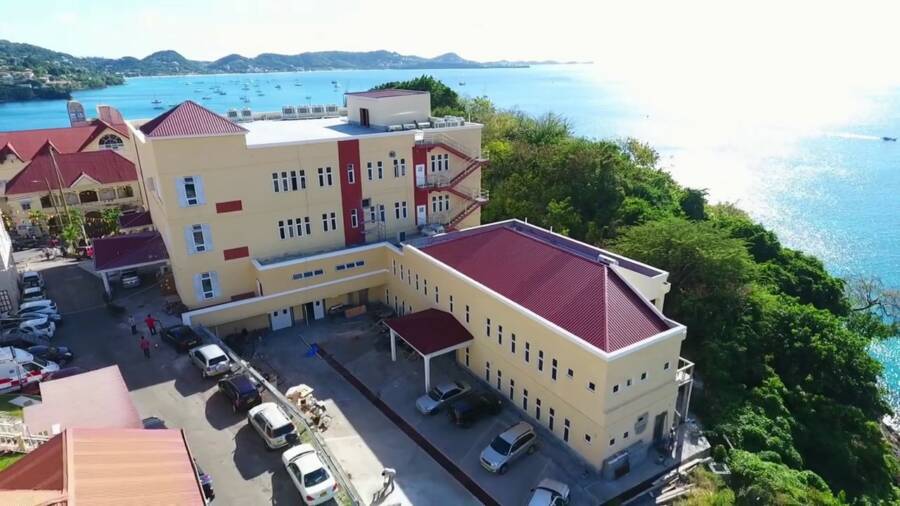
    This reform effort builds on a decades-long history of attempts to update Grenada’s hospital governance rules. The 1953 Hospital Act was repealed and replaced by the 1998 Hospitals Authority Act, which established the Grenada Hospital Authority to oversee and manage all public hospital services. When fully enacted, the new legislation will enable the statutorisation of six key public health facilities and services: Grenada General Hospital, Princess Alice Hospital, Princess Royal Hospital, Mt Gay Psychiatric Hospital, the centralized Hospital Laundry Services, and the Central Medical Stores. Officials stress that passage of the bill will not mark the end of the transition process, with multiple phases of structural change required after legislation is approved.

    Health Minister Hon. Philip Telesford framed the reform as a carefully designed corporatisation of public hospital services, explaining that the new statutory model will grant participating facilities greater operational autonomy while retaining full public ownership and maintaining mandatory public accountability. According to Telesford, this structural shift will allow hospitals to operate with improved agility, greater operational efficiency, and more responsiveness to patient and community needs.

    This latest attempt at statutorisation comes after an earlier effort launched under the 1998 Act, which passed through Parliament but was never fully implemented. The HSTT identified a series of missteps that derailed the previous initiative, including inadequate pre-transition planning, insufficient input from key stakeholders, and unresolvable legal, constitutional, and industrial relations challenges tied to the transition of public sector workers to the new statutory body.

    To avoid repeating these past failures, the HSTT has adopted a deliberate, inclusive approach to the transition process. Over the past 16 months, the team has held more than 30 stakeholder working sessions and split its work across five specialized thematic working groups to address every aspect of the reform. The Cabinet has already approved a three-phase transition plan to guide the process: the first phase concludes with the passage of the enabling legislation; the second covers the appointment of the new statutory body’s Board of Directors, executive leadership team, and core staff; the third and final phase involves the full transfer of all hospital assets, liabilities, and personnel to the new governing body.

    Parallel to legislative work, the government has already begun restructuring hospital management to prepare for the transition. Telesford confirmed that recruitment is currently underway for an Interim Chief Executive Officer to lead the transition management, while a Director of Human Resources and Chief Engineer have already been hired to fill key new roles. Additional senior positions that are currently being sourced include a Financial Controller and a Chief Technology Officer, to support the system’s upcoming digital transformation.

    Stakeholder engagement has been a core priority from the earliest stages of the process: formal discussions with trade unions representing workers at affected facilities launched in June 2025 and are still ongoing, while internal stakeholder consultations got underway in March 2026. Formal engagement with external stakeholders kicked off on the same day as the press conference, 19 August, with additional public consultations and townhall-style community meetings planned in the coming months to gather public input. The new legislation is also being designed to align with other major ongoing health sector reforms across Grenada, including Project Polaris, the rollout of national health insurance, and the broader digital transformation of the country’s health care system.

  • PURC concludes successful Summer School Outreach

    PURC concludes successful Summer School Outreach

    Grenada’s Public Utilities Regulatory Commission (PURC) has wrapped up its 2026 Summer School Outreach initiative, the largest public engagement program for youth in the organization’s history, spanning the main island of Grenada along with its sister territories Carriacou and Petite Martinique.

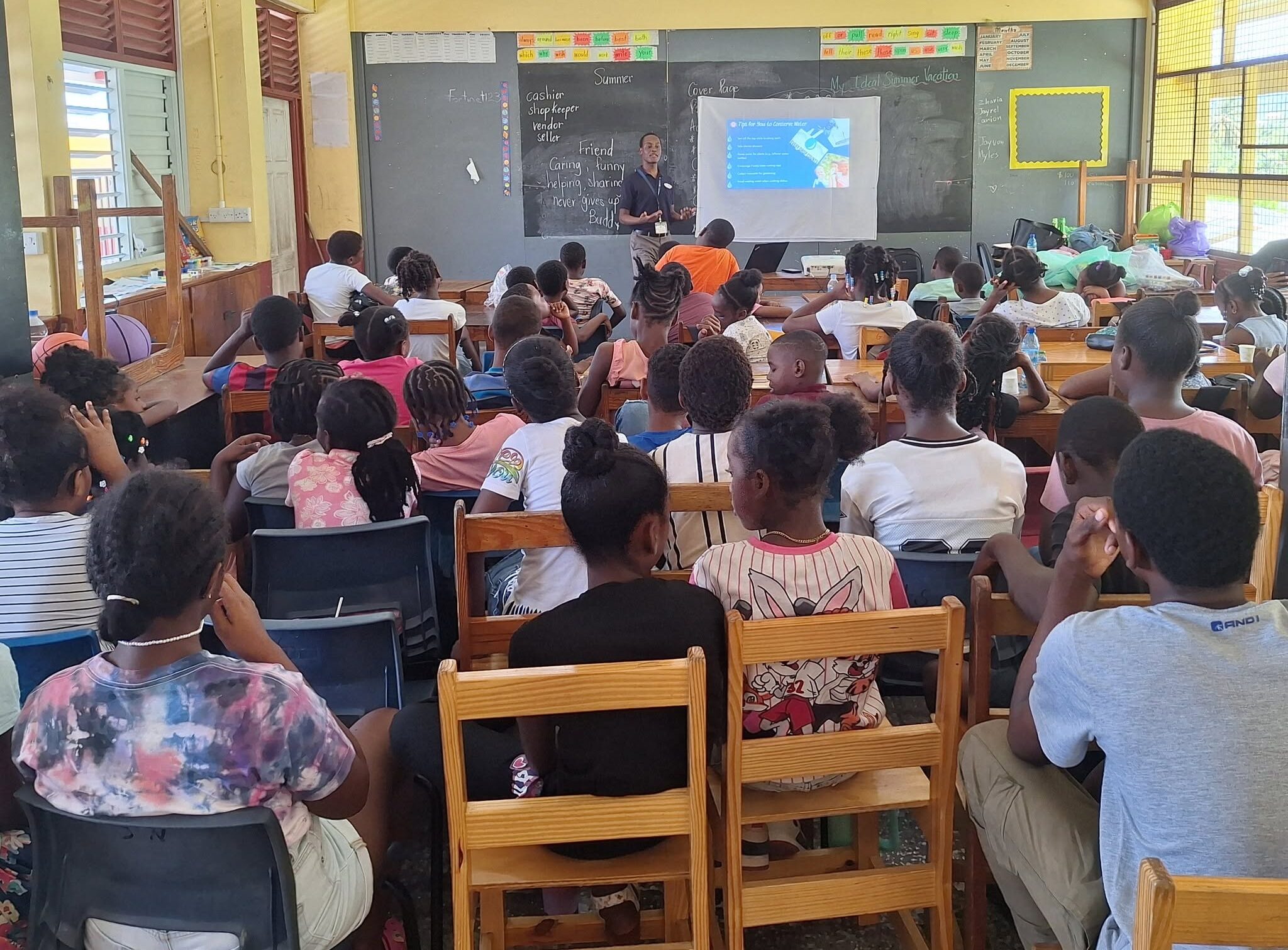
    Throughout the entire month of July, a team of PURC representatives traveled to 40 different summer learning programs across all of the country’s parishes, reaching a total of 1,679 students and 172 program facilitators. The team delivered interactive educational sessions, including hands-on presentations and competitive quizzes, centered on three core themes: renewable energy adoption, household energy efficiency, and collective conservation of water and electricity resources.

    The program was intentionally designed to embed foundational knowledge of sustainable habits and responsible utility consumption among children, a demographic that will shape the country’s climate future. Student engagement was notably high: participants actively explored different categories of renewable energy, discussed actionable everyday strategies to cut unnecessary electricity use, and examined why protecting limited freshwater supplies matters for all Grenadians. Facilitators also welcomed the educational opportunity, noting that they left the sessions with a clearer understanding of the PURC’s core mandate as the independent regulator of the country’s water and electricity sectors. Attendees also learned that the commission plays a key consumer protection role, helping residents resolve unaddressed complaints against major utility providers including Grenada Electricity Services (Grenlec) and the National Water and Sewerage Authority (NAWASA).

    This year’s outreach was headed by Allecia Andrew, PURC’s Consumer and Public Affairs Officer, with logistical and outreach support from Public Relations Assistant Raheem Smith. In a new collaborative step for 2026, PURC partnered with the Geothermal Unit under Grenada’s Ministry of Climate Resilience, the Environment and Renewable Energy. Wendy Frederick, the unit’s Social and Community Development Specialist and lead project coordinator, delivered a dedicated presentation on ongoing geothermal energy exploration efforts across the country.

    In comments following the conclusion of the initiative, Andrew emphasized the value of expanding youth engagement across the full territory. “This year, we were pleased to have greater interaction with children across the whole state of Grenada. Their enthusiasm and curiosity reaffirm the importance of educating our young people about responsible utility use, renewable energy, and sustainability from an early age,” Andrew said.

    The PURC has publicly extended its gratitude to all participating summer school coordinators, facilitators, students, and partner organizations that contributed to the initiative’s success. The commission reaffirmed its long-term commitment to expanding public climate and utility education, with a specific focus on empowering young people with the knowledge to become responsible utility consumers and the next generation of advocates for renewable energy adoption and climate sustainability across Grenada.

    Disclaimer: NOW Grenada does not take responsibility for opinions, statements, or third-party content shared by contributing organizations. Reports of policy or content abuse can be submitted via the platform’s official reporting channel.

  • Grenada at 13th Commonwealth Youth Parliament, Australia

    Grenada at 13th Commonwealth Youth Parliament, Australia

    Two young Grenadian parliamentarians have carried their nation’s voice to one of the Commonwealth’s most prominent youth governance gatherings, wrapping up a week of global dialogue focused on emerging threats and opportunities for democratic systems in the digital age. Tariq Miller and Kerri Ann Marrast represented Grenada at the 13th Commonwealth Youth Parliament (CYP13), held this year in Sydney, Australia, joining more than 50 young leaders from 50+ member nations across the bloc.

    This year’s flagship youth governance event centered on the timely theme of “Democracy in the Age of Artificial Intelligence”, bringing emerging debates around AI’s dual impact on democratic institutions to the forefront of the Commonwealth’s youth agenda. Over the seven-day gathering, delegates took part in mock parliamentary debates, skills-building leadership workshops, and cross-national dialogues designed to equip the next generation of leaders with tools to address 21st-century governance challenges. For Grenada, Miller and Marrast brought forward unique small-state perspectives to conversations about how AI can strengthen inclusive governance, as well as the disproportionate risks that unregulated AI poses for smaller developing democracies.

    Following the conclusion of CYP13, Grenada’s Ministry of Youth issued a public statement congratulating the two delegates for their successful participation and for upholding Grenada’s reputation on the global Commonwealth stage. “We are incredibly proud of Tariq and Kerri Ann for amplifying the voices of Grenada’s young people at this critical international forum,” the ministry noted in its statement.

    Beyond international participation, Grenada’s Youth Parliament Programme is gearing up for a key domestic milestone: national elections for new youth representatives are scheduled to take place across the country this December. The upcoming process will give the highest-performing debaters from each of Grenada’s parish-level youth parliaments the chance to campaign among their peers, win election to the national body, and take on two core roles: advocating for youth-led policy priorities to national government leaders, and serving as official youth ambassadors to the Ministry of Youth and Sports.

    For young Grenadians and community members seeking additional details about the upcoming national election or the broader Youth Parliament Programme, officials with the Ministry of Youth and Sports have shared multiple contact points. Interested parties can reach the ministry via phone at 1 (473) 440-6917, extension 22017, or follow the ministry’s official social media channels for ongoing updates and announcements.

    This report was shared via contributor submission to NOW Grenada, which notes that it does not take responsibility for the opinions, statements, or third-party media content included in contributor-submitted materials. Users may flag abusive content via the platform’s official reporting channel.

  • Nexa Credit Union annual CPEA Grant distribution

    Nexa Credit Union annual CPEA Grant distribution

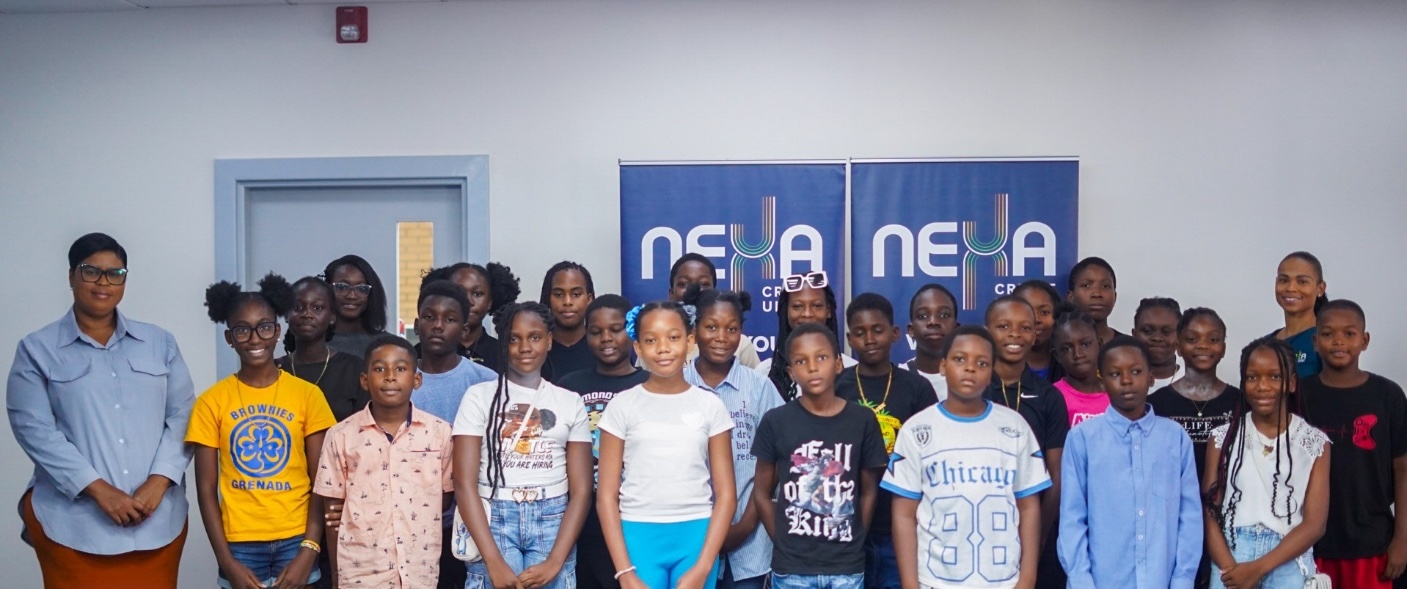
    As a cornerstone of its longstanding dedication to community progress and educational advancement, Nexa Credit Union has officially distributed its annual Caribbean Primary Exit Assessment (CPEA) grant awards, extending tangible financial support to member families of top-performing primary school graduates across Grenada, Carriacou and Petite Martinique. The 2026 grant distribution ceremony was hosted on 18 August at the credit union’s St. George’s headquarters, bringing together a diverse group of qualifying recipients to mark the occasion.

    This year, 135 eligible students secured the one-time education grant, designed to offset the often heavy financial burden of back-to-school preparations for transitioning secondary students. In remarks delivered during the ceremony, Nexa Credit Union General Manager Retesha Smith-Boyd emphasized the initiative’s core mission. “At Nexa Credit Union, we take great pride in standing alongside our members and their families, while celebrating the dedication and academic excellence of the young people who have worked so hard to earn this achievement,” Smith-Boyd said. “This program is more than a financial award—it is a reflection of our ongoing promise to invest in education and empower the next generation, no matter what path they choose to pursue.”

    To qualify for the CPEA grant, applicants must meet clear eligibility requirements that align the program with Nexa’s focus on responsible financial stewardship: student’s parents or guardians must be active Nexa members in good financial standing, holding a minimum of $300 in fully paid-up shares. This structure ensures the initiative simultaneously rewards sound financial habits among members and opens pathways for educational progress.

    Each grant carries a total value of $300, split into two purpose-driven allocations. The first $250 is deposited directly into the qualifying member’s main account, earmarked for essential back-to-school needs including school uniforms, textbooks, notebooks and other classroom supplies that make up a large share of back-to-school costs for families. The remaining $50 is issued as a Smart Saver voucher, which is either credited to the student’s existing youth savings account or used to open a new account. This split structure is intentional, designed to foster a lifelong habit of saving and smart financial decision-making from childhood.

    Nexa’s Smart Saver program, the youth-focused savings product that underpins the grant’s savings component, has recently been updated to further incentivize academic success. Under the revised terms, secondary students who maintain an A average on their term report cards now qualify for periodic cash bonuses, deposited directly into their Smart Saver accounts at the end of each academic term.

    In a new enhancement to the 2026 CPEA grant program, Nexa has partnered with local business Cathwills Stationery Services to offer all grant recipients an extra 15% discount on all purchases storewide. The collaboration amplifies support for families, stretching education dollars further to cover necessary school supplies as students prepare to begin the new academic year.

    The CPEA grant initiative is one of Nexa Credit Union’s longest-running community programs, rooted in the cooperative’s core mission of lifting up members and investing in Grenada’s future through youth empowerment. On behalf of Nexa’s Board of Directors, senior leadership team and all staff, congratulations were extended to every 2026 grant recipient, with well wishes for continued academic and personal success in their upcoming secondary education and future endeavors.

    For full details on the 2026 CPEA grant distribution, additional program information and application details for future cycles, interested parties can visit the official Nexa Credit Union website at nexacreditunion.com, or follow the credit union’s official Facebook and Instagram pages for updates.